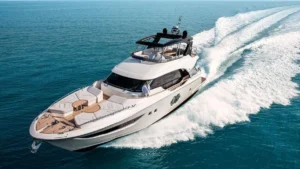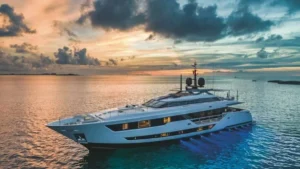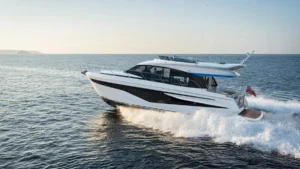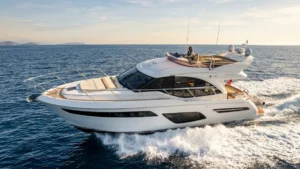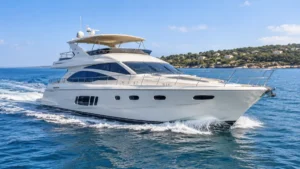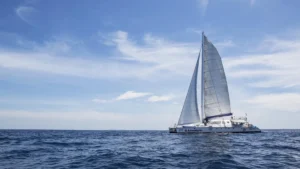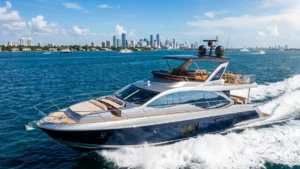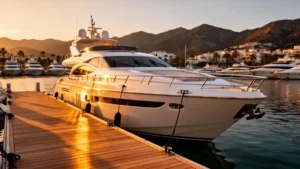
Affordable yachts for sale are not limited to small sailing yacht. Depending on your budget, the US market offers used sailing yachts, compact motor yachts, pocket cruisers, trawlers, and catamarans.
Around $50,000 may buy an older 30-foot sailboat or a small motor cruiser. With $100,000, you can look at larger sailboats, some used catamarans, and compact trawlers. Up to $200,000 opens the door to newer pocket cruisers and a wider choice of used cruising yachts.
The best choice depends on more than the asking price. Condition, maintenance history, fuel use, storage, insurance, and your intended use all matter.
This guide covers the US market. All prices are in US dollars, and used-boat prices are asking-price examples checked on November 18, 2026. They are not confirmed sale prices or valuations.
How Much Do Affordable Yachts Cost?
Price depends on size, age, type, builder, equipment, and condition. Used boats usually offer more choice at lower prices than comparable new models. The table below shows shopping categories, not fixed market values.
| Budget | Types to explore | What to expect |
|---|---|---|
| Under $50,000 | Older sailboats, small cabin cruisers, compact motorboats | Older equipment, smaller living space, possible repairs |
| Under $100,000 | Larger used sailboats, small trawlers, older motor yachts | More cabin space, wider choice of layouts |
| Under $200,000 | Used catamarans, pocket cruisers, newer compact motor yachts | More modern equipment and model choice |
Yachts Under $50,000
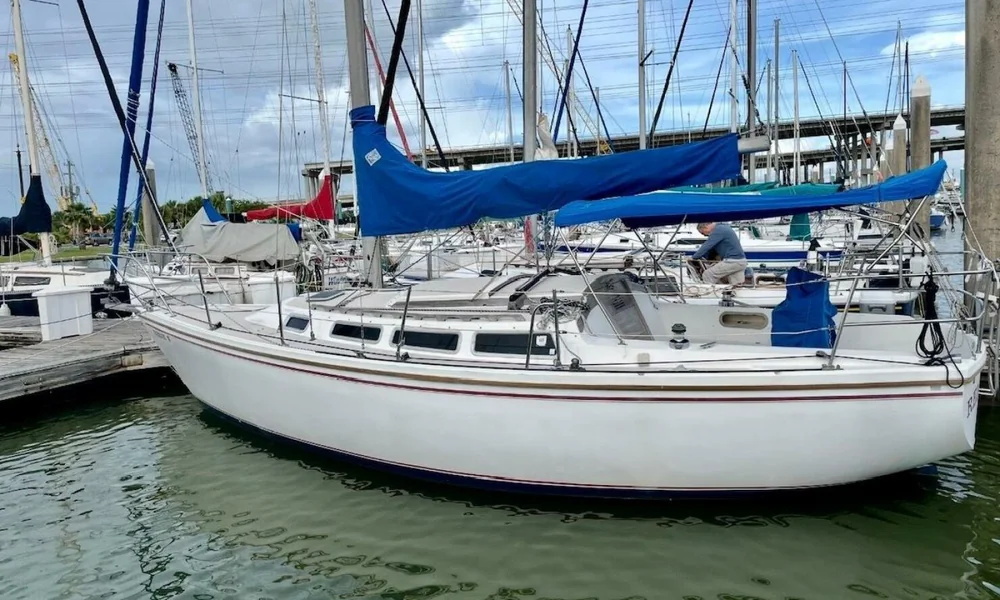
Buyers will find many older sailing yachts and small motor cruisers here. A well-maintained 30-foot sailboat can offer sleeping space, a small galley, a head, and room for weekend trips. Catalina 30 listings, for example, have ranged from about $7,500 to $25,000, and Hunter 34 listings have appeared in this range too.
A low asking price is not automatically a good deal. Older boats may need new sails, rigging, engine work, batteries, plumbing repairs, or hull maintenance.
Best for: First-time owners, weekend sailing, short coastal trips, and buyers willing to handle maintenance.
Yachts Under $100,000
This budget lets you compare larger sailing yachts, older trawlers, and compact motor cruisers. Used Nordic Tug 26 listings have ranged from roughly $69,000 to $107,000, and some older Gemini 105Mc catamarans have been listed below $100,000. Compare the cost of immediate repairs against the asking price: a boat listed at $85,000 may need more work than one at $95,000.
Best for: Buyers who want more cabin space or longer weekend trips without a big jump in price.
Yachts Under $200,000
This range includes used motor cruisers, sailing catamarans, pocket trawlers, and compact cruising yachts. Used Ranger Tugs R-23 listings have run from about $95,000 to $145,000. Buyers here should weigh a newer compact boat, with more modern equipment, against an older, larger yacht with extra cabins and living space.
Best for: Buyers who want a more capable cruising setup or a larger used sailing yacht.
Types of Affordable Yachts for Sale
Before choosing a model, decide whether you prefer sailing or powered cruising, and whether you want overnight trips or longer journeys.
Sailing yachts use wind as their main power, with an auxiliary engine for maneuvering and calm conditions. Fuel use under sail is generally much lower than on a comparable motor yacht, and there are many sizes and layouts on the used market. Sails, rigging, and winches need regular inspection and replacement.
Motor yachts rely on engines, so they suit buyers who want straightforward powered cruising regardless of wind. Small models usually have a cockpit, cabin, galley, and marine toilet. Fuel, engine maintenance, insurance, and marina costs can make them more expensive to own.
Cabin cruisers are motorboats with an enclosed cabin for shelter and overnight use. Many are 20 to 30 feet long. The term describes a style, not a guaranteed size or luxury level, so check sleeping space, headroom, and galley equipment against how many people will use the boat.
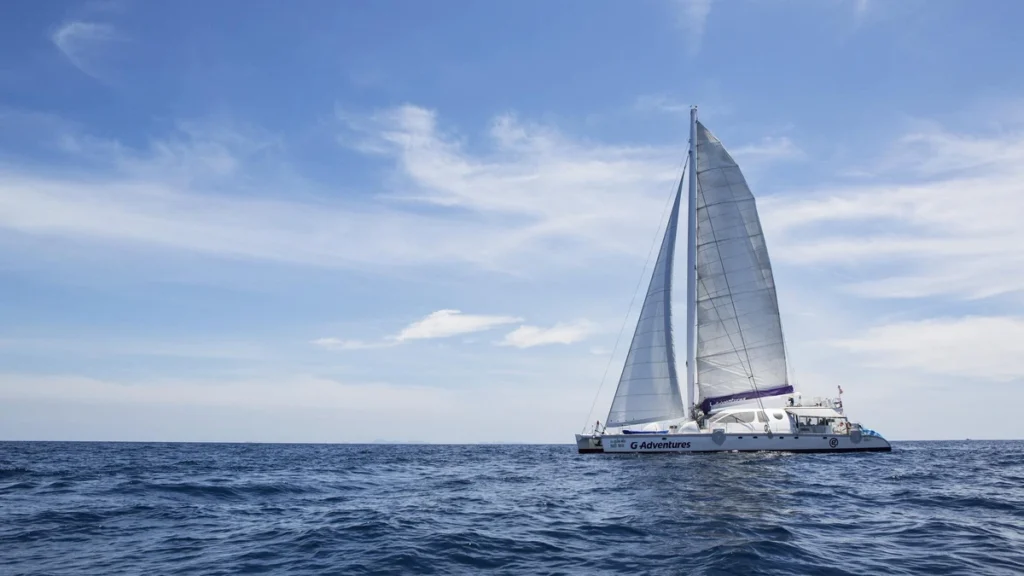
Catamarans have two hulls joined by a bridge deck, giving a wider layout and separate living areas. Both sail and power versions exist. The wide beam can limit marina and storage options, so check berth availability and docking charges first.
Pocket cruisers and trailerable yachts are compact boats, commonly 18 to 30 feet, that offer basic cruising features in a smaller package. Trailerable models can reduce marina costs, but you must budget for the trailer, towing limits, launch facilities, and the effort of launching and recovering the boat.
Trawlers are motor yachts designed for steady, economical cruising rather than speed, usually with a protected helm and space for overnight trips. Fuel use still depends on engine size, speed, load, and conditions, so ask for consumption figures at the speed you expect to use most.
Affordable Yacht Models Worth Researching
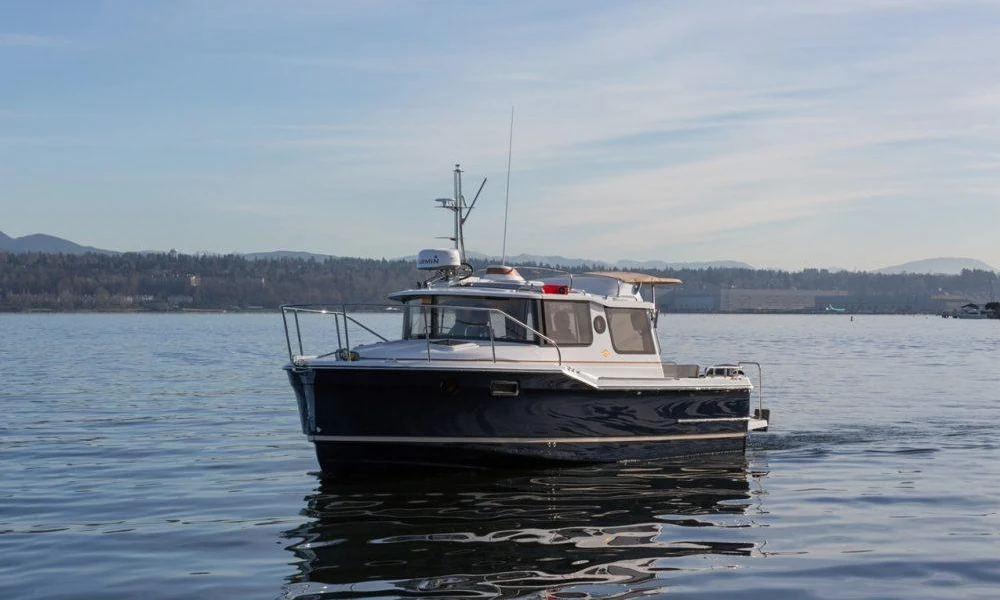
These models are starting points for comparison. Specifications come from published model information and specialist databases, and they vary by version and year.
| Model | Type | Length | Beam | Draft | Engine |
|---|---|---|---|---|---|
| Catalina 30 | Sailing yacht | 29.92 ft | 10.83 ft | Up to 5.25 ft | Varies by year |
| Hunter 34 | Sailing yacht | 34.42 ft | 11.58 ft | Up to 5.50 ft | Yanmar 3GM diesel (original) |
| Sea Ray 240 Sundancer | Cabin cruiser | 24 ft 10 in | 8 ft 6 in | ~3 ft 1.5 in | Varies by year |
| Nordic Tug 26 | Trawler | 26 ft 4 in | 9 ft 6 in | 3 ft 3 in | 115 hp |
| Gemini 105Mc | Sailing catamaran | 33.5 ft | 14 ft | 1.5–5.5 ft | 27 hp Westerbeke diesel |
| Ranger Tugs R-23 | Pocket power cruiser | 28 ft 5 in | 8 ft 6 in | 2 ft 6 in | 200 hp Yamaha outboard |
Catalina 30. A popular production sailboat with a long build history, so boats from many years and equipment levels are available. Listings have ranged from about $7,500 to $25,000. Check the engine, sails, rigging, deck, and any signs of water intrusion.
Hunter 34. Built during the 1980s, with listings from around $11,000 to $35,000. The original engine was a Yanmar 3GM diesel, but individual boats may have been repowered. Review the rigging, deck, engine history, and interior.
Sea Ray 240 Sundancer. A compact motor cruiser with an enclosed cabin, suited to day trips and occasional overnights. A recent snapshot showed a median asking price near $24,000, with many listings between $13,000 and $30,000.
Nordic Tug 26. A compact trawler-style cruiser with a practical cabin and protected helm, listed from roughly $69,000 to $107,000. Check the engine, fuel system, hull, electrics, and maintenance records.
Gemini 105Mc. A 33.5-foot sailing catamaran with a 14-foot beam and variable draft. Listings have run from about $79,500 to $130,000. Inspect both hulls, the centerboards, rigging, sails, engine, and bridge-deck structure.
Ranger Tugs R-23. A trailerable power cruiser rather than a traditional yacht, included because small-yacht shoppers often consider it. Listings run about $95,000 to $145,000. Confirm whether the trailer is included and check the outboard’s service history.
Affordable Used Luxury Yachts
Older flybridge motor yachts and larger cabin cruisers from builders such as Sea Ray, Carver, and Silverton can offer separate cabins, larger salons, and full galleys. A lower purchase price does not make them cheap to maintain. Check the engines and generator, fuel use, air conditioning, plumbing, electrics, hull condition, marina requirements, and insurance availability. A smaller, well-maintained yacht can be a better buy than a larger one needing major repairs.
New vs. Used Yachts
A new yacht offers current equipment, possible manufacturer warranty, and customization, but usually costs more and may involve a build or delivery wait. You may also pay for delivery, taxes, registration, and options.
A used yacht often gives more space or equipment for the same money and can be inspected and bought right away. The main risk is condition, since older boats may need repairs to the engine, rigging, hull, or electrical systems. A professional inspection helps uncover these issues before you commit.
How Much Does It Cost to Own an Affordable Yacht?
The asking price is only part of the cost. Total expenses depend on the yacht’s size, age, engine type, location, and frequency of use. Read our yacht ownership guide for a closer look at the ongoing costs and responsibilities of owning a yacht.
Maintenance and repairs include engine servicing, hull cleaning, antifouling, batteries, plumbing, and equipment repairs. Sailing yachts also need sail and rigging care, while motor yachts need more engine and fuel-system attention. Ask for invoices and service records, because a seller’s description is no substitute for written evidence.
Fuel depends on engine type, speed, distance, and time underway. Use consumption figures at your expected cruising speed, not the engine’s maximum horsepower.
Insurance depends on the yacht’s value, age, condition, cruising area, and owner experience. Get a quote before buying, as insurers may require a survey, repairs, or safety equipment.
Docking and storage costs vary by location, boat size, and season, and some marinas bill separately for power and water. Trailerable boats can use yard or home storage, though trailer, towing, and launch costs remain.
Budget for these first-year expenses:
| Expense | Why it matters |
|---|---|
| Purchase price | The agreed price |
| Sales or use tax | Depends on state and transaction |
| Registration or documentation | Required ownership records |
| Survey and haul-out | Inspection of the boat and hull |
| Insurance | Often required by lenders or marinas |
| Immediate repairs | Work needed before regular use |
| Storage or docking | Marina, yard, or land storage |
| Safety equipment | Required or recommended gear |
Keep a separate repair reserve rather than spending the full budget on the purchase.
Financing, Taxes, and Registration
Many buyers use marine loans for new or used boats. Compare lenders on loan amounts, down payment, interest rate and term, age and condition limits, survey requirements, and fees. Older boats or those needing major repairs can be harder to finance. Get prequalified before making an offer, and compare total interest and fees rather than just the monthly payment.
Boat taxes and registration vary by state. You may owe sales tax, use tax, or registration fees, and rules differ for private sales, dealer sales, and boats kept in other states. Check with the relevant state tax and boating authorities before paying a deposit, and do not assume a private sale removes tax obligations.
For eligible US-documented vessels, the US Coast Guard’s National Vessel Documentation Center handles certificates, bills of sale, and mortgage-related filings. State registration and federal documentation are not interchangeable in every case, so confirm which applies. For imported yachts or international purchases, consult a marine attorney or tax adviser.
Where to Find Affordable Yachts for Sale
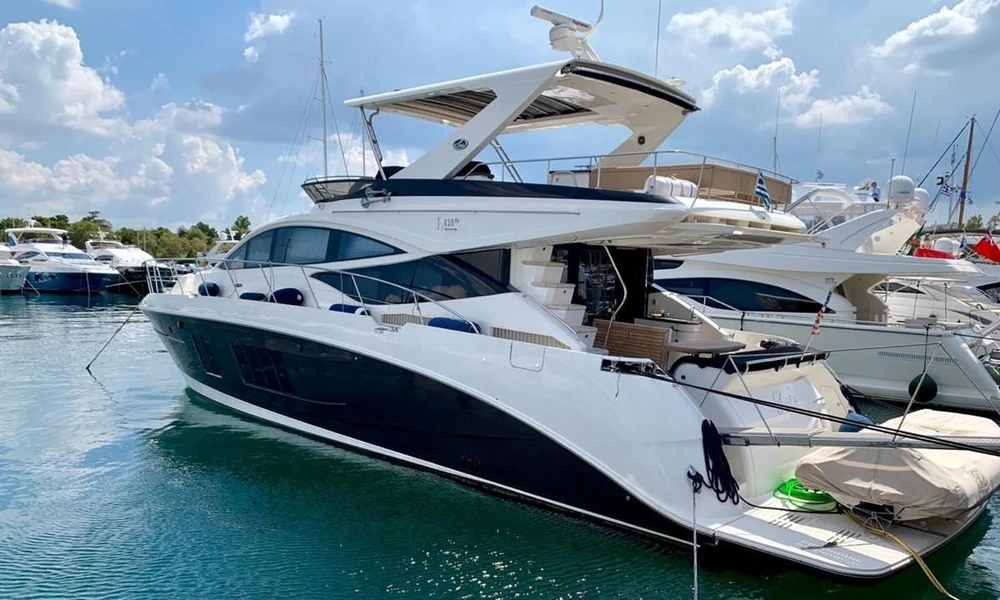
Online marketplaces let you compare prices, locations, and specifications. Useful starting points include Boat Trader, YachtWorld, Boats.com, and local classifieds. Always open the original listing and confirm the boat is still available.
Brokers and dealers can arrange viewings and manage parts of the purchase. Ask about their fees, sale terms, warranties, and whom they represent.
Boat shows let you compare layouts and speak with manufacturers and brokers. Check the exhibitor list first, since some shows focus only on new boats.
Auctions may include repossessed or seized vessels with attractive starting bids, but carry added risk. Before bidding, check whether you can inspect the yacht, whether the title is clear, whether liens exist, what buyer fees apply, and how collection will work. A low starting bid is not the final cost.
What to Check Before Buying a Used Yacht
Inspect the individual vessel, not just the model.
- Hull and structure: Look for cracks, soft areas, corrosion, blistering, water intrusion, and past repairs.
- Engine and mechanics: Review service records and hours, and look for leaks, corrosion, noise, or overheating. A marine mechanic can inspect further.
- Sails and rigging: Check the age and condition of sails, mast, rigging, winches, and fittings.
- Electrical and plumbing: Test batteries, charging, lighting, pumps, electronics, shore power, and toilets.
- Maintenance records: Request invoices, previous surveys, and details of upgrades. Missing records make history harder to verify.
- Survey and haul-out: Arrange an independent marine survey, with an out-of-water inspection of the hull, propeller, and rudder. Confirm the scope before booking.
- Sea trial: Assess engine performance, steering, handling, vibration, and temperatures. A sea trial does not replace a survey.
- Ownership documents: Confirm the seller’s right to sell, and review the bill of sale, registration or documentation, and any lien records.
Common Mistakes to Avoid
- Choosing only by price.
- Ignoring maintenance records.
- Skipping a professional inspection.
- Underestimating storage and docking costs.
- Ignoring fuel consumption.
- Buying a boat too large for your needs.
- Forgetting taxes and fees.
- Assuming low engine hours mean good condition.
- Bidding at auction without checking the terms.
- Using the full budget on the purchase.
How to Choose the Right Affordable Yacht
Start with how you will use the boat. A sailing yacht suits someone who enjoys sailing and longer trips, a cabin cruiser suits short powered outings, and a trawler suits slower cruising with a protected cabin.
Then set a complete budget covering the price, taxes, survey, insurance, storage, maintenance, fuel, and repairs. Compare several boats of the same type on length, beam, draft, engine, layout, equipment, and history. Finally, visit the yacht, arrange inspections, and review the sale documents before committing.
Conclusion
Affordable yachts for sale span sailing yachts, motor cruisers, catamarans, trawlers, and pocket cruisers. Under $50,000 you can explore older sailboats and compact cabin cruisers, under $100,000 offers more choice, and up to $200,000 opens the market to newer compact cruisers and larger used yachts. Models like the Catalina 30, Hunter 34, Sea Ray 240 Sundancer, Nordic Tug 26, Gemini 105Mc, and Ranger Tugs R-23 are good places to start.
A good purchase is not simply the cheapest yacht. It is a boat that fits your needs, is in sound condition, and stays affordable to own.
Frequently Asked Questions
Can you buy a yacht for less than $50,000?
Yes. The used market includes older sailing yachts, small cabin cruisers, and compact motorboats below $50,000. Condition varies, so inspect each boat.
Are yachts under $100,000 worth buying?
They can be, if you want a used cruising boat without newer-model prices. Compare the price against repair, insurance, storage, and maintenance costs.
What is the cheapest type of yacht to maintain?
It depends. A small sailing yacht uses less fuel, but sails and rigging need upkeep. A small motor cruiser has simpler equipment but higher fuel and engine costs.
Can you finance an older yacht?
Some lenders do, depending on the vessel’s age, value, condition, and your finances. A survey may be required.
Do you need insurance before buying a yacht?
Get a quote before completing the purchase. Lenders and marinas may require coverage, and insurers may ask for a survey or safety equipment.
Is a trailerable yacht cheaper to own?
It can reduce marina costs, but you still pay for the trailer, towing vehicle, launch fees, storage, and maintenance.
Should I buy a yacht from a private seller or a broker?
Both can work. A broker helps manage the transaction, while a private sale offers direct contact with the owner. Either way, verify ownership documents and arrange independent inspections.
Can you negotiate the yacht asking price?
Yes. Survey findings and repair estimates support a reasonable offer.
What if a yacht survey finds problems?
Review the findings with the surveyor. Depending on your contract, you may negotiate a lower price, request repairs, arrange further checks, or withdraw.
Do affordable yachts include a trailer or equipment?
Not always. Confirm the written sale inventory for the trailer, safety gear, electronics, tender, and spares.
Is a small yacht better than a larger used one?
A small yacht is easier to store, operate, and maintain. A larger one offers more space but costs more to run. Choose based on crew size, intended trips, storage, and total budget.