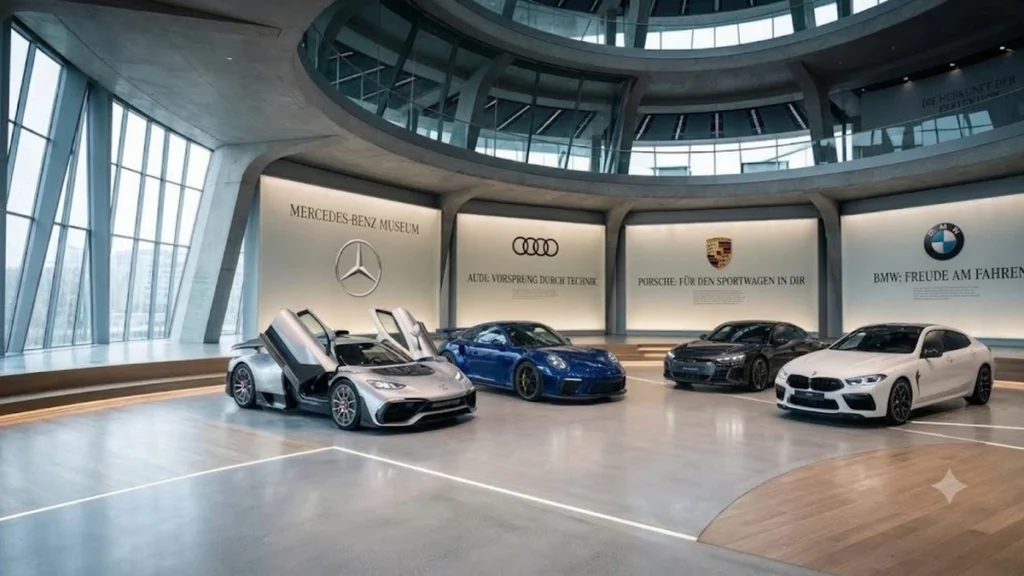
There’s something unmistakable about a German car.
It might be the reassuring sound of a Mercedes-Benz door closing, the way a BMW responds to a winding road, or the quiet confidence of an Audi cruising along the highway.
Then there’s Porsche, a manufacturer capable of turning a simple Sunday drive into something genuinely memorable.
German cars have built a global reputation around engineering, performance, luxury, and attention to detail. But they’re also associated with premium maintenance costs, complex technology, and occasionally expensive repairs.
So, are German cars really better than their competitors?
German cars are vehicles produced by German automotive manufacturers such as BMW, Mercedes-Benz, Audi, Porsche, Volkswagen, and Opel. They are particularly well known for refined driving dynamics, advanced engineering, premium interiors, and performance-oriented design.
However, not every German car is luxurious or expensive. Germany also produces practical family vehicles, economical hatchbacks, commercial vehicles, and electric cars.
Whether you’re considering your first Volkswagen or dreaming about a Porsche 911, understanding what makes German automobiles different can help you make a smarter buying decision.
Key Takeaways
- Germany is home to several of the world’s most recognizable automotive manufacturers.
- BMW, Mercedes-Benz, Audi, Porsche, and Volkswagen serve different markets and driving preferences.
- German luxury cars are known for refinement, performance, technology, and sophisticated interiors.
- Reliability varies significantly by model, engine, transmission, and production year.
- Maintenance and repair expenses can be higher than those of many mainstream alternatives.
- German manufacturers produce gasoline, diesel, hybrid, and electric vehicles.
- The best German car depends on your budget, lifestyle, and long-term ownership expectations.
What Are German Cars?
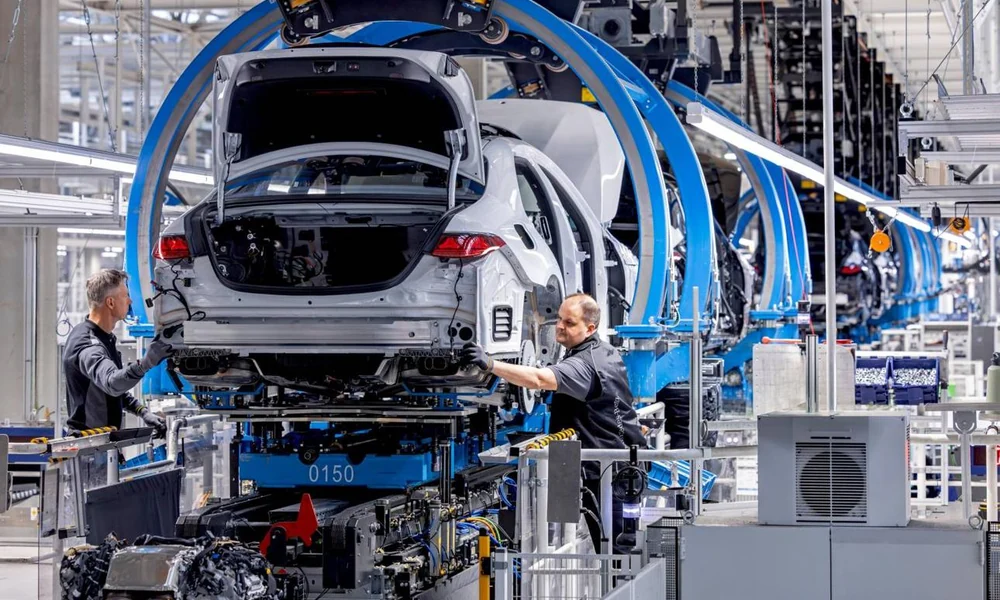
German cars are automobiles associated with automotive manufacturers headquartered in Germany.
The country’s automotive industry has played an important role in developing modern transportation.
German manufacturers have contributed to advancements in engine technology, vehicle safety, suspension systems, luxury interiors, and performance engineering.
Today, German automotive brands compete across almost every major vehicle category.
They manufacture compact hatchbacks, executive sedans, luxury SUVs, sports cars, electric vehicles, and commercial vehicles.
One important distinction is that a German car brand does not necessarily mean the vehicle was manufactured in Germany.
Major German automakers operate factories across Europe, North America, Asia, and other regions.
For example, some BMW SUVs are manufactured in the United States, while certain Volkswagen models are produced outside Germany.
The brand’s engineering identity and the vehicle’s actual country of assembly are separate considerations.
What Are the Most Popular German Car Brands?
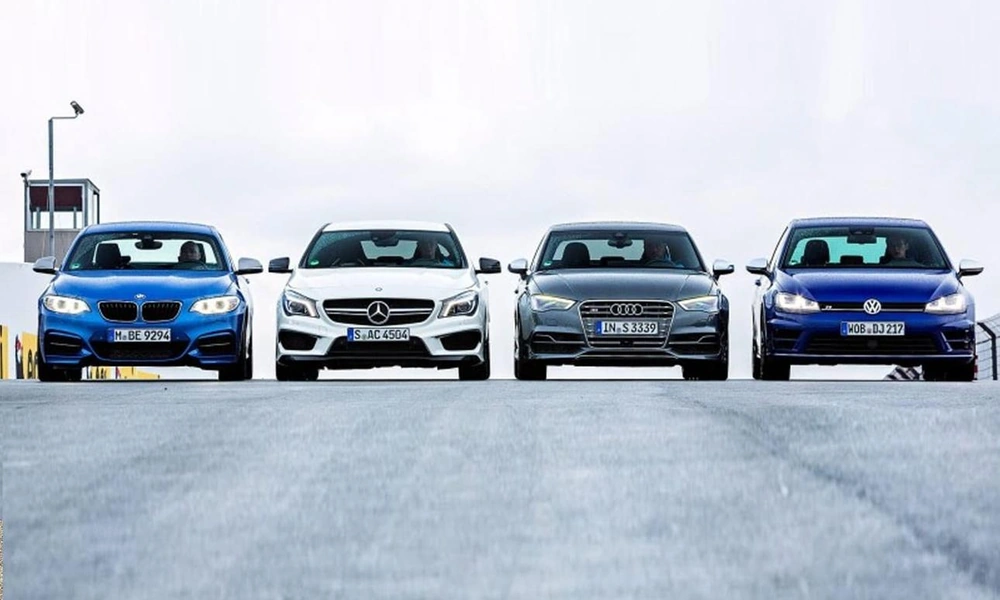
Germany’s automotive industry includes several manufacturers with distinct identities.
Some focus on accessible transportation, while others specialize in luxury or high-performance vehicles.
| German Car Brand | Known For | Popular Models |
| BMW | Sporty driving dynamics and premium vehicles | 3 Series, 5 Series, X3, X5 |
| Mercedes-Benz | Luxury, comfort, and advanced technology | C-Class, E-Class, S-Class, G-Class |
| Audi | Refined design, technology, and quattro all-wheel drive | A3, A5, Q5, Q7 |
| Porsche | Sports cars and high-performance luxury vehicles | 911, Cayenne, Macan, Taycan |
| Volkswagen | Practical cars and family transportation | Golf, Jetta, Tiguan, Atlas |
| Opel | Mainstream European vehicles | Corsa, Astra, Mokka |
| smart | Compact urban mobility | fortwo and newer electric models |
| Mercedes-AMG | High-performance Mercedes-Benz vehicles | AMG GT and performance variants |
| BMW M | Performance-focused BMW models | M2, M3, M4, M5 |
Some names in this table are performance divisions or sub-brands rather than independent manufacturers.
Let’s explore the major brands and what makes each one special.
1. BMW: German Cars Built for Driving Pleasure
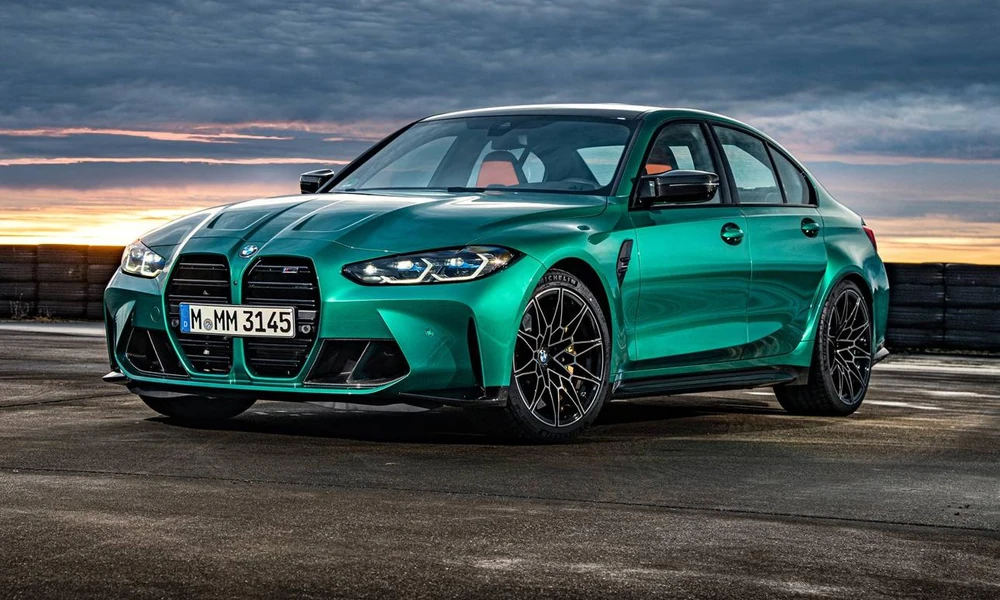
BMW has long emphasized the connection between the driver and the machine.
Its vehicles often prioritize responsive steering, balanced handling, and engaging performance.
While modern BMW models increasingly emphasize digital technology and comfort, the brand still maintains a strong performance identity.
Popular BMW Models
BMW 3 Series: A compact luxury sports sedan that combines everyday practicality with engaging driving characteristics.
BMW 5 Series: BMW 5 Series is a midsize executive sedan designed for comfort, refinement, and performance.
BMW X3: A luxury compact SUV offering flexible cargo space and a premium cabin.
BMW X5: A larger luxury SUV with a spacious interior and a range of available powertrains.
BMW M3: A high-performance sports sedan developed by BMW’s M division.
Who Should Buy a BMW?
BMW is worth considering if you enjoy driving and want a luxury vehicle that feels responsive.
However, performance-oriented models can have expensive tires, brakes, maintenance, and insurance.
A well-maintained mainstream BMW may be a more practical ownership choice than an older, heavily modified performance model.
2. Mercedes-Benz: The Art of German Luxury
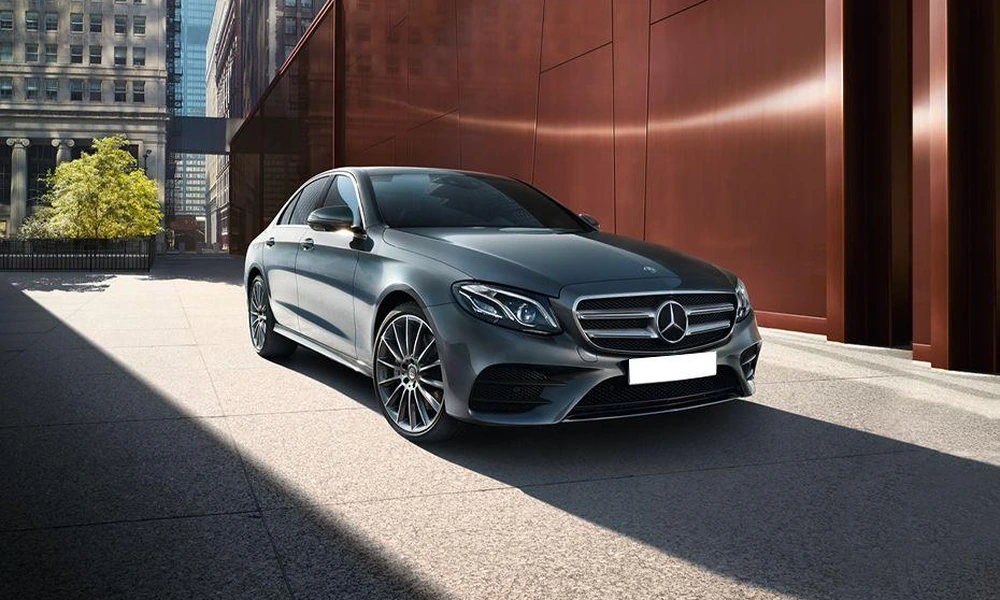
Mercedes-Benz approaches luxury with an emphasis on comfort, refinement, and technological sophistication.
The brand has a long history of producing executive sedans, luxury vehicles, and performance cars.
Its flagship models are particularly associated with elegant interiors and advanced convenience features.
Popular Mercedes-Benz Models
Mercedes-Benz C-Class: Mercedes-Benz C-Class is a compact luxury sedan offering premium styling and modern technology.
Mercedes-Benz E-Class: An executive sedan known for comfort and refinement.
Mercedes-Benz S-Class: A flagship luxury sedan featuring advanced comfort and technology.
Mercedes-Benz G-Class: A distinctive luxury SUV with genuine off-road heritage.
Mercedes-Benz GLC: A luxury compact SUV designed for everyday practicality.
What Makes Mercedes-Benz Special?
The brand often emphasizes a relaxing driving experience.
Features such as sophisticated suspension systems, supportive seats, acoustic insulation, and premium interior materials contribute to its luxury appeal.
However, equipment varies considerably between models and trims.
Not every Mercedes-Benz includes the features associated with its most expensive vehicles.
Who Should Buy a Mercedes-Benz?
Mercedes-Benz may appeal to buyers who prioritize comfort, interior design, and a premium driving environment.
The E-Class and S-Class are particularly relevant to shoppers interested in traditional executive luxury.
3. Audi: Modern German Luxury With Understated Confidence
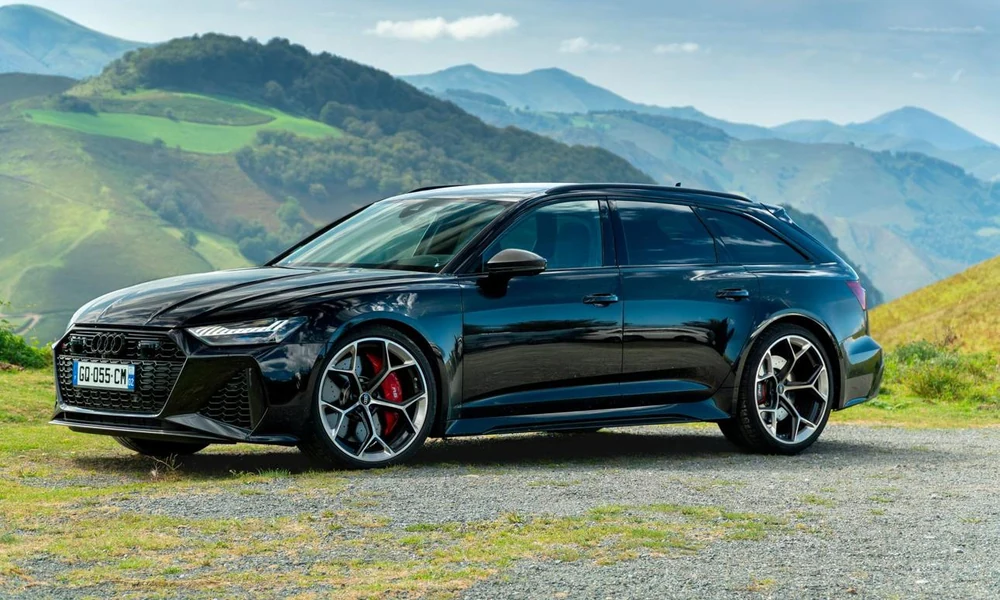
Audi occupies an interesting position in the German luxury market.
Its vehicles often combine clean exterior styling, sophisticated interiors, and technology-focused design.
The brand’s quattro all-wheel-drive heritage is another important part of its identity.
Popular Audi Models
Audi A3: An entry-level luxury sedan with compact dimensions.
Audi A5: A premium model line associated with elegant styling and refined driving.
Audi Q5: A luxury SUV offering everyday practicality.
Audi Q7: A larger SUV suitable for buyers needing additional passenger space.
Audi RS Models: Performance-focused vehicles developed by Audi Sport.
Why Do People Choose Audi?
Audi often appeals to drivers who appreciate sophisticated design without excessive visual drama.
Its cabins have traditionally emphasized clean layouts, quality materials, and modern displays.
However, infotainment systems and features vary across generations.
Is Audi Reliable?
Audi reliability depends on the specific model and powertrain.
Some vehicles have strong ownership records, while others may require costly repairs as they age.
Research the exact model year, maintenance history, and known mechanical issues before purchasing.
4. Porsche: German Engineering With a Racing Soul
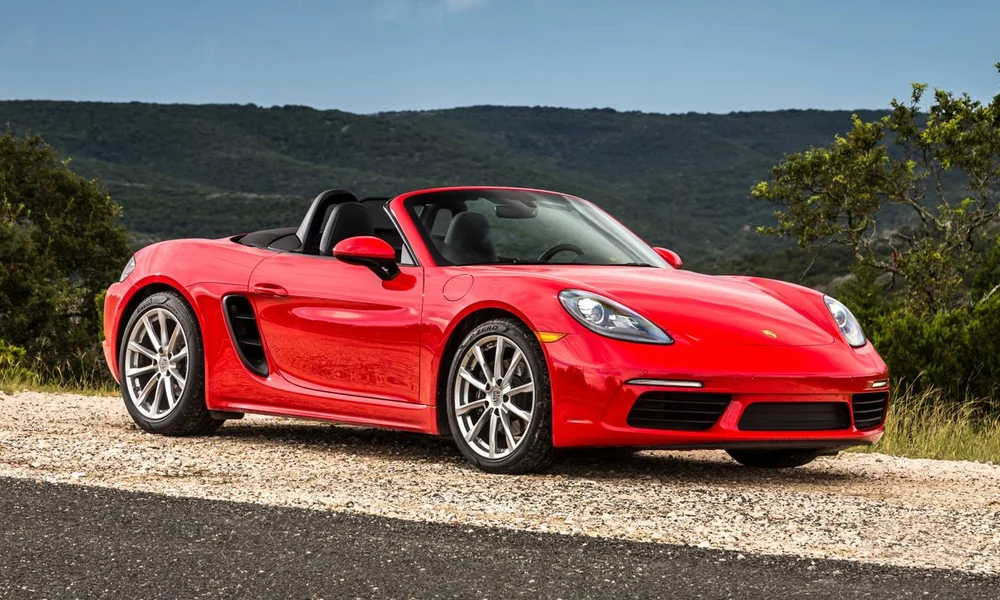
Few German manufacturers inspire the same enthusiasm as Porsche.
The brand has built its identity around sports-car engineering, precision, and motorsport heritage.
Yet Porsche is no longer limited to traditional sports cars.
Its lineup has included SUVs, electric vehicles, and luxury performance sedans.
Popular Porsche Models
Porsche 911: An iconic rear-engine sports car celebrated for its distinctive design and performance.
Porsche 718 Cayman: A mid-engine sports coupe known for balanced handling.
Porsche 718 Boxster: An open-top sports car offering an engaging driving experience.
Porsche Cayenne: Porsche Cayenne is a performance-oriented luxury SUV.
Porsche Macan: A compact luxury SUV with sporty driving characteristics.
Porsche Taycan: A fully electric performance vehicle.
What Makes Porsche Different?
Porsche’s engineering philosophy places considerable emphasis on driving dynamics.
Steering, braking, suspension behavior, and power delivery are central to the experience.
Even its SUVs often have a sportier character than many conventional family vehicles.
Are Porsche Cars Expensive to Maintain?
They can be.
Performance tires, specialized parts, and manufacturer-recommended maintenance may be costly.
Buyers considering a used Porsche should budget for maintenance and obtain a thorough inspection from a qualified specialist.
5. Volkswagen: Practical German Engineering for Everyday Life
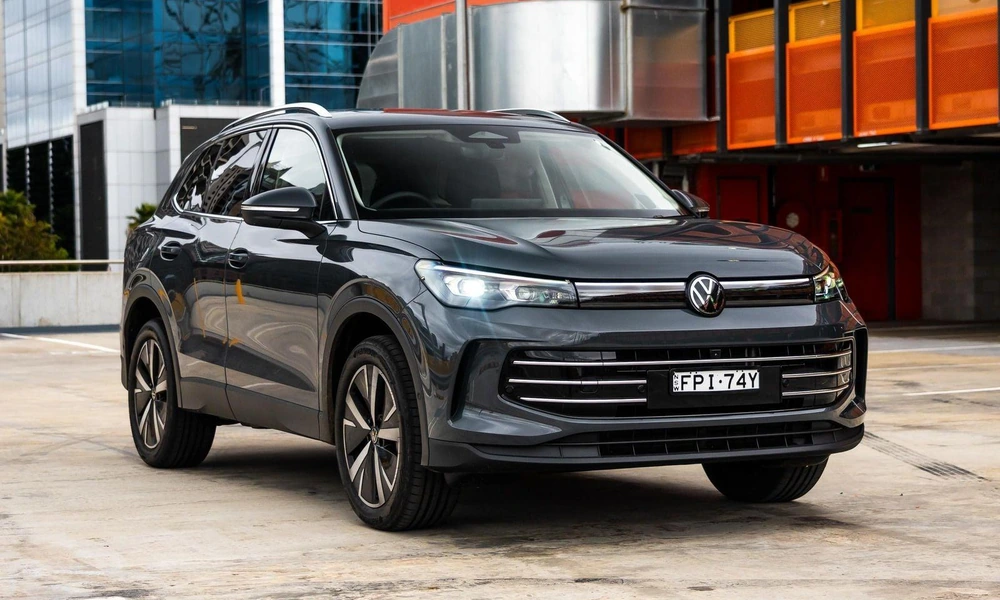
Not every German car needs to feel like a luxury purchase.
Volkswagen represents a more accessible side of German automotive manufacturing.
The brand has produced some of the world’s most recognizable everyday vehicles.
Its history includes the Beetle, Golf, and numerous family-oriented models.
Popular Volkswagen Models
Volkswagen Golf: A compact hatchback known for practicality and balanced driving characteristics.
Volkswagen Jetta: A sedan offering useful passenger space and everyday comfort.
Volkswagen Tiguan: A compact SUV designed for family transportation.
Volkswagen Atlas: A larger SUV developed with family practicality in mind.
Volkswagen ID.4: An electric SUV representing the brand’s transition toward electrification.
Why Consider Volkswagen?
Volkswagen vehicles can offer a combination of European driving characteristics and mainstream practicality.
Some models provide refined highway performance and thoughtfully designed interiors without entering the premium luxury segment.
However, ownership costs and reliability vary by model and year.
6. Opel: Germany’s Mainstream Automotive Brand
Opel is another established German automotive name.
Unlike BMW or Mercedes-Benz, Opel primarily focuses on mainstream vehicles.
The brand has a strong presence in European markets.
Popular Opel Models
- Opel Corsa.
- Opel Astra.
- Opel Mokka.
- Opel Grandland.
These vehicles generally emphasize practicality, efficiency, and everyday transportation.
Opel is part of Stellantis, a multinational automotive group.
Although the brand has German roots, its corporate ownership and manufacturing operations extend beyond Germany.
Why Are German Cars Considered Luxurious?
German luxury cars have earned their reputation through decades of engineering development and brand positioning.
However, luxury involves more than leather seats or an expensive badge.
Interior Materials
Premium German vehicles may feature carefully selected leather, wood, metal, and other interior materials.
The quality depends on the model and equipment level.
Cabin Refinement
Luxury vehicles often use additional sound insulation, sophisticated suspension systems, and carefully engineered seating.
These features can make long journeys more comfortable.
Advanced Technology
German manufacturers have frequently introduced or popularized technologies involving safety, lighting, infotainment, and driver assistance.
However, technology changes quickly, and competing manufacturers may offer comparable or better features.
Driving Experience
Many German luxury vehicles aim to balance stability, steering precision, comfort, and performance.
This can create a distinctive feeling behind the wheel.
Brand Heritage
BMW, Mercedes-Benz, Audi, and Porsche have extensive histories in automotive engineering and motorsport.
That heritage contributes to their premium positioning.
Are German Cars Reliable?
German cars can be reliable, but their reputation for engineering excellence should not be confused with a guarantee of low maintenance costs.
Reliability varies significantly between models.
A carefully maintained German sedan may provide years of dependable service.
An older luxury SUV with neglected maintenance could become expensive to own.
Factors That Affect Reliability
Engine design: Different engines within the same model lineup can have different maintenance requirements.
Transmission: Transmission type, service history, and operating conditions influence long-term performance.
Electronics: Modern luxury vehicles contain numerous sensors, computers, and electrical systems.
Maintenance: Following the correct service schedule is particularly important.
Driving habits: Aggressive driving and repeated neglect can increase mechanical wear.
Vehicle age: Rubber components, cooling systems, suspension parts, and electronics can deteriorate over time.
Are German Cars More Reliable Than Japanese Cars?
There is no universal answer.
Japanese manufacturers such as Toyota and Honda have strong reputations for dependable mainstream vehicles.
German manufacturers often emphasize a different balance of luxury, technology, and performance.
However, some German models can be highly dependable, while certain Japanese models experience significant problems.
The most useful comparison is between specific vehicles of similar age and condition.
Are German Cars Expensive to Maintain?
German luxury vehicles can have higher maintenance and repair costs than mainstream economy cars.
Several factors contribute to this.
Specialized Parts
Some models use components that cost more than equivalent parts for mainstream vehicles.
Advanced Engineering
Complex suspension systems, turbocharged engines, and sophisticated electronics can increase repair costs.
Labor Requirements
Certain repairs require specialized tools, diagnostic equipment, or technical knowledge.
Performance Components
High-performance brakes, large wheels, and specialized tires can be expensive to replace.
Maintenance Schedules
Some vehicles require specific fluids, filters, or service procedures.
Before buying a used German car, research its recommended maintenance schedule and likely repair costs.
A low purchase price does not always translate into affordable ownership.
German Cars vs. American Cars
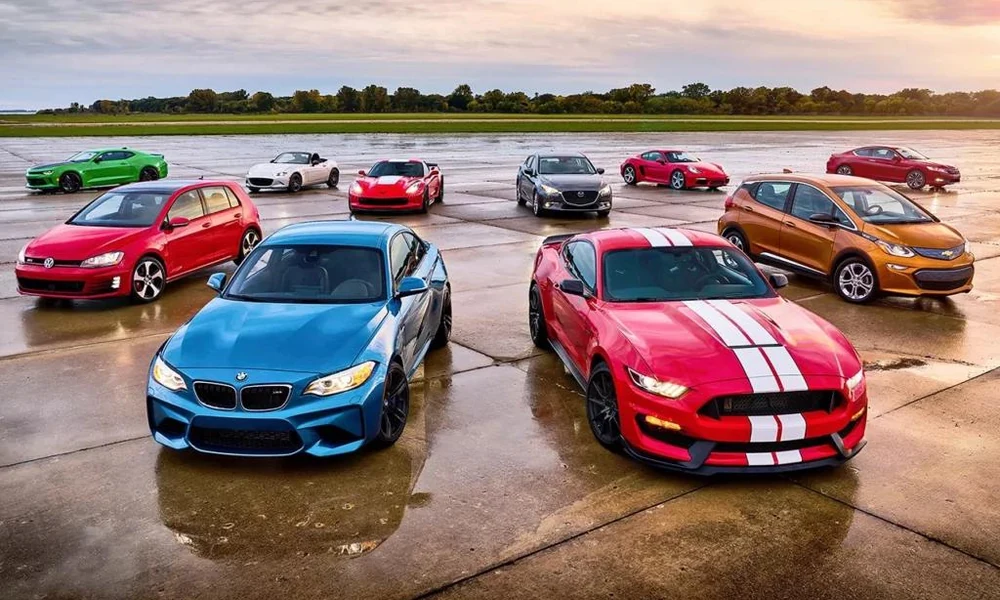
German and American manufacturers produce vehicles across many categories, so broad comparisons can be misleading.
However, their traditional strengths sometimes differ.
German luxury brands are particularly associated with executive sedans, refined performance cars, and premium SUVs.
American manufacturers have historically been prominent in pickup trucks, large SUVs, and muscle cars.
Both industries now compete in electric vehicles, performance, and luxury technology.
For example, comparing a Porsche 911 with a Chevrolet Corvette is more meaningful than comparing all German cars with all American cars.
The specific vehicle matters more than its national origin.
German Cars vs. Japanese Cars
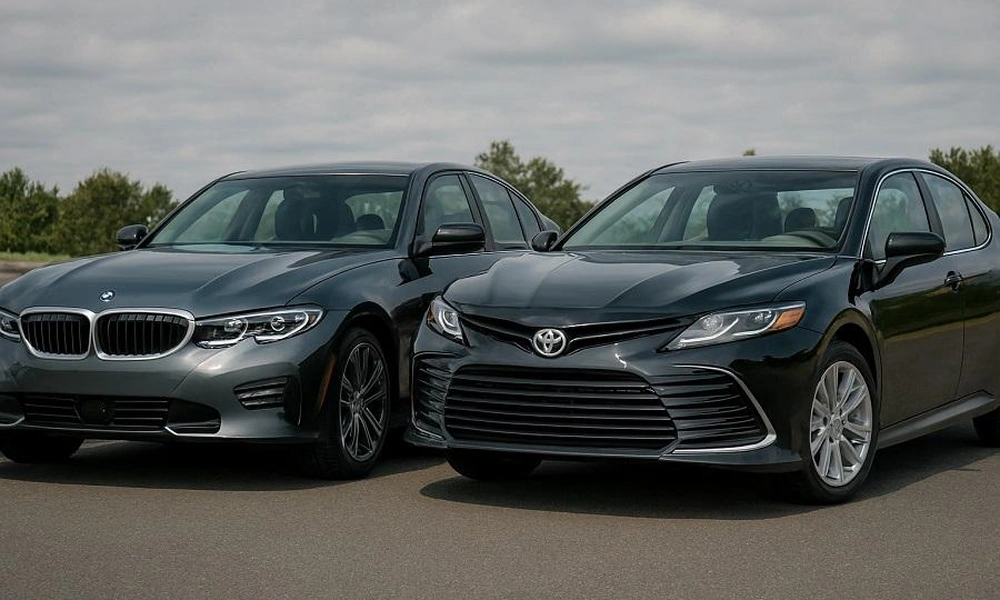
German and Japanese cars are often compared by buyers who prioritize reliability, comfort, and long-term value.
Japanese mainstream brands are frequently associated with efficient transportation and practical ownership.
German premium manufacturers often emphasize refined interiors, high-speed stability, and performance engineering.
But these distinctions are not absolute.
Lexus produces sophisticated luxury vehicles, while Volkswagen offers practical family cars.
A fair comparison should consider the exact model, powertrain, price, and ownership costs.
What Are the Best German Cars for Daily Driving?
A good daily driver should be comfortable, manageable, dependable, and affordable to maintain.
Several German models are worth researching.
BMW 3 Series
An appealing choice for drivers who want a compact luxury sedan with engaging handling.
Mercedes-Benz C-Class
Suitable for buyers who prioritize interior refinement and comfort.
Audi A3
A compact luxury option for drivers who prefer smaller vehicles.
Volkswagen Jetta
A practical sedan for commuting and everyday transportation.
Volkswagen Golf
A versatile hatchback that combines compact dimensions with useful cargo space.
BMW X3
A luxury SUV worth considering for buyers who need additional practicality.
The best choice depends on model year, condition, equipment, and budget.
What Are the Best German Sports Cars?
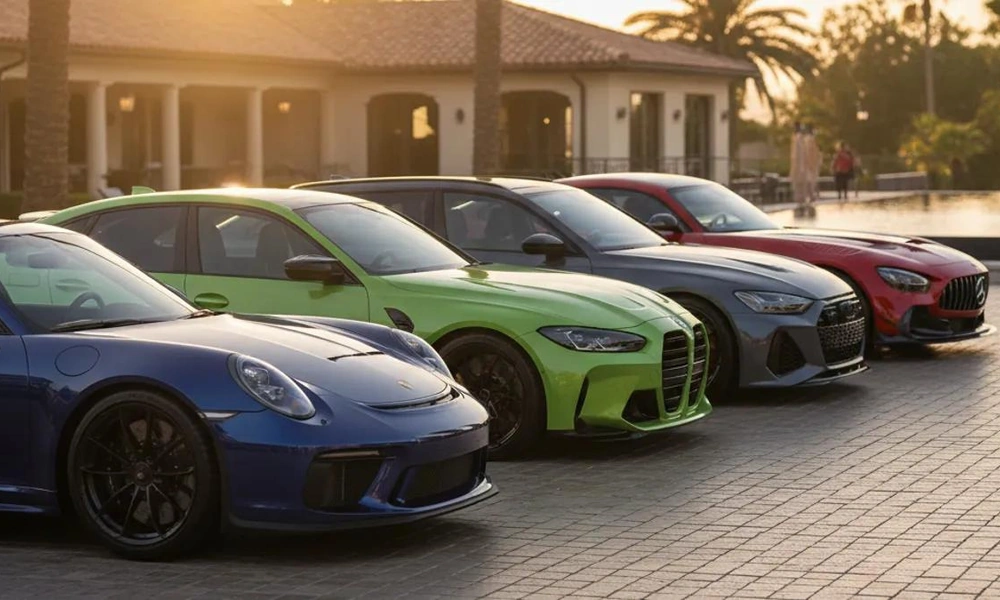
Germany has produced some of the most celebrated performance vehicles in automotive history.
Porsche 911
A legendary sports car offering distinctive engineering and an engaging driving experience.
BMW M3
A high-performance sedan combining everyday usability with substantial performance.
BMW M2
A compact performance coupe designed for driving enthusiasts.
Mercedes-AMG GT
A premium performance car developed around powerful engines and dynamic handling.
Audi RS Models
Audi’s RS lineup offers high-performance versions of selected models.
Each vehicle delivers a different experience.
A Porsche 911 emphasizes sports-car dynamics, while an Audi RS model may combine performance with additional everyday practicality.
Are German Electric Cars Worth Buying?
German manufacturers have expanded their electric vehicle offerings significantly.
Electric models can provide smooth acceleration, quiet cabins, and advanced technology.
Examples include:
- Porsche Taycan.
- BMW i4.
- BMW i5.
- BMW iX.
- Audi Q6 e-tron.
- Volkswagen ID.4.
- Mercedes-Benz EQE.
Model availability varies by market and year.
What Should You Compare?
Evaluate battery range, charging performance, efficiency, warranty coverage, and access to charging infrastructure.
For used electric vehicles, battery condition and remaining warranty coverage deserve particular attention.
A premium electric car may offer impressive performance, but its purchase price, insurance, tires, and depreciation should still fit your budget.
Should You Buy a Used German Car?
A used German luxury vehicle can be tempting.
Imagine finding a beautifully equipped executive sedan that originally cost far more than its current asking price.
The interior still feels premium, the engine performs smoothly, and the styling has aged gracefully.
It may seem like an extraordinary bargain.
But depreciation does not necessarily reduce maintenance expenses at the same rate.
An older luxury car can still require expensive repairs.
What Should You Check Before Buying?
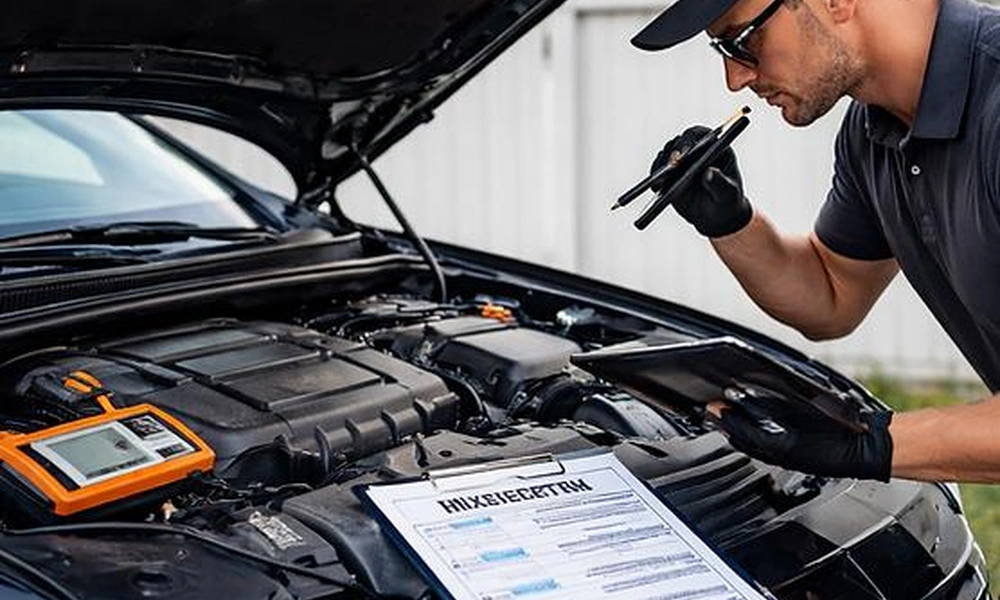
Review the following:
- Complete maintenance history.
- Accident records.
- Engine and transmission condition.
- Cooling system.
- Suspension components.
- Electronic systems.
- Tire condition.
- Recall status.
- Previous modifications.
- Ownership documentation.
Arrange an independent pre-purchase inspection with a mechanic experienced in the particular brand.
For expensive or performance-oriented models, this is especially important.
How to Choose the Best German Car for Your Budget
Start by identifying what you actually need.
For Everyday Affordability
Consider mainstream Volkswagen models and carefully selected used vehicles.
For Luxury and Comfort
Research Mercedes-Benz, Audi, and BMW sedans or SUVs.
For Driving Enjoyment
Consider BMW’s sport-oriented models and Porsche sports cars.
For Family Practicality
Compare SUVs such as the Volkswagen Tiguan, BMW X3, Audi Q5, and Mercedes-Benz GLC.
For Electric Driving
Explore available models from BMW, Mercedes-Benz, Audi, Porsche, and Volkswagen.
For Long-Term Ownership
Prioritize documented maintenance, model-specific reliability, warranty coverage, and realistic repair budgets.
The best German car is not necessarily the most prestigious one.
It’s the one that meets your needs without creating financial pressure.
German Car Buying Checklist
Before purchasing a new or used German vehicle, review these essentials.
- Set a realistic purchase budget.
- Estimate insurance expenses.
- Research model-year-specific reliability.
- Compare engine and transmission options.
- Review maintenance schedules.
- Check available warranty coverage.
- Investigate common mechanical problems.
- Compare fuel economy or EV efficiency.
- Evaluate interior comfort.
- Review safety ratings.
- Test-drive the vehicle.
- Obtain an independent inspection for a used car.
- Consider depreciation and resale value.
- Budget for unexpected repairs.
Frequently Asked Questions About German Cars
What are the main German car brands?
Major German automotive brands include BMW, Mercedes-Benz, Audi, Porsche, Volkswagen, and Opel.
Are German cars good?
Many German cars offer impressive engineering, refinement, technology, and performance. However, quality and ownership costs vary by model.
Which German car brand is the most luxurious?
Mercedes-Benz, BMW, Audi, and Porsche all offer luxury vehicles. The Mercedes-Benz S-Class is particularly associated with traditional flagship sedan luxury.
Are German cars reliable?
Some German models have strong reliability records, while others can be expensive to repair. Research the specific model year and powertrain.
Why are German cars expensive?
Premium materials, advanced technology, performance engineering, brand positioning, and manufacturing costs can contribute to higher prices.
Is BMW better than Mercedes-Benz?
BMW often emphasizes sporty driving dynamics, while Mercedes-Benz frequently prioritizes comfort and refinement. The better choice depends on the models being compared.
Is Audi a German car?
Yes. Audi is a German automotive manufacturer headquartered in Ingolstadt, Germany.
Is Porsche owned by Volkswagen?
Porsche’s corporate ownership structure involves Porsche AG, Volkswagen AG, and Porsche SE. Porsche AG operates as an automotive manufacturer within the Volkswagen Group.
Are Volkswagen cars considered luxury vehicles?
Volkswagen primarily operates as a mainstream automotive brand, although some models offer premium features and refined interiors.
What is the best German car for a first-time buyer?
A carefully selected Volkswagen Jetta, Golf, or other manageable model may be worth considering. Insurance, maintenance, reliability, and purchase price should guide the decision.
Final Verdict: Are German Cars Worth Buying in 2026?
German cars offer something that continues to attract drivers around the world.
For some, it’s the precision of a BMW.
For others, it’s the quiet luxury of a Mercedes-Benz, the sophisticated styling of an Audi, or the unmistakable personality of a Porsche.
And for many everyday drivers, it’s the practicality of a Volkswagen.
Germany’s automotive industry has created vehicles that serve remarkably different lifestyles while sharing a strong engineering heritage.
But buying a German car should involve more than admiration for the badge.
Maintenance costs, reliability, depreciation, and long-term affordability deserve just as much attention as performance and luxury.
A great German car isn’t simply one that impresses you during a test drive. It’s one that continues to make sense after years of ownership.
Choose carefully, research the exact model, and invest in proper maintenance.
When the vehicle matches your expectations and budget, German automotive engineering can deliver a genuinely rewarding driving experience.
Disclaimer: This article is provided for general informational and educational purposes only and does not promote or endorse any product, service, brand, or individual. Details may change, and no guarantee is made regarding completeness or accuracy.