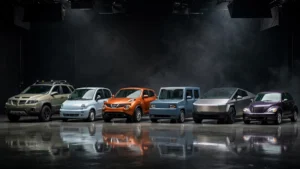
There’s a particular kind of excitement that comes with finding the right car.
You open the door, settle into the driver’s seat, and notice how everything feels. The steering wheel fits naturally in your hands. The seats are comfortable. The dashboard looks modern, and the engine starts without hesitation.
For a moment, it feels like a brand-new car. Except the price tells a different story. That’s the beauty of shopping for pre-owned cars.
A carefully selected used vehicle can offer comfort, reliability, modern technology, and even luxury for considerably less than a comparable new model.
But there’s a difference between finding an attractive deal and making a smart purchase.
Some used cars provide years of dependable transportation. Others come with hidden mechanical problems, incomplete maintenance histories, or expensive repairs waiting around the corner.
Pre-owned cars are vehicles that have previously been owned or registered. Buying one can reduce your initial purchase cost, but the best value comes from choosing a reliable model, reviewing its history, inspecting its condition, and comparing the total ownership expenses.
Whether you’re buying your first car, upgrading to a family SUV, or considering a used luxury sedan, this guide will help you approach the process with confidence.
Key Takeaways
- Pre-owned cars are previously owned vehicles sold through dealerships, private sellers, or other automotive marketplaces.
- Used vehicles often cost less than comparable new models because they have already experienced depreciation.
- Vehicle condition and maintenance history matter more than appearance alone.
- A professional pre-purchase inspection can reveal problems that aren’t obvious during a test drive.
- Certified pre-owned cars may offer additional warranty protection, but certification programs vary.
- Insurance, maintenance, financing, and depreciation should be included in your budget.
- The best pre-owned car is one that fits your lifestyle and remains affordable to own.
What Are Pre-Owned Cars?
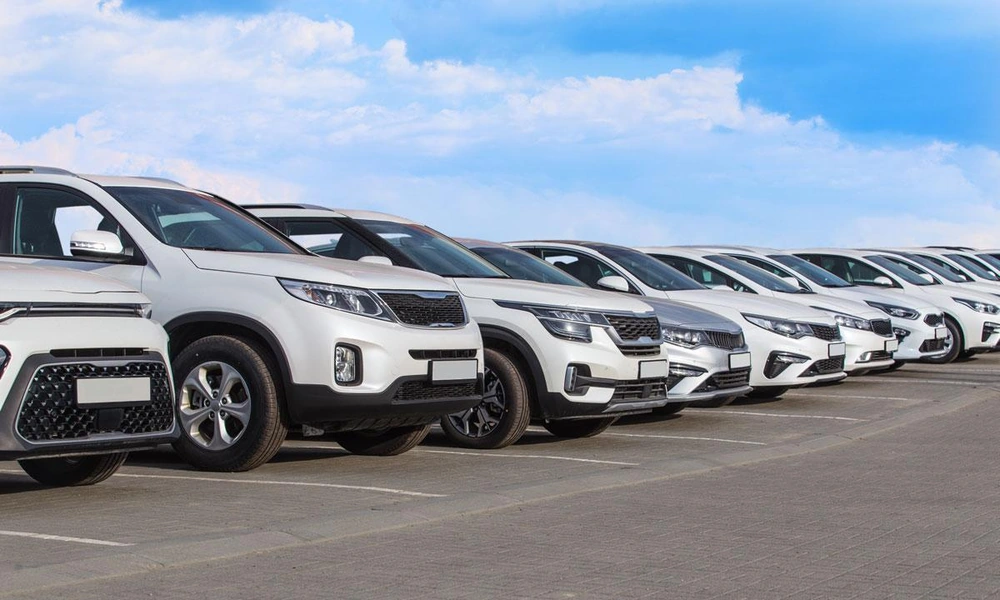
Pre-owned cars are vehicles that have had at least one previous owner.
The term is commonly used by dealerships and automotive retailers as an alternative to “used cars.”
There is generally no fundamental difference between the two expressions.
A pre-owned vehicle might be a one-year-old luxury sedan with relatively low mileage, a five-year-old family SUV, or an older economy car that has been driven for many years.
What matters is its condition, history, age, mileage, and price.
Are Pre-Owned Cars the Same as Used Cars?
Yes.
In everyday automotive sales, pre-owned cars and used cars generally refer to the same category of vehicles.
However, certified pre-owned vehicles are different because they qualify under specific certification programs.
A regular used car does not automatically receive the inspections or additional warranty coverage associated with a manufacturer-backed certification program.
Why Are Pre-Owned Cars So Popular?
Buying a used vehicle can make financial sense for several reasons.
Lower Purchase Prices
New vehicles typically cost more than comparable older examples.
A pre-owned car may provide similar transportation, comfort, and functionality at a lower price.
Reduced Initial Depreciation
Vehicles generally lose value over time.
Because a used car has already experienced some depreciation, its purchase price may be more attractive.
However, used cars continue to depreciate, and resale values depend on market conditions.
Access to Better Equipment
A fixed budget may allow you to purchase a higher trim level or more luxurious model when buying used.
For example, the price of a basic new sedan might overlap with that of a well-equipped pre-owned midsize vehicle.
More Vehicle Choices
The used market includes current models, previous generations, and discontinued vehicles.
This creates opportunities to find features or designs that are no longer available on new cars.
Potentially Lower Insurance Costs
Some used vehicles cost less to insure than newer alternatives.
However, insurance depends on many factors, including the model, driver, location, and coverage.
Always compare actual quotes.
What Are the Best Pre-Owned Cars to Buy in 2026?
The best used car depends on your budget, needs, and the condition of the individual vehicle.
Several established models are worth researching because of their practicality, market availability, and ownership appeal.
1. Toyota Corolla: A Practical Everyday Sedan
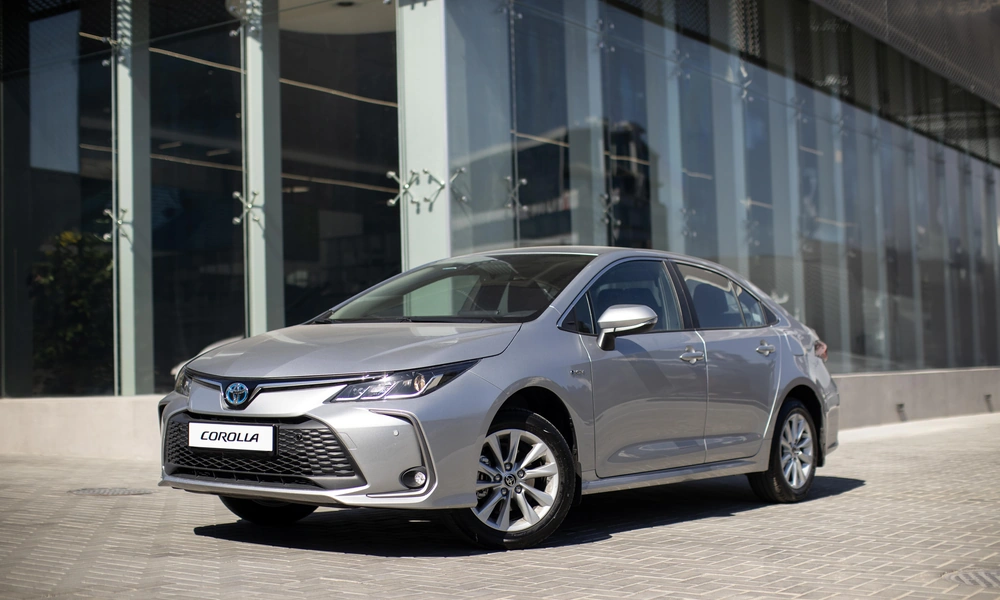
The Toyota Corolla is a familiar choice among buyers seeking affordable transportation.
Its compact dimensions make it convenient for commuting and parking.
Many versions offer good fuel efficiency and straightforward everyday usability.
Why consider it?
The Corolla is worth comparing if you want a practical sedan without unnecessary complexity.
Best for: First-time buyers, commuters, and budget-conscious drivers.
2. Honda Civic: Comfort With a Sporty Personality
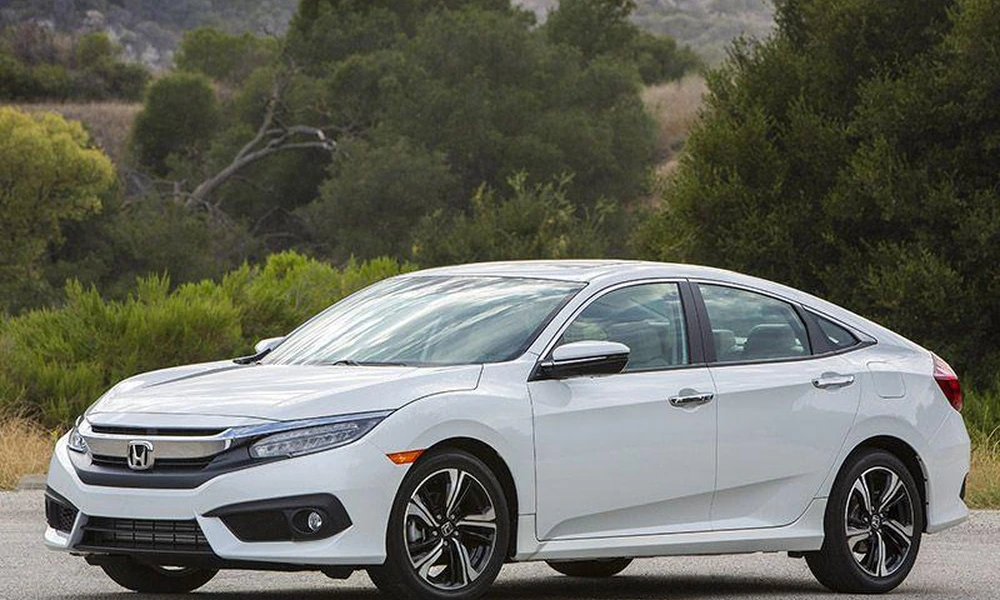
The Honda Civic combines everyday practicality with a more engaging driving character than some conventional economy cars.
Depending on the model year, buyers can find sedan and hatchback versions.
Its interior design and technology have evolved significantly across generations.
Why consider it?
The Civic can appeal to drivers who want efficiency, useful technology, and enjoyable road manners.
Best for: Commuters, younger drivers, and small families.
3. Toyota Camry: A Comfortable Family Sedan
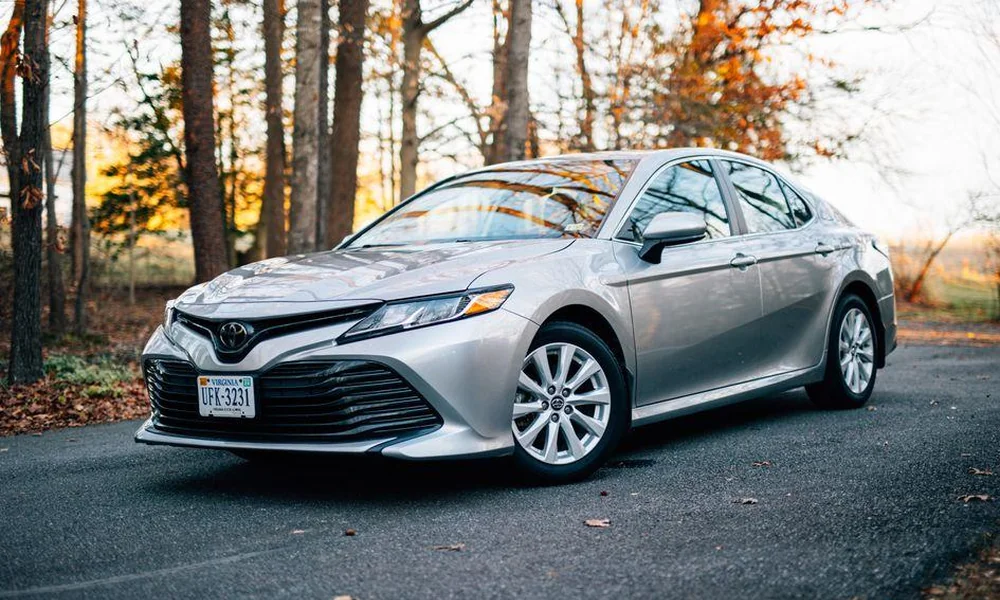
The Toyota Camry offers additional passenger space compared with many compact sedans.
It is a popular option for buyers who value comfortable commuting and highway travel.
Gasoline and hybrid versions are available across different model years.
Why consider it?
It offers a useful balance of interior space, efficiency, and everyday comfort.
Best for: Families and drivers who spend significant time on highways.
4. Honda Accord: Refined and Spacious
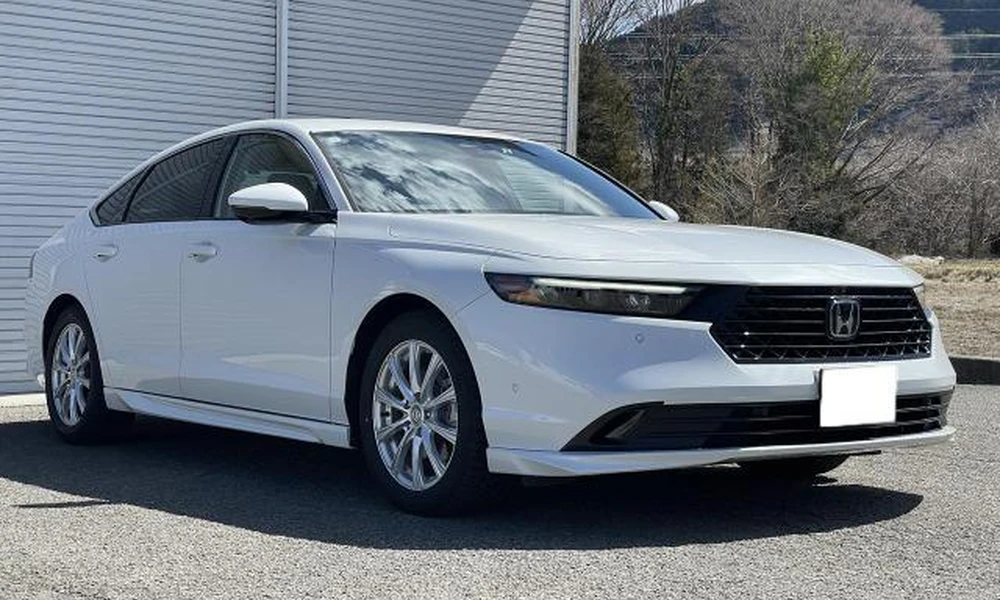
The Honda Accord is another strong midsize sedan candidate.
Its spacious cabin and comfortable driving characteristics make it appealing for daily transportation.
Different generations offer different engines, transmissions, and hybrid systems.
Why consider it?
The Accord can provide a more spacious driving experience without requiring an SUV.
Best for: Families, commuters, and long-distance drivers.
5. Mazda3: A More Premium Compact Car
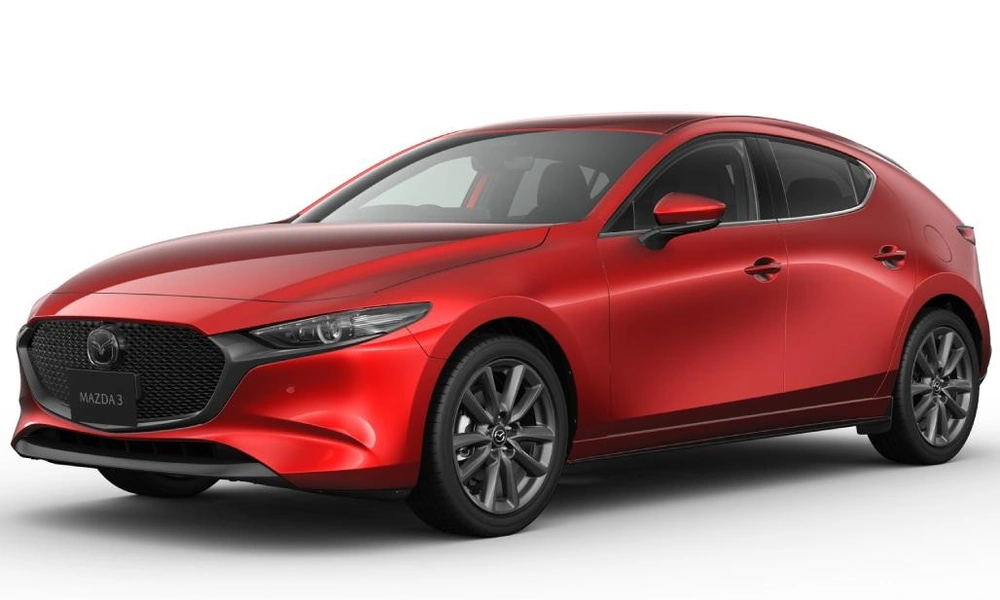
The Mazda3 stands out for its attractive design and refined interior.
It can be particularly appealing to drivers who want a compact car that feels sophisticated.
Some versions offer all-wheel drive.
Why consider it?
Its styling, cabin quality, and handling characteristics make it worth comparing with other compact cars.
Best for: Drivers who appreciate design and a refined driving experience.
6. Toyota RAV4: A Versatile Pre-Owned SUV
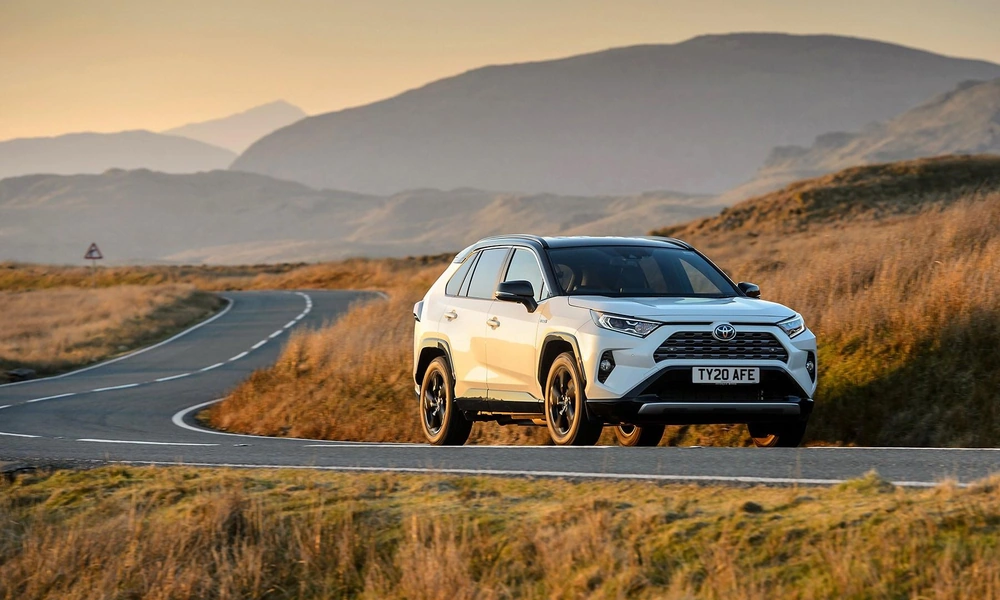
The Toyota RAV4 is a practical choice for buyers who need flexible cargo space.
Depending on the model year, gasoline and hybrid versions may be available.
Its compact SUV dimensions make it suitable for many everyday driving situations.
Why consider it?
It offers useful cargo capacity and a higher seating position.
Best for: Families, commuters, and active lifestyles.
7. Honda CR-V: Family-Friendly Comfort
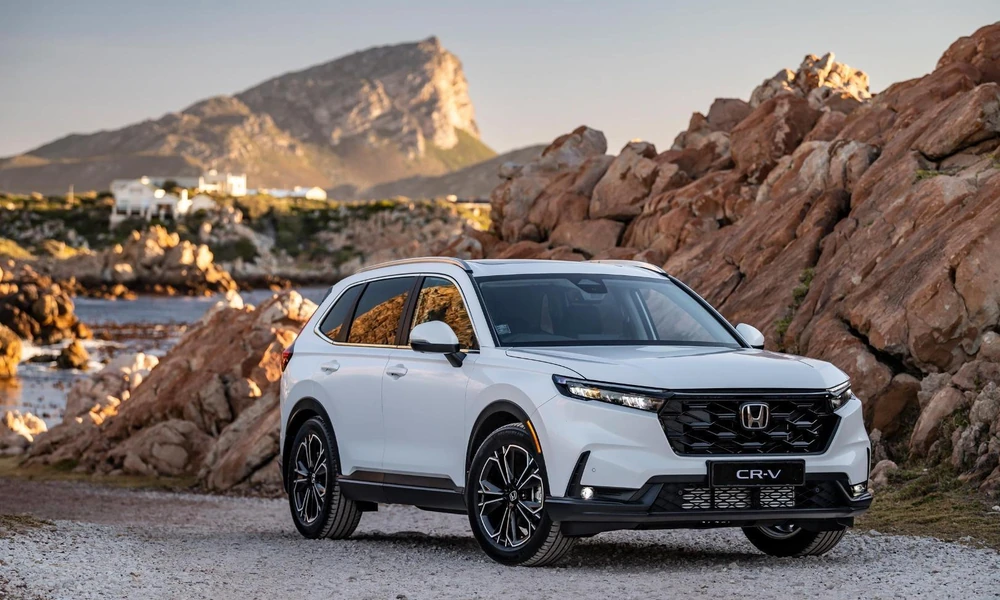
The Honda CR-V is known for its practical interior layout.
Its passenger and cargo space can make it convenient for family transportation.
Buyers should compare the different generations and available powertrains.
Why consider it?
It combines SUV practicality with a comfortable everyday driving experience.
Best for: Families and drivers who regularly carry passengers or luggage.
8. Subaru Forester: Practicality With AWD
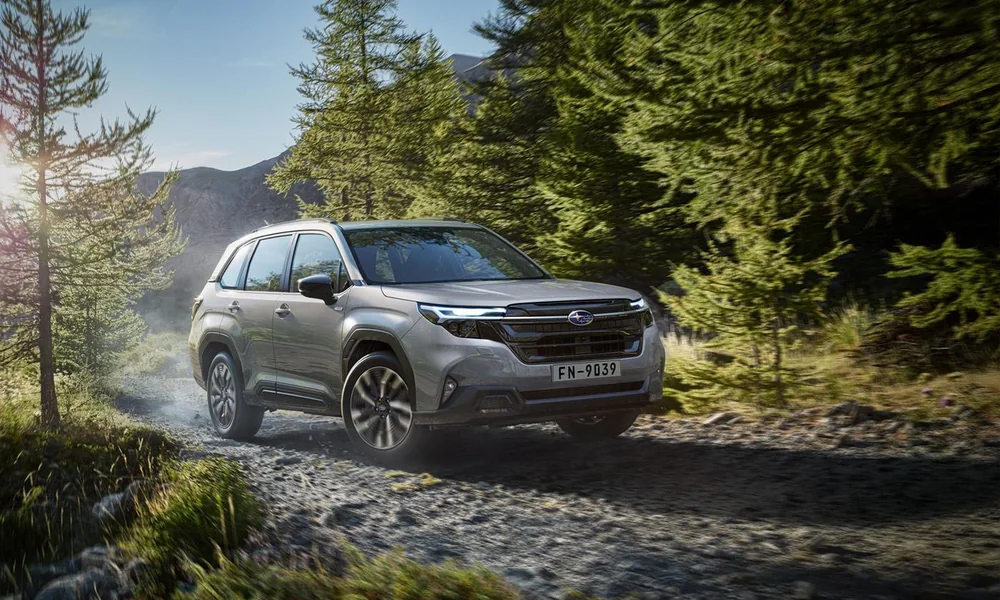
The Subaru Forester is worth considering for buyers who want a compact SUV with all-wheel-drive capability.
Its cabin design and visibility can make it comfortable for everyday driving.
Why consider it?
It can suit drivers who encounter challenging weather or appreciate additional traction.
Best for: Outdoor enthusiasts and families.
9. Lexus ES: Used Luxury Without Excessive Drama
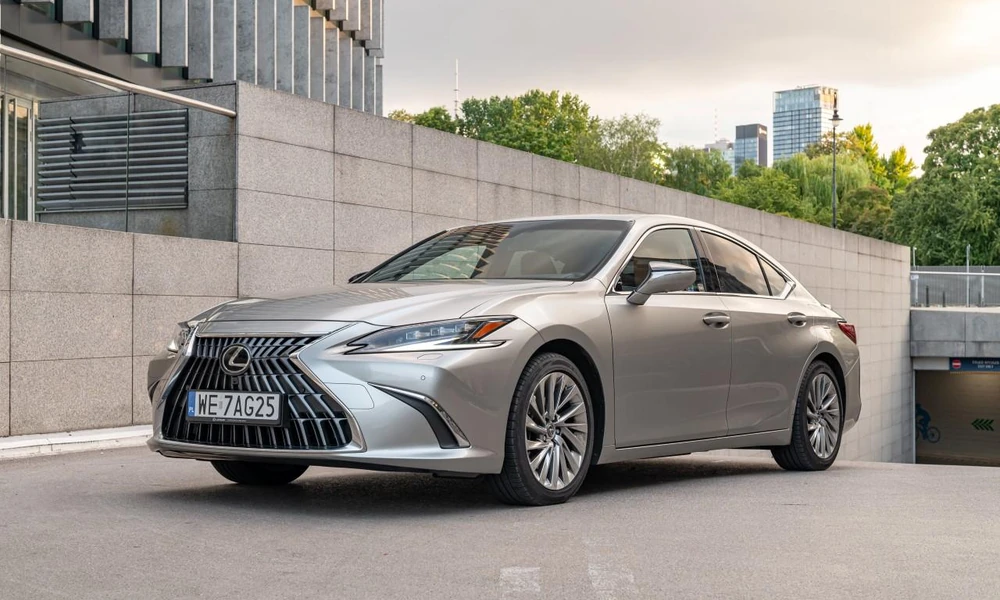
A pre-owned Lexus ES can appeal to buyers who want a comfortable luxury sedan.
Its emphasis on refinement and relaxed driving makes it different from performance-oriented European sedans.
Why consider it?
It offers a premium interior and comfortable driving character.
Best for: Buyers prioritizing luxury and comfort.
10. BMW 3 Series: A Sporty Luxury Option
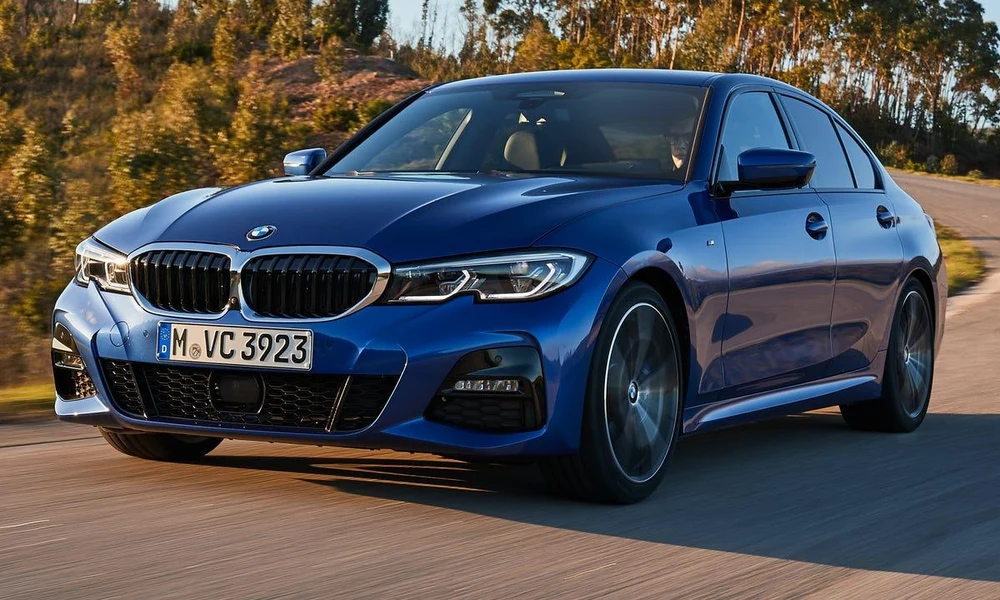
The BMW 3 Series combines premium styling with engaging driving dynamics.
A used example may cost significantly less than a comparable new model.
However, maintenance and repair expenses deserve careful consideration.
Why consider it?
It can provide an enjoyable balance of luxury and performance.
Best for: Drivers who value handling and premium features.
How to Compare Pre-Owned Cars by Budget
Your budget determines which vehicles are realistic options.
However, purchase price alone does not tell the whole story.
The following table provides general shopping guidance rather than live market prices.
| Budget | Vehicles Worth Researching | Main Considerations |
| Under $5,000 | Older compact sedans and hatchbacks | Condition, mileage, repair history |
| 5,000–10,000 | Older Corolla, Civic, Camry, and similar models | Maintenance records and inspection |
| 10,000–15,000 | Selected compact sedans and older SUVs | Age, equipment, reliability |
| 15,000–20,000 | More recent economy cars and selected crossovers | Warranty, mileage, condition |
| 20,000–30,000 | Recent mainstream vehicles and some luxury models | Depreciation and ownership costs |
| Above $30,000 | Newer SUVs, luxury cars, and selected EVs | Financing, insurance, maintenance |
Availability varies by location and market conditions.
A well-maintained vehicle at the lower end of your budget may be a better purchase than a neglected vehicle with more features.
How Much Do Pre-Owned Cars Cost in 2026?
Used car prices depend on several factors.
These include:
- Manufacturer.
- Model.
- Model year.
- Mileage.
- Mechanical condition.
- Accident history.
- Trim level.
- Vehicle location.
- Market demand.
- Available warranty coverage.
A three-year-old luxury sedan can cost more than a brand-new economy car.
Similarly, an older pickup truck in excellent condition may command a surprisingly strong price because of local demand.
For accurate comparisons, examine current listings for vehicles with similar specifications and histories.
Avoid comparing a base model with a fully equipped version simply because they share the same name.
Is It Better to Buy a Pre-Owned Car From a Dealer or Private Seller?
Both options have advantages.
Buying From a Dealership
Dealerships may offer financing, trade-in services, warranty options, and assistance with paperwork.
Some also provide certified pre-owned vehicles.
However, dealer fees and optional products can increase the final purchase price.
Buying From a Private Seller
Private sales may offer opportunities to negotiate directly with the owner.
You may also be able to learn more about how the vehicle was maintained.
However, financing and warranty options can be more limited.
Which Is Better?
A dealership may be more convenient for buyers who want financing and additional services.
A private sale can be attractive for buyers comfortable arranging inspections, verifying ownership, and managing the transaction.
In either case, review the documentation carefully.
What Should You Check Before Buying a Pre-Owned Car?
A beautiful exterior does not guarantee a healthy vehicle.
A car can look excellent in photographs while hiding expensive mechanical problems.
A careful inspection helps reduce the risk.
1. Vehicle History
Request a vehicle history report.
Look for available information about:
- Previous ownership.
- Reported accidents.
- Title status.
- Mileage records.
- Reported damage.
- Service history.
Remember that vehicle history reports are not always complete.
Not every accident or repair appears in commercial databases.
2. Engine Condition
Listen for unusual noises during startup and operation.
Look for warning lights, leaks, overheating, or rough running.
A qualified mechanic can perform a more thorough evaluation.
3. Transmission Performance
During the test drive, pay attention to how the transmission behaves.
Unexpected slipping, hesitation, or harsh engagement may warrant further inspection.
4. Brakes and Suspension
Check for unusual noises, vibration, pulling, or instability.
These symptoms may indicate worn components.
5. Tires
Inspect tread depth, age, and wear patterns.
Uneven wear may indicate alignment, suspension, or maintenance problems.
6. Interior Electronics
Test the infotainment system, air conditioning, windows, locks, lights, and other equipment.
7. Body Condition
Look for inconsistent paint, uneven panel gaps, corrosion, or evidence of previous repairs.
8. Ownership Documents
Verify the VIN, title information, and seller’s legal right to transfer the vehicle.
Why Is a Pre-Purchase Inspection Important?
A professional pre-purchase inspection is one of the most valuable steps in buying a used car.
A mechanic can assess areas that may be difficult for an ordinary buyer to evaluate.
These can include:
- Engine condition.
- Fluid leaks.
- Suspension wear.
- Brake components.
- Cooling system.
- Electrical faults.
- Undercarriage damage.
- Evidence of previous repairs.
An inspection cannot guarantee that a vehicle will never develop problems.
However, it can identify existing issues and help you understand potential repair expenses.
If a seller refuses a reasonable independent inspection, consider that a warning sign.
How Many Miles Are Too Many for a Pre-Owned Car?
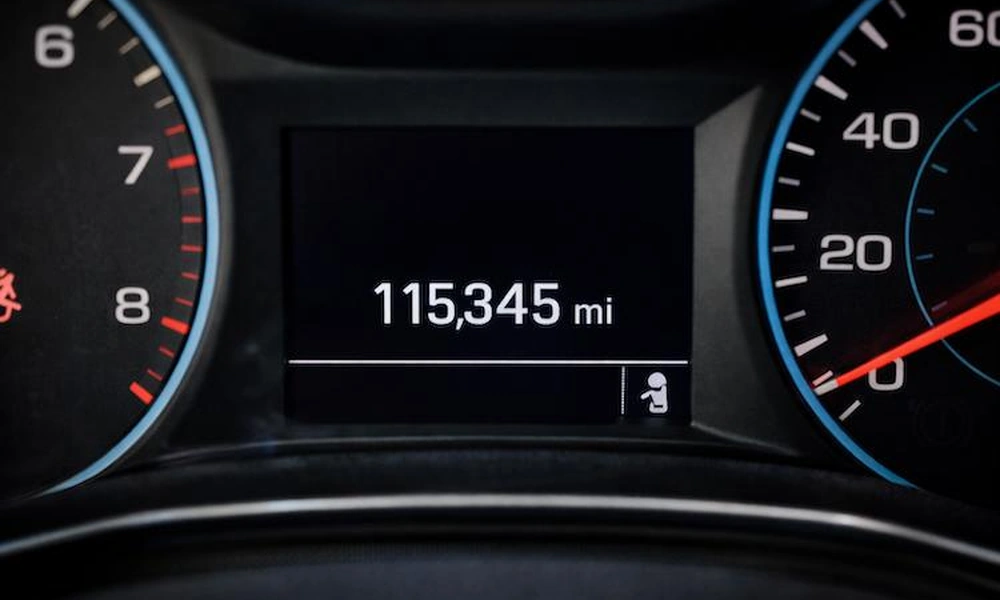
There is no universal mileage limit.
A vehicle with 120,000 miles and excellent maintenance records may be a better purchase than one with 60,000 miles and neglected servicing.
Mileage matters, but it should be considered alongside age, maintenance, driving conditions, and mechanical condition.
What Matters More Than Mileage?
Maintenance history: Regular servicing can help preserve vehicle condition.
Driving conditions: Highway and stop-and-go driving can affect components differently.
Vehicle age: Rubber seals, hoses, electronics, and other materials deteriorate over time.
Previous repairs: Major repairs should be documented and evaluated.
Current condition: A professional inspection provides useful information about the vehicle today.
Avoid choosing a car based only on the odometer.
Are Certified Pre-Owned Cars Better?
Certified pre-owned cars can offer additional benefits compared with conventional used vehicles.
Manufacturer-backed certification programs commonly involve inspection standards and warranty coverage.
However, requirements differ between brands.
A certified vehicle may cost more than a similar non-certified example.
Whether the additional expense is worthwhile depends on the warranty, vehicle condition, and purchase price.
Ask for the full certification details before deciding.
Should You Buy a Pre-Owned Luxury Car?
A used luxury car can be especially tempting.
Imagine finding a Mercedes-Benz E-Class, BMW 5 Series, or Lexus ES for considerably less than its original price.
The interior still looks elegant. The seats feel comfortable. The technology seems impressive.
It may feel like you’ve discovered a hidden bargain.
But luxury ownership involves more than the purchase price.
Consider Maintenance Costs
Premium vehicles may require specialized parts and service.
Check Insurance
Luxury vehicles can carry higher insurance premiums.
Research Common Problems
Certain model years and powertrains may have known mechanical issues.
Evaluate Depreciation
Some luxury vehicles lose value rapidly.
Inspect Carefully
An independent inspection is particularly important when considering an older luxury car.
A used luxury vehicle can be rewarding, but only when the ownership expenses fit your budget.
Are Pre-Owned Hybrid Cars Worth Buying?
Used hybrids can be attractive to drivers who prioritize fuel efficiency.
Examples worth researching include the Toyota Prius, Toyota Camry Hybrid, Honda Accord Hybrid, and hybrid versions of selected SUVs.
However, buyers should evaluate the hybrid system’s condition and warranty coverage.
What About the Hybrid Battery?
Hybrid batteries can last many years, but their condition depends on age, use, climate, and design.
Replacement costs vary significantly by model.
Before purchasing, review the battery warranty and consider an appropriate diagnostic inspection.
Are Pre-Owned Electric Cars a Good Deal?
Used electric vehicles may offer substantial savings compared with their original purchase prices.
However, they introduce additional considerations.
Battery Health
Battery condition influences driving range and long-term value.
Charging Compatibility
Make sure the vehicle works with charging equipment available to you.
Remaining Warranty
Review battery and powertrain warranty coverage.
Real-World Range
Range varies with temperature, speed, terrain, and driving habits.
Insurance and Repairs
Electric vehicles may have different insurance and repair costs than comparable gasoline cars.
A used EV can be a practical purchase for drivers with convenient charging and predictable transportation needs.
How to Negotiate the Price of a Pre-Owned Car

Negotiating becomes easier when you understand the vehicle’s market value.
Research Comparable Cars
Find listings for the same model year, trim, mileage range, and condition.
Identify Necessary Repairs
If an inspection reveals worn tires or other issues, consider the cost when evaluating the asking price.
Ask for the Out-the-Door Price
When buying from a dealership, request the complete price including applicable taxes and fees.
Compare Financing
A lower monthly payment does not necessarily mean a cheaper loan.
Review the annual percentage rate, loan term, and total financing cost.
Be Prepared to Walk Away
You don’t need to purchase a vehicle simply because you’ve spent time researching it.
A good deal should make financial sense.
What Are the Biggest Mistakes When Buying Pre-Owned Cars?
Skipping the Vehicle History Report
Available history records can reveal important information about ownership and reported damage.
Ignoring Mechanical Inspections
A test drive alone may not reveal hidden problems.
Focusing Only on the Monthly Payment
Longer financing terms can increase the total amount paid.
Buying Without Comparing Prices
A vehicle may be overpriced even if it appears attractive.
Ignoring Insurance Costs
Insurance can significantly affect monthly ownership expenses.
Choosing Features Over Condition
A well-maintained basic vehicle may be a better purchase than a poorly maintained luxury model.
Forgetting Maintenance Expenses
Older vehicles may need tires, brakes, suspension components, or other repairs.
Pre-Owned Car Buying Checklist
Use this checklist before completing a purchase.
- Set a realistic total budget.
- Compare similar vehicles.
- Verify the VIN.
- Review the vehicle history.
- Check title status.
- Inspect maintenance records.
- Examine tires and brakes.
- Test the air conditioning and electronics.
- Complete a thorough test drive.
- Arrange an independent mechanical inspection.
- Research model-specific reliability.
- Obtain insurance quotes.
- Compare financing terms.
- Review warranty coverage.
- Confirm the final purchase price.
- Complete all required ownership-transfer paperwork.
Frequently Asked Questions About Pre-Owned Cars
What does pre-owned mean?
Pre-owned means a vehicle has had at least one previous owner. It is commonly used as another term for a used car.
Are pre-owned cars cheaper than new cars?
Generally, comparable used vehicles cost less than new ones, although pricing depends on age, mileage, condition, and demand.
What is the best pre-owned car to buy?
The best choice depends on your needs. Popular models worth researching include the Toyota Corolla, Honda Civic, Toyota Camry, Honda Accord, and Toyota RAV4.
Is a certified pre-owned car worth buying?
It can be worthwhile if the certification includes useful warranty coverage and the price premium is reasonable.
How many miles should a used car have?
There is no universal ideal mileage. Maintenance history, age, mechanical condition, and price are equally important.
Should I buy a pre-owned car from a dealership?
Dealerships may offer financing and additional services, but private sellers can also provide good options. Compare the complete transaction.
Can pre-owned cars be financed?
Yes. Many lenders finance qualifying used vehicles, although rates and eligibility depend on the borrower and vehicle.
Are used luxury cars expensive to maintain?
Some are. Premium parts, specialized labor, and complex technology can increase maintenance and repair expenses.
Should I get a mechanic to inspect a used car?
Yes. An independent inspection can help identify existing problems and estimate potential repair costs.
Is buying a five-year-old car a good idea?
It can be, provided the vehicle is properly maintained, fairly priced, and in good mechanical condition.
Final Verdict: Are Pre-Owned Cars Worth Buying in 2026?
Pre-owned cars can offer excellent value for buyers who want dependable transportation without paying the full price of a comparable new vehicle.
A carefully selected used sedan may provide years of comfortable commuting. A pre-owned SUV can offer the space a growing family needs. And a well-maintained luxury vehicle may deliver premium comfort at a more accessible purchase price.
But the smartest purchase isn’t always the newest car, the lowest-mileage example, or the one with the most features.
It’s the vehicle that combines good condition, a reasonable price, documented maintenance, and manageable ownership expenses.
Buy the car that makes sense for your life today—and one you’ll still feel comfortable owning several years from now.
Research thoroughly, inspect carefully, and never rush a major financial decision.
A great pre-owned car should feel like a smart investment in your everyday life, not an expensive surprise waiting to happen.
Disclaimer: This article is provided for general informational and educational purposes only and does not promote or endorse any product, service, brand, or individual. Details may change, and no guarantee is made regarding completeness or accuracy.