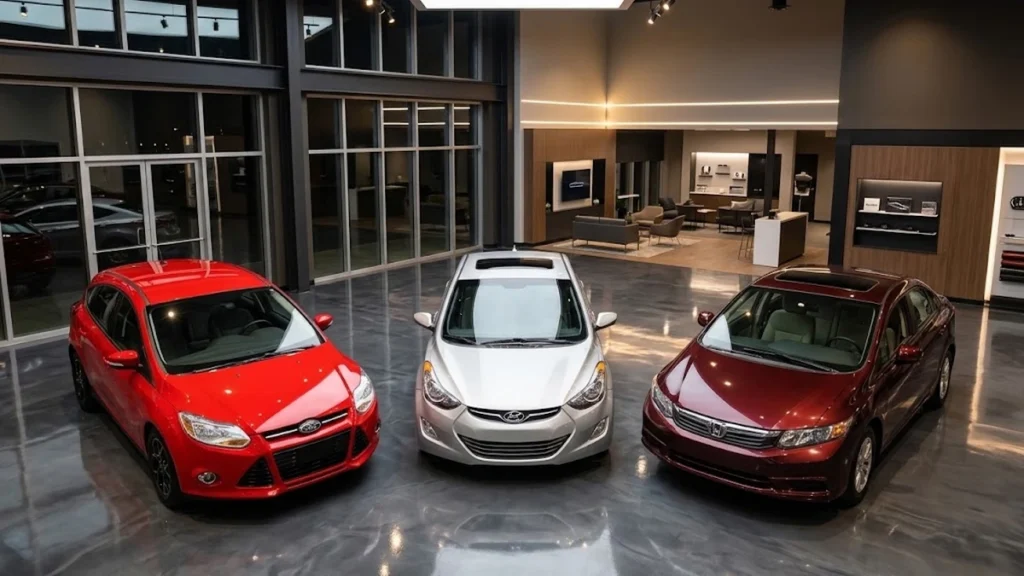
Finding a dependable car for less than $5,000 might sound difficult in today’s used-car market. Prices have changed, older vehicles are becoming more expensive to maintain, and even basic transportation can stretch a tight budget. However, there are still plenty of cars under 5000 worth considering if you know what to look for.
The challenge isn’t simply finding the cheapest vehicle. It’s finding one that won’t become a financial burden a few months after purchase. The best cars under $5,000 are typically older, well-maintained compact sedans and hatchbacks with proven mechanical designs, affordable replacement parts, and reasonable fuel consumption.
Models such as the Toyota Corolla, Honda Civic, Toyota Yaris, Ford Focus, and Hyundai Elantra are worth investigating. However, at this price point, vehicle condition matters more than the badge on the hood. A carefully maintained 2008 sedan with 160,000 miles may be a better purchase than a neglected 2014 model with fewer miles.
Let’s explore 15 used cars worth considering, their potential weaknesses, and how to avoid expensive mistakes.
Can You Still Buy a Reliable Car Under $5,000?
Yes, but expectations need to be realistic. A $5,000 budget generally places buyers in the older, higher-mileage portion of the U.S. used-car market. Many available vehicles may have:
- More than 120,000 miles.
- Older safety and infotainment technology.
- Cosmetic damage.
- Worn interior materials.
- Previous repairs.
- Limited remaining warranty coverage.
None of these automatically makes a vehicle a bad purchase.
What matters most is whether the engine, transmission, cooling system, brakes, suspension, and structural components are in acceptable condition.
A clean title, documented maintenance, and a professional inspection are more valuable than an impressive-looking dashboard.
15 Best Cars Under $5,000 to Consider
The models below are potential candidates, not guaranteed listings under $5,000. Availability and prices vary significantly by location, mileage, condition, and model year.
1. Toyota Corolla
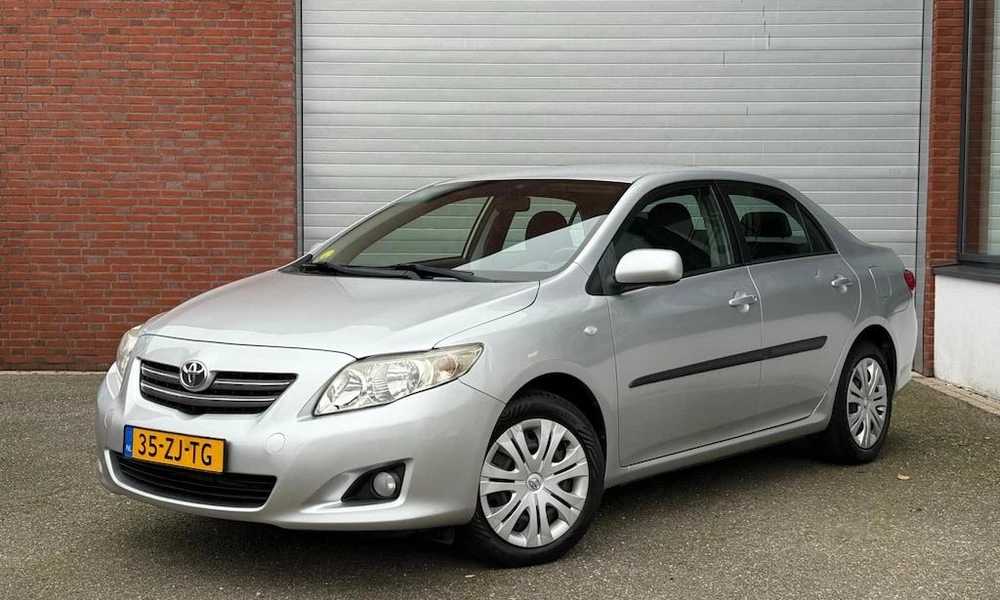
Best for: Long-term everyday transportation
The Toyota Corolla has built a reputation for practical transportation, reasonable fuel consumption, and straightforward ownership.
Older Corolla generations are worth considering for buyers who need a dependable commuter car.
Why consider it?
- Economical four-cylinder engines.
- Practical passenger space.
- Widely available replacement parts.
- Straightforward everyday driving.
- Strong reputation for longevity.
What to inspect: Oil consumption on certain model years, suspension wear, cooling-system condition, rust, and transmission operation.
A Corolla with a strong maintenance history can be an appealing choice, even with relatively high mileage.
2. Honda Civic
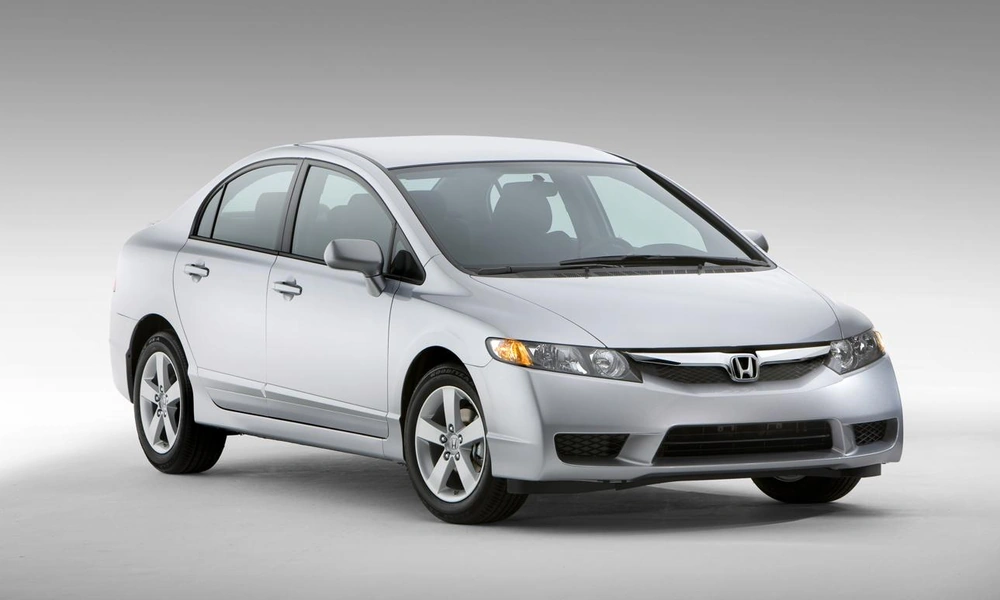
Best for: Affordable commuting
The Honda Civic is another popular choice among budget-conscious used-car buyers.
Older Civics offer compact dimensions, practical interiors, and generally economical engines.
Why consider it?
- Good fuel economy.
- Comfortable everyday handling.
- Strong parts availability.
- Established repair knowledge.
- Practical sedan and coupe options.
What to inspect: Engine cooling, transmission performance, suspension bushings, accident repairs, and model-year-specific mechanical concerns.
Some older Civics have known engine-related issues, so researching the exact year is essential.
3. Toyota Camry
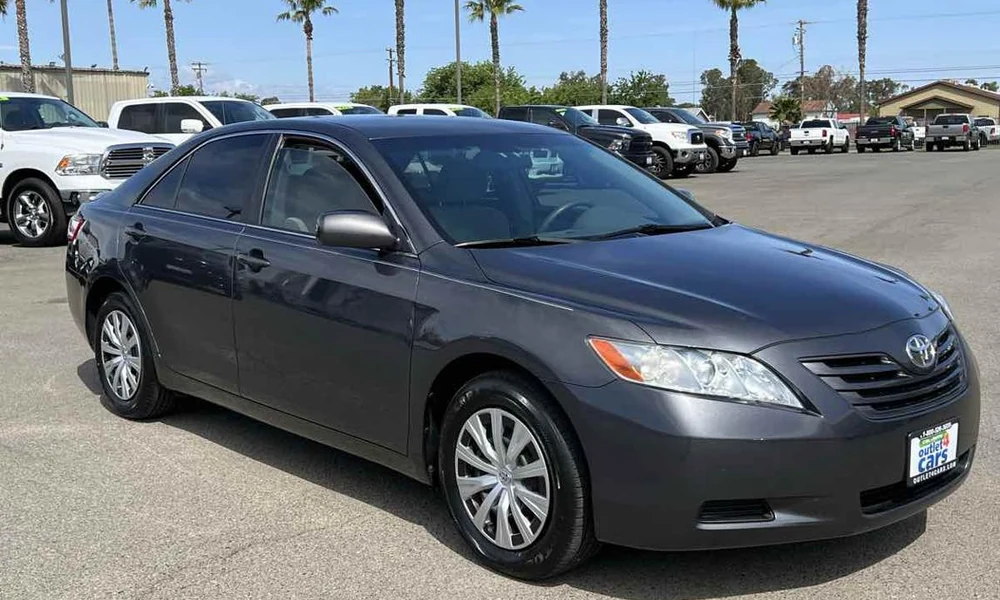
Best for: Comfortable family transportation
The Toyota Camry offers more passenger space than most compact cars.
Older generations are commonly found in the used-car market and may appeal to drivers who spend considerable time on highways.
Why consider it?
- Comfortable seating.
- Spacious cabin.
- Smooth highway driving.
- Broad parts availability.
- Practical family transportation.
What to inspect: Oil consumption on certain four-cylinder engines, transmission condition, suspension wear, and cooling-system maintenance.
The Camry can be an excellent budget vehicle, but some generations require particularly careful engine inspections.
4. Honda Accord
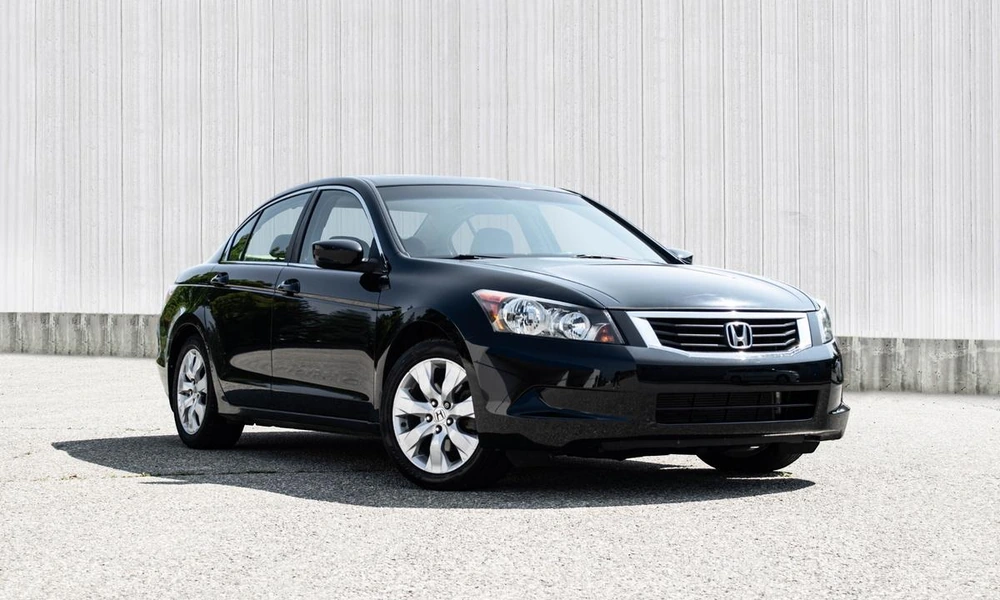
Best for: Spacious and comfortable driving
The Honda Accord combines midsize sedan practicality with responsive handling.
Older examples can offer comfortable interiors and useful features at relatively modest prices.
Why consider it?
- Spacious passenger compartment.
- Comfortable ride.
- Practical trunk.
- Established service network.
- Good everyday usability.
What to inspect: Automatic transmission condition, power-steering components, engine maintenance, and suspension weFord Focusar.
The reliability of older Accord models varies by engine and transmission combination.
5. Toyota Yaris
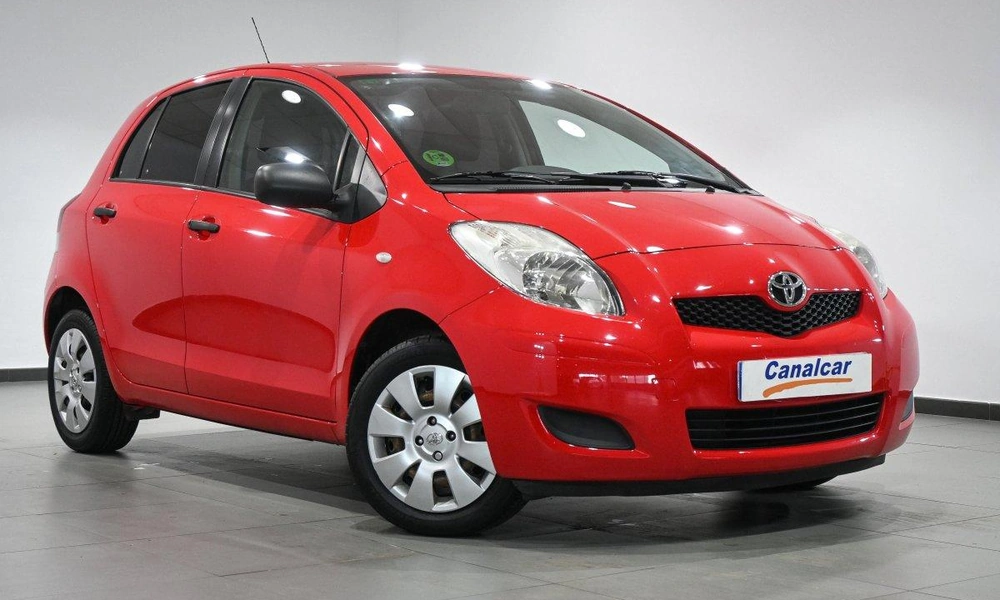
Best for: Low-cost city driving
The Toyota Yaris is a small car designed around simplicity and efficiency.
Its compact dimensions make it particularly convenient for crowded streets and limited parking spaces.
Why consider it?
- Economical fuel consumption.
- Compact exterior.
- Simple interior layout.
- Relatively straightforward maintenance.
- Practical commuting ability.
What to inspect: Rust, suspension components, clutch condition on manual models, and evidence of neglected maintenance.
For buyers prioritizing inexpensive transportation over luxury features, an older Yaris can be worth investigating.
6. Hyundai Elantra
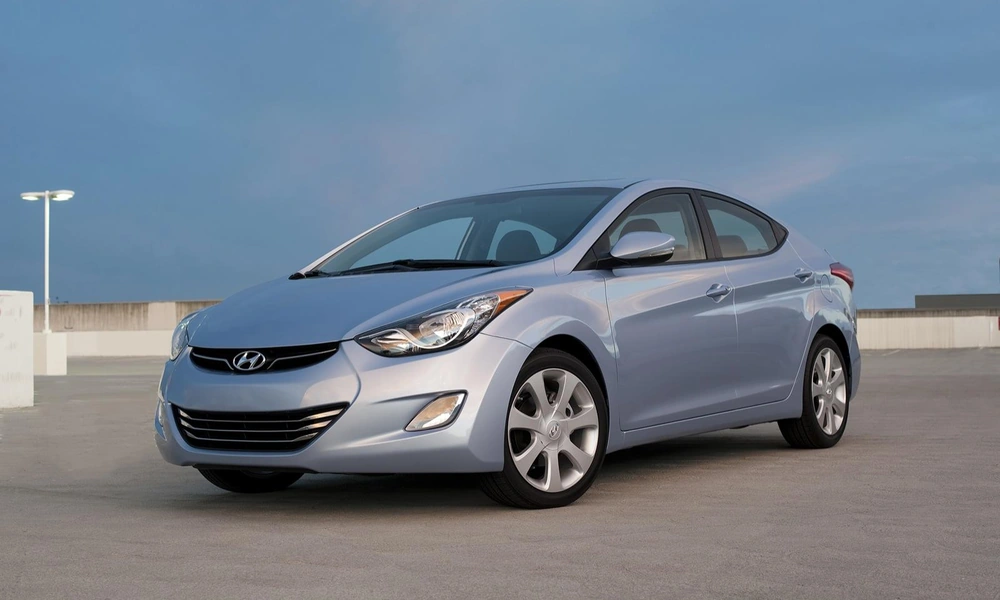
Best for: Affordable features and comfort
The Hyundai Elantra offers compact-sedan practicality and may provide more equipment than some similarly priced alternatives.
Older models can be attractive to buyers seeking comfortable transportation.
Why consider it?
- Practical interior.
- Comfortable seating.
- Reasonable fuel consumption.
- Common replacement parts.
- Potentially competitive used prices.
What to inspect: Engine condition, oil consumption, transmission operation, recalls, and theft-related insurance restrictions affecting certain model years.
Check the exact engine and vehicle identification number before purchasing.
7. Mazda3
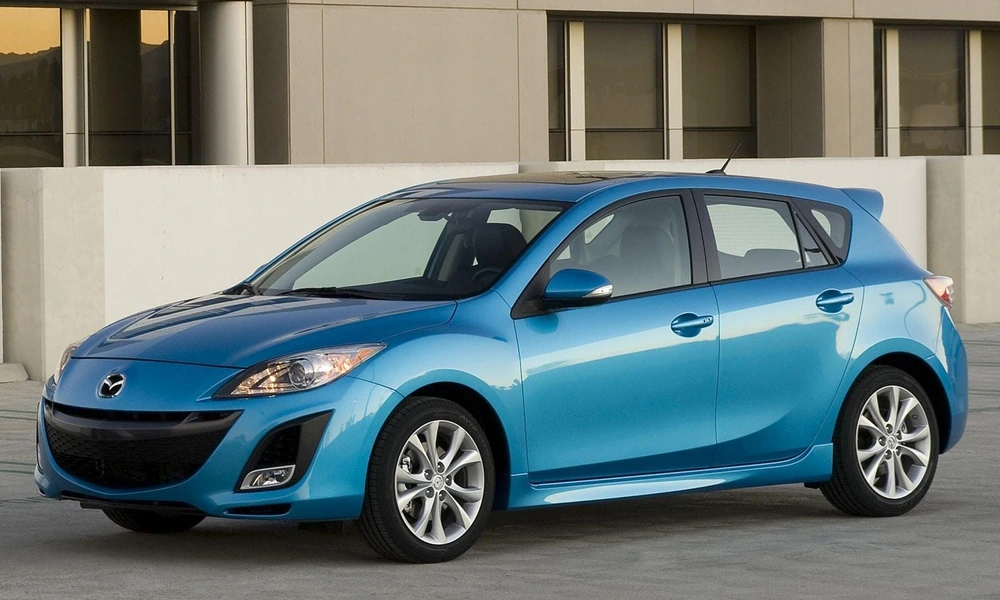
Best for: Enjoyable everyday driving
The Mazda3 offers a combination of compact-car practicality and engaging handling.
Older sedans and hatchbacks may fit within a limited budget.
Why consider it?
- Responsive steering.
- Practical cabin.
- Available hatchback body style.
- Efficient engine options.
- Comfortable everyday performance.
What to inspect: Rust, suspension wear, engine mounts, transmission operation, and maintenance history.
Rust can be a particularly important concern on older examples in regions with harsh winters.
8. Ford Focus
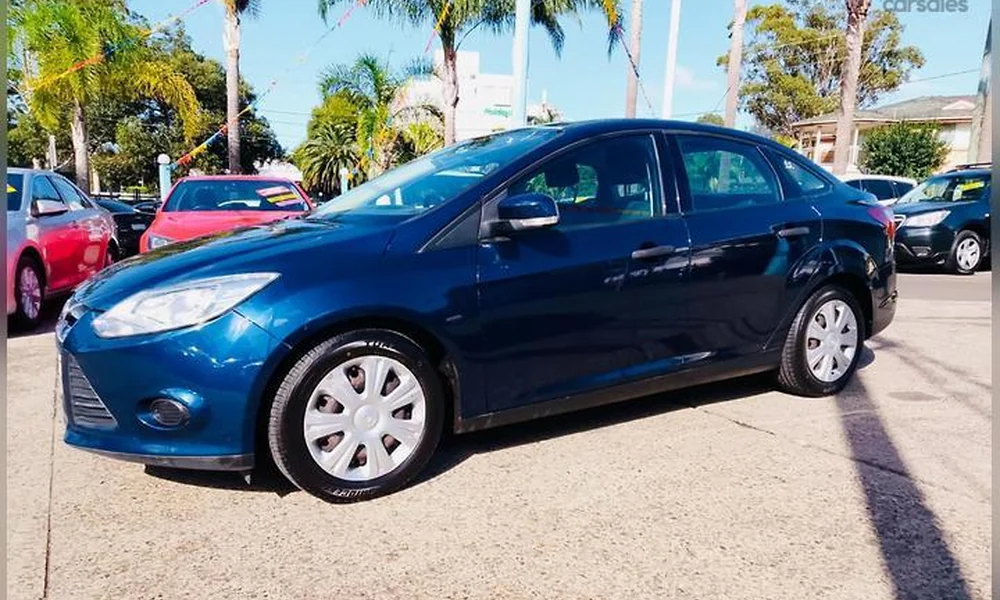
Best for: Affordable compact transportation
Older Ford Focus models can provide practical transportation at relatively low purchase prices.
However, the model year and transmission type matter considerably.
Why consider it?
- Compact dimensions.
- Practical interior.
- Affordable used-market availability.
- Widely available parts.
What to inspect: Transmission type, engine condition, suspension wear, and electrical issues.
Important: Certain 2012–2018 Focus models equipped with the PowerShift dual-clutch automatic transmission have a history of significant transmission complaints. Buyers should research these versions carefully rather than assuming all Focus models offer similar reliability.
9. Ford Fusion
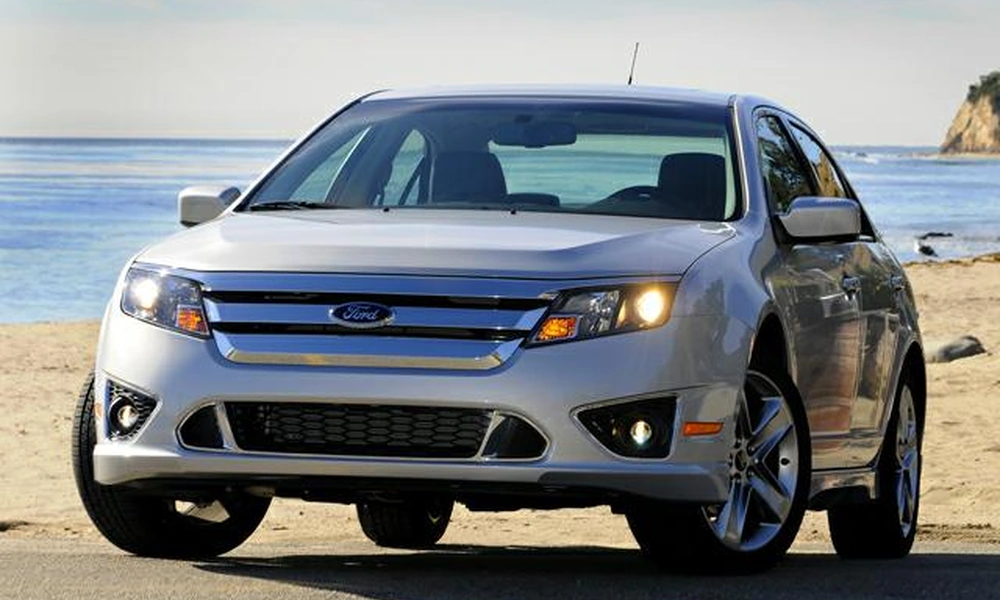
Best for: Comfortable midsize transportation
The Ford Fusion offers a spacious cabin and comfortable driving experience.
Older examples may be available at prices that appeal to budget buyers.
Why consider it?
- Comfortable seating.
- Practical trunk space.
- Good highway manners.
- Familiar sedan layout.
- Broad availability in the U.S.
What to inspect: Transmission operation, cooling system, steering components, engine condition, and recall history.
Some engine and transmission combinations have known concerns, making model-specific research important.
10. Chevrolet Impala
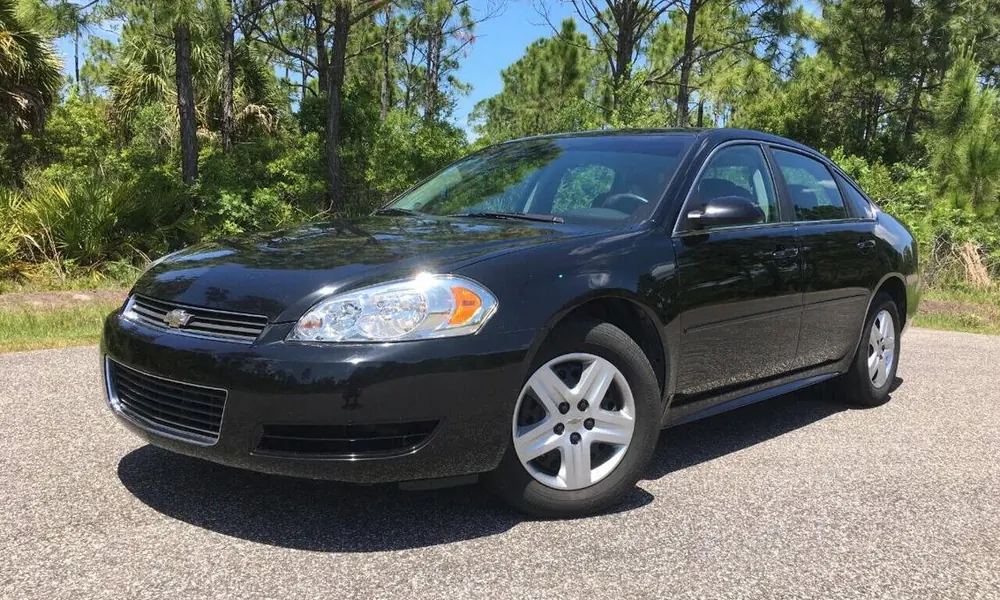
Best for: Large sedan comfort
The Chevrolet Impala is worth considering for drivers who need more passenger space.
Older versions can offer comfortable highway driving and a roomy interior.
Why consider it?
- Spacious cabin.
- Comfortable seats.
- Large trunk.
- Available V6 performance.
- Established parts supply.
What to inspect: Transmission condition, cooling-system components, suspension wear, and electrical equipment.
Fuel consumption may be higher than that of smaller compact cars.
11. Pontiac Vibe
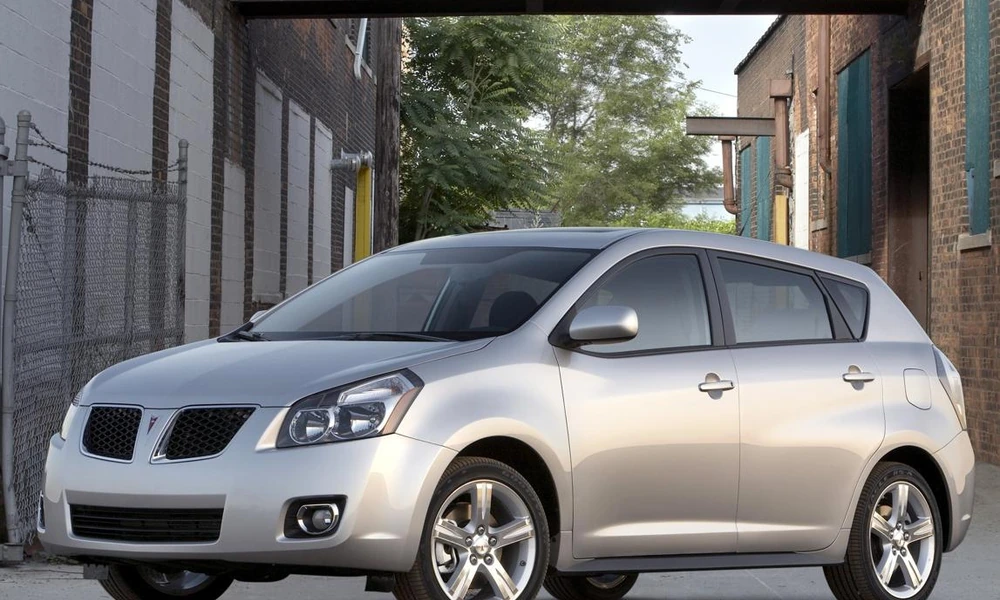
Best for: Practical hatchback transportation
The Pontiac Vibe is an interesting choice because of its engineering relationship with the Toyota Matrix.
It offers a versatile hatchback body with useful cargo space.
Why consider it?
- Practical cargo area.
- Compact dimensions.
- Toyota-related mechanical components.
- Everyday versatility.
- Potentially attractive used pricing.
What to inspect: Engine oil consumption on certain versions, transmission operation, suspension wear, and rust.
Because Pontiac is a discontinued brand, buyers should confirm availability of model-specific body and trim components.
12. Toyota Matrix
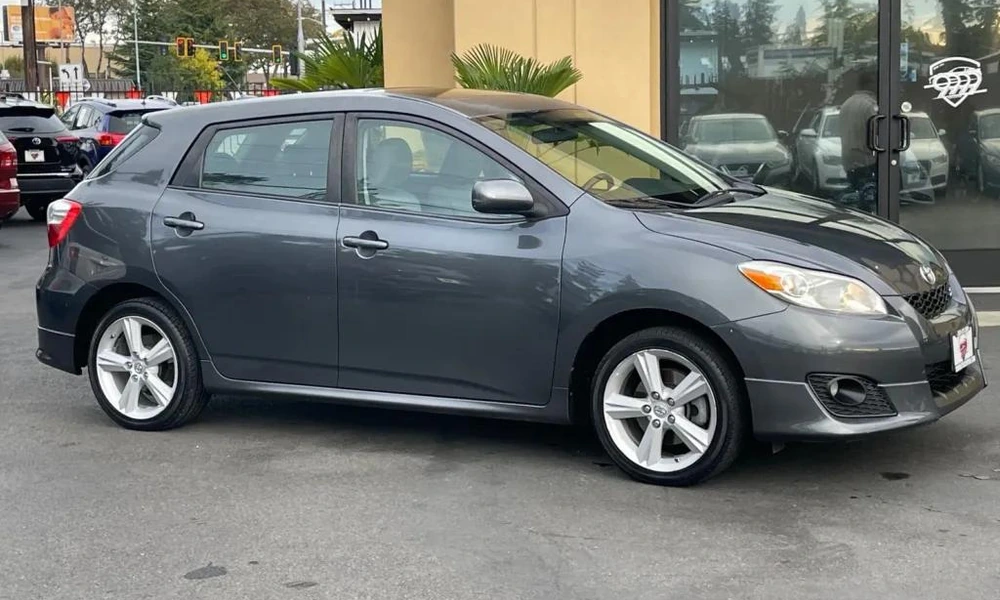
Best for: Cargo space on a small budget
The Toyota Matrix combines compact-car dimensions with hatchback practicality.
Its flexible interior makes it useful for carrying luggage, groceries, and everyday equipment.
Why consider it?
- Versatile cargo space.
- Compact exterior.
- Practical interior.
- Toyota mechanical heritage.
- Useful everyday driving position.
What to inspect: Engine condition, oil consumption on applicable versions, suspension components, and rust.
The Matrix can be particularly appealing to buyers who want SUV-like practicality without purchasing a larger vehicle.
13. Honda Fit
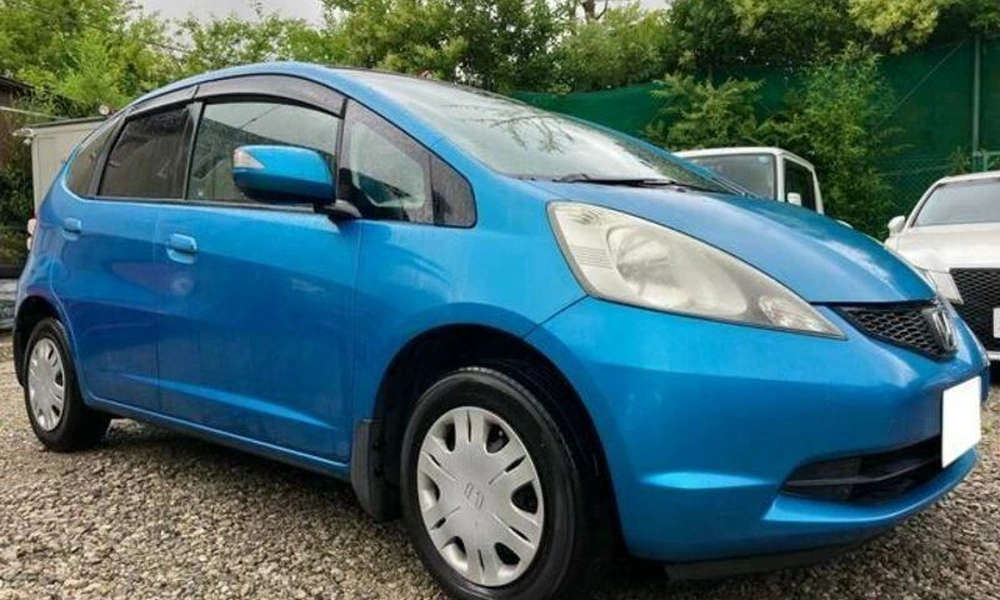
Best for: Small-car practicality
The Honda Fit is known for making impressive use of its compact dimensions.
Its flexible seating arrangement provides useful cargo configurations.
Why consider it?
- Excellent interior packaging.
- Economical engine.
- Easy parking.
- Practical hatchback design.
- Flexible rear seating.
What to inspect: Suspension wear, spark-plug and ignition-system condition, transmission performance, and accident history.
Clean examples may exceed $5,000 in some markets.
14. Scion xB
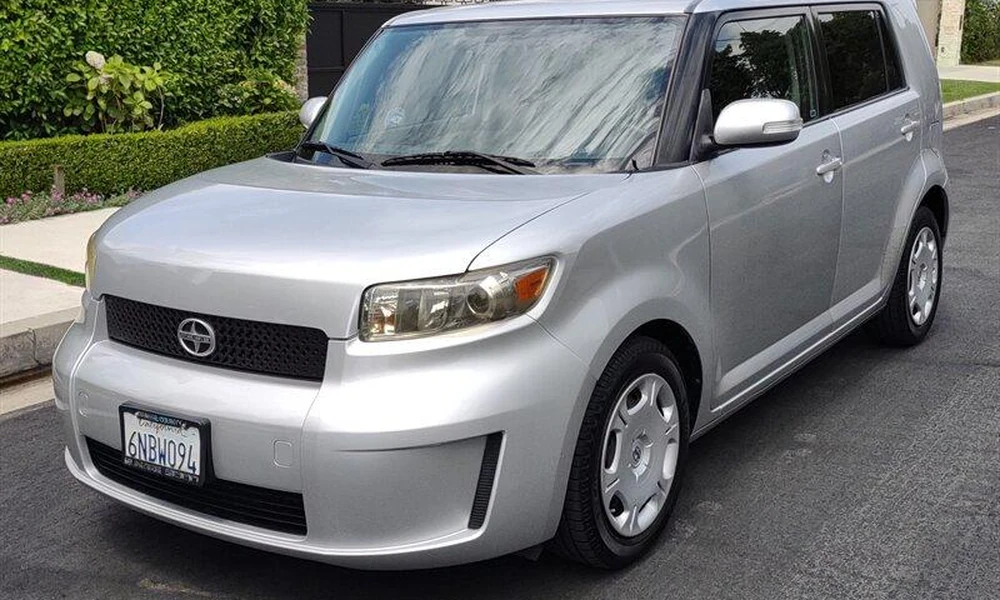
Best for: Maximum space in a compact footprint
The Scion xB offers unusual box-shaped styling and a surprisingly spacious cabin.
Its design prioritizes practicality over conventional appearance.
Why consider it?
- Roomy interior.
- Useful cargo capacity.
- Easy entry and exit.
- Compact exterior dimensions.
- Toyota-related engineering.
What to inspect: Engine oil consumption on certain generations, suspension wear, and overall mechanical condition.
The xB is worth considering for buyers who value space more than sporty styling.
15. Buick LeSabre
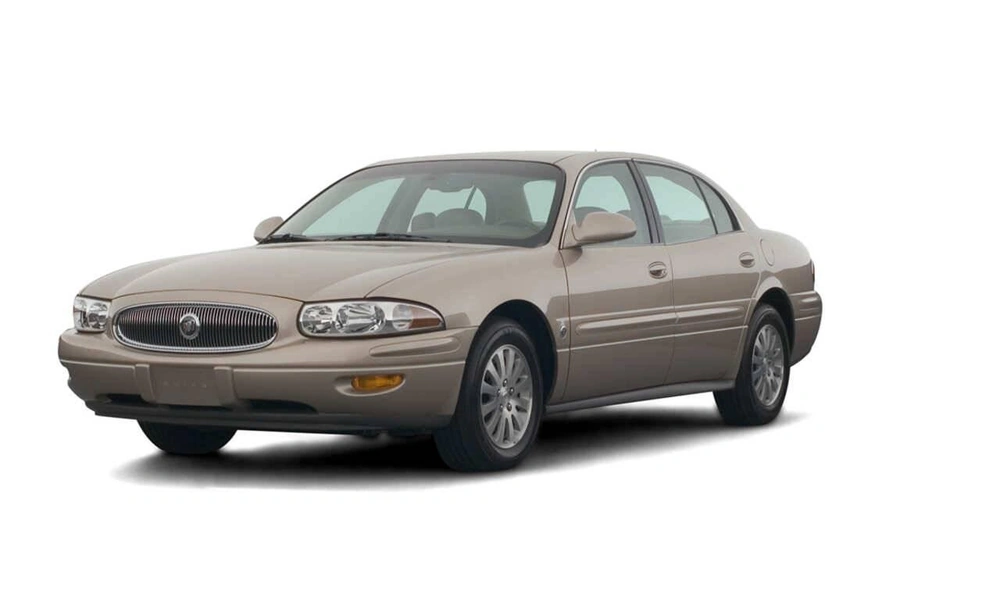
Best for: Comfortable traditional American driving
The Buick LeSabre offers an older style of American sedan comfort.
Many examples use General Motors’ 3.8-liter V6 engine, which developed a reputation for durability when properly maintained.
Why consider it?
- Spacious cabin.
- Comfortable seats.
- Smooth highway driving.
- Familiar mechanical design.
- Potentially low purchase prices.
What to inspect: Cooling-system components, intake manifold-related issues, transmission condition, rust, and aging electrical equipment.
Its size and fuel consumption may make it less suitable for buyers seeking an economical city car.
Best Cars Under $5,000 Comparison Table
| Car Model | Main Strength | Best For | Important Concern |
| Toyota Corolla | Practical reliability | Daily commuting | Oil consumption on some years |
| Honda Civic | Fuel economy | Students and commuters | Model-specific engine issues |
| Toyota Camry | Comfort | Families | Oil consumption on some engines |
| Honda Accord | Spacious interior | Highway driving | Transmission condition |
| Toyota Yaris | Low operating costs | City driving | Age-related wear |
| Hyundai Elantra | Affordable features | Budget buyers | Engine and insurance concerns |
| Mazda3 | Engaging handling | Everyday driving | Rust |
| Ford Focus | Low purchase price | Budget commuting | Certain automatic transmissions |
| Ford Fusion | Comfortable ride | Families | Engine and transmission issues |
| Chevrolet Impala | Passenger space | Highway travel | Cooling and transmission wear |
| Pontiac Vibe | Hatchback versatility | Practical buyers | Engine condition |
| Toyota Matrix | Cargo space | Small families | Oil consumption on some versions |
| Honda Fit | Interior flexibility | Urban drivers | Availability and pricing |
| Scion xB | Spacious design | Cargo-focused buyers | Engine oil consumption |
| Buick LeSabre | Comfortable ride | Traditional sedan buyers | Aging components |
Which Cars Under $5,000 Are Most Reliable?
Reliability depends on the individual vehicle, but certain models have established reputations for long-term durability.
The Toyota Corolla, Toyota Yaris, Honda Fit, and selected Honda Civic generations are reasonable starting points.
However, buying by reputation alone can be misleading.
Consider two vehicles:
Car A: A Toyota Corolla with 190,000 miles, incomplete maintenance records, and an overheating problem.
Car B: A Hyundai Elantra with 135,000 miles, documented servicing, and a clean independent inspection.
Even though the Corolla has a stronger general reputation, the Elantra could be the more sensible purchase.
At this price level, maintenance history and current condition should drive the decision.
How Many Miles Are Too Many for a $5,000 Car?
There is no universal mileage limit.
A vehicle with 180,000 miles can still be useful if it has been maintained properly.
Meanwhile, a neglected car with 90,000 miles may require expensive repairs.
Mileage should be evaluated alongside:
- Engine condition.
- Transmission performance.
- Maintenance records.
- Accident history.
- Rust and structural damage.
- Cooling-system condition.
- Suspension wear.
- Previous ownership.
- Driving conditions.
A professional inspection is especially valuable when considering high-mileage vehicles.
Where Can You Find Cars Under $5,000?
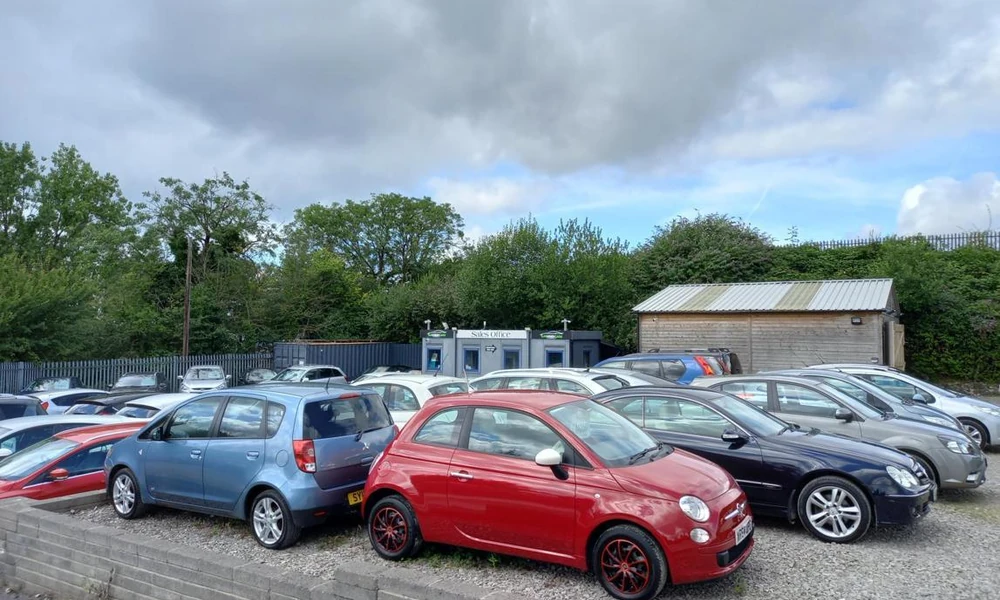
Local Used-Car Dealerships
Independent dealerships sometimes carry older, lower-priced vehicles.
Ask for the complete out-the-door price, including applicable fees.
Private Sellers
Private-party sales may offer competitive prices.
However, buyers should verify ownership, title status, identification numbers, and vehicle condition.
Online Vehicle Marketplaces
Online listings allow buyers to compare vehicles across different locations and price ranges.
Be cautious of suspiciously low prices, unusual payment requests, and sellers unwilling to provide documentation.
Auctions
Vehicle auctions can sometimes offer inexpensive cars.
However, auction vehicles may have limited inspection opportunities and significant repair needs.
Beginners should approach auctions cautiously.
How to Buy a Car Under $5,000 Without Getting Scammed
1. Verify the Vehicle Identification Number
Confirm that the VIN matches the vehicle and its documentation.
Use available vehicle-history resources to investigate title and accident records.
2. Check the Title
Avoid vehicles with unclear ownership or unresolved title problems.
Salvage and rebuilt titles require additional scrutiny.
3. Inspect the Engine
Look for overheating, leaks, unusual noises, warning lights, and excessive exhaust smoke.
4. Test the Transmission
Check for slipping, harsh shifting, delayed engagement, or unusual vibrations.
5. Look for Rust
Inspect structural areas, underbody components, suspension mounting points, and wheel arches.
Serious structural corrosion can make a cheap vehicle unsafe or uneconomical to repair.
6. Get an Independent Inspection
A qualified mechanic can identify problems that may not be visible during a short test drive.
7. Avoid Pressure Tactics
Be cautious of sellers demanding immediate deposits or refusing reasonable inspections.
8. Confirm the Final Price
Ask about taxes, registration, documentation charges, and other expenses before agreeing to purchase.
Should You Spend the Entire $5,000 on the Car?
Not necessarily.
If $5,000 is your total available budget, spending every dollar on the purchase can leave you without money for essential repairs.
A more cautious approach might look like this:
| Expense | Example Budget |
| Vehicle purchase | $3,800 |
| Taxes and registration | $400 |
| Inspection | $150 |
| Initial maintenance reserve | $650 |
| Total | $5,000 |
These figures are illustrative, not market quotes. Actual taxes, fees, inspection costs, and maintenance needs vary.
A repair reserve is particularly important when purchasing an older vehicle.
What Repairs Should You Expect on a Cheap Used Car?

Even a well-maintained older car may require some attention.
Common expenses include:
- New tires.
- Brake pads and rotors.
- Battery replacement.
- Engine oil and filters.
- Spark plugs.
- Suspension bushings.
- Cooling-system hoses.
- Belts.
- Wheel bearings.
- Air-conditioning repairs.
Not every vehicle will need these repairs immediately.
The goal is to identify existing problems before purchasing rather than discovering them after the transaction.
Are Cars Under $5,000 Safe?
Safety varies significantly by vehicle age, model, condition, and equipment.
Older vehicles may lack modern driver-assistance technology such as automatic emergency braking, blind-spot monitoring, and lane-keeping assistance.
Some may also perform less effectively in crashes than newer vehicles.
Before buying, investigate:
- Original crash-test ratings.
- Airbag equipment.
- Electronic stability control.
- Anti-lock brakes.
- Tire condition.
- Brake performance.
- Outstanding safety recalls.
- Structural damage.
A low purchase price should never justify buying a vehicle with serious safety defects.
Frequently Asked Questions About Cars Under $5,000
Can I find a reliable car for $5,000?
Yes. Older, well-maintained compact cars can be reliable, but availability depends on local market conditions and vehicle condition.
What is the best used car under $5,000?
The Toyota Corolla, Honda Civic, Toyota Yaris, and Honda Fit are useful models to investigate. The best individual car is one with a strong maintenance history and a satisfactory inspection.
Are Toyota cars under $5,000 worth buying?
They can be. However, older Toyotas may have high mileage, worn components, or model-specific problems. Inspect the exact vehicle carefully.
Is 150,000 miles too much for a used car?
Not necessarily. A properly maintained vehicle may remain useful beyond 150,000 miles. Mechanical condition matters more than mileage alone.
Should I buy a $5,000 car from a dealer or private seller?
Both options have advantages. Dealers may offer a more structured transaction, while private sellers may offer lower prices. Verify documentation and vehicle condition in either case.
Can I finance a car under $5,000?
Some lenders finance inexpensive used vehicles, but age, mileage, minimum loan amounts, and credit requirements may limit availability.
What should I avoid when buying a cheap used car?
Avoid vehicles with unresolved title issues, serious structural rust, overheating, major transmission problems, or sellers who refuse reasonable inspections.
Are cheap used cars expensive to insure?
Insurance costs depend on the vehicle, driver, location, coverage, and insurer. Older vehicles may have lower values, but liability premiums do not necessarily decrease.
Is a $5,000 car good for a first-time driver?
It can be, provided the vehicle is mechanically sound and offers acceptable safety equipment. Reliability, visibility, braking performance, and insurance costs should guide the choice.
Final Verdict: What Are the Best Cars Under $5,000?
Finding a dependable car under $5,000 requires patience, research, and realistic expectations.
The Toyota Corolla and Honda Civic remain popular starting points for everyday transportation, while the Toyota Yaris and Honda Fit appeal to drivers who prioritize compact dimensions and fuel economy.
For buyers seeking additional comfort, older Toyota Camry, Honda Accord, and Buick LeSabre models may be worth exploring.
But the most important lesson is simple:
Don’t buy the cheapest car you can find. Buy the best-maintained car you can afford.
A clean title, reliable mechanical condition, and documented maintenance are worth more than flashy features or a newer model year.
With careful shopping and a professional inspection, a $5,000 budget can still provide useful everyday transportation.