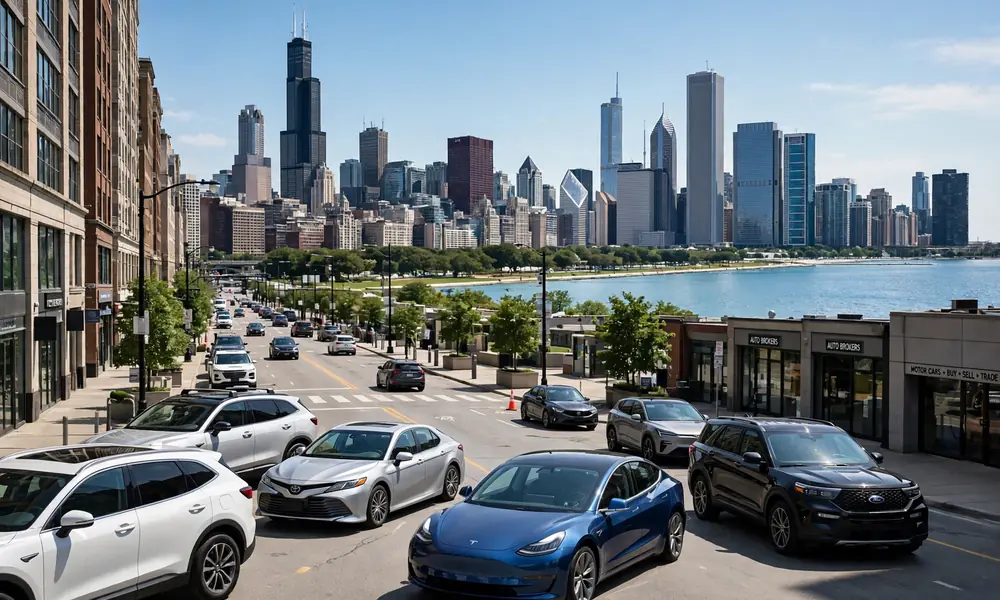
Motor cars of Chicago can refer to the city’s broad automotive market, including dealerships, independent used-car sellers, private listings, and specialty vehicle retailers. Chicago buyers can find everything from affordable commuter cars and family SUVs to luxury vehicles and electric cars.
Choosing the right vehicle requires more than comparing prices. Buyers should also consider Chicago’s winter weather, vehicle condition, insurance costs, parking availability, and the total expense of ownership.
Whether you are searching for a first car, replacing an older vehicle, or selling a car in the Chicago area, understanding the local market can help you make a more confident decision.
What Types of Cars Can You Find in Chicago?
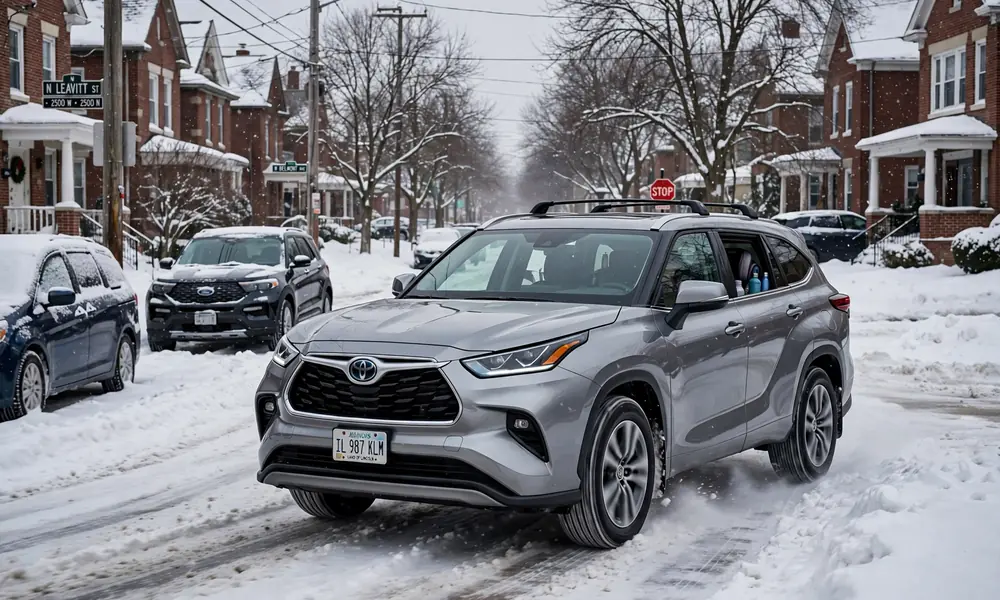
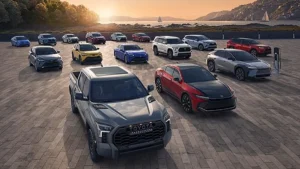
Chicago’s automotive market includes vehicles for different budgets, lifestyles, and driving requirements.
Used Cars
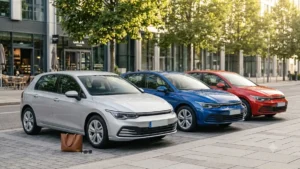
Used cars are popular among buyers looking to reduce their initial purchase costs. Depending on availability, the market may include compact sedans, hatchbacks, midsize cars, SUVs, pickups, and older luxury vehicles.
Before buying a used car, review its maintenance history, mileage, title status, and accident records. A vehicle with a lower asking price may not be the best value if it needs expensive repairs.
New Cars
New vehicles appeal to buyers who want current safety technology, manufacturer warranty coverage, and a known ownership history.
However, new cars generally cost more upfront and may lose value during the first years of ownership. Compare the total purchase price, financing terms, insurance, and expected depreciation before deciding.
SUVs and Family Vehicles
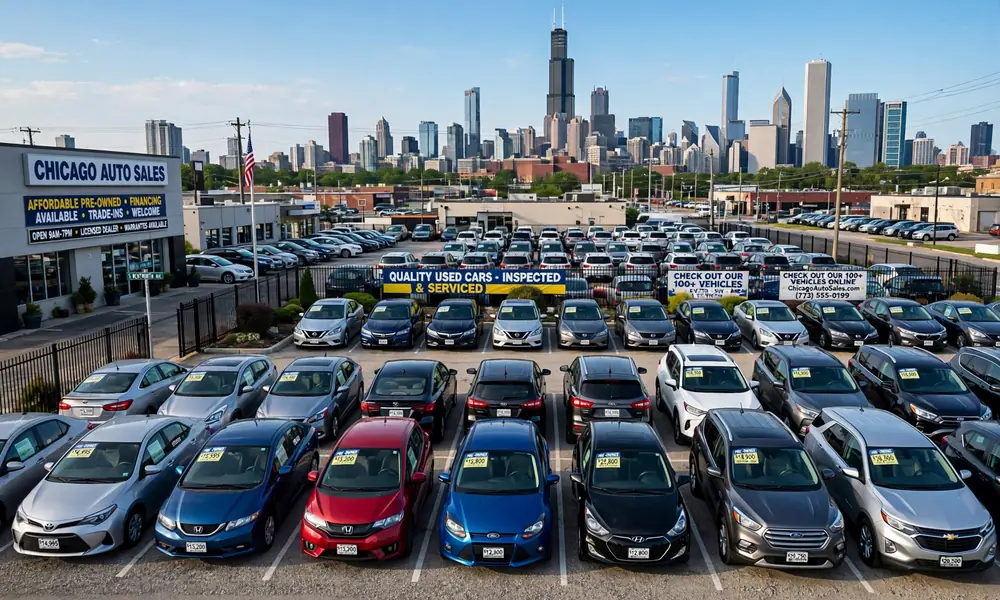
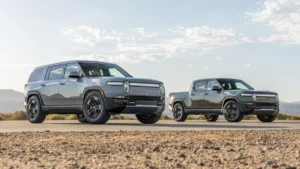
SUVs are useful for families who need additional passenger space, cargo capacity, or available all-wheel drive.
For Chicago drivers, ground clearance and winter tires may matter more than choosing the largest vehicle available. A well-maintained sedan with appropriate winter tires can also perform well in many winter driving conditions.
Luxury and Performance Cars
The Chicago market includes premium vehicles from manufacturers such as BMW, Mercedes-Benz, Lexus, Audi, and Porsche.
Luxury cars can offer comfortable interiors, advanced technology, and strong performance. Buyers should also budget for potentially higher insurance premiums, specialized maintenance, and replacement parts.
Electric and Hybrid Cars
Electric and hybrid vehicles provide alternatives to conventional gasoline-powered cars.
Hybrid vehicles can reduce fuel consumption without requiring routine external charging. Fully electric vehicles may offer lower energy costs for some drivers, but ownership depends on charging access, driving distance, weather, and local electricity prices.
Chicago buyers should consider how cold temperatures affect electric vehicle range and whether home or workplace charging is practical.
Where Can You Buy Motor Cars in Chicago?

Buyers generally have several ways to shop for vehicles in the Chicago area.
Franchise Dealerships
Franchise dealerships sell new vehicles from specific manufacturers and may also offer trade-ins and certified pre-owned models.
Potential benefits include manufacturer-backed warranty options, financing programs, and access to brand-specific service departments. Buyers should compare the final out-the-door price rather than focusing only on advertised monthly payments.
Independent Used-Car Dealerships
Independent dealerships may offer vehicles from multiple manufacturers and a broad range of price points.
Inventory, inspection standards, warranty terms, and financing arrangements vary. Ask for written details about the vehicle’s condition, fees, return policies, and any included warranty.
Private Sellers
Private-party listings can provide access to vehicles sold directly by their owners.
This approach may offer flexibility in negotiations, but buyers must take extra care to verify ownership documents, check for outstanding liens where applicable, and arrange an independent mechanical inspection.
Complete the transaction using the appropriate Illinois title and registration procedures.
Online Car Marketplaces
Online platforms let buyers compare listings, mileage, features, and asking prices before visiting a seller.
Use online listings to create a shortlist, then inspect the actual vehicle. Confirm that the seller has the legal authority to sell it and that the advertised condition matches the car you see.
How to Choose the Right Car in Chicago
A structured buying process can help you avoid unnecessary expenses.
1. Set a Realistic Budget
Include more than the vehicle’s purchase price. Your budget should account for:
- Sales tax and applicable registration fees.
- Insurance premiums.
- Fuel or electricity.
- Routine servicing and unexpected repairs.
- Parking expenses.
- Loan interest, if financing.
A car that fits your purchase budget may still be expensive to own if insurance, repairs, or parking costs are high.
2. Research the Vehicle’s History
For a used vehicle, review available history records and ask the seller about previous accidents, repairs, ownership, and maintenance.
A vehicle history report can provide useful information, but it does not replace a physical inspection.
3. Arrange an Independent Inspection
Have a qualified mechanic inspect the car before you finalize the purchase. Pay particular attention to the engine, transmission, brakes, suspension, tires, battery, and evidence of collision damage.
In Chicago, inspect the underside for rust or corrosion, particularly on older vehicles that have experienced repeated winter road-salt exposure.
4. Take a Test Drive
Drive on different types of roads when possible. Check acceleration, braking, steering, visibility, air conditioning, heating, and electronic features.
Listen for unusual sounds and watch for warning lights. If the seller refuses a reasonable inspection or test drive, consider walking away.
5. Review the Final Price
Ask for an itemized breakdown of the price, taxes, dealer fees, optional products, and financing charges.
Compare financing offers using the annual percentage rate, loan term, total interest, and total amount payable. A lower monthly payment can hide a longer and more expensive loan.
Buying a Car for Chicago Winters
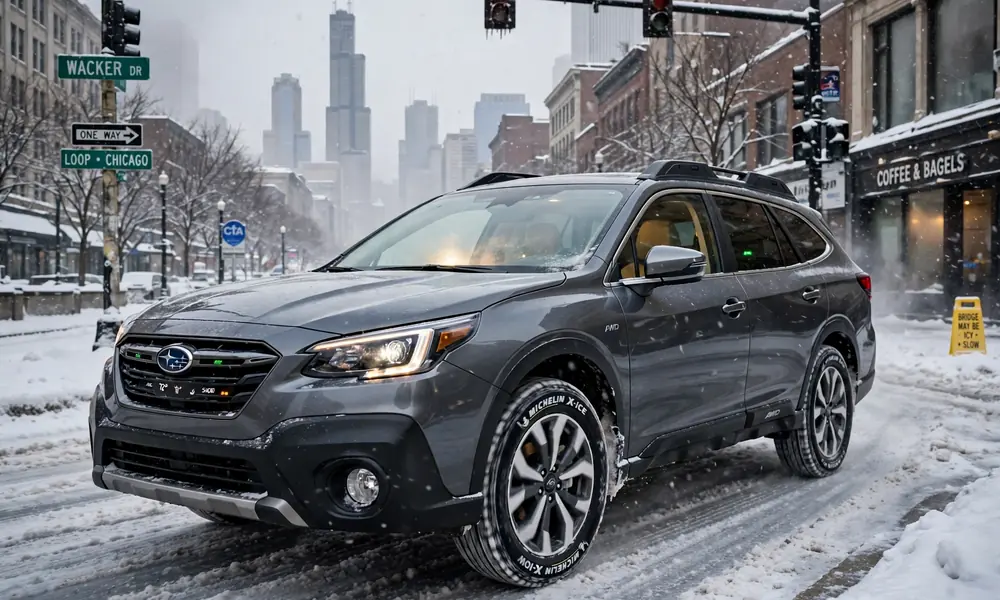
Winter conditions are an important consideration when selecting a vehicle in Chicago.
Snow, ice, freezing temperatures, and road salt can affect safety and maintenance requirements.
Features worth considering include:
- Good tires suited to the season and driving conditions.
- Reliable heating and effective window defrosting.
- Electronic stability control and modern safety systems.
- Adequate battery condition on conventional vehicles.
- All-wheel drive if it fits your driving needs.
- A service history that shows regular maintenance.
All-wheel drive can help a vehicle accelerate on slippery surfaces, but it does not eliminate the need for appropriate tires or shorten braking distances on ice.
For electric vehicles, check winter range expectations and identify charging options before taking longer trips.
Financing a Car in Chicago
Buyers can pay cash, obtain financing through a bank or credit union, or use a dealership’s financing options.
Before signing a loan agreement, compare offers from multiple lenders. Review the interest rate, loan duration, down payment, fees, and total repayment amount.
If you have limited credit history, compare the full terms of available offers rather than accepting the first approval. Avoid financing a vehicle based solely on a monthly payment that seems affordable.
Buyers should also check whether optional products, extended warranties, or service contracts are included in the contract and whether they are genuinely useful for their situation.
Selling a Car in Chicago
Owners looking to sell a vehicle can consider a dealership trade-in, an instant-purchase service, or a private sale.
A trade-in can be convenient when buying another vehicle, while a private sale may provide more control over the asking price but require additional time and effort.
Before listing a car:
- Gather the title, service records, and relevant ownership documents.
- Clean the vehicle and take clear, accurate photographs.
- Research comparable vehicles by model, year, mileage, and condition.
- Disclose known mechanical problems honestly.
- Confirm the correct Illinois procedures for transferring ownership.
- Use a secure payment method and keep records of the transaction.
If you still owe money on the vehicle, contact your lender to understand how the outstanding loan must be settled during the sale.
Common Mistakes to Avoid
Car buyers can reduce risk by avoiding several common mistakes.
Buying without an inspection: Even a clean-looking vehicle may have mechanical problems or previous collision damage.
Ignoring winter wear: Rust, damaged tires, and neglected maintenance can increase future costs.
Focusing only on monthly payments: A longer loan may lower the payment while increasing the total cost.
Skipping insurance quotes: Insurance can vary considerably by vehicle, driver, and coverage level.
Paying before verifying ownership: Confirm the seller’s identity and title documentation before completing the transaction.
Ignoring extra fees: Review the full written price and ask questions about any unexplained charges.
Frequently Asked Questions
What is the best way to find used cars in Chicago?
Compare dealership inventories, private listings, and established online marketplaces. Narrow the options by budget, mileage, vehicle history, and maintenance costs, then arrange an independent inspection.
Are used cars cheaper in Chicago?
Prices vary by vehicle, condition, mileage, seller, and market demand. Compare similar cars across the Chicago area rather than assuming that one seller or neighborhood will always offer the lowest price.
Should I buy an SUV for Chicago winters?
An SUV may provide additional ground clearance and cargo space, but it is not essential for every driver. Tire quality, vehicle condition, and safe driving habits are important regardless of body style.
Is it better to buy from a dealership or a private seller?
Dealerships may offer financing, trade-ins, and warranty options. Private sellers may provide more flexibility, but buyers should independently verify the vehicle’s condition and ownership documents.
What should I check before buying a used car in Illinois?
Review the title, vehicle history, maintenance records, mechanical condition, insurance costs, and final purchase documents. Confirm current Illinois requirements for title transfer, registration, and applicable fees.
Can I find electric cars in Chicago?
Yes. Buyers can explore new and used electric vehicles through dealerships and online marketplaces. Before purchasing, evaluate charging access, cold-weather range, battery condition, and the vehicle’s remaining warranty.
Final Verdict
Motor cars of Chicago encompass a wide range of options, from economical used sedans to family SUVs, luxury vehicles, pickups, and electric cars. The best choice depends on your budget, daily commute, parking situation, and tolerance for maintenance costs.
Research comparable listings, inspect the vehicle independently, review the complete purchase price, and account for Chicago’s winter conditions. Taking these steps can help you find a vehicle that offers lasting value rather than simply the lowest advertised price.
Disclaimer: This article is provided for general informational and educational purposes only and does not promote or endorse any product, service, brand, or individual. Details may change, and no guarantee is made regarding completeness or accuracy.