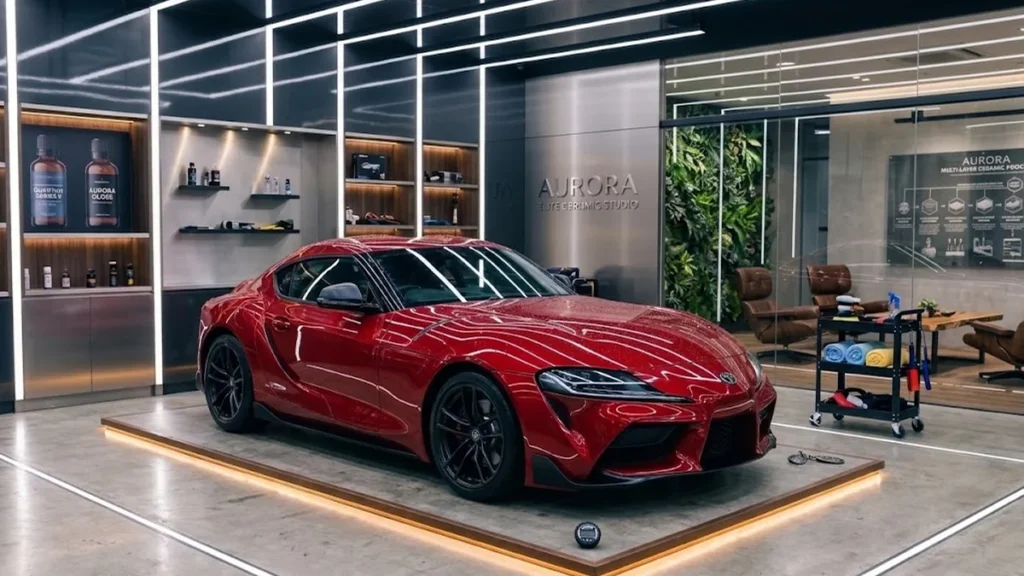
Ceramic coating for cars is a liquid paint-protection product designed to bond with a vehicle’s exterior surfaces and create a durable protective layer. Most automotive ceramic coatings use silicon dioxide (SiO₂) or related chemical compounds to improve surface gloss, water repellency, and resistance to certain environmental contaminants.
Unlike traditional car wax, which generally provides temporary protection, a properly applied ceramic coating can last significantly longer. However, its durability depends on the product, preparation, application quality, driving conditions, and maintenance.
Whether you own a new vehicle or want to improve the appearance of an older car, understanding ceramic coating can help you decide whether the investment is worthwhile.
What Is Ceramic Coating for Cars?
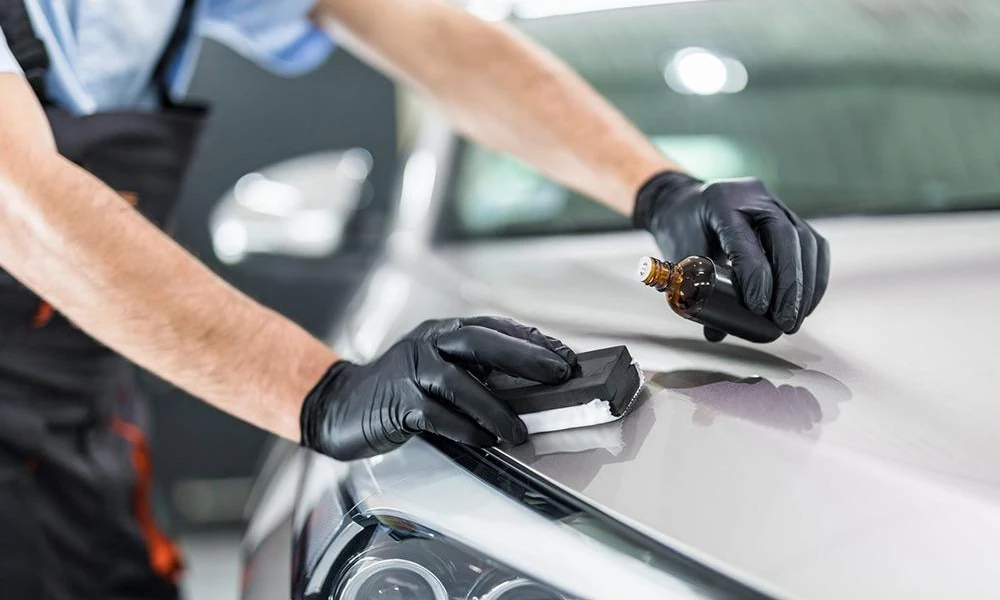
Automotive ceramic coating is a chemical-based protective treatment applied to a vehicle’s painted surfaces. After application and curing, it forms a thin layer that interacts with the underlying surface.
The coating creates a hydrophobic effect, meaning water tends to form droplets and move more easily across the treated surface.
Most automotive ceramic coatings are designed to provide:
- Improved paint gloss and visual depth.
- Water-repellent properties.
- Easier removal of certain dirt and contaminants.
- Some protection against environmental exposure.
- Reduced direct contact between contaminants and the original paint.
Ceramic coating does not make a vehicle completely scratch-proof or eliminate the need for washing.
Benefits of Ceramic Coating for Cars
1. Enhanced Gloss and Appearance
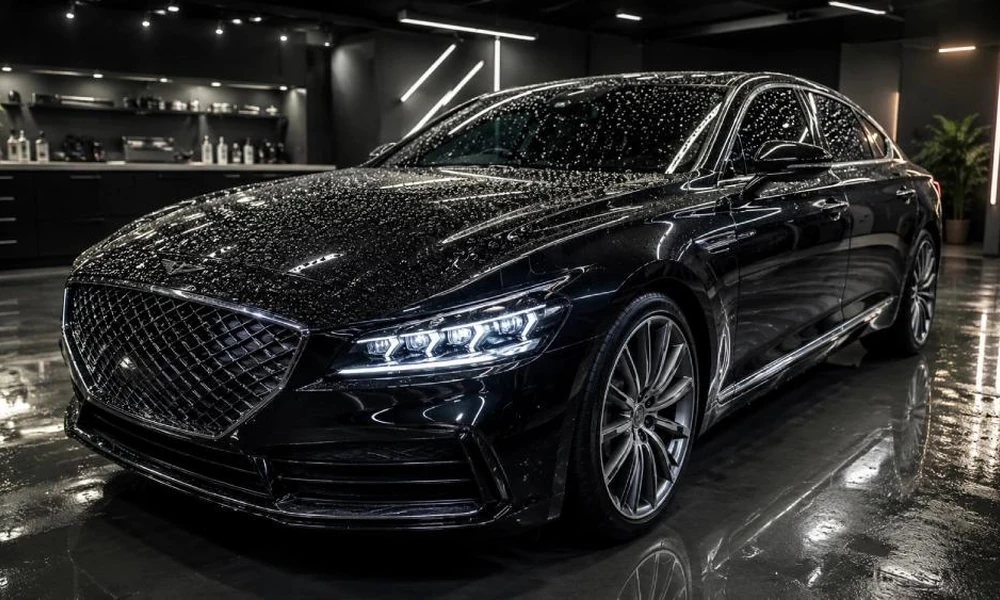
One of the most noticeable benefits is the appearance of the paint.
A quality coating can enhance surface clarity and gloss, particularly when the paint has been properly cleaned and polished beforehand.
Dark-colored vehicles may show a particularly noticeable visual difference after paint correction and coating.
2. Hydrophobic Water Protection
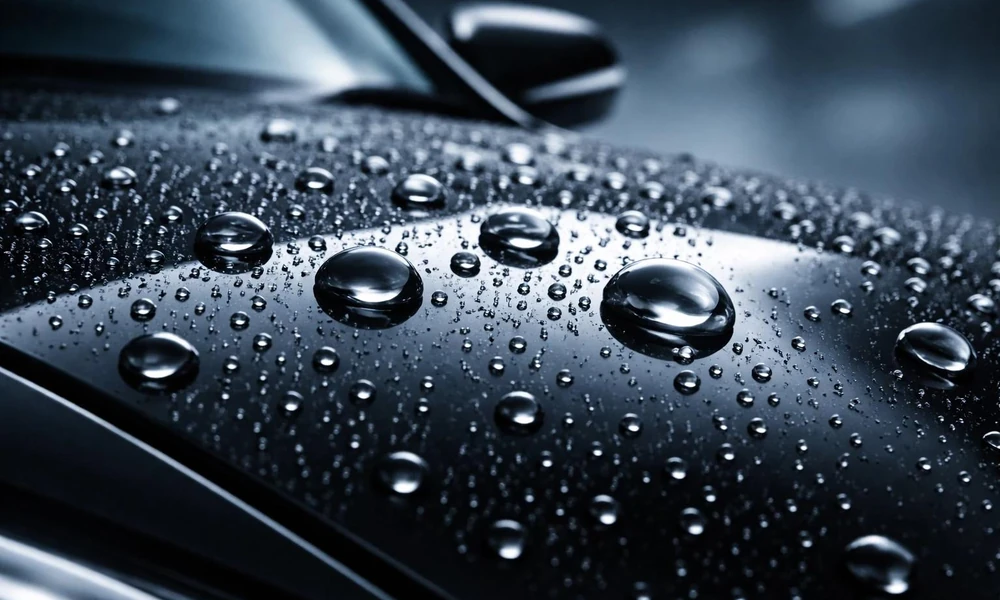
Ceramic coatings can create a water-repellent surface that encourages water to bead and move away more easily.
This can make routine washing more convenient and reduce the amount of water remaining on the vehicle.
However, water beading alone does not prove that a coating is performing perfectly. Surface contamination and coating condition can affect the result.
3. Easier Vehicle Cleaning
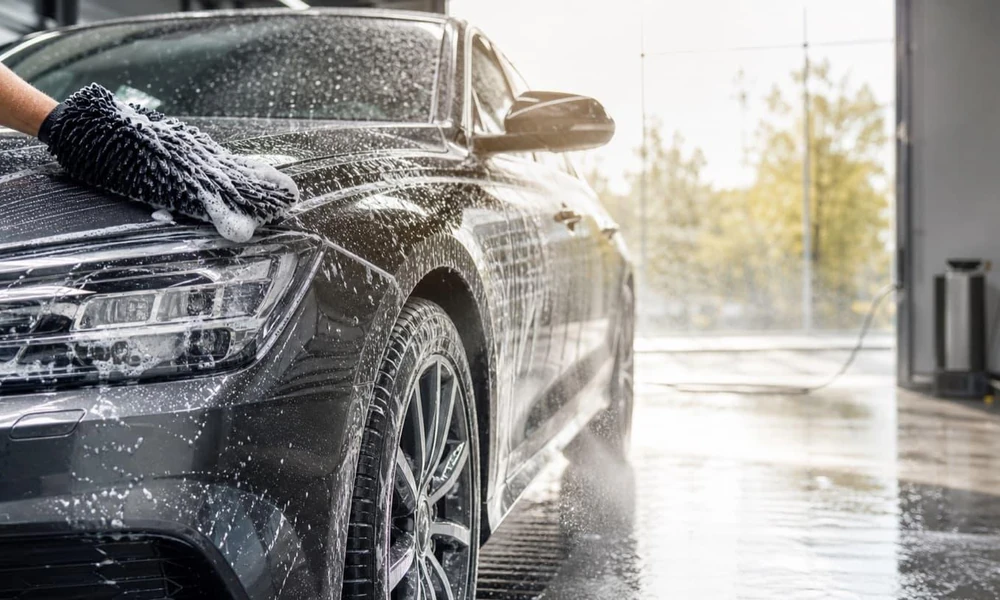
Dirt, dust, and certain contaminants may be easier to remove from a coated surface.
This does not mean that dirt cannot stick to the vehicle. Regular washing remains necessary to prevent contamination from accumulating.
4. Protection Against Environmental Contaminants
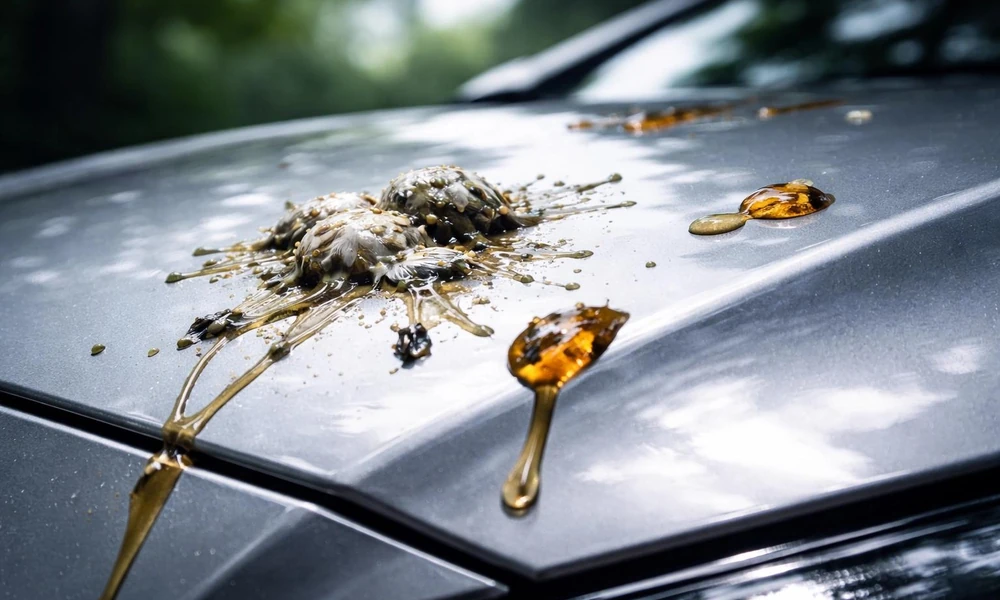
A ceramic coating can provide some resistance to environmental contaminants, including bird droppings, tree sap, and road grime.
The protection is not unlimited. Contaminants should still be removed promptly because prolonged exposure can damage automotive paint.
5. Reduced Dependence on Frequent Waxing
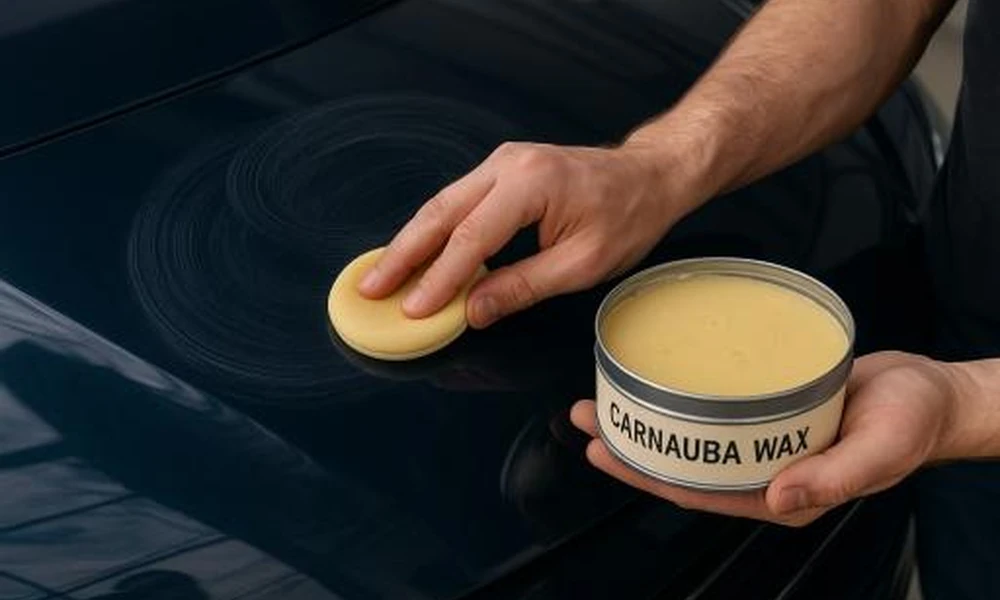
Traditional car wax generally requires more frequent reapplication than a professionally installed ceramic coating.
Depending on the product and conditions, ceramic coating may reduce the need for repeated wax treatments.
What Ceramic Coating Cannot Do
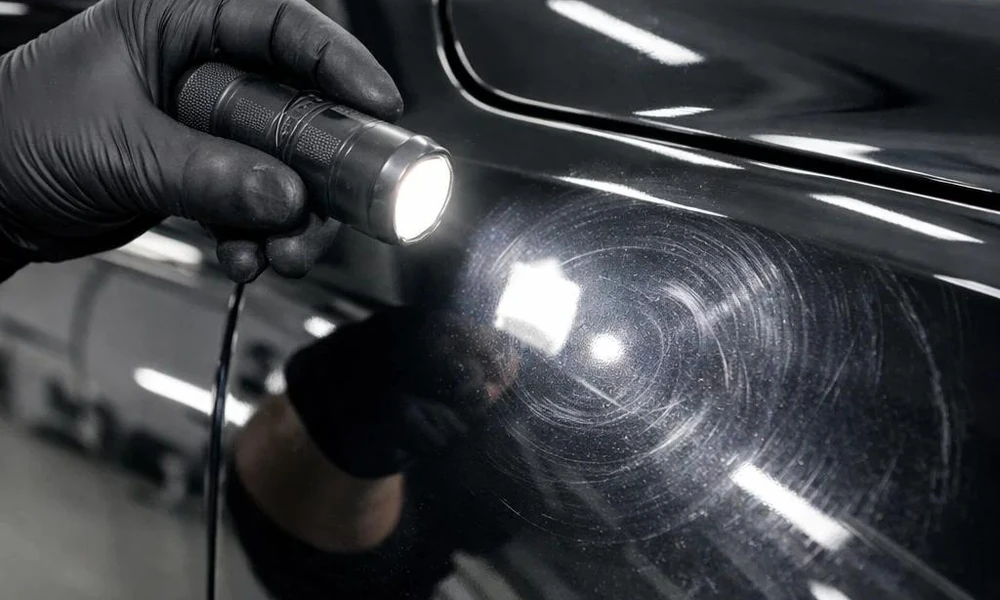
Ceramic coating offers useful protection, but unrealistic expectations can lead to disappointment.
It generally does not:
- Prevent all scratches or swirl marks.
- Stop stone chips from damaging paint.
- Make the vehicle completely scratch-proof.
- Prevent every chemical stain or water spot.
- Eliminate washing and maintenance.
- Repair existing paint damage.
- Replace paint protection film.
For physical protection against stone chips and certain scratches, paint protection film (PPF) is generally a more appropriate option.
Types of Ceramic Coating for Cars
Different ceramic coating products are available for different budgets, experience levels, and protection requirements.
Professional Ceramic Coating
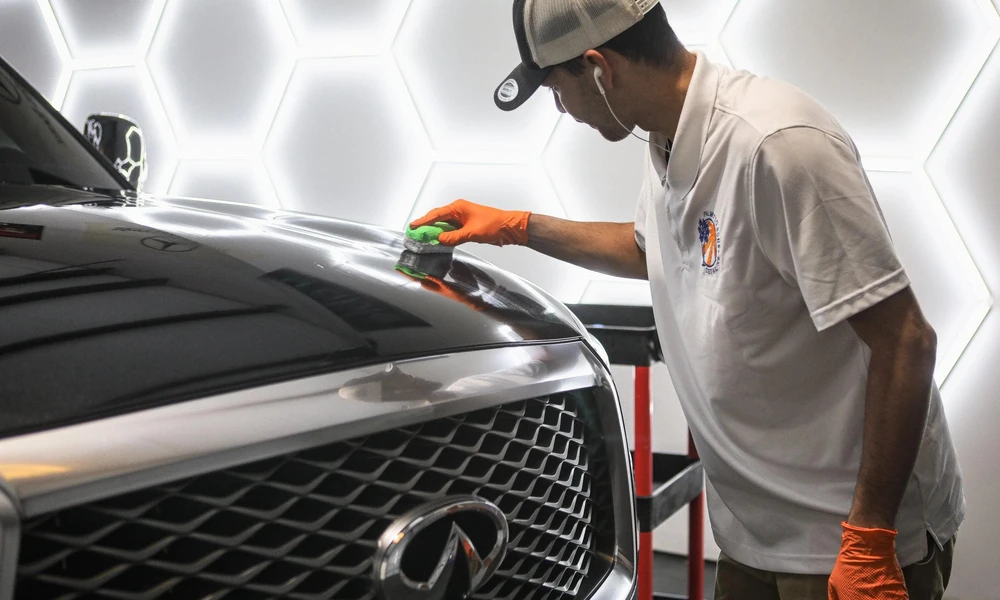
Professional coatings are installed by trained detailing specialists using products that may require careful preparation and controlled curing conditions.
The process commonly includes deep cleaning, paint decontamination, polishing when necessary, coating application, and curing.
Professional installation may be suitable for owners who want a more comprehensive treatment and are willing to pay for preparation and application expertise.
DIY Ceramic Coating
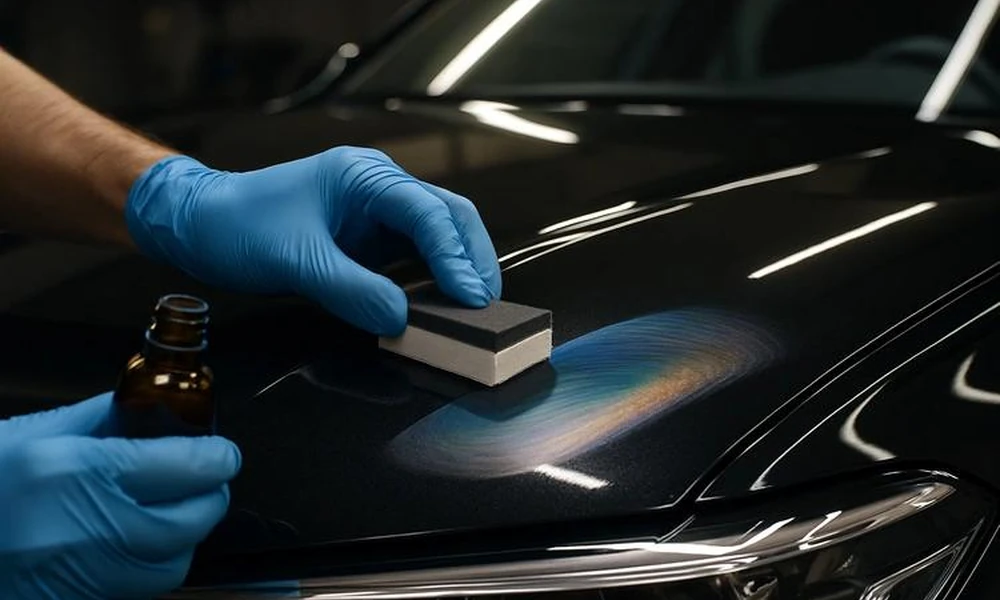
DIY ceramic coating products are designed for vehicle owners who want to apply protection themselves.
They are available in different formulations, including spray products and liquid coatings.
DIY products can be more affordable, but results depend heavily on preparation, application technique, temperature, humidity, and curing instructions.
Ceramic Spray Coatings
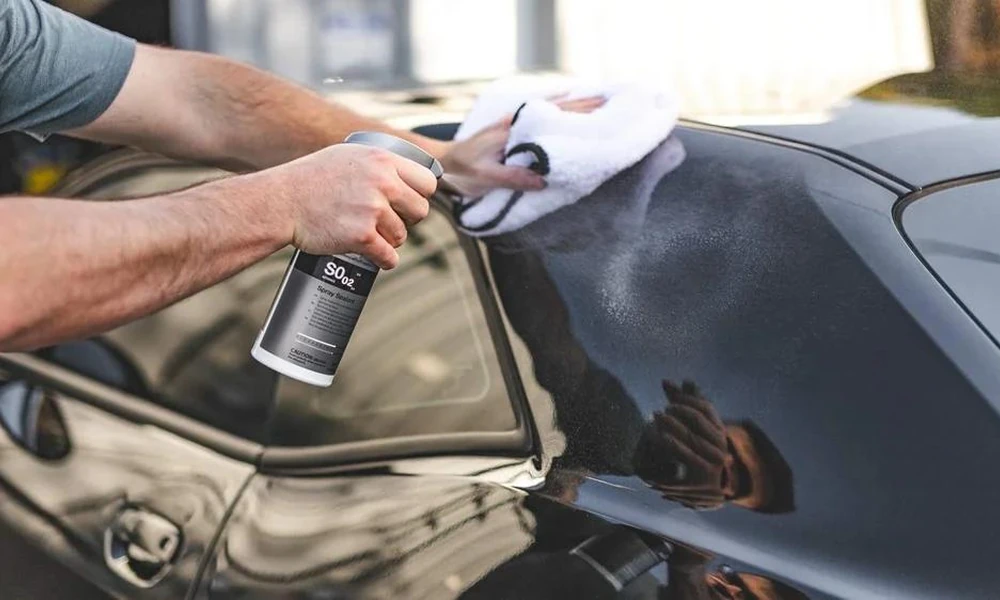
Ceramic spray products offer a convenient way to add water-repellent properties and surface gloss.
They are generally easier to apply than traditional professional coatings, although their durability and chemical composition vary considerably.
Some spray products are designed as standalone protectants, while others work as maintenance boosters for an existing coating.
Graphene-Enhanced Coatings
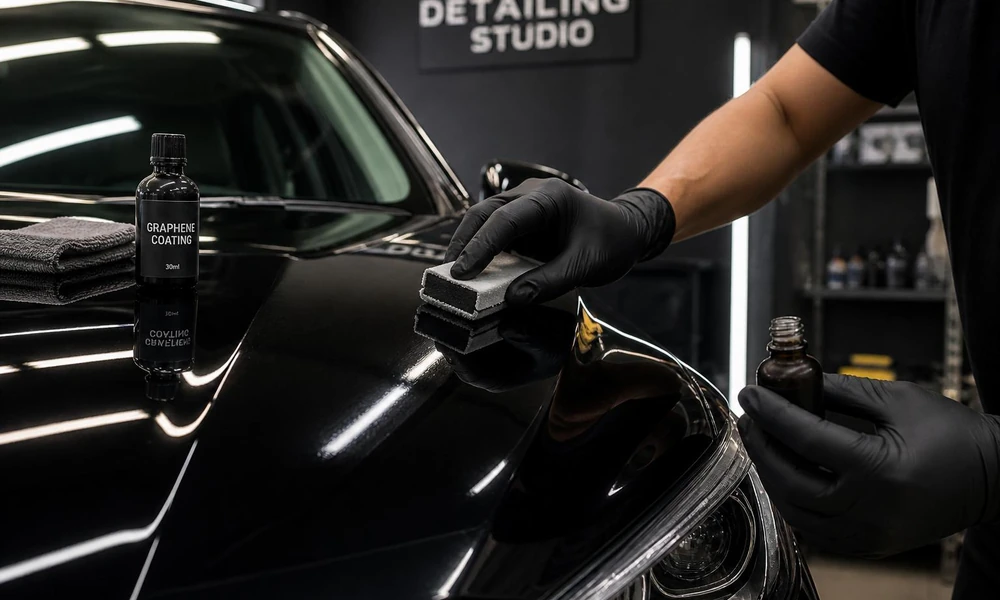
Some automotive surface-protection products are marketed as graphene-enhanced coatings.
These products may combine ceramic-based chemistry with graphene-related materials. Their actual performance depends on formulation and independent testing.
Buyers should compare measurable performance and warranty conditions rather than relying only on marketing claims.
How Much Does Ceramic Coating for Cars Cost?
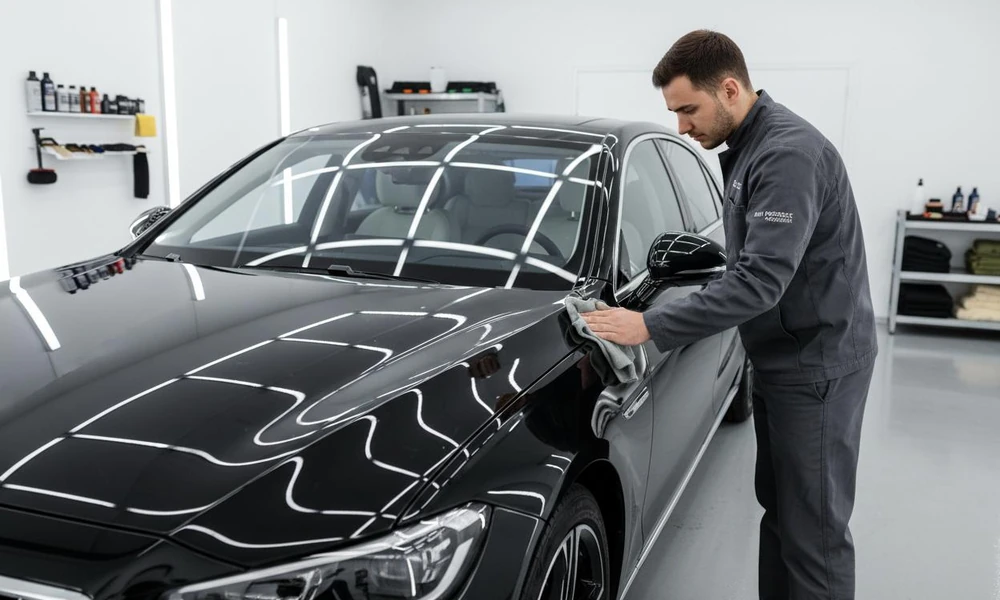
Ceramic coating prices vary according to vehicle size, paint condition, product quality, installer experience, and the amount of preparation required.
A small car with relatively clean paint may cost less to treat than a large SUV requiring extensive paint correction.
Common cost factors include:
| Cost factor | Why it matters |
| Vehicle size | Larger vehicles require more product and labor |
| Paint condition | Damaged or neglected paint may need additional polishing |
| Coating product | Different formulations have different costs |
| Application quality | Professional labor contributes to the final price |
| Warranty | Some packages include inspection or maintenance requirements |
| Additional protection | Glass, wheels, trim, and interior treatments may increase the price |
When comparing quotations, ask exactly what is included. A low-priced package may not include the same preparation or coating as a more expensive service.
How Ceramic Coating Is Applied
Proper preparation is one of the most important parts of ceramic coating.
Step 1: Thorough Washing
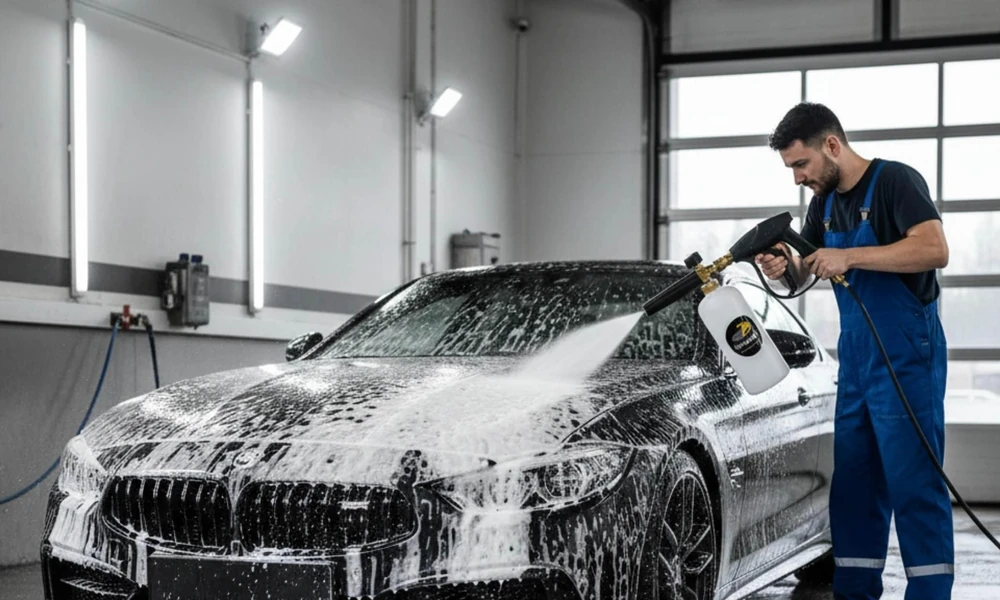
The vehicle is washed to remove loose dirt, dust, and surface grime.
A clean surface is essential because applying a coating over contamination can affect the final result.
Step 2: Paint Decontamination
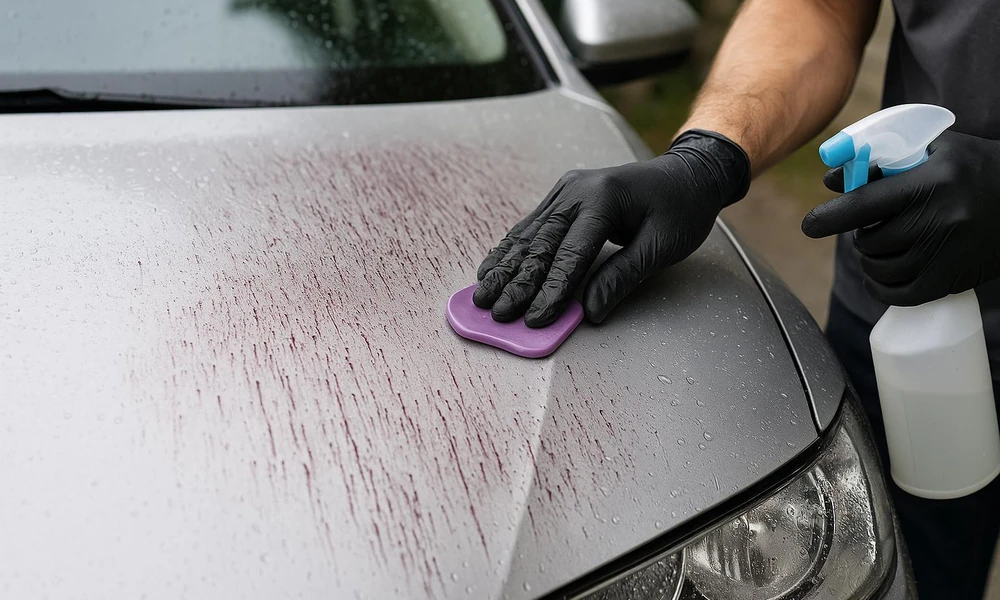
Detailers may use chemical and mechanical decontamination methods to remove bonded contaminants.
This helps create a cleaner surface for the coating.
Step 3: Paint Correction
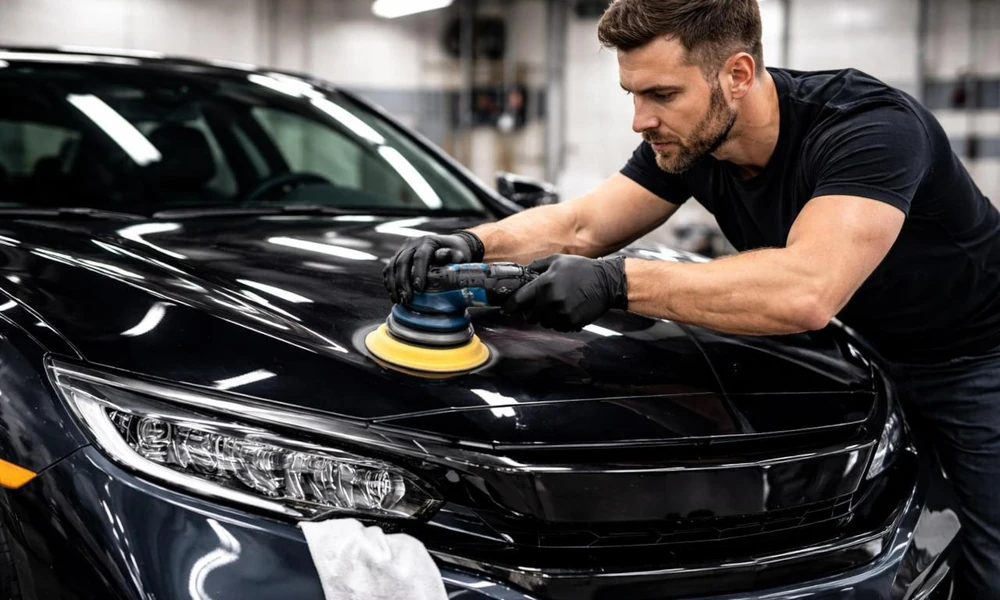
If the paint has swirl marks, light scratches, or oxidation, polishing may be recommended.
Ceramic coating does not hide or repair these defects. Applying it over damaged paint can preserve the existing imperfections beneath the protective layer.
Step 4: Surface Preparation
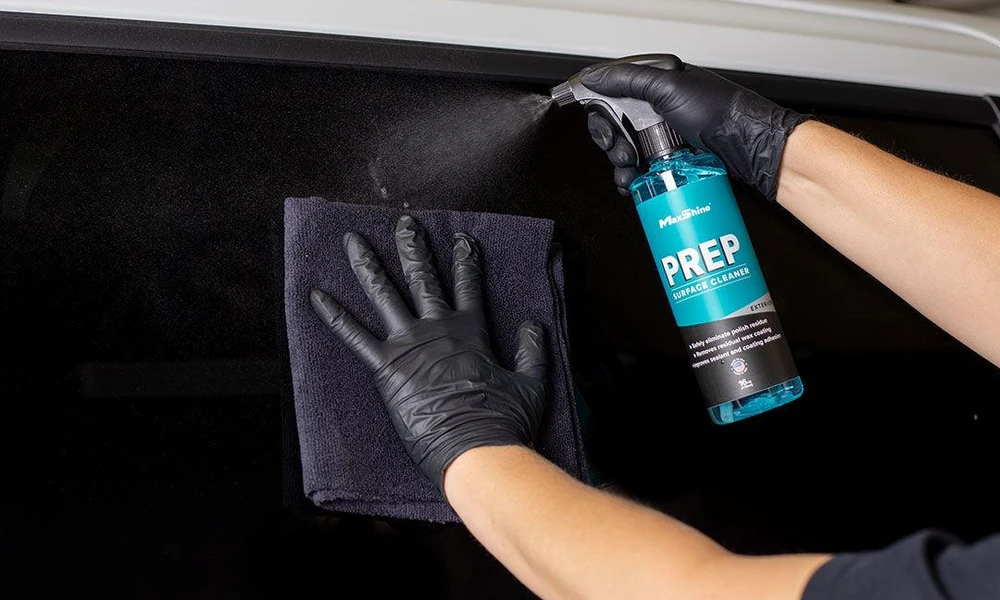
The paint is cleaned using an appropriate preparation product to remove polishing oils and other residues.
This helps the coating bond properly with the surface.
Step 5: Coating Application
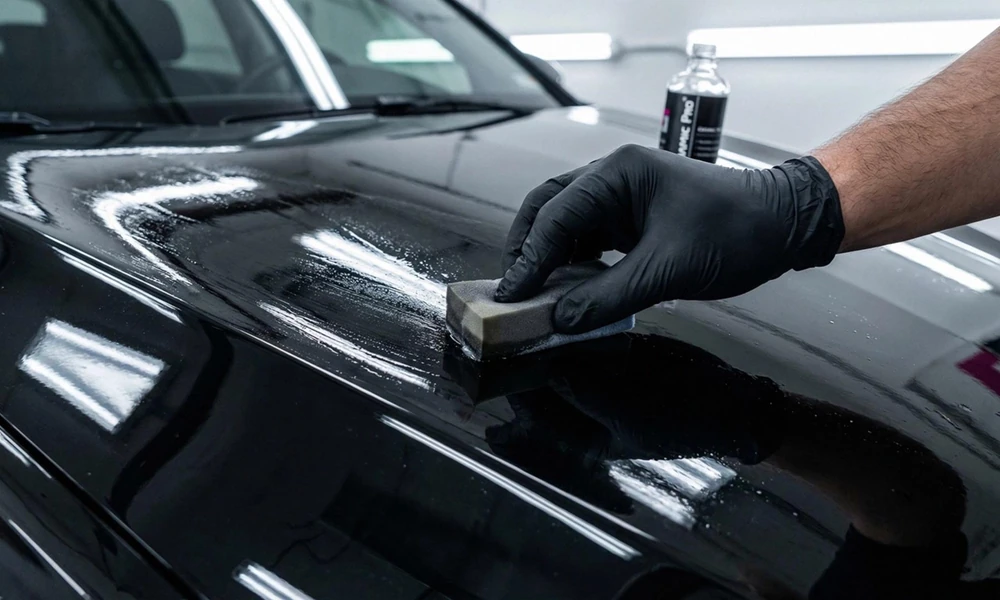
The ceramic product is applied in small sections according to the manufacturer’s instructions.
The installer then levels or removes excess product where required to avoid uneven areas and high spots.
Step 6: Curing
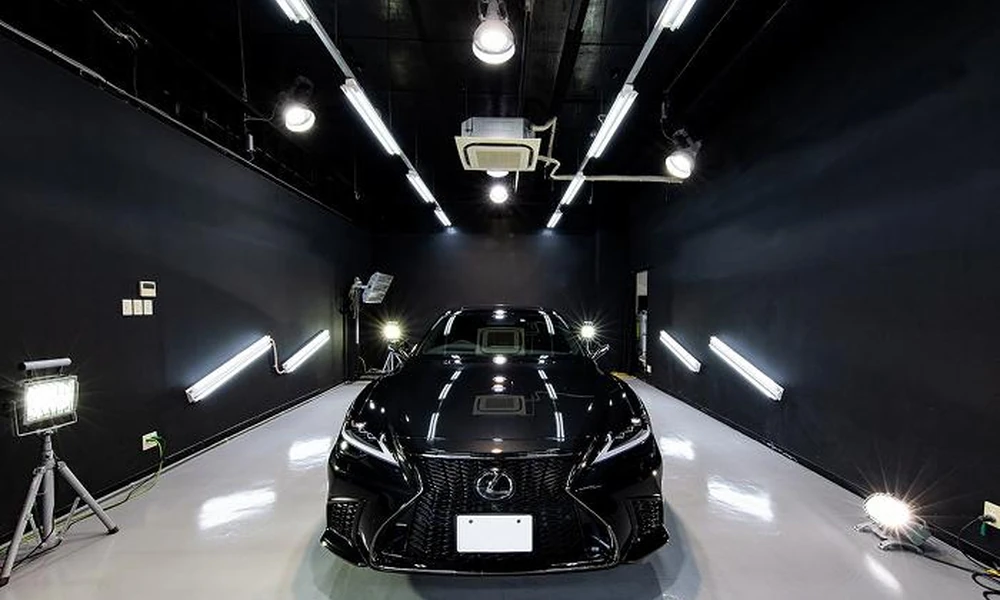
The coating needs time to cure. Some products require controlled conditions, while others have different curing requirements.
The vehicle should be protected from water, dust, and contamination for the period specified by the manufacturer.
How Long Does Ceramic Coating Last?
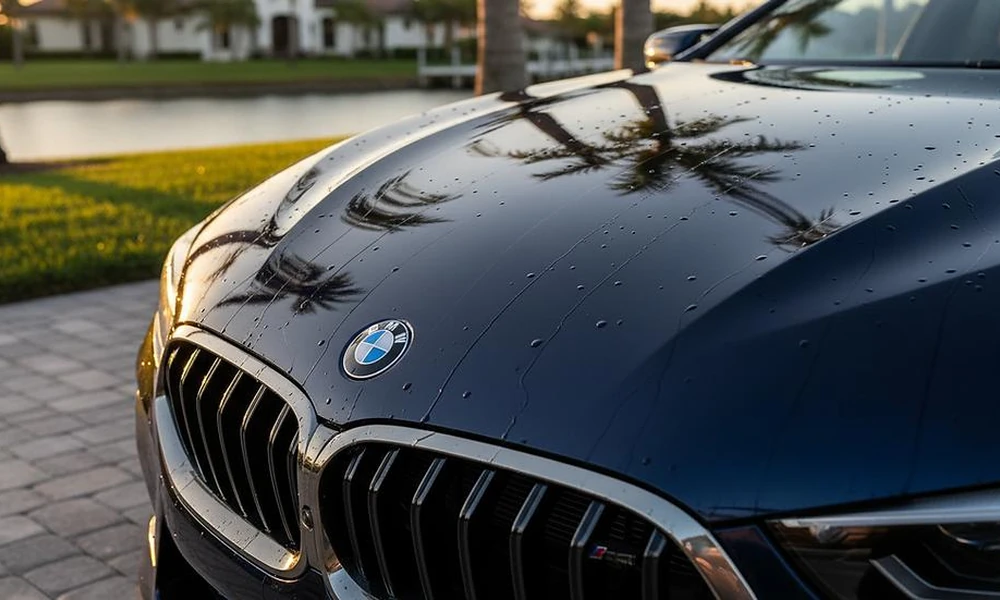
Ceramic coating durability depends on its formulation, application quality, vehicle use, climate, and maintenance.
Some consumer spray products provide relatively short-term protection, while professional coatings may be designed to last several years under suitable conditions.
Factors that influence durability include:
- Frequency of vehicle washing.
- Exposure to sunlight and extreme weather.
- Use of harsh cleaning chemicals.
- Road conditions and environmental contamination.
- Quality of surface preparation.
- Correct maintenance procedures.
Be cautious of claims promising a fixed number of years without explaining the conditions and maintenance requirements.
A coating’s warranty period is not necessarily the same as its guaranteed real-world performance period.
How to Maintain a Ceramic-Coated Car
Regular maintenance helps preserve the coating’s appearance and water-repellent behavior.
Wash the Vehicle Regularly
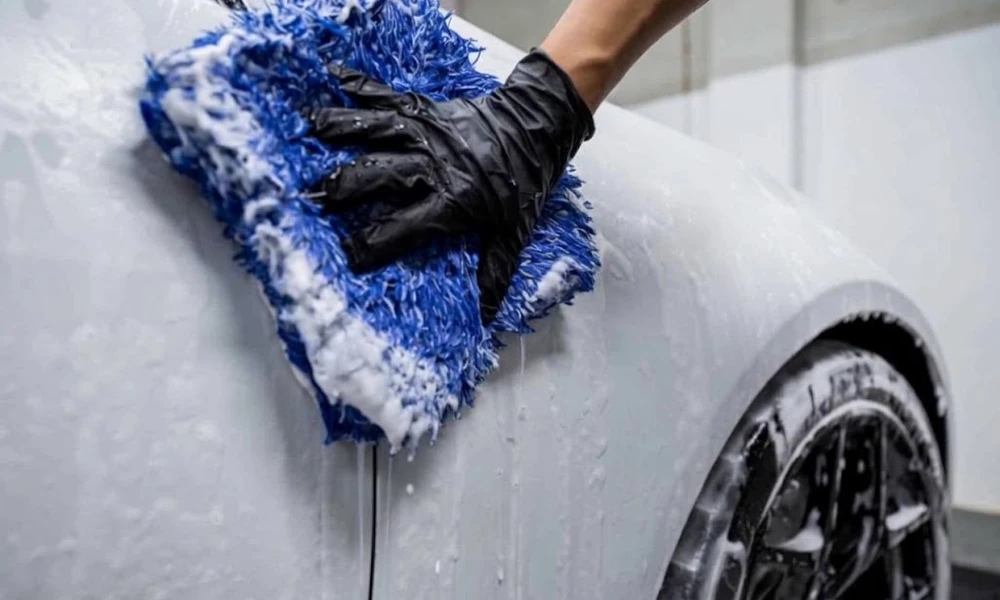
Use a suitable automotive shampoo and clean washing equipment.
Avoid household detergents or aggressive chemicals that may affect the protective surface.
Use Safe Washing Techniques
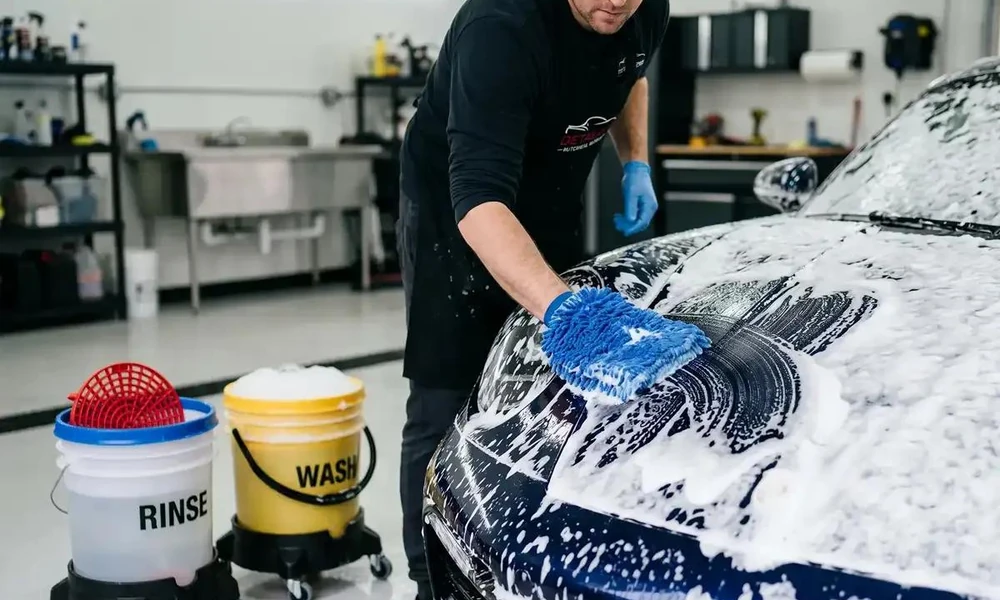
Wash with clean microfiber materials and avoid dragging contaminated cloths across the paint.
A careful washing method can reduce the chance of creating swirl marks.
Dry the Vehicle Properly
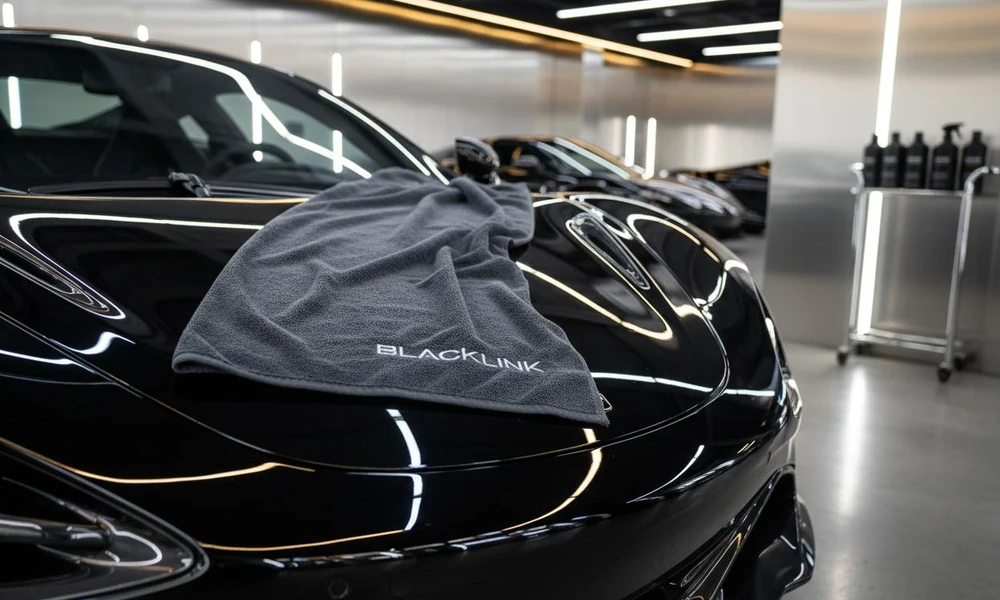
Use clean, soft microfiber drying towels or an appropriate vehicle dryer.
Although ceramic coatings encourage water to move away, water spots can still develop when mineral-rich water dries on the paint.
Remove Contaminants Promptly
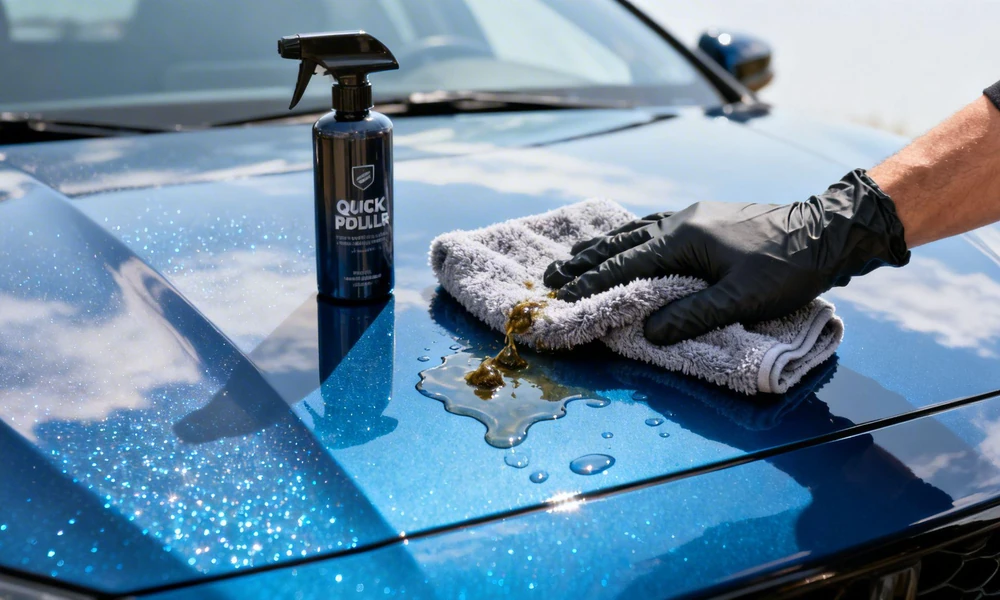
Bird droppings, tree sap, and other contaminants should be removed as soon as practical using suitable cleaning products.
Follow Product-Specific Instructions
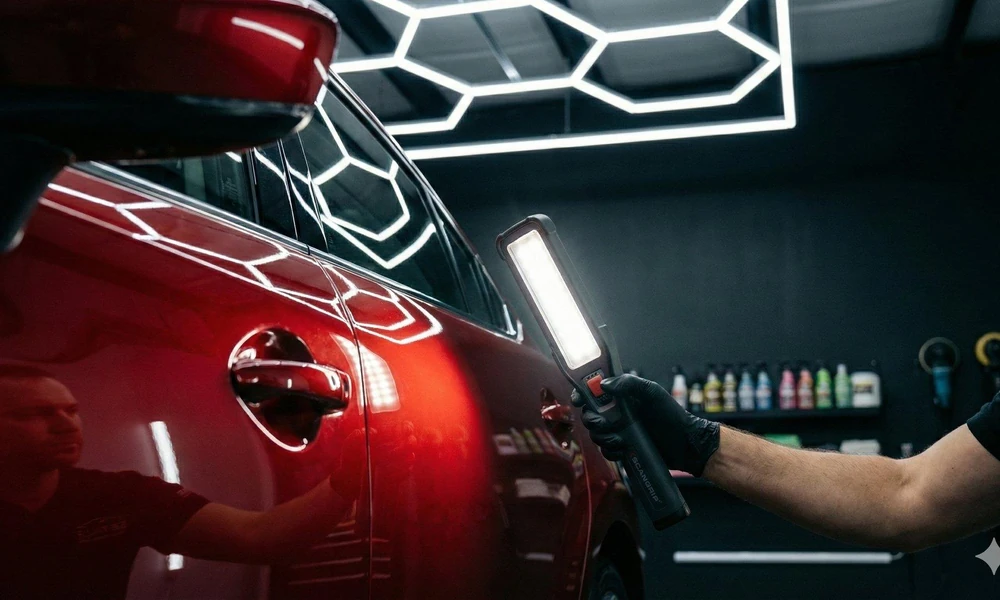
Some coatings benefit from periodic maintenance products or professional inspections.
Follow the coating manufacturer’s guidance rather than applying unrelated chemicals or products without checking compatibility.
Ceramic Coating vs. Car Wax
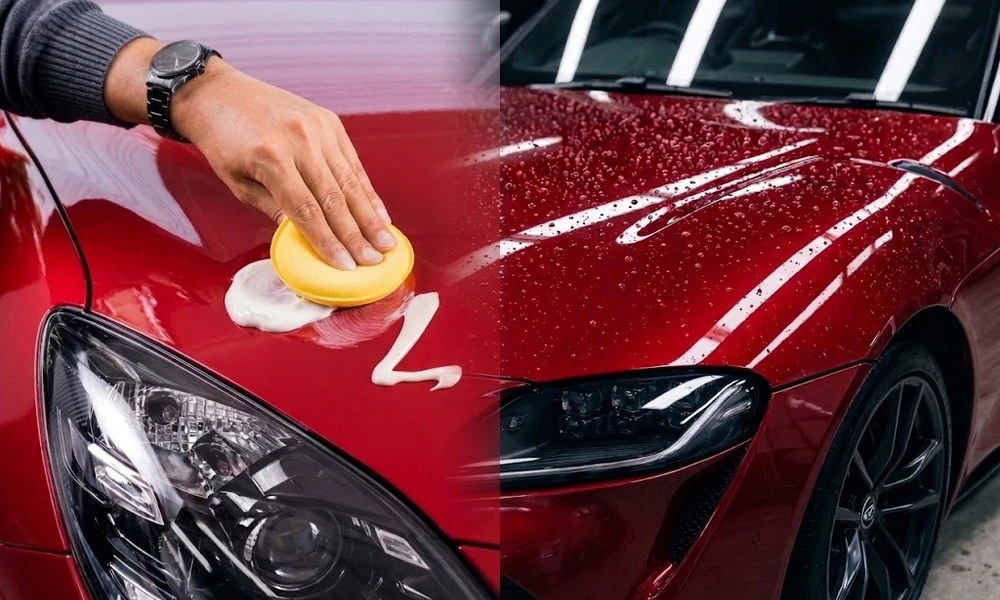
Ceramic coating and car wax both help protect automotive paint, but they differ in formulation, durability, and application.
| Feature | Ceramic Coating | Car Wax |
| Formulation | Often uses silicon dioxide-based or related chemistry | Commonly uses natural or synthetic waxes |
| Durability | Generally longer-lasting | Usually requires more frequent reapplication |
| Water behavior | Often provides strong water repellency | Can provide water beading |
| Gloss | Can enhance paint appearance | Adds shine and surface warmth |
| Application | Requires careful preparation | Generally easier to apply |
| Cost | Usually more expensive | Usually more affordable |
| Maintenance | Requires suitable washing and care | Requires periodic reapplication |
Ceramic coating may be suitable for owners who want longer-lasting surface protection, while wax can be a practical option for people who prefer a simpler and less expensive treatment.
Ceramic Coating vs. Paint Protection Film
Ceramic coating and paint protection film serve different purposes.
Ceramic coating is primarily a chemical surface treatment that improves gloss, water repellency, and resistance to certain contaminants.
Paint protection film is a transparent physical film applied to selected painted areas. Depending on its construction, it can help protect against stone chips, road debris, and minor surface damage.
Some vehicle owners choose to combine both treatments, applying PPF to vulnerable areas and ceramic coating to suitable exterior surfaces.
Is Ceramic Coating Worth It?
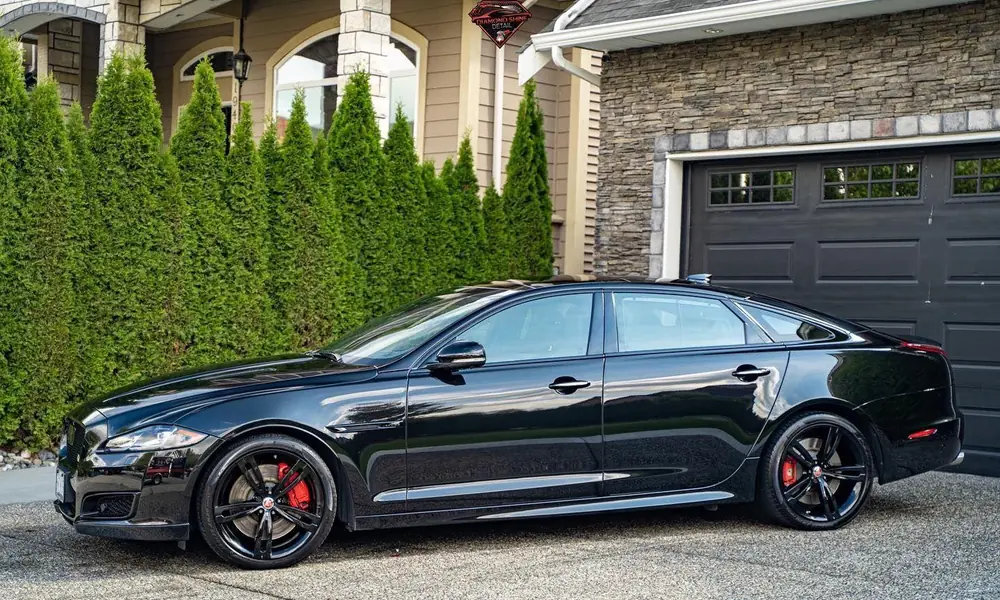
Ceramic coating can be worthwhile for owners who care about paint appearance and want a surface that is easier to maintain.
It may be particularly useful for:
- New vehicles that need early paint protection.
- Luxury cars with expensive paint finishes.
- Owners who regularly maintain their vehicles.
- Drivers who want improved water repellency.
- Vehicles that spend considerable time outdoors.
It may be less worthwhile for owners of heavily damaged vehicles, cars that are about to be sold, or drivers who do not intend to maintain the coating.
Before spending money, compare the coating cost with the vehicle’s age, condition, value, and expected ownership period.
Frequently Asked Questions About Ceramic Coating for Cars
Is ceramic coating good for cars?
Yes, ceramic coating can improve gloss, water repellency, and resistance to certain environmental contaminants. However, it does not prevent all scratches, stone chips, or paint damage.
How long does ceramic coating last?
Durability varies by product, application, driving conditions, and maintenance. Some products provide short-term protection, while professional coatings may last several years when properly maintained.
Does ceramic coating prevent scratches?
No. Ceramic coating may provide limited resistance to very light surface marks, but it is not a substitute for paint protection film or other physical protection.
Can I apply ceramic coating myself?
Yes. Many DIY ceramic coating products are available. However, proper washing, decontamination, surface preparation, and application are essential for good results.
Can ceramic coating be applied to an old car?
Yes. Older vehicles can receive ceramic coating if their paint is in suitable condition. Existing scratches, oxidation, and defects may need correction before application.
Does ceramic coating make washing easier?
It can. The hydrophobic surface may help dirt and water move away more easily, making routine cleaning more convenient.
Is ceramic coating better than waxing?
Ceramic coating generally offers longer-lasting protection than traditional wax, but it costs more and requires careful preparation. Wax remains a practical choice for simpler, temporary protection.
Final Verdict
Ceramic coating for cars can be a useful investment for drivers who want improved paint gloss, water repellency, and easier routine cleaning. Its performance depends on the quality of the product, surface preparation, application, and ongoing maintenance.
It is important to understand its limitations. Ceramic coating will not make your vehicle scratch-proof or protect it from every stone chip. Compare professional and DIY options, examine the preparation process, and choose a product that suits your vehicle and budget.
Disclaimer: This article is provided for general informational and educational purposes only and does not promote or endorse any product, service, brand, or individual. Details may change, and no guarantee is made regarding completeness or accuracy.