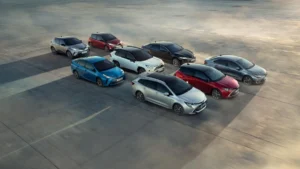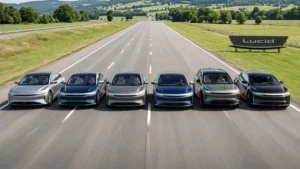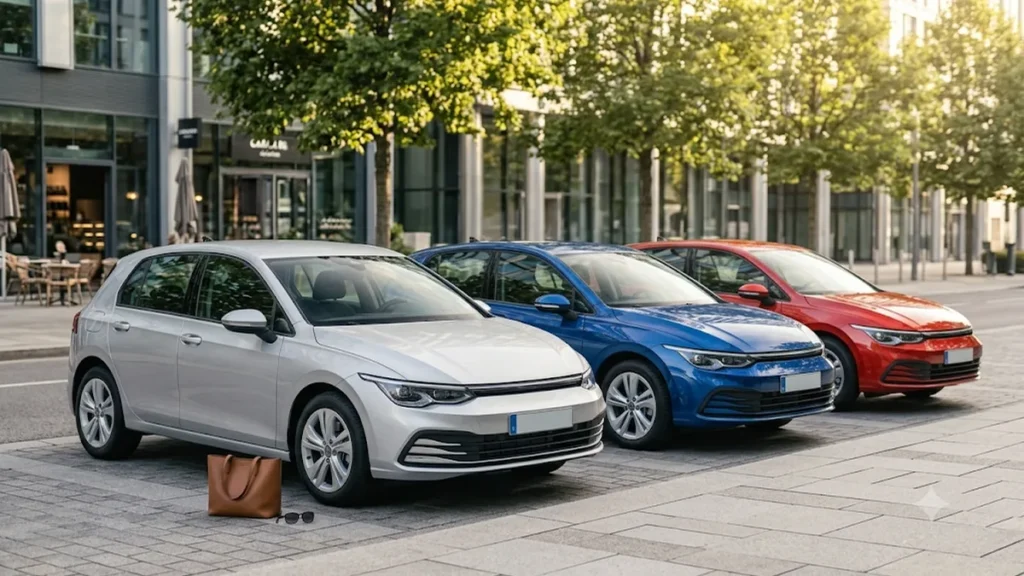
Hatchback cars are popular for their compact dimensions, flexible cargo space, and everyday practicality. Unlike a traditional sedan, which has a separate trunk, a hatchback features a rear door that opens upward to provide access to the luggage area. Many models also have folding rear seats, making it easier to carry larger items.
From economical city cars to premium and performance-focused models, hatchbacks come in a wide range of sizes and price points. They can be an excellent choice for commuters, small families, first-time buyers, and drivers who want useful storage without owning a large vehicle.
What Is a Hatchback Car?
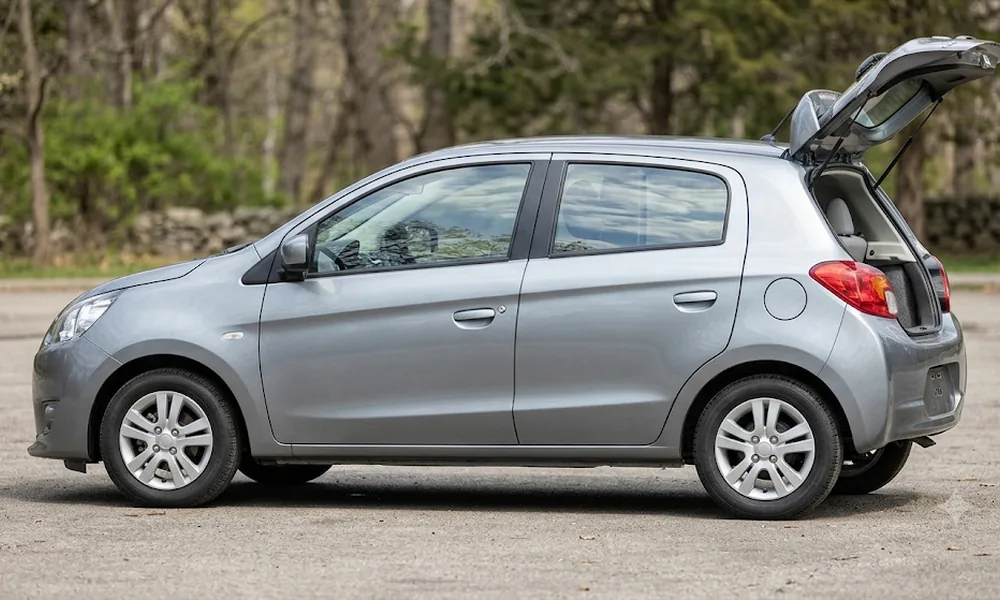
A hatchback is a car with a rear opening that typically includes the back window and provides access to the cargo area. Its design often combines the passenger cabin and luggage compartment into one flexible space.
Most hatchbacks have three or five doors. A three-door model typically has two side doors and a rear hatch, while a five-door version adds two rear passenger doors.
Common hatchback characteristics include:
- A rear liftgate that opens upward.
- A compact or medium-sized body.
- Folding rear seats on many models.
- Flexible cargo space for groceries, luggage, and everyday equipment.
- A range of gasoline, diesel, hybrid, and electric powertrains, depending on the market.
Although hatchbacks are often associated with smaller vehicles, the category also includes premium and performance-oriented models.
Benefits of Hatchback Cars
1. Flexible Cargo Space

One of the biggest advantages of hatchback cars is their cargo flexibility. The large rear opening makes it easier to load shopping bags, suitcases, sports equipment, and other bulky items.
Many models feature split-folding rear seats, allowing drivers to balance passenger seating with additional storage space. Actual cargo capacity varies by vehicle, so compare measurements before purchasing.
2. Convenient for City Driving
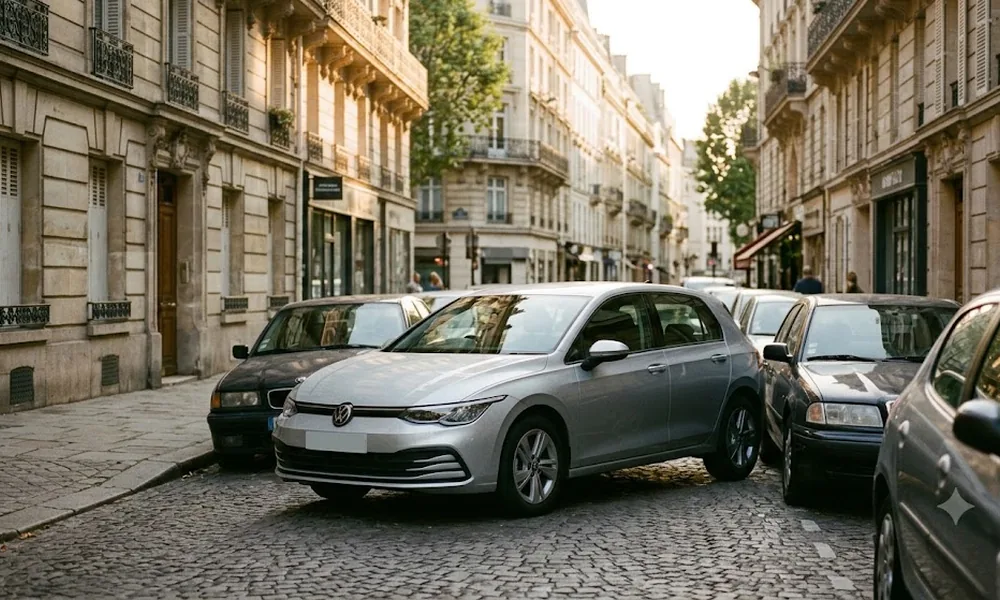
Many hatchbacks have relatively short bodies, which can make parking and maneuvering in busy urban areas easier.
Their compact dimensions are especially useful on narrow streets and in crowded parking lots. However, visibility, steering response, and turning radius differ between models.
3. Practical for Everyday Use
Hatchbacks can handle a variety of routine tasks, including commuting, shopping, school transportation, and weekend trips.
Their flexible interiors make them particularly useful for people who occasionally need to carry larger objects but do not want a separate large vehicle.
4. Potentially Lower Running Costs
Smaller hatchbacks often have lower fuel consumption than larger vehicles, although the result depends on the engine, transmission, vehicle weight, and driving conditions.
Some models also have relatively affordable tires and routine service requirements. Before buying, compare the complete ownership costs rather than assuming every hatchback is inexpensive to maintain.
5. Wide Range of Choices
Hatchbacks are available in several categories:
- Economy hatchbacks: Designed primarily for affordable everyday transportation.
- Compact hatchbacks: Offer additional space, equipment, and comfort.
- Premium hatchbacks: Focus on interior quality, technology, and refinement.
- Performance hatchbacks: Combine practical body styles with stronger engines and sportier handling.
- Electric hatchbacks: Use battery-electric powertrains and may suit drivers with access to convenient charging.
This variety makes it possible to find a hatchback for different budgets and driving preferences.
Popular Hatchback Cars to Consider
The following models illustrate the variety available in the hatchback market. Availability and specifications depend on the country and model year.
1. Toyota Yaris Hatchback
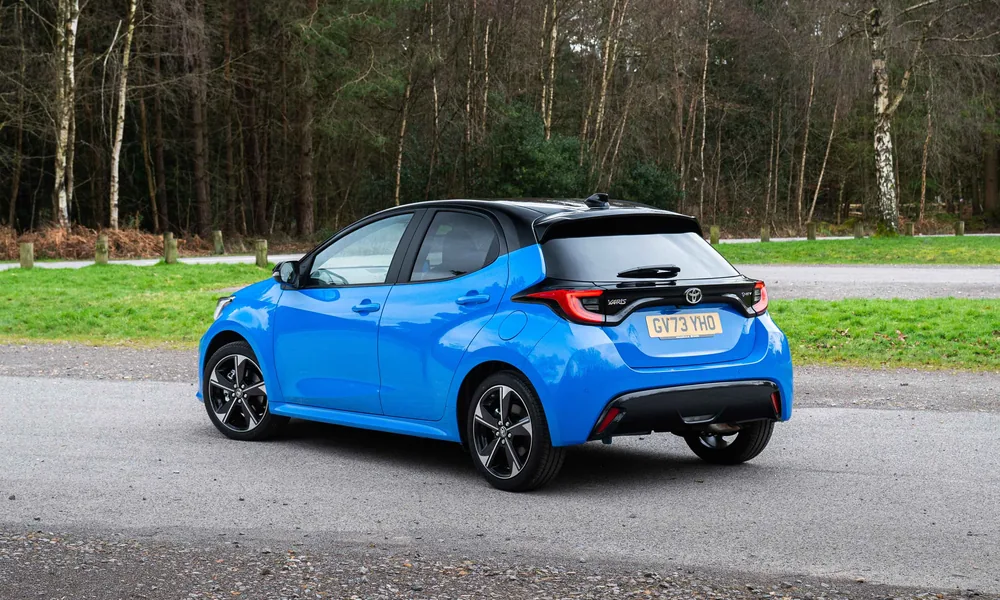
The Toyota Yaris hatchback is designed for compact, everyday transportation in markets where it is available. Its small footprint can be useful for city driving, while selected versions offer hybrid technology.
It may suit commuters and drivers who prioritize maneuverability and efficiency. Buyers should compare rear-seat room, luggage capacity, equipment, and local service availability.
2. Honda Civic Hatchback
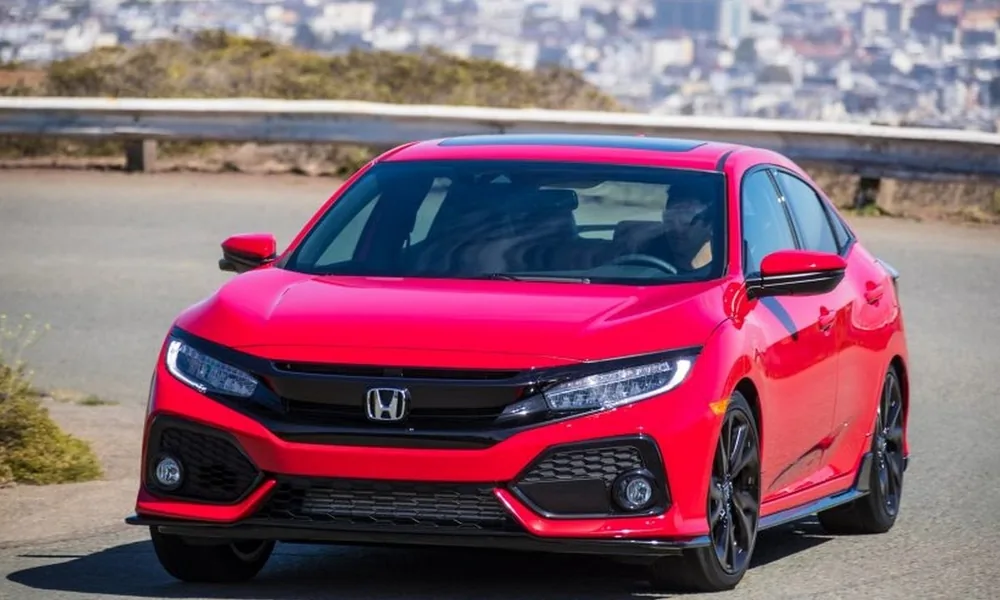
The Honda Civic hatchback offers a more spacious and versatile interpretation of the hatchback design. Depending on the generation and market, it can combine practical cargo access with a comfortable cabin and engaging driving characteristics.
It is worth considering for drivers who want one vehicle for commuting, shopping, and longer journeys.
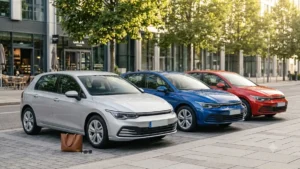
3. Volkswagen Golf
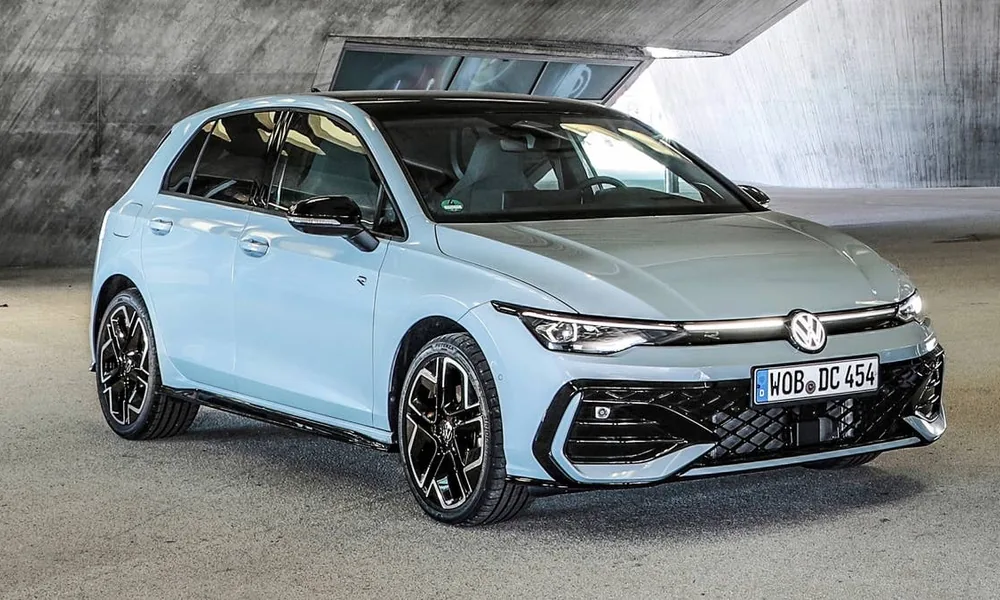
The Volkswagen Golf is a well-known compact hatchback with a practical interior and a range of powertrains across different generations.
Some versions prioritize comfort and efficiency, while performance variants offer stronger acceleration and sportier handling. Used-car buyers should research the specific engine, transmission, and maintenance history.
4. Mazda3 Hatchback
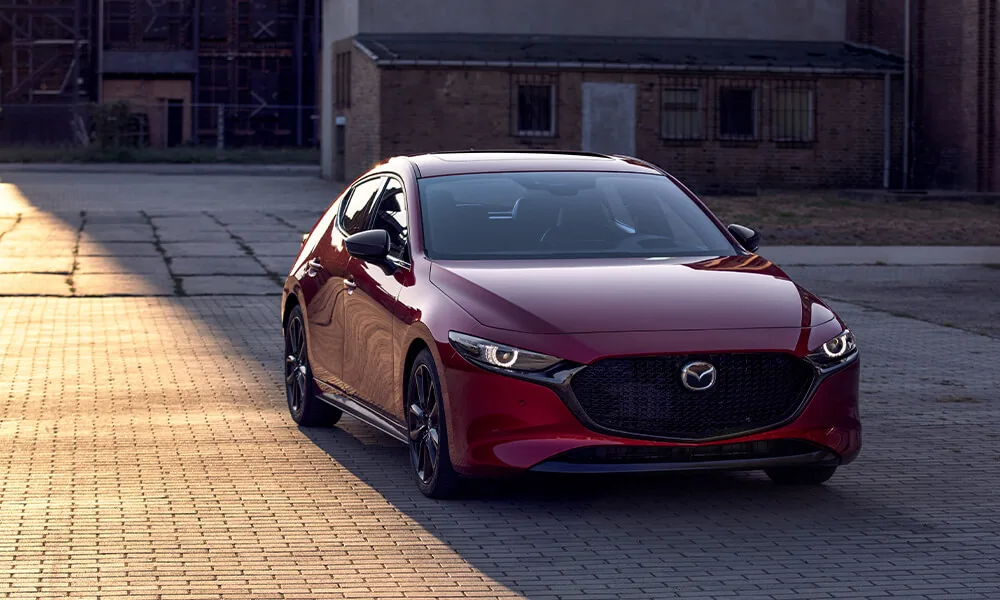
The Mazda3 hatchback emphasizes styling, interior presentation, and responsive driving characteristics. Its design may appeal to buyers who want a compact car with a more premium feel.
Compare rear visibility, rear-seat space, ride comfort, and luggage capacity during a test drive.
5. Hyundai i20
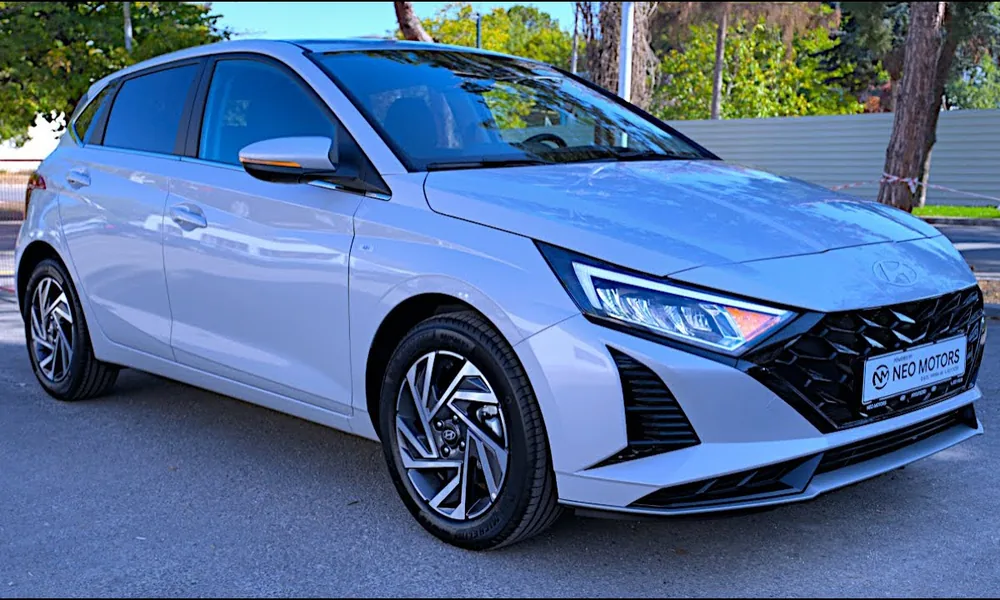
The Hyundai i20 is a small hatchback sold in selected markets. It is designed for everyday driving, with equipment and engine choices varying by generation and country.
It may be worth comparing with similarly sized alternatives if affordability, city maneuverability, and modern convenience features are priorities.
6. Suzuki Swift
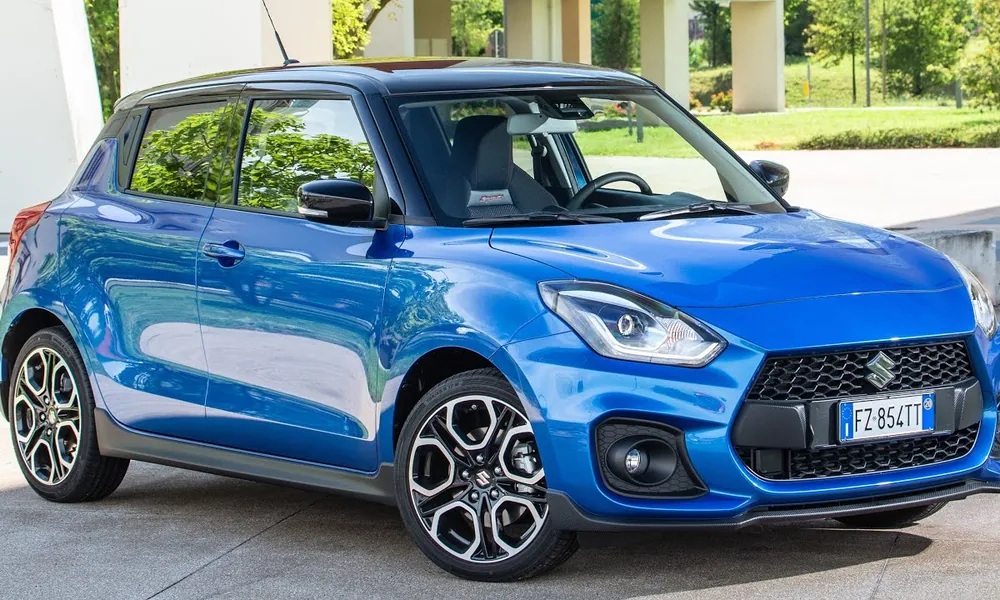
The Suzuki Swift is a small hatchback that is popular in several international markets. Its compact dimensions make it well suited to urban driving, while its relatively light construction can support efficient operation.
Depending on the market, engine choices and available safety features differ. Buyers should verify the specifications of the exact version being considered.
7. Kia Picanto
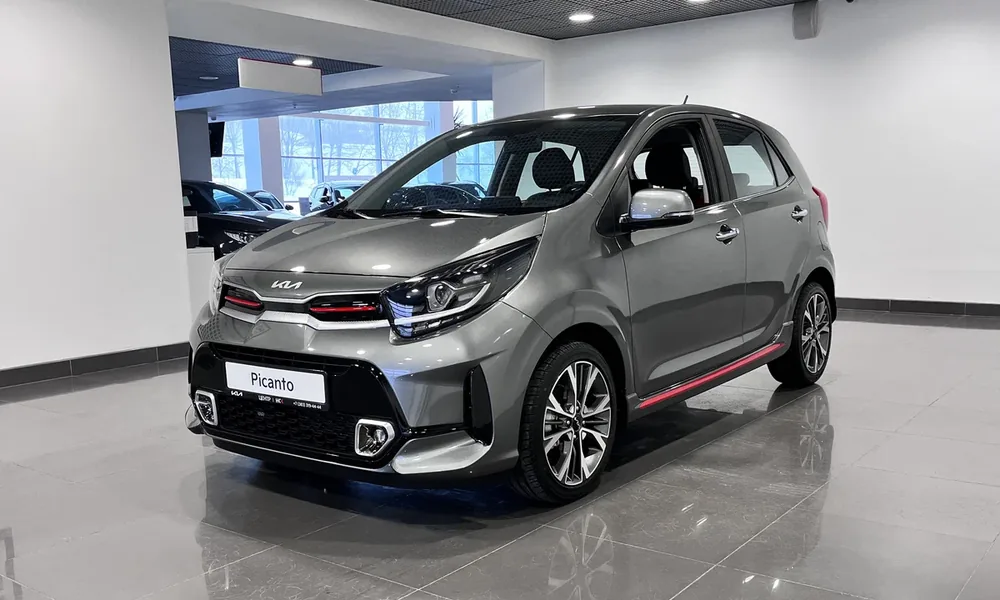
The Kia Picanto is a city-oriented hatchback offered in selected markets. Its small size can be useful for drivers who regularly navigate narrow streets and limited parking spaces.
Its compact cabin and cargo area may be less suitable for households that frequently carry several passengers or bulky luggage.
8. MINI Cooper
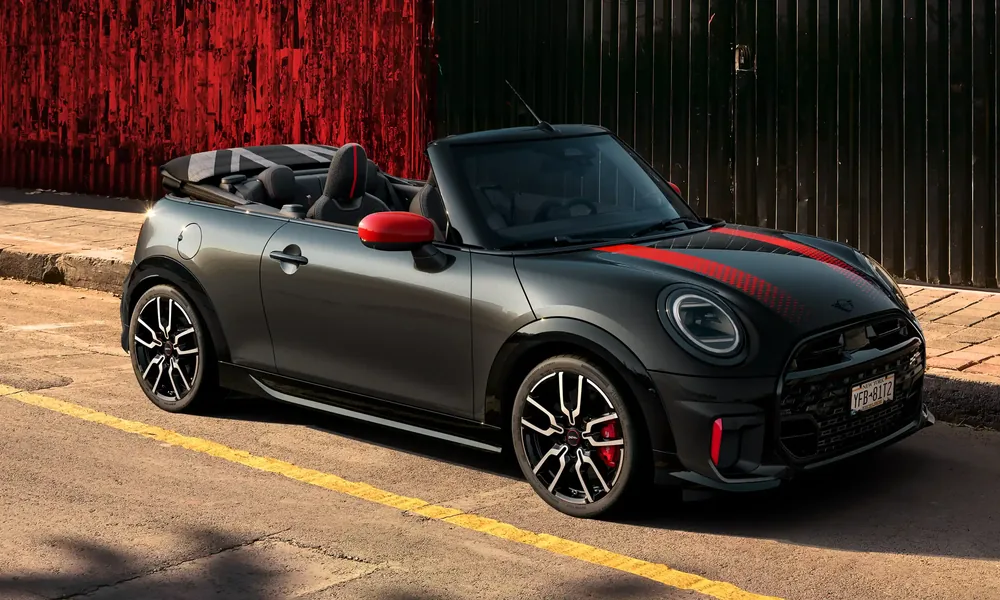
The MINI Cooper hatchback combines distinctive styling with a compact body and a more character-focused driving experience. Depending on the generation, it is available with different engines and equipment packages, including electric versions in selected lineups.
It can appeal to drivers who value design and driving enjoyment, but buyers should compare purchase prices, maintenance costs, and available cabin space.
Hatchback vs. Sedan: What’s the Difference?
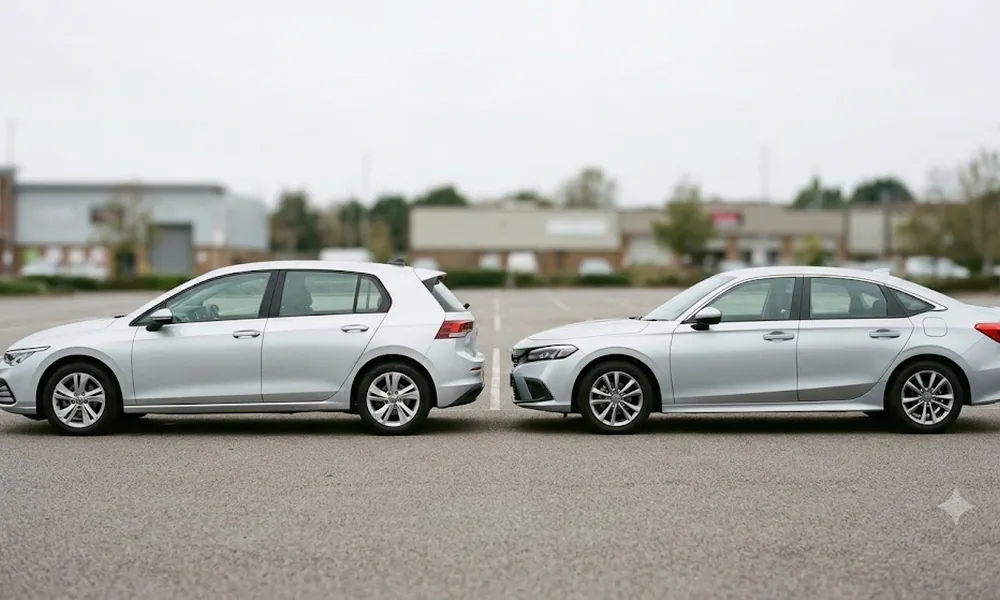
Hatchbacks and sedans can provide similar everyday transportation, but their body designs affect storage and convenience.
| Feature | Hatchback | Sedan |
| Rear opening | Large liftgate | Separate trunk lid |
| Cargo flexibility | Often improved by folding rear seats | Depends on trunk opening and rear-seat design |
| Body shape | Rear cargo area integrated with cabin | Separate trunk compartment |
| Parking | Often shorter than comparable sedans, but not always | Dimensions vary by model |
| Best suited for | Drivers needing flexible cargo access | Drivers preferring a traditional trunk layout |
A hatchback may be more practical when carrying bulky objects, while a sedan can offer a conventional luggage compartment that keeps cargo separate from the passenger cabin.
Neither body style is automatically better. Choose based on the items you carry, passenger needs, comfort, and budget.
Are Hatchback Cars Good for Families?
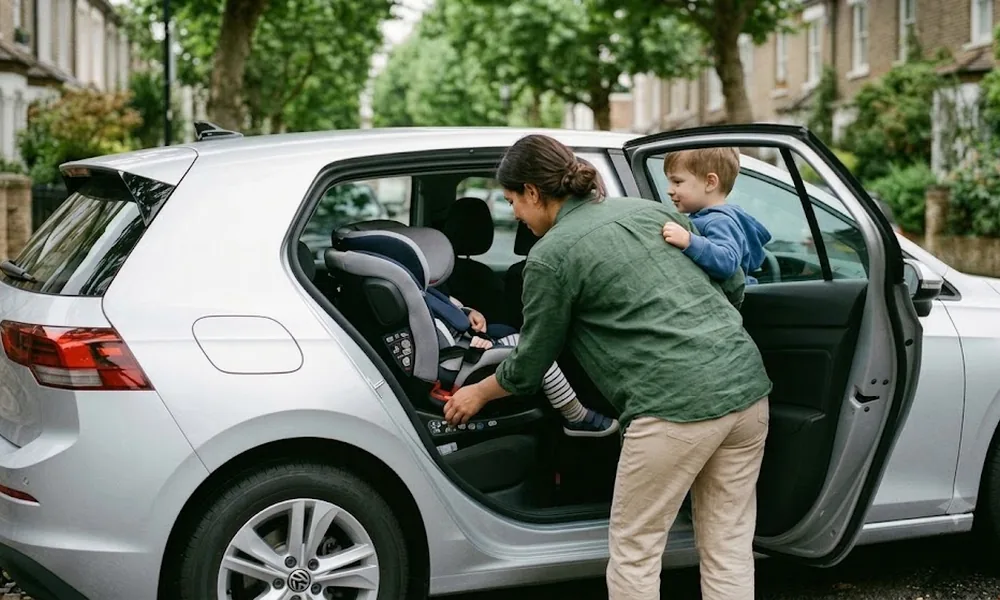
Hatchbacks can work well for small families, particularly when the vehicle offers adequate rear-seat room, safety equipment, and cargo capacity.
A five-door hatchback is generally more convenient for accessing rear seats than a three-door version. Folding rear seats can also help when transporting strollers, shopping, or travel luggage.
Before buying a family hatchback, check:
- Rear-seat legroom and headroom.
- Child-seat compatibility and attachment points.
- Cargo capacity with the rear seats in use.
- Safety ratings and available driver-assistance features.
- Rear-door access and ease of getting children in and out.
Families who regularly carry several passengers or large amounts of luggage may find a larger hatchback, wagon, or SUV more suitable.
Are Hatchback Cars Fuel-Efficient?
Many hatchbacks offer good fuel economy because they are relatively small and lightweight. However, efficiency depends on several factors, including engine size, transmission, driving style, traffic, and maintenance.
Hybrid hatchbacks can be especially efficient in stop-and-go conditions because their electric motors help reduce fuel use in appropriate driving situations.
Electric hatchbacks avoid gasoline consumption altogether but require access to charging and have different operating costs. Compare official efficiency figures and consider your usual driving distance before choosing a powertrain.
What to Check Before Buying a Hatchback

Assess Your Space Requirements
Consider how many passengers you regularly carry and how much luggage you need. Test the rear seats and cargo area rather than relying solely on photographs or advertised capacity.
Compare Safety Features
Check independent crash-test ratings and confirm which safety systems are included in the specific trim. Features may include automatic emergency braking, stability control, multiple airbags, and parking cameras.
Review Fuel and Maintenance Costs
Compare fuel economy, routine service intervals, tire prices, insurance, and parts availability. A cheaper vehicle may cost more to own if repairs are frequent or replacement parts are difficult to source.
Inspect Used Hatchbacks Carefully
Review service records and accident history, and arrange an independent mechanical inspection. Check the engine, transmission, brakes, suspension, air conditioning, tires, and electrical systems.
Also inspect the hatchback door, hinges, seals, and cargo area for damage or signs of water leakage.
Take a Test Drive
Drive the car in conditions similar to your normal routine. Evaluate visibility, seating comfort, acceleration, steering, braking, road noise, and ease of parking.
A short test drive can help identify practical issues that specifications alone cannot reveal.
Frequently Asked Questions About Hatchback Cars
What is the main advantage of a hatchback?
Its main advantage is flexible cargo access. The rear liftgate and, on many models, folding rear seats make it easier to carry bulky items than in a conventional sedan with a separate trunk.
Are hatchback cars good for beginners?
Many small hatchbacks are suitable for new drivers because their compact dimensions can make parking and maneuvering easier. Buyers should still prioritize visibility, predictable handling, safety features, and a comfortable driving position.
Are hatchbacks cheaper than sedans?
Some hatchbacks are less expensive than comparable sedans, but pricing depends on the model, trim, market, and equipment. Compare vehicles with similar features rather than assuming one body style always costs less.
Can a hatchback be used for long road trips?
Yes. Many compact and premium hatchbacks can be comfortable for long journeys. Check seat comfort, engine performance, highway stability, cabin noise, and luggage capacity before deciding.
Are hatchback cars safe?
Safety varies by model, year, and equipment. Review independent crash-test results and verify the availability of essential safety features before purchasing.
What is the difference between a three-door and five-door hatchback?
A three-door hatchback generally has two side doors and one rear hatch. A five-door model adds two rear passenger doors, making it easier to access the back seats.
Final Verdict
Hatchback cars combine practical cargo access, manageable dimensions, and a wide choice of powertrains and price points. They can be excellent everyday vehicles for commuters, first-time buyers, and small families who want flexibility without moving to a larger car.
Before choosing one, compare passenger space, cargo capacity, safety features, fuel economy, and long-term maintenance costs. The best hatchback is the one that fits your daily needs while remaining comfortable and affordable to own.
Disclaimer: This article is provided for general informational and educational purposes only and does not promote or endorse any product, service, brand, or individual. Details may change, and no guarantee is made regarding completeness or accuracy.