
There’s something reassuring about driving a car that feels planted on the road.
Maybe it’s an early morning commute after overnight rain. Perhaps you’re heading toward the mountains, watching the weather change as the road begins to climb. Or maybe you simply enjoy the confident feeling of a vehicle that responds smoothly when you accelerate through a corner.
That’s part of the appeal of AWD cars.
All-wheel drive has become increasingly popular because it offers additional traction in certain driving conditions without requiring the driver to manually engage a traditional four-wheel-drive system.
But there’s an important question: do you actually need AWD?
AWD cars use a drivetrain capable of delivering engine or electric-motor power to all four wheels. They can improve acceleration traction on slippery roads, but they don’t automatically provide shorter stopping distances or eliminate the risk of losing control.
For some drivers, AWD is an excellent investment. For others, a front-wheel-drive vehicle with suitable tires may be the more economical choice.
The key is understanding how the technology works, what it can realistically do, and which vehicles offer the right combination of capability, comfort, and value.
Key Takeaways
- AWD stands for all-wheel drive, a system that can distribute power to all four wheels.
- AWD can improve traction when accelerating on wet, snowy, or slippery surfaces.
- AWD does not automatically improve braking performance.
- Tires remain one of the most important factors in vehicle traction and safety.
- AWD systems are available in sedans, SUVs, hybrids, electric vehicles, and luxury cars.
- AWD vehicles may cost more to purchase, maintain, and operate than comparable two-wheel-drive models.
- The best AWD car depends on your climate, budget, driving habits, and passenger needs.
What Are AWD Cars?
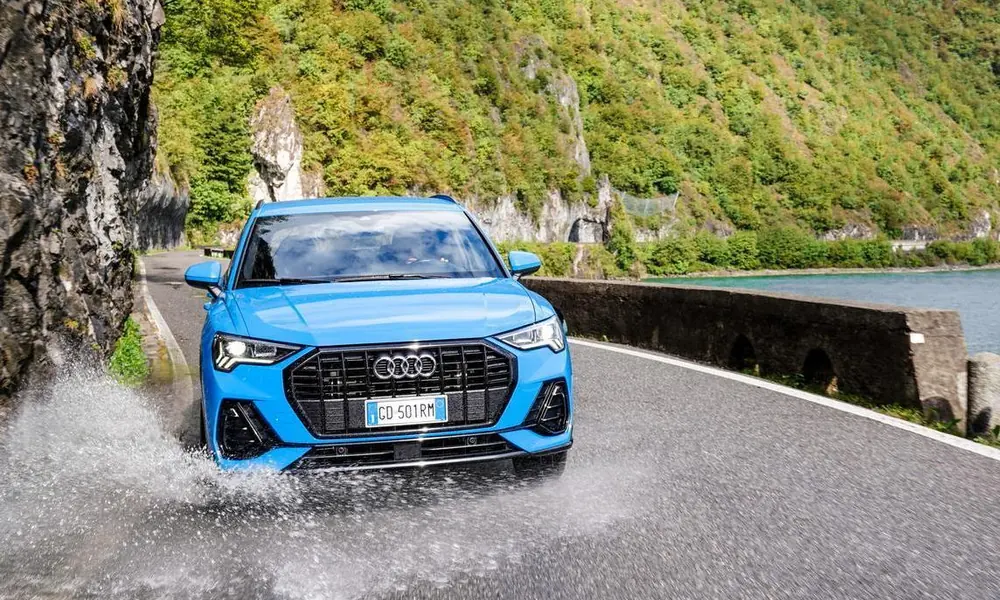
AWD cars are vehicles equipped with an all-wheel-drive system that can send power to both the front and rear wheels.
Unlike conventional front-wheel-drive cars, which primarily power the front wheels, AWD vehicles have the ability to drive all four wheels.
The system can help a vehicle accelerate more effectively when traction is limited.
For example, imagine pulling away from a stop on a slippery road.
A front-wheel-drive car relies on its front tires to transfer driving power to the road.
An AWD vehicle may distribute that power across additional wheels, reducing the likelihood that one driven axle will lose traction during acceleration.
However, AWD systems vary considerably.
Some continuously distribute power between the axles, while others engage additional wheels only when needed.
Electric AWD vehicles may use separate motors to drive the front and rear axles.
The exact design influences performance, efficiency, and driving behavior.
How Does All-Wheel Drive Work?
All-wheel drive works by transferring driving power to multiple wheels through mechanical components, electronically controlled systems, or electric motors.
Traditional AWD vehicles commonly use components such as:
- A transmission.
- A transfer unit or center differential.
- Driveshafts.
- Front and rear differentials.
- Electronic sensors.
- Traction-control systems.
The system monitors driving conditions and, depending on its design, adjusts how power is distributed.
Full-Time AWD
Some systems provide power to both axles continuously.
Power distribution may change depending on road conditions and driving behavior.
On-Demand AWD
Other systems primarily drive one axle during normal conditions.
When additional traction is needed, they can engage the other axle.
This design may help reduce energy consumption compared with some continuously engaged systems.
Electric AWD
Electric vehicles may use separate electric motors for the front and rear wheels.
A control system manages the motors’ output to provide traction and performance.
This approach can respond quickly because it does not necessarily require a mechanical connection between the axles.
AWD vs. FWD vs. RWD vs. 4WD: What’s the Difference?
Before comparing AWD cars, it’s useful to understand the main drivetrain configurations.
| Drivetrain | How It Works | Main Advantages | Potential Limitations |
| FWD | Powers the front wheels | Often affordable and efficient | Less acceleration traction than AWD in some conditions |
| RWD | Powers the rear wheels | Can offer balanced handling and performance | May require more care on slippery surfaces |
| AWD | Can power all four wheels | Improved acceleration traction in certain conditions | Additional cost, weight, and complexity |
| 4WD | Typically provides selectable or specialized four-wheel traction | Often suited to demanding off-road conditions | Can be heavier and less efficient |
These categories can overlap.
Some AWD systems provide substantial off-road capability, while certain modern 4WD systems operate automatically.
The important consideration is the specific vehicle’s engineering rather than its drivetrain label alone.
What Are the Best AWD Cars in 2026?
The best AWD car depends on whether you want a practical commuter, family SUV, luxury sedan, or performance vehicle.
Several established models are worth comparing.
Availability, powertrains, and equipment can vary by model year and market.
1. Subaru Impreza: A Practical AWD Compact Car
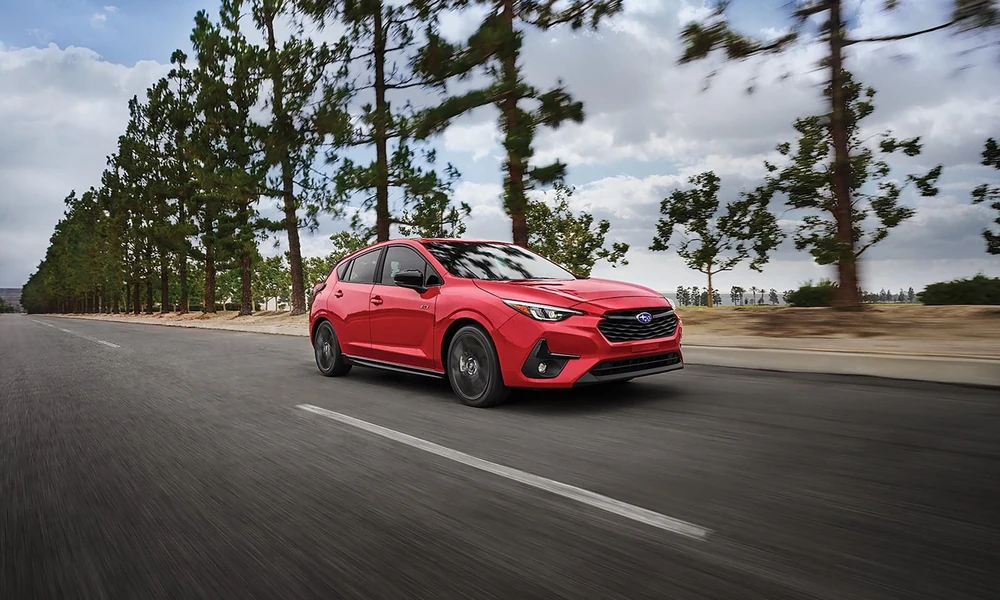
The Subaru Impreza is an appealing choice for drivers who want a compact vehicle with standard all-wheel drive in recent U.S. model years.
Its hatchback design offers useful cargo flexibility without the dimensions of a larger SUV.
The Impreza is especially relevant to drivers who value practicality and predictable everyday handling.
Why consider it?
It combines compact dimensions, useful interior space, and Subaru’s AWD-focused engineering.
Best for: Daily commuting, small families, and drivers seeking a practical AWD hatchback.
2. Subaru Legacy: A Comfortable AWD Sedan
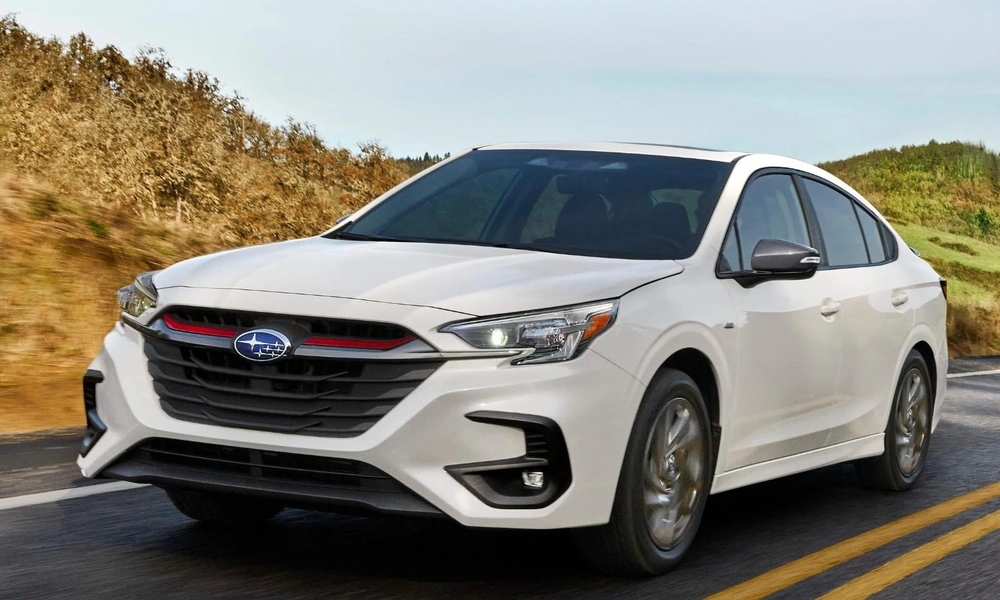
The Subaru Legacy has long been associated with comfortable midsize transportation and standard AWD.
Although Subaru ended Legacy production after the 2025 model year, recent used examples remain worth considering.
The Legacy offers a traditional sedan experience with additional traction capability.
Why consider it?
It provides a comfortable alternative to an SUV for drivers who prefer sedans.
Best for: Used-car buyers seeking a spacious AWD sedan.
3. Toyota Camry AWD: Efficiency Meets Everyday Confidence
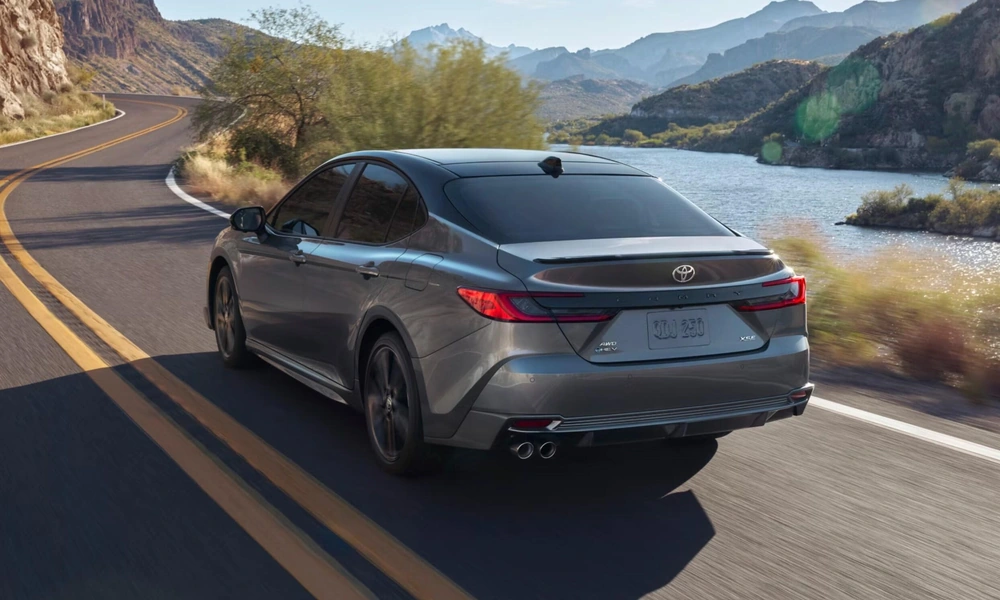
The Toyota Camry has established itself as a popular midsize sedan.
Recent U.S. versions offer hybrid powertrains, with AWD available on applicable configurations.
The Camry appeals to drivers who want a comfortable commuter without moving into the SUV category.
Why consider it?
It combines the practicality of a midsize sedan with hybrid efficiency and available AWD.
Best for: Commuters and families who prioritize fuel economy and comfort.
4. Mazda3 AWD: A Premium Feel in a Compact Package
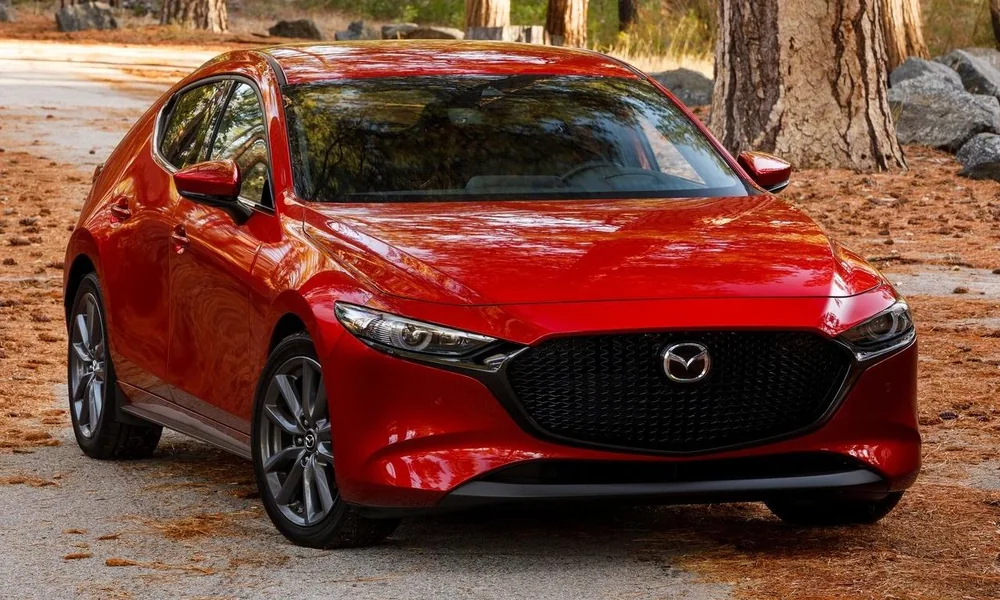
The Mazda3 stands out for its attractive design and refined interior.
AWD has been offered on selected configurations.
Compared with many conventional compact cars, the Mazda3 emphasizes cabin quality and engaging driving characteristics.
Why consider it?
Its combination of design, handling, and available AWD can appeal to drivers who want something more sophisticated than basic transportation.
Best for: Drivers who appreciate styling and a refined compact-car experience.
5. Subaru WRX: AWD for Driving Enthusiasts
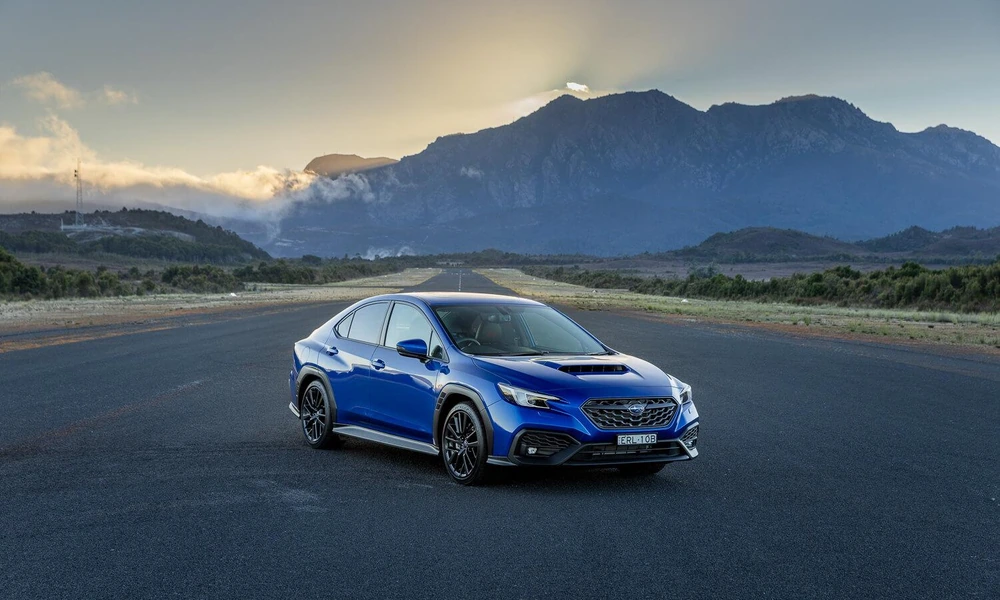
The Subaru WRX brings a performance-oriented personality to the AWD category.
It combines turbocharged power with an all-wheel-drive system designed to support sporty driving.
The WRX has a strong enthusiast following.
However, performance-focused vehicles may involve higher insurance, tire, and maintenance expenses.
Why consider it?
It offers a distinctive combination of four-door practicality and performance.
Best for: Enthusiasts who want an engaging AWD sports sedan.
6. Toyota Corolla Hybrid AWD: A Sensible Everyday Choice
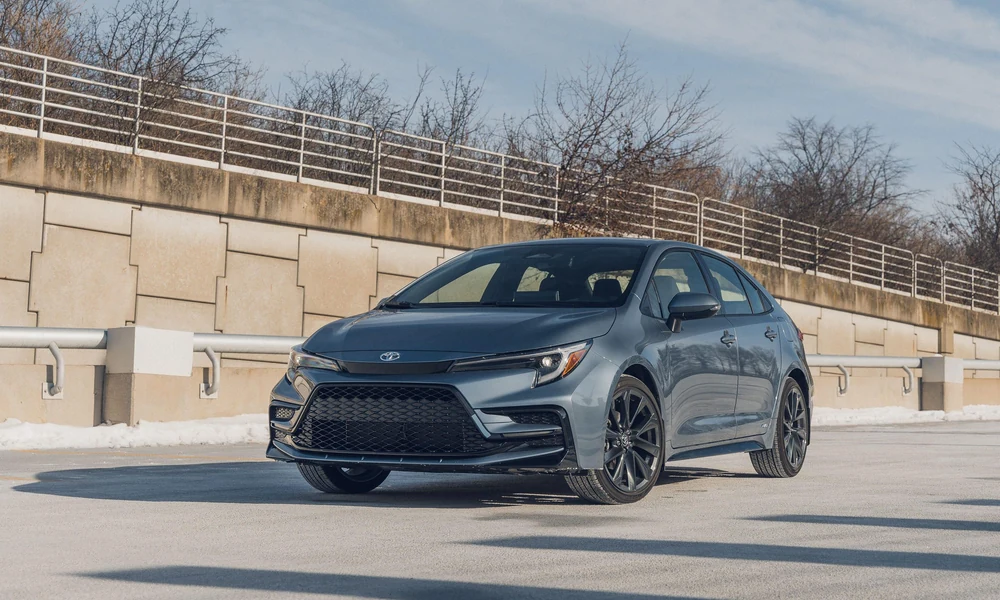
The Toyota Corolla Hybrid offers an available electronic AWD system on certain configurations.
Rather than relying on a conventional mechanical driveshaft to the rear axle, the system uses an electric motor to provide rear-wheel assistance when appropriate.
The result is an efficiency-focused approach to AWD.
Why consider it?
It can provide additional acceleration traction while maintaining the practicality of a compact hybrid sedan.
Best for: Budget-conscious commuters who want fuel efficiency and available AWD.
7. BMW 3 Series xDrive: A Luxury AWD Sedan
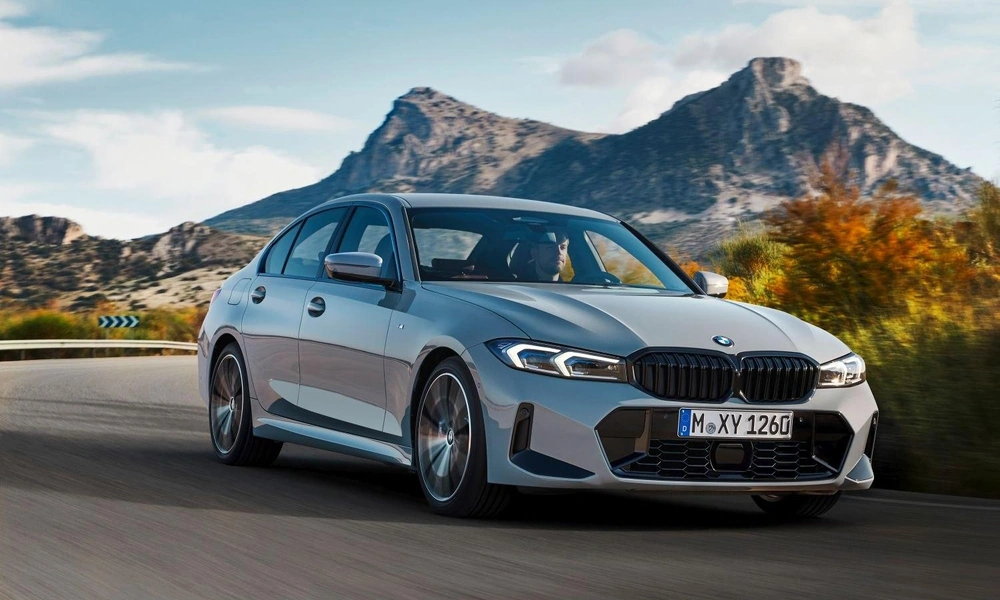
BMW’s xDrive system is available across selected models.
In the 3 Series, it combines all-wheel-drive capability with the brand’s emphasis on responsive handling and premium refinement.
The interior offers a more upscale environment than most mainstream compact sedans.
Why consider it?
It balances everyday comfort with engaging driving characteristics.
Best for: Drivers seeking a luxury sedan with AWD.
8. Audi A5 quattro: Sophisticated German AWD

Audi’s quattro name has become closely associated with all-wheel drive.
The Audi A5 combines premium design, refined road manners, and available quattro technology.
The exact AWD system varies by model and generation.
Why consider it?
Audi offers a sophisticated combination of styling, technology, and driving refinement.
Best for: Buyers who appreciate understated luxury.
9. Mercedes-Benz C-Class 4MATIC: Comfort and Confidence

Mercedes-Benz uses the 4MATIC name for its all-wheel-drive systems.
The C-Class offers a premium cabin, modern technology, and a comfort-oriented driving experience.
AWD availability depends on the specific model.
Why consider it?
It combines luxury-sedan refinement with additional traction capability.
Best for: Buyers prioritizing comfort and premium features.
10. Tesla Model 3 AWD: Electric Performance
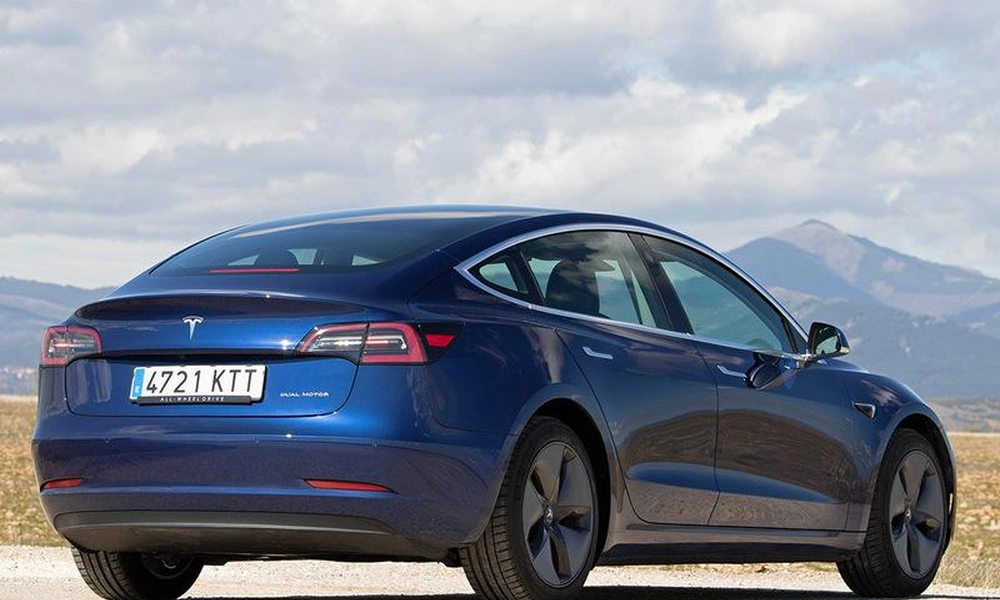
Dual-motor versions of the Tesla Model 3 use electric motors to drive both axles.
This configuration provides AWD without a conventional gasoline-engine drivetrain.
Electric power delivery can produce smooth and responsive acceleration.
Why consider it?
It combines electric driving with strong acceleration and modern technology.
Best for: Drivers interested in electric vehicles who have convenient charging access.
What Are the Best AWD SUVs?
SUVs are among the most common vehicles equipped with AWD.
They appeal to families and drivers who need flexible cargo space.
Subaru Forester
The Forester is known for practical interior packaging, useful visibility, and standard AWD in recent U.S. models.
It can be a sensible choice for drivers who regularly encounter challenging weather.
Toyota RAV4 AWD
The Toyota RAV4 offers AWD on applicable configurations.
It combines compact SUV practicality with a broad range of equipment and powertrain options.
Honda CR-V AWD
The Honda CR-V is a popular family-oriented crossover.
AWD is available on selected versions.
Its spacious interior and cargo area make it worth considering for everyday family use.
Mazda CX-5
The Mazda CX-5 emphasizes refined driving characteristics and interior quality.
Recent U.S. versions have featured standard AWD.
It can appeal to buyers who want a compact SUV with a more premium feel.
Subaru Outback
The Outback combines wagon-like practicality with additional ground clearance and AWD.
It is particularly appealing to drivers who enjoy outdoor activities but don’t necessarily want a traditional truck-based SUV.
What Are the Best Luxury AWD Cars?
Luxury AWD cars can offer comfort, performance, and advanced drivetrain technology.
Models worth researching include:
BMW 5 Series xDrive: BMW 5 Series xDrive is an executive sedan offering refinement and available AWD.
Mercedes-Benz E-Class 4MATIC: A luxury sedan focused on comfort and technology.
Audi A6 quattro: A premium sedan associated with sophisticated styling and all-wheel-drive engineering.
Porsche Panamera AWD: A performance-oriented luxury vehicle available in AWD configurations.
Genesis G80 AWD: A luxury sedan offering premium design and available AWD.
These vehicles can provide an enjoyable ownership experience, but maintenance, insurance, and depreciation should be considered carefully.
Are AWD Cars Better in Snow?
AWD can be beneficial in snowy conditions, especially when accelerating from a stop or climbing slippery roads.
However, AWD does not create additional tire grip.
The tires are still responsible for transferring braking, steering, and acceleration forces to the road.
Why Tires Matter More Than Many Drivers Realize
Imagine two vehicles on a snowy road.
One has AWD but uses tires poorly suited to winter conditions.
The other has front-wheel drive and properly fitted winter tires.
The front-wheel-drive vehicle may provide better braking and cornering grip because of its tires.
Actual results depend on the vehicles, tires, and road conditions.
AWD helps distribute driving power. Suitable tires provide the traction needed to accelerate, steer, and stop.
For severe winter conditions, AWD and appropriate winter tires can complement each other.
Are AWD Cars Good in Rain?

AWD can improve acceleration traction when roads are wet.
This may be useful when pulling away from intersections or accelerating on slippery surfaces.
However, AWD does not prevent hydroplaning.
Hydroplaning occurs when water interferes with the tire’s contact with the road.
Tire condition, tread depth, speed, and water depth influence the risk.
Drivers should reduce speed in heavy rain, maintain appropriate following distances, and avoid abrupt maneuvers.
AWD is helpful technology, not a substitute for careful driving.
Do AWD Cars Use More Gas?
AWD vehicles can consume more fuel than comparable two-wheel-drive versions.
Additional drivetrain components may increase weight and mechanical losses.
However, the efficiency difference depends on the system.
Some modern AWD systems operate primarily in two-wheel-drive mode until additional traction is needed.
Hybrid and electric AWD systems can also behave differently from conventional mechanical systems.
When comparing vehicles, check official fuel-economy ratings for the exact drivetrain configuration.
Do not assume that every AWD version has the same efficiency penalty.
Are AWD Cars More Expensive to Maintain?
AWD systems introduce additional components that may require inspection, maintenance, or repair.
Depending on the vehicle, these can include:
- Driveshafts.
- Differentials.
- Transfer units.
- Couplings.
- Electronic controls.
- Additional electric motors.
Some AWD vehicles also have specific tire replacement requirements.
Why Tire Matching Matters
Certain AWD systems are sensitive to differences in tire circumference.
Installing one new tire alongside significantly worn tires may create unwanted differences in wheel rotation.
Manufacturers specify acceptable tire-size and tread-depth variations.
Always follow the owner’s manual and manufacturer recommendations.
Are AWD Cars Safer Than FWD Cars?

AWD can improve traction during acceleration, but safety involves much more than drivetrain design.
Braking performance, tire quality, vehicle stability, driver behavior, and crash protection are all important.
An AWD vehicle does not automatically stop faster than a comparable FWD vehicle.
Nor does AWD guarantee better handling in every situation.
Electronic stability control and modern driver-assistance systems can also influence vehicle behavior.
When comparing safety, review crash-test ratings and equipment for the specific model year.
Are AWD Cars Worth Buying?
AWD can be worthwhile if you regularly encounter slippery roads or need additional traction.
However, the benefit depends on your driving environment.
AWD May Be Worth It If:
- You regularly drive in snowy conditions.
- You encounter steep or slippery roads.
- You frequently travel to mountain regions.
- You want additional acceleration traction.
- You prefer a vehicle that offers AWD as standard equipment.
AWD May Be Less Necessary If:
- You live in a consistently warm climate.
- Your roads are generally dry and well maintained.
- You prioritize the lowest possible purchase price.
- You want maximum fuel efficiency.
- You rarely encounter challenging traction conditions.
For many drivers, a well-maintained FWD car with appropriate tires can be an excellent everyday choice.
How to Choose the Best AWD Car
The ideal AWD vehicle should match your lifestyle rather than simply offer the most advanced drivetrain.
Step 1: Set Your Budget
Consider the purchase price, insurance, fuel, maintenance, and depreciation.
Step 2: Choose the Right Vehicle Size
A compact AWD sedan may be ideal for commuting.
An AWD SUV may be more suitable for a family.
Step 3: Compare Fuel Economy
Check the official efficiency figures for the exact AWD configuration.
Step 4: Research Reliability
Look for model-specific maintenance requirements and known problems.
Step 5: Evaluate the AWD System
Different systems offer different capabilities.
Some prioritize efficiency, while others emphasize performance or traction.
Step 6: Review Tire Requirements
Understand the manufacturer’s tire specifications and replacement recommendations.
Step 7: Test-Drive the Vehicle
Evaluate comfort, visibility, steering, braking, and overall driving behavior.
Step 8: Compare Ownership Costs
An affordable purchase price does not always mean affordable long-term ownership.
AWD Car Buying Checklist
Before purchasing an AWD vehicle, review these essentials.
- Compare the purchase price with the equivalent FWD or RWD version.
- Check official fuel-economy ratings.
- Research model-year-specific reliability.
- Review maintenance requirements.
- Inspect tire condition and matching specifications.
- Check safety ratings.
- Compare insurance costs.
- Evaluate passenger and cargo space.
- Review warranty coverage.
- Test-drive the vehicle.
- Obtain a pre-purchase inspection for a used car.
- Confirm that AWD provides meaningful benefits for your driving conditions.
Frequently Asked Questions About AWD Cars
What does AWD mean in cars?
AWD stands for all-wheel drive. It describes a drivetrain capable of sending power to all four wheels.
Are AWD cars good in snow?
Yes, AWD can improve acceleration traction in snow. However, suitable winter tires remain essential for braking and cornering grip.
Is AWD better than FWD?
AWD can offer better acceleration traction in certain conditions, while FWD is often simpler and more efficient. The better choice depends on your needs.
Are AWD cars more expensive?
AWD versions often cost more than comparable two-wheel-drive models, although pricing varies by manufacturer and configuration.
Do AWD cars need special tires?
They generally require tires that meet manufacturer specifications. Some AWD systems have strict requirements for matching tire size and tread depth.
Are AWD cars safer in rain?
AWD may help with acceleration traction, but it does not prevent hydroplaning or automatically improve braking.
Which AWD cars are affordable?
Models worth researching include the Subaru Impreza, Toyota Corolla Hybrid AWD, Mazda3 AWD, and selected used AWD sedans.
Are AWD cars good for daily driving?
Yes. Many AWD vehicles are designed for normal commuting and everyday transportation.
Do electric cars have AWD?
Yes. Some electric vehicles use separate motors to drive the front and rear axles.
Is AWD necessary for an SUV?
No. Many SUVs are available with front-wheel drive, and that configuration may be sufficient for drivers who rarely encounter slippery conditions.
Final Verdict: Should You Buy an AWD Car in 2026?
AWD cars offer a useful combination of traction, convenience, and everyday practicality.
For drivers who regularly experience snow, rain, or challenging road conditions, an AWD vehicle can provide meaningful advantages during acceleration.
But all-wheel drive isn’t a magical safety feature.
It doesn’t eliminate the need for appropriate tires, careful driving, or proper maintenance.
The smartest decision comes from understanding your actual needs.
A Subaru Impreza may be ideal for someone seeking a practical compact car. A Toyota Camry AWD can appeal to drivers who want a comfortable hybrid sedan. A BMW xDrive model may suit someone who values luxury and performance.
The best AWD car isn’t necessarily the one with the most sophisticated drivetrain. It’s the one that gives you the right balance of capability, comfort, efficiency, and ownership costs.
Choose the vehicle that fits your life, equip it with suitable tires, and maintain it properly.
That’s how AWD becomes a genuinely useful feature rather than simply another specification on the window sticker.
Disclaimer: This article is provided for general informational and educational purposes only and does not promote or endorse any product, service, brand, or individual. Details may change, and no guarantee is made regarding completeness or accuracy.