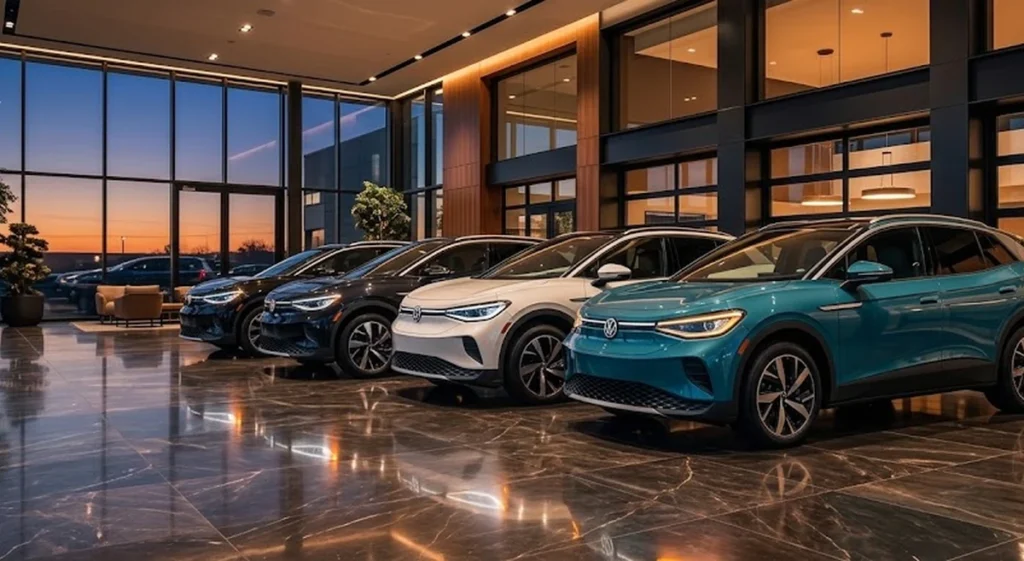
A few years ago, buying an electric car felt like stepping into the future. Today, that future is appearing on used-car lots, often at prices considerably lower than the vehicles originally commanded.
A pre-owned electric vehicle can offer quiet driving, responsive acceleration, modern technology, and potentially lower running costs than a comparable gasoline-powered car.
But buying a used EV involves questions that traditional car buyers rarely face.
How healthy is the battery? How much driving range remains? Will the vehicle work with nearby charging stations? And what happens when the battery warranty expires?
Used electric cars can be excellent purchases when the battery is healthy, the price is competitive, and the vehicle suits your daily driving and charging needs.
This guide explores 12 electric vehicles worth considering, the most important ownership costs, and the checks every buyer should make before purchasing.
Are Used Electric Cars Worth Buying?
Yes. Used electric cars can offer strong value, particularly for drivers who have reliable access to charging.
Electric vehicles have fewer routine engine-related maintenance requirements than conventional gasoline cars. They do not require engine oil changes, spark plugs, or exhaust-system maintenance.
Regenerative braking can also reduce wear on conventional brake components.
However, EVs still require maintenance.
Tires, suspension components, cooling systems, air conditioning, brakes, and electronic equipment can need attention.
The most important difference is the high-voltage battery.
Battery condition directly affects driving range, vehicle performance, and potential repair costs.
For this reason, evaluating a used electric car requires more than checking mileage and exterior condition.
12 Best Used Electric Cars to Consider
The following models are useful starting points for shoppers in the United States. Availability, pricing, equipment, and battery specifications vary by model year and trim.
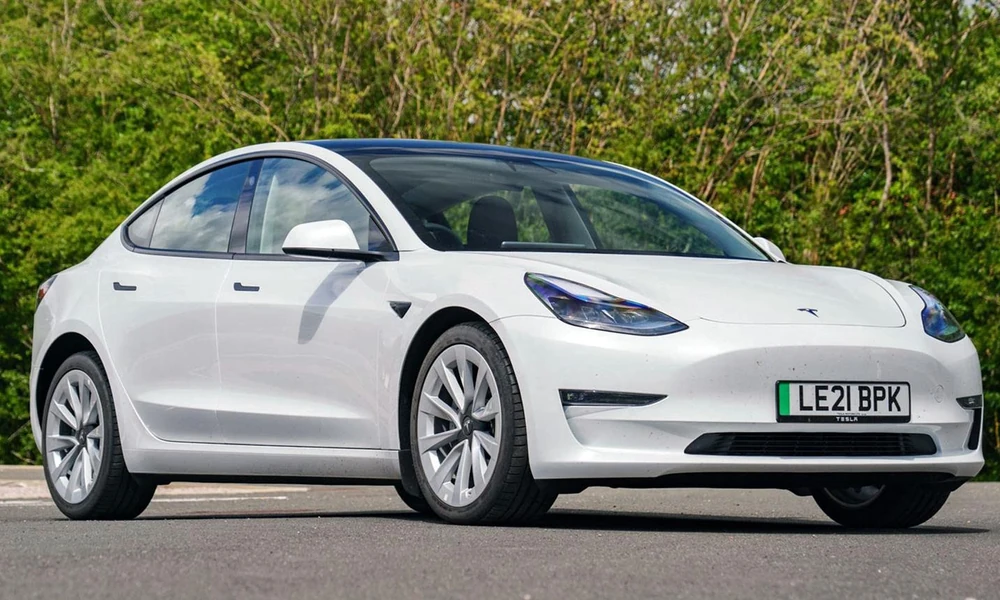
1. Tesla Model 3
Best for: Technology and everyday electric driving
The Tesla Model 3 is one of the most recognizable electric sedans.
It combines a minimalist interior, responsive acceleration, and access to Tesla’s charging ecosystem.
Used examples are available with different battery capacities, driving ranges, and drivetrain configurations.
Why consider it?
- Responsive electric performance.
- Modern software features.
- Available all-wheel drive.
- Established charging ecosystem.
- Practical sedan dimensions.
What to check: Battery condition, accident history, suspension wear, warranty status, and the vehicle’s exact hardware and software features.
Some features may depend on subscriptions or vehicle-specific eligibility.
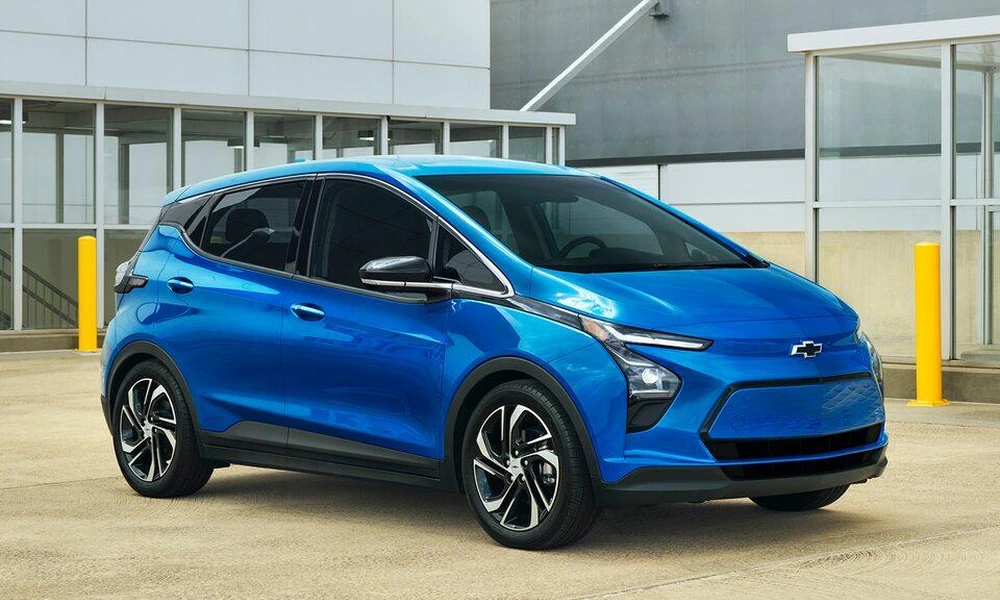
2. Chevrolet Bolt EV
Best for: Affordable electric commuting
The Chevrolet Bolt EV is a compact electric hatchback that offers practical interior space and useful driving range.
It became popular among drivers seeking electric transportation without purchasing a luxury vehicle.
Why consider it?
- Compact exterior dimensions.
- Practical hatchback cargo space.
- Responsive acceleration.
- Potentially affordable used prices.
- Good everyday usability.
What to check: Battery recall history, battery replacement records, charging performance, and warranty coverage.
The original Bolt EV’s DC fast-charging capability is relatively modest compared with many newer EVs.
3. Nissan Leaf
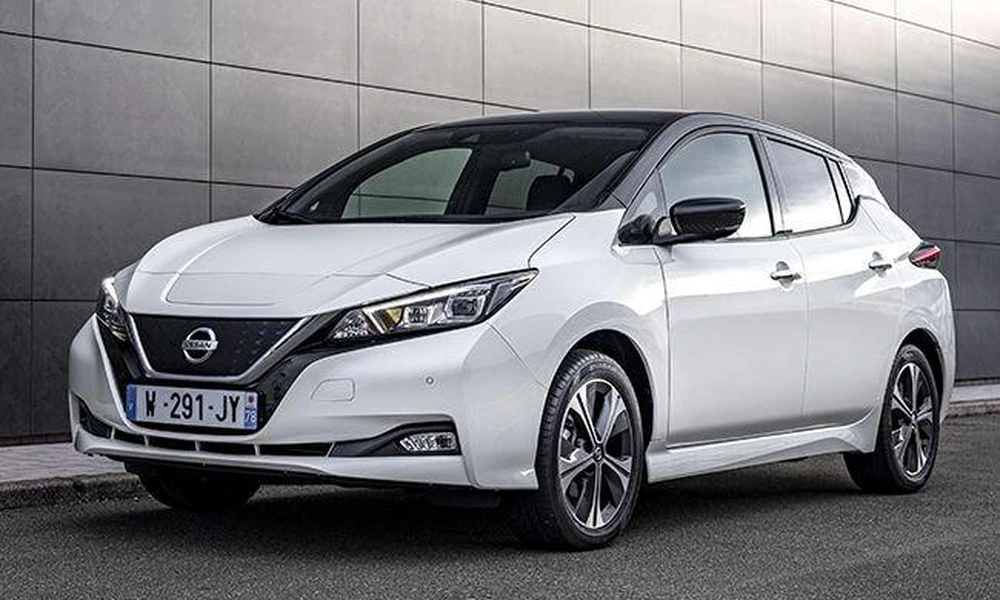
Best for: Short-distance commuting
The Nissan Leaf is one of the longest-established mass-market electric cars.
Older examples may be available at attractive prices.
However, battery degradation and charging compatibility deserve careful consideration.
Why consider it?
- Simple everyday driving.
- Compact hatchback design.
- Quiet operation.
- Potentially low purchase prices.
What to check: Battery health, remaining driving range, charging-port compatibility, and battery temperature history.
Many Leaf models use the CHAdeMO fast-charging connector, which can limit charging convenience in some areas.
4. Hyundai Kona Electric
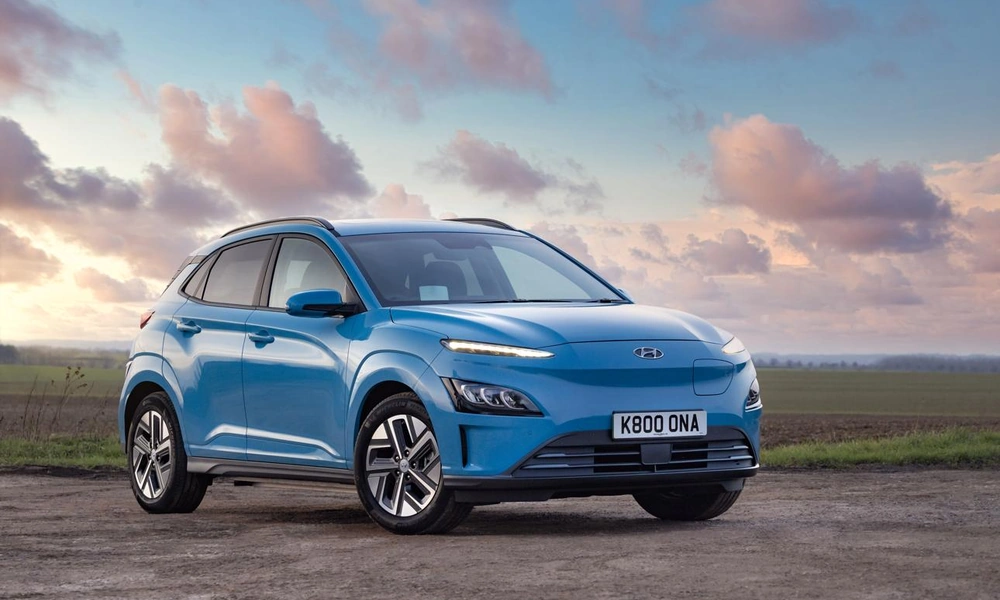
Best for: Compact electric SUV practicality
The Hyundai Kona Electric combines compact crossover styling with an electric powertrain.
Its manageable dimensions make it suitable for urban driving, while its hatchback-style cargo area provides useful flexibility.
Why consider it?
- Compact crossover design.
- Practical cabin.
- Efficient electric powertrain.
- Comfortable everyday driving.
What to check: Battery recall completion where applicable, charging operation, battery condition, and maintenance records.
5. Kia Niro EV
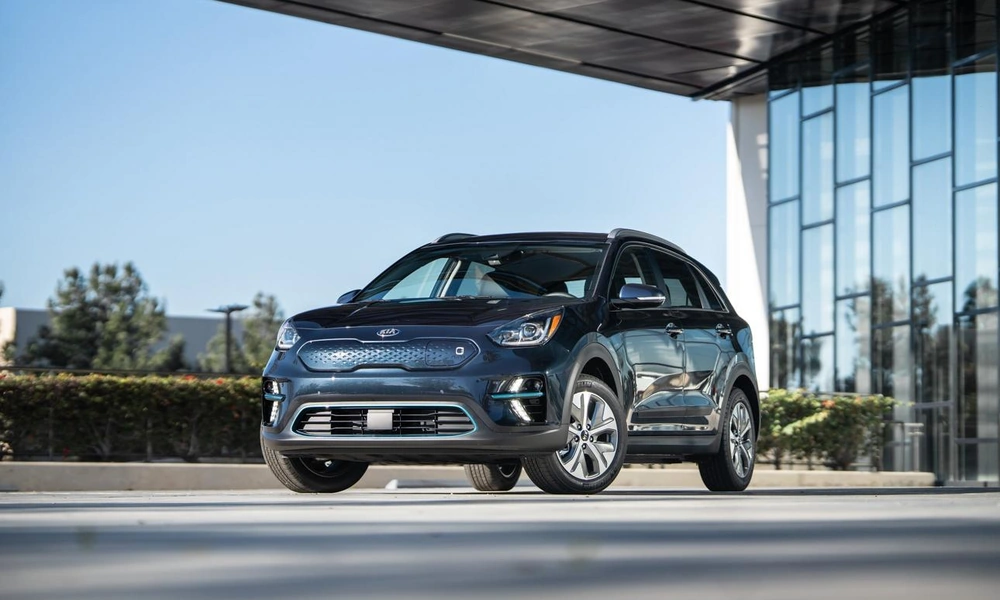
Best for: Families wanting a compact electric crossover
The Kia Niro EV offers a practical combination of passenger space, cargo capacity, and electric driving.
It may appeal to buyers who want something more versatile than a small electric sedan.
Why consider it?
- Practical interior layout.
- Comfortable seating.
- Useful cargo space.
- Familiar crossover driving position.
What to check: Battery health, charging performance, warranty eligibility, and service history.
6. Volkswagen ID.4
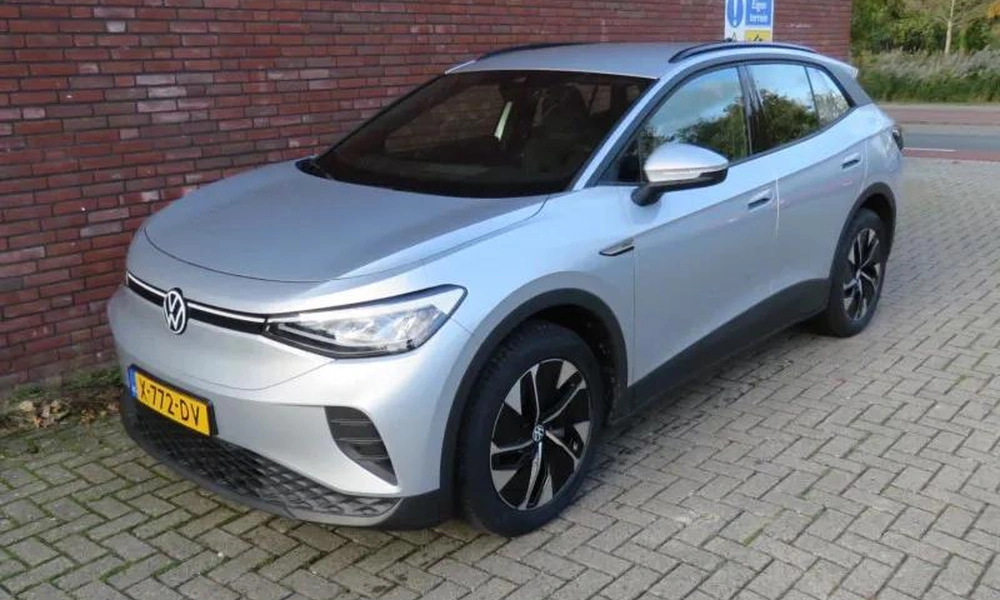
Best for: Comfortable electric SUV driving
The Volkswagen ID.4 is an electric crossover designed around everyday comfort and passenger practicality.
Used examples may offer an attractive alternative to conventional gasoline-powered SUVs.
Why consider it?
- Spacious cabin.
- Comfortable ride.
- Practical cargo area.
- Available all-wheel drive.
- Modern electric architecture.
What to check: Software updates, recall status, charging operation, battery health, and electronic systems.
7. Ford Mustang Mach-E
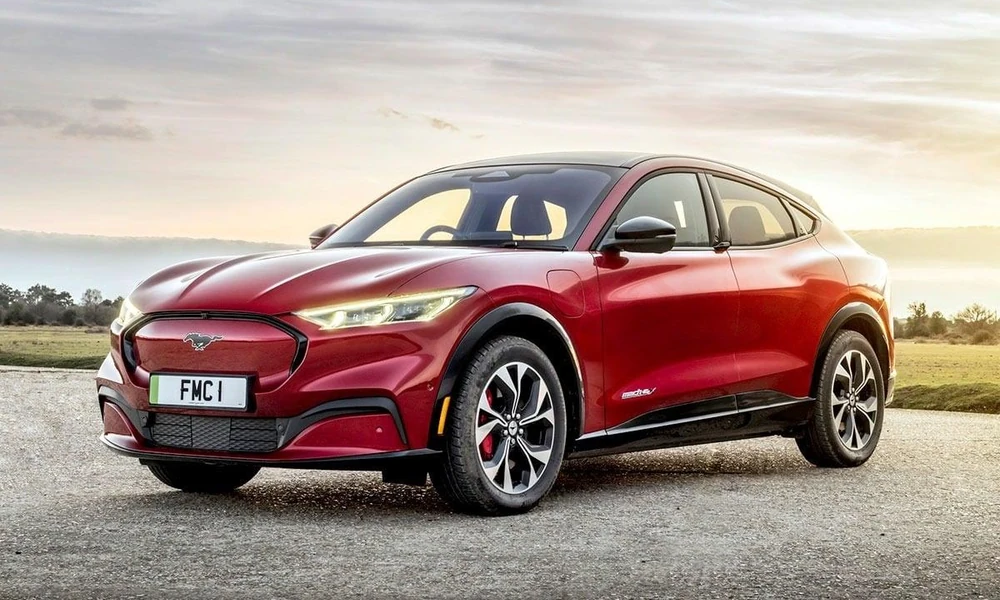
Best for: Electric performance and SUV versatility
The Ford Mustang Mach-E combines electric propulsion with crossover practicality.
Different versions offer varying levels of performance, range, and equipment.
Why consider it?
- Responsive acceleration.
- Distinctive exterior styling.
- Practical interior.
- Available all-wheel drive.
- Modern driver-assistance technology.
What to check: Recall completion, battery condition, charging functionality, and high-voltage electrical components.
8. Hyundai Ioniq 5
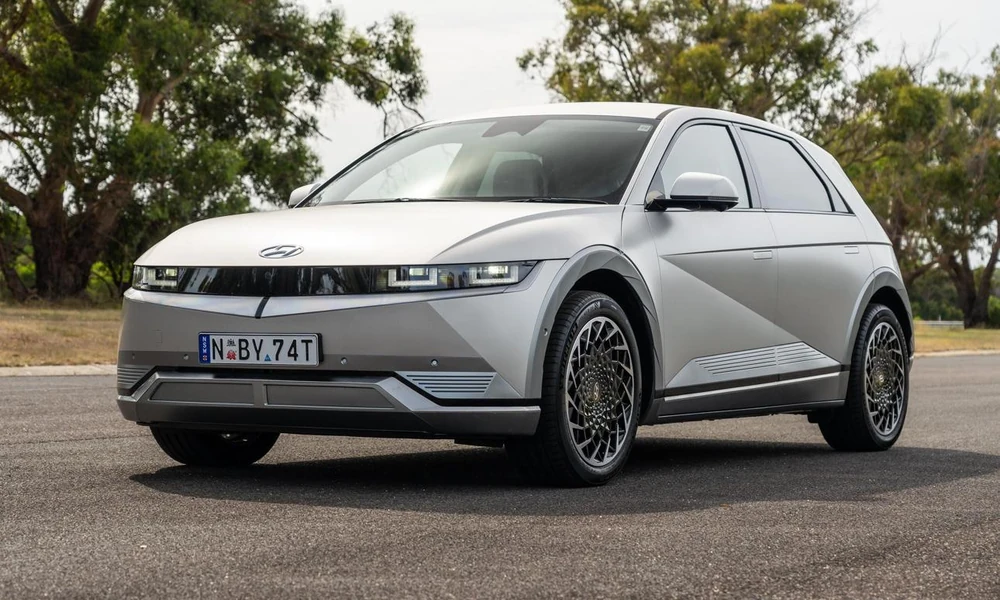
Best for: Modern design and fast-charging capability
The Hyundai Ioniq 5 stands out for its distinctive styling and spacious interior.
Its electric platform supports relatively fast DC charging under suitable conditions.
Why consider it?
- Spacious cabin.
- Distinctive design.
- Comfortable driving experience.
- Strong charging capability on compatible equipment.
What to check: ICCU-related recall and service history, battery condition, charging performance, and warranty coverage.
9. Kia EV6
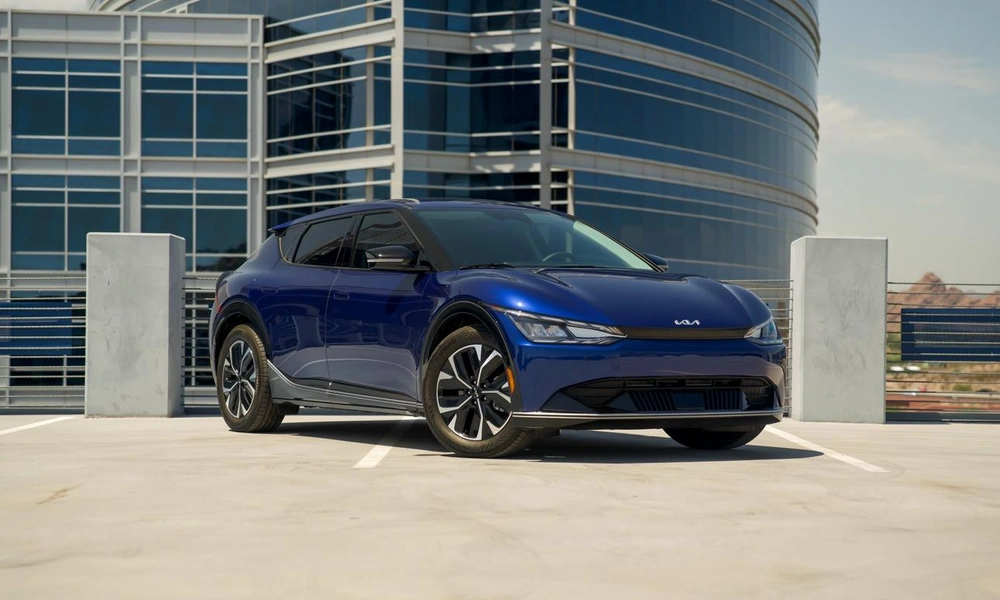
Best for: Sporty electric crossover driving
The Kia EV6 combines a low, sporty appearance with practical crossover features.
It shares important electric-platform technology with the Hyundai Ioniq 5.
Why consider it?
- Responsive handling.
- Modern interior.
- Fast-charging capability.
- Available all-wheel drive.
- Distinctive styling.
What to check: Charging-system service history, battery health, electronic equipment, and recall completion.
10. BMW i3
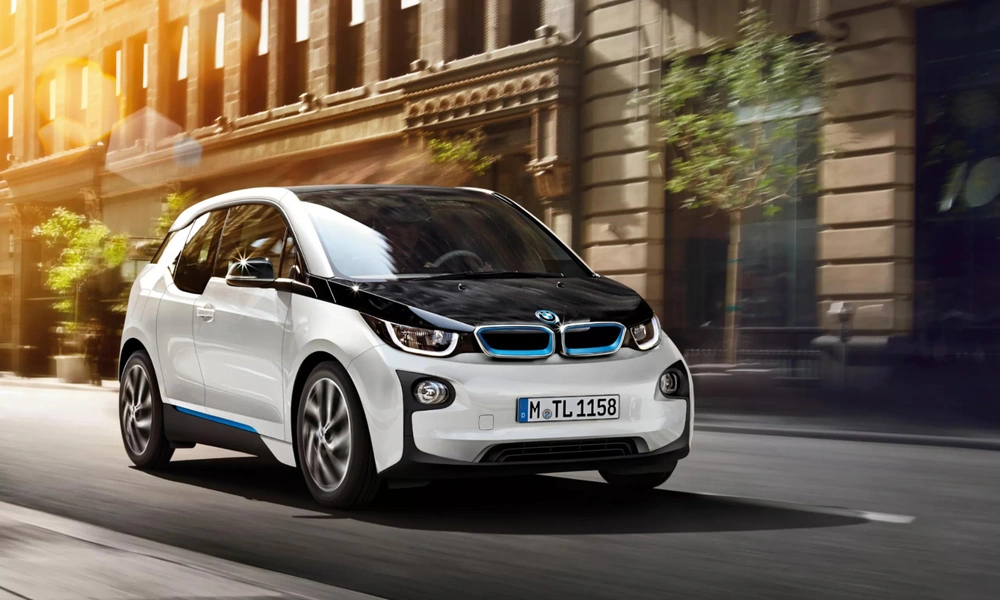
Best for: Premium urban transportation
The BMW i3 is a compact electric vehicle with unconventional styling and lightweight construction.
Its distinctive cabin and small exterior dimensions make it particularly interesting for city driving.
Why consider it?
- Compact design.
- Premium interior materials.
- Responsive urban handling.
- Distinctive engineering.
What to check: Battery condition, range-extender maintenance where equipped, tire availability, and specialized repair costs.
11. Polestar 2
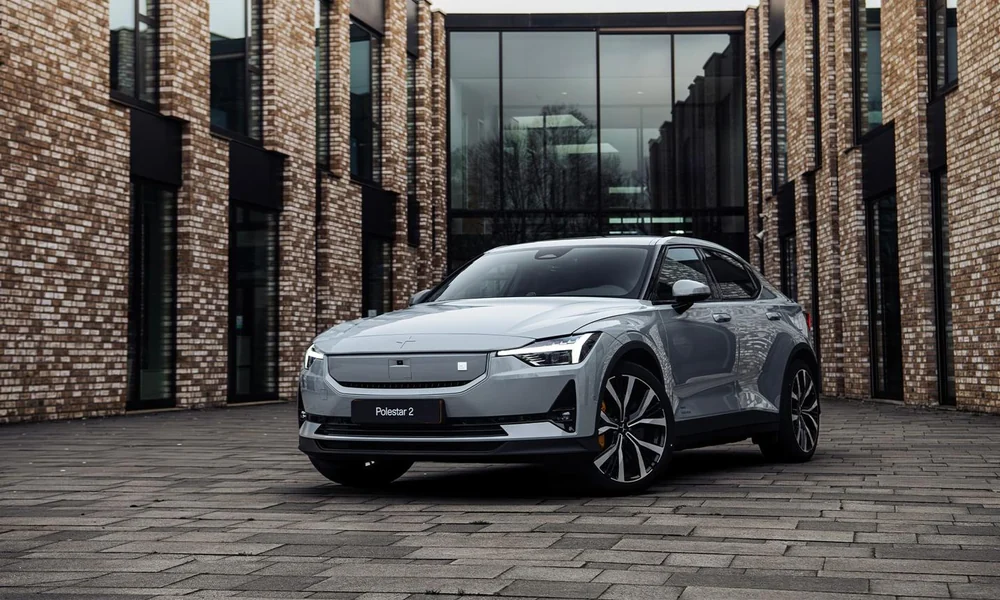
Best for: Premium electric sedan comfort
The Polestar 2 offers a modern electric driving experience with understated styling.
Depending on the version, it provides different battery capacities, drivetrain configurations, and performance levels.
Why consider it?
- Premium interior design.
- Responsive acceleration.
- Modern infotainment.
- Available all-wheel drive.
What to check: Battery warranty, software updates, service-network access, and vehicle-specific equipment.
12. Tesla Model Y
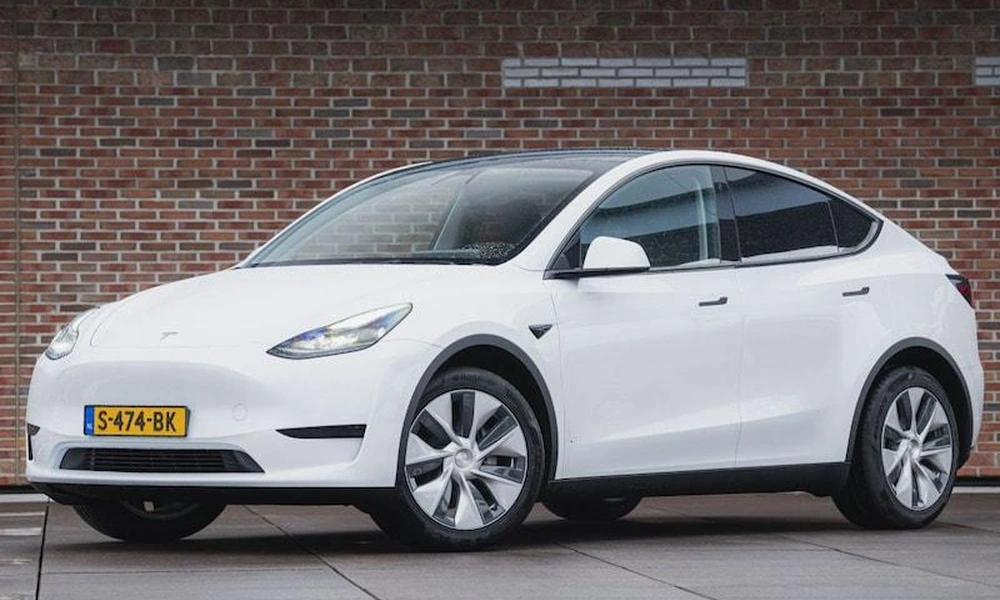
Best for: Electric family transportation
The Tesla Model Y combines crossover practicality with electric performance.
Its cargo space and passenger accommodation make it appealing to families and drivers who regularly carry luggage.
Why consider it?
- Practical cargo area.
- Spacious cabin.
- Strong acceleration.
- Established charging ecosystem.
- Available all-wheel drive.
What to check: Battery health, suspension condition, accident repairs, warranty coverage, and vehicle-specific features.
Used Electric Cars Comparison Table
| Electric Car | Body Style | Main Strength | Best For |
| Tesla Model 3 | Sedan | Technology and efficiency | Daily commuting |
| Chevrolet Bolt EV | Hatchback | Affordable practicality | Budget buyers |
| Nissan Leaf | Hatchback | Simple electric driving | Short trips |
| Hyundai Kona Electric | Compact crossover | Everyday versatility | Urban drivers |
| Kia Niro EV | Compact crossover | Interior practicality | Small families |
| Volkswagen ID.4 | SUV | Comfort and space | Family driving |
| Ford Mustang Mach-E | Crossover | Performance and versatility | Enthusiasts |
| Hyundai Ioniq 5 | Crossover | Charging capability | Longer journeys |
| Kia EV6 | Crossover | Sporty driving | Performance-minded buyers |
| BMW i3 | Compact hatchback | Premium urban design | City driving |
| Polestar 2 | Fastback sedan | Premium experience | Luxury buyers |
| Tesla Model Y | Crossover | Cargo space and technology | Families |
The best choice depends on your budget, battery condition, driving requirements, and access to charging.
How Much Do Used Electric Cars Cost?
Used EV prices vary significantly depending on the model, battery size, age, mileage, condition, and local demand.
Older compact electric vehicles may be considerably more affordable than newer long-range electric SUVs.
A low purchase price does not always mean low ownership costs.
Before buying, consider:
- Purchase price.
- Battery condition.
- Insurance premiums.
- Charging expenses.
- Tire replacement.
- Repairs and maintenance.
- Registration and taxes.
- Warranty coverage.
- Depreciation.
Some used electric vehicles may qualify for government incentives, depending on the purchase date, vehicle, buyer, and applicable legislation.
For U.S. purchases in 2026, do not assume that the former federal used clean vehicle tax credit remains available. That credit generally ended for vehicles acquired after September 30, 2025.
State, local, or utility incentives may have different eligibility rules.
How Long Do Used Electric Car Batteries Last?
Electric vehicle batteries are designed for long-term use, but their capacity gradually declines.
Battery degradation depends on several factors:
Age: Batteries experience chemical aging over time.
Temperature: Prolonged exposure to extreme heat can accelerate degradation.
Charging habits: Frequent high-power charging and extended periods at very high states of charge may influence battery aging, depending on battery chemistry and thermal management.
Mileage: Repeated charging and discharging cycles contribute to battery wear.
Battery management: Cooling systems and software can help manage battery temperature and charging behavior.
Many manufacturers provide high-voltage battery warranties lasting approximately eight years, although mileage limits, coverage terms, and capacity guarantees vary.
A battery warranty does not necessarily guarantee replacement for ordinary degradation.
How to Check Battery Health Before Buying a Used EV
Battery health is one of the most important factors when evaluating a secondhand electric vehicle.
Ask for a Battery Health Report
Some manufacturers provide battery-health information through onboard diagnostics or authorized service centers.
Independent specialists may also offer battery assessments.
Check the State of Health
Battery state of health, often abbreviated as SOH, estimates remaining battery capacity relative to its original condition.
However, measurement methods differ between manufacturers, and dashboard range estimates are not the same as a formal battery-health assessment.
Review Charging Performance
Confirm that the vehicle charges properly using the equipment you expect to use.
For vehicles supporting DC fast charging, investigate any unusual charging limitations.
Examine Warranty Coverage
Check the battery warranty’s original start date, mileage limits, transferability, and coverage conditions.
Request an EV-Specialist Inspection
An inspection by a technician familiar with electric vehicles can identify issues that a conventional used-car inspection might miss.
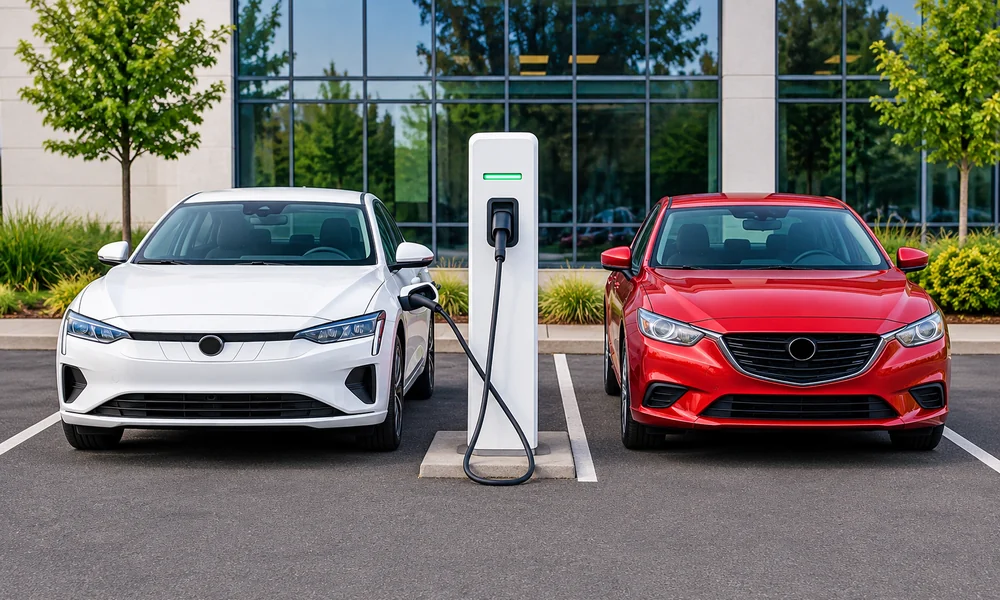
Used Electric Cars vs. Used Gasoline Cars
| Feature | Used Electric Cars | Used Gasoline Cars |
| Energy source | Electricity | Gasoline |
| Routine engine oil changes | Not required | Usually required |
| Charging or refueling | Requires charging access | Uses fuel stations |
| Driving experience | Quiet, responsive acceleration | Depends on engine and transmission |
| Main powertrain concern | Battery and electrical systems | Engine and transmission |
| Long-distance convenience | Depends on range and charging | Depends on fuel availability |
| Running costs | Often lower with affordable electricity | Depends on fuel economy and gasoline prices |
| Maintenance | Fewer engine-related services | More conventional powertrain servicing |
Neither type is automatically cheaper for every driver.
Electricity prices, gasoline prices, insurance, depreciation, repairs, and annual mileage all influence the comparison.
Can You Charge a Used Electric Car at Home?
Many electric vehicles can be charged at home using compatible charging equipment.
Level 1 Charging
Level 1 charging uses a standard household electrical connection in supported markets.
It is relatively slow but may be sufficient for drivers covering short daily distances.
Level 2 Charging
Level 2 charging uses dedicated equipment and generally provides faster charging than Level 1.
Professional installation may be necessary.
DC Fast Charging
DC fast charging is available at compatible public charging stations.
Charging speed depends on the vehicle, battery temperature, state of charge, and charging equipment.
Not every used electric vehicle supports the same connector or charging standard.
Before purchasing, verify compatibility with charging infrastructure in your area.
Common Mistakes When Buying Used Electric Cars
Ignoring Battery Condition
A low-priced electric vehicle with a heavily degraded battery may offer less useful range than expected.
Always investigate battery health.
Assuming Advertised Range Is Guaranteed
Official range estimates are based on standardized testing.
Real-world driving range can change because of speed, temperature, terrain, tire condition, and climate-control use.
Overlooking Charging Compatibility
Some older electric vehicles use charging connectors that are becoming less common.
Make sure suitable charging options are available before buying.
Forgetting Insurance Costs
Insurance premiums can vary significantly between electric models.
Obtain quotes before committing to a purchase.
Skipping a Professional Inspection
Electric cars have fewer conventional engine components, but they still contain expensive mechanical and electrical systems.
A specialist inspection is worthwhile.
Frequently Asked Questions About Used Electric Cars
Are used electric cars reliable?
Many used EVs can provide dependable transportation, but reliability varies by model, battery condition, maintenance history, and age.
What is the best used electric car to buy?
The Chevrolet Bolt EV, Tesla Model 3, Hyundai Kona Electric, and Kia Niro EV are useful starting points. The best choice depends on budget, charging access, and vehicle condition.
Is buying a used EV risky?
Every used vehicle carries risks. For electric cars, battery condition, charging compatibility, and warranty coverage deserve particular attention.
How much does it cost to replace an EV battery?
Replacement costs vary widely by manufacturer, model, battery capacity, labor requirements, and availability of replacement or refurbished components.
Can a used electric car last 10 years?
Yes, some electric vehicles remain operational for ten years or longer. Longevity depends on battery health, maintenance, climate, and overall vehicle condition.
Are used electric cars cheaper to maintain?
They often require fewer routine engine-related services, but tires, suspension, brakes, cooling systems, and electrical components still need maintenance.
Should I buy a used Tesla or another electric car?
Compare the exact vehicles based on price, battery condition, charging access, service availability, warranty coverage, and everyday practicality.
Do used electric cars lose range?
Yes. Battery capacity generally decreases with age and use, although the rate of degradation varies significantly.
Final Verdict: Should You Buy a Used Electric Car?
Used electric cars can offer an attractive combination of modern technology, quiet driving, responsive performance, and potentially lower running costs.
The Chevrolet Bolt EV and Nissan Leaf may appeal to budget-conscious commuters, while the Tesla Model 3, Hyundai Ioniq 5, Kia EV6, and Volkswagen ID.4 offer different combinations of range, comfort, and technology.
However, battery health matters more than a shiny exterior or an impressive advertised range.
Before purchasing, confirm charging compatibility, inspect the battery, review warranty coverage, and calculate the total cost of ownership.
A carefully selected used EV can be a practical alternative to a gasoline-powered car, particularly when home charging is available.