There is something fascinating about watching a car slide sideways through a corner while its driver maintains control. The tires produce smoke, the engine roars, and the vehicle follows a carefully controlled path that looks almost impossible from the outside.
That is drifting.
Drift cars are vehicles used for controlled oversteer, where the rear wheels lose traction while the driver maintains the intended direction through steering, throttle, and other driving inputs. Although many vehicles can oversteer, rear-wheel-drive cars with balanced handling, suitable power delivery, and accessible aftermarket support are particularly popular for drifting.
From legendary Japanese sports cars to affordable European sedans, drifting has developed its own automotive culture.
Here are 15 popular drift cars, what makes them special, and what beginners should understand before entering the sport.
What Makes a Good Drift Car?
Not every powerful car is suitable for drifting.
A good drift car needs a combination of predictable handling, mechanical durability, and appropriate drivetrain characteristics.
Rear-Wheel Drive
Rear-wheel drive is the traditional choice for drifting because the rear wheels provide propulsion while the front wheels primarily handle steering.
This arrangement makes it easier to initiate and maintain controlled oversteer.
Balanced Weight Distribution
A balanced chassis can help drivers manage transitions between corners.
Weight distribution is not the only factor, however. Suspension geometry, tires, wheelbase, and driver technique also influence handling.
Predictable Power Delivery
A responsive engine helps drivers manage rear-wheel traction.
High horsepower is not essential for beginners. A lower-powered car can be useful for learning vehicle control.
Limited-Slip Differential
A limited-slip differential helps distribute driving force between the rear wheels.
It can make power delivery more predictable during drifting compared with certain open-differential configurations.
Aftermarket Support
Drifting places considerable demands on tires, suspension, cooling systems, and drivetrain components.
Cars with readily available replacement parts and motorsport support can be easier to maintain.
15 Best Drift Cars to Consider
1. Nissan 240SX
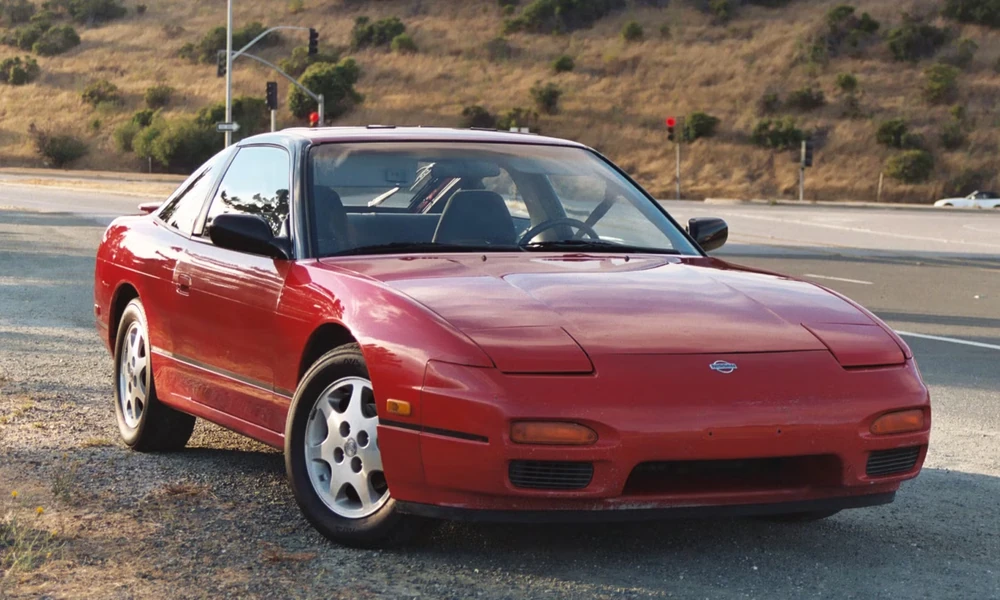
Best for: Traditional Japanese drifting culture
The Nissan 240SX is one of the most recognizable platforms in grassroots drifting.
Its rear-wheel-drive layout, relatively lightweight construction, and extensive aftermarket support helped make it popular among enthusiasts.
The 240SX is closely related to the Nissan Silvia family, although specifications differ by market.
Why enthusiasts like it:
- Rear-wheel-drive platform.
- Strong aftermarket support.
- Predictable handling potential.
- Established drifting heritage.
Things to consider: Clean examples have become harder to find, and many surviving vehicles have been heavily modified.
2. Nissan Silvia S15
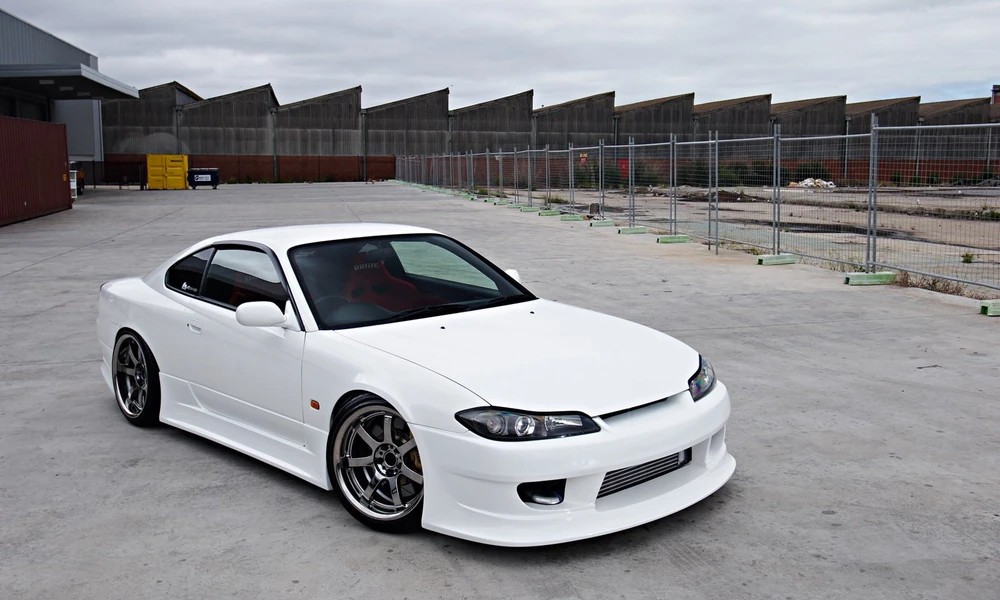
Best for: Japanese performance enthusiasts
The Nissan Silvia S15 became an icon of Japanese drifting.
Its compact coupe design, rear-wheel-drive layout, and available turbocharged engine helped establish its reputation.
The S15 was not originally sold as a regular production model in the United States, so import regulations and vehicle eligibility require careful consideration.
Why enthusiasts like it:
- Lightweight sports-coupe design.
- Responsive handling.
- Strong motorsport heritage.
- Extensive tuning potential.
Things to consider: Purchase prices, import restrictions, and replacement-part availability.
3. BMW 3 Series E36
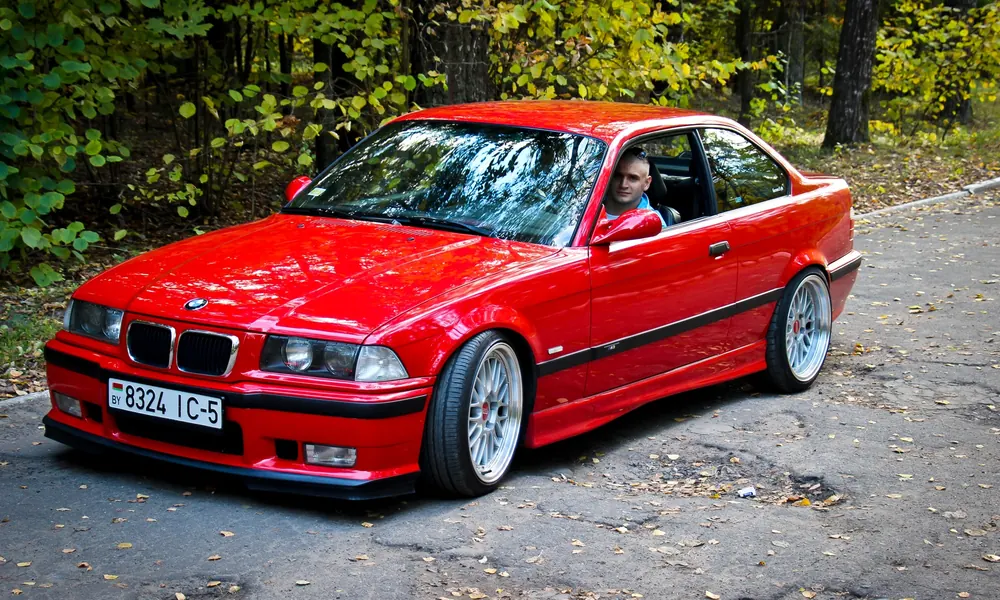
Best for: Affordable grassroots drifting
The BMW E36 is a popular choice among drivers entering organized drifting.
Produced during the 1990s, the E36 combines rear-wheel drive with a relatively balanced chassis.
Various engine and transmission configurations make it adaptable to different budgets.
Why enthusiasts like it:
- Rear-wheel-drive layout.
- Wide availability in many markets.
- Strong enthusiast community.
- Extensive suspension options.
Things to consider: Cooling systems, rust, suspension bushings, and previous modifications.
4. BMW 3 Series E46
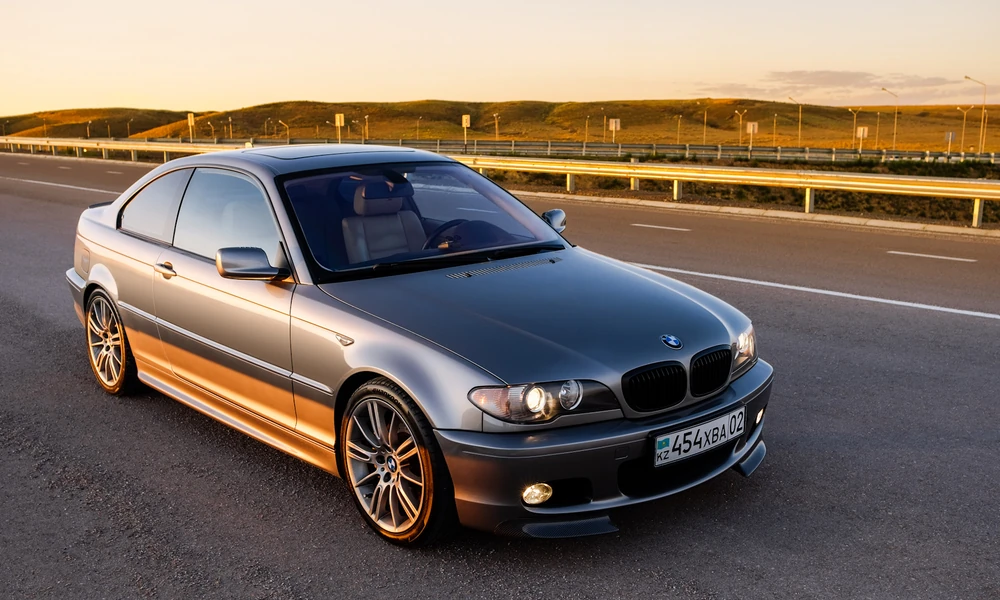
Best for: Balanced handling and everyday usability
The BMW E46 offers a more modern alternative to the E36.
Its chassis provides a useful foundation for track-oriented modifications, while certain versions offer smooth six-cylinder engines.
Why enthusiasts like it:
- Predictable handling characteristics.
- Strong aftermarket support.
- Multiple engine choices.
- Broad parts availability.
Things to consider: Rear subframe mounting areas, cooling components, and general mechanical condition.
5. Mazda MX-5 Miata
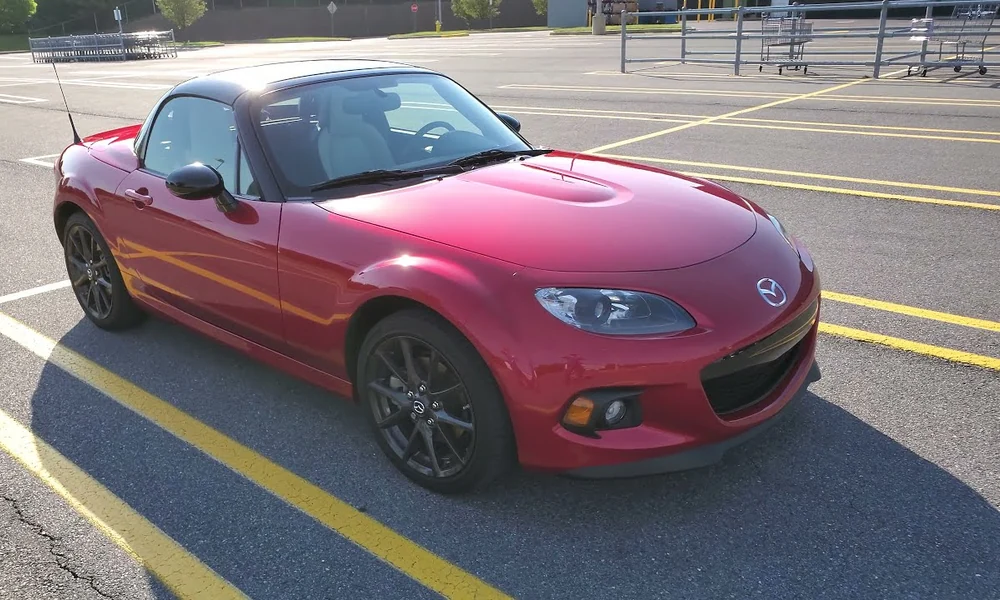
Best for: Learning car control
The Mazda MX-5 Miata is a lightweight rear-wheel-drive roadster known for its responsive handling.
Although it has less power than many dedicated drift cars, its balanced design makes it interesting for learning vehicle dynamics in a controlled environment.
Why enthusiasts like it:
- Lightweight construction.
- Responsive steering.
- Simple driving experience.
- Strong enthusiast support.
Things to consider: Limited power in some generations, rust, and the additional safety requirements of track use.
6. Toyota GR86
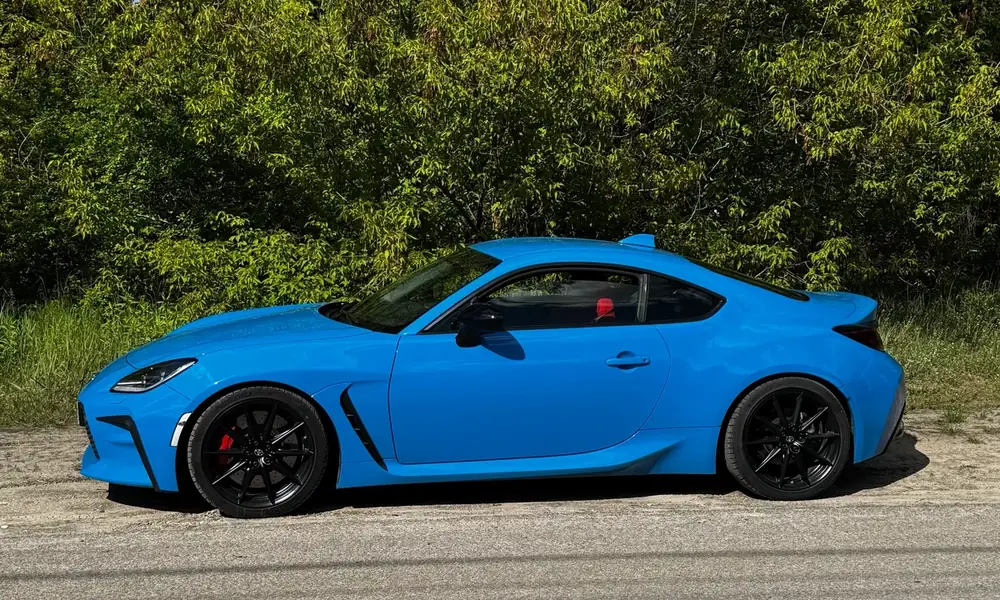
Best for: Modern rear-wheel-drive performance
The Toyota GR86 is a modern sports coupe with a naturally aspirated engine and rear-wheel drive.
Its low center of gravity and responsive handling make it appealing to drivers interested in track activities.
Why enthusiasts like it:
- Modern chassis design.
- Manual transmission availability.
- Balanced handling.
- Active aftermarket community.
Things to consider: Purchase price, insurance, track-related wear, and warranty limitations.
7. Subaru BRZ
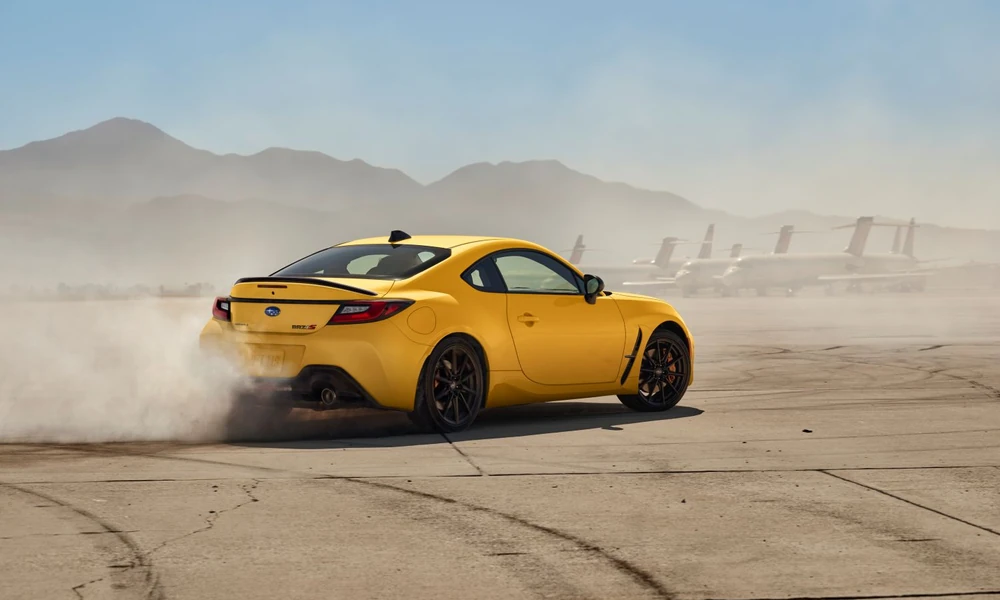
Best for: Modern drifting enthusiasts
The Subaru BRZ shares its fundamental platform with the Toyota GR86.
Unlike most Subaru passenger vehicles, the BRZ uses rear-wheel drive.
Its compact dimensions and predictable chassis make it popular among enthusiasts who value driving technique.
Why enthusiasts like it:
- Rear-wheel-drive configuration.
- Lightweight sports-car design.
- Responsive handling.
- Strong aftermarket support.
Things to consider: Tire expenses, maintenance requirements, and track-use conditions.
8. Nissan 350Z
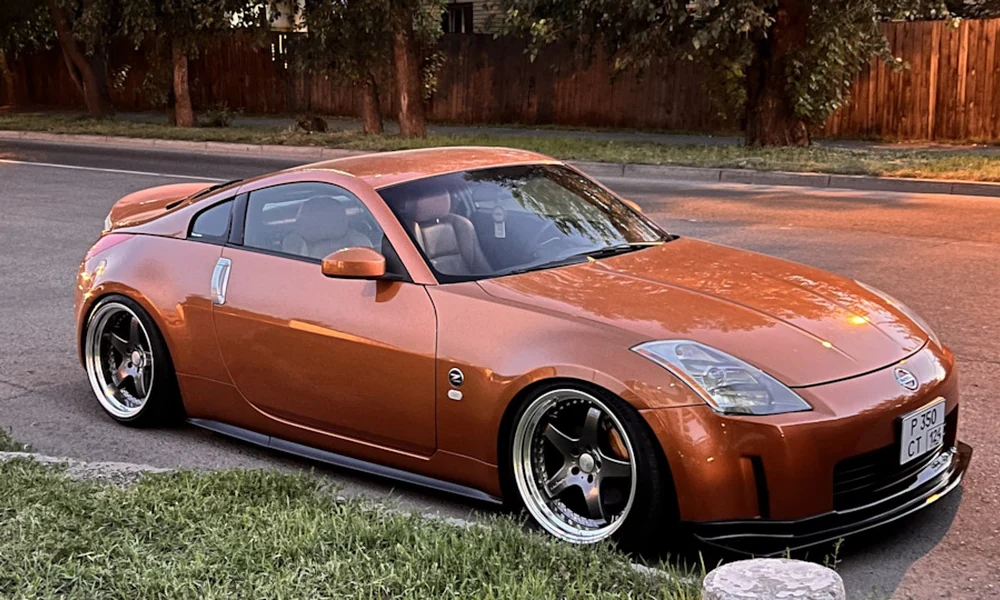
Best for: Strong naturally aspirated performance
The Nissan 350Z offers a powerful V6 engine, rear-wheel drive, and a relatively compact sports-car chassis.
It became popular in drifting because it provides substantial performance without necessarily requiring major engine modifications.
Why enthusiasts like it:
- V6 power.
- Rear-wheel-drive layout.
- Strong enthusiast community.
- Available performance upgrades.
Things to consider: Oil consumption on certain engines, clutch condition, and evidence of hard driving.
9. Nissan 370Z
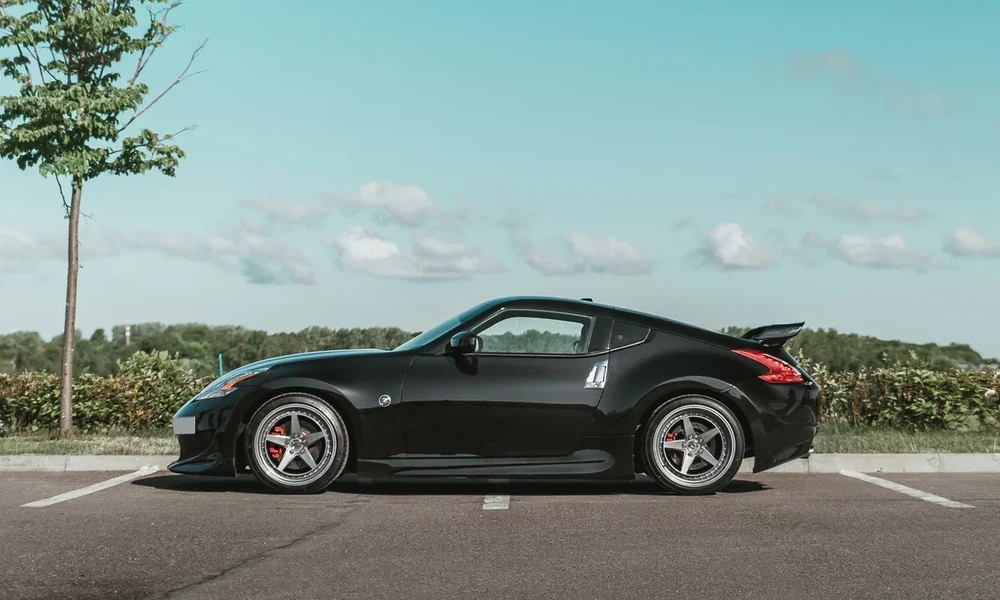
Best for: More modern Nissan performance
The Nissan 370Z continued the rear-wheel-drive sports-car tradition established by the 350Z.
It offers a more modern chassis and a larger-displacement V6 engine.
Why enthusiasts like it:
- Responsive engine.
- Compact sports-car proportions.
- Performance-oriented suspension.
- Established aftermarket support.
Things to consider: Cooling, clutch hydraulics, maintenance costs, and previous track use.
10. Ford Mustang
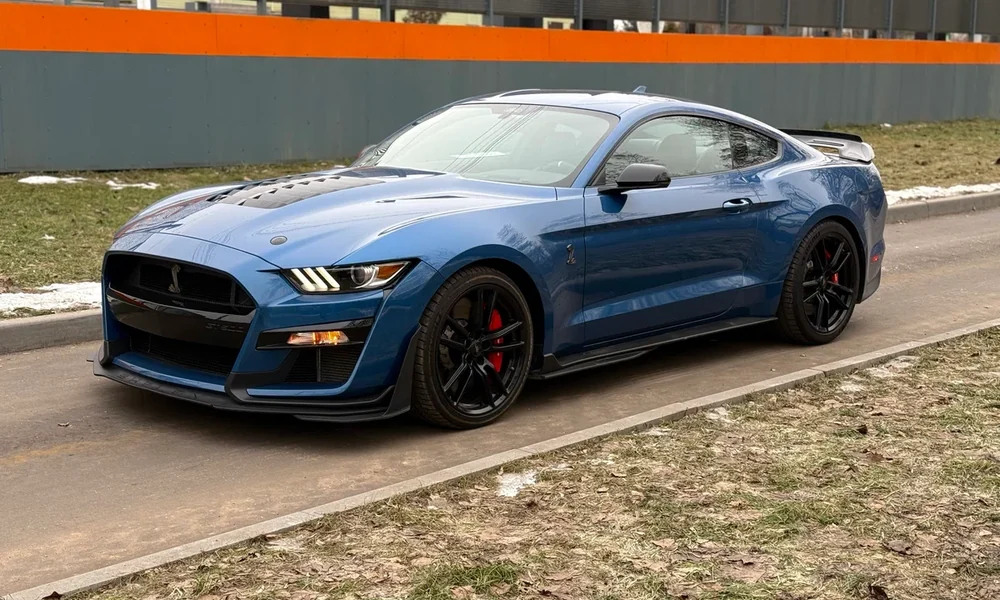
Best for: American V8 drifting
The Ford Mustang has become a recognizable platform in professional and grassroots drifting.
Its rear-wheel-drive layout and available V8 engines provide substantial torque.
Professional drivers have demonstrated the Mustang’s potential in competitive drifting.
Why enthusiasts like it:
- Strong engine options.
- Rear-wheel-drive layout.
- Extensive performance aftermarket.
- Wide availability in the United States.
Things to consider: Vehicle weight, tire costs, insurance, and drivetrain wear.
11. Chevrolet Camaro
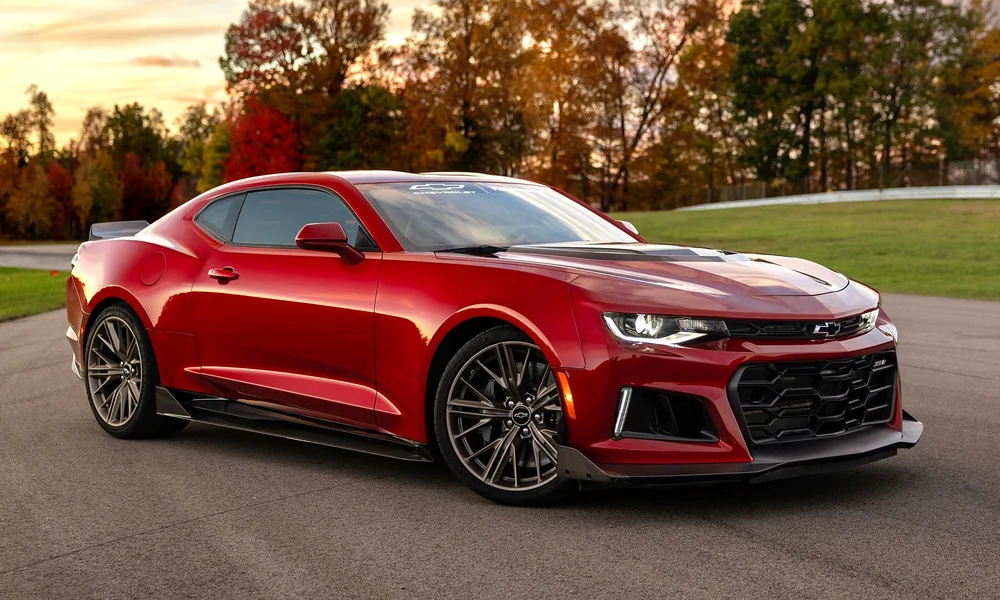
Best for: American muscle-car performance
The Chevrolet Camaro combines rear-wheel drive with powerful engine options.
Its performance-oriented chassis makes it a possible platform for drifting, although its dimensions and weight differ from smaller Japanese sports cars.
Why enthusiasts like it:
- Powerful available engines.
- Strong chassis options.
- Distinctive styling.
- Established performance community.
Things to consider: Visibility, tire expenses, weight, and repair costs.
12. Lexus IS300
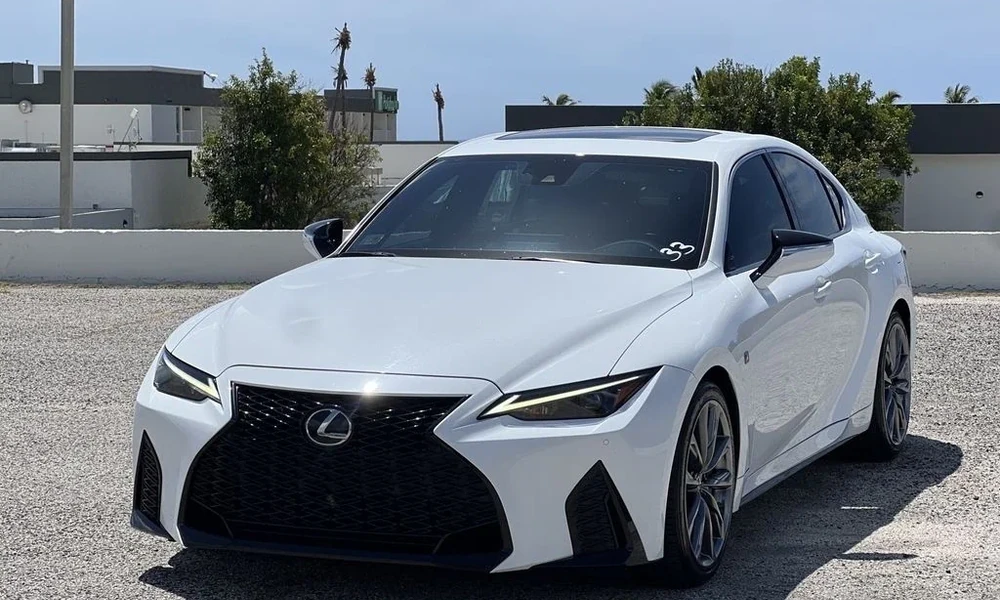
Best for: Rear-wheel-drive sedan enthusiasts
The first-generation Lexus IS300 developed a following among enthusiasts interested in modifying compact luxury sedans.
Its rear-wheel-drive configuration and inline-six engine make it an interesting alternative to conventional sports coupes.
Why enthusiasts like it:
- Rear-wheel-drive layout.
- Inline-six engine.
- Practical sedan body.
- Strong modification community.
Things to consider: Vehicle age, automatic transmission availability, suspension wear, and maintenance history.
13. Toyota Chaser JZX100
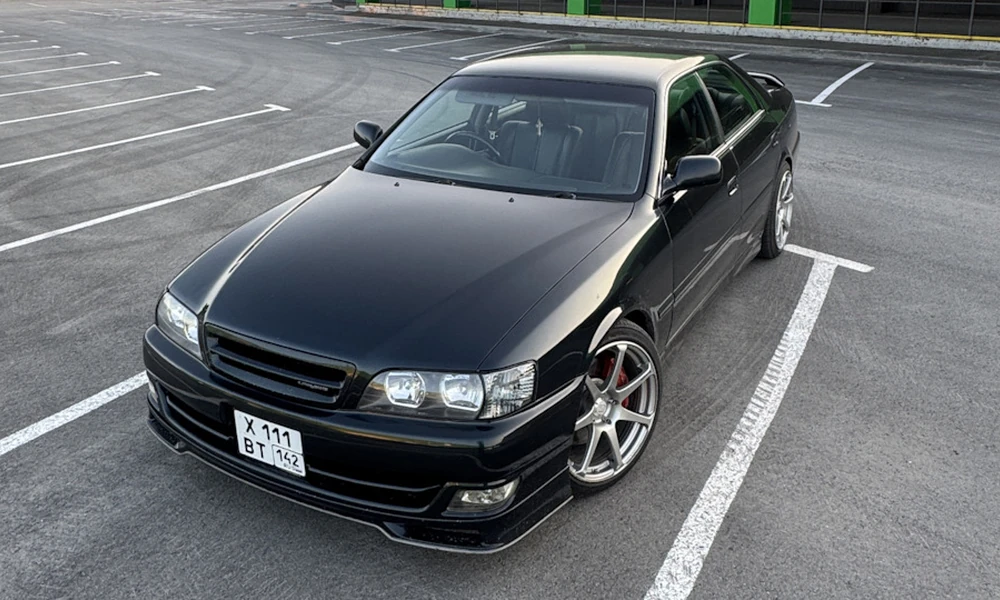
Best for: Japanese performance sedan enthusiasts
The Toyota Chaser JZX100 is a Japanese-market sedan with a strong reputation in drifting culture.
Certain versions feature turbocharged inline-six engines and rear-wheel drive.
Its four-door body makes it particularly distinctive among traditional drift platforms.
Why enthusiasts like it:
- Rear-wheel-drive configuration.
- Available turbocharged engine.
- Spacious sedan design.
- Strong Japanese motorsport heritage.
Things to consider: Import eligibility, pricing, parts availability, and previous modifications.
14. Mazda RX-7
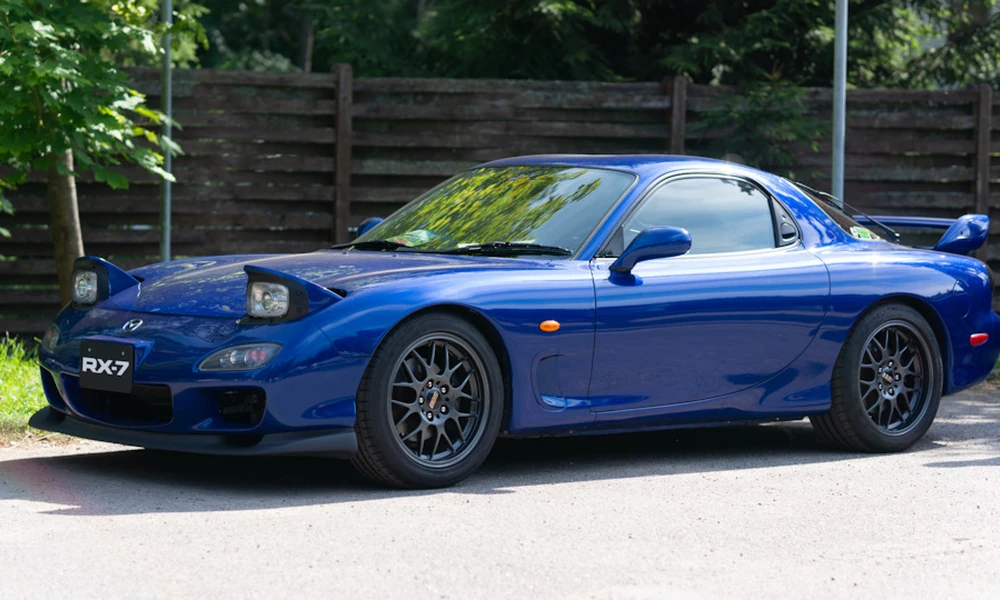
Best for: Rotary-engine enthusiasts
The Mazda RX-7 is a legendary Japanese sports car recognized for its lightweight construction and rotary-engine heritage.
Its rear-wheel-drive layout and balanced chassis helped establish its motorsport reputation.
Why enthusiasts like it:
- Lightweight sports-car design.
- Responsive handling.
- Rotary-engine character.
- Strong collector appeal.
Things to consider: Specialized engine maintenance, cooling, parts availability, and rising collector values.
15. Toyota Corolla AE86
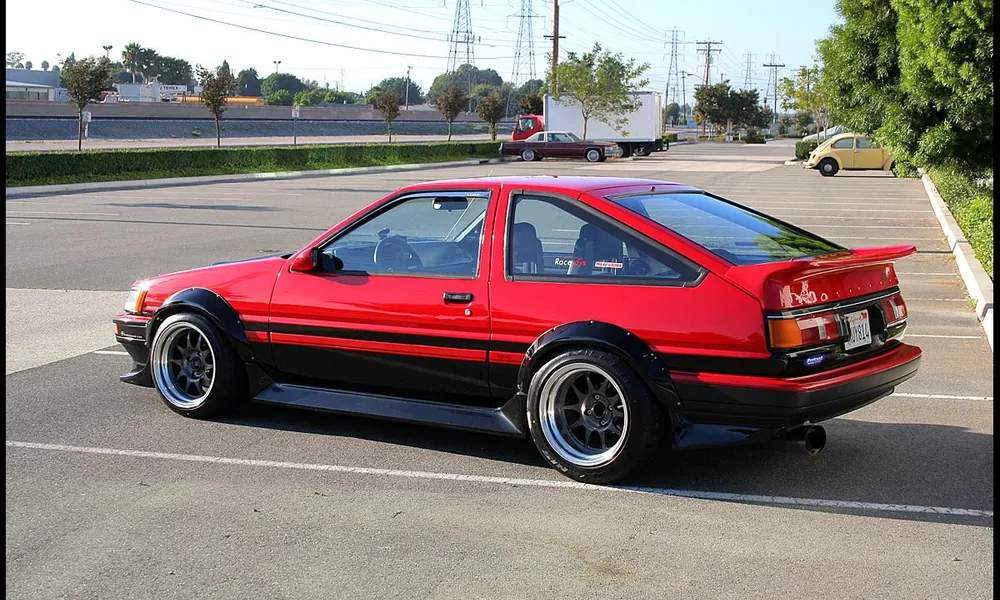
Best for: Classic drifting heritage
The Toyota Corolla AE86 is one of the most influential vehicles in drifting culture.
Its lightweight construction, rear-wheel-drive layout, and connection to Japanese motorsport helped make it legendary.
The AE86 also gained wider recognition through Japanese automotive media and popular culture.
Why enthusiasts like it:
- Lightweight chassis.
- Rear-wheel drive.
- Simple mechanical design.
- Historical significance.
Things to consider: High collector demand, aging components, rust, and limited availability of original examples.
Drift Cars Comparison Table
| Drift Car | Main Advantage | Best For |
| Nissan 240SX | Classic drift platform | Japanese drifting enthusiasts |
| Nissan Silvia S15 | Turbocharged performance potential | Experienced enthusiasts |
| BMW E36 | Accessible older chassis | Beginners |
| BMW E46 | Balanced handling | Grassroots drifting |
| Mazda MX-5 | Lightweight design | Learning car control |
| Toyota GR86 | Modern sports-car chassis | Modern track enthusiasts |
| Subaru BRZ | Responsive handling | Controlled track driving |
| Nissan 350Z | Strong V6 performance | Intermediate drivers |
| Nissan 370Z | Modern Nissan platform | Performance enthusiasts |
| Ford Mustang | Powerful engine options | American drifting |
| Chevrolet Camaro | Muscle-car performance | Experienced drivers |
| Lexus IS300 | Rear-wheel-drive sedan | Sedan enthusiasts |
| Toyota Chaser | Turbo sedan heritage | Japanese car enthusiasts |
| Mazda RX-7 | Rotary-engine performance | Specialized enthusiasts |
| Toyota AE86 | Lightweight classic chassis | Collectors and enthusiasts |
What Is the Best Drift Car for Beginners?
For beginners, the most suitable drift car is usually one that is affordable to maintain, predictable to drive, and supported by readily available replacement parts.
The BMW E36, BMW E46, Mazda MX-5, and Nissan 350Z are frequently considered.
However, the best choice depends on local prices, mechanical condition, available training facilities, and the driver’s experience.
A professional drifting school or supervised track program is a better starting point than purchasing a heavily modified car without prior experience.
How Much Does a Drift Car Cost?
Drift car costs vary widely.
A basic older rear-wheel-drive vehicle may be relatively affordable, while a professionally prepared competition car can require a substantial investment.
The purchase price is only one part of the budget.
Additional expenses may include:
- Tires and wheels.
- Brake components.
- Suspension maintenance.
- Differential servicing.
- Cooling-system upgrades.
- Safety equipment.
- Track entry fees.
- Transportation and storage.
- Repairs after mechanical failures.
Tire consumption can be particularly significant because drifting deliberately places considerable stress on the rear tires.
What Is the Difference Between Drifting and Regular Racing?
Traditional circuit racing generally rewards completing a course in the shortest possible time.
Competitive drifting is different.
Drivers are typically evaluated on criteria such as line, angle, style, and overall execution, depending on the competition’s rules.
In tandem drifting, competitors drive in close formation while demonstrating control and consistency.
The objective is not simply to finish first.
Are Drift Cars Street Legal?
Some vehicles used for drifting remain road legal, while others are dedicated competition cars.
Legality depends on the vehicle’s modifications and local regulations.
Changes involving exhaust systems, suspension, emissions equipment, tires, lighting, or safety structures may affect road-use eligibility.
Drifting should take place only at authorized motorsport facilities or properly closed courses. Attempting it on public roads creates serious risks for drivers, passengers, pedestrians, and other road users.
Frequently Asked Questions About Drift Cars
What is the best car for drifting?
Popular choices include the Nissan 240SX, BMW E36, Nissan 350Z, Toyota GR86, and Mazda MX-5. The best option depends on experience, budget, and vehicle condition.
Can any car drift?
Many vehicles can experience oversteer, but not every vehicle is suitable for sustained, controlled drifting. Rear-wheel-drive cars are generally preferred.
Are drift cars expensive?
They can be. Even affordable vehicles require tires, maintenance, safety equipment, and track access. Professional competition cars can be considerably more expensive.
Is drifting bad for a car?
Drifting places additional stress on tires, brakes, suspension, drivetrain components, and cooling systems. Proper preparation and maintenance are important.
Do drift cars need a manual transmission?
No. Manual transmissions are common, but drifting is also possible with suitable automatic and sequential transmissions.
What is the best cheap drift car?
Older BMW 3 Series models and some Nissan sports cars are commonly considered, although actual affordability depends on local availability and condition.
Is drifting a professional sport?
Yes. Drifting is an established motorsport with organized competitions, professional drivers, technical regulations, and judging criteria.
Final Verdict
Drift cars represent a distinctive part of automotive culture where engineering, vehicle control, and driver skill come together.
The Nissan 240SX and Toyota AE86 remain important symbols of drifting history, while the BMW E36, Nissan 350Z, Toyota GR86, and Ford Mustang demonstrate how different platforms can serve the sport.
For beginners, predictable handling, mechanical condition, affordable maintenance, and proper training matter more than extreme horsepower.
Whether you appreciate drifting as a spectator or hope to participate at an authorized track, understanding the vehicles and their requirements is the first step toward enjoying this demanding motorsport responsibly.
Disclaimer: This article is provided for general informational and educational purposes only and does not promote or endorse any product, service, brand, or individual. Details may change, and no guarantee is made regarding completeness or accuracy.