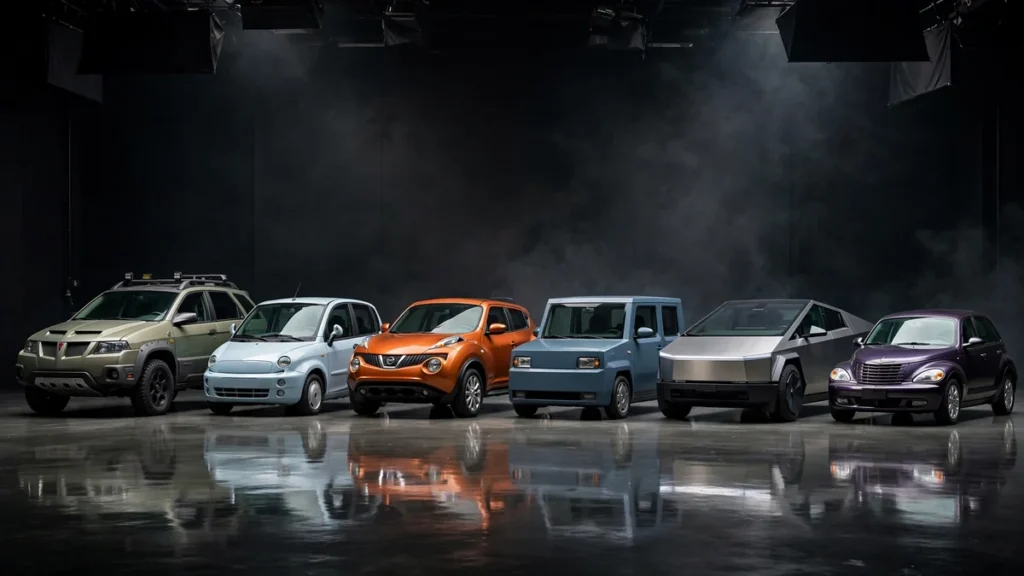
Some cars turn heads because they are beautiful. Others attract attention because people cannot quite believe what they are looking at. These unusual designs often fall into the category of Ugly Cars, proving that not every vehicle is built to win beauty contests.
Automotive history is filled with vehicles that challenged conventional styling. Some featured strange proportions, unusually shaped headlights, oversized grilles, or bodywork that seemed to ignore every traditional design rule.
These vehicles are often described as ugly cars, although beauty is subjective. A design that looks awkward to one person may appear bold, creative, or charming to another.
Interestingly, several cars once criticized for their appearance have developed loyal followings. Others remain memorable examples of how difficult it can be to balance originality, practicality, and public taste.
Here are 20 of the most unusual and frequently criticized car designs in automotive history.
1. Pontiac Aztek (2001–2005)
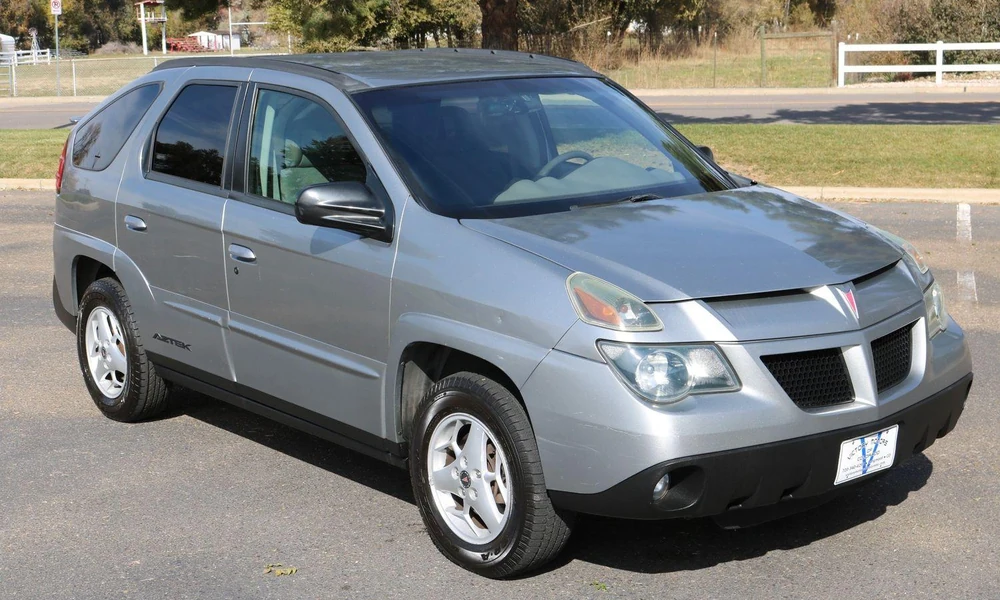
The Pontiac Aztek is among the most recognizable examples of controversial automotive styling.
Its unusual front fascia, multiple grille openings, angular body panels, and unconventional proportions made it difficult to categorize.
At a time when SUVs were becoming increasingly popular, Pontiac attempted to create something different.
The Aztek combined SUV-inspired styling with practical features, including a versatile cargo area and available camping accessories.
Despite those useful ideas, its exterior design received substantial criticism.
Why people called it ugly: Awkward proportions, layered front-end styling, and an unconventional combination of SUV and minivan design elements.
What made it interesting: Practical features and a distinctive identity that eventually gave it cult appeal.
2. Fiat Multipla (1998–2010)
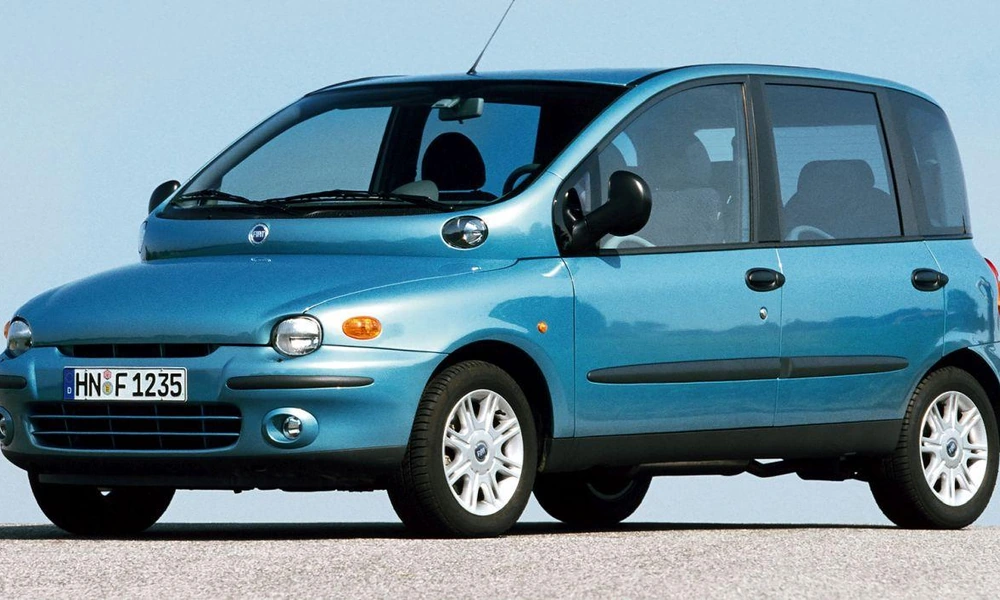
Few family cars have inspired as much discussion about appearance as the original Fiat Multipla.
The first-generation design featured a wide body, unusually positioned headlights, and a prominent horizontal section beneath the windshield.
Its exterior looked unlike almost anything else on the road.
Yet the Multipla offered an impressive interior layout, with six seats arranged in two rows of three.
The unusual width helped create practical passenger space without requiring a particularly long vehicle.
Why people called it ugly: Unusual front-end proportions and headlights positioned at different heights.
What made it interesting: A highly practical seating arrangement and innovative use of interior space.
3. Nissan Juke (2010–Present)
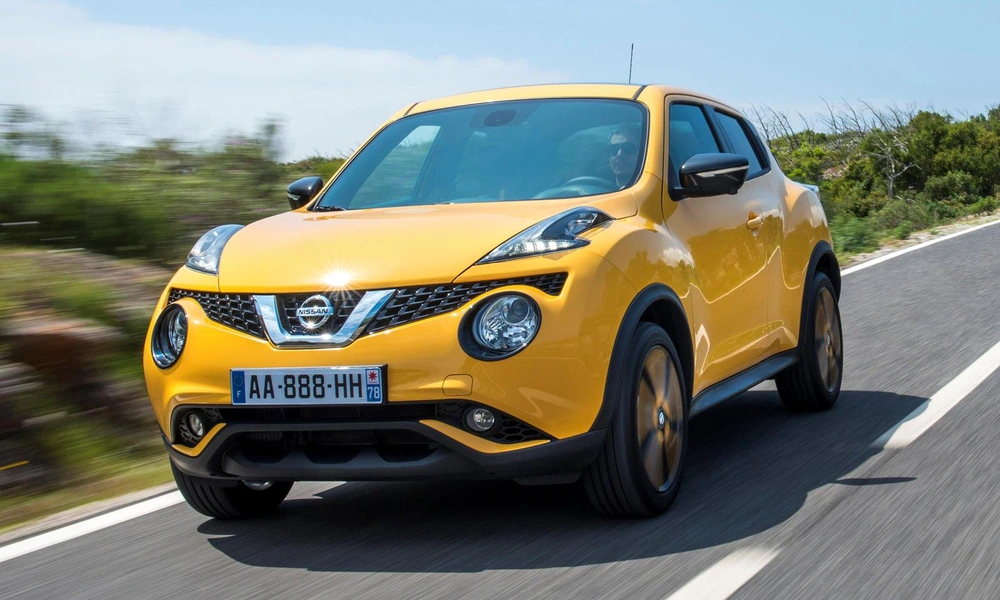
The Nissan Juke introduced a distinctive approach to compact crossover design.
Its rounded body, elevated headlights, and unconventional front lighting arrangement created an appearance that divided buyers.
The first generation was particularly recognizable because of its unusual combination of curves and aggressive styling.
Some drivers appreciated its individuality, while others found the design excessive.
Why people called it ugly: Bulging headlights, unusual front-end styling, and exaggerated curves.
What made it interesting: A compact crossover with a distinctive personality.
4. Chrysler PT Cruiser (2000–2010)
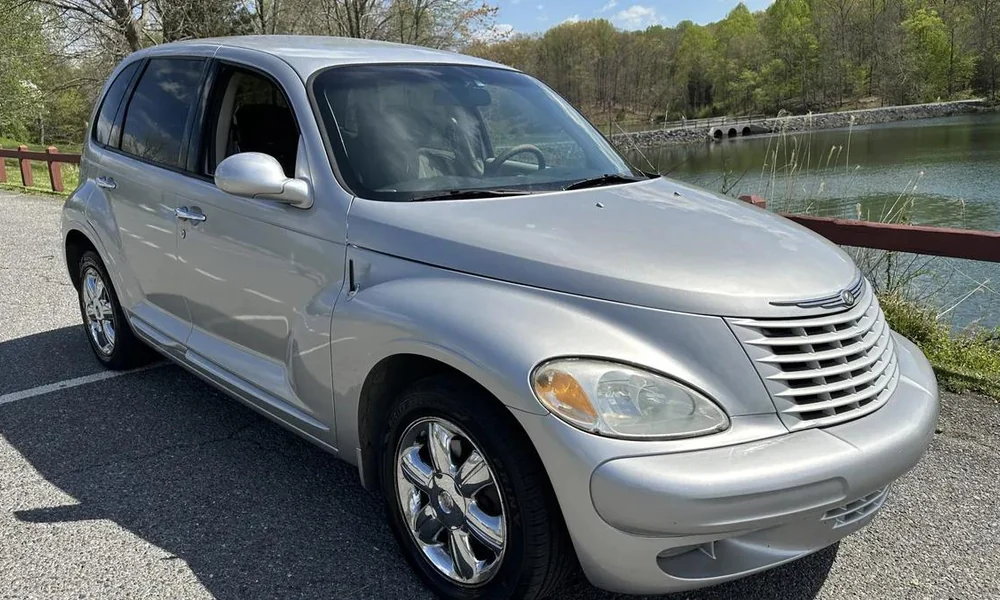
The Chrysler PT Cruiser attempted to combine modern compact-car practicality with retro American styling.
Its tall body, rounded fenders, and prominent grille drew inspiration from older automotive designs.
Initially, the PT Cruiser attracted considerable attention because it looked different from conventional compact cars.
Over time, its appearance became increasingly divisive.
Why people called it ugly: Bulky proportions, exaggerated retro styling, and an unusual silhouette.
What made it interesting: A distinctive design with flexible interior space.
5. SsangYong Rodius (2004–2013)
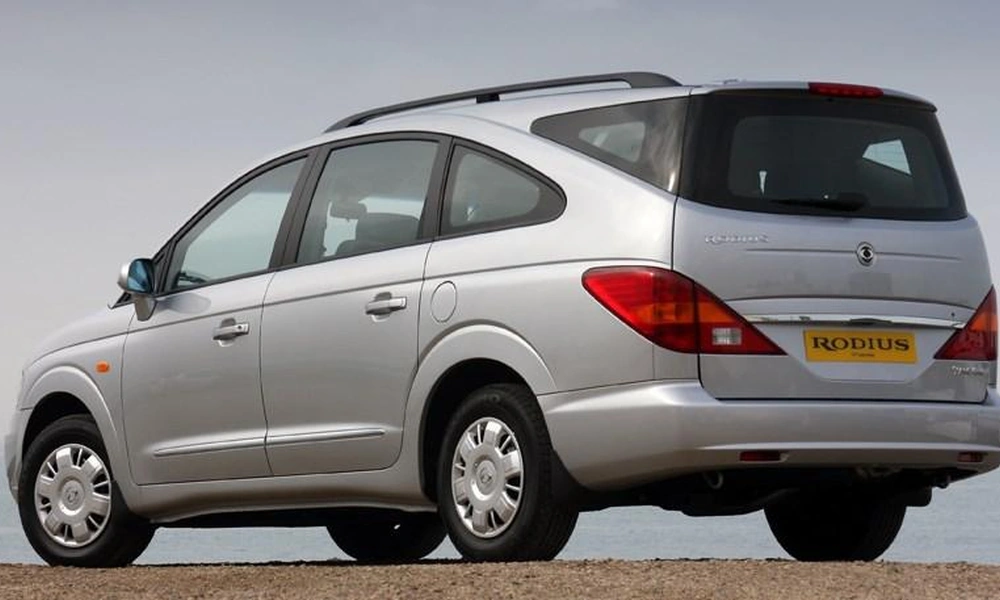
The original SsangYong Rodius was designed as a spacious family vehicle.
Its exterior combined a large minivan body with unusual rear-window shapes and unconventional roof proportions.
The result was a vehicle that prioritized passenger capacity but became widely criticized for its appearance.
Why people called it ugly: An awkward rear profile, oversized body, and mismatched styling elements.
What made it interesting: Generous passenger accommodation and practical family-oriented packaging.
6. AMC Pacer (1975–1980)
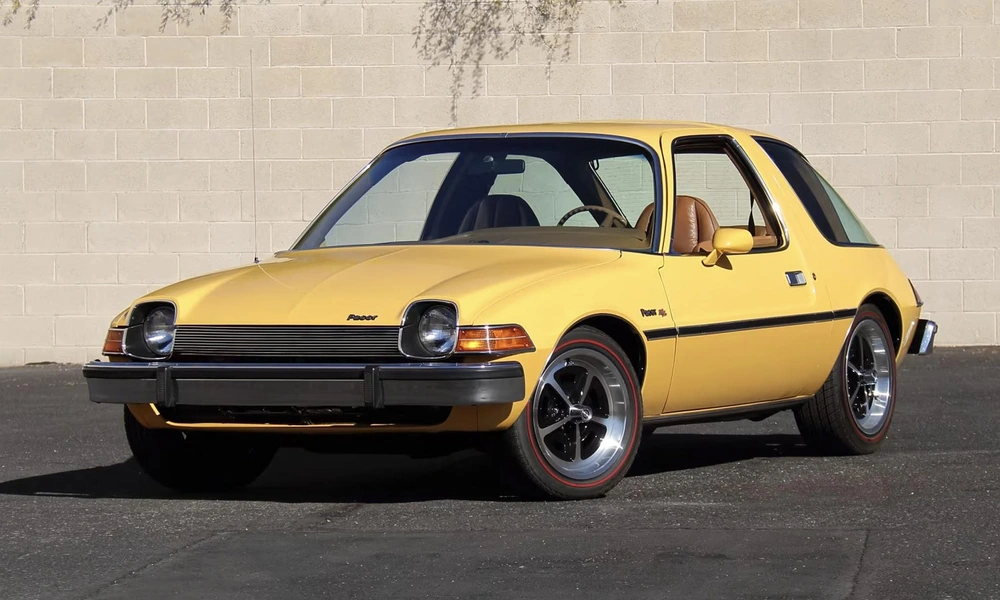
The AMC Pacer was an American compact car with a remarkably wide body and large glass windows.
Its rounded shape and unusual proportions earned it a reputation as one of the strangest cars of its era.
However, the Pacer’s design was intended to improve interior room and visibility.
Why people called it ugly: Bubble-like bodywork, unusual width, and distinctive window proportions.
What made it interesting: Spacious packaging and excellent outward visibility.
7. Nissan Cube (1998–2019)
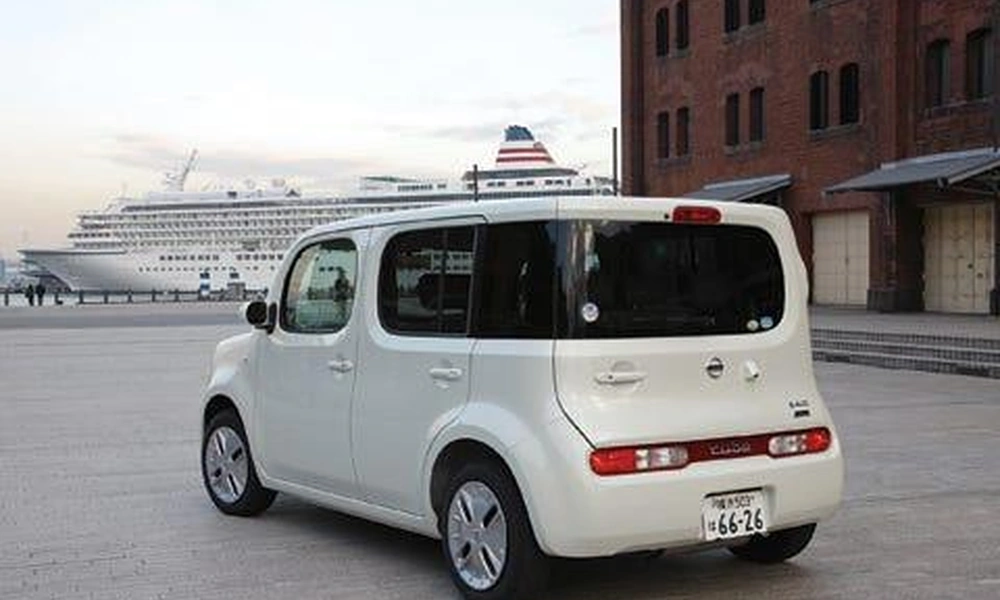
The Nissan Cube embraced asymmetry and box-shaped styling.
Its tall roof, upright sides, and distinctive rear-window design made it instantly recognizable.
The Cube was particularly popular among drivers who appreciated unconventional urban vehicles.
Why people called it ugly: Extremely boxy proportions and asymmetrical rear styling.
What made it interesting: Practical interior space and an unusually playful design.
8. Subaru B9 Tribeca (2005–2007)
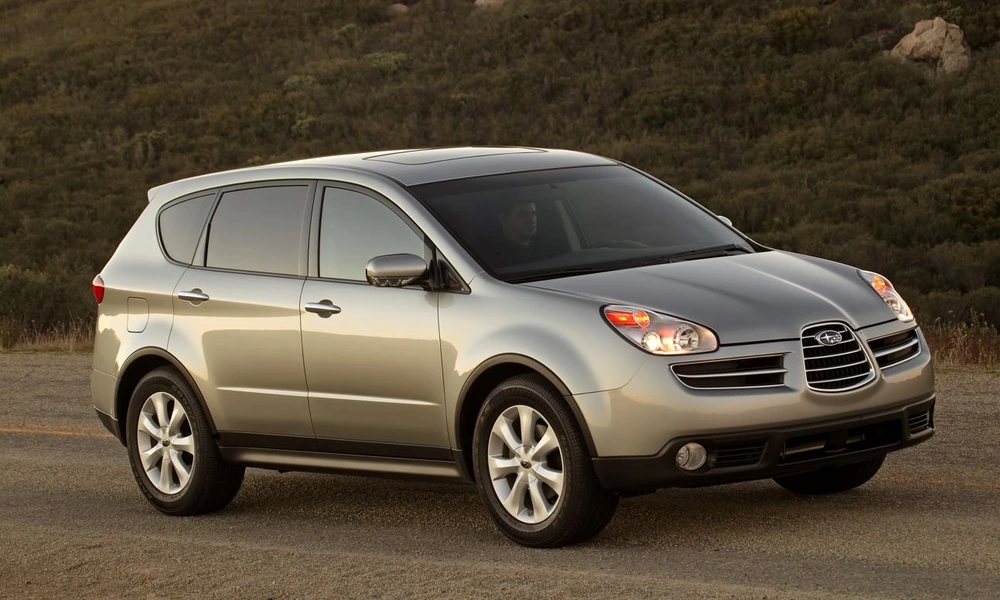
The original Subaru B9 Tribeca featured a front grille inspired by the company’s aviation heritage.
Its unusual central grille and surrounding shapes gave the SUV a distinctive appearance.
However, the design proved controversial, and Subaru later introduced a more conventional front-end appearance.
Why people called it ugly: An unconventional grille and awkward front fascia.
What made it interesting: A family SUV with Subaru’s all-wheel-drive engineering.
9. BMW 7 Series E65 (2001–2008)
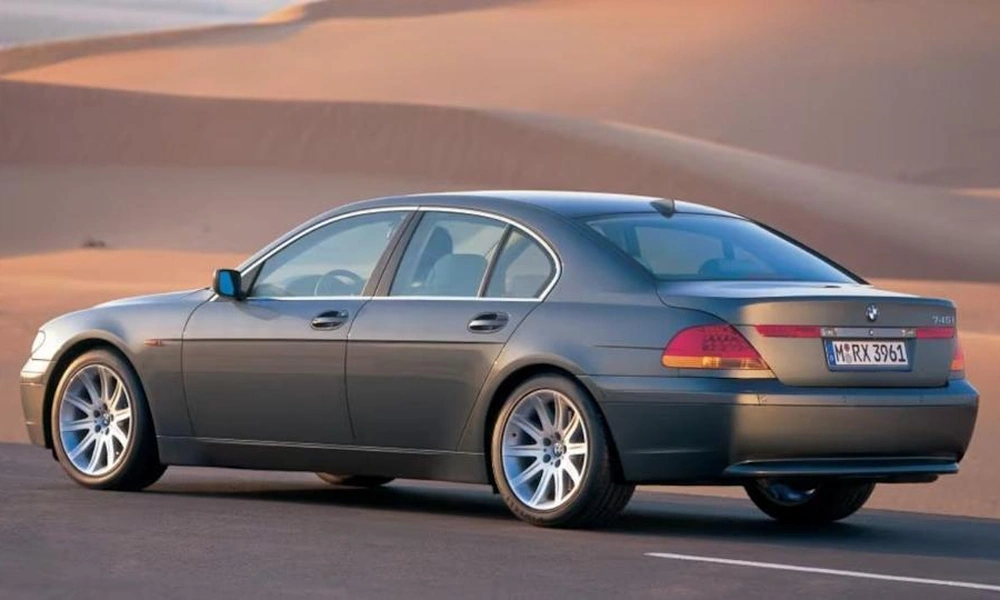
The fourth-generation BMW 7 Series represented a dramatic styling change for the brand.
Its rear design, particularly the raised trunk section, attracted considerable attention.
Some critics felt that its proportions departed too sharply from BMW’s traditional design language.
Others appreciated the willingness to experiment.
Why people called it ugly: Controversial rear styling and unconventional proportions.
What made it interesting: Advanced technology and a significant departure from traditional luxury-sedan design.
10. Chevrolet SSR (2003–2006)
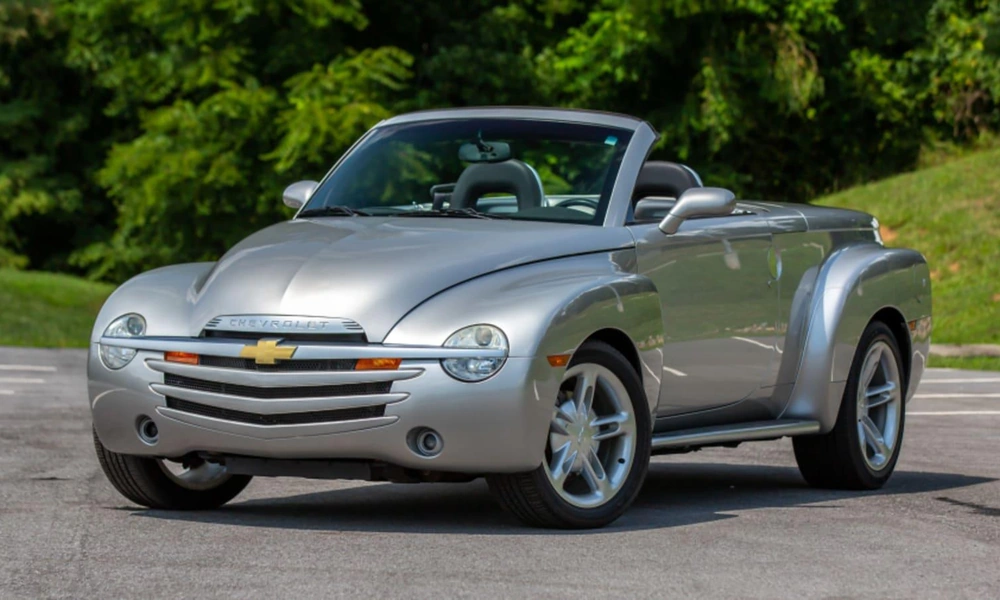
The Chevrolet SSR combined elements of a pickup truck, convertible, and retro sports car.
Its rounded fenders, retractable hardtop, and unusual proportions made it difficult to compare with conventional vehicles.
The SSR remains a memorable example of automotive experimentation.
Why people called it ugly: Oversized retro styling and an unusual combination of body styles.
What made it interesting: A retractable-roof pickup with a distinctive personality.
11. Toyota Prius (Third Generation, 2009–2015)
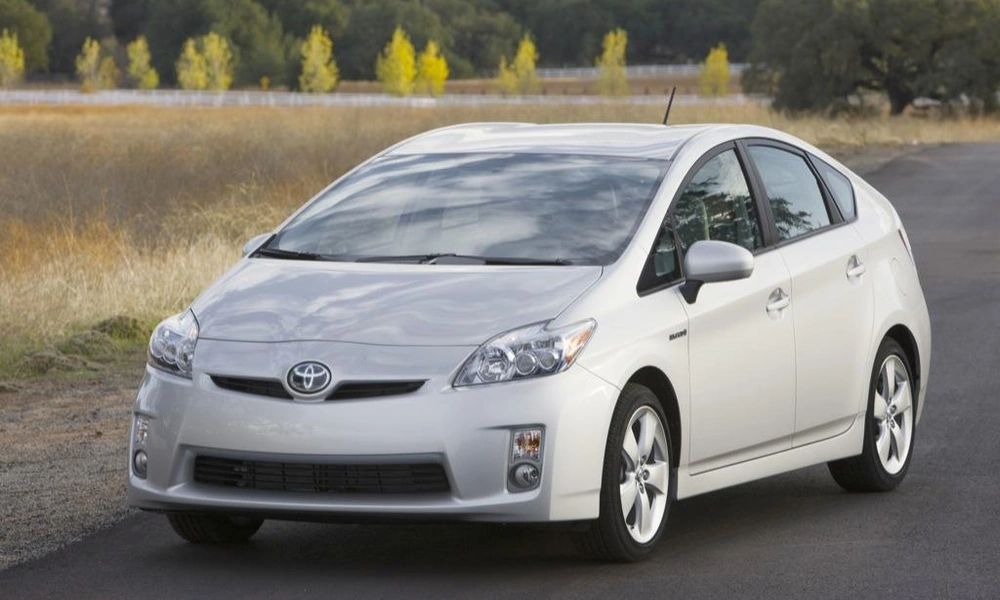
The third-generation Toyota Prius used a distinctive aerodynamic shape designed to improve efficiency.
Its sloping roofline and unusual rear profile emphasized practicality over traditional styling.
Although many drivers appreciated its efficiency, others considered its design awkward.
Why people called it ugly: Unconventional proportions and a sharply sloping roofline.
What made it interesting: A highly recognizable hybrid design focused on fuel efficiency.
12. Renault Avantime (2001–2003)
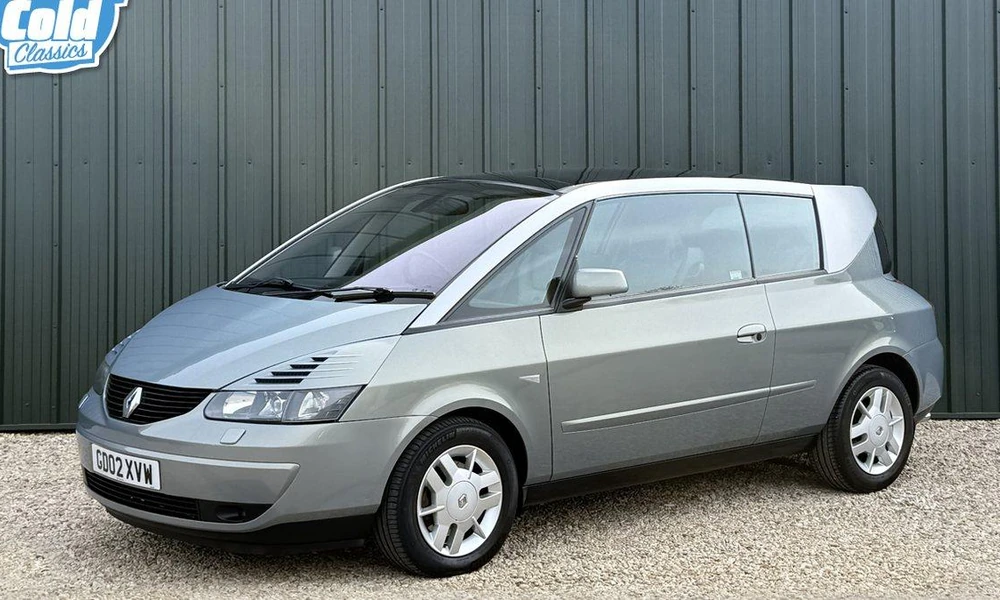
The Renault Avantime was an unusual vehicle that combined elements of a coupe, luxury car, and people carrier.
Its tall body, large windows, and two-door layout challenged traditional automotive categories.
Commercially, it struggled to attract enough buyers, but its design remains memorable.
Why people called it ugly: Unusual height, oversized doors, and unconventional proportions.
What made it interesting: A bold attempt to create an entirely different type of luxury vehicle.
13. Aston Martin Lagonda (1976–1990)
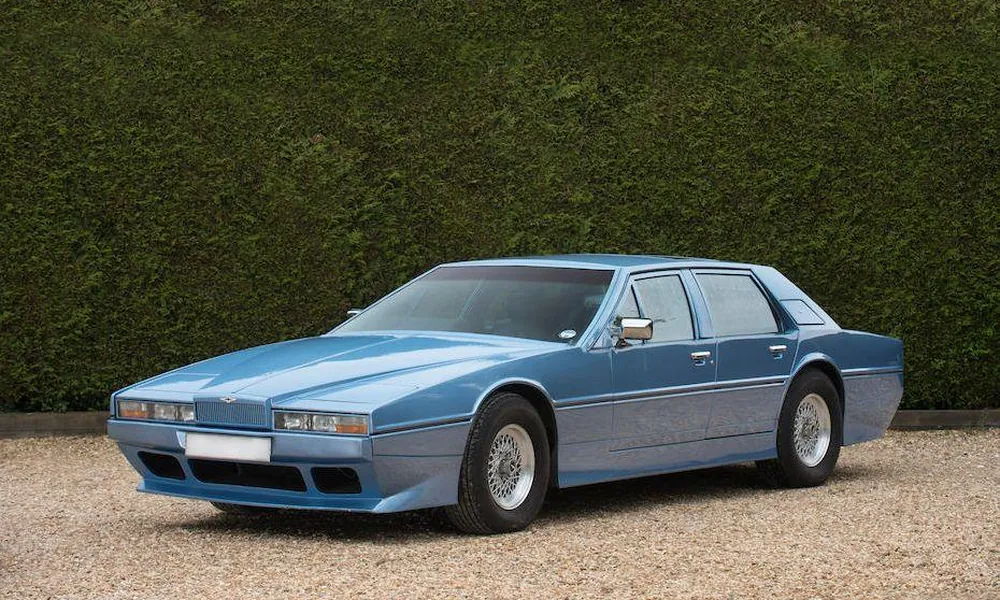
The Aston Martin Lagonda introduced dramatic wedge-shaped styling to the luxury-sedan market.
Its long, low body and sharply angled panels looked futuristic compared with conventional executive cars.
The Lagonda’s appearance remains divisive.
Why people called it ugly: Extremely angular bodywork and unconventional proportions.
What made it interesting: Futuristic design and ambitious electronic technology for its era.
14. Suzuki X-90 (1995–1997)

The Suzuki X-90 was a compact two-seat vehicle that combined SUV-inspired features with a coupe-like body.
Its short wheelbase, rounded styling, and unusual proportions made it difficult to classify.
The X-90 remains one of Suzuki’s more unconventional models.
Why people called it ugly: A strange mixture of coupe, SUV, and small-car styling.
What made it interesting: Compact dimensions, removable roof panels, and available four-wheel drive.
15. Citroën Ami (2020–Present)
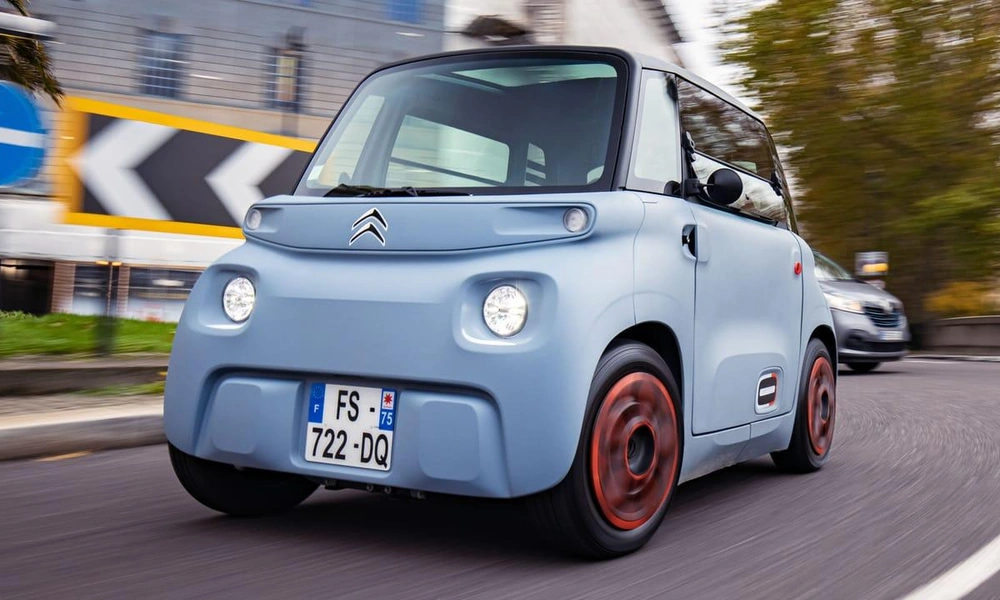
The modern Citroën Ami is a tiny electric urban mobility vehicle.
Its extremely compact body and nearly symmetrical front and rear design create an unusual appearance.
The Ami is classified differently from conventional passenger cars in certain markets, but it frequently appears in discussions about unusual automotive styling.
Why people called it ugly: Minimalist bodywork, tiny wheels, and unconventional proportions.
What made it interesting: A simple electric mobility solution designed for short urban journeys.
16. Ford Scorpio (Second Generation, 1994–1998)
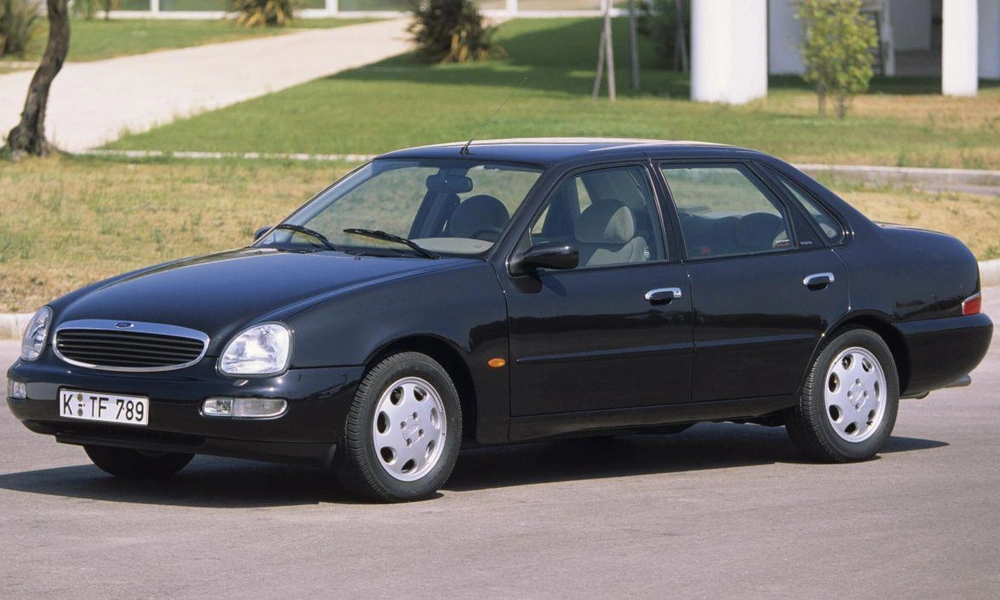
The second-generation Ford Scorpio featured a dramatically rounded front end and distinctive headlights.
Its appearance represented a major departure from the more conventional styling of its predecessor.
The design attracted criticism, particularly in European markets.
Why people called it ugly: Bulging headlights and unusual front-end proportions.
What made it interesting: A spacious executive car with a distinctive design.
17. Nissan Murano CrossCabriolet (2011–2014)

The Nissan Murano CrossCabriolet attempted to combine an SUV with a convertible roof.
Its tall body, two-door configuration, and soft-top design created an unusual silhouette.
Although it offered a distinctive open-air experience, its appearance divided automotive enthusiasts.
Why people called it ugly: Awkward convertible proportions and an unusually tall body.
What made it interesting: A rare combination of crossover practicality and convertible driving.
18. BMW i3 (2013–2022)
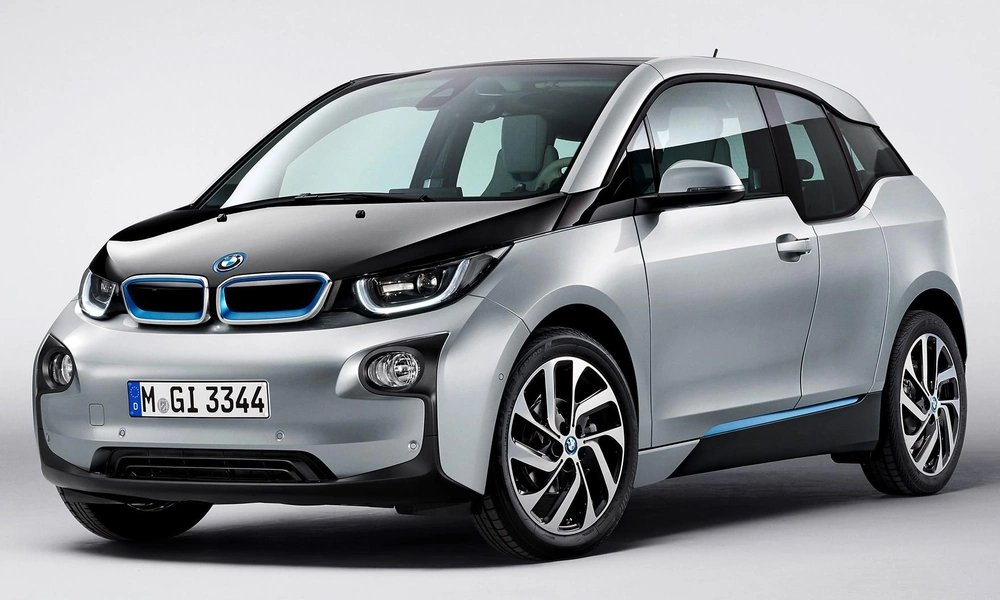
The BMW i3 was developed as a compact electric vehicle with an unconventional design.
Its tall body, contrasting exterior panels, and distinctive rear-door arrangement made it stand out.
Some drivers appreciated its futuristic appearance, while others considered it too unusual.
Why people called it ugly: Unconventional proportions and contrasting body panels.
What made it interesting: Lightweight construction, electric propulsion, and innovative interior materials.
19. Tesla Cybertruck (2023–Present)
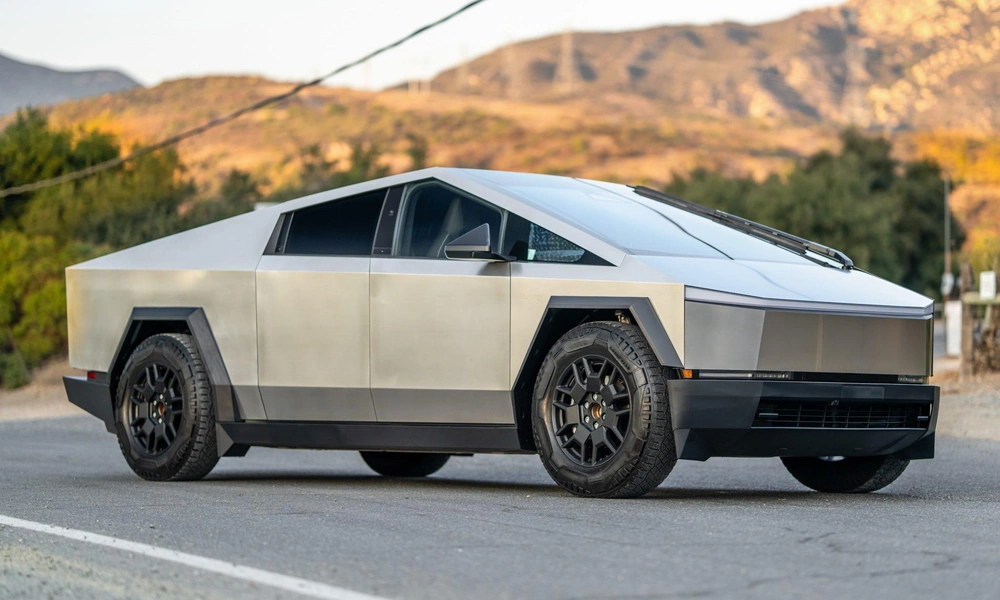
The Tesla Cybertruck introduced one of the most controversial vehicle designs of the modern era.
Its sharply angled body, stainless-steel exterior, and geometric silhouette differ dramatically from traditional pickup trucks.
Supporters appreciate its futuristic appearance, while critics question its styling and proportions.
Why people called it ugly: Extreme angularity, unconventional body shape, and minimalist exterior.
What made it interesting: An attempt to rethink pickup-truck styling and construction.
20. Toyota WiLL Vi (2000–2001)
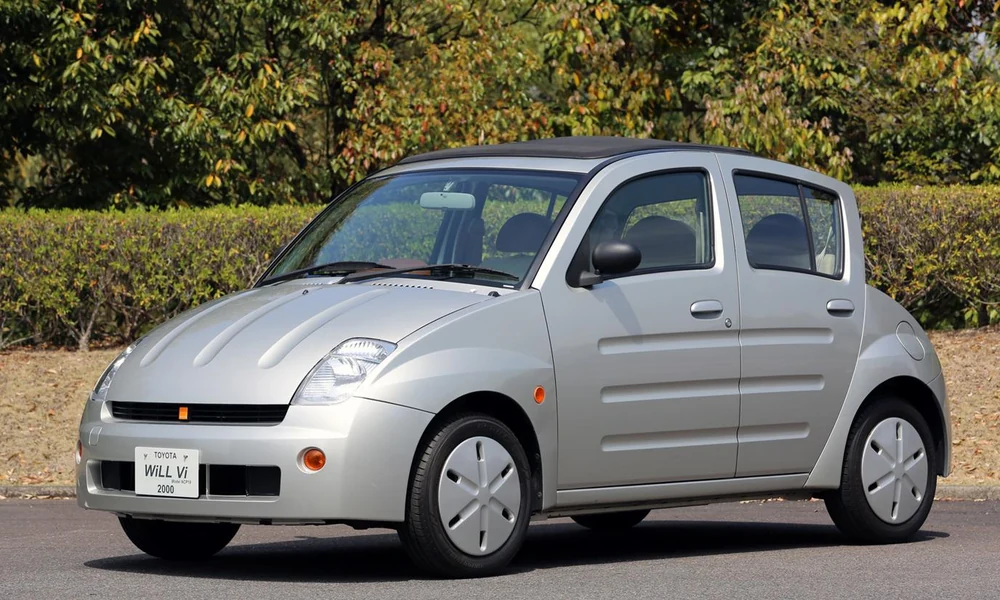
The Toyota WiLL Vi was a compact Japanese-market vehicle with distinctive retro-inspired styling.
Its curved rear window, unusual body proportions, and unconventional appearance made it stand out.
Although it was produced for a relatively short period, the WiLL Vi remains a memorable example of experimental Japanese automotive design.
Why people called it ugly: An unusual rear-window shape and exaggerated retro proportions.
What made it interesting: Creative styling and an attempt to appeal to younger, design-conscious buyers.
Quick Comparison of 20 Ugly Cars
| Car | Most Distinctive Design Feature |
| Pontiac Aztek | Layered front-end styling |
| Fiat Multipla | Unusual headlights and wide body |
| Nissan Juke | Bulging headlights |
| Chrysler PT Cruiser | Exaggerated retro design |
| SsangYong Rodius | Awkward rear proportions |
| AMC Pacer | Rounded glass-heavy body |
| Nissan Cube | Asymmetrical box design |
| Subaru B9 Tribeca | Unconventional grille |
| BMW 7 Series E65 | Controversial trunk styling |
| Chevrolet SSR | Retro convertible pickup design |
| Toyota Prius | Aerodynamic wedge-like profile |
| Renault Avantime | Tall two-door luxury body |
| Aston Martin Lagonda | Extreme angular styling |
| Suzuki X-90 | Coupe-SUV combination |
| Citroën Ami | Tiny symmetrical body |
| Ford Scorpio | Rounded front fascia |
| Nissan Murano CrossCabriolet | Convertible crossover shape |
| BMW i3 | Futuristic compact proportions |
| Tesla Cybertruck | Angular stainless-steel body |
| Toyota WiLL Vi | Distinctive retro rear window |
Why Do Car Manufacturers Create Ugly Cars?
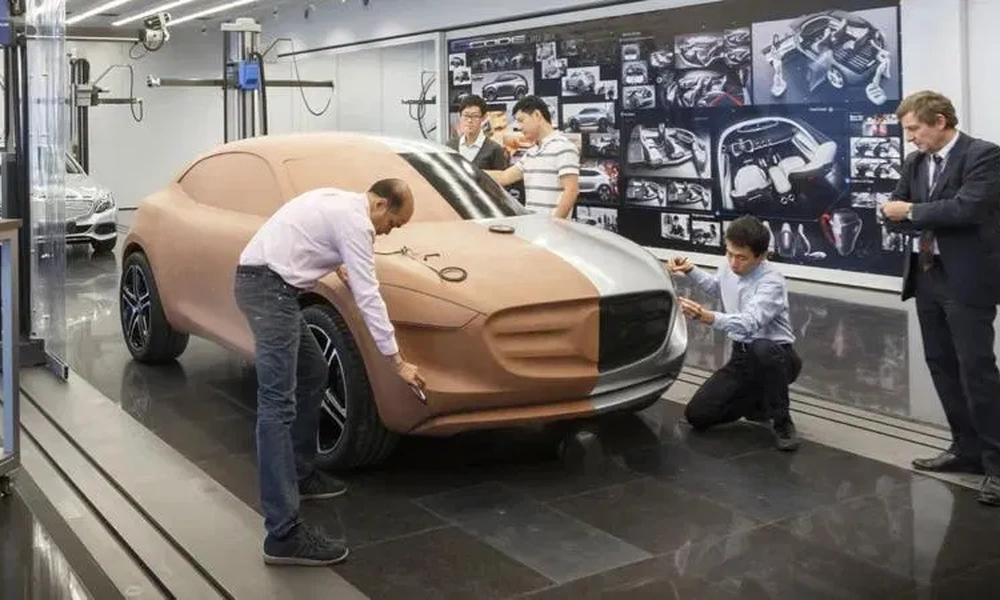
Not every unusual vehicle is the result of poor design.
Sometimes manufacturers deliberately challenge established styling conventions.
Function Comes Before Appearance
Vehicles designed for maximum interior space, aerodynamics, or unusual practical requirements may develop unconventional proportions.
The Fiat Multipla is a good example. Its unusual exterior helped accommodate a practical six-seat layout.
Designers Experiment With New Ideas
Automotive manufacturers occasionally introduce vehicles intended to establish new design trends.
These experiments do not always receive positive reactions, but they can influence future models.
Different Markets Have Different Preferences
A vehicle considered unattractive in one country may appeal to buyers elsewhere.
Cultural preferences, driving conditions, and local automotive trends can influence design choices.
Technology Changes Vehicle Shapes
Electric powertrains, battery placement, aerodynamics, and new manufacturing techniques create opportunities for different vehicle proportions.
Some modern electric vehicles look unusual because their designers are moving away from traditional combustion-engine layouts.
Can Ugly Cars Become Collectible?
Yes. Unconventional vehicles sometimes develop collector interest after production ends.
A car that initially struggled commercially may become desirable because of its rarity, historical importance, or distinctive personality.
However, unusual styling alone does not guarantee increasing value.
Collector demand depends on factors such as:
- Production numbers.
- Historical significance.
- Vehicle condition.
- Originality.
- Parts availability.
- Enthusiast interest.
- Market demand.
The AMC Pacer, Renault Avantime, and certain unusual Japanese-market vehicles demonstrate how distinctive designs can attract dedicated enthusiasts.
Are Ugly Cars Actually Bad Cars?
No. Appearance and mechanical quality are separate considerations.
A vehicle may have controversial styling while offering excellent practicality, comfort, efficiency, or innovative features.
Likewise, an attractive car can suffer from reliability problems or expensive maintenance.
When evaluating a vehicle, consider its mechanical condition, safety equipment, reliability history, operating costs, and suitability for your needs.
Frequently Asked Questions About Ugly Cars
What is considered the ugliest car ever made?
There is no objective winner, but the Pontiac Aztek, Fiat Multipla, and SsangYong Rodius are frequently mentioned in discussions about controversial automotive design.
Why is the Pontiac Aztek considered ugly?
Its unusual proportions, layered front fascia, and unconventional body styling attracted criticism when it was introduced.
Are ugly cars cheaper to buy?
Sometimes. Unpopular styling can affect used-car demand, but pricing also depends on reliability, rarity, mileage, condition, and market trends.
Can an ugly car become valuable?
Yes. Some unusual vehicles develop collector followings, although future appreciation is never guaranteed.
What is the weirdest-looking modern car?
The Tesla Cybertruck, Citroën Ami, and Nissan Juke are examples of modern vehicles known for unconventional styling.
Why do people like ugly cars?
Some drivers appreciate originality, unusual proportions, nostalgic styling, or vehicles that stand apart from mainstream designs.
Are unusual car designs more practical?
Not necessarily. Some unconventional shapes improve interior space or efficiency, while others prioritize visual experimentation.
Final Verdict
Ugly cars remind us that automotive design is rarely boring.
The Pontiac Aztek, Fiat Multipla, Nissan Cube, and Tesla Cybertruck may look completely different, but they share one important quality: people remember them.
Some were designed around practical ideas, while others attempted to introduce entirely new styling directions.
Ultimately, beauty remains subjective. A car that looks strange today may become a celebrated design classic tomorrow.
Disclaimer: This article is provided for general informational and educational purposes only and does not promote or endorse any product, service, brand, or individual. Details may change, and no guarantee is made regarding completeness or accuracy.