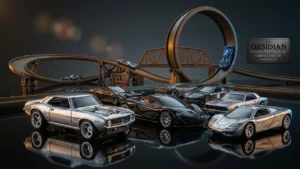
Hot Wheels cars are miniature die-cast vehicles known for their detailed designs, colorful finishes, racing themes, and track-based play. Introduced by Mattel in 1968, the brand has grown from a line of toy cars into a global collecting hobby enjoyed by children and adults.
The appeal goes beyond playing with small cars. Collectors search for vintage releases, limited editions, unusual paint colors, special packaging, and models connected to real-world automotive brands. Others enjoy building elaborate tracks, racing vehicles, or displaying collections inspired by sports cars, muscle cars, and classic automobiles.
Whether you are buying your first Hot Wheels car or expanding an established collection, understanding the different series, model variations, and factors affecting value can make the hobby more rewarding.
What Are Hot Wheels Cars?
Hot Wheels is a toy vehicle brand created by Mattel. Its cars are commonly made with die-cast metal bodies and plastic components, although materials and construction vary by model.
The original range featured distinctive styling and wheels designed for fast movement on compatible tracks. Over time, the lineup expanded to include miniature versions of real vehicles, fantasy designs, racing vehicles, motorcycles, trucks, and themed collections.
Hot Wheels cars are available individually and in multipacks. Some are designed primarily for play, while others appeal to collectors because of their detailing, rarity, or connection to automotive history.
Popular Types of Hot Wheels Cars
Mainline Hot Wheels Cars
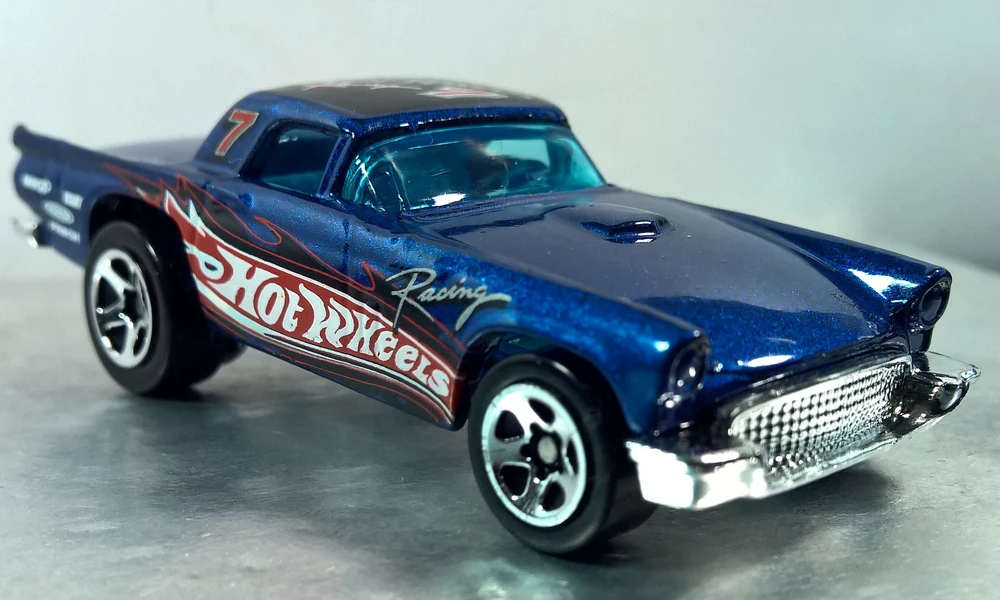
Mainline cars are the standard releases found in many toy stores and retail outlets. They include a broad selection of fantasy vehicles and miniature interpretations of real automobiles.
These models are often affordable and accessible, making them a natural starting point for new collectors.
Mainline releases change regularly, so collectors may search for specific castings, paint variations, wheel designs, or release years.
Hot Wheels Treasure Hunts
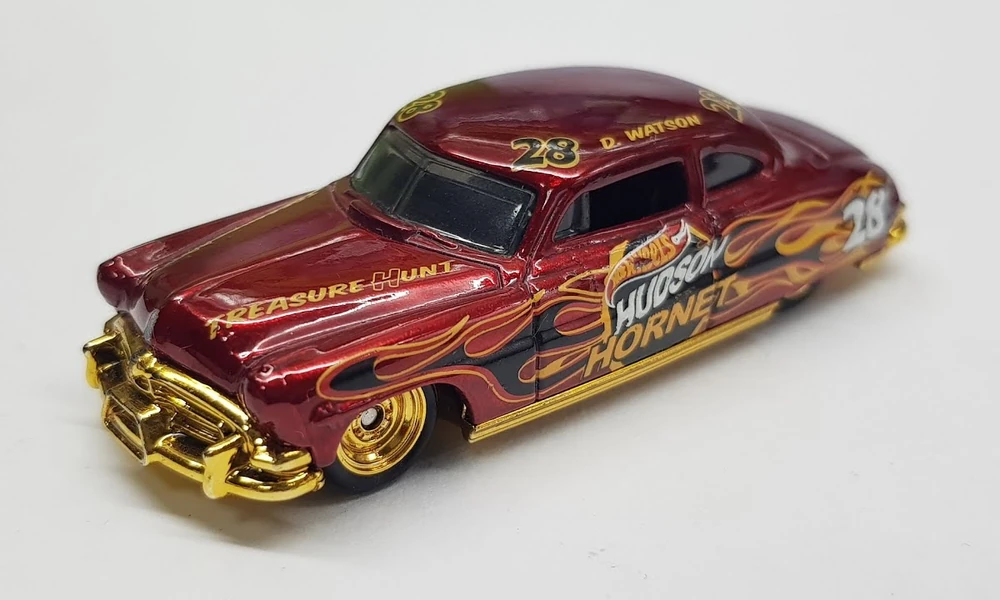
Treasure Hunt releases are special variations within the Hot Wheels lineup. Their availability and identifying details depend on the release.
Collectors often look for the distinctive graphics or symbols associated with these editions. Some Treasure Hunt cars are more desirable than others, but a special designation does not automatically make a model extremely valuable.
Hot Wheels Super Treasure Hunts
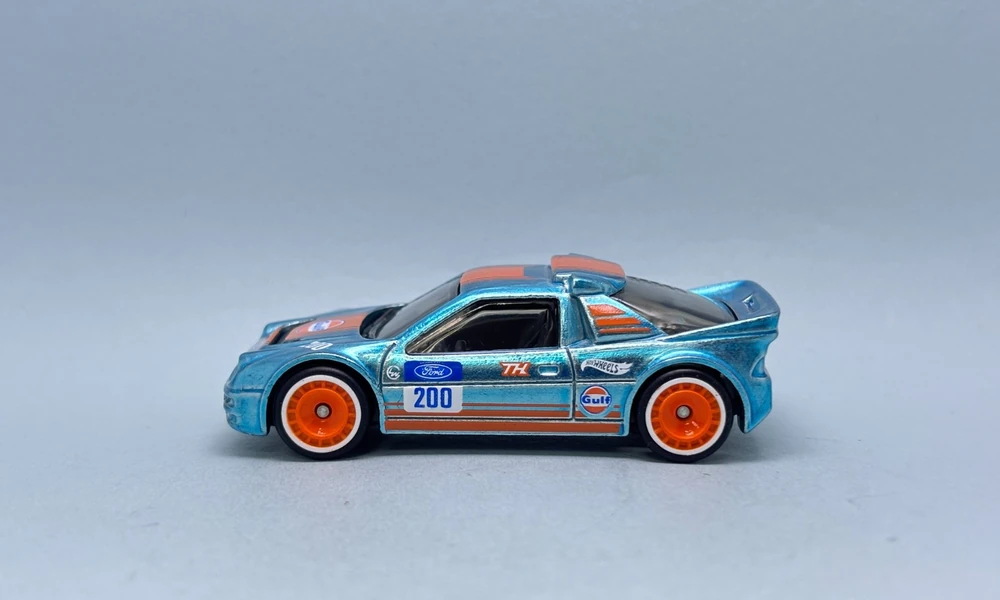
Super Treasure Hunts are particularly sought-after versions of selected mainline cars. They commonly feature premium-looking Spectraflame-style paint, Real Riders rubber tires, and identifying details associated with the series.
These models can be harder to find in stores than ordinary releases. Their resale value depends on demand, condition, rarity, and the specific casting.
Premium Hot Wheels Cars
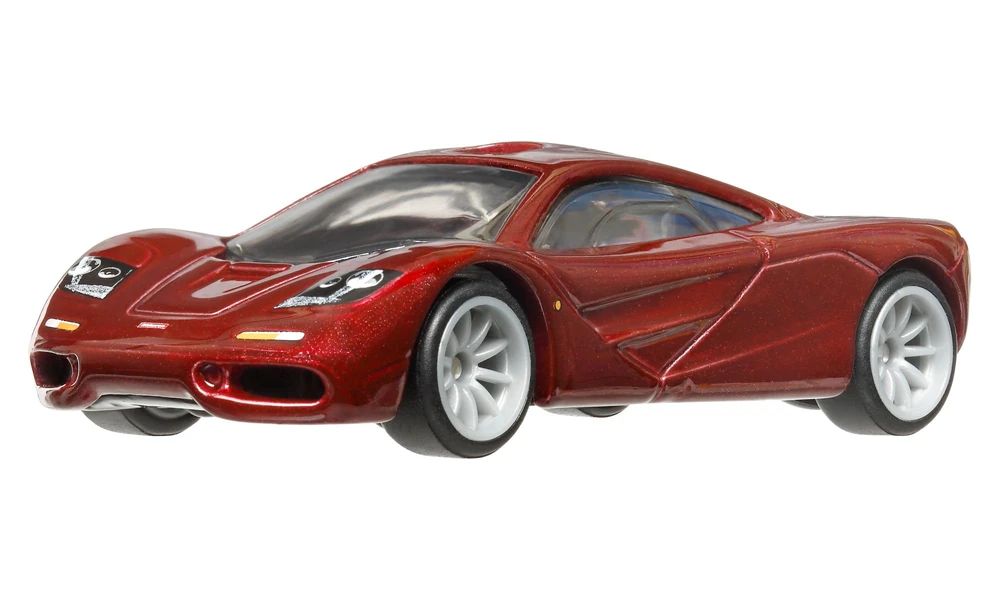
Premium Hot Wheels models generally emphasize additional detailing and collectible presentation. Depending on the series, they may feature metal bodies and bases, rubber tires, and more elaborate finishes.
Premium releases often focus on recognizable vehicle brands, motorsport, movie themes, or automotive culture.
They can appeal to collectors who prefer display-quality models over inexpensive everyday toys.
Vintage Hot Wheels Cars
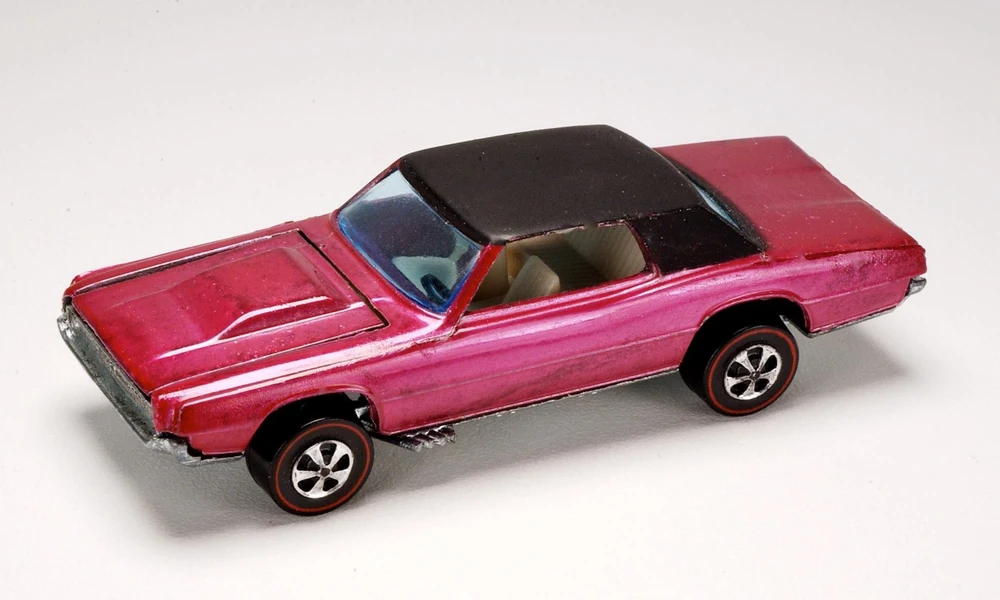
Vintage Hot Wheels cars include early releases and older models from previous decades.
Original Redline-era vehicles, introduced during the brand’s early years, are especially interesting to many collectors. Their value can depend on the casting, paint color, wheel type, production variation, and original packaging.
Older does not always mean more valuable. Condition, authenticity, and collector demand are equally important.
The Most Popular Hot Wheels Car Themes
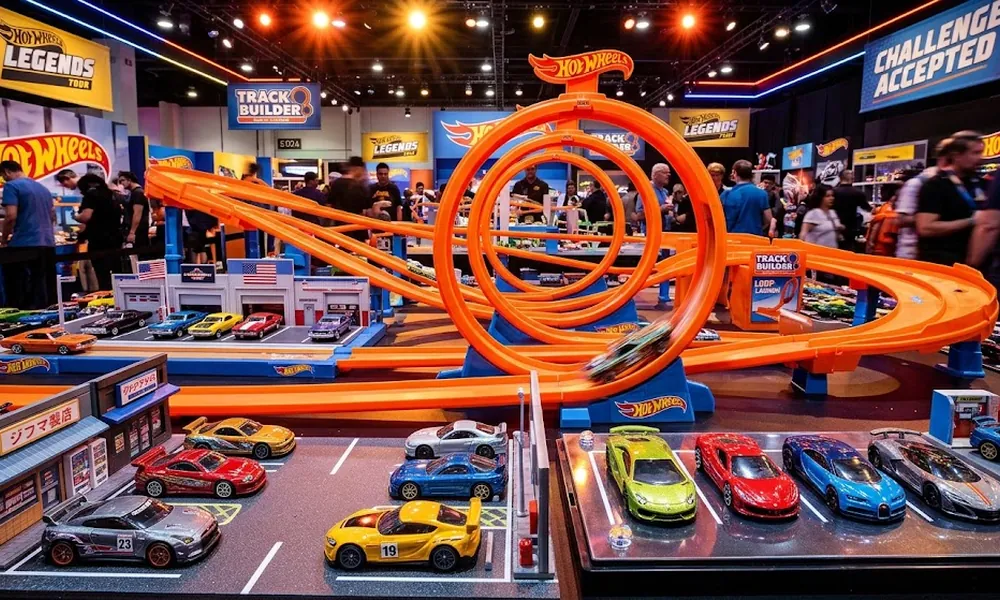
Hot Wheels produces vehicles inspired by several areas of automotive culture.
Sports Cars and Supercars
Miniature sports cars and supercars are popular because of their distinctive shapes and recognizable designs.
Collectors may seek models inspired by Ferrari, Lamborghini, Porsche, McLaren, and other performance-car manufacturers, subject to licensing and the availability of particular releases.
Muscle Cars
American muscle cars are another major collecting category. Models inspired by classic Ford Mustang, Chevrolet Camaro, Dodge Charger, and other powerful American cars appeal to enthusiasts who appreciate automotive history.
Different generations, paint schemes, and wheel designs can make variations of the same vehicle interesting to collectors.
JDM and Japanese Cars
Japanese domestic market-inspired models have a strong following among fans of tuning and motorsport culture.
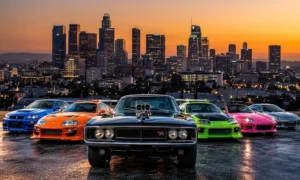
Hot Wheels releases may include vehicles inspired by manufacturers such as Nissan, Toyota, Honda, and Mazda. Models associated with drift culture and modified street cars can be particularly appealing to fans of Japanese automotive design.
Movie and Entertainment Cars
Hot Wheels has released vehicles connected to movies, television, games, and other entertainment properties.
These can include recognizable fictional cars and themed designs. Their popularity often depends on the source material, release availability, and interest among both toy collectors and entertainment fans.
Fantasy Cars
Fantasy vehicles are original designs created for the Hot Wheels range rather than direct miniature reproductions of real production cars.
They may feature exaggerated proportions, unusual bodies, oversized engines, and imaginative styling. These models are an important part of the brand’s identity and often work particularly well on racing tracks.
What Makes a Hot Wheels Car Valuable?
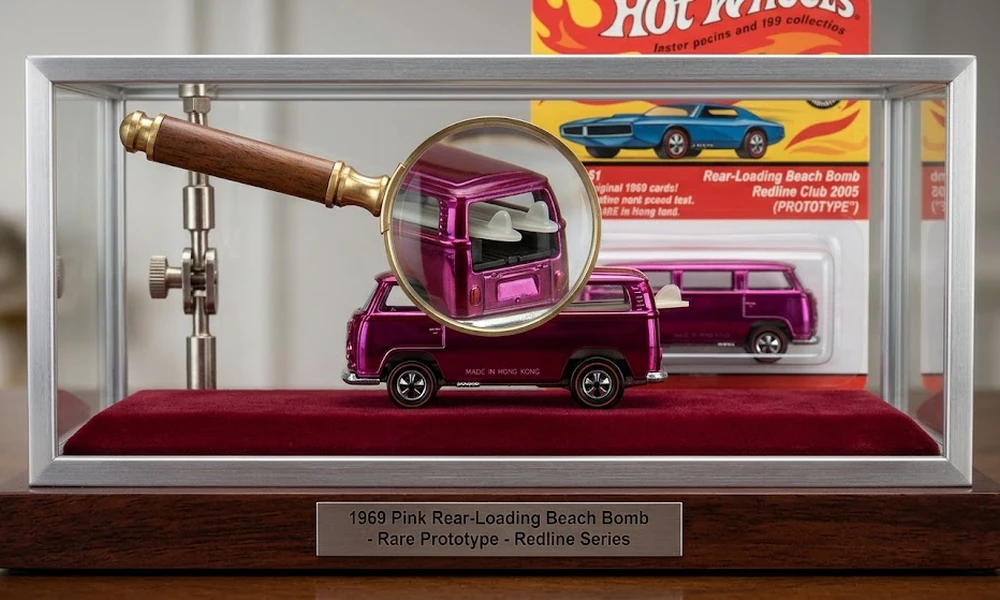
The value of a collectible Hot Wheels car depends on several factors rather than age alone.
Rarity: Models produced in limited quantities or difficult-to-find variations may attract greater interest.
Condition: Scratches, chipped paint, damaged wheels, and worn interiors can affect desirability.
Packaging: Original packaging can matter significantly for collectors, especially when it remains clean and undamaged.
Demand: Popular castings, recognizable vehicles, and sought-after series can command stronger prices.
Authenticity: Genuine production variations are generally more important than modifications or aftermarket changes presented as rare originals.
Production history: Certain early releases, unusual variations, and historically significant models may be particularly desirable.
A car’s potential resale price should be evaluated using recent completed sales for the same model and condition, not just asking prices in online listings.
How to Start a Hot Wheels Collection
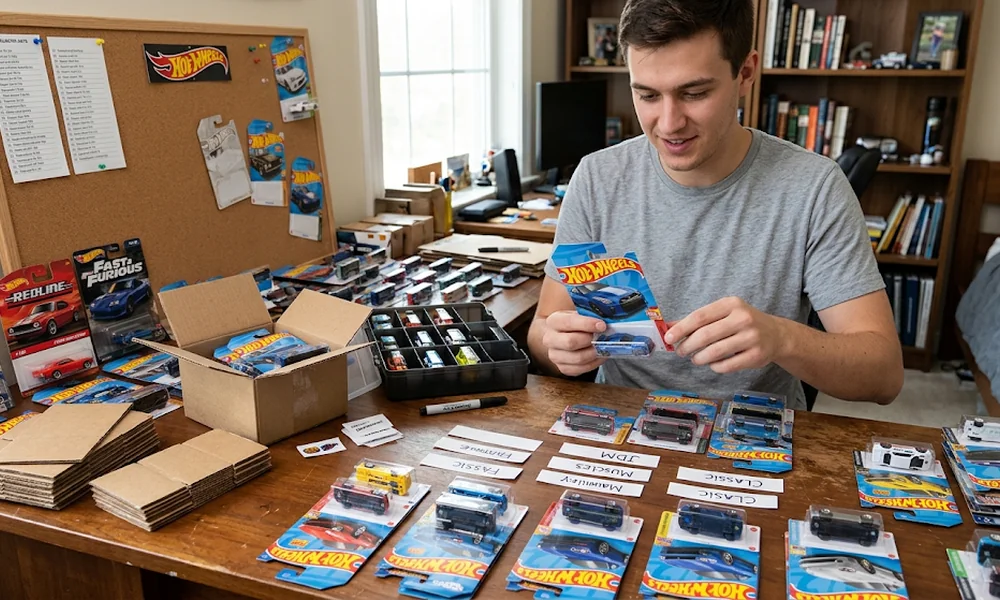
Starting a collection does not require a large budget. A clear collecting theme can help you avoid unnecessary purchases.
Choose a Collecting Theme
You could focus on:
- Classic American muscle cars.
- Supercars and exotic vehicles.
- Japanese performance cars.
- Vintage Redline-era models.
- Movie and entertainment vehicles.
- Treasure Hunt and Super Treasure Hunt releases.
- A favorite manufacturer or vehicle type.
A focused collection can be easier to organize and more personally meaningful than buying every car you encounter.
Set a Budget
Decide how much you want to spend on individual cars and the collection overall. Standard releases can be inexpensive, while rare or premium models may cost considerably more.
Be cautious about buying a car simply because a seller describes it as rare. Verify the exact casting, release, and condition before paying a premium.
Learn to Identify Models
Check the packaging, casting name, base markings, wheel design, paint, and release details. Small differences can distinguish ordinary versions from more collectible variations.
Collector communities and established reference guides can help you identify models and understand their production history.
Store Cars Properly
Keep valuable models away from excessive sunlight, moisture, dust, and extreme temperatures.
If you collect packaged cars, avoid bending the cards or damaging the plastic blisters. Loose cars can be stored in compartmentalized cases to reduce scratches and help keep the collection organized.
Hot Wheels Tracks and Racing Sets
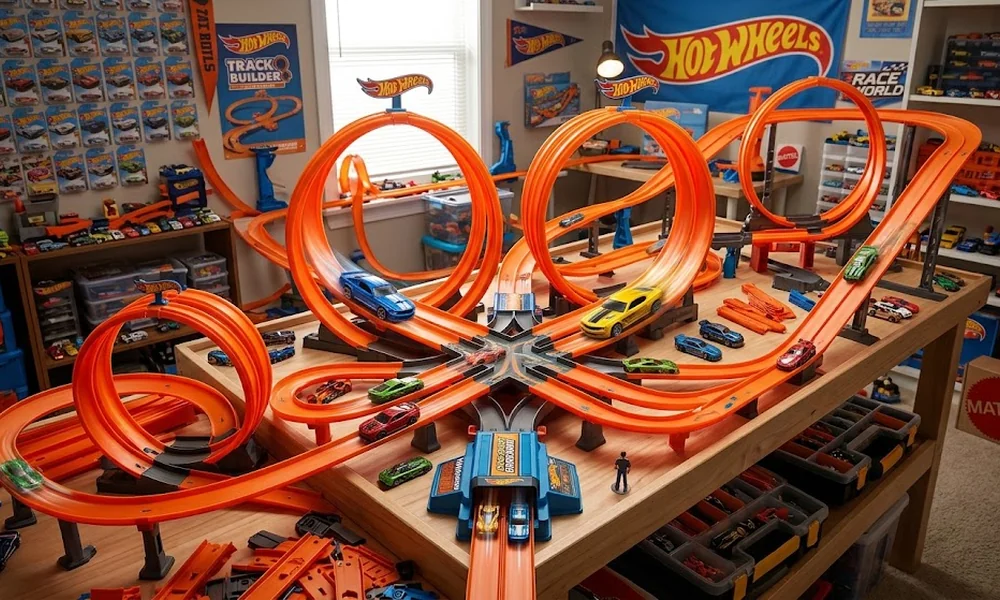
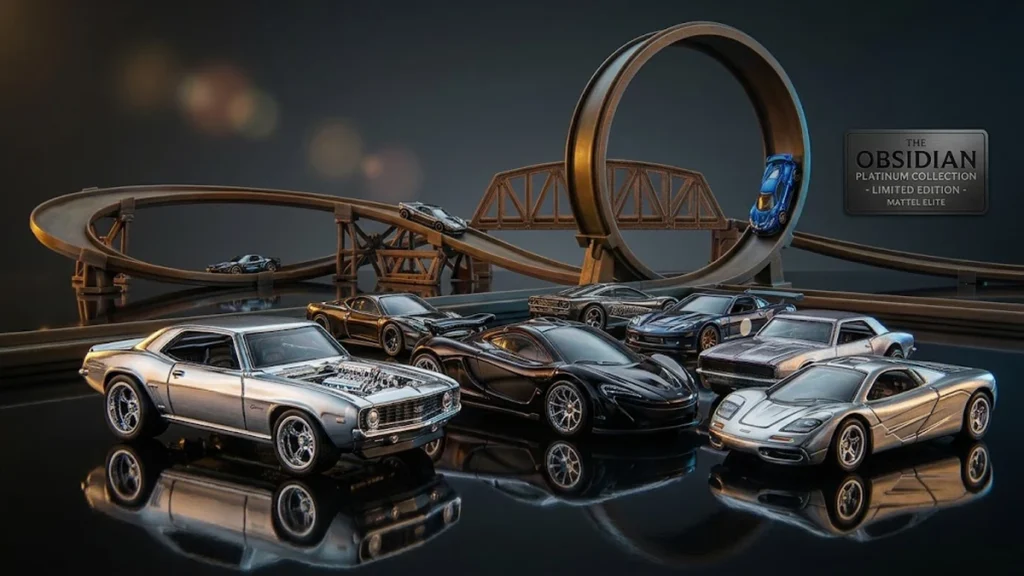
Hot Wheels track sets add an interactive element to the hobby. Sets may include loops, jumps, launchers, curves, and motorized components, depending on the design.
Before buying a track, consider the available space, age recommendations, assembly requirements, and compatibility with the cars you already own.
Not every vehicle performs equally well on every track. Wheel width, vehicle weight, body shape, and track design can affect how smoothly a car moves through loops and turns.
For younger children, follow the manufacturer’s age guidance and keep small parts away from children who may swallow them.
Hot Wheels Cars vs. Matchbox Cars
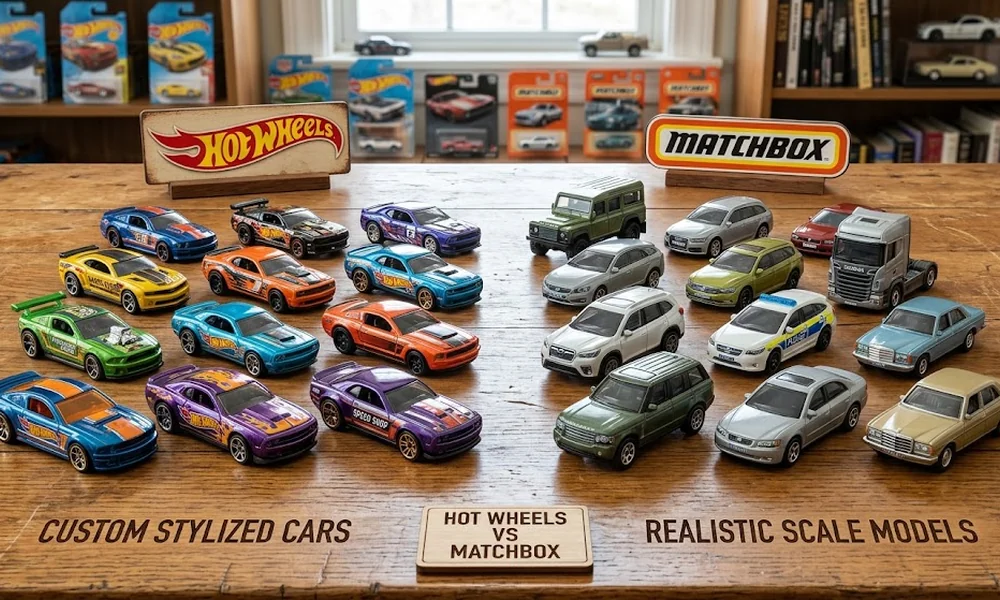
Hot Wheels and Matchbox are both well-known miniature vehicle brands owned by Mattel, but their ranges have different historical identities and design emphases.
| Feature | Hot Wheels | Matchbox |
| Historical identity | Known for racing-inspired styling and track play | Known for miniature vehicles with everyday and realistic themes |
| Design range | Real cars, fantasy designs, and performance-focused models | Realistic cars, emergency vehicles, trucks, and everyday vehicles |
| Track play | Extensive range of compatible racing tracks | Track compatibility depends on the particular product |
| Collecting | Vintage models, special editions, premium releases, and variations | Vintage models, realistic castings, and collectible variations |
Both brands offer models suitable for play and collecting. The better choice depends on the vehicle designs you enjoy and whether you prefer racing, realistic miniature vehicles, or display pieces.
Where to Buy Hot Wheels Cars
Hot Wheels cars can be found at toy stores, department stores, online retailers, collector events, and secondhand marketplaces.
For ordinary models, compare availability and multipack prices. For collectible releases, verify the casting, packaging, condition, and seller reputation.
When purchasing expensive vintage cars, look for clear photographs of the body, base, wheels, and packaging. Ask about restoration, repainting, replacement parts, and other modifications that could affect authenticity or value.
Frequently Asked Questions About Hot Wheels Cars
When were Hot Wheels cars first released?
Hot Wheels launched in 1968, when Mattel introduced its first range of miniature cars.
What is the rarest Hot Wheels car?
There is no single answer that covers every collecting category. Certain prototypes, early production variations, and limited releases are exceptionally scarce. Reported values depend on authenticity, condition, provenance, and actual sales.
Are Hot Wheels cars worth collecting?
They can be enjoyable to collect for their designs, automotive connections, nostalgia, and historical variations. Some models appreciate in value, but future returns are uncertain, and most cars should not be assumed to be investments.
What are Super Treasure Hunt Hot Wheels cars?
Super Treasure Hunts are special versions of selected Hot Wheels mainline vehicles, commonly recognized by premium-style paint, rubber tires, and series-specific identifying details.
How can I tell if a Hot Wheels car is valuable?
Identify the exact model and variation, examine its condition and packaging, and compare recent completed sales. Do not rely exclusively on a seller’s advertised price.
Can Hot Wheels cars be used on all tracks?
Compatibility depends on the track and vehicle design. Many standard Hot Wheels cars work with compatible Hot Wheels tracks, but some cars may not perform well on particular loops, curves, or launchers.
Final Verdict
Hot Wheels cars combine affordable toy collecting, automotive design, racing entertainment, and miniature vehicle history. Beginners can start with inexpensive mainline releases, while experienced collectors may pursue vintage Redline models, premium series, or special variations.
The most rewarding collection is one built around personal interests rather than hype. If you enjoy high-performance vehicles, exploring these supercars can also inspire your interest in miniature automotive collectibles. Learn to identify models, protect their condition, compare actual selling prices, and enjoy the hobby without assuming that every rare-looking car will increase in value.
Disclaimer: This article is provided for general informational and educational purposes only and does not promote or endorse any product, service, brand, or individual. Details may change, and no guarantee is made regarding completeness or accuracy.