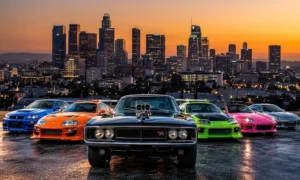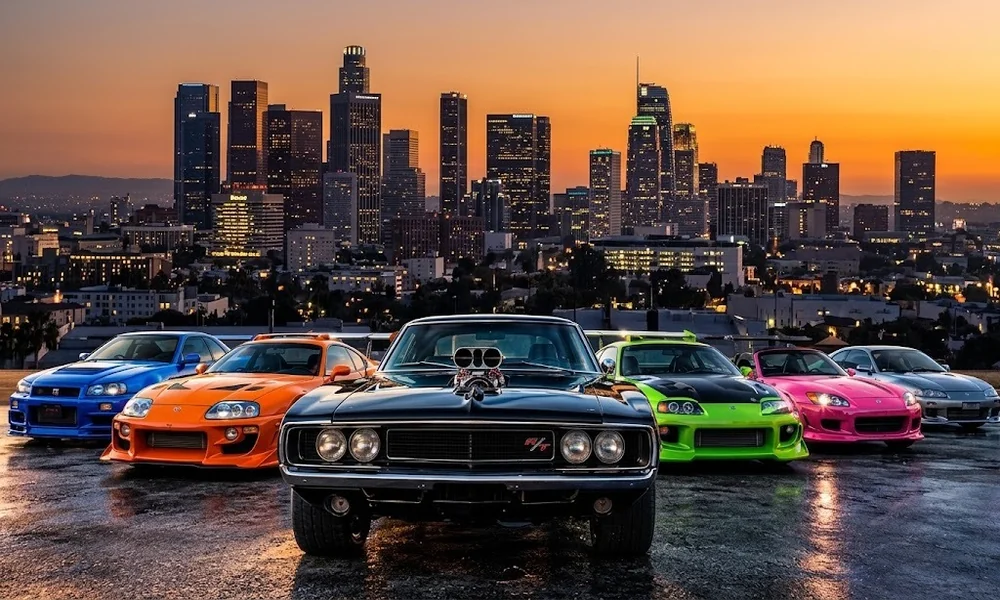
Fast and Furious cars are among the most recognizable vehicles in modern action cinema. From heavily modified Japanese sports cars to American muscle cars and exotic supercars, the franchise has made automotive culture a central part of its identity.
The films feature memorable builds associated with characters such as Dominic Toretto and Brian O’Conner. These cars are known for distinctive paint schemes, performance modifications, dramatic street-racing scenes, and high-speed action sequences.
Some vehicles became famous because of their appearances in the original films, while others helped expand the franchise into international racing, heists, and large-scale action adventures.
The Most Iconic Fast and Furious Cars
These are some of the most recognizable examples.
1. 1970 Dodge Charger R/T Dom Toretto
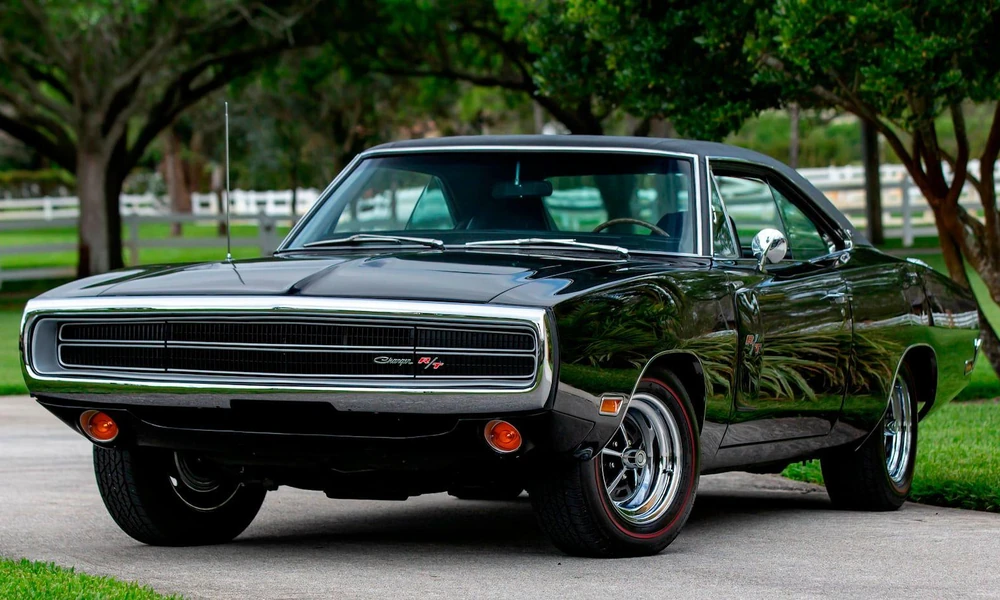
The black 1970 Dodge Charger R/T is one of the defining cars of the Fast and Furious franchise. Associated with Dominic Toretto, the car represents American muscle, raw power, and Dom’s connection to his family.
Its aggressive styling, large engine, and dark appearance make it instantly recognizable. The Charger became especially memorable through scenes that emphasize straight-line acceleration and the character’s emotional attachment to the car.
The film car’s modifications and stunts should not be confused with the specifications of every standard production Charger.
2. 1994 Toyota Supra Brian O’Conner
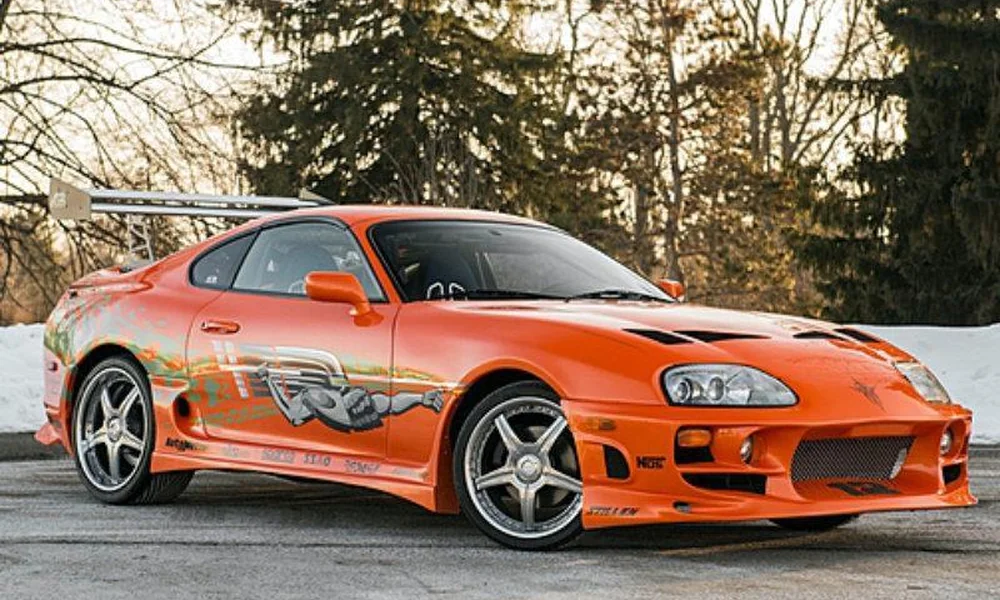
Brian O’Conner’s orange Toyota Supra from The Fast and the Furious (2001) is one of the franchise’s most famous tuner cars.
The vehicle features a bright orange finish, distinctive graphics, and a modified appearance inspired by the import-performance scene. Its role in the film helped make the fourth-generation Supra a particularly recognizable Japanese sports car among movie fans.
The Supra’s popularity also reflects the broader appeal of turbocharged Japanese performance cars during the tuner-car era.
3. Nissan Skyline GT-R R34 Brian O’Conner
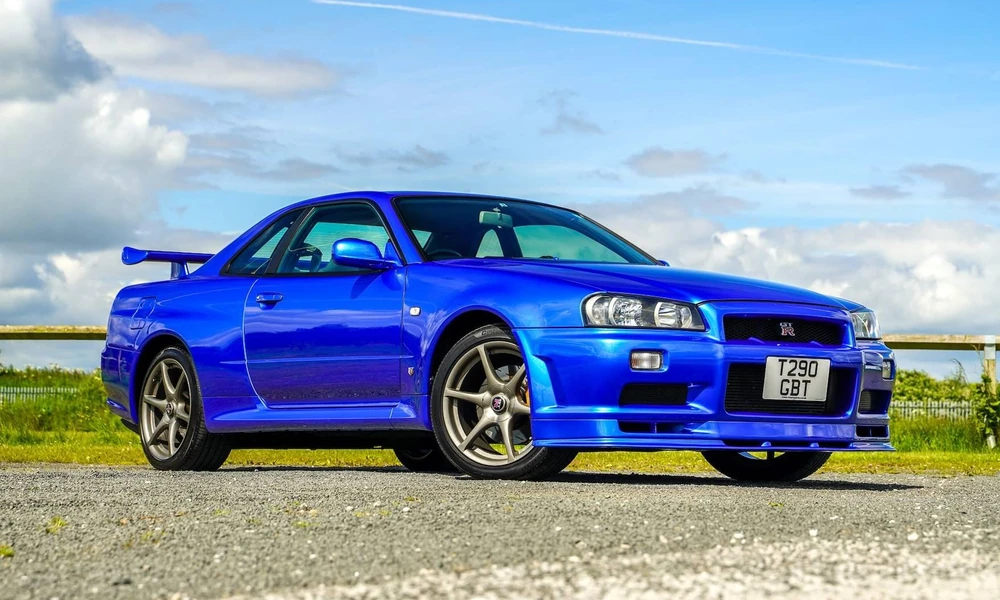
The Nissan Skyline GT-R R34 driven by Brian in 2 Fast 2 Furious and later franchise appearances is another fan favorite.
Its blue styling, aerodynamic bodywork, and performance-focused reputation made it a standout among the films’ Japanese sports cars.
The real R34 GT-R is celebrated for its turbocharged inline-six engine and advanced all-wheel-drive system. Movie versions may feature cosmetic or mechanical changes, so their specifications can differ from factory production models.
4. Mazda RX-7 Han’s Car
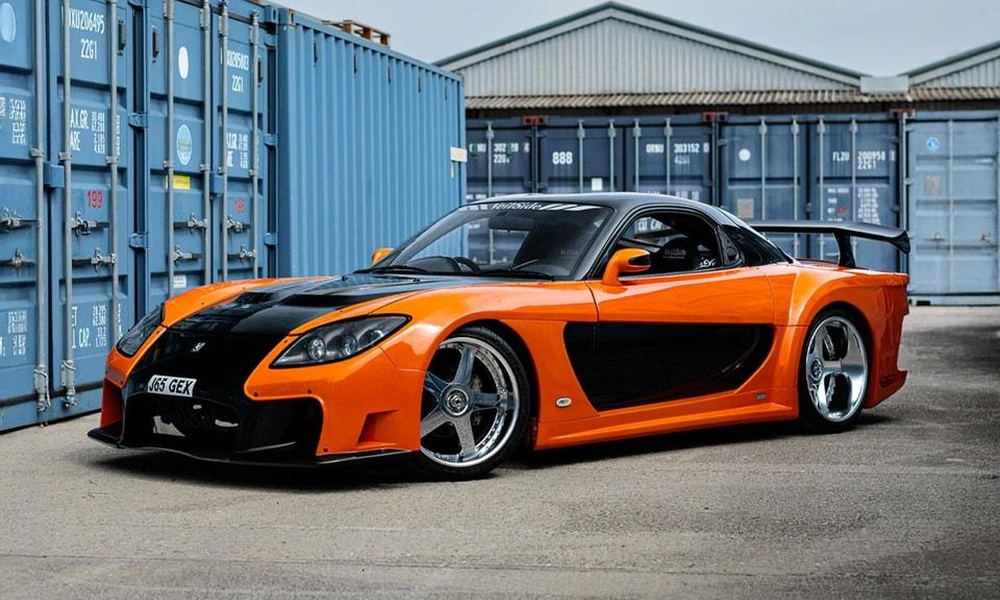
The orange Mazda RX-7 associated with Han in The Fast and the Furious: Tokyo Drift is one of the franchise’s most recognizable Japanese sports cars.
The RX-7’s sleek proportions and rotary-engine heritage make it distinctive within the world of modified street cars. The film’s visual style and drifting scenes helped reinforce its association with Japanese performance culture.
The real RX-7 is known for its rotary engine, which differs from the piston engines found in most conventional cars.
5. Mitsubishi Eclipse Brian O’Conner
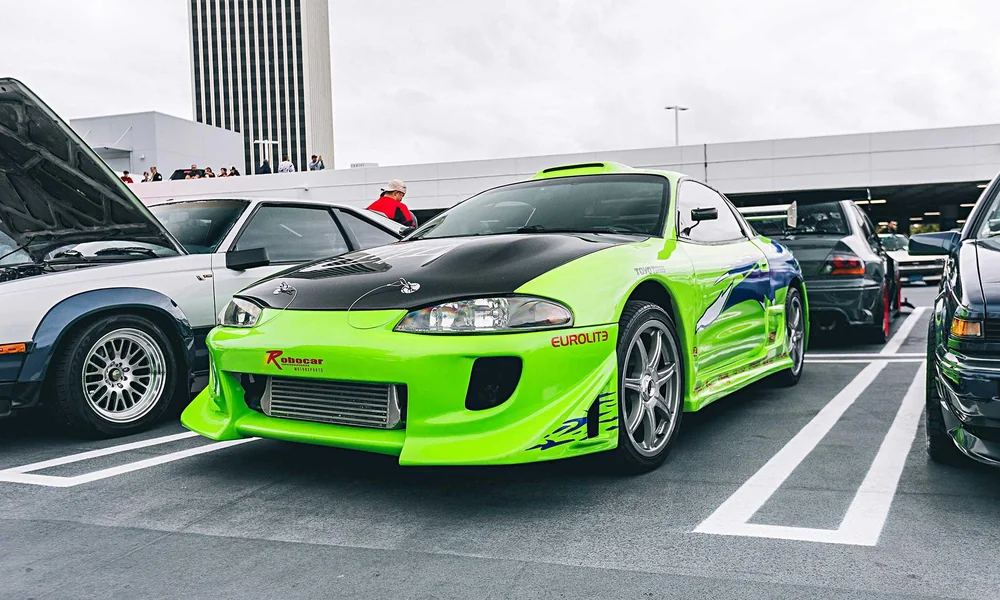
The green Mitsubishi Eclipse driven by Brian in the first film is an early symbol of the franchise’s tuner-car identity.
Its bright color, graphics, and modified appearance helped establish the visual style of early-2000s street-racing cinema. The Eclipse also introduced many viewers to the idea of transforming an ordinary production-based sports coupe into a personalized performance car.
6. Honda S2000 Suki
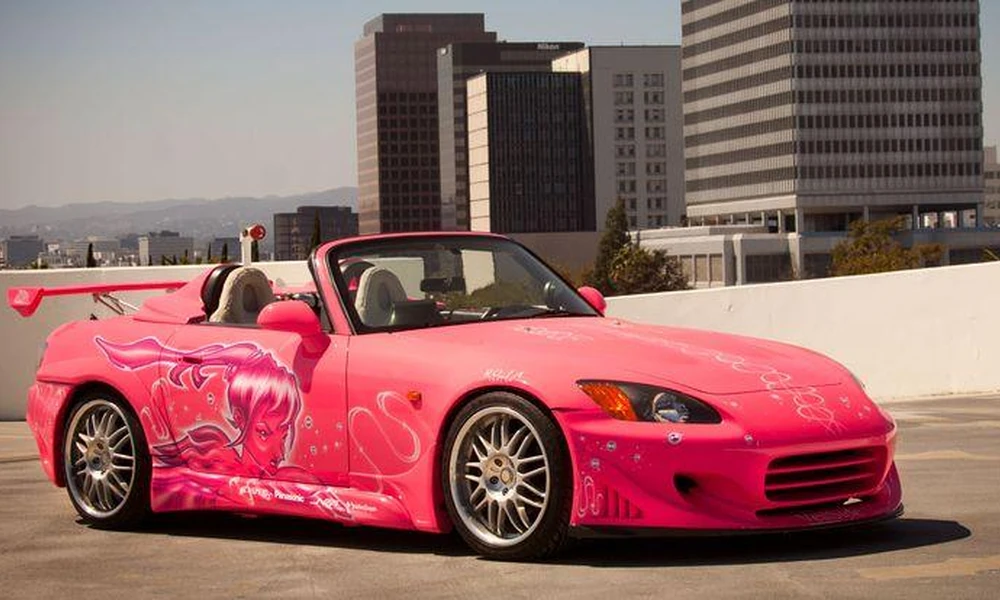
Suki’s pink Honda S2000 from 2 Fast 2 Furious stands out for its vivid appearance and open-top design.
The S2000 is a rear-wheel-drive roadster known for its high-revving engine and responsive handling. In the film, the pink styling gives the car a distinct personality among the more aggressive-looking vehicles.
7. Nissan Silvia S15 Tokyo Drift
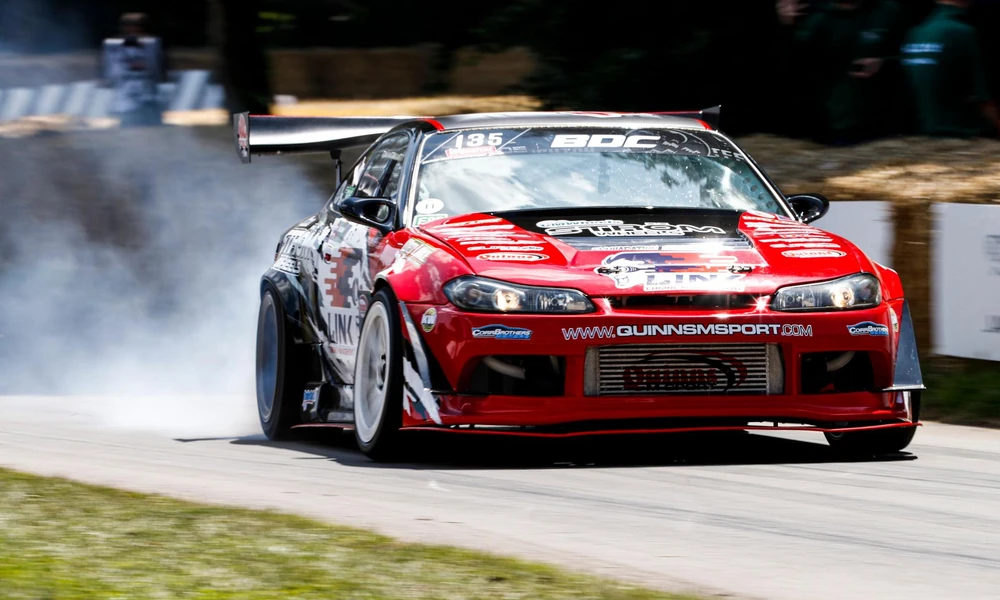
The Nissan Silvia S15 is closely associated with the drifting culture featured in The Fast and the Furious: Tokyo Drift.
Its compact coupe body, rear-wheel-drive layout, and tuning potential make it a natural fit for drift-focused builds. The film highlights the difference between a car designed for controlled sideways movement and one built primarily for straight-line acceleration.
8. 1969 Yenko Camaro American Muscle
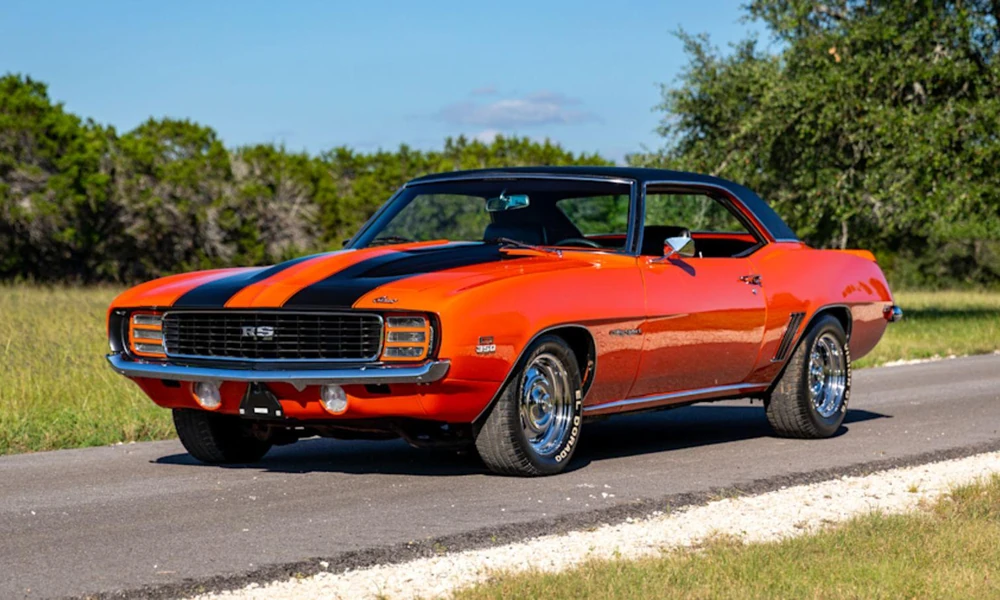
The Chevrolet Camaro represents the American muscle-car tradition that runs throughout the franchise. Modified Camaro builds and other classic American performance vehicles reinforce the films’ contrast between traditional V8 muscle and Japanese tuner cars.
Specific vehicles vary by movie and scene, so it is important not to treat every Camaro featured in the franchise as the same model or specification.
9. Lykan HyperSport Fast & Furious 7
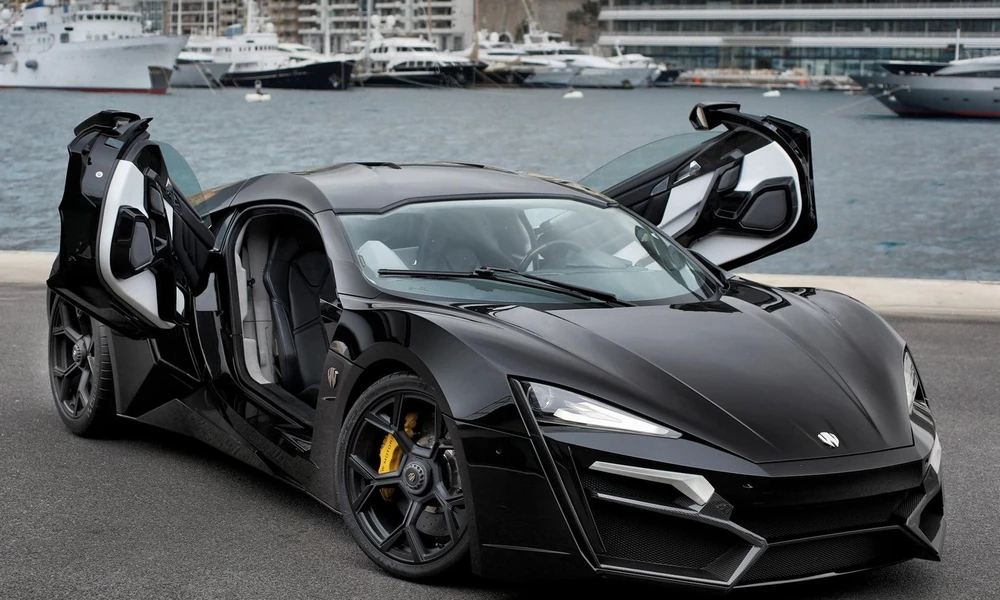
The W Motors Lykan HyperSport became famous through the extraordinary skyscraper sequence in Furious 7.
Its exotic styling, limited-production status, and dramatic appearance made it one of the franchise’s most visually striking vehicles. The movie sequence involves stunt and visual-effects work and should not be interpreted as a realistic demonstration of what a production car can safely do.
10. Dodge Challenger Dom’s Muscle-Car Style
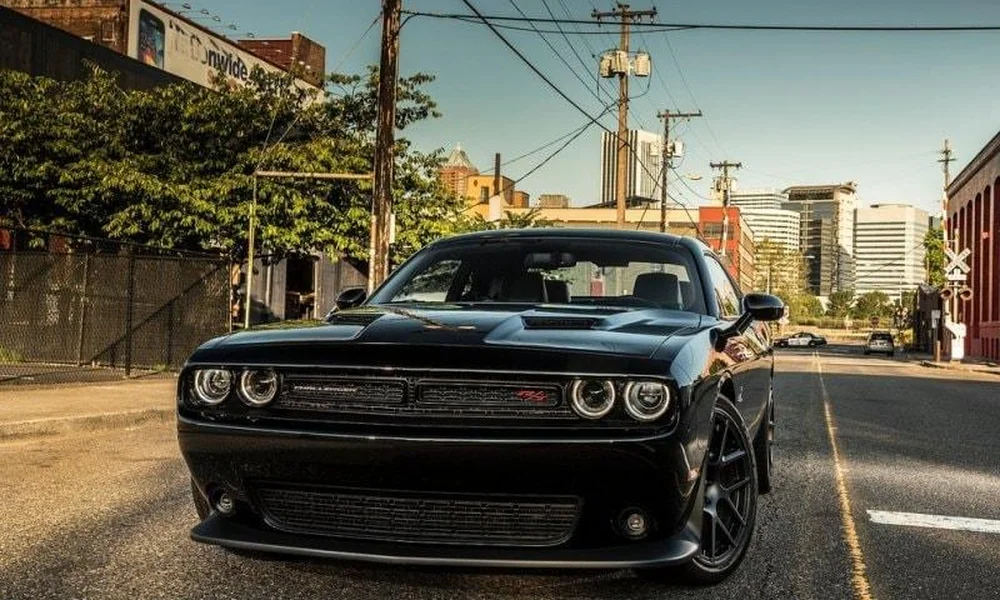
Dodge Challenger models appear within the franchise’s wider muscle-car tradition and fit Dom’s preference for powerful American vehicles.
With a long hood, broad body, and muscular design, the Challenger shares some of the visual appeal that makes the Charger such a memorable part of the series.
Individual appearances and specifications vary across the films.
Japanese Tuner Cars vs. American Muscle Cars
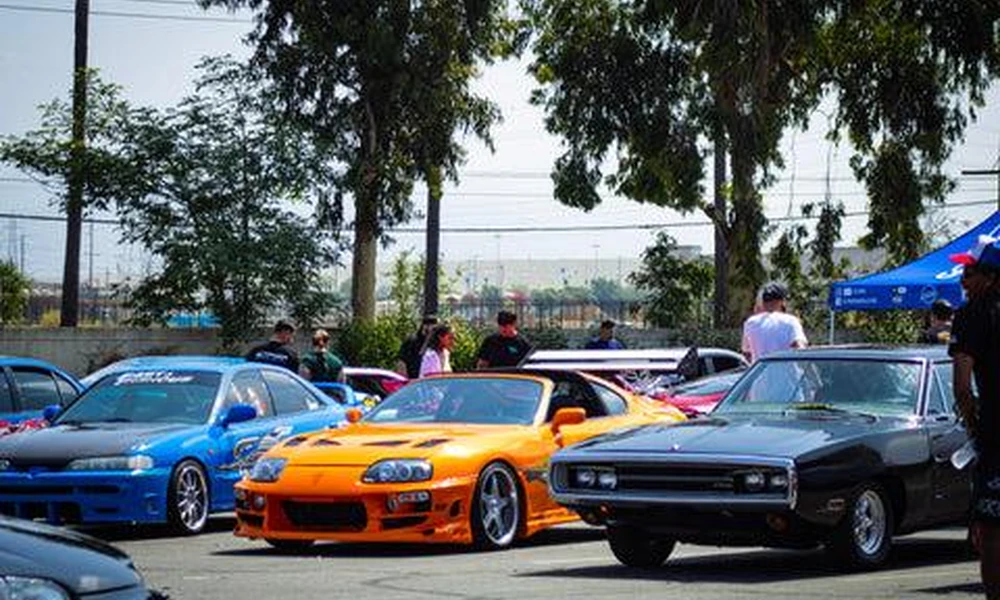
One reason Fast and Furious cars remain popular is the contrast between two automotive traditions.
| Feature | Japanese tuner cars | American muscle cars |
| Common examples | Toyota Supra, Nissan Skyline GT-R, Mazda RX-7 | Dodge Charger, Chevrolet Camaro |
| Typical appeal | Turbocharging, tuning potential, agile handling | Large engines, strong acceleration, muscular styling |
| Common modifications | Engine tuning, suspension upgrades, body kits | Engine upgrades, exhaust changes, suspension and tire improvements |
| Movie identity | Street racing and drifting | Power, attitude, and straight-line performance |
These are broad distinctions rather than strict rules. Japanese and American cars can both be modified for different forms of motorsport, and each category includes a wide range of designs and performance characteristics.
How Are Fast and Furious Cars Modified?
Many of the cars shown in the franchise are customized to create a specific visual style or meet the requirements of a scene.
Engine and Performance Upgrades
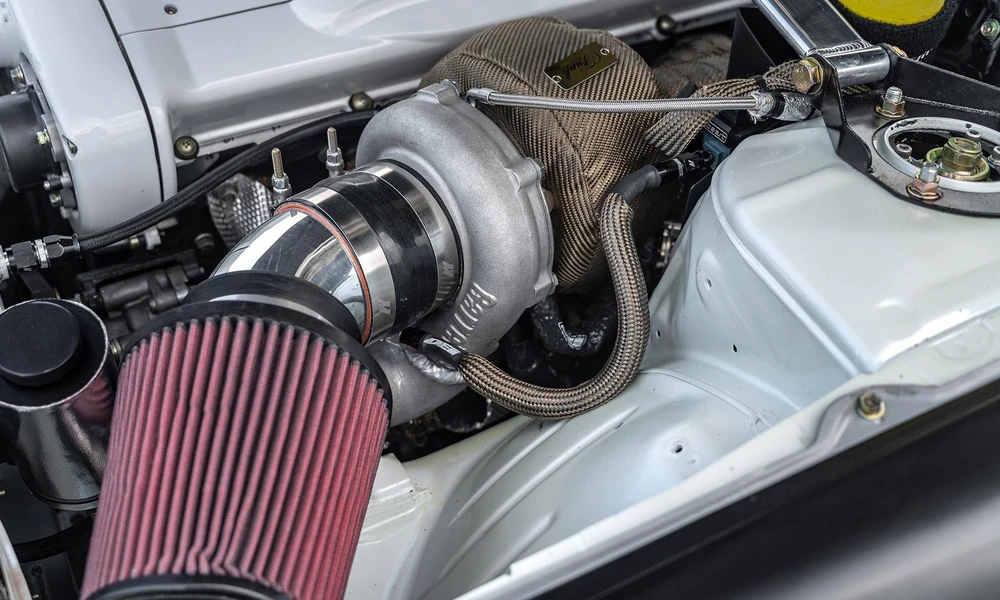
Depending on the build, modifications may include engine tuning, turbocharging, improved cooling, and exhaust changes. A vehicle’s actual performance depends on the engine, supporting components, tuning quality, and reliability of the overall setup.
Not every movie car is mechanically identical to the vehicle it represents on screen.
Suspension and Handling
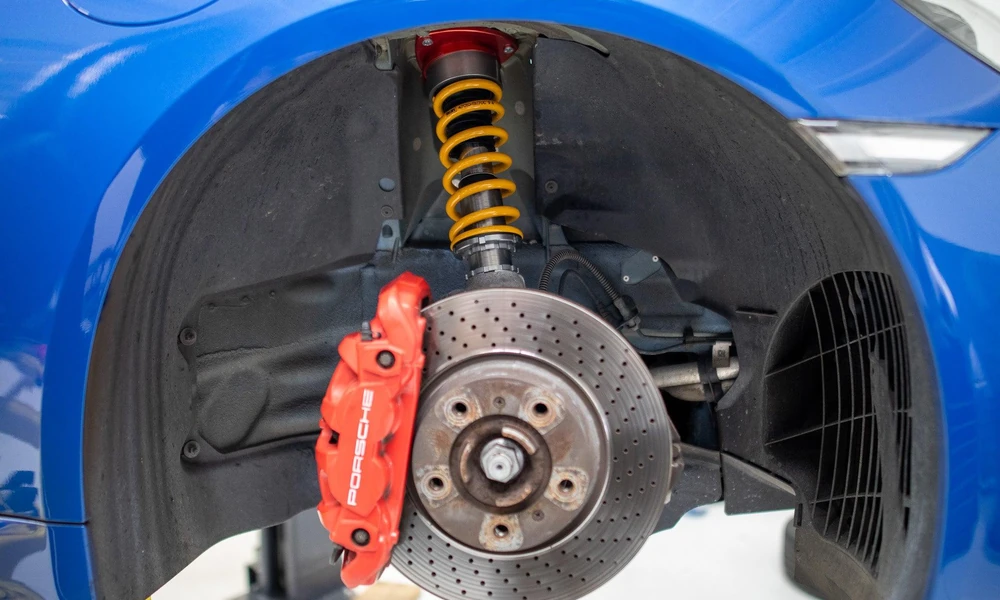
Suspension changes can affect ride height, cornering behavior, and how a vehicle responds to driver input. Drift-focused builds and straight-line racing cars may require very different setups.
Professional tuning must consider tires, brakes, steering, and chassis behavior as well as engine power.
Exterior Styling
Paint colors, vinyl graphics, body kits, spoilers, wheels, and lighting help give each vehicle its movie identity.
These changes can make a car visually distinctive without necessarily improving its speed or handling.
Safety Equipment
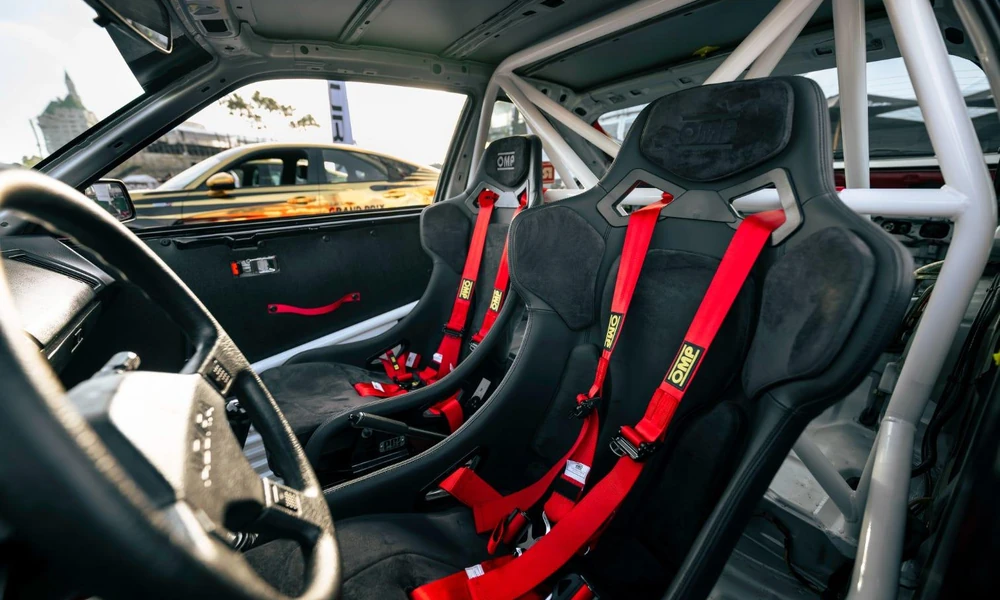
Real motorsport builds may use appropriate seats, harnesses, protective structures, fire-safety equipment, and other components suited to the type of competition.
Movie stunt vehicles also require specialized preparation and professional oversight. Replicating a movie stunt on public roads is dangerous and unlawful in many circumstances.
Can You Buy Cars Like the Ones in Fast and Furious?
Yes. Many of the production models associated with the franchise have existed as road cars, although finding a particular generation or trim can be difficult and expensive.
For example, buyers may search for a Toyota Supra, Nissan Skyline GT-R, Mazda RX-7, Mitsubishi Eclipse, or Dodge Charger. The exact model year, engine, and specification matter because movie appearances sometimes involve replicas, modified vehicles, or several cars used for different scenes.
Before buying a movie-inspired build:
- Verify the vehicle’s identity and ownership history.
- Inspect modifications and their documentation.
- Check whether the engine, suspension, and exhaust changes comply with local laws.
- Arrange an independent mechanical inspection.
- Confirm the availability and cost of replacement parts.
- Review insurance requirements for modified vehicles.
A visually similar replica can provide the desired appearance without the price of a rare original model, but the quality of its construction and documentation should still be assessed carefully.
Why Are Fast and Furious Cars So Popular?
The franchise helped bring tuner cars, customization, and street-racing aesthetics to a broad international audience.
Its cars often function as extensions of the characters themselves. Dom’s Charger reflects his connection to American muscle and family heritage, while Brian’s Supra and Skyline highlight his association with the Japanese performance scene.
The movies also introduced viewers to different automotive styles, from drifting and turbocharged tuning to classic muscle cars and exotic hypercars.
Their lasting appeal comes from a combination of memorable character moments, distinctive design, automotive enthusiasm, and cinematic spectacle.
Frequently Asked Questions About Fast and Furious Cars
What is Dom Toretto’s most famous car?
Dom’s black 1970 Dodge Charger R/T is generally regarded as his signature car. It represents his attachment to American muscle and is one of the franchise’s most recognizable vehicles.
What car does Brian O’Conner drive in the first movie?
Brian drives several vehicles in The Fast and the Furious (2001), including a green Mitsubishi Eclipse and the iconic orange Toyota Supra.
What is the blue car in Fast and Furious?
The blue Nissan Skyline GT-R R34 associated with Brian O’Conner is one of the best-known blue cars in the franchise. Other blue vehicles also appear across the series.
Which Fast and Furious car is the fastest?
There is no single definitive answer because the films feature many vehicles, modified configurations, and fictional stunts. Real-world top speed depends on the exact car, its mechanical setup, and verified testing conditions.
Are the cars in Fast and Furious real?
Many vehicles are real production cars that have been modified for filming. Productions may use multiple examples of a vehicle, stunt versions, replicas, and visual effects to create the final scenes.
Can I build my own Fast and Furious replica?
Yes. Enthusiasts can recreate a movie-inspired look with paint, graphics, wheels, and other modifications. Choose a suitable base vehicle, check local modification laws, and prioritize mechanical reliability and safety.
Final Verdict
Fast and Furious cars have become automotive icons because they combine recognizable production models with distinctive customization and memorable film moments. From Dom’s Dodge Charger and Brian’s Toyota Supra to the Skyline GT-R and Mazda RX-7, the franchise showcases a wide range of automotive styles.
For enthusiasts who want to own a similar vehicle, the smartest approach is to research the exact model, verify its history, and distinguish cinematic modifications from practical road-car upgrades. The most rewarding build is one that captures the look you love while remaining safe, reliable, and suitable for its intended use.
Disclaimer: This article is provided for general informational and educational purposes only and does not promote or endorse any product, service, brand, or individual. Details may change, and no guarantee is made regarding completeness or accuracy.