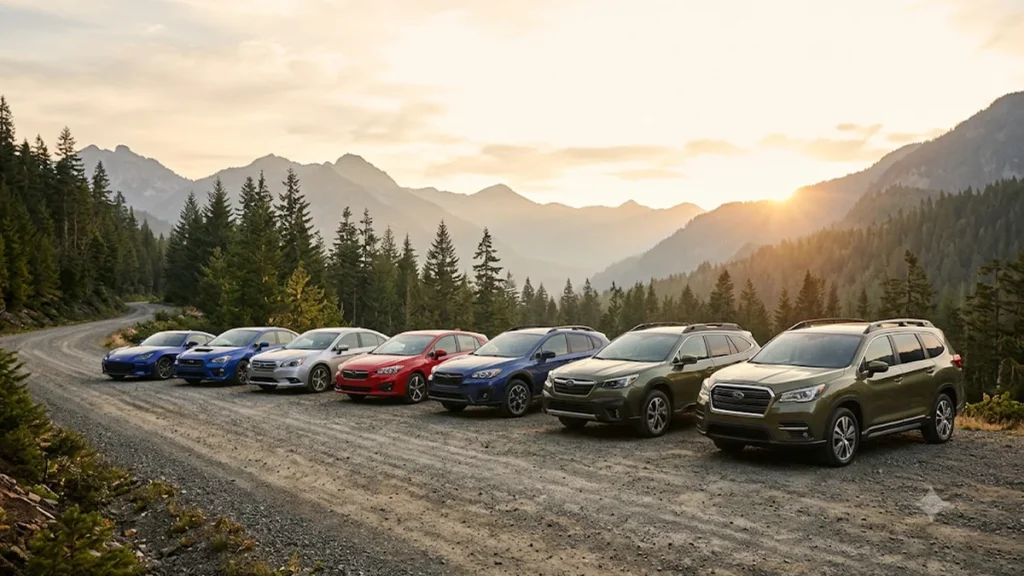
Subaru cars are known for their standard all-wheel-drive systems on most models, practical designs, safety-focused engineering, and strong appeal among drivers who enjoy outdoor activities. The Japanese automaker offers a range of vehicles, from compact sedans and hatchbacks to family SUVs and performance-oriented sports cars.
Whether you’re looking for a daily commuter, a family vehicle, or a car that handles challenging weather conditions, Subaru has several options worth considering. The right choice depends on your budget, driving habits, preferred size, and expectations for fuel economy and maintenance.
What Makes Subaru Cars Different?
Subaru has developed a distinctive identity in the automotive market through a few key engineering and design choices.
Symmetrical All-Wheel Drive
Most Subaru passenger cars and SUVs come with Symmetrical All-Wheel Drive as standard equipment. The system can distribute power between the wheels to help maintain traction on wet roads, snow, gravel, and other slippery surfaces.
All-wheel drive can be particularly useful for drivers who regularly travel through areas with changing weather or uneven road conditions. However, it does not eliminate the risk of skidding, and appropriate tires and careful driving remain essential.
Boxer Engines
Many Subaru vehicles use horizontally opposed, or boxer, engines. In this layout, the pistons move horizontally rather than vertically or in a conventional V-shaped arrangement.
The design allows the engine to sit relatively low in the vehicle, helping lower the center of gravity. Subaru has used boxer engines across much of its lineup, although specifications differ by model and year.
Safety and Driver Assistance
Subaru offers driver-assistance technologies under its EyeSight branding on many models and trims. Depending on the vehicle, model year, and market, available features may include adaptive cruise control, lane-related assistance, and pre-collision braking.
These systems can support attentive driving, but they do not replace the driver’s responsibility to monitor the road.
Popular Subaru Cars and SUVs
Subaru’s lineup varies by country and model year. The following vehicles illustrate the brand’s major categories.
1. Subaru Impreza
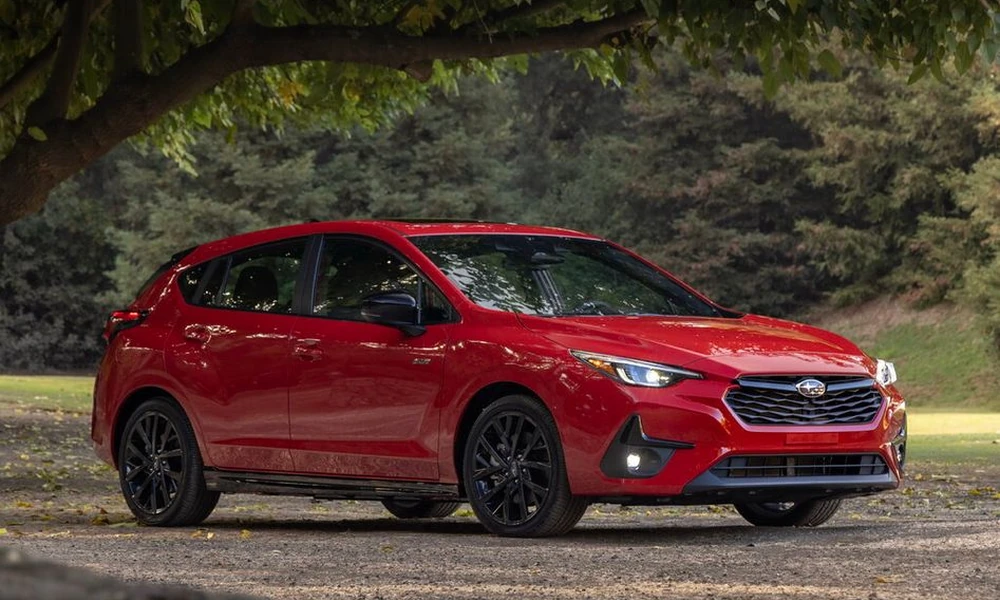
The Impreza is a compact car available in hatchback form in markets where it is offered. It suits drivers who want a manageable vehicle for commuting, errands, and everyday travel.
Its practical cabin and available all-wheel drive make it appealing to people who value year-round usability. Buyers should compare its engine performance, cargo space, and fuel economy with competing compact cars before deciding.
2. Subaru Crosstrek
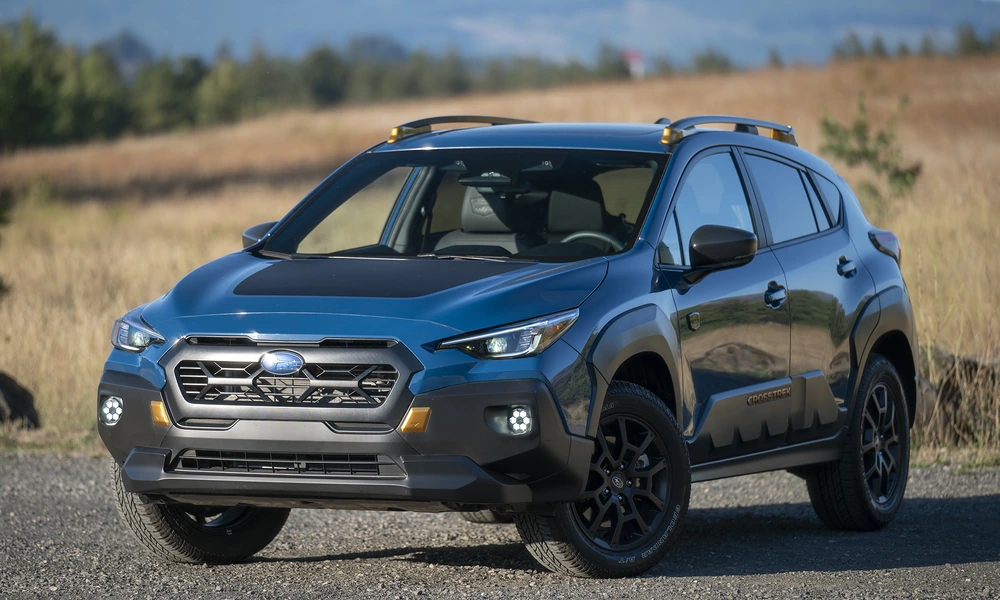
The Crosstrek is a compact crossover designed for drivers who want a smaller vehicle with additional ground clearance and a more adventurous character.
It can be a practical choice for weekend trips, light outdoor activities, and everyday driving. Although it can handle some rougher surfaces, it is not a substitute for a dedicated off-road vehicle in demanding terrain.
3. Subaru Forester
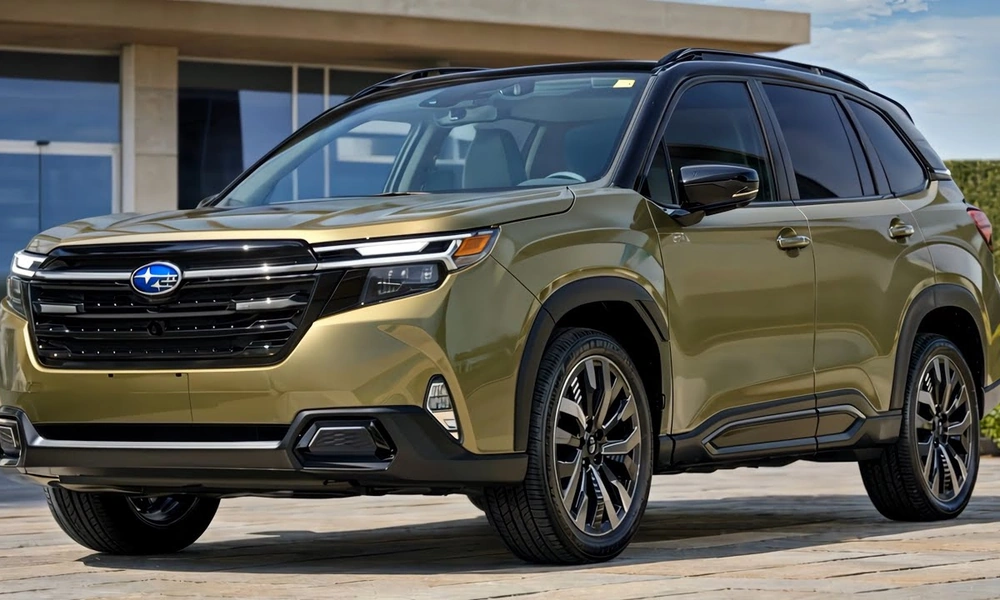
The Forester is a compact SUV known for its upright cabin, broad windows, and practical cargo area. Its design prioritizes visibility and everyday usefulness rather than a sporty exterior alone.
Families and outdoor enthusiasts may appreciate the accessible cabin and flexible storage space. When comparing Forester models, check the engine, safety equipment, infotainment features, and trim-specific comfort options.
4. Subaru Outback
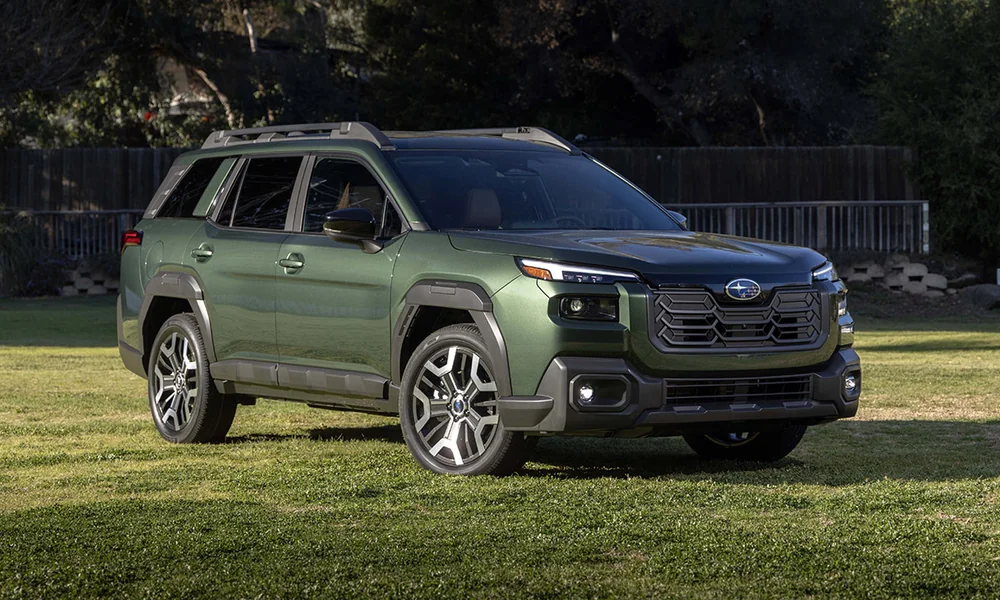
The Outback combines wagon-like proportions with increased ground clearance and SUV-style versatility. It is designed for drivers who need room for luggage, outdoor equipment, and everyday essentials without choosing a particularly large SUV.
Depending on the version, it may offer features intended to improve performance on unpaved roads. It is worth considering for road trips and mixed urban-highway driving.
5. Subaru Legacy
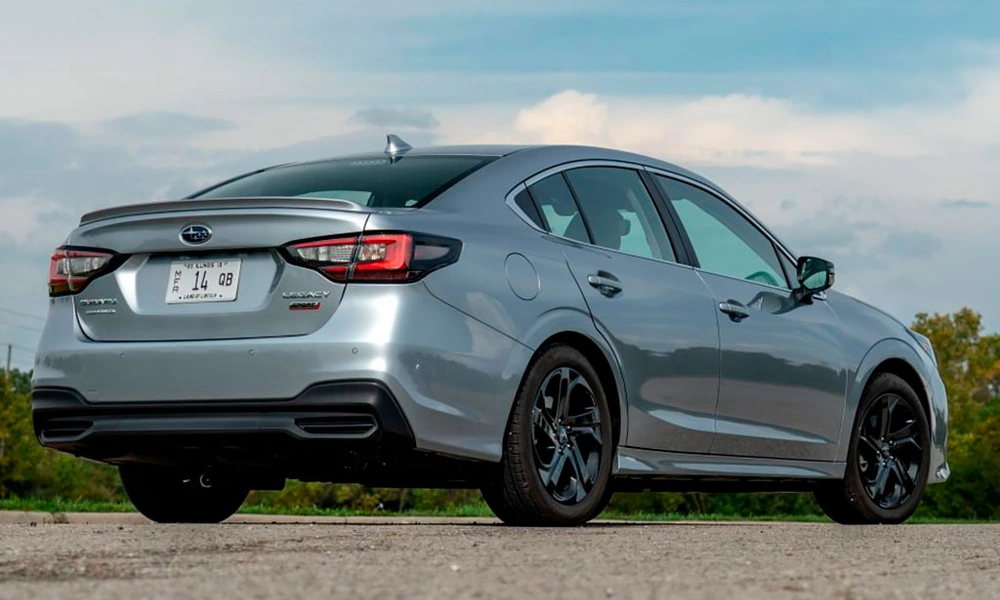
The Legacy has been Subaru’s midsize sedan offering in markets where it is sold. It provides a traditional sedan layout with a focus on comfort, stability, and everyday driving.
Availability can vary by country and model year, so shoppers should confirm whether new or used examples are offered in their market.
6. Subaru WRX
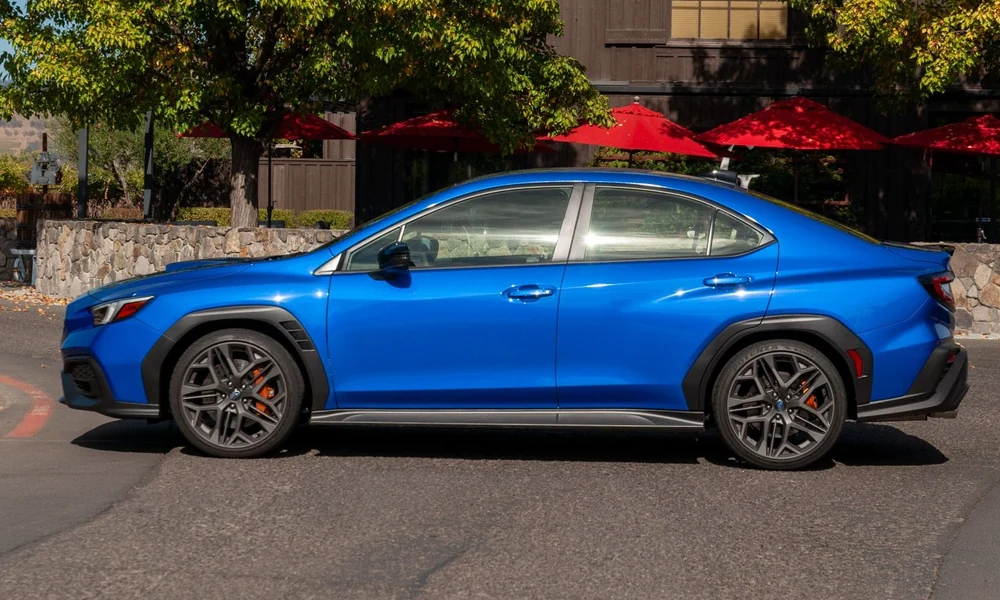
The WRX is Subaru’s performance-oriented sports sedan. It appeals to drivers who prioritize responsive handling, turbocharged performance in applicable versions, and a more engaging driving experience.
Its firmer character and performance-focused setup may not suit every commuter. Insurance, fuel costs, tires, and maintenance are important considerations when budgeting for a WRX.
7. Subaru BRZ
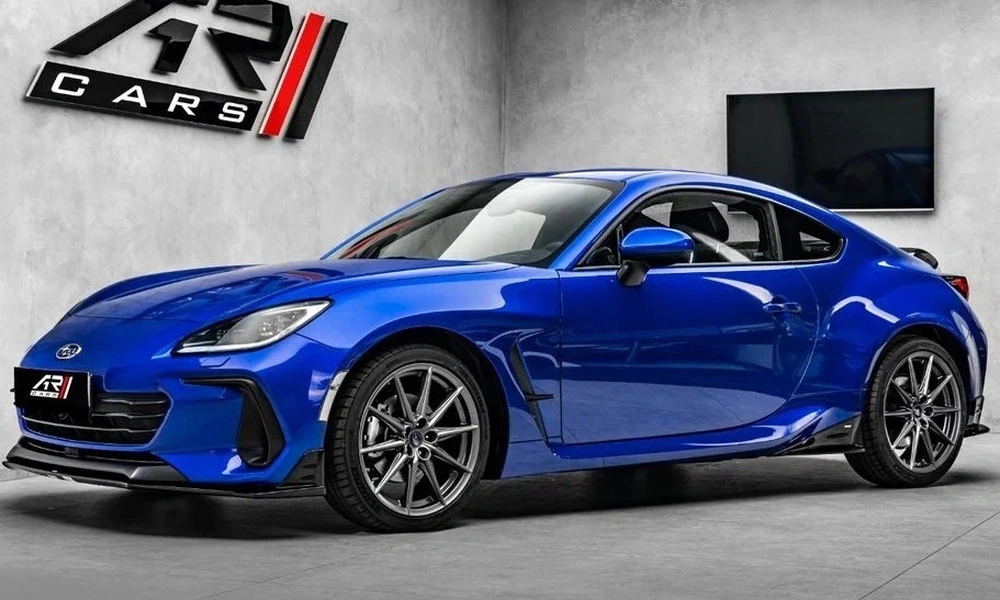
The Subaru BRZ is a lightweight sports coupe developed around driver engagement and balanced handling. Unlike most Subaru models, it uses rear-wheel drive rather than the brand’s typical all-wheel-drive layout.
It is best suited to drivers who value a sporty driving experience over maximum passenger or cargo space.
Are Subaru Cars Reliable?
Subaru reliability depends on the specific model, engine, model year, maintenance history, and how the vehicle has been driven. Some owners value the brand’s long-term practicality, while others may encounter costly repairs as vehicles age.
It is more useful to research a particular model year than to assume every Subaru will have the same reliability record.
Before buying a used Subaru, consider these steps:
- Review service records and evidence of regular maintenance.
- Check for open recalls using the vehicle identification number.
- Arrange an independent pre-purchase inspection.
- Look for oil leaks, unusual engine noises, transmission issues, and warning lights.
- Examine the condition and compatibility of all four tires, especially on all-wheel-drive models.
- Research known problems associated with the exact model year and engine.
A well-maintained vehicle with a clear history is generally a more informed purchase than one selected solely because of its badge or reputation.
Are Subaru Cars Good in Snow and Rain?
Subaru’s all-wheel-drive systems can provide useful traction in rain, snow, and other low-grip conditions. This capability is one reason the brand attracts drivers in regions with cold winters or unpredictable weather.
However, all-wheel drive mainly helps the vehicle put power down. It does not automatically shorten braking distances on slippery surfaces. Winter tires, suitable tire tread, appropriate speed, and safe following distances remain important.
For buyers in hot or dry climates, all-wheel drive may be less valuable, particularly if most driving takes place on paved city roads. In those circumstances, a front-wheel-drive car may provide better fuel economy or a lower purchase price.
Fuel Economy and Maintenance Costs
Fuel economy varies considerably across Subaru models. Smaller vehicles may be more economical than larger SUVs or performance models, while engine choice, driving style, road conditions, and tire selection also affect consumption.
Because many Subaru models use all-wheel drive, some versions may consume more fuel than comparable front-wheel-drive alternatives. Buyers should compare official fuel-economy figures for the specific model year and powertrain.
Maintenance costs can include routine oil changes, filters, brakes, tires, fluids, and scheduled inspections. All-wheel-drive vehicles also require attention to tire condition and drivetrain maintenance according to the manufacturer’s recommendations.
Before purchasing, request a maintenance schedule and obtain local estimates for common service items. This is particularly important if Subaru parts or specialist technicians are less readily available in your area.
New vs. Used Subaru Cars
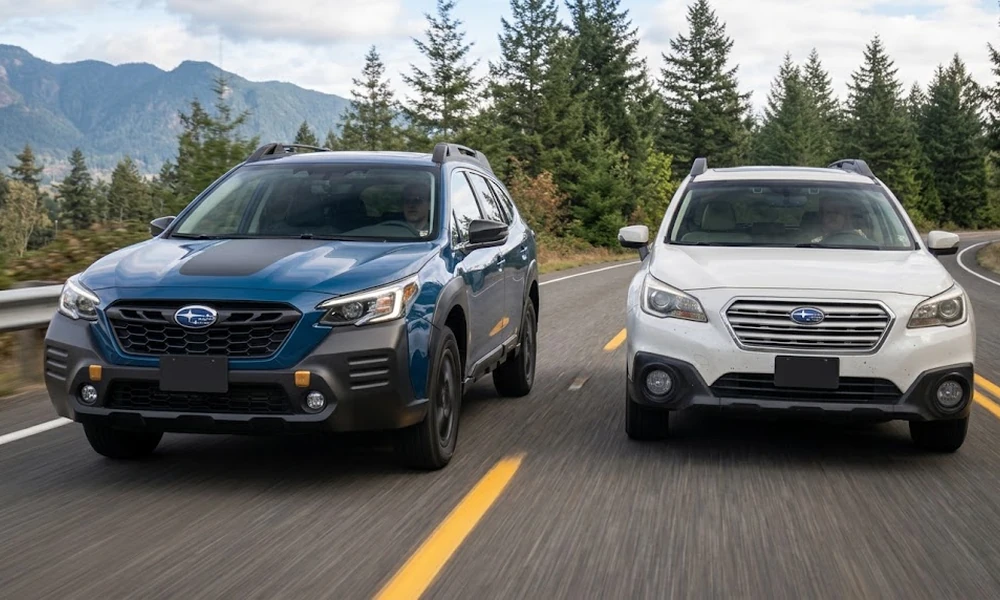
Both new and used Subaru vehicles can make sense, depending on your priorities.
Buying a New Subaru
A new vehicle offers a known maintenance history, current safety technology, and warranty coverage subject to local terms. It also allows you to select the trim and features you want.
The main disadvantages are the higher purchase price, taxes, and depreciation during the early years of ownership.
Buying a Used Subaru
A used Subaru may offer better value, particularly if you find a well-maintained example with documented servicing. However, age, mileage, previous accident damage, and neglected maintenance can significantly affect ownership costs.
For used all-wheel-drive models, have a qualified technician inspect the drivetrain and verify that all four tires are suitable and appropriately matched.
How to Choose the Right Subaru
The best Subaru depends on how you intend to use it.
- For city driving: Consider a smaller model such as the Impreza, where available.
- For everyday versatility: The Crosstrek may suit drivers who want compact dimensions with extra ground clearance.
- For families: Compare the Forester and Outback for passenger comfort, cargo space, and child-seat practicality.
- For performance: Look at the WRX if you want a sports sedan.
- For a dedicated sports coupe: The BRZ offers a different, rear-wheel-drive experience.
Compare total ownership costs rather than focusing only on the advertised price. Insurance, fuel, parts availability, servicing, and resale value can all affect the long-term value of a vehicle.
Frequently Asked Questions About Subaru Cars
Are all Subaru cars all-wheel drive?
No. Most Subaru passenger cars and SUVs offer standard all-wheel drive, but there are exceptions. The BRZ, for example, uses rear-wheel drive. Availability and specifications depend on the model and market.
Are Subaru cars expensive to maintain?
Costs vary by model, age, location, and service requirements. Routine maintenance may be manageable, but certain repairs can be expensive. Checking local parts prices and getting a pre-purchase inspection can help avoid surprises.
Which Subaru is best for families?
The Forester and Outback are popular options to compare because of their passenger space, cargo flexibility, and available safety features. The best choice depends on family size, child-seat needs, and budget.
Are Subaru cars good for long road trips?
Many Subaru models can be suitable for long journeys, offering comfortable cabins, practical storage, and all-wheel-drive capability. Compare seat comfort, road noise, fuel economy, and cargo space before choosing a model.
Do Subaru cars hold their value?
Resale value depends on the model, condition, mileage, service history, local demand, and broader used-car market. Check comparable listings in your area to understand what a particular Subaru is likely to be worth.
Are Subaru cars suitable for hot climates?
Yes, but buyers should assess cooling-system condition, air-conditioning performance, service availability, and the suitability of the vehicle for local road conditions. Regular maintenance is especially important in demanding climates.
Final Verdict
Subaru cars offer a distinctive mix of all-wheel-drive capability, boxer-engine engineering, practical interiors, and options ranging from family-friendly SUVs to performance-focused vehicles. The brand can be a strong fit for drivers who value traction and versatility, but it is not automatically the best choice for every budget or climate.
Before making a decision, compare specific model years, verify local availability, research reliability records, and calculate expected ownership costs. A carefully inspected vehicle that fits your everyday needs is a better choice than buying based on brand reputation alone.
Disclaimer: This article is provided for general informational and educational purposes only and does not promote or endorse any product, service, brand, or individual. Details may change, and no guarantee is made regarding completeness or accuracy.