Buying your first motorcycle is exciting, but choosing the right one can make the difference between enjoying every ride and feeling overwhelmed in traffic. A bike that looks impressive in a showroom might be too heavy, too powerful, or uncomfortable for someone who is still learning.
The best beginner motorcycle is one you can control confidently at low speeds, manage comfortably at stops, and ride without fighting its weight or power. For many new riders, a lightweight standard motorcycle, modest sport bike, or approachable cruiser makes more sense than a high-powered performance machine.
Below are some motorcycles worth considering, along with practical advice to help you choose a first bike that fits your experience, budget, and riding plans.
Best Beginner Motorcycles at a Glance
| Motorcycle | Best For | Style |
| Honda CB300R | Everyday riding and learning | Naked standard |
| Kawasaki Z500 | Riders wanting room to grow | Naked standard |
| Kawasaki Ninja 500 | New riders who prefer sporty styling | Sport |
| Honda Rebel 300 | Riders who want a lower seat | Cruiser |
| Yamaha MT-03 | City riding and an upright position | Naked standard |
| Royal Enfield Hunter 350 | Relaxed everyday riding | Retro roadster |
| Honda CRF300L | Light trail riding and mixed terrain | Dual-sport |
Availability, specifications, and model-year options vary by country. Check the exact version sold by your local dealer before making a decision.
1. Honda CB300R: Best for Simple Everyday Riding
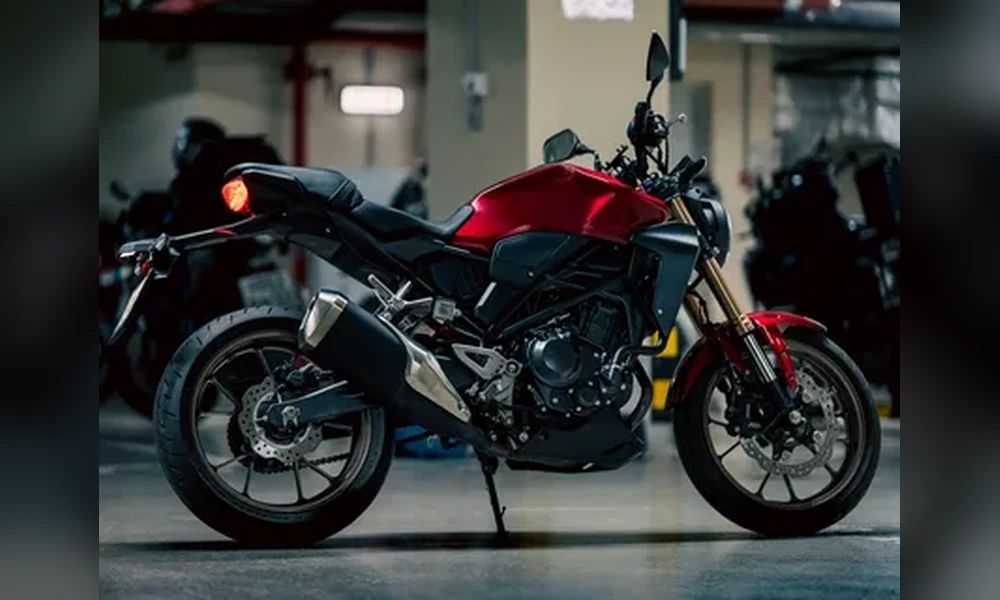
The Honda CB300R is a compact naked motorcycle with a straightforward riding position and styling that works for commuting or weekend rides. Its relatively small-displacement engine makes it a sensible candidate for riders who want a conventional manual motorcycle without jumping straight into a large, powerful machine.
The upright layout can make it easier to look around in traffic than a bike with an aggressive, forward-leaning riding position. Its compact appearance also makes it worth considering for riders who prefer a simple, uncluttered design.
Why consider it:
- A manageable engine class for many new riders.
- An upright riding position.
- Practical for commuting and general road use.
- A more understated alternative to a fully faired sport bike.
What to check: Confirm local availability, seat comfort, service costs, and whether the specific model includes ABS. The right choice also depends on how easily you can balance the motorcycle when stopping.
2. Kawasaki Z500: Best for Riders Who Want Room to Grow
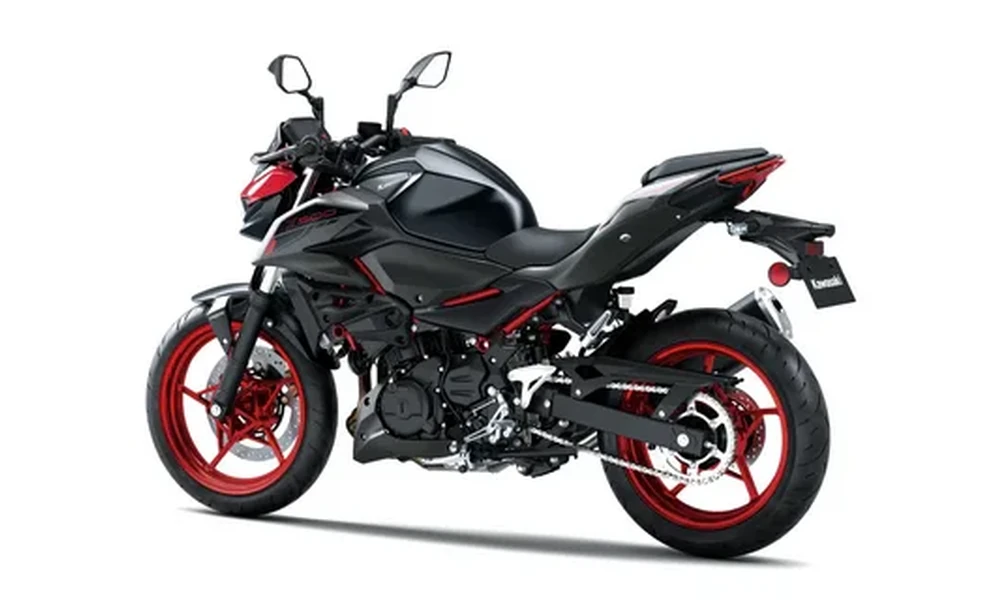
The Kawasaki Z500 is a naked street motorcycle that offers more performance potential than a typical small commuter. Its upright style makes it an option for riders who want a motorcycle for city streets, open roads, and longer rides.
A bike in this class may suit someone who has completed proper training and feels comfortable with clutch control, braking, and low-speed maneuvers. However, greater performance does not automatically make a motorcycle a better first purchase.
Why consider it:
- Upright ergonomics.
- A versatile street-bike design.
- More performance headroom as riding skills develop.
- A useful option for riders who expect to progress beyond short commutes.
What to check: Its power, weight, and purchase price may be unnecessary for someone who is still learning basic control. If possible, compare it with a lighter motorcycle before deciding.
3. Kawasaki Ninja 500: Best Sport-Style Beginner Motorcycle
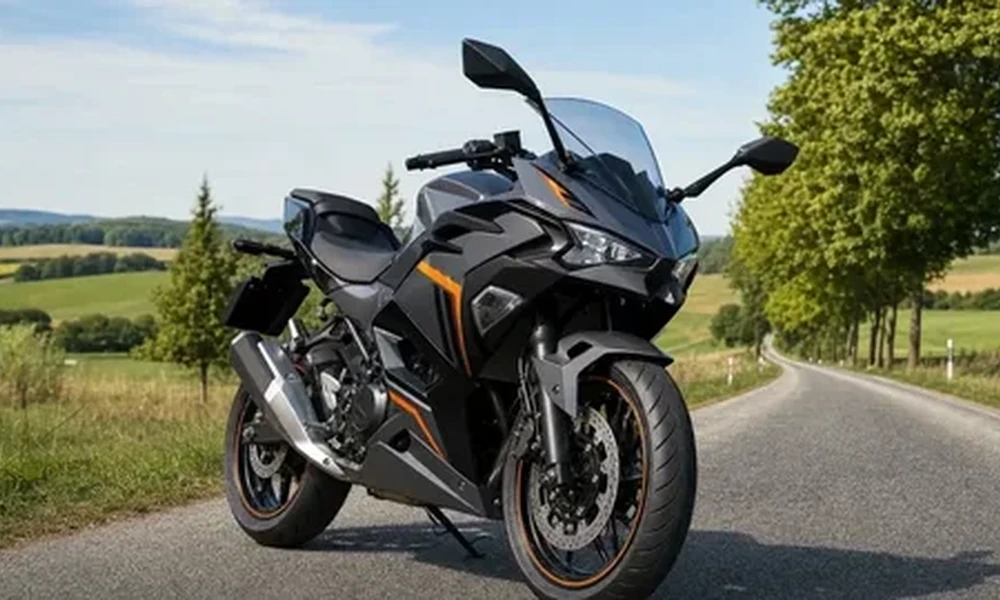
Some riders want their first motorcycle to look sporty without choosing an extreme supersport machine. The Kawasaki Ninja 500 is worth considering in that category.
Its fully faired design delivers the familiar sport-bike appearance, while its engine class makes it a more approachable proposition than many high-performance sport motorcycles. Still, fairings and aggressive styling do not tell you how easy a bike will be to ride.
Why consider it:
- Sport-bike styling.
- Suitable for riders interested in everyday use and recreational rides.
- A middle ground between small beginner bikes and larger sport machines.
What to check: Pay attention to handlebar reach, steering at walking speed, seat comfort, and the way the motorcycle responds to small throttle inputs. Choose the bike you can control comfortably, not simply the one that looks fastest.
4. Honda Rebel 300: Best for Riders Who Prefer a Low Seat
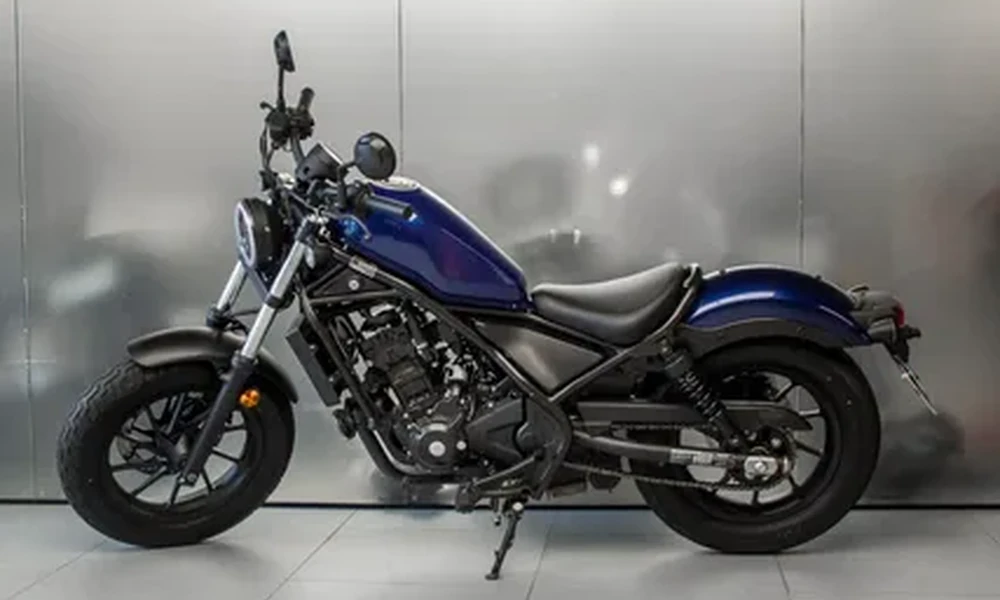
Seat height can be a major concern for new riders. A cruiser such as the Honda Rebel 300 may appeal to people who prefer a lower seating position and a relaxed riding style.
Being able to place your feet securely and balance the bike at a stop can help build confidence. However, a low seat alone does not guarantee easy handling: the motorcycle’s total weight, balance, and steering behavior matter too.
Why consider it:
- Low-seat cruiser design.
- Relaxed riding posture.
- A style suited to casual road riding.
- An alternative to taller standard and adventure motorcycles.
What to check: Make sure the seat position feels natural and your arms are not stretched uncomfortably. Availability and specifications vary by market, so check whether this model is sold locally.
5. Yamaha MT-03: Best for City Riding
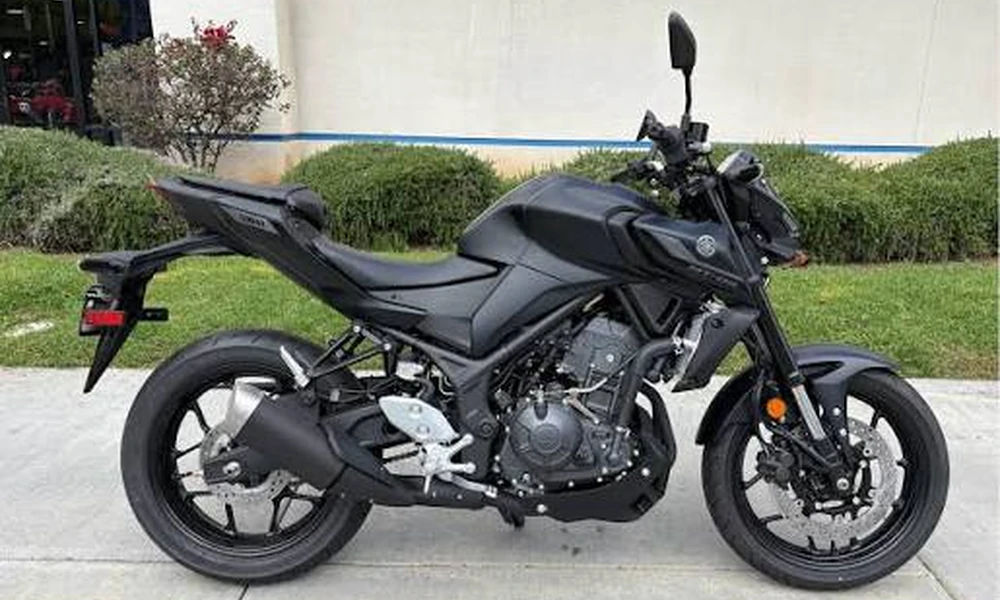
The Yamaha MT-03 is a small naked street bike that can appeal to riders looking for a more engaging alternative to a basic commuter motorcycle.
Its upright layout and compact street-bike format make it worth evaluating for urban use, although busy traffic still demands good clutch control, careful braking, and awareness of surrounding vehicles.
Why consider it:
- Naked-bike styling.
- A versatile riding position.
- A useful option for city streets and weekend trips.
- More conventional manual-bike practice than an automatic scooter provides.
What to check: Compare its seat height and curb weight with the other motorcycles on your shortlist. A model that feels comfortable while stationary may feel different when turning tightly or moving through congested traffic.
6. Royal Enfield Hunter 350: Best for Relaxed Road Riding
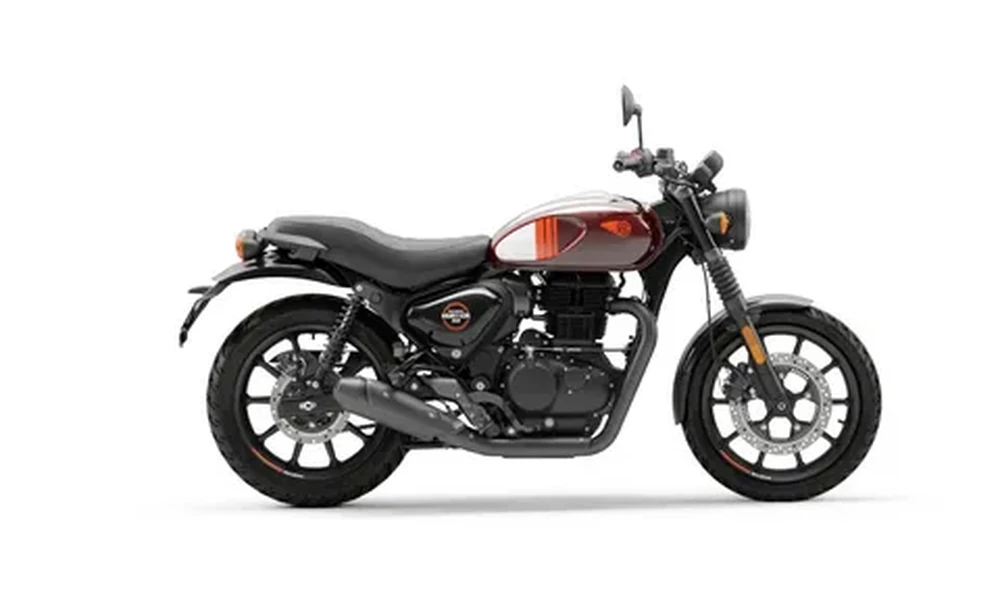
The Royal Enfield Hunter 350 is a retro-styled roadster for riders who prefer classic looks over sharp sport-bike styling. Its straightforward roadster character may appeal to people who plan to ride around town, take casual weekend trips, and enjoy an unhurried riding experience.
Its larger engine displacement than many entry-level motorcycles does not automatically make it unsuitable for a beginner. What matters is how its power delivery, weight, braking, and ergonomics feel to the rider.
Why consider it:
- Classic roadster styling.
- An upright general-road riding format.
- An option for riders who value character and everyday usability.
What to check: Test its weight at a standstill and during slow turns. Also compare local maintenance costs, parts availability, and fuel economy before choosing it over a smaller motorcycle.
7. Honda CRF300L: Best for Beginners Interested in Trails
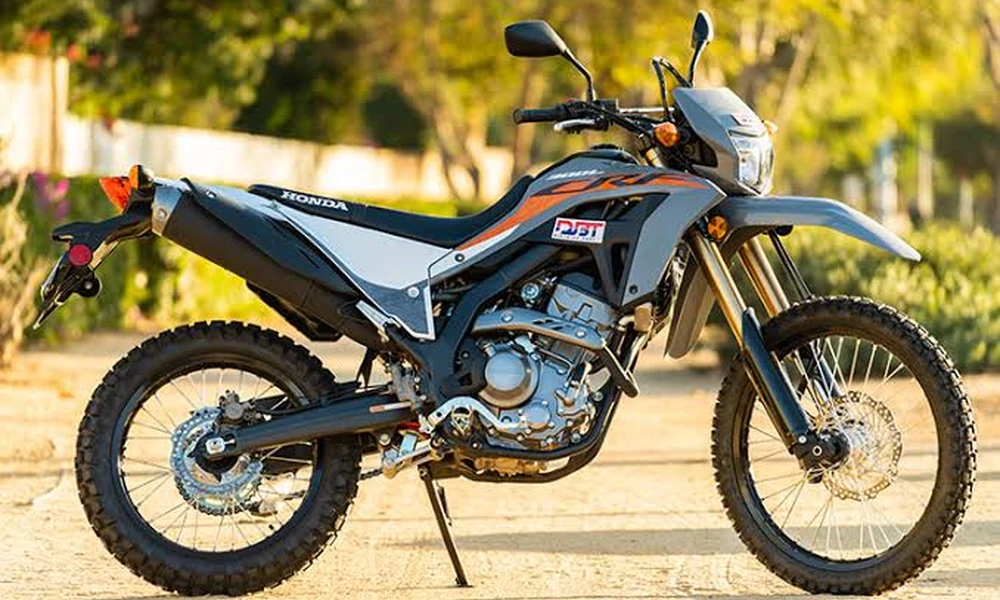
Not every new rider wants to spend all their time on paved roads. The Honda CRF300L is a dual-sport motorcycle designed for a mix of road riding and off-road use.
Its intended riding environment makes it different from a street-focused beginner bike. Riders interested in gravel, trails, and uneven surfaces should consider ground clearance, suspension, tires, and the ability to manage the motorcycle on loose terrain.
Why consider it:
- Dual-sport capability.
- A choice for riders interested in trails and mixed surfaces.
- More suitable for evaluating off-road riding needs than a conventional street motorcycle.
What to check: Dual-sport bikes can have tall seats, which may make stopping and low-speed balance more challenging for some riders. Beginners should also learn off-road techniques in an appropriate training environment rather than assuming road experience transfers automatically.
How to Choose the Best Beginner Motorcycle
The best model on a list is not necessarily the best one for you. Before buying, assess these six factors.
1. Choose manageable power
A first motorcycle should allow you to practice smoothly without constantly worrying about sudden acceleration. Small-displacement motorcycles are often a sensible starting point, but engine size alone does not determine how beginner-friendly a bike is.
Throttle response, gearing, weight distribution, and rider aids all affect the experience.
2. Check the weight
A motorcycle can feel easy to ride once moving but difficult to handle when parking, backing up, or recovering from an awkward stop.
If possible, sit on the motorcycle and practice moving it while stationary with a salesperson or experienced instructor nearby. Consider whether you can manage it safely on uneven ground.
3. Find a comfortable seat height
You do not necessarily need both feet completely flat on the ground. What matters is being able to stop and stabilize the bike reliably with the technique you have learned.
Try the actual model rather than judging fit from photographs or published measurements alone.
4. Look for ABS
Anti-lock braking systems help prevent wheel lock during hard braking when the system activates. ABS is a valuable safety feature to prioritize when comparing motorcycles, particularly for new riders who are still developing emergency-braking skills.
ABS does not eliminate stopping distance or make careless riding safe. Learn correct braking technique and check the equipment fitted to the exact model and variant.
5. Think about your real riding needs
Choose according to how you will use the motorcycle most often.
- Daily commuting: Consider a lightweight standard bike or small commuter.
- Sporty weekend rides: Look at approachable sport or naked motorcycles.
- Relaxed cruising: Try a cruiser with a comfortable reach to the controls.
- Mixed roads and trails: Compare dual-sport models and their seat heights.
- Longer rides: Prioritize comfort, wind protection, luggage options, and service access.
6. Calculate the full cost
The purchase price is only one part of motorcycle ownership. Budget for a certified helmet, protective riding gear, insurance where applicable, registration, maintenance, tires, fuel, and training.
A less expensive motorcycle that fits your needs may be a better first purchase than stretching your budget for a more powerful model.
Should Beginners Buy a 300cc, 400cc, or 500cc Motorcycle?
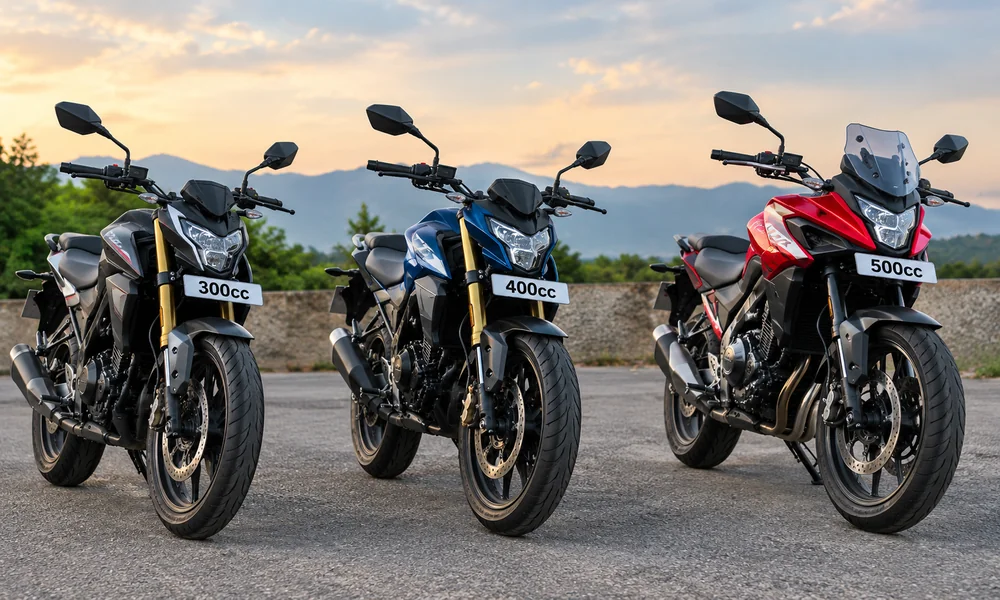
There is no single engine size that suits every beginner. A 300cc motorcycle may be an excellent starting point for one rider, while another may be comfortable on a well-balanced 400cc or 500cc model after proper training.
The better question is whether the bike’s power delivery, weight, braking, and dimensions match your skills and intended use.
| Engine class | Potential advantages | What to consider |
| Around 125–200cc | Often economical and manageable | May feel limited on faster roads, depending on the model |
| Around 250–400cc | Broad range of beginner-friendly options | Weight and power vary significantly |
| Around 400–500cc | More performance for varied road use | Requires confidence and disciplined throttle control |
| Above 500cc | Wide range of touring, cruiser, and performance options | Some models can be heavy or powerful for a first bike |
These are broad categories, not safety ratings. A lightweight motorcycle with smooth power delivery can be easier to manage than a heavier bike with a similar engine size.
Common Mistakes First-Time Motorcycle Buyers Make
Buying too much power too soon. A powerful motorcycle can be exciting, but it may leave less room for learning from small mistakes.
Choosing only by appearance. Styling matters, but comfort, visibility, braking, and control matter more when you are starting out.
Ignoring the weight at a standstill. Parking lots and tight turns are part of everyday riding. Test these situations before buying.
Skipping training. A motorcycle does not teach you emergency braking, hazard awareness, or correct cornering technique. Professional instruction can help you build those skills.
Spending the entire budget on the bike. Protective gear, insurance, and maintenance are essential parts of ownership, not optional extras.
Frequently Asked Questions
What is the best beginner motorcycle overall?
There is no universal winner. The Honda CB300R and Yamaha MT-03 are worth considering for general road use, while the Honda Rebel 300 may appeal to riders who prefer a lower-seat cruiser. The best choice depends on fit, budget, local availability, and experience.
Is a 500cc motorcycle too big for a beginner?
Not always. Some 400–500cc motorcycles have manageable ergonomics and predictable power delivery, but others may feel too heavy or powerful for a new rider. Take a training course and assess the exact motorcycle before deciding.
Should a beginner buy a new or used motorcycle?
A used motorcycle can reduce the initial cost, but only if it is in sound mechanical condition. Check the service history, tires, brakes, chain, controls, accident damage, and ownership documents. If you are inexperienced, ask a qualified mechanic to inspect it.
Is ABS necessary on a beginner motorcycle?
ABS is strongly worth prioritizing because it can help prevent wheel lock during hard braking. It does not replace rider training, and the exact ABS configuration should be confirmed for the model and market.
Is a sport bike good for a first motorcycle?
Some smaller sport bikes can be suitable for new riders. Choose one with manageable power, comfortable ergonomics, predictable controls, and a weight you can handle. Avoid buying a high-performance motorcycle simply because it looks like a racing bike.
How long should I keep my first motorcycle?
There is no required ownership period. Keep it as long as it meets your needs and you feel comfortable riding it. Upgrade when your skills, experience, and riding goals justify a change—not because you feel pressured to move to a larger engine.
What should I buy along with my first motorcycle?
Prioritize a properly fitted, certified helmet and protective riding gear, including gloves, abrasion-resistant clothing, and suitable footwear. Also budget for training, insurance, and routine maintenance.
Final Verdict
The best beginner motorcycle is the one that helps you develop good riding habits while remaining comfortable, manageable, and affordable.
For everyday riding, start by comparing approachable naked bikes such as the Honda CB300R and Yamaha MT-03. If you prefer sport styling, evaluate the Kawasaki Ninja 500; for a lower-seat cruiser, consider the Honda Rebel 300 where available. Riders interested in trails should assess dual-sport options such as the Honda CRF300L with particular attention to seat height and off-road training.
Before buying, sit on the exact model, check its weight and braking equipment, compare ownership costs, and arrange proper rider training. A good first motorcycle is not the biggest or fastest one—it is the one you can learn to ride well.