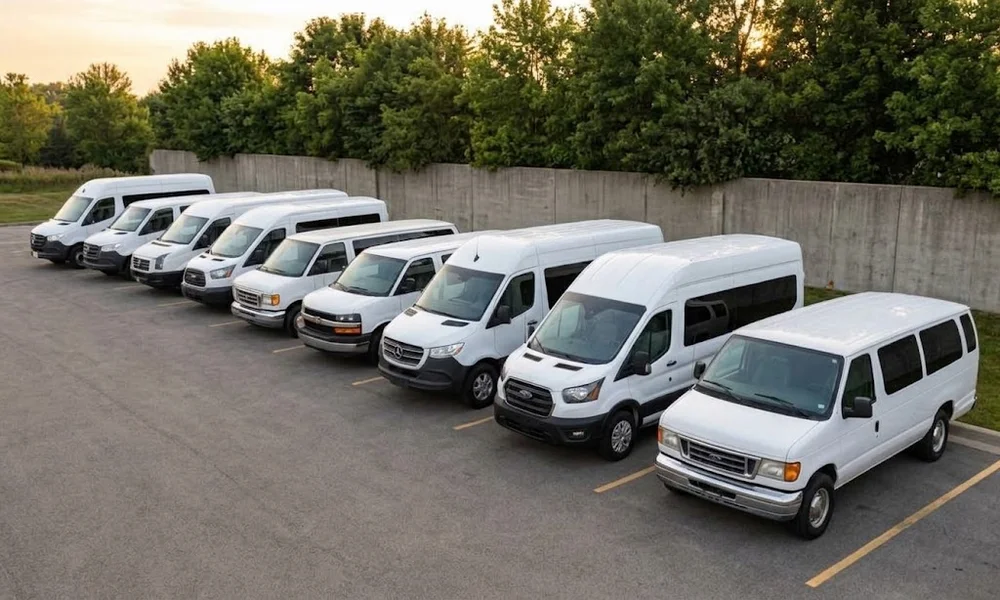
Finding a vehicle that comfortably carries 10 people takes more than looking for a large SUV. Most conventional SUVs seat five to eight passengers, so buyers who need room for 10 should focus on full-size passenger vans and other vehicles specifically configured for high-capacity transportation.
The right choice depends on how often you carry a full group, how much luggage you need to transport, where you drive, and whether you prefer a new or used vehicle. Seating configurations also matter: a vehicle advertised with a high maximum capacity may have different seating arrangements depending on its trim, wheelbase, and interior layout.
What Types of Vehicles Can Seat 10 People?
Three vehicle categories are worth considering when shopping for 10 passenger vehicles.
Full-size passenger vans
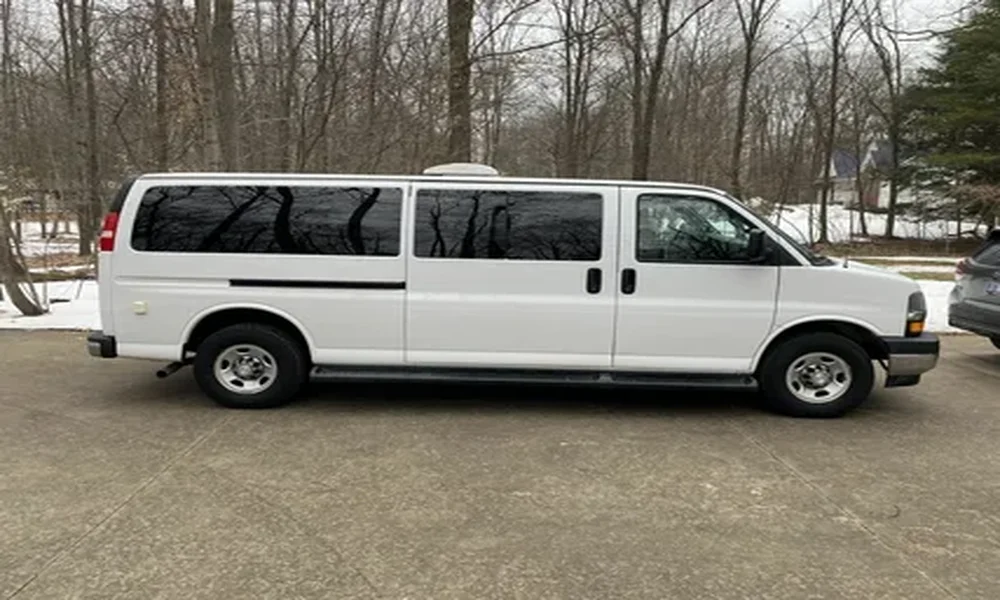
Full-size vans are often the most practical choice for large families, shuttle services, community organizations, and group travel. Many models are available in configurations that seat more than 10 people, although the exact capacity depends on the version.
Their main advantages are a spacious cabin, multiple seating rows, and flexible cargo arrangements. Their disadvantages can include a large turning radius, challenging parking, and higher fuel consumption than smaller vehicles.
Commercial vans converted for passengers
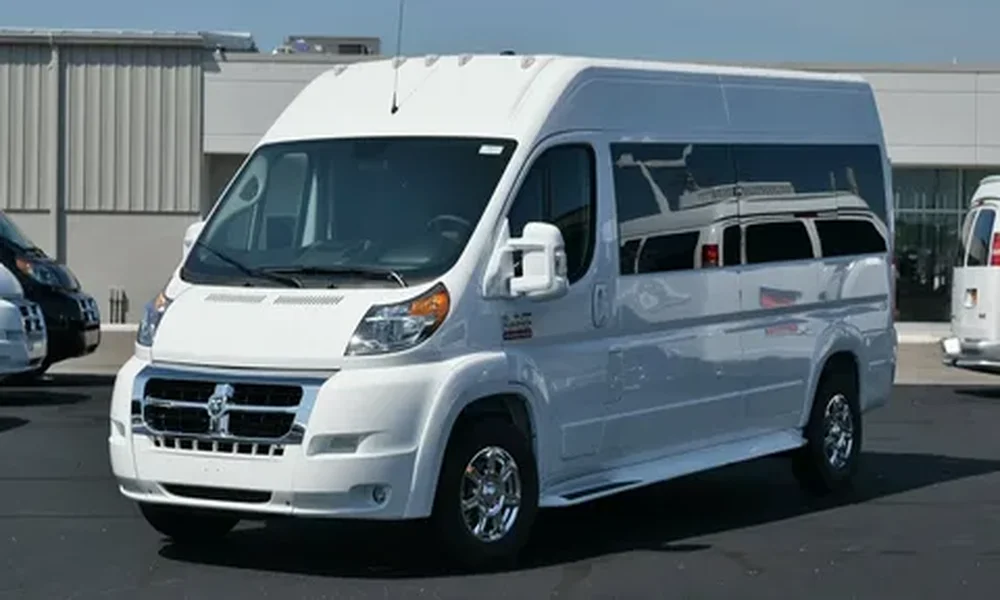
Some commercial vans are sold or professionally configured with passenger seating. These can be useful for businesses, airport transfers, hotels, and organizations that regularly transport groups.
Before buying a converted van, verify that its seating, seat belts, anchorage points, and any required modifications meet applicable safety and registration rules. Not every cargo-van conversion is suitable for carrying passengers.
Large SUVs and people carriers
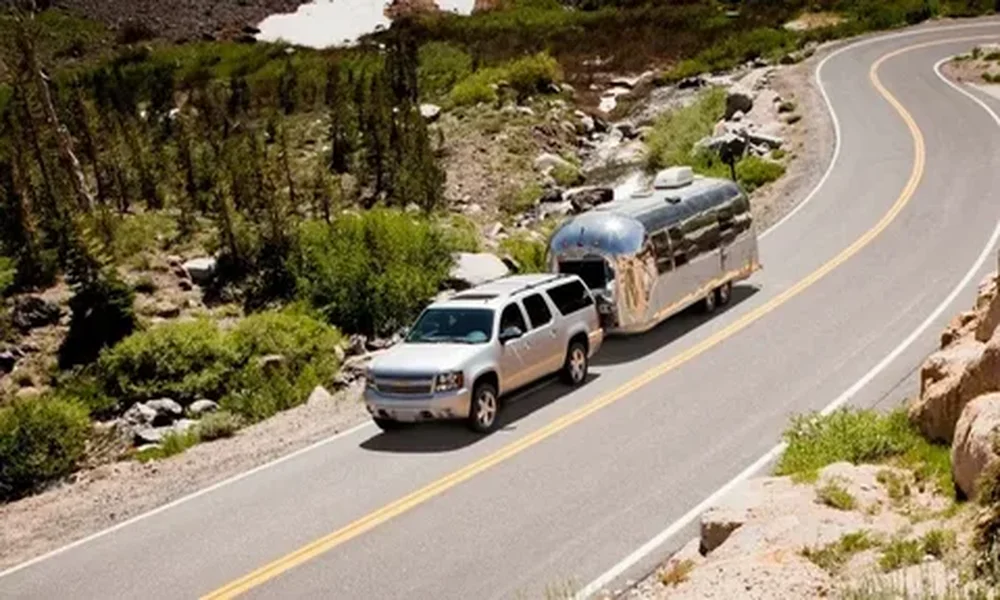
Large SUVs are worth considering if your group does not always need 10 seats. Many three-row SUVs accommodate seven or eight passengers, but that is different from carrying 10 people legally and comfortably.
If 10 seats are essential, confirm the vehicle’s actual factory-approved seating capacity instead of relying on a seller’s description.
Best Vehicles to Consider for 10 Passengers
The following full-size vans are useful starting points. Their passenger capacities vary by model year and configuration, so verify the exact vehicle specification before making a purchase.
Ford Transit Passenger Van
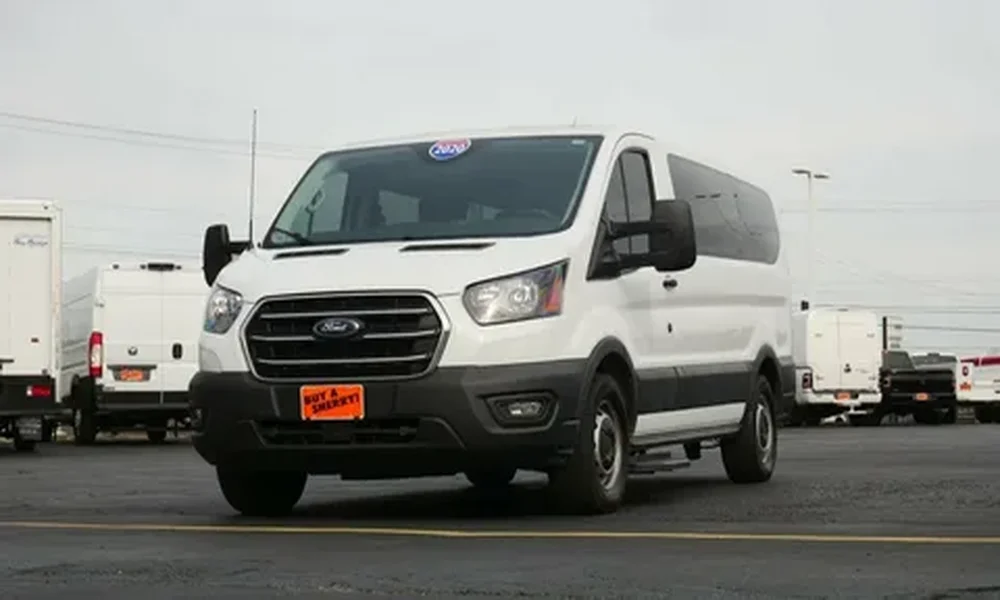
The Ford Transit Passenger Van is designed for transporting groups and is available in multiple body and roof configurations. Depending on the version, it can offer seating for large groups, along with different layouts for passengers and luggage.
It may suit large families, shuttle operators, churches, sports teams, and businesses that need a flexible passenger vehicle.
What to check: Seat count, roof height, wheelbase, rear air conditioning, access to the back rows, and cargo space behind the final row.
Chevrolet Express Passenger Van
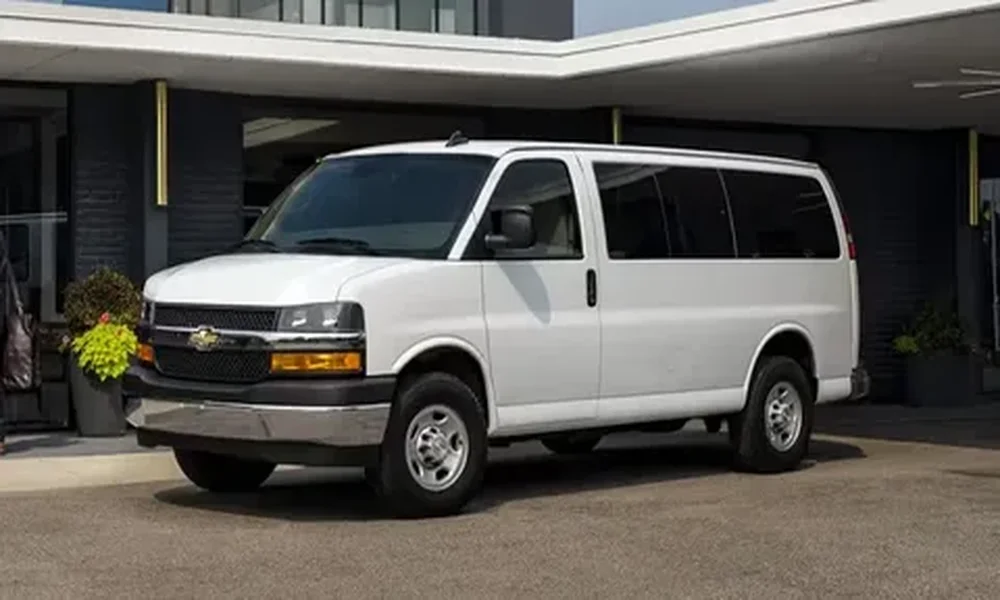
The Chevrolet Express Passenger Van is a traditional full-size van designed for people-moving duties. Certain configurations accommodate substantially more than 10 occupants, making it worth considering for group transportation.
Its straightforward design may appeal to buyers who prioritize practical space over a more modern passenger-car feel.
What to check: Model year, seating configuration, maintenance history, safety equipment, and whether the vehicle has been used commercially.
Mercedes-Benz Sprinter Passenger Van
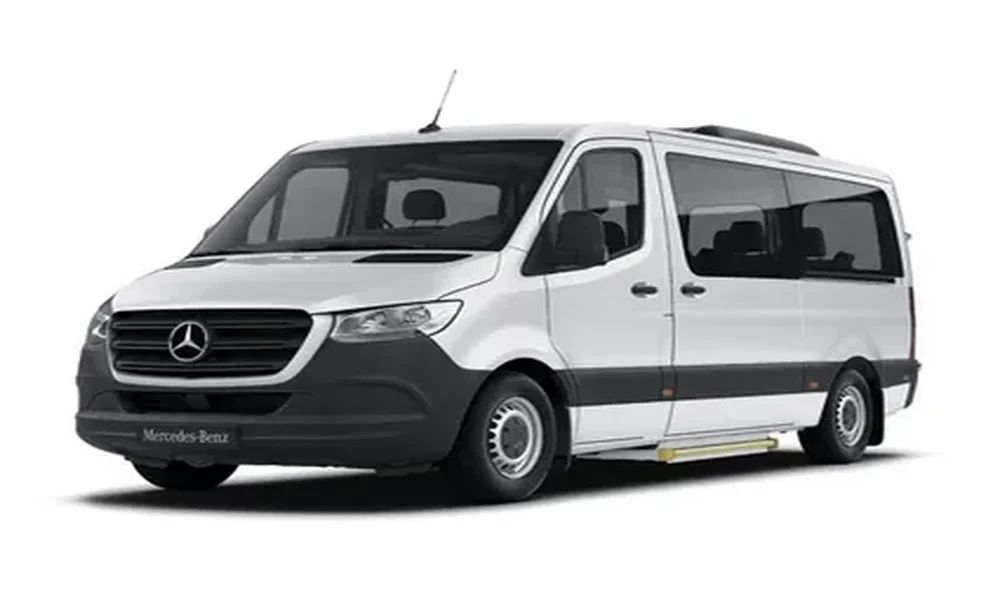
The Mercedes-Benz Sprinter is another option for buyers who need substantial passenger capacity. Depending on the version and market, it can be configured for group transportation, professional shuttle use, or passenger-focused travel.
Some configurations offer a more premium environment, but equipment and comfort features vary.
What to check: Passenger configuration, service records, parts availability, operating costs, and the total cost of ownership.
How to Choose the Right 10 Passenger Vehicle
A vehicle that fits 10 people on paper may not be comfortable for every trip. Compare the details that matter in daily use.
1. Confirm the legal seating capacity
Start with the manufacturer’s specifications and the vehicle documentation. Count the designated seating positions rather than assuming that a large interior can accommodate extra passengers safely.
Every occupant should have an appropriate seating position and seat belt. Never add passengers beyond the approved capacity.
2. Check luggage space
Passenger capacity and cargo capacity are not the same thing. A van may seat 10 people but leave limited room for suitcases, sports equipment, strollers, or business supplies.
If you frequently travel with a full group, look for a configuration that leaves usable space behind the rear seats. A roof carrier or trailer may be an option in some situations, but only when permitted by the vehicle’s specifications and local rules.
3. Consider access to the rear rows
Wide doors, convenient steps, grab handles, and a sensible aisle can make a major difference for children, older passengers, and people getting in and out repeatedly.
If possible, inspect the vehicle in person and have several intended passengers try the seats before buying.
4. Evaluate comfort on longer journeys
For road trips and regular shuttle work, look for suitable legroom, ventilation, rear climate control, supportive seats, and a cabin layout that allows passengers to settle comfortably.
A short test drive may not reveal every comfort issue, so consider the type of journeys you expect to make.
5. Check safety equipment
Review the vehicle’s crash-test information where available, standard and optional safety features, tire condition, braking system, and maintenance records. For used vehicles, also check for accident history and incomplete repairs.
A large vehicle is not automatically safer in every situation. Driver visibility, braking performance, stability, passenger restraints, and vehicle condition all matter.
6. Make sure it fits your driving environment
A full-size passenger van can be harder to maneuver than an ordinary car. Consider parking height limits, garage dimensions, narrow streets, turning space, and the availability of suitable parking at home or work.
If you expect to drive mostly in crowded urban areas, take a test drive on the types of roads you use most often.
How Much Do 10 Passenger Vehicles Cost?
Prices vary widely according to brand, model year, mileage, condition, configuration, and market. A used commercial passenger van may cost less upfront than a newer, highly equipped model, but its maintenance needs and previous usage can change the overall value.
When comparing vehicles, look beyond the advertised purchase price.
| Cost factor | What to consider |
| Purchase price | New versus used, mileage, condition, and seating configuration |
| Fuel | Engine type, driving distance, load, and local fuel prices |
| Insurance | Passenger capacity, intended use, location, and coverage |
| Maintenance | Tires, brakes, scheduled servicing, and replacement parts |
| Registration | Local vehicle class, taxes, and registration requirements |
| Financing | APR, loan term, fees, and total repayment amount |
Request a written quote and compare the full ownership cost. A lower-priced van can become expensive if it needs major repairs or does not have the features your group requires.
Are 10 Passenger Vehicles Good for Large Families?
They can be, especially when a family regularly travels together or needs room for extended family, children, and equipment. A passenger van may be more practical than taking two smaller vehicles on every trip.
However, a 10-seat vehicle may be unnecessary if you rarely transport more than six or seven people. In that case, a large SUV or smaller passenger van could be easier to park and less expensive to operate.
Think about your usual passenger count rather than choosing a vehicle based only on its maximum capacity.
New vs. Used 10 Passenger Vehicles
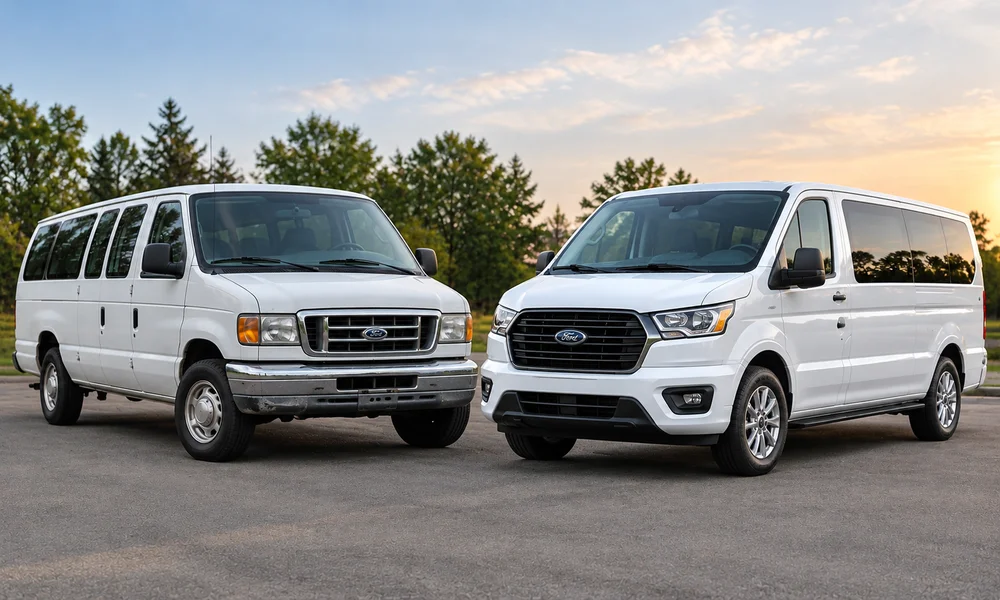
Both options can work, depending on budget and how heavily the vehicle will be used.
Buying new
A new vehicle offers a known service history, current equipment for its model year, and potentially warranty coverage. The initial price is usually higher, and availability may depend on the exact configuration.
Buying used
A used passenger van can reduce the purchase price, but careful inspection is essential. Commercial vehicles may have accumulated substantial mileage or spent years in demanding service.
Before buying used, arrange an independent mechanical inspection, review maintenance records, check for accident or flood damage, and confirm that all seats and restraints are present and correctly installed.
Final Thoughts
The best 10 passenger vehicle is one that provides enough approved seating, usable luggage space, reliable performance, and manageable running costs for your needs. Full-size passenger vans are generally the strongest starting point, while large SUVs are better suited to buyers who need fewer seats.
Compare the exact seating configuration, inspect safety equipment, calculate total ownership costs, and test the vehicle with your intended passengers before making a decision.
Frequently Asked Questions
What vehicles can seat 10 passengers?
Full-size passenger vans are usually the most practical place to start. Models such as the Ford Transit Passenger Van, Chevrolet Express Passenger Van, and Mercedes-Benz Sprinter are available in configurations intended for group transportation. Exact seating capacity varies by model year and layout.
Do SUVs seat 10 passengers?
Most standard SUVs do not seat 10 people. Many offer five, seven, or eight seats. Buyers who need 10 approved seating positions should check full-size passenger vans or other purpose-built high-capacity vehicles.
Is a 10 passenger van good for road trips?
Yes, if the seats are comfortable and the vehicle has enough room for passengers and luggage. Rear climate control, easy entry, storage space, and regular maintenance become particularly important on long journeys.
Are 10 passenger vehicles expensive to maintain?
Costs depend on the model, age, mileage, parts availability, and how the vehicle is used. Larger vans may need more expensive tires or consume more fuel than smaller vehicles, so compare estimated running costs before buying.
Can I use a 10 passenger vehicle for a business?
Possibly, but commercial passenger transportation may require specific insurance, permits, inspections, or licensing depending on the location and type of service. Check local requirements before using the vehicle to transport paying passengers.