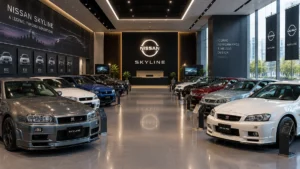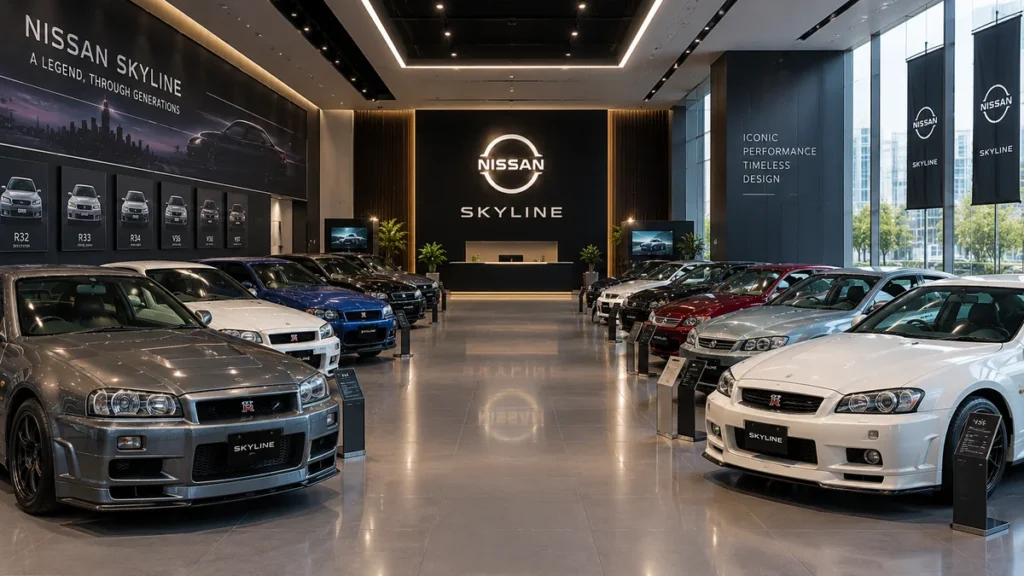
The Nissan Skyline is one of Japan’s most recognizable automotive nameplates. Over several decades, it evolved from a practical passenger car into a performance-focused model associated with motorsport, tuning culture, and some of Nissan’s most celebrated engineering.
For many enthusiasts, the Skyline is inseparable from the GT-R badge. However, not every Nissan Skyline is a GT-R. The broader lineup includes different body styles, engines, and equipment levels, ranging from everyday sedans to highly capable performance cars.
Understanding those differences is essential if you’re researching the Skyline’s history, comparing generations, or considering buying one. The model’s reputation is impressive, but its value and ownership experience depend on the exact version, condition, originality, and maintenance history.
What Is the Nissan Skyline?
The Nissan Skyline is a vehicle nameplate with a history dating back to the 1950s, originally developed by the Prince Motor Company before its merger with Nissan. Over time, it became a central part of Nissan’s passenger-car and performance lineup.
The Skyline has been offered in several configurations, including sedans, coupes, and different engine options depending on the generation and market. While many versions focused on everyday driving, selected models gained a reputation for strong performance and motorsport involvement.
The GT-R became the most famous performance branch of the Skyline story. Its combination of turbocharged power in later generations, advanced all-wheel-drive systems, and tuning potential helped establish a global following.
That distinction matters when comparing prices. A standard Skyline, a performance-oriented GTS model, and a genuine GT-R can have very different specifications and market values.
Nissan Skyline Generations Explained
The Skyline’s development spans multiple generations, each reflecting changes in design, engineering, and Nissan’s performance ambitions.
Early Skyline: 1957–1960s
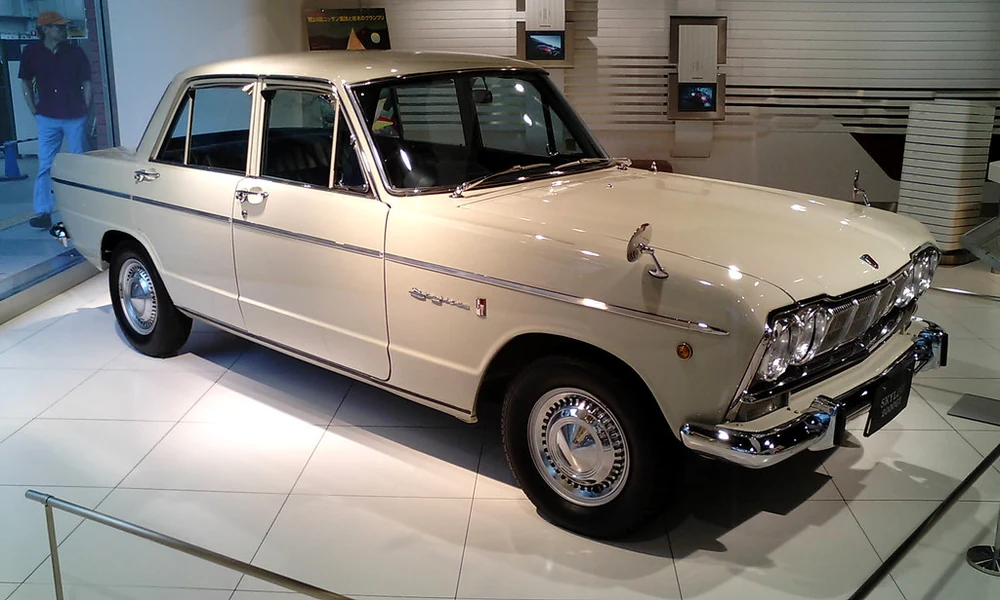
The earliest Skylines were introduced under the Prince name before the company became part of Nissan. These vehicles were considerably different from the turbocharged performance cars that later made the name famous.
Early models were primarily passenger cars, with an emphasis on practicality and conventional styling for their era. They are now of interest to enthusiasts who appreciate the Skyline’s origins and its development into a recognizable Japanese automotive nameplate.
Originality and historical documentation are especially important when evaluating an early example because surviving cars can differ in specification and restoration quality.
C10: 1968–1972
The C10 generation helped establish the Skyline’s performance reputation. The range included the famous GT-R variant, which became known for its motorsport achievements.
The four-door PGC10 GT-R arrived in 1969, followed by the two-door KPGC10 in 1970. These early GT-Rs are highly regarded among collectors, although their values depend on authenticity, condition, and documentation.
Standard C10 models should not automatically be valued like genuine GT-R versions. Factory specification and provenance are central to understanding the differences between them.
C110: 1972–1977
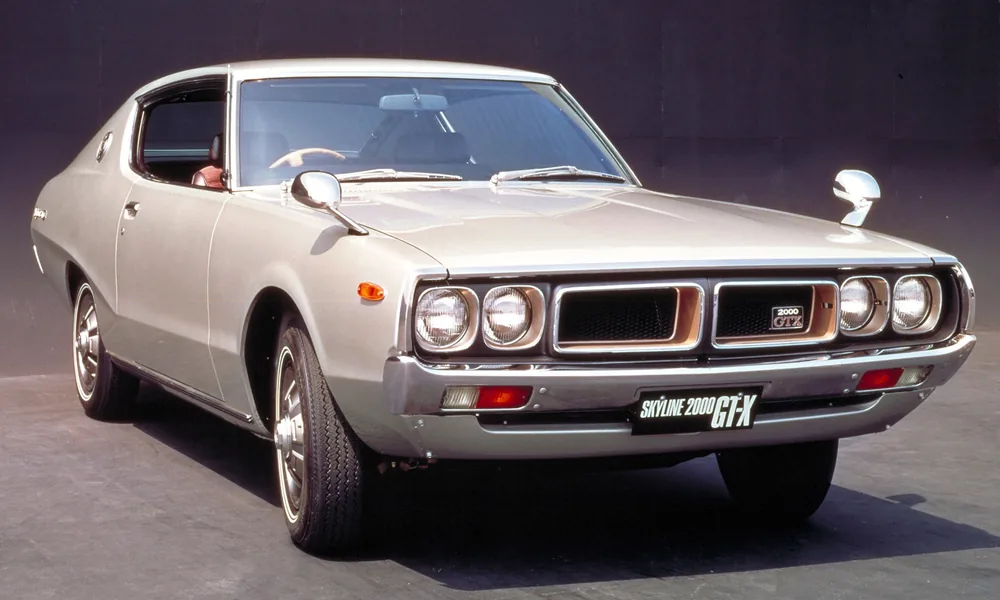
The C110 generation is widely associated with the nickname “Kenmeri,” derived from a Japanese advertising campaign. Its styling differs from the earlier C10, with a more pronounced coupe profile and a distinctive period appearance.
A GT-R version was announced, but only a very small number of KPGC110 GT-Rs were produced. This makes verified examples particularly significant in the collector market.
For buyers, the C110’s age makes body condition, rust, restoration quality, and correct identification especially important.
R30: 1981–1985
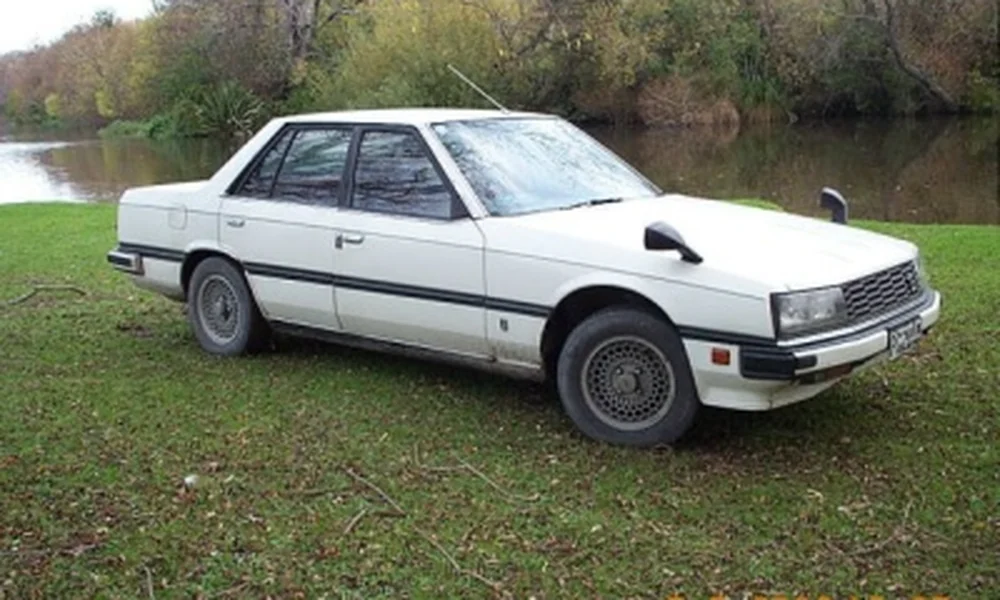
The R30 generation moved the Skyline toward a more angular design language associated with the early 1980s. It offered a range of configurations and performance levels.
The R30 RS and RS-X models helped strengthen the Skyline’s performance identity, particularly through motorsport-related development. These cars are worth distinguishing from standard models, as their specifications and collector appeal can differ.
Because these vehicles are now decades old, a careful inspection is essential. Previous modifications, replacement parts, and incomplete maintenance records can complicate ownership.
R31: 1985–1989
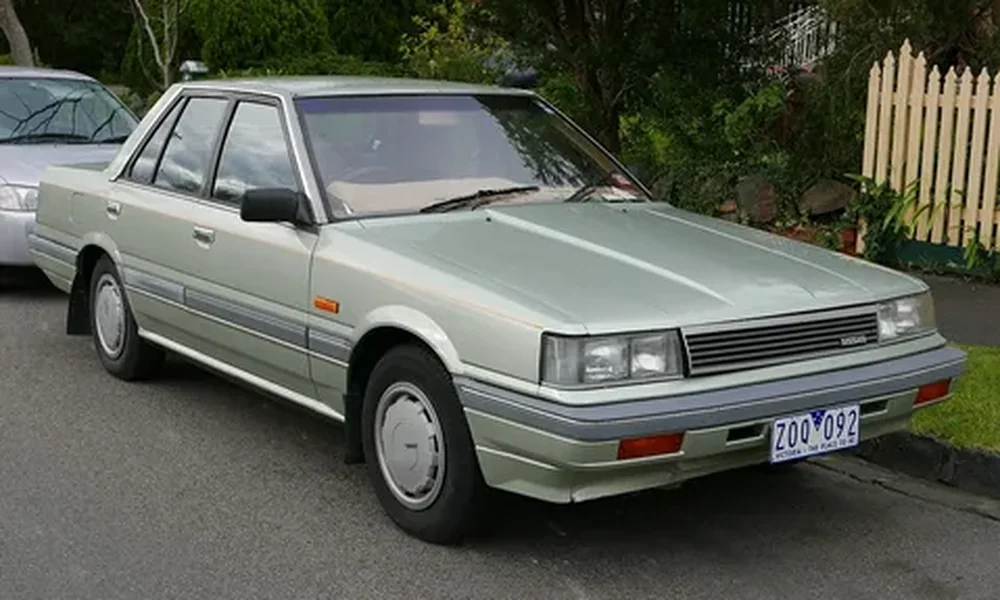
The R31 continued the Skyline’s evolution and introduced the GTS-R performance model in limited numbers. The generation also contributed to the development of Nissan’s later performance engineering.
Not every R31 is a high-performance collector car. The specific engine, trim, body style, and original equipment determine how a particular vehicle should be evaluated.
R32: 1989–1994
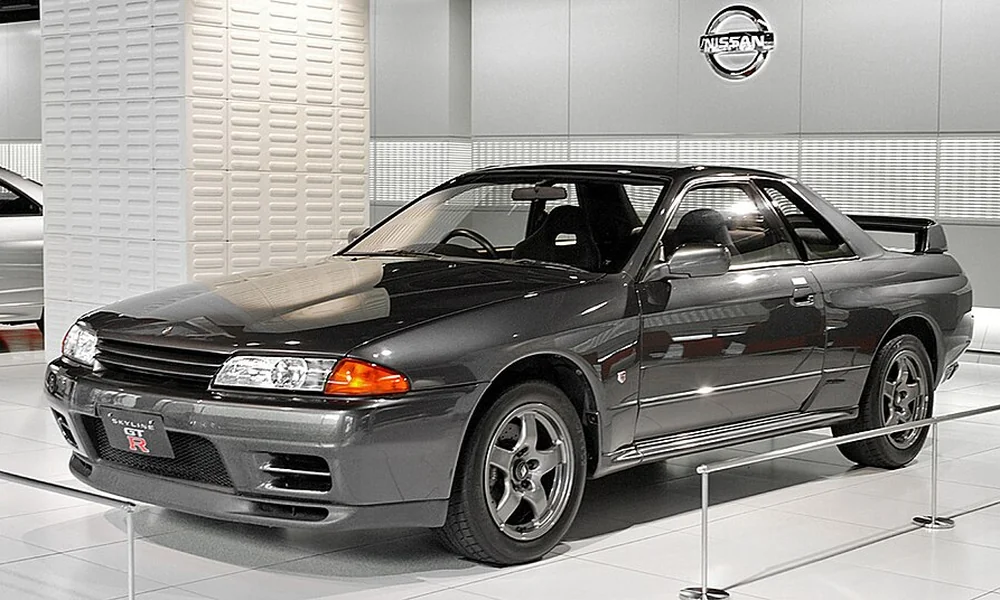
The R32 is one of the most influential Skyline generations. The return of the GT-R in 1989 brought a twin-turbocharged inline-six engine, the RB26DETT, and the ATTESA E-TS all-wheel-drive system.
The R32 GT-R developed a formidable motorsport reputation, particularly in touring-car competition. Its engineering and competition success helped earn it the nickname “Godzilla” among enthusiasts.
The generation also included other Skyline versions, such as GTS models, which differ from the GT-R in equipment and performance.
R32 GT-Rs have attracted significant international interest. Buyers should verify authenticity, assess corrosion carefully, and check whether engine tuning or other modifications have been carried out professionally.
R33: 1993–1998
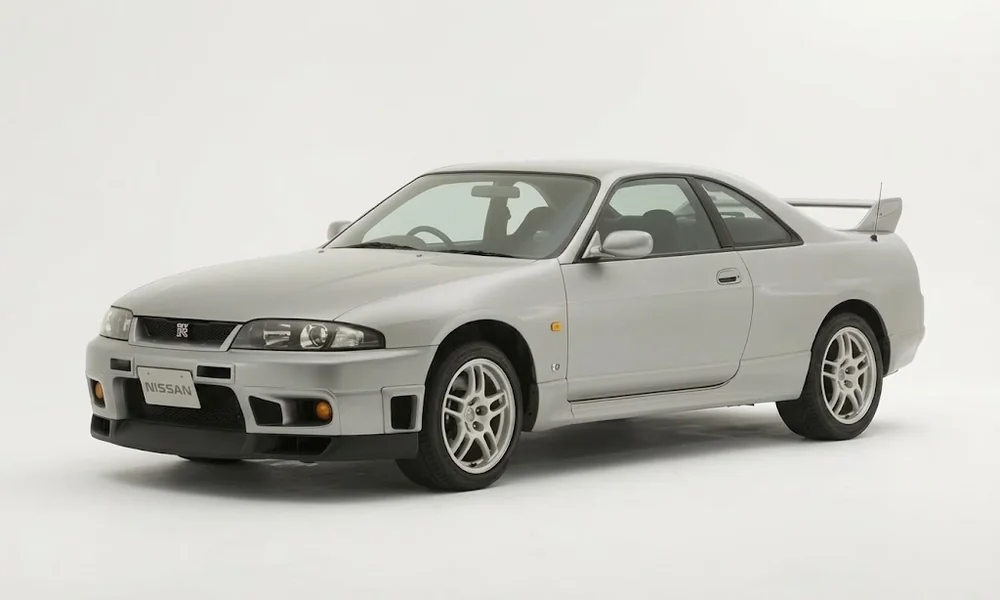
The R33 GT-R continued the performance formula with revisions to the chassis, handling, and overall package. It is sometimes overshadowed by the R32 and R34 in popular culture, but it remains an important part of the GT-R lineage.
The R33 also includes variants with different levels of equipment and performance. A genuine GT-R, a GT-R V-Spec, and a standard Skyline should not be treated as interchangeable when comparing values.
As with any older performance car, maintenance history matters. Inspect the engine, turbochargers, drivetrain, cooling system, and evidence of hard use before buying.
R34: 1998–2002
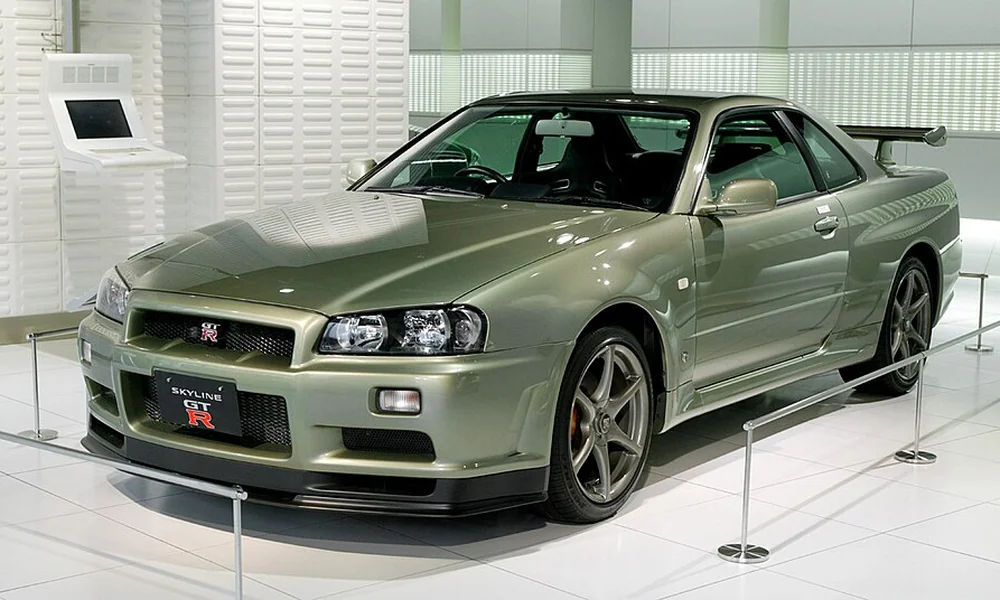
The R34 is perhaps the most recognizable Skyline generation internationally, helped by its appearance in video games, films, and enthusiast media.
The R34 GT-R features the RB26DETT twin-turbo inline-six and an advanced all-wheel-drive system. Its compact proportions, performance potential, and connection to the earlier GT-R models have made it especially desirable among collectors.
The generation includes multiple GT-R versions, including V-Spec models and the rare Nür variants. Exact specification, originality, import eligibility, and documentation can substantially affect price.
A standard R34 Skyline is not the same vehicle as an R34 GT-R. Confirm the precise model and factory configuration before paying a premium based on the GT-R reputation.
V35 and V36: 2001–2014
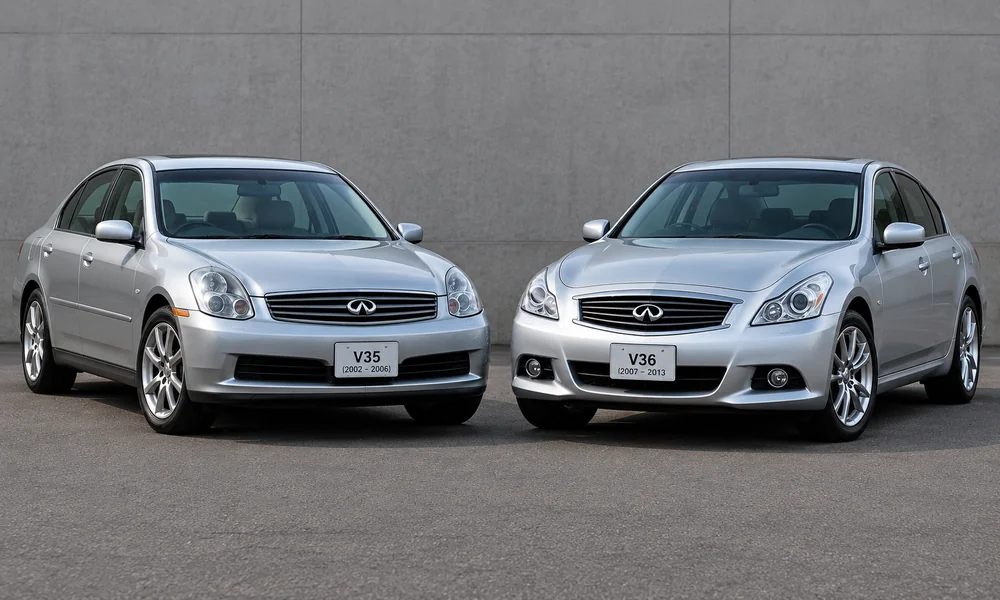
The Skyline changed direction with the V35 generation, moving toward a more modern luxury-oriented sports sedan and coupe formula. These models were sold under different naming arrangements in some markets, including as the Infiniti G35 and G37.
The V35 and V36 generations differ significantly from the earlier turbocharged GT-R era. They offered modern engines, updated comfort features, and a different approach to performance.
For buyers who want a more contemporary Skyline without pursuing an older GT-R, these generations may be worth considering. Condition, service records, accident history, and local parts availability should guide the decision.
V37: 2014 onward
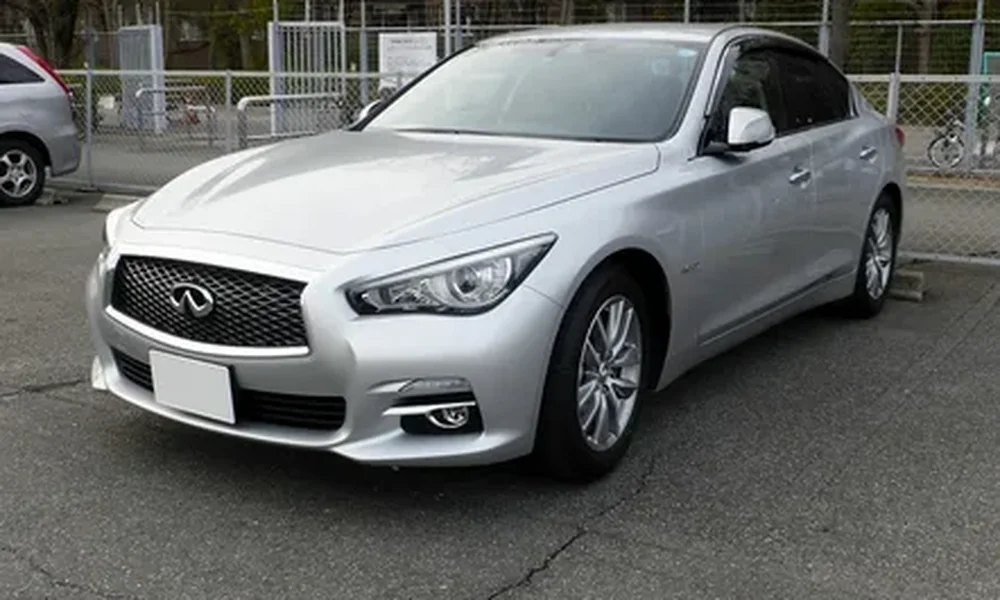
The V37 Skyline continues the modern sedan-oriented direction. Depending on the market and model year, it has been offered with different powertrains and technology packages.
It is a different ownership proposition from the classic GT-R generations. Buyers may value its more recent safety equipment, comfort, and everyday usability, while collectors focused on the RB-powered cars may prefer earlier models.
Check the exact market specification because engine options, equipment, and naming can vary by country.
Nissan Skyline vs. Nissan GT-R: What’s the Difference?
The Skyline and GT-R names are closely connected, but they do not mean the same thing in every context.
The Skyline is the broader nameplate, covering a range of passenger cars and performance-oriented versions. The GT-R badge identifies specific high-performance models associated with Nissan’s motorsport and engineering heritage.
| Feature | Standard Skyline | Skyline GT-R |
| Main purpose | Everyday driving, comfort, or sportiness depending on trim | High-performance driving and motorsport-inspired engineering |
| Engine options | Vary by generation and trim | Specific high-performance engines, depending on generation |
| Drivetrain | Varies by model | R32, R33, and R34 GT-Rs use advanced all-wheel-drive systems |
| Collector interest | Depends on model and condition | Often especially strong for genuine, well-documented examples |
| Purchase cost | Broad range | Desirable GT-R variants typically command a premium |
The distinction is especially important when researching an imported vehicle. A car modified to resemble a GT-R is not necessarily an original GT-R, and cosmetic parts alone cannot establish authenticity.
What Makes the Skyline GT-R Special?
The GT-R’s reputation comes from a combination of engineering, motorsport success, and its ability to respond to performance modifications.
The RB26DETT engine
The R32, R33, and R34 GT-R are known for the RB26DETT, a 2.6-liter twin-turbocharged inline-six engine. Its strong enthusiast following is linked to its performance potential and extensive tuning ecosystem.
However, the condition of an individual engine matters more than its reputation. Poor tuning, excessive boost, inadequate maintenance, or unsuitable modifications can lead to expensive problems.
Advanced all-wheel drive
The R32, R33, and R34 GT-R use Nissan’s ATTESA E-TS all-wheel-drive system. It helps manage power delivery and traction, contributing to the cars’ performance character.
These systems also add mechanical complexity. Buyers should inspect the drivetrain carefully and confirm that previous repairs and modifications have been carried out properly.
Motorsport heritage
The GT-R’s competition history helped cement its reputation among enthusiasts. Racing success is part of the model’s identity, but it does not mean every used example has been maintained to a high standard.
A documented, well-kept car can be a more sensible purchase than one with extensive modifications and an unclear history.
How Much Does a Nissan Skyline Cost?
Skyline prices vary widely depending on the generation, trim, condition, originality, and country of sale. A standard sedan from a later generation and a genuine R34 GT-R are not comparable purchases.
Older GT-Rs and rare variants may command substantial collector premiums. Standard Skylines can offer a different route into ownership, but their condition and parts availability still matter.
Factors that affect Skyline value
Generation and model: GT-R versions and rare factory variants can be significantly more valuable than standard models.
Authenticity: Identification details, factory records, and credible documentation help establish whether a vehicle is what the seller claims.
Condition: Corrosion, accident damage, mechanical faults, and poor repairs can reduce value and increase future costs.
Modifications: Performance upgrades may appeal to some buyers, but poorly documented engine tuning or drivetrain changes can create reliability concerns.
Mileage and maintenance: Mileage provides useful context, but service history and mechanical condition are often more informative than the odometer alone.
Import and registration costs: Shipping, customs duties, taxes, registration, and local compliance requirements can significantly affect the final price.
For wider collector-market context, see TurbooCruiser’s guides to rare cars in the world and the most expensive American cars. These explain some of the factors that influence collector interest, although American-car pricing is not a direct valuation benchmark for a Skyline.
What to Check Before Buying a Used Nissan Skyline
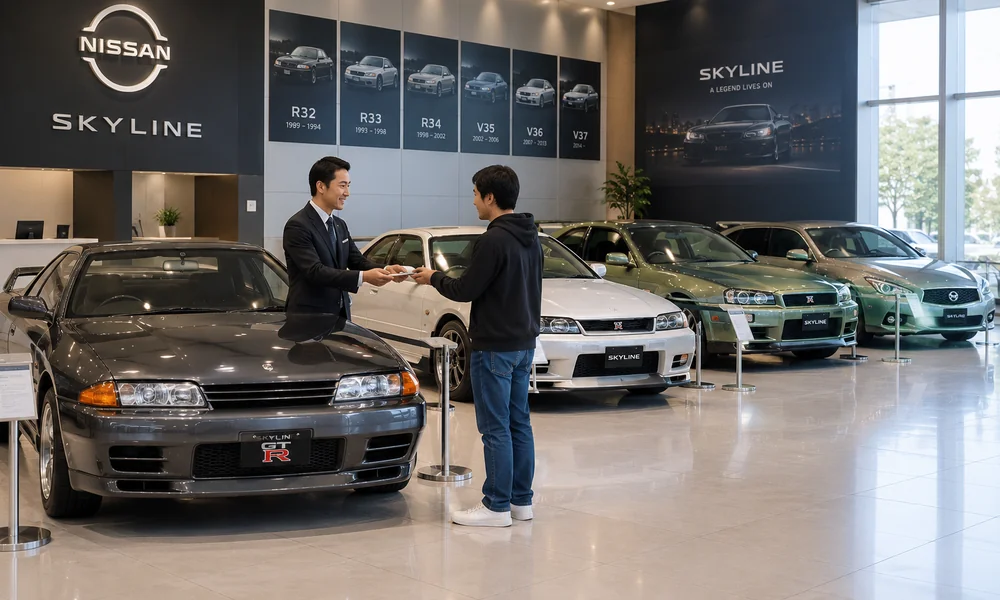
A used Skyline can be an enjoyable ownership experience, but older performance cars require careful evaluation. This is especially true for imported GT-Rs and vehicles that have been modified.
1. Verify the exact model
Confirm the chassis code, engine, trim, and original specification. Check the identification details against the vehicle’s documents and any available factory records.
This step is essential when buying a GT-R or a rare variant. Do not rely solely on exterior badges or a seller’s description.
2. Inspect for corrosion and accident damage
Check the underbody, wheel arches, structural areas, floor sections, and previous repair work. Corrosion can be expensive to correct, especially when it affects structural components.
A car with fresh paint may still have hidden rust or poorly repaired damage. An independent inspection is worthwhile before committing to a purchase.
3. Check the engine and turbochargers
Look for unusual engine noises, smoke, fluid leaks, overheating, and inconsistent operation. Ask about engine rebuilds, turbocharger replacement, tuning, and previous mechanical problems.
For modified cars, request details of the parts installed and the work completed. A professional inspection can help determine whether the modifications are appropriate for the vehicle.
4. Assess the drivetrain
On GT-R models, the all-wheel-drive system and other drivetrain components deserve particular attention. Check for unusual noises, vibration, warning lights, or evidence of neglected maintenance.
Transmission behavior, clutch condition where applicable, and differential operation should also be assessed during a road test.
5. Review the service and modification history
Look for invoices, service records, inspection reports, and documentation for major repairs. Find out whether the car has been used on track or for demanding performance driving.
A modified Skyline is not automatically a poor purchase, but a clear record of the work performed makes it easier to evaluate.
6. Calculate the complete ownership cost
Include purchase price, inspection, transport, import charges, registration, insurance, maintenance, and a reserve for unexpected repairs.
Specialist parts and expertise may be harder to find in some markets. Before buying an unusual configuration, confirm that servicing and replacement components will be accessible.
For broader ownership planning, use TurbooCruiser’s car maintenance checklist and review its guide to performance-vehicle maintenance costs.
Is the Nissan Skyline a Good Investment?
Some Skyline models, particularly genuine GT-R variants and rare factory editions, have attracted strong collector interest. However, that does not guarantee that every Skyline will appreciate.
Value depends on authenticity, originality, condition, documentation, and demand for the specific generation. A rare, well-preserved example may occupy a very different market position from a heavily modified car with an uncertain history.
Ownership costs should also be part of the calculation. Insurance, storage, servicing, repairs, and import expenses can reduce any potential financial return.
If collecting is your main objective, prioritize verified specifications and documented condition. If driving enjoyment is more important, a well-maintained standard Skyline or a less expensive performance version may provide a more practical entry point.
Final Thoughts
The Nissan Skyline has evolved from a conventional passenger-car nameplate into one of Japan’s most recognizable performance-car stories. Its many generations offer different combinations of comfort, engineering, driving character, and collector appeal.
The GT-R versions deserve their reputation, but they are only one part of the Skyline range. Before buying, identify the exact model, verify its history, inspect its mechanical condition, and understand the total cost of ownership.
A genuine, well-maintained Skyline with clear documentation is a stronger starting point than a car chosen solely for its badges or reputation. Focus on the version that fits your budget and intended use, and the Skyline’s appeal becomes much easier to appreciate.
Frequently Asked Questions
Is every Nissan Skyline a GT-R?
No. The Skyline name covers a broad range of vehicles, including standard sedans, coupes, and performance-oriented trims. The GT-R refers to specific high-performance models.
Which Nissan Skyline is the most famous?
The R34 GT-R is especially recognizable internationally, partly because of its appearances in popular media and enthusiast culture. The R32 and R33 GT-R are also important models with their own motorsport and engineering histories.
What engine is in the R34 GT-R?
The R34 GT-R uses the RB26DETT, a 2.6-liter twin-turbocharged inline-six engine. The condition and modifications of an individual vehicle should be checked rather than assumed from its model designation.
Is the Nissan Skyline reliable?
Reliability depends on the generation, condition, maintenance history, and modifications. A well-maintained car can be rewarding to own, while neglected or aggressively modified examples may require expensive repairs.
Why are some Nissan Skylines so expensive?
Desirable GT-R variants can command premiums because of their performance, motorsport heritage, rarity, and collector demand. Authenticity, originality, and condition also influence prices.
Can I import a Nissan Skyline?
Import eligibility depends on the destination country’s laws, the vehicle’s age, its documentation, and applicable safety or emissions requirements. Check the current rules with the relevant authorities before paying a deposit or arranging shipment.
Is a standard Skyline worth buying?
It can be. Standard Skyline models may offer distinctive styling and enjoyable driving without the premium associated with certain GT-R variants. The right purchase depends on the specific car, its condition, and your expectations.