AI Overview:
A High-Performance Driving Education (HPDE) event lets drivers test their street cars on a race track under expert instruction. This track day beginner guide covers essential vehicle preparation, required safety gear, and mental readiness. Learn how to navigate run groups, follow passing flags, and maximize track time safely with expert advice from turboocruiser.com.
Key Takeaways
Essential vehicle prep and safety gear basics
Surviving your first high-performance driving school session
Smart pacing, hydration, and classroom etiquette
What to pack for a smooth, stress-free paddock experience
Thinking about pushing your road car to its limits on an actual race track? Preparing for your High-Performance Driving Education debut can feel overwhelming, but this track day beginner guide will walk you through every step of your first event. An HPDE gives you a safe, controlled environment to learn vehicle dynamics with a certified instructor sitting right next to you.
You do not need a dedicated race car or years of experience to get started. In most cases, a well-maintained street car and a good attitude are all you need to enjoy a safe, thrilling day at the circuit.
What Is an HPDE Event and How Does It Work?
A High-Performance Driving Education event is strictly a learning environment, not a race. There are no timing transponders, trophy presentations, or cash prizes waiting at the end of the day.
Instead, you are there to learn car control, racing lines, and high-speed safety from experienced drivers. Beginners are assigned an instructor who guides them through every turn, braking zone, and passing scenario in real time. When you enroll in a performance driving school, you are placed into a specific group based entirely on your prior track experience.
Novice / Beginner Group
Includes a full-time in-car instructor.
Passing is strictly restricted to long straightaways.
Passing requires a clear hand signal (point-by) from the front driver.
Intermediate Group
Drivers are checked off for solo driving.
Passing zones expand to include more sections of the track.
Point-bys are still mandatory for all overtakes.
Advanced Group
Drivers demonstrate high situational awareness and consistent lines.
Open passing may be allowed in designated zones.
Speeds and overall group pace are significantly higher.
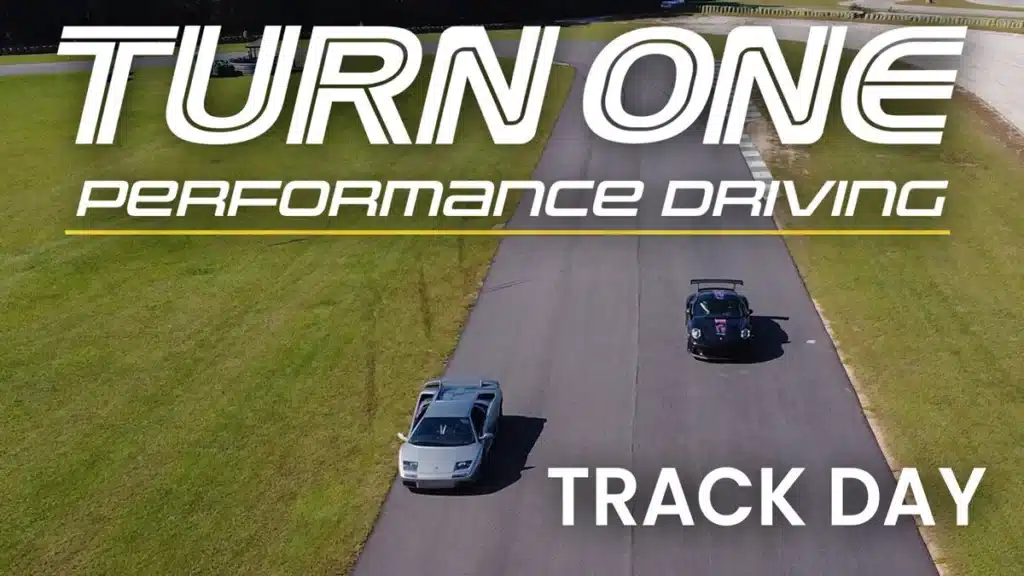
Preparing Your Car for the Circuit
Your street car takes a beating on the track that normal commuting never replicates. High heat and extreme cornering loads put heavy strain on your brakes, tires, and fluids. Safety inspectors check your vehicle before you are allowed onto the track grid, so handling maintenance early is essential.
Fresh brake fluid is arguably the single most important upgrade you can make before an HPDE event. Standard fluid can boil under track temperatures, leading to a dangerous pedal fade.
Checking tire age and wear is equally critical. Keep your tires at normal street pressures for your drive to the track, then adjust them lower as heat builds up during your running sessions. At turboocruiser, we generally recommend checking all fluid levels and suspension torque specs at least one week before heading out to the paddock.
Essential Gear and Paddock Setup
You do not need expensive fire suits for a standard HPDE, but specific basic gear is non-negotiable for safety.
Snell-Approved Helmet: Most organizations require SA2020 or newer certifications. Motorcycle (M-rated) helmets are frequently prohibited due to fire-retardant material requirements.
Natural Fiber Clothing: Wear 100% cotton long pants and a short or long-sleeved shirt. Synthetic fabrics like polyester can melt under intense heat.
Closed-Toe Shoes: Thin-soled sneakers or driving shoes give you the best pedal feel for smooth throttle and brake modulation.
Tire Pressure Gauge: Digital gauges give the most reliable readings as your tires heat up across multiple sessions.
Torque Wrench: Lug nuts can back out under track vibration; re-torquing them between sessions is vital.
Basic Tool Set: Wrenches, screwdrivers, zip ties, and painter’s tape for covering headlights or taping numbers.
Hydration & Snacks: Bringing plenty of water and simple snacks keeps your mind sharp throughout a long, physically demanding day.
Packing a simple canopy tent, folding chairs, and a small cooler will keep your paddock space comfortable while you rest between driving blocks.
What to Expect on Event Day
Arriving early helps you avoid unnecessary stress during morning registration and technical inspection.
Morning Registration and Tech Inspection
Arrive at the gate as early as possible. Clear out every loose item from your cabin and trunk, including floor mats, spare tires, and glovebox contents.
Drivers Meeting and Classroom
Every driver must attend the morning briefing. The track director will cover flag meanings, pit-lane etiquette, and local track hazards. Novice drivers will also attend mandatory classroom sessions between driving stints at their performance driving school.
Your instructor will meet you in the staging area before your first session. Speak openly about your driving background and what you hope to achieve. Clear communication builds confidence and ensures both you and your instructor stay safe at elevated speeds.
On-Track Etiquette and Flag Rules
Understanding track flags is critical for your safety and the safety of everyone around you. Flags are the primary way corner marshals communicate track conditions to you in real time. Green flags show that the track is clear and open for driving. Stationary yellow flags warn of a hazard off track or near the driving line, meaning you must exercise caution with no passing.
Waving yellow flags signal a hazard directly on the track line, requiring you to slow down and prepare to yield. Blue flags with a yellow diagonal stripe indicate a faster car is approaching behind you, so prepare to give a point-by signal. Red flags require an immediate, safe stop at the side of the track.
Black flags mean you must return to the pits for a mechanical or driving review. Checkered flags mark the session completion, where you take a cool-down lap and return to the paddock. Always check every flag station as you pass it on track. Developing this visual habit early helps you spot flags quickly during fast-paced sessions. Remember that passing is strictly regulated at your first HPDE event. Never pass the car ahead until they signal you with an explicit point-by out their window.
Common Beginner Mistakes to Avoid
Even smart drivers fall into easy traps during their first track outing. Keeping these points in mind will keep your day smooth and stress-free. When following this track day beginner guide, focus on driving smoothly rather than chasing high top speeds on your initial laps. Overdriving your brakes causes massive balance disruption. Mashing the pedal too late unsettles the chassis, whereas smooth application keeps the car stable through corners.
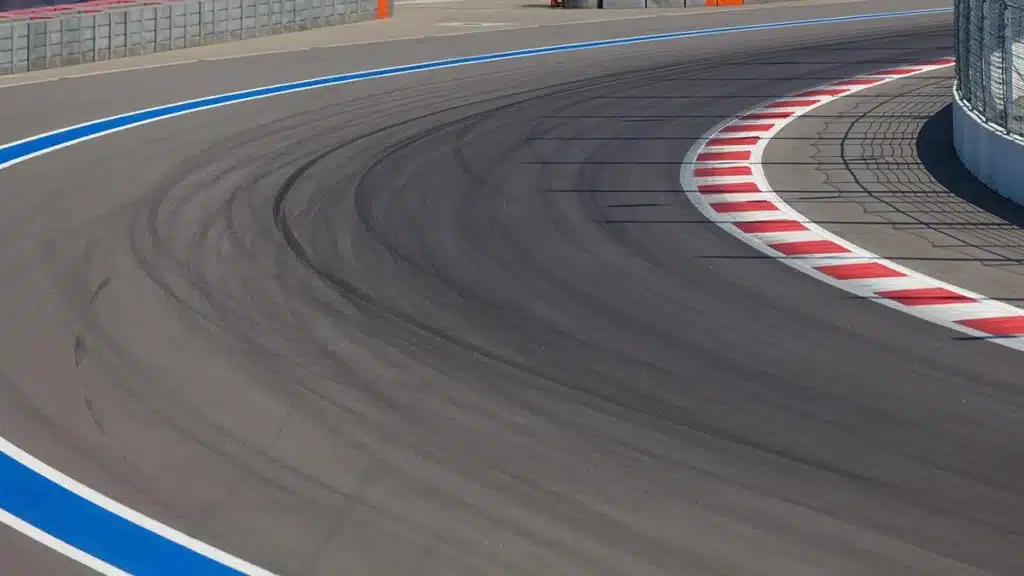
Fixating on the hood is another common mistake. Always look far down the track toward your apex and exit targets instead of focusing right in front of your bumper. Ignoring tire pressures can lead to premature tire damage. Cold tires expand as they heat up, so check pressures immediately after every session to prevent center-tread wear. Skipping cool-down laps puts intense stress on your braking components. Drive the final lap of each session at lower speeds using minimal brakes to cool down your pads and rotors evenly.
Setting the parking brake after a hard session can ruin your rear rotors. Never engage your handbrake in the paddock when you park, as hot rear brake pads can weld themselves to hot rotors. Listening carefully to your instructor remains the best way to correct these common mistakes early in the day. At turboocruiser, we always tell new drivers that smooth inputs yield fast lap times far more reliably than aggressive driving ever will.
Post-Track Vehicle Inspection and Next Steps
Your track day does not end when the checkered flag waves on your final session. Taking time to inspect your car before driving home ensures you arrive safely. Check tire tread depth and look for any unusual wear patterns or embedded rubber pickup. Re-inflate your tires back to their recommended street pressures using your portable air compressor or a nearby station pump.
Inspect your brake calipers and wheels for fluid leaks or excessive dust accumulation. Check engine oil and coolant levels once the car has cooled down completely. Log your notes while the experience is fresh. Record tire pressures, brake feel, weather conditions, and feedback from your performance driving school instructor. Reviewing these details helps you set clear goals for your next track outing and tracks your mechanical upgrades accurately over time.
Frequently Asked Questions
What safety gear do I need for my first HPDE event?
In most cases, you need a Snell SA2020 approved helmet, long cotton pants, a cotton shirt, and closed-toe shoes.
Can I use my daily driver car for a track day?
Yes, based on available data, almost any well-maintained street car with good brakes and tires can participate safely in novice track groups.
Do I need special track insurance for an HPDE event?
Standard auto insurance policies generally exclude track coverage, so purchasing dedicated single-day HPDE insurance is recommended for peace of mind.
How much does a beginner track day usually cost?
Registration fees generally range between $200 and $450 per day, excluding expenses for fuel, brake fluid prep, and optional insurance.
Taking your road car to a race track is one of the most rewarding experiences any car enthusiast can have. By focusing on preparation, staying open to feedback from your instructor, and prioritizing safety over outright speed, your first outing will be a total success. Use this practical track day beginner guide to pack your gear, check your fluids, and head to the circuit with confidence. Safe driving, and we will see you in the paddock!