AI Overview
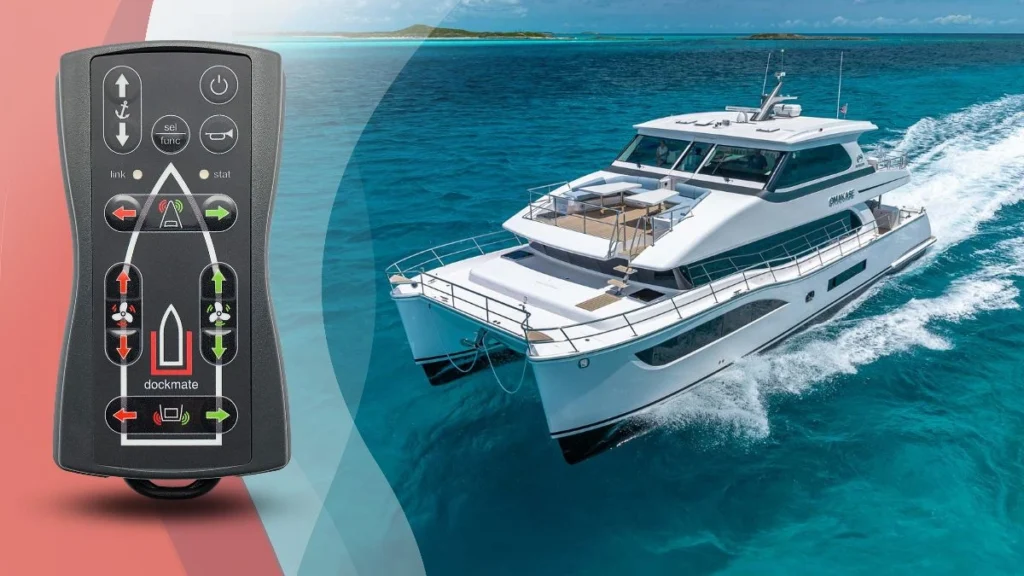
An autonomous yacht docking system relies on integrated sensors, LiDAR, spatial algorithms, and automated engines to park a boat without manual helm intervention. Modern self-docking yacht technology scans the surroundings, accounts for wind and current, and smoothly guides the vessel into its slip. By combining joystick docking systems with real-time tracking, marine automation 2026 eliminates dockside stress and protects expensive hulls from accidental impacts.
Key Takeaways
Smart sensors and cameras now calculate dock distance in real time.
An autonomous yacht docking system takes full control during tight maneuvers.
Advanced joystick docking systems act as a bridge toward total automation.
Marine automation 2026 focus shifts heavily from open-water cruising to stress-free slip parking.
Ever watched a captain try to squeeze a massive luxury vessel into a tight slip on a windy afternoon? It looks stressful because it genuinely is! Fortunately, an autonomous yacht docking system is changing that exact experience for boat owners worldwide. By combining smart sensors, cameras, and automated thruster controls, modern vessels can now lock onto a slip and guide themselves into place with millimeter precision.
Instead of sweating over wind gusts or sudden crosscurrents, captains can simply supervise while onboard computers handle the complex helm adjustments. At turboocruiser, we keep a close watch on these marine breakthroughs so you always know where modern boating tech is headed next. An autonomous yacht docking system is an onboard technology suite that uses sensors, GPS, optical cameras, and thrusters to automatically guide and park a vessel into a slip without human steering.
The Real Struggle of Docking a Yacht
Let’s be honest for a second. Cruising on open water feels absolute bliss, doesn’t it? You have the breeze in your hair, the open horizon ahead, and total freedom. Then you get back to the marina, and the stress level spikes instantly. docking is universally acknowledged as the hardest part of boating.
You are managing momentum, heavy wind, shifting tides, and expensive neighboring boats. One tiny miscalculation can turn an easy weekend trip into a costly repair bill. That is precisely why marine automation 2026 is moving so fast toward self-parking solutions.
How Does an Autonomous Yacht Docking System Actually Work?
You might be wondering if this is pure magic or real technology. It is actually a clever mix of hardware and software working together in real time. The system continuously scans the area around your boat using local sensors. It measures distances to nearby pylons, concrete seawalls, and other vessels.
Then, the central computer calculates the best path into the slip. It engages the engines and thrusters in tiny increments to nudge the boat safely into position. The system continuously adjusts for environmental variables like tide and wind drift.
Key Technologies Behind Self-Docking Yacht Technology
To make this work seamlessly, several components have to talk to each other without delay.
Here is a quick look at how the pieces fit together:
| Component | Primary Function | Real-World Benefit |
| LiDAR & Optical Sensors | Maps surroundings in 3D | Detects hidden dock posts and water hazards |
| GPS & DGPS | Fixes precise geographical location | Keeps the boat stable while waiting for clearance |
| Central Processor | Computes drift, speed, and trajectory | Makes micro-adjustments faster than human hands |
| Smart Thrusters | Delivers directional force | Moves the vessel sideways or diagonally easily |
Every piece of self-docking yacht technology must coordinate instantly to prevent sudden movement. If the wind pushes the stern sideways, the system counteracts it in milliseconds. That level of responsiveness is almost impossible to replicate manually on a heavy vessel.
From Manual Joysticks to Total Automation
We did not jump straight from manual steering wheels to fully self-parking boats overnight. For years, captains relied heavily on joystick docking systems to handle tight spots. Those systems made sideways movement and spinning on a dime much easier. However, you still needed a human hand controlling the stick and reading the wind.
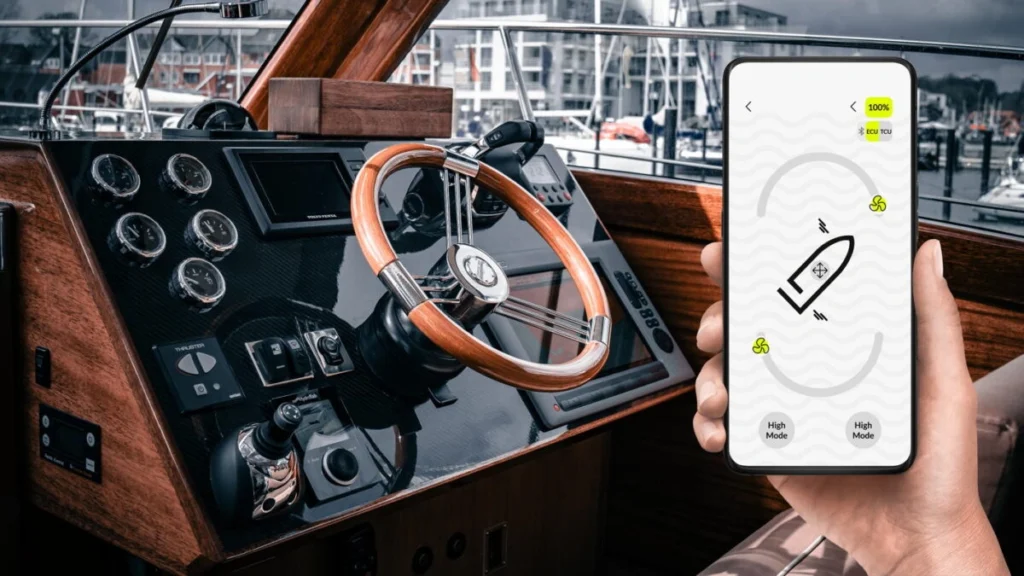
Now, an autonomous yacht docking system takes that exact framework a step further. Instead of expecting you to guide the joystick, the computer operates the controls itself. Think of joystick docking systems as the stepping stone that proved digital thruster control worked reliably. Today’s self-docking yacht technology simply removes human error from that same equation.
The Big Benefits of Marine Automation 2026
Why are boaters so excited about this shift? The primary reason comes down to confidence and peace of mind.
Here is what captain and boat owners stand to gain:
Zero Stress at the Marina: No more yelling across the deck or worrying about wind gusts while holding lines.
Damage Prevention: Micro-adjustments prevent scrapes against hard docks or neighboring hulls.
Single-Handed Boating: You do not need a huge crew on deck just to secure mooring ropes.
Higher Resale Value: Vessels equipped with cutting-edge marine automation 2026 tech tend to attract eager buyers.
When you spend your day relaxing on the water, the last thing you want is a stressful finale at the slip.
At turboocruiser.com, we often hear from readers who say this feature alone gave them confidence to buy larger boats.
Are There Any Limitations Right Now?
Is the technology 100% perfect under every imaginable condition? Generally, no system is entirely immune to extreme weather or unexpected glitches. Heavy rain or thick fog can occasionally interfere with optical camera feeds. Extremely strong currents might exceed the physical power output of smaller side thrusters.
That is why captains are always advised to monitor the process from the helm. You remain the safety supervisor, ready to take over if an unexpected obstacle floats into your path. Based on available data, most systems operate as an assistant rather than a completely unmonitored autopilot.
Comparing Docking Methods
Let’s break down how traditional docking compares to automated alternatives.
| Feature | Manual Helm Control | Joystick Systems | Full Autonomous System |
| Skill Required | High | Moderate | Minimal |
| Wind Resistance | Manual Correction | Manual Joystick | Automatic Micro-bursts |
| Stress Level | High | Medium | Very Low |
| Crew Needed | 2+ People Recommended | 1-2 People | 1 Supervisor |
As you can see, an autonomous yacht docking system significantly lowers the barrier to entry for handling large vessels.
How Marine Automation 2026 Is Reshaping Boating
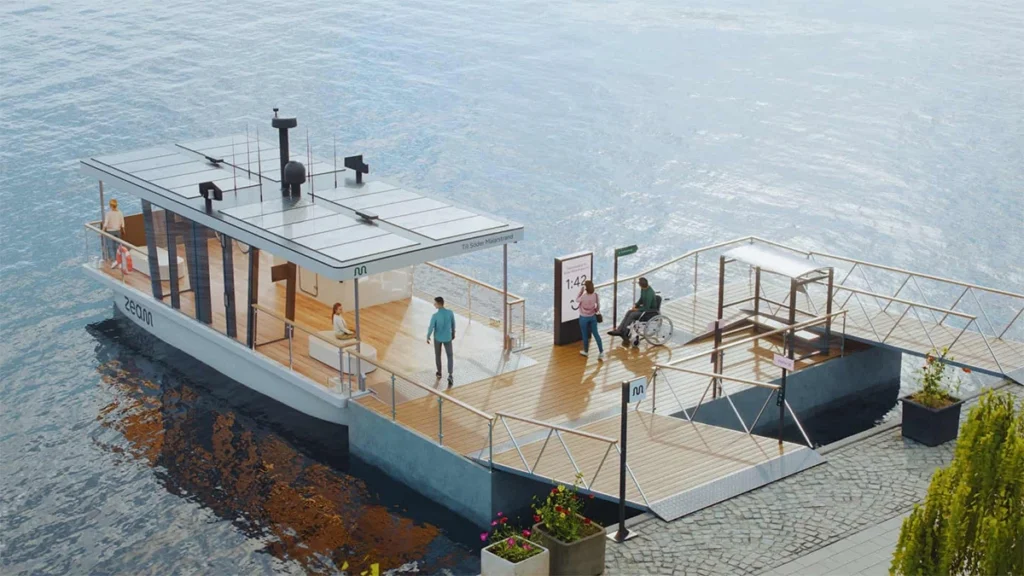
The future of boating is clearly leaning toward smarter, safer, and more connected vessels. We are seeing docking algorithms combined with automatic mooring line hookups and smart dock stations. In the near future, you might simply press “Park” on your phone and walk off the deck.
Manufacturers are constantly pushing updates to refine how self-docking yacht technology handles crowded marinas. With marine automation 2026 picking up speed, docking anxiety may soon be a thing of the past. Keeping up with these trends on turboocruiser ensures you stay ahead of the curve as marine tech evolves.
Conclusion
The evolution of the autonomous yacht docking system marks one of the most practical advancements in modern boating history. By removing the stress of tight marina maneuvers, self-docking yacht technology makes time on the water far more enjoyable.
While early joystick docking systems paved the way, marine automation 2026 is setting a whole new standard for convenience and safety. As these systems continue to improve, docking your vessel will feel less like a test of nerves and more like hitting save on a great trip.
Frequently Asked Questions
Can an autonomous yacht docking system handle strong wind gusts?
Yes, in most cases, the system uses real-time sensors to calculate wind force instantly. It automatically fires micro-bursts from thrusters to counteract drift before the vessel blows off course.
Do I still need a captain’s license to use self-docking systems?
Yes, legal requirements remain the same. The captain must remain at the helm to monitor the system and take manual control whenever safety demands it.
Can old yachts be retrofitted with self-docking technology?
It depends on the boat’s existing engine and steering architecture. Vessels with digital throttle controls and bow thrusters can often be retrofitted, though it is usually easier on newer models.