
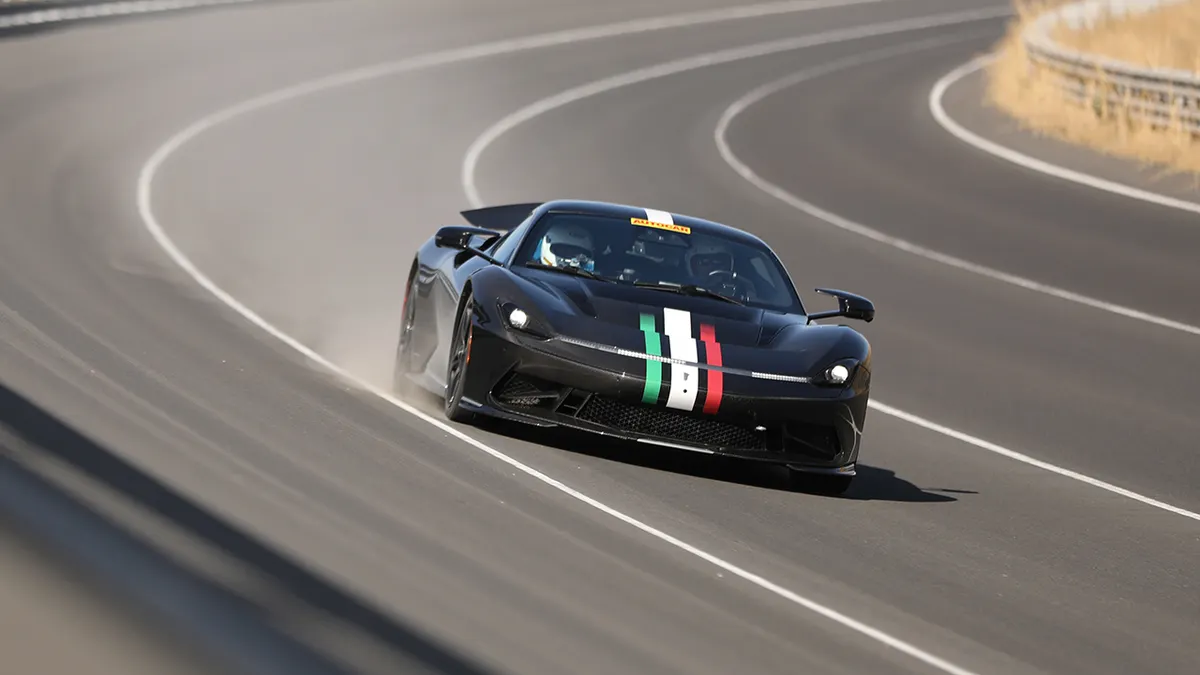
The asphalt at the staging lanes is completely buzzing with static energy this season. The relentless pursuit of building the quickest quarter mile production car has sparked an outright war. Factory engineers are no longer just chasing top-speed vanity numbers.
Instead, they are optimizing electronic traction logic to achieve impossible physics on radial tires. The absolute barrier of street-legal acceleration is being rewritten entirely. Let us break down the engineering marvels dominating the current drag racing cars 2026 landscape.
The New Hybrid Benchmark: Corvette ZR1X
The biggest shockwave to hit the drag strip this season comes straight out of Detroit. Chevrolet completely upended the status quo with their mind-bending, factory-warrantied hypercar killer. The car combines traditional displacement with extreme modern electrification.
On a fully prepped drag strip surface, the 2026 Corvette ZR1X clocked an official 8.675-second pass. It crossed the lights at a blistering trap speed of 159 mph. This makes it the fastest accelerating factory car ever built under a million dollars.
The secret weapon behind this violent launch is its advanced electrified all-wheel-drive (eAWD) system. A twin-turbo 5.5-liter flat-plane-crank V8 engine drives the rear wheels with absolute fury. Simultaneously, a high-output electric motor sends instantaneous torque directly to the front axle.
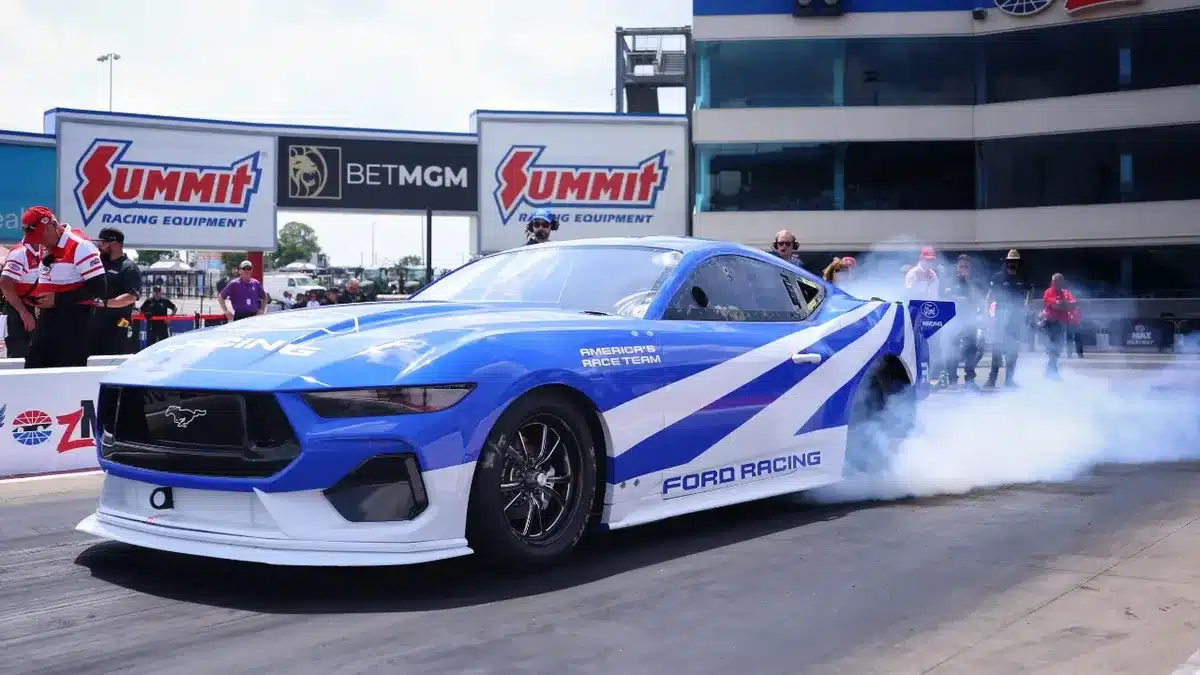
Even on an unprepped public road surface, the vehicle remains shockingly consistent. It hooks up to lay down an 8.99-second pass without missing a single beat. This repeatability is what separates it from finicky aftermarket tuner builds.
The Pure Electric Outlaw: Rimac Nevera R
If you move past internal combustion entirely, the electric hypercar segment continues to stretch human comprehension. The Croatian engineering team at Rimac has polished their flagship platform into an absolute track monster. The vehicle is built to maximize peak electrical energy deployment.
The hardcore Rimac Nevera R currently claims the title of the absolute fastest 1/4 mile car in production history. It stops the timing clocks at an unbelievable 7.90 seconds flat. It achieves a mind-warping trap speed of 186 mph.
The vehicle utilizes four independent electric motors assigned to each individual wheel hub. This creates an infinitely adjustable torque vectoring matrix that reads track grip instantly. It perfectly prevents wheelspin before the rubber can even think about sliding.
The massive 2,078 horsepower output requires a highly specialized 120 kWh battery system pack. This architecture can discharge electricity at a rate that would melt typical EV infrastructure. It delivers continuous, bone-crushing G-forces all the way down the lane. For more on this segment, see our review of electric supercars 2026 and whether they’re finally better than gas.
Luxury Luxury Blitz: Lucid Air Sapphire
The hypercar tier is not the only segment shattering historic records at the local track. A massive four-door luxury sedan continues to embarrass dedicated lightweight supercars on weekends. It proves that family-hauling packaging can coexist with peak straight-line performance.
The incredible Lucid Air Sapphire routinely completes its quarter-mile sprints in just 8.95 seconds. It crosses the finish line at 158 mph while coddling the driver in air-conditioned comfort. It is comfortably the quickest production car featuring a traditional trunk.
The vehicle utilizes a unique triple-motor configuration to bypass traditional traction limits entirely. Two electric motors power the rear wheels, while a single motor controls the nose. This setup allows the outside rear tire to actively push the chassis forward.
As the comparative chart illustrates, the sub-nine-second club is no longer an exclusive playground for multi-million-dollar vehicles. High-voltage electric platforms and hybrid software tracking have effectively democratized absolute acceleration. Read our full breakdown of the Lucid Air Sapphire and how it humbles dedicated supercars.
The Pure Mechanical Titan: Koenigsegg Jesko Absolut
While hybrid systems and electric vehicles utilize instant torque to dominate, a Swedish engineering masterpiece relies on raw aerodynamic efficiency. This vehicle is built specifically to fight back against the heavy weight penalty of large battery packs.
The Koenigsegg Jesko Absolut recorded a blistering 8.54-second quarter-mile time at 189 mph. It utilizes a highly advanced 5.0-liter twin-turbocharged V8 engine burning E85 biofuel. This explosive setup throws down a massive 1,600 horsepower directly to the rear axle.
The mechanical centerpiece is its unique 9-speed multi-clutch Light Speed Transmission layout. This gearbox can swap between any gear ratio instantly without requiring sequential shifting paths. It drops the mechanical delay of traditional gear changes down to absolute zero.
The bodywork features an exceptionally low drag coefficient designed to slip through air molecules seamlessly. This allows the car to accelerate harder the faster it travels down the runway. It remains the ultimate expression of internal combustion engineering performance. For more on similar four-seat hypercar engineering, see our review of the Koenigsegg Gemera.
Launch Control Engineering and Tire Track Dynamics
Launching a high-horsepower machine down a drag strip requires a delicate balance of mechanical grip and software intervention. Without advanced launch control algorithms, thousands of horsepower would simply vaporize premium rubber tires.
Modern traction systems calculate wheel slip percentages thousands of times per second to adapt. They cut power or adjust electric motor torque output to match available asphalt friction. This creates a perfectly optimized launch sequence that keeps the car tracking straight.
Tire technology has evolved concurrently to handle these incredible initial launch forces. Performance cars utilize specialized compounds developed in partnership with leading tire manufacturers. These tires feature flexible sidewalls designed to wrinkle and absorb energy.
If a tire compound is too hard, the vehicle will simply spin its wheels endlessly at the line. If the compound is too soft, it will wear out completely after a handful of hard passes. Achieving the perfect balance is a critical secret for setting world records.
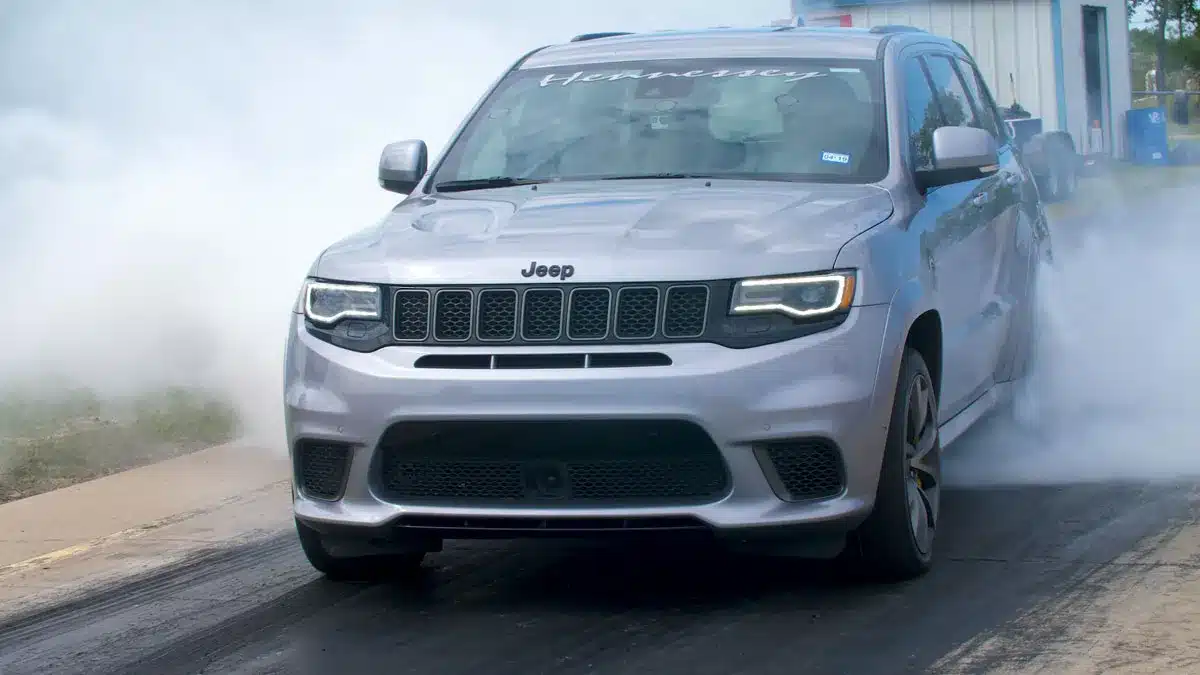
The Complete Leaderboard: 2026 Quarter-Mile Kings
The performance matrix below highlights the official quarter mile times recorded by independent testing agencies this season. These verified figures represent the absolute pinnacle of modern automotive drag racing development.
Rimac Nevera R: 7.90 seconds @ 186 mph | Quad-Motor EV | $2.4 Million
Koenigsegg Jesko Absolut: 8.54 seconds @ 189 mph | Twin-Turbo V8 | $3.4 Million
Czinger 21C: 8.10 seconds @ 171 mph | Twin-Turbo V8 Hybrid | $2.5 Million
Corvette ZR1X (Prepped): 8.67 seconds @ 159 mph | Twin-Turbo Hybrid | $209,700
Bugatti Tourbillon: 8.80 seconds @ 176 mph | V16 Hybrid | $4.6 Million
Lucid Air Sapphire: 8.95 seconds @ 158 mph | Triple-Motor EV | $249,000
Porsche Taycan Turbo GT: 9.06 seconds @ 151 mph | Dual-Motor EV | $246,050
Conclusion
The ongoing battle for the title of the fastest drag car proves that production automotive engineering is evolving rapidly. Whether utilizing pure electric drivetrains, complex hybrid power, or extreme internal combustion, the destination remains identical.
The quarter-mile strip continues to be the ultimate judge of acceleration truth. No simulator can perfectly replicate the real-world variables of tire temperatures and track prep. As the season continues, expect manufacturers to unlock even wilder performance limits. if you want to know more about car updates must visit Turboocruiser.
Frequently Asked Questions
What is the difference between a prepped and unprepped drag strip surface?
A prepped drag strip is sprayed with a specialized, highly sticky chemical resin compound like PJ1 Trackbite. This chemical treatment bonds with the tire rubber to create maximum possible adhesion for racing. An unprepped surface is standard public road asphalt, which features significantly less grip due to dust and oil oils.
How does a one-foot rollout affect official quarter-mile times?
A one-foot rollout means the timing clocks do not officially start until the front tire rolls forward twelve inches. This practice is standard across North American drag racing journalism to mimic traditional physical timing lights. It typically subtracts roughly 0.2 to 0.3 seconds from a true standing-start acceleration time.
Why do electric vehicles dominate the first half of a drag race?
Electric motors deliver 100% of their available torque output instantly from zero RPM. Internal combustion engines must rev up to a specific powerband before making peak torque. This gives electric cars a massive structural advantage when launching from a complete dead stop.
Can a production hybrid car outrun a dedicated pure electric vehicle?
Yes, as demonstrated by the Corvette ZR1X outrunning several high-end electric models. While EVs launch incredibly hard, they can suffer from top-end power taper due to gearing limitations. Hybrid vehicles use their gas engines to pull harder at high speeds, crossing the finish line faster.
Are these record-breaking production cars required to use specialized fuel?
No, all certified production records must be achieved using standard, commercially available pump gasoline or factory-specified biofuels. Using specialized racing fuels or nitrous oxide injections completely disqualifies a vehicle from official production car ranking leaderboards.