
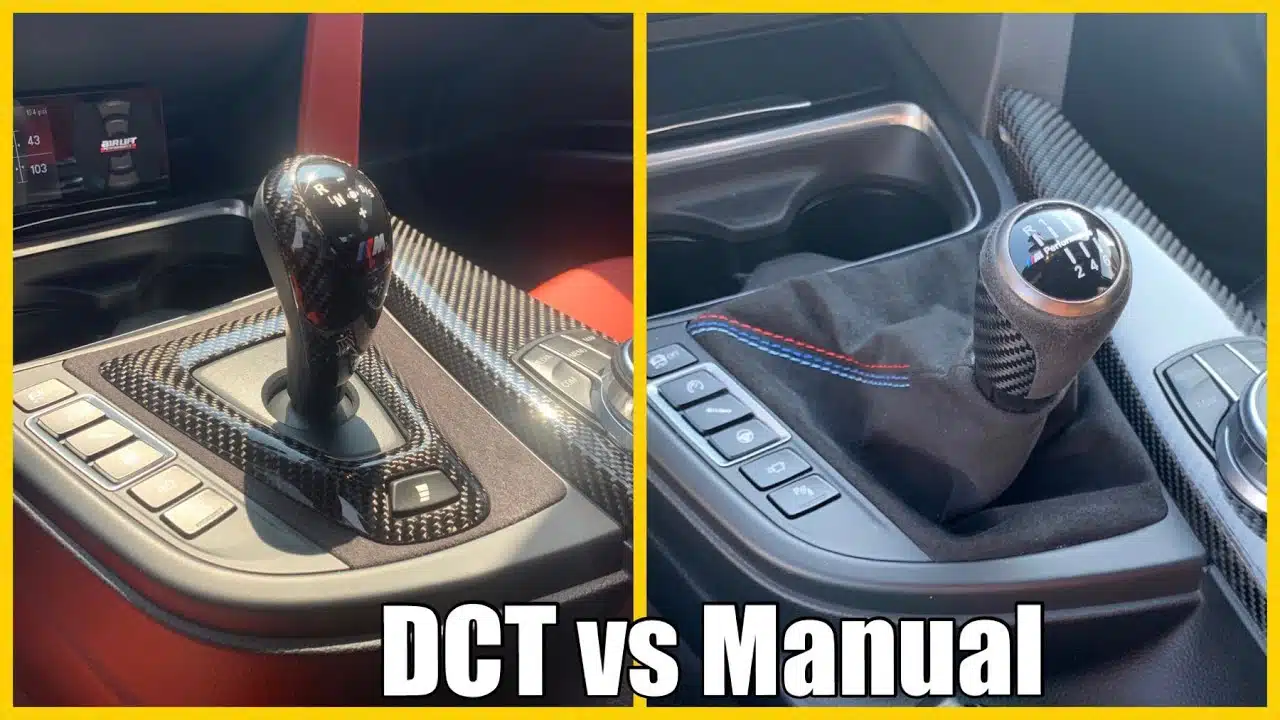
The battle lines inside the modern sports car gearbox market have completely fractured. Automotive enthusiasts find themselves at a fascinating crossroads of mechanical engineering. The debate over the best performance transmission is no longer just about raw acceleration numbers. Instead, it centers on how a driver wants to connect with their machine.
Choosing between a dual clutch vs manual setup involves weighing two completely opposing performance philosophies. Let us analyze the distinct engineering metrics shaping the manual vs dct performance landscape this season.
The Apex of Automation: Porsche’s PDK Dominance
When evaluating elite gearboxes, Porsche’s Doppel remains the absolute golden standard of dual-clutch engineering. The modern eight-speed PDK transmission operates with an almost predictive intelligence. This specialized system utilizes two separate wet clutches working in constant, alternating tandem. One clutch controls the odd gears, while the second pre-selects the next even ratio. Consequently, gear changes occur in a mind-boggling 100 milliseconds without interrupting engine power delivery. This seamless execution gives PDK a massive mechanical advantage over any traditional stick shift.
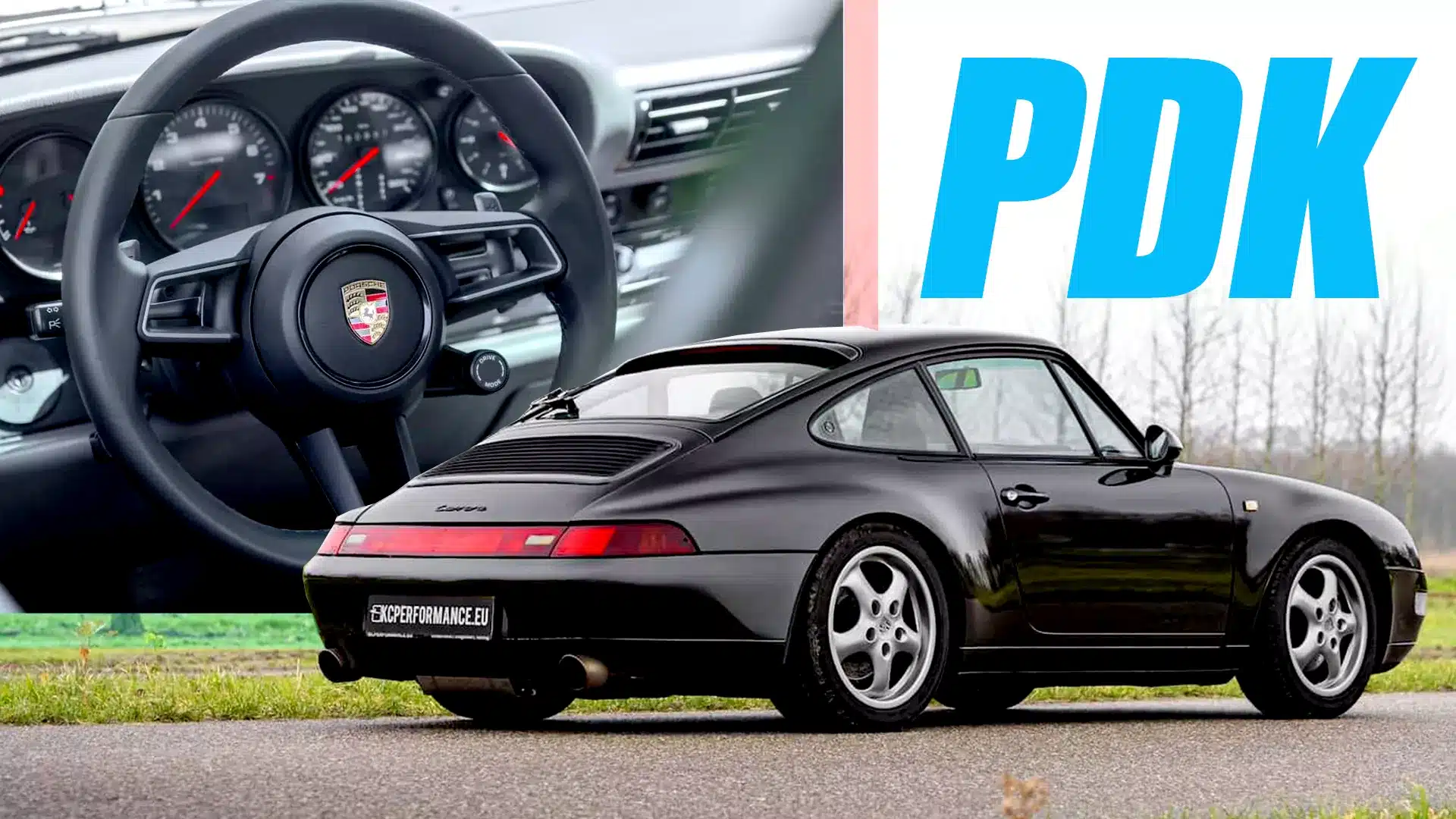
In track environments, the PDK system completely alters how a driver attacks a circuit. The driver drops the mental tax of managing clutch bite points entirely. Instead, they can dedicate 100% of their focus to braking lines and corner apexes. For chasing down pure lap times, automation remains completely undefeated on the street. This same PDK system plays a central role in our review of the Porsche 911 GT3 RS vs Ferrari 296 GTB track-day showdown, where shift speed directly impacts lap times.
The Raw Mechanical Alternative: True Manual Engagement
Despite the blistering pace of automated systems, the classic three-pedal setup refuses to die. A massive wave of premium buyers is actively fighting to keep the manual gearbox alive. This intense purist demand has forced premium manufacturers to invest heavily in modern manual developments. For example, the 2026 Porsche 911 Carrera T arrives as a dedicated manual-focused driver’s car. This purist trend also appears in our full review of the Lexus LC 500 2026, a V8 grand tourer that refuses to abandon traditional driver engagement.
As the data shows, the automated option holds a significant half-second lead in acceleration. Yet, manual buyers gladly accept the slower times as a feature, not a bug. The mechanical weight of a bolt-action shifter provides an irreplaceable haptic connection. Executing a flawless, manual heel-and-toe downshift delivers an irreplaceable hit of dopamine. The tactile resistance of a physical clutch pedal creates a direct link to the engine flywheel. Drivers control the vehicle using physical muscle memory rather than complex digital inputs.
Standard DCT vs PDK: Understanding the Architecture
It is a common mistake to assume all dual-clutch systems are engineered identically. While PDK is technically a type of Dual-Clutch Transmission (DCT), its programming and hardware differ from rivals. Full technical specifications of Porsche’s PDK system are available directly on Porsche’s official technology page, which details the engineering behind the transmission. Standard high-performance DCTs, like BMW’s classic M-DCT units, were tuned for aggressive engagement. They deliver a noticeable mechanical “thump” into your lower back during upshifts at redline.
Conversely, Porsche engineers tuned the PDK to maximize continuous chassis stability. It delivers lightning-fast gear swaps with an incredibly smooth, uninterrupted flow of kinetic energy. This prevents unsettling the rear tires when shifting mid-corner under heavy lateral loads. It prioritizes absolute chassis composure over dramatic, artificial shifting theatrics. Modern DCT architectures from various brands are gradually shifting toward high-torque configurations. These designs utilize specialized wet clutch packs submerged in cooling fluid to prevent thermal degradation.
Hydraulic Pressure and Electronic Actuation Systems
The lightning speed of dual-clutch boxes relies entirely on highly advanced mechatronic control units. These systems use electronic solenoids to manage extreme hydraulic pressure within the transmission casing. This kind of precision engineering is closely tied to broader shifts covered in our article on steer-by-wire technology, where mechanical linkages are increasingly being replaced by electronic control. When a driver pulls a steering-wheel paddle, a high-speed computer processes the signal instantly. The system channels pressurized fluid to release one clutch while closing the other simultaneously.

This precise interaction requires complex software maps that monitor variables like throttle angle and oil temperature. If the fluid gets too hot, the shifting speeds decline to protect internal hardware. Manual gearboxes bypass this electronic complexity entirely by relying on mechanical rods and cables. The driver provides the physical force necessary to slide shifting forks into position. While this limits raw shifting speed, it eliminates potential electronic failure points down the road. The simplicity of a manual shift linkage makes it incredibly reliable over decades of hard usage.
Parasitic Power Losses and Mechanical Drag Factors
Every performance transmission architecture features a unique footprint regarding mechanical drag and overall operating efficiency. Dual-clutch units require continuous oil pump operation to maintain required system hydraulic pressure levels. This persistent pumping requirement robs a fractional percentage of total engine horsepower before it hits the wheels. This phenomenon is known among racing engineers as parasitic power loss. Traditional manual gearboxes exhibit remarkably low parasitic drag due to their highly simplified splash-lubrication designs. The gears simply spin through a shallow bath of lightweight oil inside the housing.
This intrinsic efficiency means a manual can occasionally transfer more raw power to the ground once in gear. However, this minor advantage cannot overcome the massive speed deficit during gear transitions. Dual-clutch platforms make up for this internal drag through superior gear ratio specialization. Having seven or eight speeds allows the engine to remain tightly within its optimal powerband.
Gearbox Metrics: The Performance Breakdown
To help you visualize how these competing transmission layouts stack up, we mapped out the core operational data. These engineering metrics define the modern sports car landscape.
| Transmission Architecture Type | Average Shift Velocity | Relative Driver Engagement | Stop-and-Go Traffic Usability | Market Value Trend |
| Porsche PDK (Dual-Clutch) | ~100 Milliseconds | Moderate / Paddle Focused | Excellent (Full Auto Mode) | Standard Depreciation |
| High-Performance DCT | ~120 Milliseconds | Moderate / Aggressive Feel | Good (Slight Low-Speed Crawl) | Standard Depreciation |
| GT Sport Manual Gearbox | 500 – 1000 Milliseconds | Absolute Peak Connection | Demanding (Heavy Footwork) | Appreciating “Manual Tax” |
Engineering Note: While a dual-clutch transmission shifts five times faster than a human, it adds roughly 40 pounds of mechanical weight to the vehicle’s axle.
Track Day Dynamics: Chasing Lap Times vs Feeling
On a closed racing circuit, the operational differences between these transmission styles become highly magnified. Drivers utilizing a dual-clutch platform experience minimal lap time penalties from driver error. The computer perfectly optimizes engine braking forces when downshifting into tight corners. This keeps the weight distribution of the vehicle balanced across both axles smoothly.
A manual driver must balance multiple inputs while braking heavily from high velocities. They must coordinate steering tracking, brake pressure manipulation, and clutch release simultaneously. A single mistimed downshift can easily lock up the rear tires and cause a spin. This challenge makes mastering a manual on a track exceptionally rewarding for dedicated enthusiasts. While the lap times are slower, the sense of personal accomplishment is significantly higher. You know that every tenth of a second saved was earned through pure physical skill.
The Rise of the “Manual Tax” in the Secondary Market
The modern shift toward automotive hybridization has triggered an interesting economic phenomenon across the globe. Driving purists recognize that internal combustion manual cars are entering their final historic chapter. As a result, three-pedal performance cars are commanding massive premiums on the secondary market. Collectors refer to this pricing inflation directly as the “Manual Tax.”

A used manual sports car routinely trades for 10% to 15% more than its identical automatic counterpart. The stick shift has transformed from a base-model budget option into an elite, analog luxury asset. Buying a manual is no longer just a performance preference for canyon roads. It has become a highly strategic financial move for long-term vehicle value retention.
Thermal Management and Extreme Track Abuse
Surviving twenty minutes of continuous high-speed track driving creates immense thermal challenges for any transmission casing. Dual-clutch gearboxes feature internal clutches that generate intense friction during rapid gear changes. To counter this heat, manufacturers install heavy-duty fluid coolers and dedicated heat exchangers upfront. These cooling channels must constantly reject heat to prevent the transmission oil from burning.
Manual transmissions generate significantly less internal friction because the clutch only slips during initial launch and shifts. Once the gear is fully locked, the connection is purely mechanical metal-on-metal. This makes manual gearboxes exceptionally durable under sustained thermal stress without needing complex cooling lines. They can run hot laps all day without triggering limp-mode safety overrides.
Conclusion
Ultimately, the choice between pdk vs manual configurations cannot be solved by reading a spreadsheet. If your primary goal is dominating local track days and maximizing daily usability, the dual-clutch wins easily. However, if you view driving as an emotional destination rather than a lap time, the manual remains king. The best transmission is simply the one that matches your personal driving soul.
Frequently Asked Questions
Is a PDK transmission fundamentally different from a standard DCT?
No, a PDK is simply Porsche’s proprietary version of a dual-clutch transmission layout. It utilizes the same core architecture of alternating twin clutches to achieve near-instantaneous gear changes. However, Porsche’s bespoke software tuning and robust wet-clutch hardware make it uniquely smooth and reliable under extreme track abuse.
Why does a manual transmission car accelerate slower than a dual-clutch?
Every manual gear change requires the driver to physically lift off the throttle and depress the clutch pedal. This action completely interrupts the flow of engine power to the wheels for up to a full second. A dual-clutch system never stops applying power, allowing it to pull away consistently.
Do modern manual transmissions feature automatic rev-matching technology?
Yes, the vast majority of performance manuals now feature electronic “auto-blip” functions. When you move the shifter toward a lower gear, the car automatically blips the throttle to match engine RPM perfectly. Purists who prefer traditional footwork can easily deactivate this electronic assist through the dashboard menu.
Which transmission type requires more intensive long-term maintenance?
A traditional manual gearbox is mechanically simpler and generally bulletproof over decades of ownership. Its primary wear item is the friction clutch disc, which requires replacement every 60,000 miles depending on driver habits. Dual-clutch systems are highly complex and require precise, expensive hydraulic fluid flushes at scheduled intervals.
Why are dual-clutch gearboxes slowly disappearing from affordable sports cars?
Manufacturers are gradually replacing complex dual-clutch units with highly advanced, single-clutch planetary automatic transmissions. Modern eight-speed torque-converter automatics have become incredibly fast while remaining significantly cheaper to mass-produce. This shift leaves dual-clutch tech reserved primarily for high-end, elite supercars.