The allure of private aviation is undeniable, particularly in today’s fast-paced global business landscape. Many executives and high-net-worth individuals dream of bypassing crowded airport terminals. They want to fly on their own schedules without commercial delays. However, calculating the actual financial commitment of private flight can be notoriously complex. Many newcomers to the aviation space are often shocked by the hidden expenses that lie beneath the surface. Consequently, understanding the true financial metrics of private aviation is essential before you make any commitment.
In 2026, the private aviation market is seeing unprecedented shifts due to fluctuating fuel prices and new environmental regulations. Consequently, the average private jet operating cost per hour in 2026 ranges from $1,800 to over $22,000. Your total bill will depend heavily on the size, range, and age of the aircraft you choose. Furthermore, whether you choose to buy, lease, or charter will alter your final financial calculations. This guide will demystify the numbers to help you make highly informed decisions.
Indeed, navigating these expenses requires a clear understanding of both fixed and variable costs. Many operators quote low base prices to attract customers. However, the final invoice often tells a very different story due to surcharges. Therefore, we will break down the actual hourly jet rates across every major aircraft class. We will also examine the operational realities that owners and charterers face daily in 2026.
The Core Breakdown: Hourly Jet Rates in 2026
To understand the cost to fly private jet journeys, you should look at the baseline pricing. These base rates represent the bare operational minimums before taxes, fees, and catering.
Specifically, the table below outlines the current jet cost per hour 2026 averages across different classes:
| Aircraft Category | Average Hourly Rate (USD) | Typical Passenger Capacity | Best For |
| Turboprops | $1,800 – $3,000 | 4 – 9 passengers | Short regional hops under 2 hours |
| Light Jets | $3,000 – $4,500 | 6 – 8 passengers | Trips up to 3 hours |
| Midsize Jets | $4,000 – $6,500 | 7 – 9 passengers | Coast-to-coast flights |
| Super-Midsize Jets | $6,000 – $9,000 | 8 – 10 passengers | Transcontinental routes |
| Heavy / Large Jets | $8,000 – $15,000 | 10 – 16 passengers | Transatlantic missions |
| Ultra-Long-Range | $13,000 – $22,000+ | 12 – 19 passengers | Global intercontinental flights |
Note: These numbers are base estimates. Your final invoice will include additional fees that often increase the final price by 20% to 40%.
What Drives the Private Jet Running Cost?
The total private jet running cost is divided into two distinct categories: fixed costs and variable costs. These two factors determine your annual aviation budget.
1. Fixed Expenses (Annual Costs)
First, you must pay fixed costs regardless of how many hours the aircraft actually flies. These are the baseline expenses required to keep the plane legal and safe. Specifically, they include:
Crew Salaries: Pilots and cabin crew require competitive pay, benefits, and ongoing simulator training.
Hangar Fees: Storing your aircraft in a climate-controlled hangar protects your valuable asset from the elements.
Insurance: High-liability policies are mandatory for private aviation operations.
Depreciation: The physical asset depreciates over time, which affects your long-term equity.
2. Variable Expenses (Hourly Costs)
Second, variable jet operating expenses accumulate every single time the engines start. These costs are directly tied to your flight hours. Specifically, they include:
Jet-A Fuel: Fuel is the largest single variable expense and fluctuates with global markets.
Maintenance Reserves: Operators must set aside funds for regular engine overhauls and parts replacement.
Landing and Handling Fees: Airports charge substantial fees for landing and using their facilities.
Category Analysis: Diving Deeper Into the Classes
To truly grasp the operational reality of these categories, we must examine the specific aircraft that define each tier. Each class has a unique mission profile and price structure.
Turboprops: The Regional Workhorses
While many do not consider turboprops “true” private jets, they represent a massive segment of the charter market. Powered by gas turbine engines spinning external propellers, these aircraft offer incredible fuel efficiency. Consequently, their average private jet operating cost per hour sits at a manageable $1,800 to $3,000.
For example, the Pilatus PC-12 and Beechcraft King Air 350 are legends in this category. They are ideal for hops under 500 miles. Furthermore, they can land on short, unpaved runways that larger jets cannot touch. Because of their lower fuel burn, they remain the most economical way to fly private.
Light Jets: Fast and Practical
If you need to get from New York to Miami quickly, a light jet is the logical step up. These aircraft, such as the Embraer Phenom 300E, the best-selling light jet in its class, and Cessna Citation CJ3+, offer speeds over 450 knots. Typically, their jet cost per hour 2026 rate ranges between $3,000 and $4,500.
While light jets feature enclosed lavatories and small galleys, their cabins are generally designed for utility. However, they fly fast enough to outpace commercial traffic. This makes them highly popular with corporate executives.
Midsize and Super-Midsize: The Transcontinental Sweet Spot
For transcontinental journeys, midsize and super-midsize jets are the gold standard. Aircraft in this range, like the Cessna Citation Latitude or the Bombardier Challenger 3500, offer standing-height cabins. As a result, they can fly up to seven or eight hours non-stop.
Because of their larger engines and greater weight, their hourly jet rates jump to $4,000–$9,000. Nevertheless, this investment buys you a full flight galley and a much smoother ride in turbulent air. You will also enjoy significantly more baggage capacity.
Heavy and Ultra-Long-Range Jets: Hemisphere Crossers
At the absolute peak of business aviation are the heavy jets, such as the Gulfstream G650ER and the Bombardier Global 7500, which regularly go head-to-head with Gulfstream’s flagship models for long-range dominance. These machines are designed to cross oceans. Consequently, they can fly non-stop for up to fourteen hours.
With operating rates starting at $8,000 and climbing past $22,000 per hour, these jets require massive financial resources. The fuel burn alone can exceed several hundred gallons per hour. However, for global corporations, the ability to fly safely and comfortably between continents is an essential business asset.
Hidden Fees That Inflate the Hourly Rate
When you book a flight, the initial quote is rarely the final price. Consequently, several hidden fees can surprise unprepared travelers.
Detailed Financial Planning: A Year in the Life of a Jet Owner
To illustrate the true depth of private jet running cost structures, let us look at a hypothetical budget. Specifically, we will examine the annual expenses of owning a pre-owned light jet, flying 200 hours per year.
Annual Fixed Costs (Calculated Annually)
Crew Salary (Captain & First Officer): $220,000
Hangar Rental (Base Airport): $48,000
Hull and Liability Insurance: $35,000
Annual Inspections & Recurrent Training: $50,000
Total Fixed Costs: $353,000
Annual Variable Costs (200 Hours at $1,800/hr direct cost)
Fuel (Average $6.00/gallon): $216,000
Engine Maintenance Programs: $80,000
Landing & Handling Fees (Away Airports): $40,000
Catering and Cabin Supplies: $24,000
Total Variable Costs: $360,000
Combined Annual Budget
When you combine both fixed and variable expenses, the total annual budget reaches $713,000. If you divide this total by the 200 hours flown, your actual private jet operating cost per hour rises from a “raw” variable rate of $1,800 to an all-in rate of $3,565 per hour. Consequently, the fewer hours you fly, the higher your effective hourly rate becomes. This mathematical reality is why fractional ownership and charter programs are so popular.
Direct Operating Cost vs. Charter Retail Rates
If you are researching the cost to fly private jet trips, you must distinguish between “Direct Operating Cost” (DOC) and the “Charter Retail Rate”.
Direct Operating Cost: This is the actual physical cost to fly the plane. It is paid directly by an owner who already owns the aircraft. It only covers fuel, landing fees, and immediate engine wear.
Charter Retail Rate: This is the price a charter company charges you to rent the plane. It must cover the owner’s DOC, the charter broker’s commission, repositioning costs, and a profit margin.
Therefore, while a light jet might have a DOC of $2,200 per hour, you should expect to pay a retail charter rate of $3,000 to $4,500 per hour to rent that same aircraft.
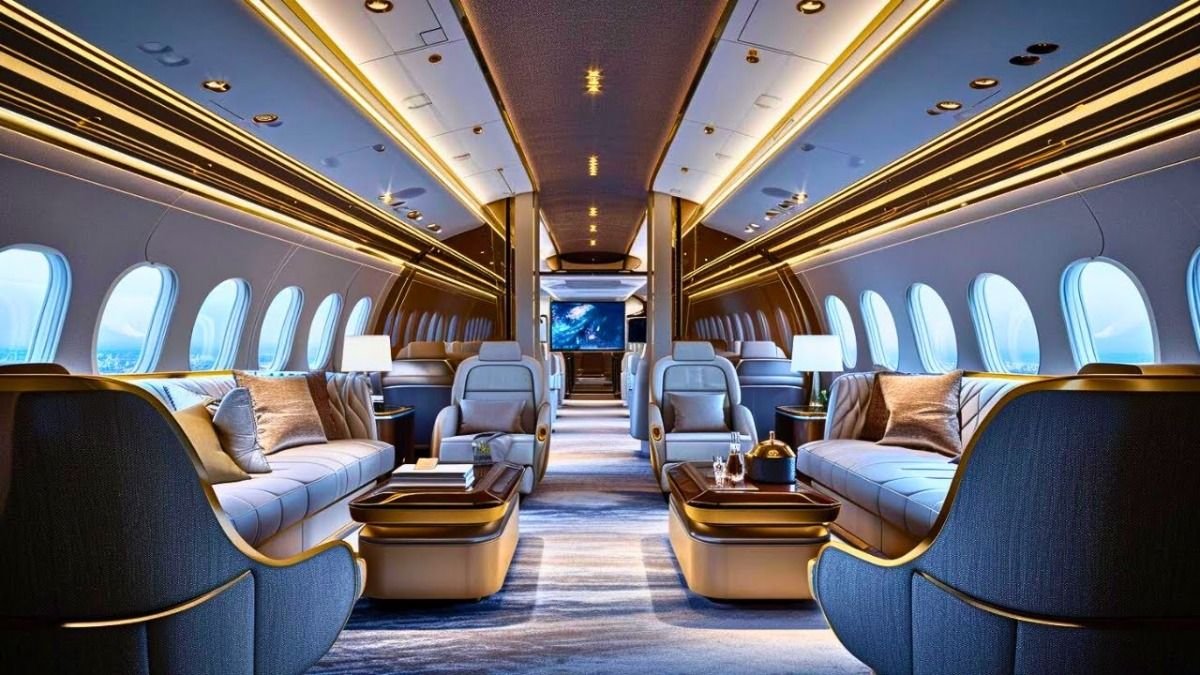
Owning vs. Chartering in 2026: The Critical Tipping Point
For most travelers, chartering is the most sensible option. However, if you fly more than 150 to 200 hours per year, full ownership might be financially justifiable.
Moreover, jet cards and fractional ownership models like NetJets, Wheels Up, and VistaJet offer a middle ground without the massive capital expense of buying a whole aircraft. These programs provide predictable hourly rates without the massive capital expense of buying a whole aircraft.
Ultimately, navigating the world of private aviation requires clear, data-driven planning. By understanding the underlying variable and fixed structures of the market, you can make the smartest financial decision for your business or family.
For deeper insights into luxury transportation, luxury vehicle maintenance, and premium travel trends, visit turboocruiser to stay ahead of the curve.
Frequently Asked Questions
What is the cheapest private jet to charter in 2026?
Typically, turboprops and very light jets are the most affordable options. Their base hourly rates start around $1,800 to $3,000 before taxes.
Why does a private jet cost so much per hour?
You are paying for the entire aircraft, specialized flight crew salaries, high-octane Jet-A fuel, and extremely strict safety maintenance programs.
Are empty leg flights cheaper?
Yes, empty leg flights can be discounted by 40% to 75%. However, they require extreme schedule flexibility because you are flying on someone else’s repositioning schedule.
Do international flights carry extra fees?
Absolutely, because international flights require customs handling, overflight permits, and international landing clearances. These items can easily add $1,000 to $5,000 per trip.
What is the difference between a dry lease and a wet lease?
A dry lease provides only the physical aircraft without crew, fuel, or services. In contrast, a wet lease includes the aircraft, flight crew, maintenance, and insurance.