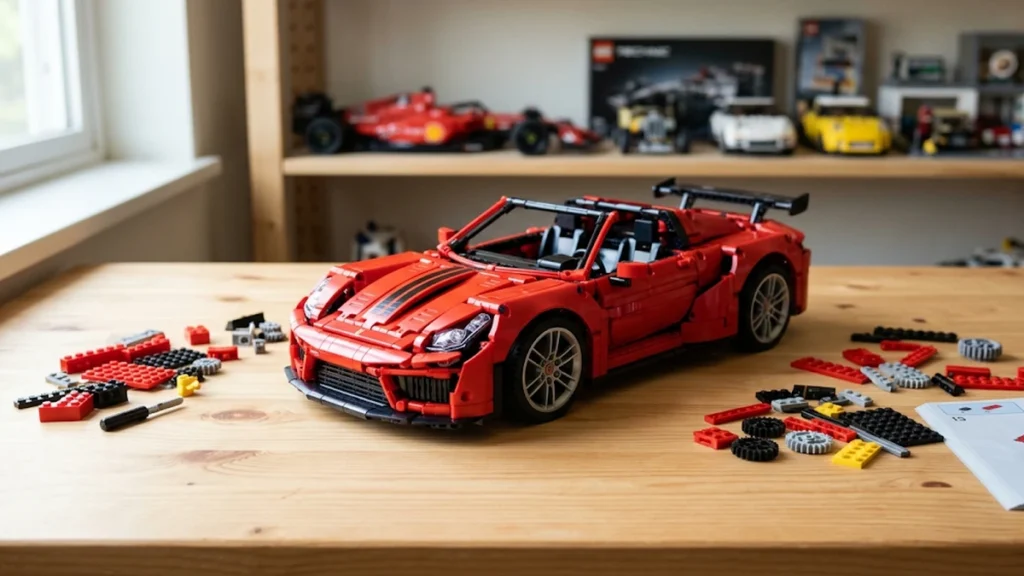
A few plastic bricks can become something extraordinary. With the right combination of pieces, a simple pile of LEGO can transform into a racing car, a powerful supercar, a vintage vehicle, or a detailed miniature version of a real automotive legend.
That is what makes LEGO cars so appealing. They bring together creativity, engineering, and a lifelong fascination with automobiles. One person might enjoy building a small car in a few minutes, while another might spend an entire weekend assembling a complex supercar with working steering, moving pistons, and an intricate transmission.
LEGO cars are available in many forms, from affordable play sets for young builders to sophisticated LEGO Technic models designed for experienced fans and collectors. Whether you want to build your dream garage, recreate a favorite sports car, or discover a new hobby, there is a LEGO vehicle for almost every interest.
What Are LEGO Cars?

LEGO cars are vehicles made from LEGO bricks and specialized building elements. They can be simple imaginative creations, realistic replicas of production cars, racing vehicles, or technically complex models with functional mechanical features.
Some sets are designed primarily for play, with durable construction and straightforward instructions. Others emphasize display, using carefully designed bodywork, authentic colors, and detailed interiors to reproduce the appearance of real vehicles.
LEGO cars generally fall into several categories:
- Standard LEGO cars: Smaller vehicles built with traditional LEGO bricks and components.
- LEGO Technic cars: More advanced models featuring mechanical systems and specialized elements.
- LEGO Speed Champions cars: Compact vehicle replicas inspired by real sports cars, racing cars, and automotive brands.
- LEGO supercars: Larger, detailed models that recreate exotic and high-performance vehicles.
- Custom LEGO cars: Original designs created by builders using their own combinations of bricks.
Each category offers a different experience, from quick creative play to challenging engineering projects.
LEGO Technic Cars: Where Building Meets Engineering
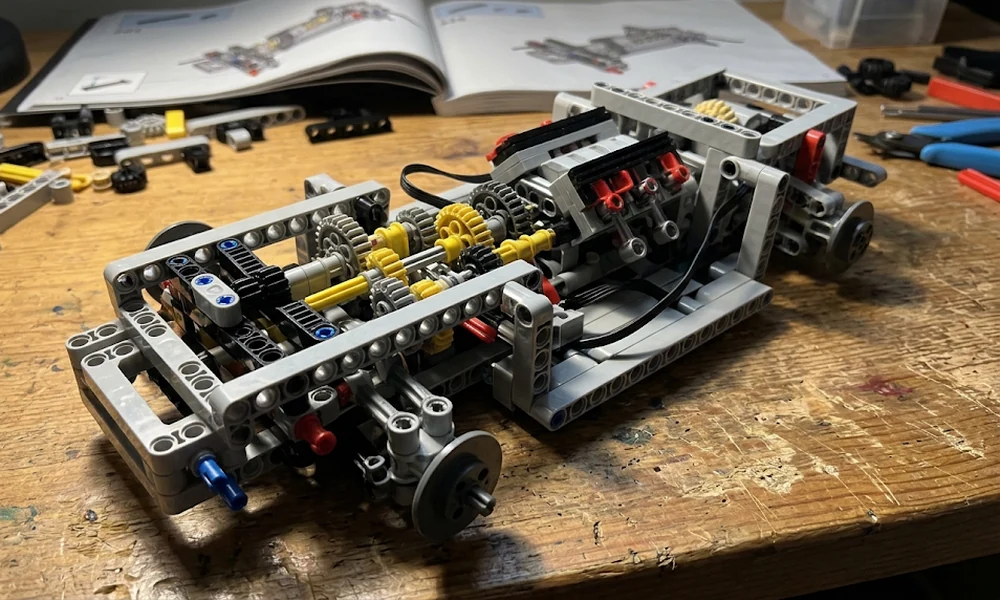
LEGO Technic is especially popular with builders who want to understand how mechanical systems work.
Unlike conventional brick-built vehicles, Technic models often use beams, pins, gears, axles, and specialized connectors to create functional structures. Depending on the set, a model may include working steering, suspension, a gearbox, or a simulated engine.
Functional Mechanical Features
One of the most satisfying parts of building a Technic car is watching its mechanisms work together. Turning the steering wheel can move the front wheels, while rotating the wheels may cause a model engine’s pistons to move.
More advanced models can incorporate multi-speed gearboxes and complex drivetrain arrangements. These features make the building process feel like assembling a miniature engineering project.
Not every Technic car includes every feature, so checking the individual set’s specifications is important.
LEGO Technic Supercars
Large Technic supercars are particularly appealing to automotive enthusiasts. Their scale allows designers to include more detailed mechanical structures and more elaborate bodywork.
Depending on the model, builders may encounter realistic steering systems, suspension components, opening doors, and detailed engines. Some sets also include decorative elements inspired by the original manufacturer’s design.
These models can take several hours or longer to assemble, depending on their complexity and the builder’s experience.
LEGO Speed Champions: Small Cars With Big Character
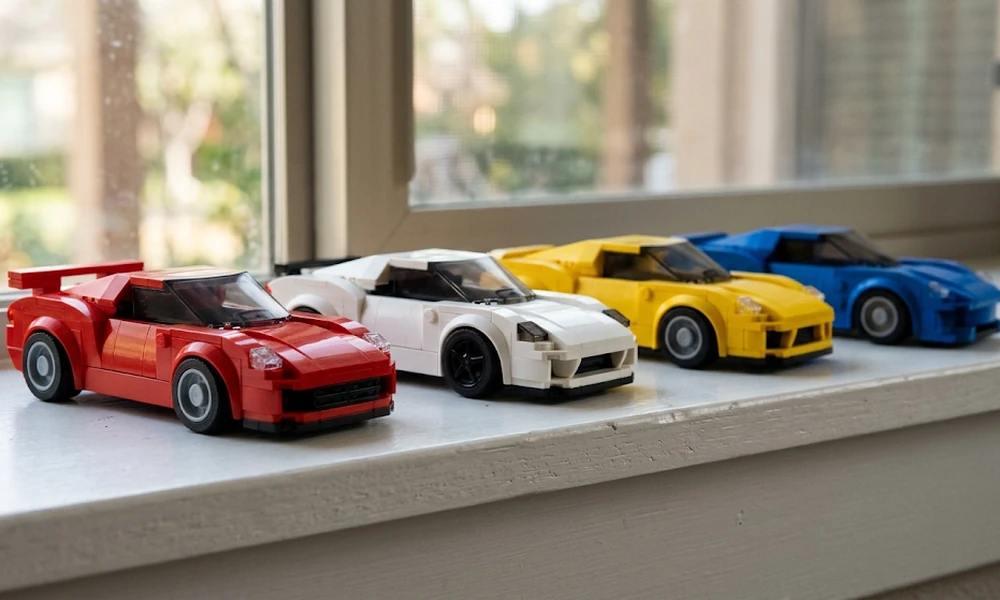
LEGO Speed Champions focuses on compact replicas of real-world performance and racing vehicles. These sets are designed to capture the recognizable shapes, colors, and styling details of their full-size inspirations.
The smaller format makes them appealing to people who want a collection without needing a large display area.
A collection might include a racing car, a modern supercar, a classic performance vehicle, and several cars from a favorite manufacturer. Placed together, the models can create a miniature automotive showroom.
Speed Champions models are also a good introduction to building licensed vehicle replicas because they combine recognizable designs with a relatively compact construction experience.
LEGO Cars Inspired by Real Automotive Legends
One reason LEGO cars attract adult collectors is the opportunity to build models inspired by famous vehicles.
Sports cars, supercars, endurance racers, and classic automobiles all offer distinctive design features that translate well into brick-built models.
Supercars
Supercars are natural subjects for detailed LEGO models. Their low profiles, sculpted bodywork, large wheels, and dramatic proportions make them visually interesting to recreate.
A well-designed LEGO supercar can become a centerpiece in a bedroom, office, or collection shelf.
Racing Cars
Racing-inspired LEGO cars often feature bold liveries, aerodynamic details, racing numbers, and sponsor-style graphics. These elements give the models a sense of speed even when they are standing still.
For motorsport fans, building several racing cars can be a way to celebrate different teams, eras, and styles of competition.
Classic Cars
Classic cars offer a different kind of challenge. Their appeal often comes from distinctive silhouettes, chrome-inspired details, rounded bodywork, and historical character.
Building a vintage vehicle from LEGO can also introduce interesting design problems, such as recreating curved fenders or narrow front grilles using rectangular elements.
Custom Performance Cars
Not every LEGO car needs to copy an existing vehicle. Custom builders can create their own sports cars, drift machines, off-road trucks, or futuristic concept vehicles.
This is where the hobby becomes especially creative: the builder decides the proportions, color scheme, interior, and mechanical features.
How to Choose the Right LEGO Car Set

The best LEGO car set depends on your budget, building experience, interests, and available display space.
Choose According to Your Experience
Beginners may prefer smaller sets with straightforward instructions. These let you learn basic building techniques without committing to a lengthy project.
Experienced builders may enjoy larger Technic models with intricate mechanical assemblies and more demanding construction steps.
Consider the Age Recommendation
LEGO sets include age recommendations that reflect their intended audience and the complexity of the build. These are useful guidelines when selecting a set for a child or younger builder.
Smaller parts can present a choking hazard for young children, so always follow the manufacturer’s age guidance.
Think About Display Space
A small Speed Champions car can fit on a desk or bookshelf. Larger Technic supercars require substantially more room, especially if you want to display several models together.
Before buying a large set, consider its assembled dimensions and where you plan to keep it.
Check the Complete Cost
LEGO car sets range from relatively affordable models to premium collector products. Licensed vehicles and large Technic sets can command higher prices because of their size, complexity, and specialized elements.
Compare current prices, included pieces, dimensions, and features before purchasing. Retired sets may cost considerably more than their original retail price, but that does not automatically mean every older model is a good investment.
Building Your Own LEGO Cars
Buying a set is only one way to enjoy LEGO cars. Building your own vehicle from loose bricks can be even more rewarding because you control every aspect of the design.
Start with the basic proportions: wheelbase, body length, roof height, and overall width. Make sure the wheels have enough clearance to rotate and that the chassis can support the bodywork.
Next, choose a design direction. You might build a small city car, a wide racing coupe, a classic roadster, or an imaginary supercar.
Color can make a major difference. A consistent color scheme usually looks more deliberate than combining unrelated colors without a clear design purpose.
For more advanced builds, consider working steering, suspension, opening doors, or a removable engine cover. You do not need to include every feature at once. A clean, well-proportioned model can be more impressive than one overloaded with complicated mechanisms.
LEGO Cars for Children and Adults
LEGO cars appeal to different age groups for different reasons.
For children, building vehicles can encourage creativity, patience, spatial reasoning, and problem-solving. Once the model is complete, it can become part of imaginative play involving races, garages, rescue missions, and fictional cities.
For adults, LEGO cars can be a relaxing hobby, a form of creative expression, or a way to explore an interest in automotive design. More advanced sets also offer the satisfaction of completing a complicated project piece by piece.
Adult fans often enjoy displaying their finished models, organizing collections by manufacturer, or building custom creations that cannot be purchased as official sets.
The hobby does not have to be competitive. Sometimes the greatest pleasure comes from following the instructions, placing the final piece, and seeing the completed vehicle for the first time.
Are LEGO Cars Worth Collecting?
LEGO cars can be worth collecting if you enjoy the building experience, appreciate the designs, or want to display vehicles associated with your favorite automotive brands.
However, collecting and investing are different activities. Some retired or limited sets become more expensive on the secondary market, but future prices are uncertain. Condition, completeness, demand, availability, and original packaging can all affect resale value.
It is usually better to buy a LEGO car because you genuinely want to build or display it rather than assuming it will increase in price.
For collectors, keeping instructions, organizing spare parts, and storing boxes carefully can help preserve the collection.
Frequently Asked Questions
What are the best LEGO cars to build?
The best choice depends on your interests. Speed Champions models are suitable for compact vehicle collections, while LEGO Technic cars appeal to builders who enjoy mechanical details and more complex construction.
What is the difference between LEGO Technic and Speed Champions?
LEGO Technic emphasizes engineering-style construction and may include functional mechanical systems. Speed Champions focuses on compact replicas of real-world sports and racing cars.
Are LEGO cars suitable for adults?
Yes. Many LEGO car sets are designed to appeal to adult builders and collectors, including detailed models with complex construction and display-focused designs.
Can you build your own LEGO car without instructions?
Yes. You can design a custom car using loose LEGO pieces, provided you have suitable parts for the chassis, wheels, bodywork, and any mechanisms you want to include.
Do LEGO cars increase in value?
Some retired sets appreciate in value, but this is not guaranteed. Demand, condition, completeness, and availability influence resale prices, so collecting should primarily be driven by personal interest.
What makes LEGO Technic cars special?
Their use of beams, gears, axles, and other specialized components allows builders to recreate mechanical functions such as steering, suspension, and simulated engines.
Final Verdict
LEGO cars are more than miniature vehicles. They combine the creativity of building with the fascination of automotive design, allowing people to create everything from simple play cars to highly detailed engineering models.
For beginners, compact vehicle sets offer an accessible starting point. For experienced builders, Technic models and custom creations provide greater complexity and opportunities to experiment.
Whether your dream is to assemble a miniature supercar, build a racing collection, or design a vehicle entirely from your imagination, LEGO cars offer a hobby that rewards both creativity and patience.
The best part is that the finished car is only half the experience. The other half is watching it come together, one brick at a time.
Disclaimer: This article is intended for informational purposes only.