Some classic cars look beautiful in photographs. Others have a presence that makes people stop talking when they hear one approaching. The 1969 Chevrolet Chevelle belongs firmly in the second category.
With its broad body, purposeful stance, and unmistakable late-1960s styling, the Chevelle captured the spirit of an era when American automakers were competing to build cars that combined everyday usability with serious performance. More than five decades later, the 1969 model remains a favorite among muscle-car enthusiasts, restorers, and collectors.
But not every 1969 Chevelle was the same. A practical six-cylinder model, a V8-powered Malibu, an SS 396, and a rare COPO performance car could share the same basic shape while offering very different driving experiences.
Understanding those differences is the key to appreciating this classic Chevrolet—and knowing what to look for if you want to own one.
What Is the 1969 Chevelle?
The 1969 Chevelle is a midsize Chevrolet built for the 1969 model year. It was available in multiple trims, body styles, and engine configurations, ranging from ordinary family transportation to high-performance muscle cars.
The most famous version is the Chevrolet Chevelle SS 396, equipped with a 396-cubic-inch big-block V8. Depending on the engine option, the factory-rated output reached 375 horsepower.
The 1969 model received updated exterior details compared with the 1968 car, including changes to the grille and rear styling. These refinements helped give it a distinctive appearance without abandoning the muscular proportions that made the Chevelle popular.
Its appeal today comes from a combination of classic design, substantial engine options, a broad restoration community, and the flexibility to build a car for cruising, collecting, or performance driving.
Why the 1969 Chevelle Is So Special
The late 1960s were a defining period for American performance cars. Manufacturers were exploring increasingly powerful engines, distinctive styling packages, and ways to make performance accessible to buyers who still wanted a usable road car.
The Chevelle fit that moment perfectly.
It was not an exotic sports car designed exclusively for weekend driving. Its midsize platform made it practical enough for ordinary roads, while its optional big-block engines gave buyers a reason to seek out the most powerful configurations.
The 1969 model is particularly interesting because Chevrolet changed how the SS 396 was classified. Rather than treating it as a separate series in the same way as earlier models, Chevrolet offered SS 396 equipment through the Z25 option package.
That detail matters to collectors because a genuine SS cannot always be identified simply by looking at the vehicle identification number or the badges attached to the body.
The result is a car with an appealing combination of history, performance, and detective work for anyone searching for an authentic example.
1969 Chevelle SS 396: The Performance Legend
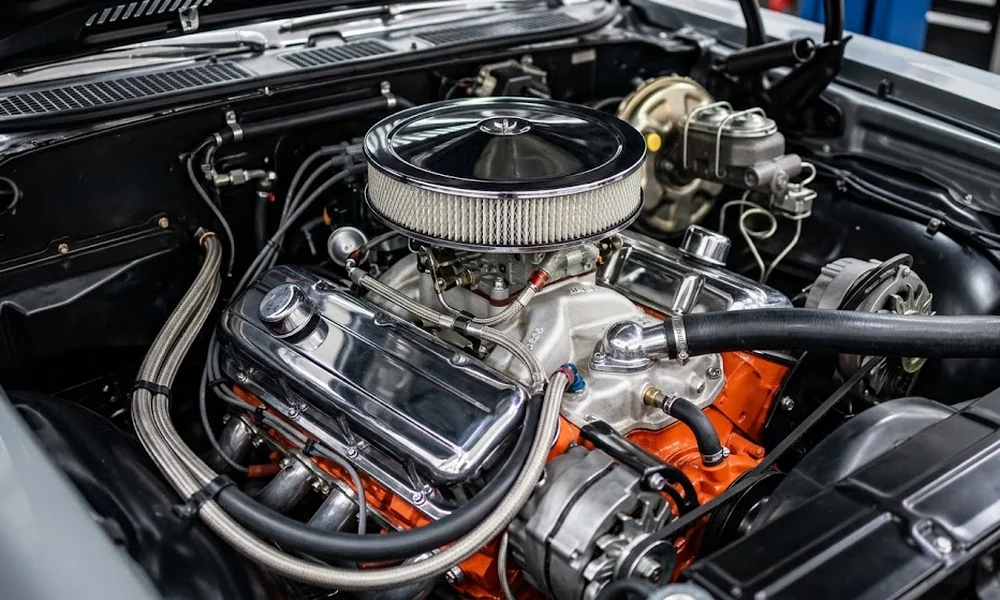
The SS 396 is the version most people picture when they hear the words “1969 Chevelle.”
Its combination of big-block power, special exterior details, performance-oriented suspension tuning, and period-correct muscle-car character made it one of Chevrolet’s standout offerings.
The SS 396 package included a 396-cubic-inch V8, distinctive styling elements, and equipment associated with the car’s performance mission. Chevrolet also offered more powerful engine choices for buyers who wanted something beyond the standard SS configuration.
1969 Chevelle SS 396 engine specifications
| Engine option | Displacement | Factory-rated horsepower |
| L35 V8 | 396 cubic inches (6.5 liters) | 325 hp |
| L34 V8 | 396 cubic inches (6.5 liters) | 350 hp |
| L78 V8 | 396 cubic inches (6.5 liters) | 375 hp |
These are the commonly cited original factory horsepower ratings. They are historical gross-horsepower figures, so they should not be compared directly with modern net-horsepower ratings.
The engines differed in their internal specifications and performance characteristics. The L35 provided the standard big-block experience, while the L34 and L78 offered greater output for buyers seeking stronger performance.
For collectors, the engine code is only part of the story. Matching the engine to the car’s documented history is essential when authenticity affects the purchase price.
Was the 1969 Chevelle available with a 427 engine?
Yes, but the distinction is important.
Certain 1969 Chevelles could be ordered with a 427-cubic-inch V8 through special COPO arrangements. These cars were different from the regular SS 396 package, and a 427-powered Chevelle should not automatically be described as a factory SS 396.
The COPO cars occupy a particularly interesting place in Chevrolet history because they demonstrate how special ordering could produce performance combinations that were not part of the ordinary showroom lineup.
When evaluating one, documentation and specialist inspection matter far more than badges or seller claims.
1969 Chevelle Body Styles and Trim Levels
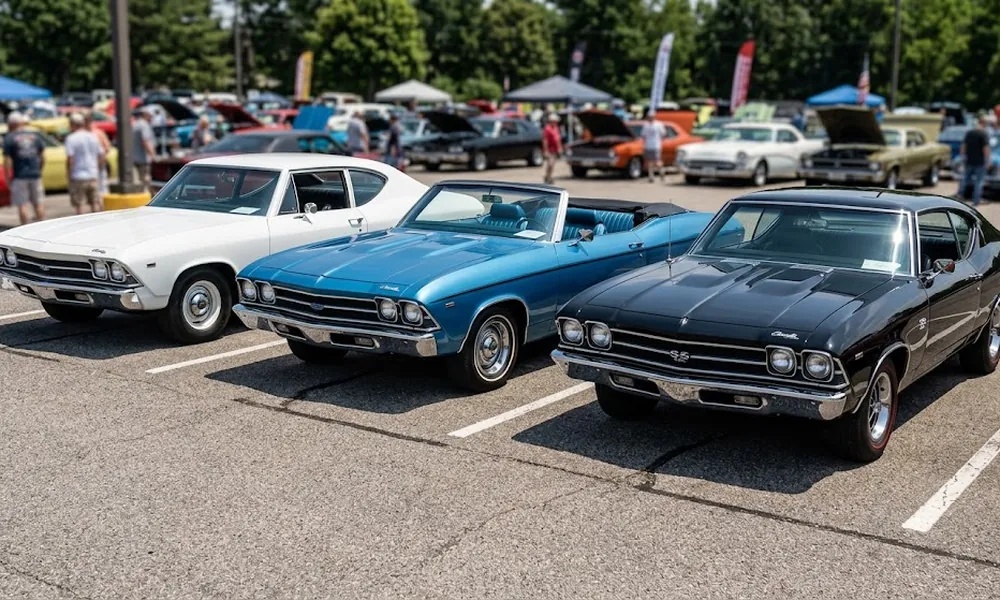
One reason the Chevelle remains so interesting is that it was not limited to a single body style or performance configuration.
Depending on the series and equipment, the 1969 lineup included coupes, sedans, convertibles, and station wagons. The El Camino, which shared much of its engineering with the Chevelle, was also part of Chevrolet’s broader midsize family.
Chevelle 300 and 300 Deluxe
These models emphasized straightforward transportation rather than luxury. Their simpler presentation can appeal to enthusiasts who prefer an understated classic or want a starting point for a period-inspired project.
Some two-door 300 Deluxe models could be ordered with the SS 396 package, making the combination especially interesting to knowledgeable collectors.
Chevelle Malibu
The Malibu offered a more upscale presentation and was available in body styles including the sport coupe and convertible. It could be configured with several engine options, making it a versatile choice for buyers who wanted classic styling without necessarily purchasing an SS.
A well-restored Malibu can be an appealing alternative to a high-priced SS, particularly for someone who values the driving experience more than the rarest factory specification.
Chevelle SS 396
The SS 396 added performance-focused equipment and distinctive styling. It is generally the most recognizable 1969 Chevelle configuration among muscle-car enthusiasts.
Because SS equipment was offered as an option in 1969, verifying the car’s original specification is particularly important before paying a premium.
Design Details That Define the 1969 Chevelle
The Chevelle’s appeal is not based on horsepower alone. Its proportions are a major part of what makes it memorable.
The long hood establishes a strong visual connection with the engine beneath it. The wide body gives the car a planted appearance, while the restrained lines keep it from looking overly complicated.
At the front, the revised grille and headlamp arrangement give the 1969 model its own identity. At the rear, updated styling details distinguish it from the preceding year without changing the car’s fundamental character.
SS versions add their own visual cues, including special badging and a more aggressive presentation.
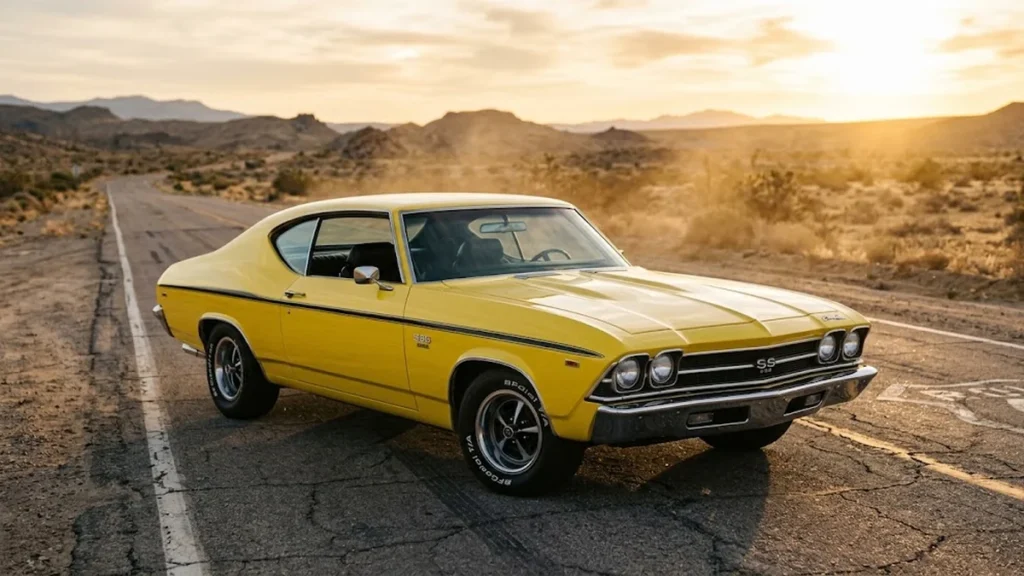
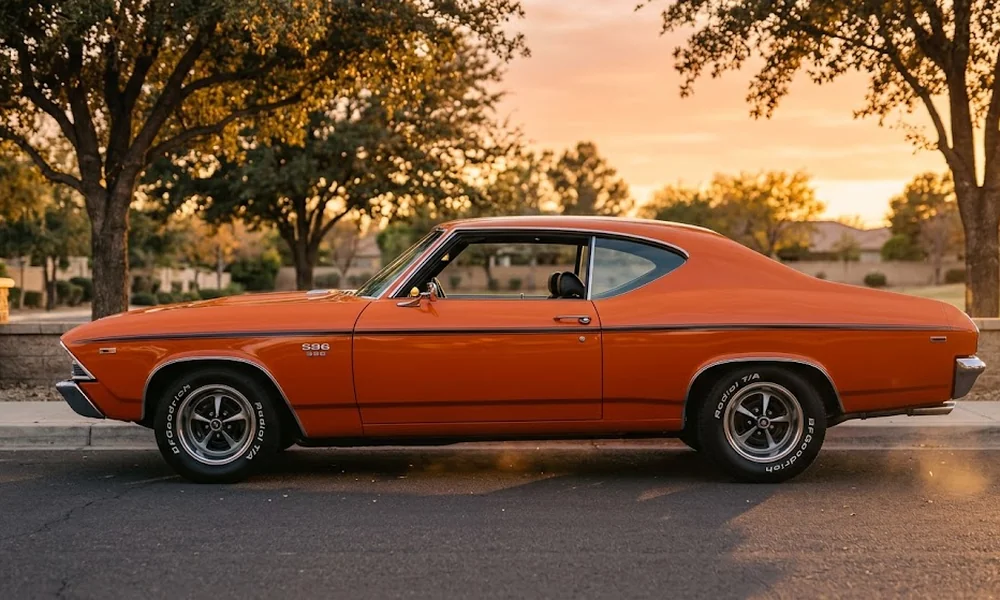
Color also makes a significant difference. Period colors such as Daytona Yellow and Monaco Orange are particularly associated with the car’s bold muscle-era personality. Black, white, blue, and other factory colors can produce a very different impression, from understated elegance to unmistakable show-car presence.
For restorers, the most satisfying builds are often the ones that preserve the original design rather than adding modern styling details that compete with it.
How to Identify a Genuine 1969 Chevelle SS 396
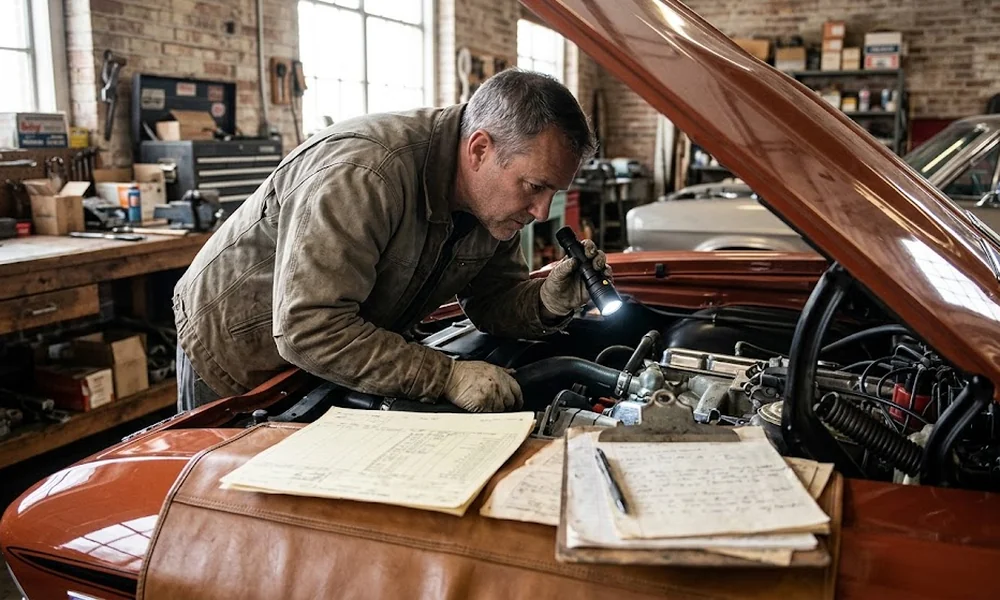
A car can wear SS badges, a special hood, and performance wheels without having left the factory as a genuine SS 396. Since these cars are valuable and reproductions are common, buyers should verify the details before committing to a purchase.
Check the original documentation
Look for credible supporting records, such as an original build sheet, factory paperwork, a warranty document, or other documentation linking the vehicle to its original equipment.
Documentation is particularly valuable when it establishes the original engine and option package.
Inspect the engine
The engine’s casting information, assembly codes, suffix codes, and partial VIN stamping—where applicable—can help establish its identity and relationship to the car.
A knowledgeable Chevelle specialist can interpret these details more reliably than a seller’s description alone.
Understand the VIN’s limitations
The VIN does not, by itself, establish that a 1969 Chevelle originally came with the Z25 SS 396 package. That is one reason an attractive car with SS badges should not automatically command the price of a documented original example.
Examine the overall condition
Inspect the body panels, floor pans, trunk, frame, suspension mounting points, and signs of previous repairs. Rust and poorly executed restoration work can turn an apparently attractive purchase into an expensive project.
The most important rule: buy the car’s verified history and condition, not just its appearance.
Is the 1969 Chevelle a Good Collector Car?
The 1969 Chevelle can be an excellent classic-car choice, but whether it is the right purchase depends on your goals.
A documented SS 396 appeals to buyers who want a recognizable muscle car with significant historical interest. A standard Malibu may suit someone who wants classic Chevrolet styling and a more relaxed ownership experience. A restoration project can be rewarding for an experienced enthusiast, but it requires realistic budgeting and patience.
Three factors deserve particular attention.
Authenticity: Original engine and option documentation can significantly affect collector interest.
Condition: Rust, structural repairs, incomplete restorations, and missing parts can add substantial costs.
Quality of restoration: A carefully restored car with reliable mechanical systems may be more enjoyable to own than a visually impressive example with unresolved problems.
The highest asking price does not automatically mean the best car. A well-documented, correctly restored example with a clear history is often a more sensible choice than a cheaper car whose condition and originality are uncertain.
What to Check Before Buying a 1969 Chevelle
Before purchasing, arrange a detailed inspection and review the vehicle’s paperwork.
- Confirm the VIN and check that it matches the vehicle’s documentation.
- Inspect the frame, floors, trunk, and body for rust or repairs.
- Verify the engine and transmission specifications where originality is claimed.
- Check the quality of paintwork, panel alignment, and interior restoration.
- Test the brakes, steering, suspension, cooling system, and electrical equipment.
- Review restoration receipts, ownership records, and any available factory documents.
- Have a classic-car specialist inspect the vehicle before finalizing the deal.
Also consider how you intend to use the car. A show-quality restoration, a weekend cruiser, and a performance build have different requirements and costs. Establishing your priorities before shopping makes it easier to avoid paying for features you do not need.
Frequently Asked Questions About the 1969 Chevelle
How much horsepower did a 1969 Chevelle SS 396 have?
The SS 396 was offered with factory-rated 396 V8 engines producing 325, 350, or 375 horsepower, depending on the engine option.
Was the 1969 Chevelle SS a separate model?
For 1969, SS 396 equipment was offered through the Z25 option package rather than as a separate SS 396 series in the earlier sense. This distinction is important when identifying an original car.
Did the 1969 Chevelle come with a 427 engine?
Some Chevelles could be ordered with a 427 through special COPO arrangements. These cars were distinct from the regular SS 396 package, and authenticity should be supported by documentation.
How can you tell whether a 1969 Chevelle is a real SS?
Badges and exterior parts are not sufficient proof. Review factory documentation, inspect engine identification markings, and consult a specialist familiar with 1969 Chevelle production.
Is the 1969 Chevelle rare?
Rarity depends on the specific configuration. A standard Chevelle is different from a documented SS 396, and a genuine special-order COPO car is a more specialized collector proposition. The exact engine, options, documentation, and condition all matter.
Is a 1969 Chevelle worth restoring?
It can be, particularly if the car has a sound structure, desirable original specifications, and a realistic restoration budget. Severe rust, missing components, and uncertain authenticity can make a project considerably more expensive than expected.
Final Thoughts
The 1969 Chevelle represents one of the most appealing sides of classic American motoring: bold styling, a broad range of configurations, and the availability of serious V8 performance in a car that still feels connected to everyday driving.
The SS 396 remains the headline attraction, but the wider Chevelle lineup offers plenty of reasons to look beyond the most famous version. A clean Malibu, a thoughtfully restored coupe, or a well-documented performance model can each provide a different way to enjoy this piece of Chevrolet history.
For prospective buyers, the smartest approach is to look beyond the paint and badges. Verify the specifications, examine the condition, and establish the car’s history before deciding what it is worth.
A great 1969 Chevelle is more than a classic shape with a big engine. It is a well-preserved piece of automotive history—and the details are what make it special.
Disclaimer: This article is intended for informational purposes only.