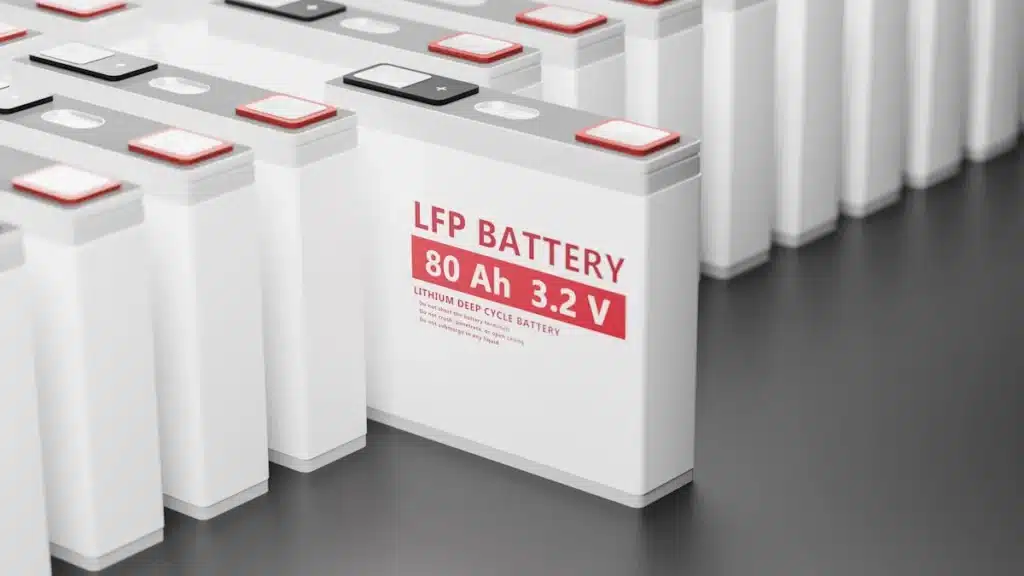
Upgrading your Lithium vs. Lead-Acid Marine Batteries system is one of the most significant choices you will make for your vessel. When managing modern electronics, a reliable power source is completely essential for safety. If you are searching for the best yacht batteries 2026 has to offer, you face a major technological choice: traditional lead-acid options or modern lithium chemistry.
The short answer is that marine lithium batteries are the undisputed gold standard for powering luxury vessels and blue-water cruisers in 2026. Specifically, Lithium Iron Phosphate ($LiFePO_4$) chemistry dominates the modern market due to its incredible energy density and long lifespan.
While traditional Absorbed Glass Mat (AGM) and flooded lead-acid batteries feature lower upfront costs, they fall behind in real-world performance. Lithium systems deliver up to 70% weight savings, provide 100% usable capacity, and sustain consistent voltage output until they are completely depleted.
The Chemistry Clash: Lithium vs AGM Marine
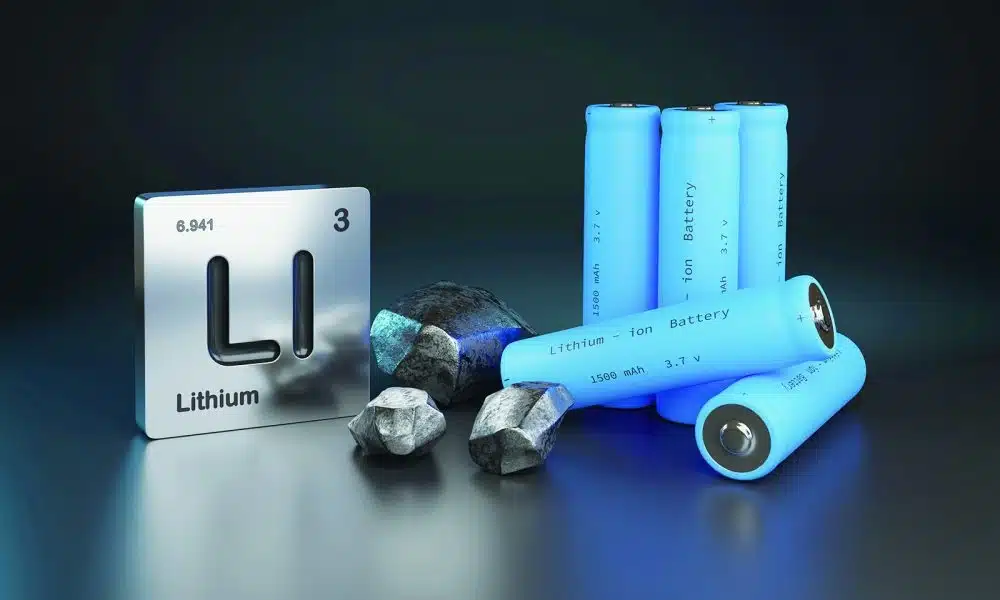
To build an efficient boat battery bank, it helps to understand the core differences between these two storage technologies. The chemical composition directly impacts how your vessel stores and discharges energy.
Traditional Lithium vs Lead-Acid Marine Batteries
Traditional lead-acid configurations rely on heavy lead plates submerged in an acid electrolyte solution. In a standard lithium vs agm marine evaluation, lead-acid systems reveal major mechanical limits. First, you cannot discharge a standard lead-acid battery past 50% capacity without causing permanent internal damage. Consequently, a 400 amp-hour (Ah) lead-acid bank only gives you 200 Ah of actual usable energy.
Additionally, lead-acid systems suffer from the Peukert effect, which means their capacity drops when under heavy loads. For example, running an electric winch or a microwave causes a severe, temporary voltage drop across the system.
The Lithium Iron Phosphate ($LiFePO_4$) Advantage
Modern luxury vessels utilize lithium iron phosphate cells almost exclusively. This specific chemistry is incredibly stable, non-combustible, and inherently safe for enclosed marine environments. Furthermore, lithium allows you to safely utilize 100% of your rated amp-hours. Because the chemical reaction is highly efficient, the voltage curve remains completely flat during discharge. Therefore, your electronics receive steady, clean power until the battery is entirely empty.
This shift toward lithium chemistry mirrors a much larger transformation happening across the wider maritime industry, as explored in our guide on electric hybrid ship technology, where similar high-density battery systems are reshaping propulsion and onboard power management at scale.
Direct Performance Comparison
Selecting the right components for your yacht house bank requires comparing key operational factors like weight, charge speeds, and real-world efficiency.
Weight Savings and Hull Efficiency
Weight matters immensely on any hull, especially on performance catamarans and sailing vessels. A standard 100 Ah AGM battery weighs roughly 70 pounds. To build a usable 400 Ah bank, you must install four units, adding nearly 280 pounds of dead weight to your bilge.
In contrast, a single 12V 400 Ah lithium marine battery weighs approximately 95 pounds total. This massive weight reduction improves your fuel efficiency and enhances your overall hull speed on the water.
Charge Acceptance and Efficiency
Lithium chemistry accepts incoming current much faster than lead-acid cells. Consequently, your alternator, solar array, or shore power charger can replenish the bank at an accelerated rate.
AGM Resistance: As an AGM battery reaches 80% capacity, internal resistance rises sharply, forcing the charger to slow down for several hours.
Lithium Efficiency: A lithium bank accepts maximum bulk charging current all the way to 99% capacity, reducing your daily generator runtime by an estimated 50% or more.
Technical Specifications Comparison
This comprehensive marine battery guide highlights the exact performance trade-offs you will encounter when designing your system.
| Operational Metric | Lithium Marine Batteries (LiFePO4) | Premium AGM Lead-Acid Batteries |
| Usable Capacity (DoD) | 100% (Full discharge capability) | 50% maximum (Deep discharge damages cells) |
| Expected Lifespan | 3,500 to 5,000 cycles | 300 to 600 cycles |
| Weight per 100Ah Usable | ~24 lbs | ~140 lbs (Requires 200Ah total capacity) |
| Round-Trip Efficiency | ~98% energy retention | ~80% energy retention (Lost as heat) |
| Internal BMS Protection | Built-in (Prevents overcharge and shorts) | None (Requires external monitoring) |
| Upfront Initial Cost | High (Significant initial investment) | Low (Economical entry price point) |
Financial Analysis: Upfront Price vs. True Lifespan
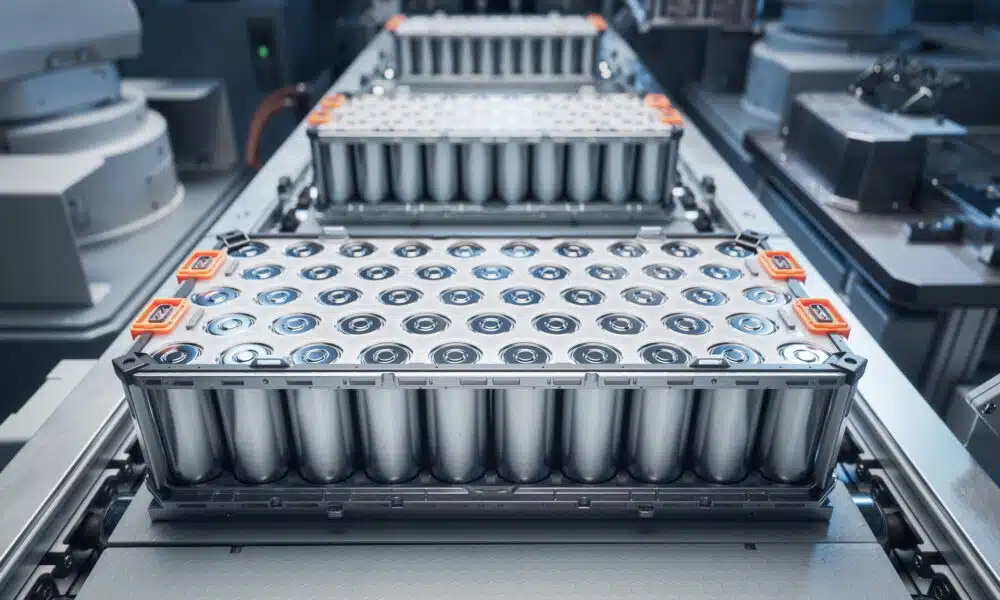
Many captains hesitate to purchase marine lithium batteries due to the higher retail price point. However, looking at the long-term cost per cycle reveals a completely different financial picture. An elite AGM battery provides roughly 500 cycles before its storage capacity degrades permanently. If you cruise heavily and cycle your system daily, you will likely need to replace the entire bank every two to three years.
Meanwhile, high-grade marine lithium cells routinely achieve 4,000 cycles at an 80% depth of discharge. Based on available data, this performance equals over ten years of continuous, daily operation. Therefore, while lithium requires a larger initial layout, it outlasts up to eight consecutive sets of lead-acid options. Consequently, this longevity eliminates recurring replacement labor costs and delivers a vastly superior return on investment over time.
Buyers assessing a pre-owned vessel’s electrical system should weigh these long-term costs carefully, since our analysis of used superyacht prices dropping in 2026 highlights how outdated battery banks and deferred electrical upgrades often factor heavily into a surveyor’s refit cost estimate.
Crucial Integration Requirements
Transitioning to advanced power storage involves more than simply dropping new cells into your battery trays. For safety, your vessel requires a fully integrated charging infrastructure.
Lithium vs Lead-Acid Battery Management System (BMS)
Every reliable marine lithium cell features an integrated electronic circuit board called a Battery Management System. This module acts as an automated safety guard. The BMS continuously monitors internal cell temperatures, balancing voltages, and current loads. If it detects an unsafe overcharging condition or a short circuit, it instantly disconnects the battery from the network to protect your crew.
For technical specifications on cell-level safety certifications, the lithium iron phosphate battery safety standards published by maritime classification society DNV outline the testing protocols manufacturers must meet before a battery system is approved for marine installation.
Lithium vs Lead-Acid Alternator Protection
Modern alternators are designed to charge high-resistance lead-acid systems. Because lithium has almost zero internal resistance, it will attempt to pull maximum current from your alternator indefinitely. This unrestricted draw can easily overheat and destroy a standard factory alternator at sea. To prevent this, you must install a smart DC-to-DC battery charger or an external voltage regulator equipped with thermal sensors to throttle current safely.
Conclusion: Lithium vs Lead-Acid Marine Batteries
Upgrading your electrical architecture is a crucial step toward achieving total independence on the water. This kind of total electrical independence is becoming a baseline expectation among elite owners, as reflected in our coverage of the top 10 superyachts of 2026, where advanced power architecture and sustained off-grid endurance are increasingly central to vessel design.
While lead-acid systems remain a functional choice for basic starting applications, lithium technology is the absolute best solution for sustained house demands. By delivering unmatched weight savings, lightning-fast recharge capabilities, and a decade of reliable service, modern lithium cells ensure your helm remains fully powered wherever your coordinates lead. To discover more technical marine equipment comparisons, alternative energy solutions, and offshore electrical guides, drop anchor at our digital headquarters at turboocruiser.
FAQs: Lithium vs Lead-Acid Marine Batteries
Can I mix lithium and lead-acid batteries in the same bank?
No, you must never mix different battery chemistries within the same parallel or series bank. Because lithium and lead-acid options operate at completely distinct voltage profiles and charge rates, linking them directly will destroy the batteries and create a severe electrical hazard.
Is it safe to use lithium batteries as dedicated engine starting batteries?
Generally, $LiFePO_4$ batteries are engineered specifically for deep-cycle house loads rather than rapid engine cranking. However, several manufacturers now build hybrid lithium batteries with high cold cranking amps (CCA) ratings, provided your engine manufacturer explicitly approves them for starter use.
Do marine lithium batteries work effectively in freezing temperatures?
Lithium cells discharge efficiently in sub-zero weather, but they cannot accept a charge if the internal cell temperature drops below 32°F (0°C). Charging a frozen lithium cell causes permanent plating damage, which is why premium marine brands integrate automatic internal heating elements into their battery casings.
What is the ideal way to charge a lithium house bank via shore power?
You should utilize a smart marine battery charger featuring a programmable profile configured explicitly for lithium chemistry. This setting ensures the charger applies the exact absorption voltage required and completely eliminates the high-voltage equalization phase, which can damage lithium cells.