
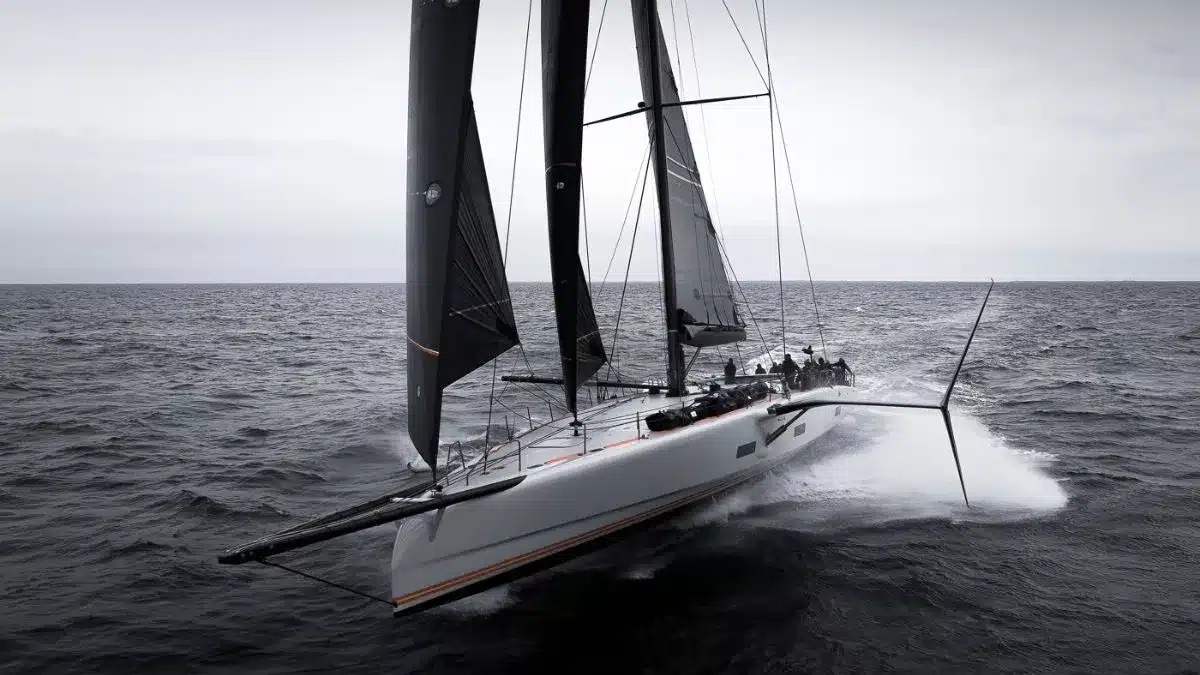
The maritime world is undergoing its most dramatic transformation in a century. Modern naval architecture allows massive vessels to lift completely out of the water, gliding above the waves on hydrodynamic wings. In foiling superyachts 2026, this concept reaches its absolute peak. By merging extreme speed, near-silent propulsion, and unmatched fuel efficiency, hydrofoil technology is redefining elite ocean travel. The era of foiling superyachts 2026 promises effortless cruising, whisper-quiet staterooms, and ultra-smooth stability even in heavy seas.
Buying a luxury vessel used to mean choosing between massive interior space and raw performance. Traditional displacement hulls require immense horsepower to push through seawater, creating heavy wakes and rough motion. Foiling changes everything by lifting the hull above the surface, cutting water drag by up to eighty percent.
Understanding the Rise of Foiling Superyachts 2026
To understand why foiling superyachts 2026 are taking over headlines, one must look at how hydrodynamic wings operate. Just as airplane wings generate lift in the air, submerged foils generate vertical lift as water flows across them. Once a vessel reaches a specific takeover speed, the entire hull rises above the waterline.
This flight mode separates the vessel from wave impact. Instead of slamming into ocean swells, a modern hydrofoil luxury yacht skims smoothly over them. The result is a dramatic reduction in pitch and roll, which virtually eliminates motion sickness for guests onboard.
From America’s Cup Racing to Ultra-Luxury Cruising
Foiling technology was once reserved for lightweight ocean racing teams competing in the America’s Cup. These racing machines proved that hydrofoils could achieve double or triple the wind speed. However, early foil designs were stark, noisy, and difficult to manage without an expert crew.
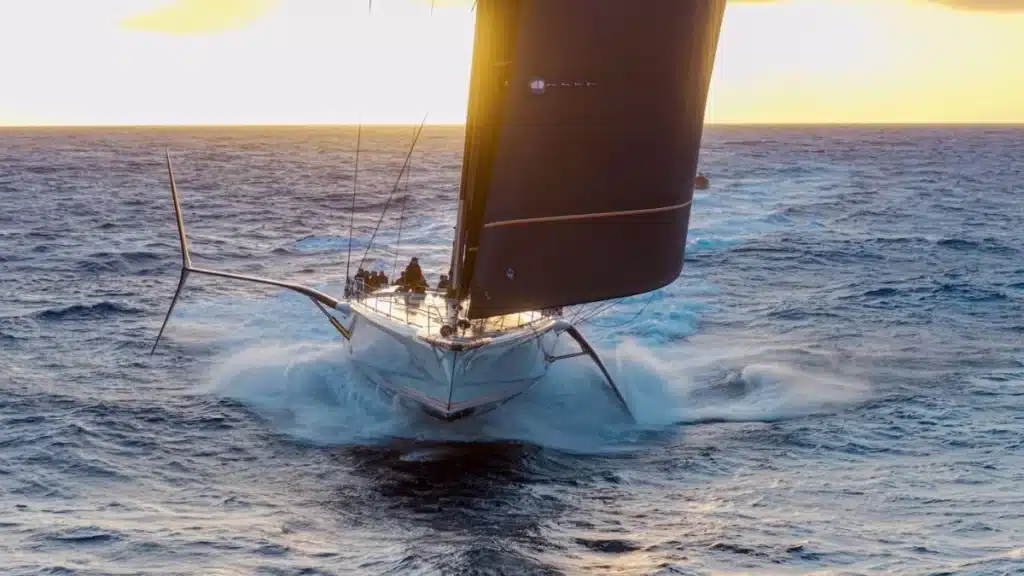
By 2026, advances in automated flight control systems and high-strength carbon fiber composites changed the dynamic. Naval architects successfully scaled up these aerodynamic principles into multi-deck luxury vessels. Today, computer algorithms adjust foil angles hundreds of times per second, allowing non-sailors to enjoy effortless, high-speed flight.
Key Benefits Driving Foiling Superyachts in 2026
The shift toward foiling technology yachts is driven by clear performance advantages that traditional motor yachts simply cannot match.
1. Unmatched Speed and Lower Energy Consumption
Eliminating hull friction unlocks extraordinary speed capabilities. While a standard luxury vessel cruises comfortably around 12 to 18 knots, a foiling vessel easily pushes past 30 to 50 knots while using a fraction of the energy.
Because water resistance drops so sharply during flight, power demand plummets. This efficiency makes zero-emission electric and hydrogen-hybrid engines practical for long-distance marine travel for the first time.
2. Elimination of Seasickness and Wave Impact
Wave slam is the leading cause of discomfort at sea. When a traditional vessel cuts through choppy water, hull impact creates low-frequency vibrations that cause fatigue and nausea.
Foiling vessels elevate the main structure clear of wave crests. Passengers experience a steady, level flight profile regardless of surface chop, creating an unprecedented level of comfort while dining, relaxing, or working.
3. Access to Shallow Bays and Eco-Sensitive Waters
Hydrofoils generate minimal wake turbulence. Traditional fast yachts create heavy displacement waves that erode delicate shorelines, damage coastal ecosystems, and disturb moored boats.
Foiling craft leave almost no surface wake, granting them access to protected marine reserves and shallow anchorages where high-speed conventional craft are legally banned.
Technical Innovation in Foiling Technology Yachts
Building a superyacht capable of lifting hundreds of tons out of the water requires bleeding-edge aerospace engineering. Naval shipyards combine lightweight materials, continuous sensor monitoring, and smart power management to achieve stable flight.
Advanced Materials: Carbon Fiber and Titanium Alloys
Weight management is critical for flight. Foiling technology yachts rely heavily on pre-preg carbon fiber, titanium fittings, and structural honeycomb cores. These lightweight materials provide immense structural rigidity while keeping the displacement low enough for hydrofoils to generate adequate lift.
Flight Control Computers and Real-Time Sensors
Maintaining pitch, roll, and height above water demands constant adjustment. Modern systems utilize ultrasonic sensors, gyroscopes, and forward-looking radar to map incoming wave patterns. The flight computer processes this data instantly and adjusts the trailing flaps on the hydrofoils to maintain a perfectly flat ride height.
Next-Generation Marine Propulsion
Engineers pair foil systems with specialized propulsion setups:
Retractable Pod Drives: Electric thrusters built directly into the foil struts to maximize thrust efficiency.
Hydrogen Fuel Cell Systems: Eco-friendly power plants providing silent energy for extended long-range cruising.
Solar-Integrated Decks: Solar cells integrated seamlessly into carbon fiber decks to power onboard systems without burning fuel.
Comparing Foiling Superyachts 2026 vs. Traditional Yachts
To highlight why ocean transport is shifting toward high-speed flight, here is a breakdown based on available industry metrics and naval test data.
| Performance Metric | Traditional Displacement Superyacht | Modern Foiling Superyacht (2026) |
| Average Cruise Speed | 12 – 16 Knots | 30 – 45+ Knots |
| Water Drag & Resistance | High (Increases exponentially with speed) | Extremely Low (Cuts drag by up to 80%) |
| Motion Stability | Subject to heavy pitch, roll, and wave impact | Exceptionally smooth flight above wave crests |
| Wake Impact | Significant surface wake and shoreline erosion | Minimal wake creation |
| Eco-Efficiency | High fuel consumption at elevated speeds | Ideal for pure electric or hybrid powerplants |
| Shallow Water Capability | Restricted by deep draft hull design | High capability with retractable foils |
Iconic Projects Defining the Hydrofoil Luxury Yacht Era
Several groundbreaking vessel concepts show how fast technology is advancing in 2026.
The Ferrari Hypersail Project
One of the most talked-about developments in modern yachting is the 30-meter (100-foot) Ferrari Hypersail. Designed by French naval architect Guillaume Verdier in collaboration with Ferrari’s engineering team, this concept bridges racing performance and extreme luxury.
The vessel uses a curved canting keel, rudder foils, and lateral foils to achieve stable flight across three points of contact. Powered entirely by renewable energy, including deck-integrated solar arrays and wind regeneration systems, the Ferrari Hypersail demonstrates how luxury sailing can operate with total energy self-sufficiency.
Pure Electric Hydrofoil Vessels
Luxury shipbuilders like Candela and specialized boutique naval yards are scaling up electric hydrofoils. By pairing ultra-efficient hull flight with advanced lithium-ion battery stacks, these vessels move through the water in near-total silence. Passengers can enjoy high-speed sea transit without exhaust fumes, engine noise, or hull vibration.
What Makes a Hydrofoil Luxury Yacht the Ultimate Status Symbol?
For modern yacht owners, luxury is no longer measured solely by length overall or volume. Time, efficiency, and sustainability have become the primary benchmarks of prestige. Owning a hydrofoil luxury yacht offers distinct lifestyle advantages:
Time Saving Capabilities: Travelling at 40 knots allows owners to hop between distant island destinations in hours rather than spending an entire day at sea.
Unrivaled Privacy and Serenity: Silent flight eliminates the constant mechanical hum of conventional diesel engines.
Pioneering Environmental Leadership: Operating a low-emission or zero-emission vessel lets owners enjoy pristine ocean locations responsibly.
Striking Futuristic Aesthetic: Elevated flight profiles and sleek carbon fiber foil structures command attention in any marina worldwide.
Challenges and Future Outlook for Foiling Yachts
While foiling superyachts 2026 represent a massive leap forward, naval engineers continue to refine key operational areas.
Retractable Foil Engineering
Docking, maneuvering in tight harbors, or navigating shallow waters requires hydrofoils to retract fully into the hull. Designing reliable, high-load hydraulic mechanisms that conceal massive carbon foils without compromising interior living space remains a complex structural challenge.
Debris Avoidance Technologies
Flying at 40 knots above the surface means hitting floating ocean debris or marine life can pose safety risks. Shipbuilders are integrating thermal imaging cameras, forward scanning sonar, and automated emergency splashdown controls to keep vessels safe during high-speed transit.
Scale Limits and Displacement Ratios
Foiling requires a high power-to-weight ratio. While 30-meter to 50-meter vessels foil effortlessly, applying hydrofoils to giant 100-meter-plus megayachts requires continuing research into high-lift foil geometry and ultra-light interior construction materials.
The Bright Horizon of High-Speed Ocean Travel
The arrival of foiling superyachts 2026 marks a permanent shift in how we travel across the open ocean. By combining aerospace engineering with refined Italian and European yacht design, naval architects have created a new class of watercraft. These vessels fly smoothly over wave tops, eliminate seasickness, and drastically reduce fuel consumption.
As flight control automation, battery storage, and carbon composite manufacturing continue to evolve, high-speed foiling will expand across the marine world. Whether you are a seasoned captain or an ocean enthusiast, the thrill of near-silent flight above the ocean waves represents the absolute future of luxury yachting.
For more in-depth reviews, naval engineering updates, and deep dives into the world of luxury vessels, visit turboocruiser.com to stay ahead of the latest marine innovations.
Frequently Asked Questions
What is the fastest superyacht in the world with foiling technology?
While traditional speedboats rely on massive fossil-fuel engines to reach high speeds, modern high-speed foiling vessels hit speeds between 35 and 50+ knots with far less power. High-performance foiling prototypes like the Ferrari Hypersail are designed to rank among the fastest superyacht concepts in their class.
How do foiling superyachts stay stable during rough weather?
Automated flight control computers continuously analyze wave heights, wind forces, and vessel orientation using onboard sensor suites. The flight system adjusts hydrofoil flaps hundreds of times every second, keeping the ride level and preventing the vessel from rolling or pitching in rough seas.
Are foiling technology yachts more environmentally friendly?
Yes. Lifting the hull out of the water cuts hydrodynamic drag by up to eighty percent. This dramatic drop in resistance allows vessels to consume far less fuel or operate entirely on electric, solar, or hydrogen powerplants.
Can hydrofoils be fully retracted when entering shallow marinas?
Yes, modern foiling technology yachts are built with fully retractable foil systems. When approaching ports or shallow anchorages, the hydrofoils pull flush into the hull, allowing the boat to operate just like a standard vessel.