
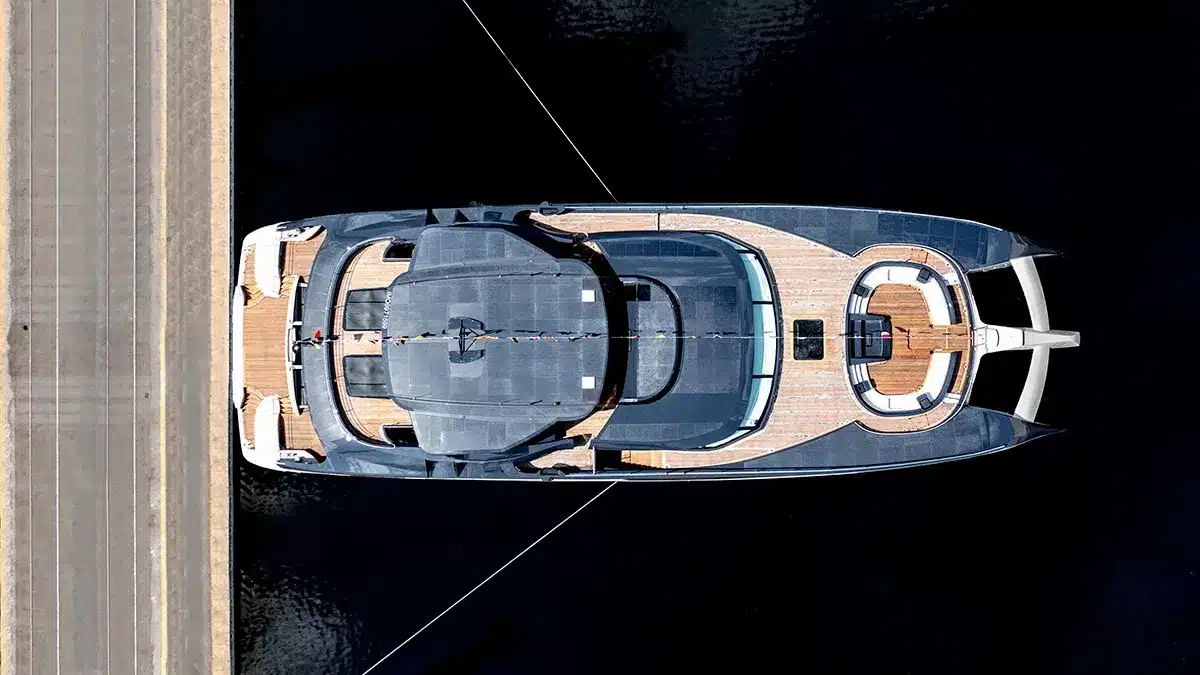
The maritime world is experiencing a technological evolution that is completely redefining modern ocean travel. Superyachts are no longer judged solely by physical length or handcrafted woodwork. Instead, processing power, machine learning algorithms, and intelligent automation are taking center stage. In AI powered yachts 2026, artificial intelligence acts as an ultra-capable digital co-pilot. By merging computerized situational awareness, automated docking, and predictive maintenance, modern vessels are capable of navigating open seas with almost zero direct human steering.
Buying a luxury vessel used to require large crews working long hours to manage navigational hazards, engine health, and docking procedures. Autonomous yacht systems change this dynamic completely. By processing millions of marine data points per second, smart yacht features handle the heavy lifting. The result is a safer, quieter, and vastly more efficient ocean experience driven by self sailing technology.
Understanding the Rise of AI Powered Yachts 2026
To understand why AI powered yachts 2026 dominate modern industry headlines, one must look at how digital sensor networks interact with vessel controls. Traditional vessel radar can miss small surface obstacles, debris, or marine life in heavy chop. AI vision networks solve this by combining high-definition optical cameras, thermal imaging, LiDAR, and satellite tracking into a unified situational model.
When integrated with digital thrusters and automated flight or helm software, these systems keep a vessel perfectly on course. The onboard AI continuously adjusts throttle levels, rudder angles, and stabilizer fins to match incoming wave patterns. This yields ultra-smooth voyages, optimized fuel consumption, and unprecedented levels of onboard safety.
Top 5 Self-Sailing Yacht Models and Systems Redefining 2026
The shift toward total autonomy is reflected in groundbreaking flagships and specialized marine navigation platforms. Here are five standout examples shaping high-tech cruising in 2026.
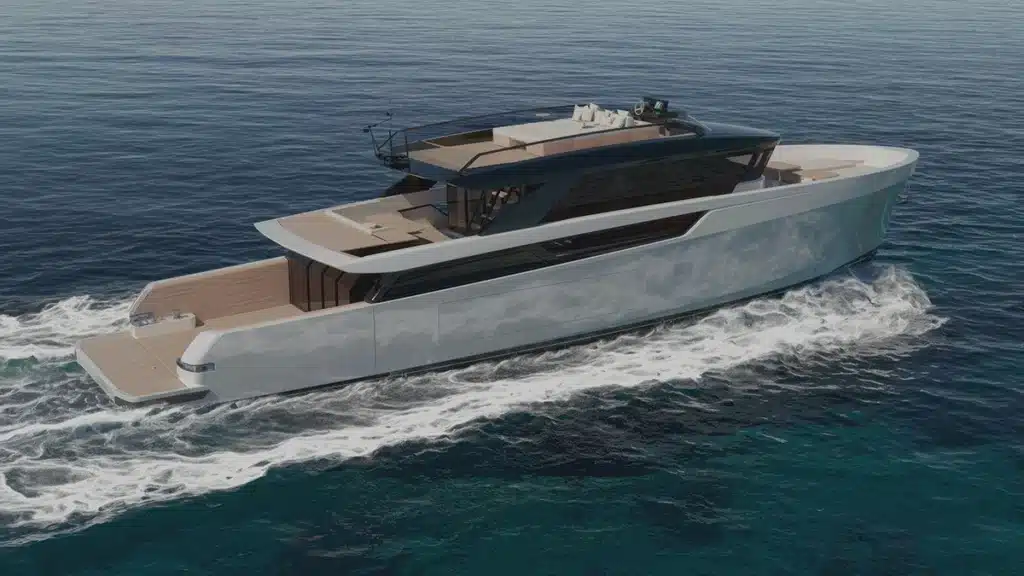
1. Sunreef 80 Power Eco Autonomous Edition
Sunreef Yachts leads sustainable marine innovation by combining solar-integrated hulls with advanced machine learning. The Sunreef 80 Power Eco utilizes proprietary AI software to monitor energy generation from its composite solar skin. It dynamically regulates speed and route options to maximize electric cruising range while operating on autonomous yacht systems during open-water passages.
2. Candela C-8 Powered by SEA.AI Machine Vision
The Candela C-8 combines hydrofoil flight with the SEA.AI marine vision architecture. Using deep-learning neural networks trained on millions of ocean images, the system detects semi-submerged objects, floating logs, and kayakers well beyond human visual range. The flight control system makes micro-adjustments to the foil struts based on AI visual feeds, offering true self-flying capability over wave crests.
3. Azimut Seadeck 9 with Volvo Penta Assisted Docking
Azimut’s Seadeck flagship integrates Volvo Penta’s fully automated docking architecture. This setup uses dynamic positioning sensors and AI spatial mapping to calculate wind, current, and surrounding slip distance. The yacht maneuvers itself into tight marina slips with zero manual joystick input, taking the stress out of handling large vessels.
4. Pearl 100 Hybrid with Smart Energy & Helm Automation
The Pearl 100 Hybrid pairs electric-diesel propulsion with centralized AI hull management. The vessel’s internal neural network monitors battery discharge rates, mechanical vibration, and engine temperatures to execute predictive maintenance alerts before parts fail. On the water, its smart helm maintains precise course positioning relative to real-time weather feeds.
5. Sanlorenzo SL106 Asymmetric featuring Raymarine NeuBoat Pilot
Sanlorenzo’s integration of NeuBoat Pilot technology turns the SL106 into a semi-autonomous sanctuary. Utilizing a network of surrounding cameras, the onboard AI generates a 360-degree tactical map around the hull. The vessel executes precision auto-routing, automatically avoiding static navigational hazards and active vessel traffic without captain intervention.
Core Smart Yacht Features Driving Maritime Autonomy
The transition to self-sailing craft relies on specific core technologies working behind the scenes.
1. Computer Vision and Obstacle Avoidance
Standard radar often misses targets close to the surface or directly in front of the bow. Modern smart yacht features employ multi-spectrum cameras paired with machine learning to instantly classify floating objects, marine life, or unlit navigational buoys day or night.
2. Automated Docking and Spatial Mapping
Maneuvering a multi-ton luxury vessel into a crowded marina slip is often the most demanding part of a journey. Modern AI docking algorithms combine GPS, short-range sonar, and optical sensors to auto-adjust thrusters and compensate for sudden crosswinds in real time.
3. Predictive Engine Maintenance
Instead of repairing equipment after a breakdown occurs, IoT sensors continuously stream operating data to an onboard machine-learning engine. The system flags minor vibrations, temperature spikes, or fluid pressure changes, allowing engineers to service components before failure.
Comparing Conventional Superyachts vs. AI-Powered Vessels
The differences between classic luxury craft and next-generation autonomous vessels highlight how fast ocean transit is changing.
| Operational Feature | Traditional Conventional Yacht | AI-Powered Superyacht (2026) |
| Navigation & Helm | 100% Manual Captain Steering | AI-Assisted Auto-Routing & Self-Sailing |
| Hazard Identification | Standard Radar & Visual Lookout | 360° Thermal Vision, LiDAR & AI Analytics |
| Marina Docking | Manual Thruster & Joystick Control | Automated Sensor-Guided Auto-Docking |
| Maintenance Strategy | Scheduled or Reactive Repairs | Sensor Logs & Predictive Algorithmic Alerts |
| Energy Management | Manual Generator & Engine Throttling | AI-Optimized Hybrid Power & Route Efficiency |
The Benefits of Self Sailing Technology for Vessel Owners
Integrating self sailing technology offers clear lifestyle advantages for modern owners:
Unrivaled Safety: Human error accounts for the vast majority of marine accidents. AI monitoring provides constant vigilance, eliminating blind spots.
Reduced Crew Strain: By delegating watchkeeping and navigation to automated systems, crew members can focus more attention on guest hospitality.
Lower Environmental Footprint: AI pathfinding calculates fuel-efficient routes by analyzing current patterns, tide shifts, and wind direction.
Stress-Free Handling: Owners who prefer to skipper their own boats can dock and navigate complex waterways with total confidence.
The Future of Intelligent Ocean Travel
The rise of AI powered yachts 2026 represents a permanent shift in modern yachting. By combining aerospace sensors, predictive algorithms, and automated helm controls, modern shipbuilders have created vessels that can handle complex navigation with ease. As battery technologies improve and machine vision models become even sharper, self-sailing capabilities will become standard across all luxury vessels.
For more detailed vessel reviews, naval architecture news, and updates on high-tech ocean travel, visit turboocruiser.com to stay ahead of the latest marine innovations.
Frequently Asked Questions
Can AI-powered yachts completely replace human captains?
No. Current international maritime regulations require a licensed captain onboard to oversee operations and manage unexpected emergencies. AI powered yachts 2026 function as advanced co-pilots, taking over routing, watchkeeping, and docking duties under captain supervision.
How do autonomous yacht systems handle severe weather?
AI systems connect directly to satellite weather services and onboard barometer arrays. The navigation computer calculates alternative routes to bypass storms well before the vessel encounters high seas.
Are smart yacht features secure against cyber threats?
Shipbuilders utilize encrypted satellite links, isolated local networks, and dedicated firewalls to protect navigation controls. Critical steering and engine systems retain hardware-level manual overrides for complete safety.
What is the primary advantage of self sailing technology?
The biggest advantage is enhanced situational awareness. Machine vision detects hazards in darkness, fog, or heavy chop much faster than human eyes or traditional radar, making sea travel far safer.