
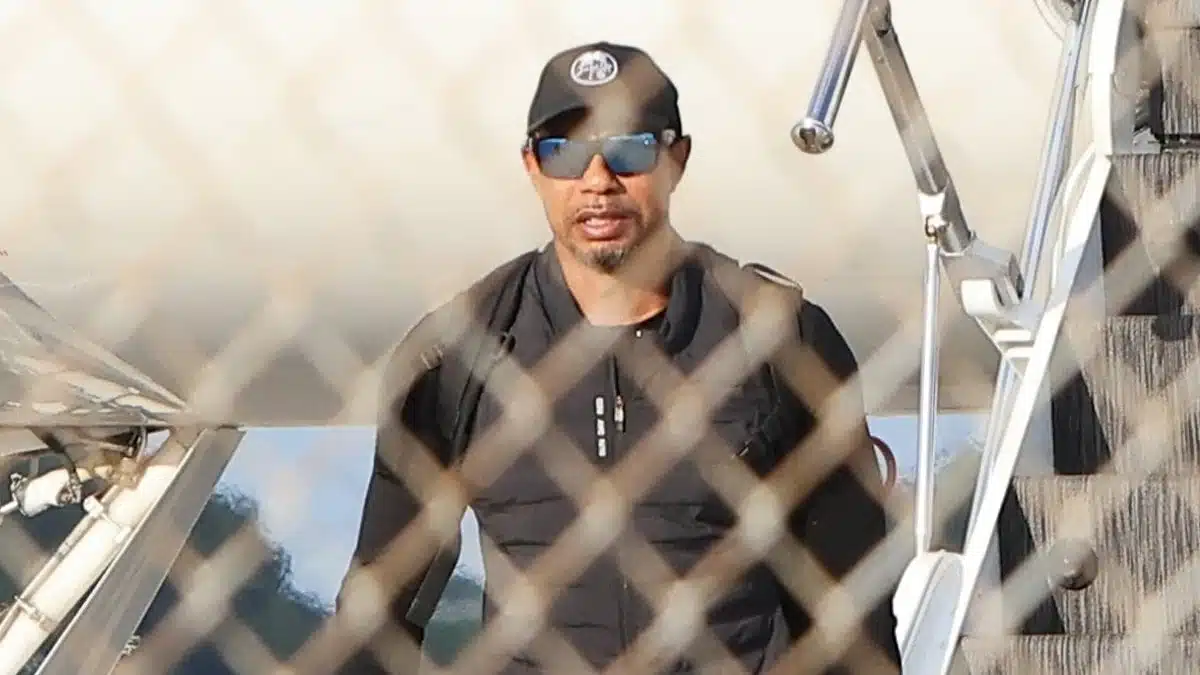
Following high-profile news events involving elite athletes, viral social media posts can spread unverified information in seconds. A persistent story in online aviation forums asserts that tiger woods’ private jet landed in switzerland after his arrest.
To answer the main topic directly: based on available flight-tracking data and public records, claims that tiger woods’ private jet landed in switzerland after his arrest are factually unverified and contradicted by domestic radar logs. Following his May 2017 traffic stop in Florida, the golf star remained in the United States for medical evaluation and legal proceedings. His aircraft, a Gulfstream G550, continued standard domestic operations rather than an immediate transatlantic evacuation.
In this detailed report, we break down flight records, examine the mechanics of celebrity aviation, and separate internet myth from verifiable facts.
The Origin of the Switzerland Flight Rumor
In late May 2017, police officers in Jupiter, Florida, encountered Tiger Woods asleep inside his parked vehicle. Breathalyzer tests returned a 0.000 reading for alcohol, but toxicology reports later revealed a complex mix of prescribed pain and sleep medications following back surgery.
The news created an immediate international media storm. Within hours of his release from custody, flight-tracking enthusiasts noticed movement associated with luxury business jets departing the Southeastern United States.
Soon, posts began multiplying on online message boards claiming tiger woods’ private jet landed in switzerland after his arrest. Speculators claimed the flight was arranged to transport Woods to a secluded private medical facility in Zurich or Geneva to avoid American paparazzi.
Why Switzerland Became the Rumor Destination
Switzerland is globally famous for elite private healthcare centers, wealth management institutions, and strict privacy laws. When public figures face sudden media scrutiny, internet commenters often assume Switzerland is the immediate destination for private retreats.
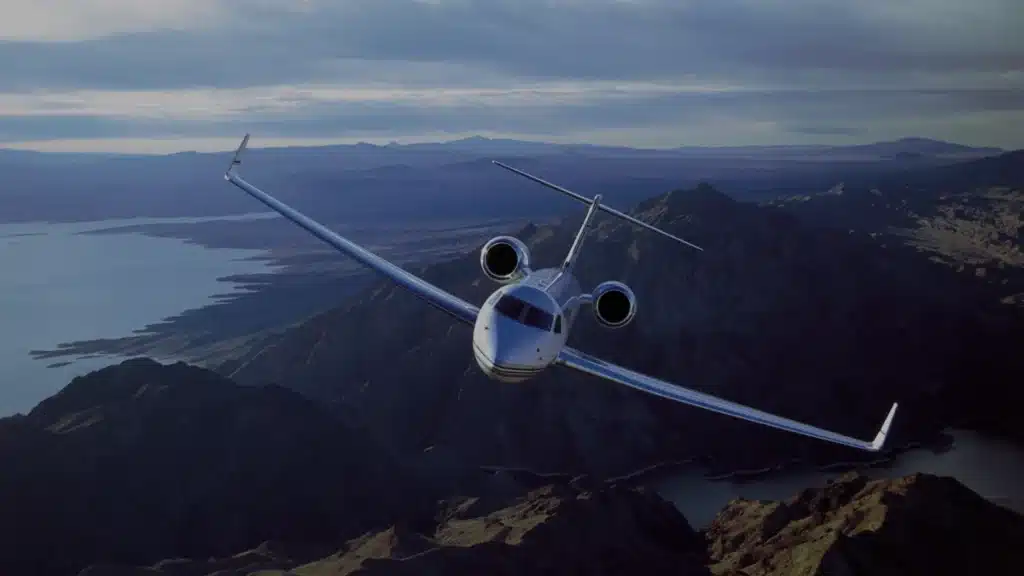
However, assuming a luxury jet destination without verifying tail numbers creates widespread misinformation across private jet news channels.
Fact-Checking the Flight Logs and Radar Archives
To verify whether tiger woods’ private jet landed in switzerland after his arrest, aviation researchers examine public ADS-B (Automatic Dependent Surveillance-Broadcast) network logs.
1. Tail Number Verification
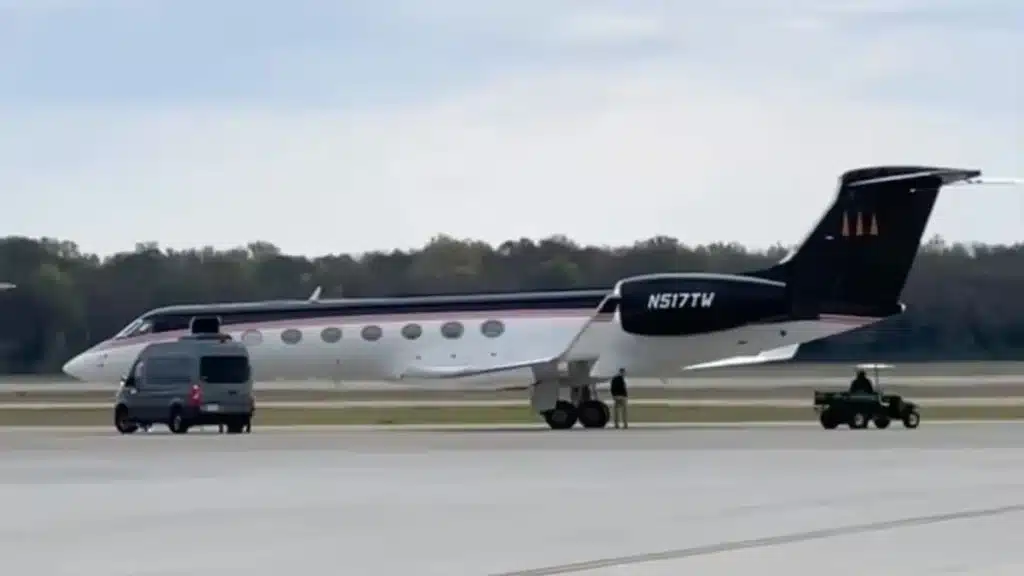
The primary aircraft associated with Tiger Woods is a Gulfstream G550 registered under the tail number N1TW. The registration stands for “No. 1 Tiger Woods”.
2. Physical Aircraft Movement
Historical flight data indicates that N1TW remained in North American airspace surrounding the timeframe of the May 2017 incident. While the aircraft made routine domestic positioning hops between Florida and other regional hubs, no direct transatlantic flight plan to Zurich or Geneva was filed for N1TW immediately following the arrest.
3. Presence of the Owner
Even when a corporate aircraft completes an international leg, the registered owner is not always on board. High-net-worth individuals frequently charter their aircraft to third-party clients, allow family members to travel, or dispatch planes for scheduled maintenance at overseas facilities.
Therefore, data demonstrates that the claim tiger woods’ private jet landed in switzerland after his arrest stems from misidentified flight legs and false social media assumptions.
Inside Tiger Woods’ Private Aircraft: Gulfstream G550
While the rumor of an emergency Swiss flight was false, the aircraft in question remains one of the most capable models in celebrity aviation.
The Gulfstream G550 is an ultra-long-range business jet manufactured by Gulfstream Aerospace in Savannah, Georgia. It provides non-stop intercontinental capability, easily capable of reaching Europe from Florida without refueling stops.
Aircraft Specifications and Performance
The cabin of N1TW features custom leather seating, multi-zone climate control, advanced satellite communications, a full galley, and private sleeping quarters. These features allow world-class athletes to travel globally while minimizing travel fatigue between major tournaments.
Comparing Celebrity Aircraft and Flight Tracking Realities
Understanding how rumors spread requires looking at how private aircraft operate in the modern digital age. The table below outlines key tiger woods facts compared against common tracking myths:
| Category | Claim / Public Rumor | Verified Reality |
| 2017 Flight Path | Tiger Woods’ private jet landed in Switzerland after his arrest | Aircraft logs showed domestic North American routes only |
| Aircraft Primary Model | Commercial airliner conversion | Gulfstream G550 (Tail Number N1TW) |
| Transatlantic Range | Requires multiple refueling stops | Non-stop range up to 6,750 nautical miles |
| Passenger Identity | Owner is always on board every flight | Aircraft are often leased, chartered, or moved for maintenance |
| Legal Post-Arrest Location | Departed the country secretly | Remained in Florida for medical care and legal steps |
Why Flight Tracking Rumors Spread in Celebrity Aviation
The growth of public flight radar applications has turned aircraft tracking into a popular online hobby. However, tracking business jets comes with technical nuances that frequently confuse casual observers.
Program Privacy Blocks
Under Federal Aviation Administration regulations, aircraft owners can request tail number anonymization through programs like Limiting Aircraft Data Displayed (LADD). When a private jet vanishes from public tracking maps over the Atlantic, observers often assume a secretive international landing took place.
Corporate Charter Operations
Many famous personalities utilize third-party charter companies like NetJets or VistaJet when their personal jet is undergoing routine service. When bloggers spot an unrelated private jet landing in Zurich, they may incorrectly attribute the flight to a famous sports star.
The Speed of Online News Outlets
In the modern digital landscape, viral headlines often outpace verified reporting. When a rumor like tiger woods’ private jet landed in switzerland after his arrest gains traction on social platforms, click-driven blogs repeat the claim without primary flight plan verification.
Tiger Woods’ Actual Timeline Following the 2017 Incident
Rather than flying to Europe on a tiger woods private jet, the 15-time major champion followed a domestic recovery timeline supported by official court and medical records.
Medical Evaluation and Professional Care
In June 2017, Woods issued a formal statement confirming he was receiving professional medical help to manage prescription pain medications and sleep disorders resulting from repeated back surgeries. This treatment was administered within specialized facilities inside the United States.
Resolution of Legal Proceedings
Woods cooperated fully with Palm Beach County authorities. In late 2017, he entered a DUI diversion program, completed required community service hours, and satisfied all court mandates locally in Florida.
Historical Athletic Comeback
Following successful spinal fusion surgery (ALIF) performed by American medical specialists, Woods returned to competitive golf. He secured the 2018 Tour Championship and captured his historic 15th major victory at the 2019 Masters Tournament.
At no point during his medical rehabilitation or legal diversion process did a secret European flight occur.
How to Verify Private Jet News Accurately
When evaluating stories in private jet news, readers can follow simple verification steps to identify accurate reporting from viral fiction:
Check Primary Flight Registries: Verify tail numbers using official FAA registry databases rather than unverified forum screenshots.
Cross-Reference Local Media: Check local court filings and regional news sources in the jurisdiction where the event occurred.
Understand Aircraft Availability: Remember that an owner is not automatically aboard every flight made by their registered company aircraft.
Look for Confirmed Aviation Logs: Reliable reports cite primary ADS-B data feeds verified by aviation analysts.
Final Verdict on the Switzerland Flight Story
Separating fact from internet speculation is vital when reviewing high-profile stories in celebrity aviation. The persistent claim that tiger woods’ private jet landed in switzerland after his arrest remains completely unsupported by official aviation logs and public records.
Tiger Woods remained in North America to receive medical care and resolve his legal obligations locally, while his aircraft maintained standard operational protocols.
To read more verified aviation analysis, celebrity aircraft reviews, and mobility fact-checks, visit turboocruiser.com.
Frequently Asked Questions
Is it true that tiger woods’ private jet landed in switzerland after his arrest?
No. Verified flight tracking data and official records show that Tiger Woods’ Gulfstream G550 did not make an emergency flight to Switzerland following his May 2017 arrest in Florida. Woods remained in the United States for medical treatment and legal proceedings.
What model is the Tiger Woods private jet?
Tiger Woods owns a Gulfstream G550 business jet registered with the tail number N1TW. It features an ultra-long-range capability of up to 6,750 nautical miles, a luxury cabin interior, and seating for up to 18 passengers.
How much does Tiger Woods’ private jet cost?
Based on available market data, a new Gulfstream G550 historically carried a base price of approximately $50 million to $55 million. Custom interior modifications and electronics packages can add several million to the total valuation.
Can a Gulfstream G550 fly non-stop from Florida to Switzerland?
Yes. The Gulfstream G550 has a maximum range of 6,750 nautical miles, making non-stop flights from Florida to European cities like Zurich or Geneva well within its operational capability. However, flight logs show no such journey was made immediately after the 2017 arrest.
Why do celebrities use private jets like the Gulfstream G550?
Elite athletes and high-profile executives use private jets to maintain tight scheduling, access smaller airports closer to destinations, protect personal privacy, and reduce physical fatigue during long-distance travels.