

Imagine sitting in your brand-new premium vehicle on a freezing winter morning. You press the button to activate your heated seats, but instead of a comforting wave of warmth, a notification pops up on your infotainment screen: Subscription Expired. Renew for $18 per month to unlock.
The concept of automotive luxury has shifted dramatically. Historically, purchasing a vehicle meant you owned every piece of metal, leather, and plastic inside it. Today, the car market is adopting business models directly from Silicon Valley. Automakers are embracing car subscription features to lock physical components behind digital paywalls.
The industry is divided on this software-driven marketplace. Automakers are caught between creating continuous revenue streams and managing severe consumer pushback. Brands see a massive opportunity to monetize vehicles long after they leave the dealership lot. Meanwhile, buyers feel alienated by the concept of digital microtransactions in a physical asset they already bought. This breakdown explores why auto brands are putting hardware behind a paywall and how it changes vehicle ownership.
The Birth of the Paywalled Automobile
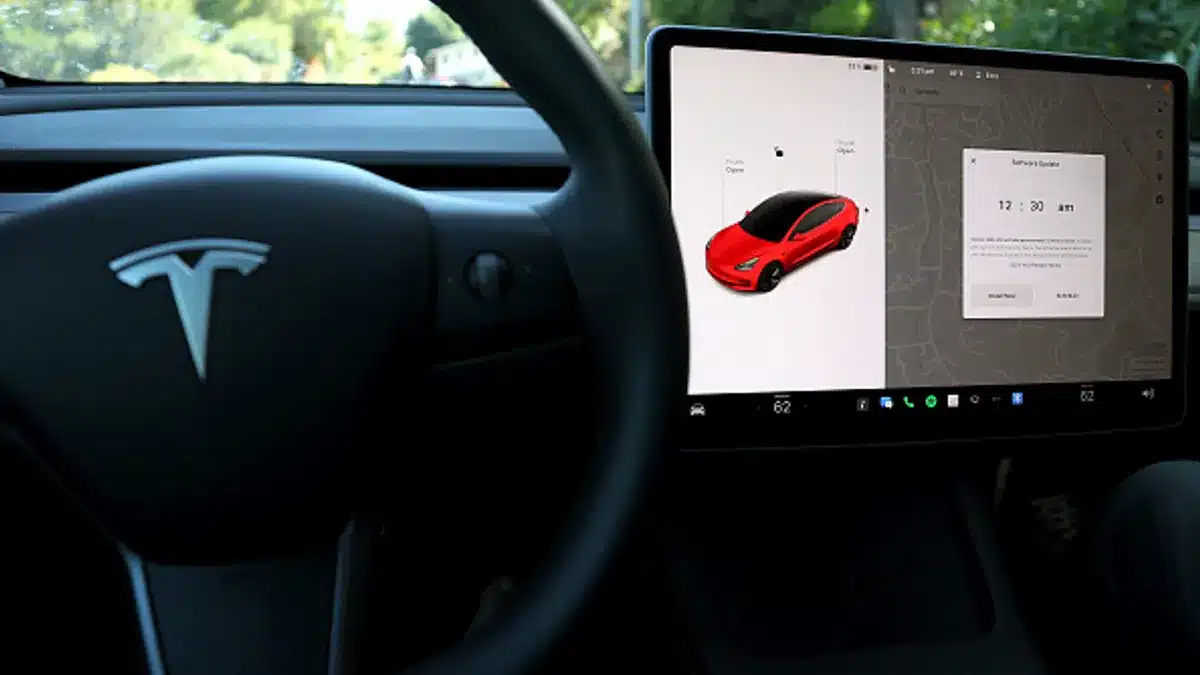
Modern vehicles have transitioned from purely mechanical products into software-driven computing platforms. Because cars are now permanently connected to the internet, manufacturers can remotely modify, update, or disable vehicle functions through over-the-air updates.
This software control allowed automakers to introduce in car feature subscriptions. Instead of building twenty different variations of a wiring harness on the assembly line, a factory builds one standardized, fully loaded vehicle. The manufacturer then uses software code to determine which features you are allowed to use based on your monthly payment.
The BMW Heated Seat Controversy
The most famous example of this modern shift is the bmw heated seat subscription debacle. In 2022, BMW launched a program in select global markets through its ConnectedDrive store, charging owners roughly $18 per month to use the heated seats that were already physically built into their vehicles.

The public reaction was swift and intensely critical. Consumers felt that charging a recurring fee for pre-installed hardware was an unfair business practice, arguing they were being forced to pay twice for the same component.
Following severe consumer backlash, BMW suspended the heated seat subscription program. However, the brand did not abandon the underlying business model. While they returned to traditional upfront purchases for physical comfort options, they committed to expanding software-based paywalled car features, such as advanced driving assistants, adaptive suspension modes, and remote engine starting capabilities.
Mercedes-Benz and Performance Paywalls
While some brands focus on cabin comfort, others are placing engine performance behind a digital paywall. The most prominent example is the roll-out of mercedes subscription features, specifically their “Acceleration Increase” package for their battery-electric EQ models.
For an annual fee of $600 to $900 depending on the model tier, Mercedes-Benz uses an over-the-air software update to unlock the full electronic potential of the vehicle’s electric motors. This update increases total output by an estimated 20% to 24%, shaving up to a full second off the vehicle’s zero-to-sixty mile-per-hour acceleration time.
The physical electric motors are completely identical whether you pay the annual fee or not. The subscription fee simply removes a digital restriction built into the onboard engine control module.
The Economics Behind Microtransactions in Cars
The structural shift toward microtransactions cars models is driven entirely by corporate financial strategy. Wall Street investors heavily reward technology companies that generate predictable, recurring subscription revenue, and automakers want to secure those same high-valuation multiples.
| Auto Brand Program | Feature Offered via Subscription | Estimated Cost Structure | Revenue Strategy Type |
| BMW ConnectedDrive | Remote Engine Start / Dashcam | $10 – $20 per month | On-demand convenience feature |
| Mercedes-Benz Me | Acceleration Boost (EQ Models) | $60 – $90 per month | Performance enhancement tier |
| Audi Functions on Demand | Matrix LED Lighting / Navigation | $15 – $35 per month | Regional or seasonal upgrades |
| Tesla Premium Connectivity | Live Traffic / Satellite Maps | $10 per month | Ongoing cellular data pipeline |
| Ford BlueCruise | Hands-Free Highway Driving | $75 per month / $800 annually | Advanced software as a service |
Why Automakers Love Subscriptions
The transition to a software-as-a-service business model offers major operational and financial benefits for automotive corporations:
1. Streamlined Factory Manufacturing
Building cars with different option packages creates immense complexity on the assembly line. By installing identical luxury hardware like heated seat grids and advanced radar brackets into every single car, automakers simplify their supply chains, reduce factory tool changes, and lower overall manufacturing expenses.
2. Monetizing the Used Car Market
Historically, when a vehicle was sold as a used car, the original manufacturer made zero profit from that secondary transaction. With car subscription features, a manufacturer can monetize a single vehicle across multiple generations of owners. If the first owner cancels their heated steering wheel package, the manufacturer can turn around and sell that exact same subscription to the second-hand buyer.
3. Customized Seasonal Upgrades
Automakers argue that digital paywalls give buyers more flexibility. For example, a driver living in a cold climate can choose to pay for a heated steering wheel subscription exclusively during the four coldest months of winter, saving money by turning the feature off during the summer.
The Consumer Backlash and Regulatory Pushback
Despite corporate enthusiasm, the introduction of in car feature subscriptions faces major hurdles from consumers and lawmakers alike.
The primary consumer concern centers on the erosion of traditional ownership rights. Buyers worry that if an automaker handles basic comfort features like software applications, the driver loses long-term control over their property. If a software system goes offline, an onboard computer glitches, or a credit card on file expires, a driver could find themselves locked out of functions they rely on daily.
This friction has caught the attention of government regulators. Several state legislatures have proposed bills aimed at making it illegal for auto manufacturers to charge recurring fees for features that utilize components already physically built into the vehicle at the time of purchase. Lawmakers argue that charging a monthly subscription for pre-existing, passive hardware constitutes a deceptive business practice.
The Future of Car Feature Subscriptions
The automotive marketplace is currently undergoing a period of trial and error to determine exactly which features consumers are willing to pay for on a recurring basis.
Features that require ongoing external data feeds or continuous cloud infrastructure, such as live satellite navigation updates, streaming Wi-Fi hotspots, and advanced semi-autonomous driving software like Ford BlueCruise, have achieved wide consumer acceptance. Drivers understand that keeping these systems functional requires ongoing operational costs from the manufacturer.
However, locking passive, localized physical hardware behind a software wall remains a highly sensitive issue. As automakers navigate this complex landscape, the industry will have to find a careful balance between driving recurring corporate profits and respecting the basic boundaries of consumer property ownership.
Conclusion
The shift toward paywalled automotive upgrades represents a profound transformation in how we purchase and own transportation. While car brands benefit from simplified assembly lines and continuous revenue streams, the long-term success of this model hinges entirely on customer acceptance. Drivers have drawn a sharp line between paying for connected cloud services and subscribing to physical parts already installed in their dashboards. Moving forward, the industry must respect these boundaries of ownership, or risk facing permanent consumer alienation and strict legislative bans. For deep-dive analyses on automotive industry trends, comprehensive long-term vehicle reviews, and emerging transportation technology updates, visit the strategic insights page at turboocruiser.com.
Frequently Asked Questions (FAQs)
Can you bypass or hack paywalled car features?
Yes, some independent tuners use third-party software to modify a vehicle’s onboard computer and bypass restrictions. However, doing so immediately voids your factory warranty and can be permanently overwritten during regular dealership software updates.
Do used car buyers have to re-purchase these feature subscriptions?
Yes, digital permissions are tied to the driver’s profile, not the vehicle chassis. When a car is sold, the manufacturer resets these configurations, meaning second-hand buyers must purchase a new subscription plan to unlock those same capabilities.
What happens to active features if my car loses its internet connection?
Active features will continue to work normally for a predetermined period. Modern vehicles save digital validation licenses directly onto localized onboard memory chips, allowing features to run smoothly until the system reconnects to the cloud for a billing check.
Why do manufacturers install premium hardware if I haven’t paid for it?
It is often cheaper to mass-produce a single, identical wiring configuration on the factory floor than to source and build separate, customized assembly packages. Brands absorb the hardware cost upfront to simplify their factory logistics.