

The dream of using an electric vehicle as a giant, rolling home battery backup system has officially crossed the threshold from high tech concept to commercial reality. If you are an EV owner looking at escalating utility bills or wondering how to protect your household from unpredictable grid failures, understanding the current state of vehicle to grid ev technology is essential.
Your electric vehicle is likely the single largest energy storage asset you own. While a premium stationary residential backup battery typically holds around 10 to 15 kilowatt hours (kWh) of electricity, a standard modern EV battery packs a massive 60 to 100 kWh of storage.
This means your car holds enough raw electrical capacity to provide a full ev power home backup stream for three to five days without making massive sacrifices to your lifestyle. This comprehensive guide details exactly how the ecosystem functions, which vehicles support it, and the real financial dynamics of setting up a system today.
Defining the Acronyms: V2G vs. V2H vs. V2L
Before evaluating specific vehicles, we need to clear up the confusing terminology that surrounds the bidirectional charging landscape. The flow of power from an EV battery is categorized into three distinct layers based on where that electricity ultimately goes.
Vehicle to Load (V2L)
This is the simplest form of power export. It utilizes a basic adapter plugged into your car charging port or dedicated outlets inside the cabin to run small electrical items. It is excellent for camping trips or operating tailgating equipment, but it cannot feed electricity back into your home circuit breaker panel.
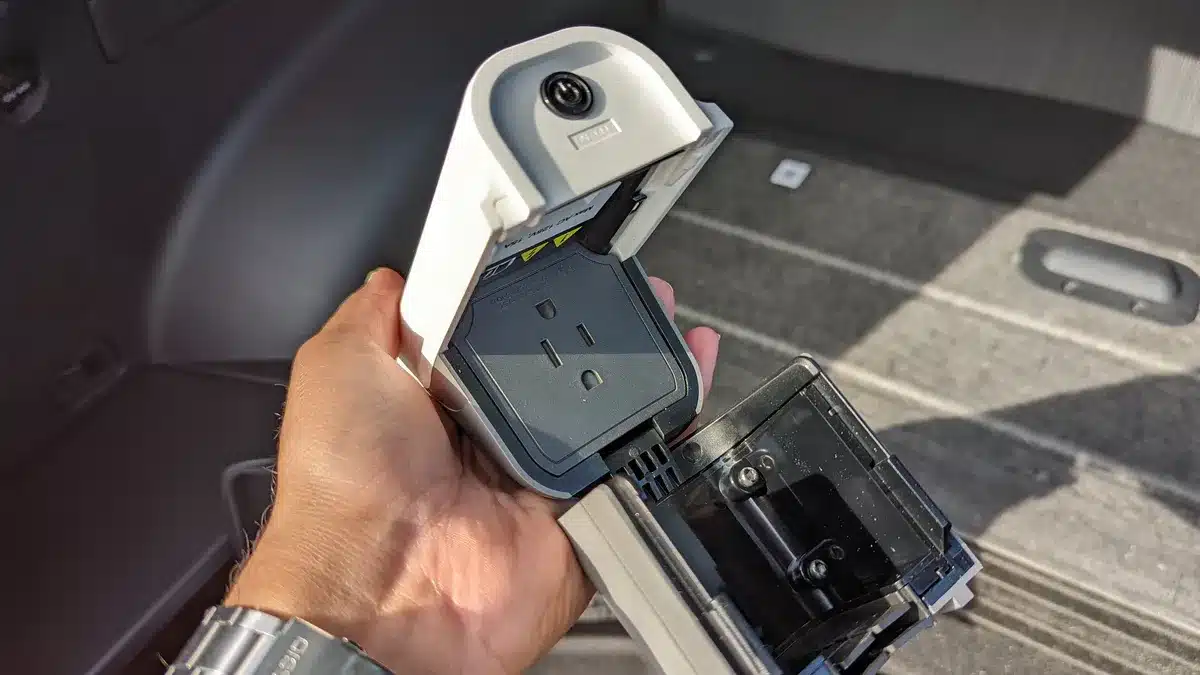
Vehicle to Home (V2H)
This is the specific setup required for an ev home backup system. It allows electricity to flow backward from the car, through a specialized inverter, and directly into your residential electrical panel. It operates completely behind the meter to keep your lights, refrigerators, and climate systems running during blackouts or peak tariff hours.
Vehicle to Grid (V2G)
This is the most advanced evolutionary step. With V2G, your vehicle goes beyond backing up your own property. It establishes a secure two way communication link with your public utility provider, allowing you to feed stored energy all the way back into the public infrastructure network during times of intense grid stress, earning you direct financial credits or cash payouts.
Which Cars Actually Support Bidirectional Charging?
The availability of this technology depends heavily on specialized onboard hardware and matching factory firmware updates. While many automotive brands promised these features for years, the market has segmented into clear leaders that are shipping functional tech right now.
Automakers like General Motors have aggressively pushed bidirectional capabilities as a foundational standard across their entire fleet, managing over a quarter-million compatible vehicles on American roads. Conversely, brands like Tesla have notably kept consumer-facing bidirectional functions deactivated on their major volume models like the Model 3 and Model Y.
Comprehensive V2G and V2H Cars List
The following breakdown highlights the standout models leading the bidirectional movement, along with their maximum energy export capabilities.
Ford (F-150 Lightning & Select Mustang Mach-E Trims): Ford remains a dominant force in the domestic ev home backup market. When paired with their custom integration kit, the F-150 Lightning can continuously pump out a massive 9.6 to 11.5 kW of power, easily managing heavy household appliances.
General Motors (Chevy Equinox EV, Silverado EV, Cadillac Escalade IQ): GM has successfully deployed firmware updates across its entire Ultium platform, turning its newest generation of passenger vehicles into instant residential power units.
Hyundai & Kia (E-GMP Platform – Ioniq 5, Ioniq 6, EV6, EV9): These vehicles utilize a highly sophisticated charging system. While globally famous for highly responsive V2L capability, newer models feature upgraded firmware that supports emerging V2H and V2G pilot programs with utility aggregators.
Nissan (Leaf and Ariya): The Nissan Leaf is the historical grandfather of bidirectional charging, using the legacy CHAdeMO port format to support mature energy trading setups. Newer Ariya models utilize the standard CCS format and are actively rolling out regional V2G functionality.
The Economics: Hardware Costs vs. Value Returns
Transitioning your property into a bidirectional hub is a serious industrial upgrade that requires a clear financial evaluation. You cannot simply plug a standard Level 2 home charger backward and expect energy to flow into your house.

The underlying installation requires a specialized bidirectional inverter, an automatic transfer switch to safely disconnect your home from the main power lines during blackouts, and a smart energy management application.
Bidirectional System Cost Breakdown
To understand the actual financial commitment, look at this breakdown comparing the entry barriers against the real annual returns of a homeowner using a standard 77 kWh electric vehicle battery.
| System Element | Average Upfront Cost | Expected Annual Financial Return | Long-Term Operational Takeaway |
| Hardware & Inverter | $3,000 to $6,000 | N/A (Upfront Capital) | Requires certified DC bidirectional equipment to manage power inversion. |
| Electrical Installation | $1,500 to $3,500 | N/A (Labor & Permits) | Includes vital islanding protection switches to safeguard utility linemen. |
| V2H Bill Optimization | Included in setup | $140 to $320 per year | Generated by shifting home power use to the EV during peak rate windows. |
| Active V2G Grid Programs | Dependent on local utility | $300 to $750 per year | Earned through utility capacity incentives and direct peak energy exports. |
Critical Safety Note: The required islanding protection system is non-negotiable. If your home loses power and your EV starts feeding electricity back into the lines without an automatic cutoff switch, it will energize the local neighborhood power lines and pose a fatal electrocution risk to utility technicians working to repair the storm damage.
Real World Implementation: Step-by-Step Setup
If you have confirmed that your vehicle sits on the approved v2g cars roster, executing a flawless home integration requires following a structured technical path.
Conclusion
The evolution of the vehicle to grid ev marketplace has officially turned the automotive sector into an active player in national energy stability. Your electric car is no longer just a standard machine for personal transport; it is a sophisticated, flexible, mobile power plant. While the upfront hardware and installation costs remain a notable barrier, the security of total whole home backup protection combined with expanding utility cash incentives makes bidirectional technology a highly compelling investment.
For progressive homeowners, automotive enthusiasts, and clean energy pioneers looking to optimize their personal tech stacks, build sustainable systems, or master modern consumer trends, adapting to these cutting edge shifts is the ultimate pathway to true self sufficiency. If you want to dive deeper into the future of clean transportation, explore advanced vehicle designs, or master modern mobility platforms, visit turboocruiser.com to discover operational guides and strategic tech reviews built to keep you ahead of the curve.
Frequently Asked Questions
Will using my EV to power my house ruin my battery warranty?
Major automotive brands design their bidirectional systems with integrated software guards to prevent deep cycling damage. Automakers explicitly cover V2H and V2G operations within their standard battery warranties, provided you use factory approved charging hardware and software management platforms.
How many days can a typical electric car battery keep a home running?
A standard electric vehicle with a 75 kWh battery can comfortably power an average American household for three to five days during an emergency blackout. This estimate assumes normal usage of essential systems like lighting, refrigeration, electronics, and water pumps.
Can I use any standard home EV charger to back up my property?
No. Standard residential chargers are strictly unidirectional, meaning electricity can only travel into the vehicle. To pull energy back out of the car to run your home, you must invest in a specialized bidirectional charger equipped with a built-in power inverter and automatic grid isolation switches.
What is the main difference between a V2H and a V2G setup?
A V2H system acts locally behind your utility meter, routing your vehicle’s energy exclusively into your home appliances during blackouts or high rate periods. A V2G setup connects directly with the public utility infrastructure, allowing you to export energy back to the community grid in exchange for direct financial credits.