
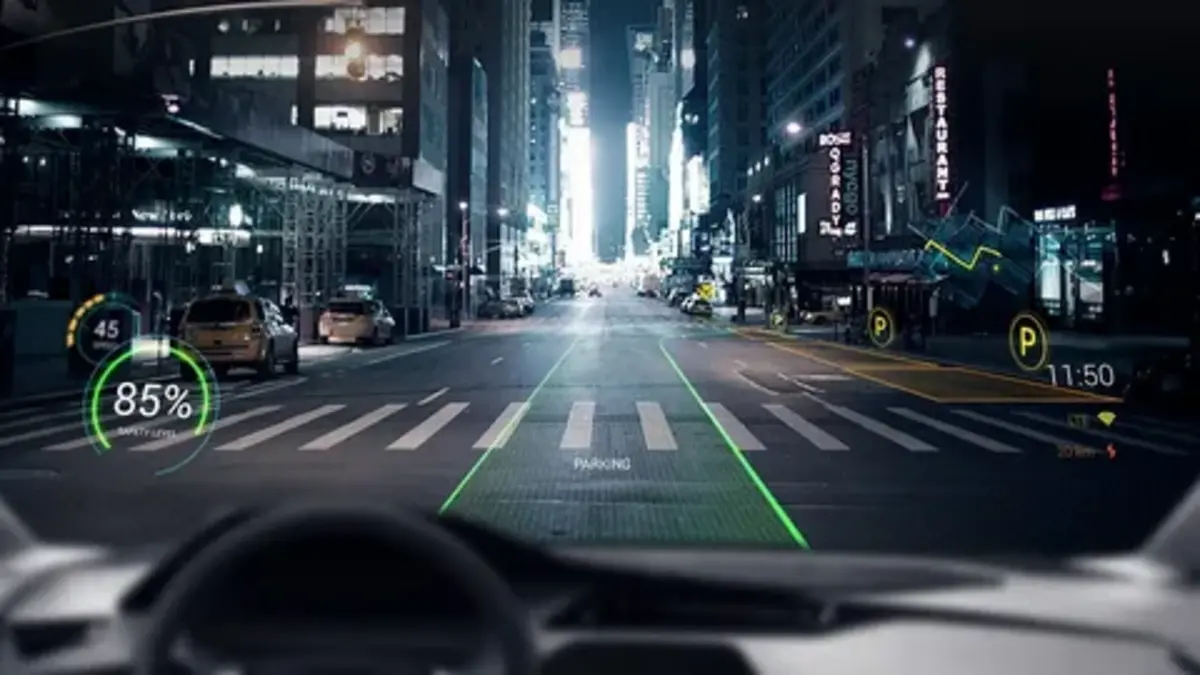
Augmented reality windshields are transforming vehicle dashboards by projecting navigation, safety alerts, and driving information directly onto the road ahead. Using advanced sensors, AI processing, specialized glass, and high-brightness display systems, these smart windshields reduce driver distraction and improve situational awareness. As AR technology becomes mainstream in 2026, it promises safer, more intuitive driving experiences while redefining the future of in-car interfaces.
The days of squinting at a tiny smartphone map mounted to your air vent are officially numbered. In 2026, the automotive industry is undergoing its biggest cockpit transformation in a generation: the rollout of the true augmented reality windshield. Instead of forcing you to look away from the road, your entire glass panel is turning into a smart display.
Automakers are moving rapidly toward software-defined vehicles, making a fully integrated augmented reality windshield the premium standard for new models. This technology does not just project simple data; it actively overlays crucial digital tracking markers directly onto the physical environment outside.
At turboocruiser.com, we break down the engineering shifts reshaping the way we drive. Let’s look at the underlying tech powering these future car displays and see how they are changing our daily commute.
What Is an Augmented Reality Windshield?
To understand which is better cursor or claude code style approaches to cabin design, you have to look at how data is managed. A standard automotive cockpit splits your attention between an instrument cluster and a center touchscreen. An augmented reality system completely eliminates this dangerous cognitive gap.
An augmented reality display takes traditional head-up technology a step further by projecting virtual information directly onto the road ahead. Instead of displaying static numbers at the base of the glass, it drops real-time visual prompts precisely onto your real-world path.
This means that if you need to take a sudden highway exit, floating 3D navigation arrows appear to be painted right onto the pavement. If a pedestrian steps off a curb in heavy fog, the safety system highlights them with a bright red warning frame.
How the Hardware Actually Works Behind the Scenes
Creating a perfectly crisp, interactive digital overlay on a moving piece of curved glass requires an incredibly complex hardware ecosystem. This is not a simple projector setup; it is a multi-layered technological framework.
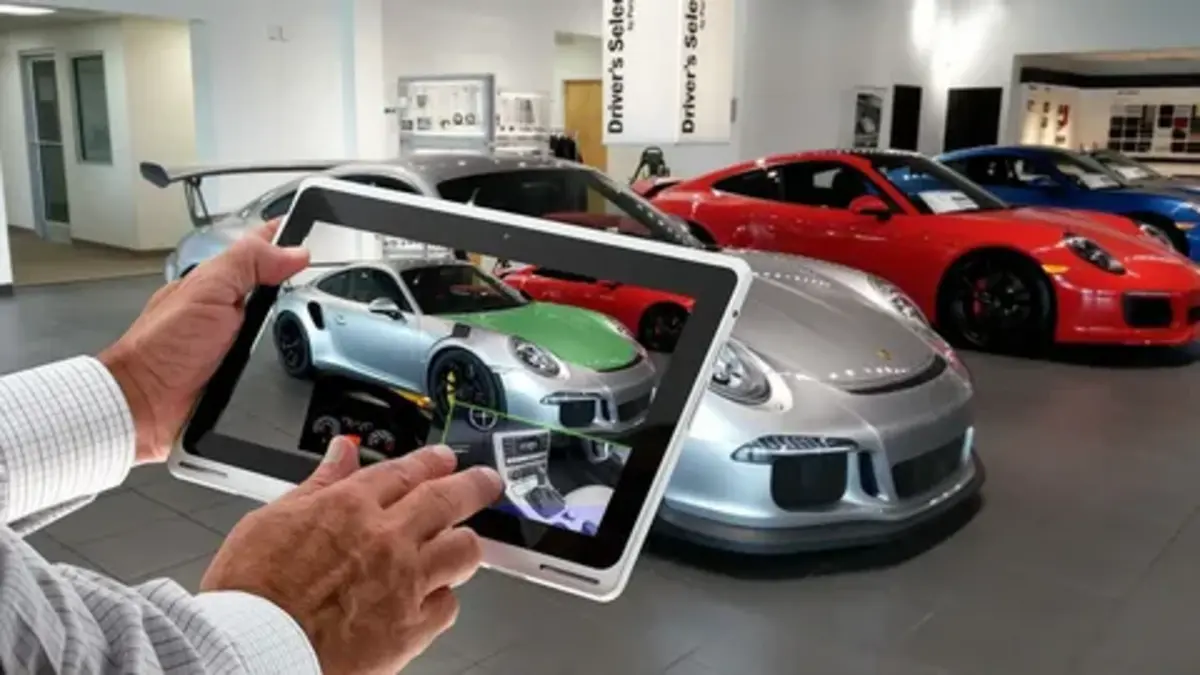
1. The PGU (Picture Generation Unit)
The heart of the system is the PGU, which is usually tucked deep inside the upper dashboard. It utilizes advanced liquid crystal on silicon (LCoS) or micro-LED matrix technologies to generate high-density, ultra-bright light graphics that remain perfectly visible even under direct, harsh midday sunlight.
2. High-Precision Optical Glass
A standard vehicle windshield would cause projected light to double or create blurry ghost images. To solve this, specialized suppliers like Pilkington engineer glass layers with extremely tight geometric tolerances. The glass features a microscopic wedge-shaped polyvinyl butyral (PVB) inner core film that perfectly aligns the reflections, ensuring the heads up display ar graphics look clear.
3. Sensor Arrays and AI Processing
An augmented reality dashboard is only as good as its environmental tracking. A network of radar, LiDAR, and front-facing cameras rapidly maps the road topology. Powerful automotive processors calculate the vehicle’s exact pitch, roll, and speed to match the digital overlays with real objects instantly.
Key Performance Comparison Across Generations
The leap from legacy head-up units to an absolute ar windshield 2026 setup is massive. The primary difference lies in the field of view and the depth of the focal plane.
| Feature Metric | Legacy HUD Displays | 2026 Augmented Reality HUD |
| Field of View (FOV) | Small (approx. 5° x 2°) | Ultra-Wide (up to 15° x 5° or full width) |
| Virtual Focal Distance | Estimated 2 meters | Dynamic (7 to 20 meters out) |
| Environmental Interaction | Static (fixed position text/speed) | Dynamic (graphics lock onto real objects) |
| Primary Driver Benefit | Basic speed monitoring | Advanced active collision avoidance |
Why 2026 is the Turning Point for AR HUD Cars
While early concept versions of this technology have popped up in luxury flagships over the last couple of years, the ar windshield 2026 landscape represents a massive leap into mainstream passenger vehicles.
Advanced Driver Assistance Integration (ADAS)
Modern regulatory safety updates are pushing for much tighter integration between collision-avoidance platforms and driver interfaces. An ar hud cars framework allows the vehicle to show you exactly what its automated safety sensors are tracking. When adaptive cruise control is turned on, the system visually highlights the car ahead, giving you immediate reassurance that the vehicle’s computer sees the obstacle.
Minimizing Driver Distraction
The fundamental goal of these advanced future car displays is keeping your eyes focused on the street. By placing critical notifications directly in your native line of sight, reaction times drop significantly. You no longer have to translate a abstract 2D map arrow into a real-world lane change; the interface explicitly draws the route onto the tarmac for you.
The Physics of Focal Depth: Older HUDs felt unnatural because your eyes had to constantly shift focus between the far-off road and a screen floating right on the glass hood. 2026 systems project graphics with a virtual focus distance of 10+ meters, meaning the digital markers naturally sit in the exact same focal plane as the traffic ahead.
The Big Production Challenges Manufacturers Are Facing
Despite the incredible benefits, building a reliable augmented reality dashboard at scale presents severe manufacturing bottlenecks that engineers are working around the clock to solve.
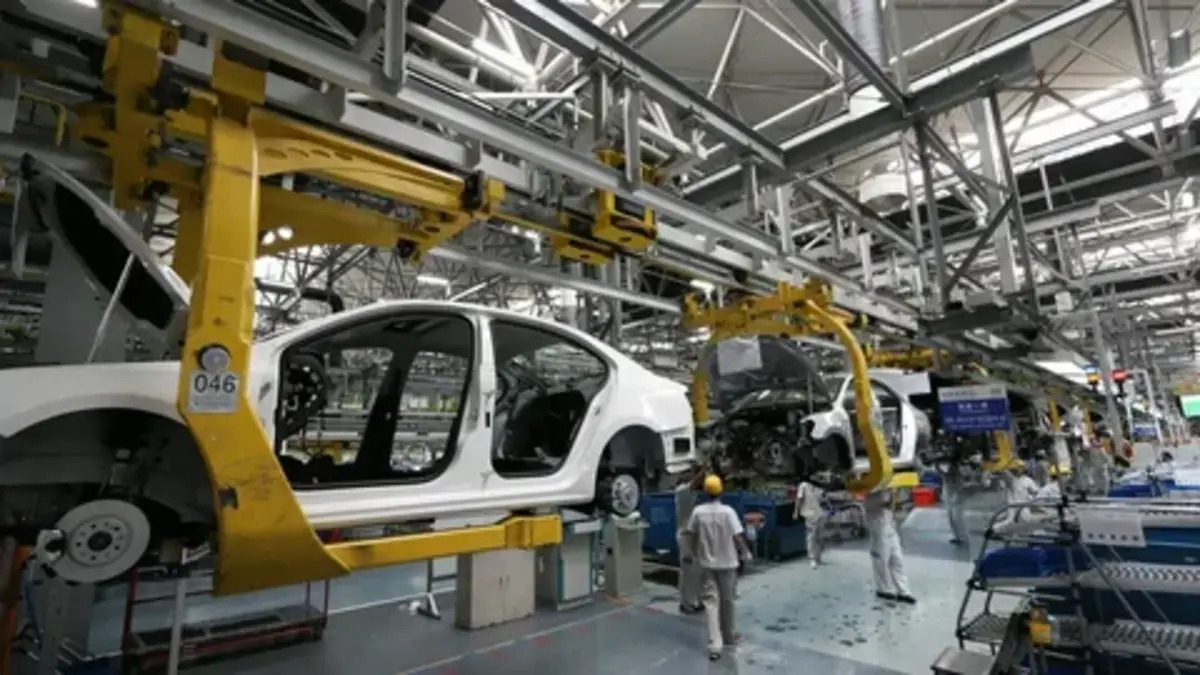
Thermal Management: PGUs run hot because they have to output intense brightness to compete with direct solar light. Dissipating this heat inside a cramped dashboard environment is a major engineering hurdle.
Real-time Alignment Calibration: If the vehicle hits a deep pothole, the sudden vibration can temporarily throw off the sensor calibration. If the AR system misaligns a lane marker by even a few inches, it can confuse the driver rather than help them.
Windshield Replacement Costs: Because the structural glass requires high optical shape control to prevent distortion, replacing a cracked ar windshield 2026 model after a rogue rock strike will be substantially more expensive than standard glass swaps.
Conclusion
As we move deeper into the decade, expect these systems to cover the entire width of the vehicle cabin. Future software updates will likely introduce interactive passenger zones, allowing the person in the front seat to browse media or look up local restaurant reviews on their side of the glass without blocking the driver’s critical road data.
For performance automotive enthusiasts, tracking day sessions will change forever, as the system can project optimal racing lines and braking zones right onto the track surface in real-time for more info visit Turboocruiser.
Frequently Asked Questions
Can you see augmented reality windshield displays if you wear polarized sunglasses?
Many early iterations struggled with this, but 2026 ar hud cars fix the issue by using advanced optical waveplates and altered polarization angles in the PGU, ensuring the graphics remain sharp even through polarized sunglasses lenses.
What happens if the augmented reality system glitches while driving?
The underlying operating system prioritizes core driving safety. If a major camera or sensor alignment error occurs, the system instantly disables the dynamic tracking overlays and falls back to a clean, non-intrusive static text layout to avoid blocking your vision.
Do aftermarket augmented reality windshield kits exist for older cars?
True environmental-locking AR requires complex built-in factory sensor arrays and specialized optical glass. While you can buy basic aftermarket heads up display ar projector pods that show your current speed, they cannot dynamically paint interactive elements onto real objects outside.
Will these future car displays work perfectly during heavy nighttime downpours?
Yes. The tracking systems rely heavily on infrared cameras and radar sensors that cut through heavy rain and darkness far better than the human eye, allowing the windshield to highlight hidden lane lines and roadside hazards clearly.