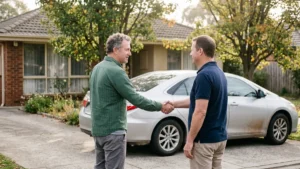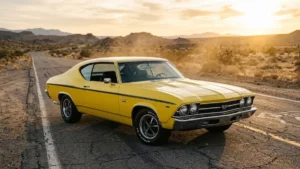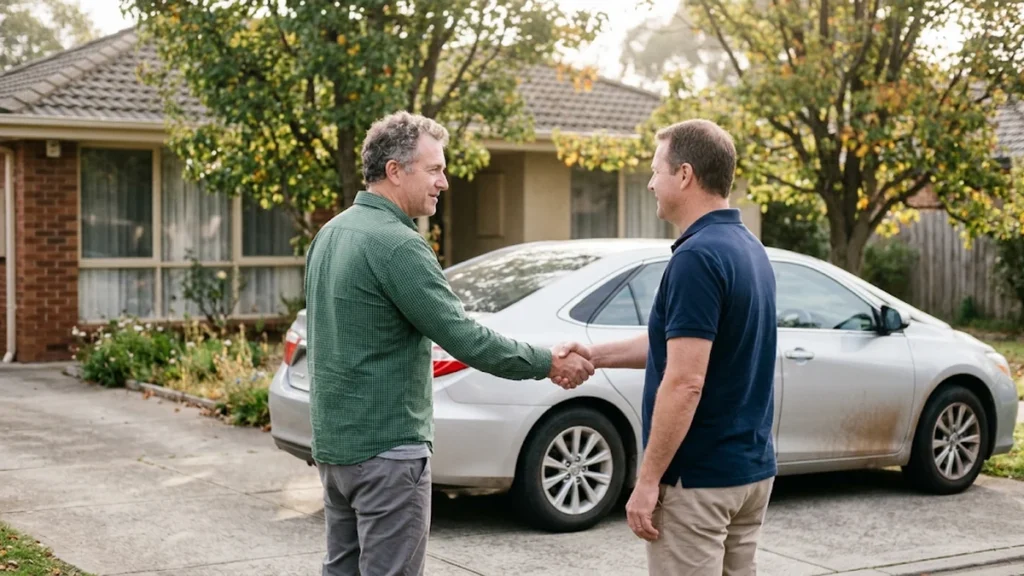
Selling a car for cash can be a convenient way to turn an unwanted vehicle into money without dealing with a lengthy private sale. Whether your car is running, damaged, old, or no longer worth repairing, several types of buyers may be interested in purchasing it.
Cash-for-cars services typically buy vehicles directly from owners, then resell them, dismantle them for parts, or send them for recycling. Some offer online estimates, while others inspect the vehicle before making a final offer.
The best option depends on your car’s condition, age, make, mileage, and local demand. Before accepting an offer, compare multiple buyers, understand the payment process, and make sure ownership is transferred correctly.
What Does Cash for Cars Mean?
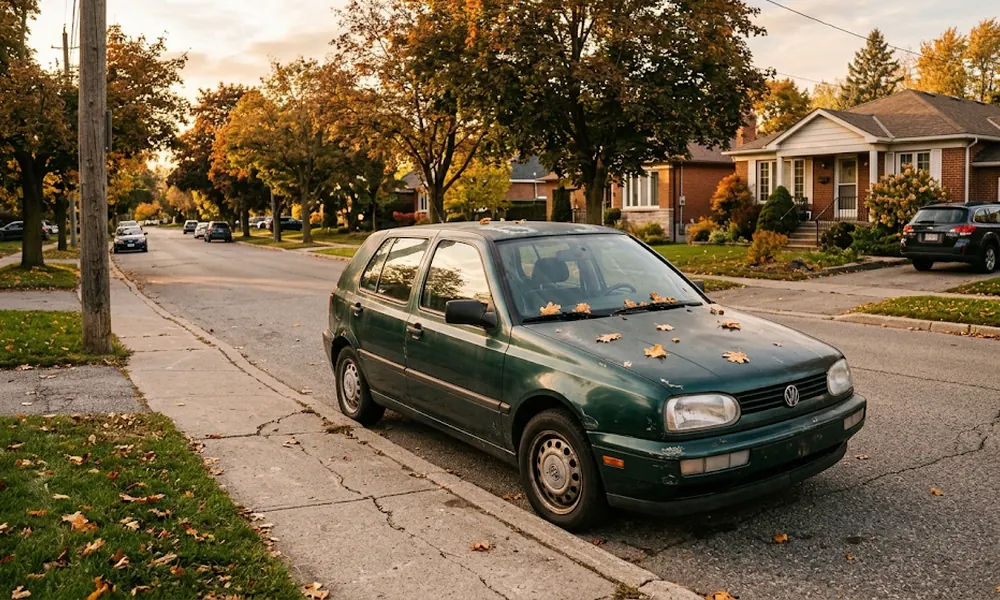
Cash for cars refers to services that purchase vehicles directly from their owners. These businesses may buy used cars in good condition, vehicles with mechanical problems, accident-damaged cars, or junk vehicles that are no longer economical to repair.
Despite the name, payment does not always involve physical cash. Buyers may pay through a bank transfer, cashier’s check, or another agreed method, depending on local laws and company policies.
Common types of cash-for-cars buyers include:
- Used-car dealerships: Purchase vehicles they can prepare for resale.
- Online car-buying services: Provide estimates and arrange inspections or collection.
- Junk car buyers: Focus on damaged, non-running, or end-of-life vehicles.
- Auto salvage yards: Buy vehicles for reusable parts and scrap materials.
- Private buyers: May pay more for a desirable car but often require more time and negotiation.
Understanding which category fits your vehicle can help you find the right buyer.
How Does a Cash-for-Cars Service Work?
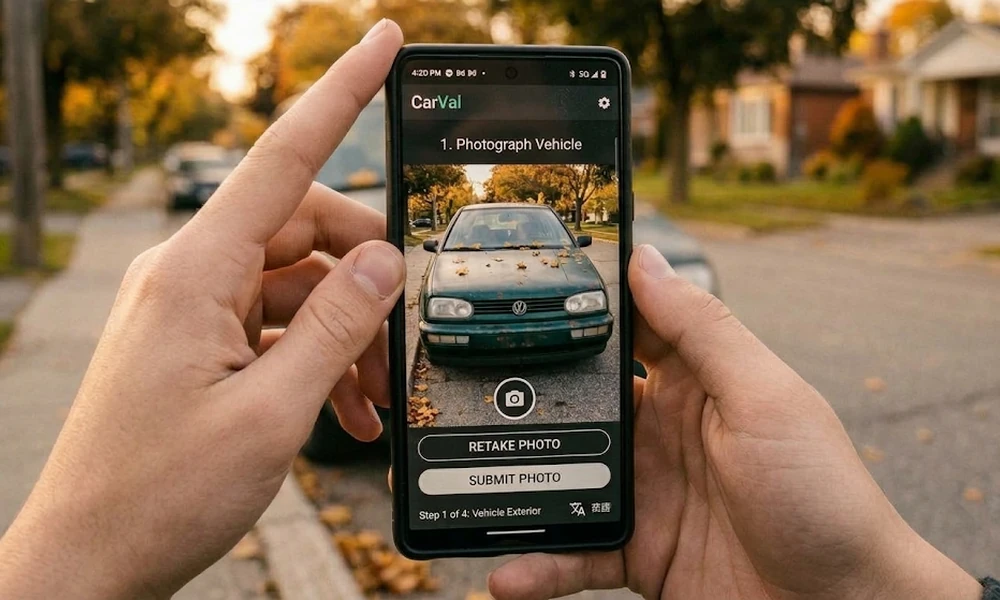
Although individual companies use different procedures, the process generally follows a few steps.
1. Provide Your Vehicle Details
The buyer usually asks for information such as the make, model, year, mileage, vehicle identification number, and overall condition.
Be honest about accident damage, engine problems, warning lights, missing parts, and title issues. Inaccurate information can lead to a lower offer or cancellation after inspection.
2. Receive an Initial Offer
Some buyers provide an estimate online or by phone. This amount may depend on the details you submit and may not be the final price.
A firm offer often requires a physical inspection or verification of the vehicle’s condition and paperwork.
3. Arrange an Inspection
The buyer may inspect the vehicle at a dealership, collection location, or your home. For a car that cannot be driven, some services arrange towing.
Ask whether inspection, collection, and towing fees apply before agreeing to the sale.
4. Review the Final Price
Compare the final offer with other quotes. Check whether the amount can change because of the inspection, outstanding finance, missing documents, or collection costs.
You are generally free to decline an offer if you have not entered into a binding agreement.
5. Complete Payment and Transfer Ownership
Confirm the payment has cleared or is otherwise verified before handing over the vehicle and keys. Complete the required ownership transfer, title documents, and any applicable release-of-liability paperwork.
Keep copies of the sales agreement and transfer records.
How Much Can You Get for Your Car?
There is no fixed price for a vehicle sold through a cash-for-cars service. Offers depend on several factors, and the amount may differ considerably between buyers.
Make and Model
Vehicles with strong resale demand, desirable features, or a reputation for durability may attract better offers than models with limited demand or expensive known problems.
Age and Mileage
Newer vehicles with lower mileage often retain more resale value, although condition and market demand can be equally important.
High mileage does not automatically make a car worthless. A well-maintained vehicle with a desirable engine or trim may still appeal to buyers.
Mechanical Condition
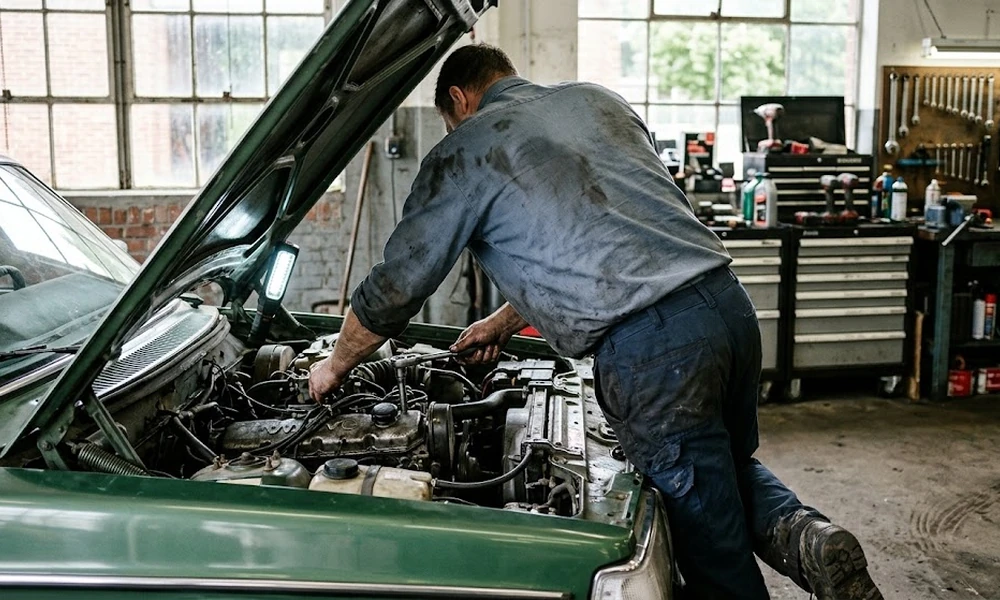
A working engine, reliable transmission, sound brakes, and functioning electrical systems generally improve a vehicle’s resale prospects.
If major repairs are needed, buyers may subtract estimated repair costs from their offers.
Accident Damage and Rust
Structural damage, flood exposure, severe corrosion, and previous major accidents can reduce a vehicle’s value. Disclose known damage rather than relying on the buyer to discover it.
Parts and Scrap Value
If a vehicle is no longer roadworthy, its engine, transmission, catalytic converter where legally recoverable, wheels, and other components may still have value. The amount depends on condition, demand, material prices, and local regulations.
Documentation
A valid title or equivalent ownership documentation can make the transaction easier. Missing paperwork, unresolved liens, or ownership discrepancies may delay or prevent the sale.
How to Get the Best Cash Offer for Your Car
A little preparation can help you avoid accepting an unnecessarily low offer.
Compare Multiple Buyers
Request quotes from several dealerships, online buyers, and salvage services if appropriate. Provide the same vehicle details to each so the offers are easier to compare.
Do not assume the first quote is the best one, even if the company promises a quick sale.
Research Your Car’s Market Value
Check listings for similar vehicles with comparable age, mileage, trim, and condition. Pricing tools can help establish a starting point, but advertised prices are not necessarily the prices buyers actually pay.
Remember that a dealership’s retail price may be higher than its purchase offer because the dealership must account for preparation, overhead, risk, and profit.
Remove Personal Belongings
Check the glove compartment, trunk, door pockets, under the seats, and any storage areas. Remove personal documents, toll tags, garage remotes, and other items before handing over the vehicle.
Gather Maintenance Records
Service receipts, inspection records, and evidence of recent repairs can help demonstrate that the car has been maintained. Include both paper and digital records where available.
Understand All Fees
Ask whether the buyer charges for towing, inspection, administration, or cancellation. A slightly lower offer with free collection may be better than a higher offer reduced by unexpected fees.
Negotiate With Evidence
If you receive a stronger offer elsewhere, ask whether the preferred buyer can match it. Evidence from comparable vehicles or a written competing quote may support your negotiation.
Avoid exaggerating your car’s condition. Accurate information makes the transaction more straightforward.
Cash for Cars vs. Selling Privately
Selling to a cash-for-cars service and selling privately have different advantages.
| Factor | Cash-for-cars service | Private sale |
| Convenience | Often simpler | Requires more coordination |
| Selling time | Can be relatively quick | May take days or weeks |
| Potential price | Often below private-sale value | May produce a higher price |
| Negotiation | Sometimes limited | Usually more direct negotiation |
| Vehicle condition | Some buyers accept damaged cars | Buyers may prefer roadworthy cars |
| Paperwork | Buyer may guide the process | Seller handles more coordination |
A direct buyer may be suitable if convenience and speed are your priorities. A private sale may be worth the extra effort when the vehicle is in good condition and you want to maximize the amount received.
For damaged or non-running vehicles, compare salvage buyers with any private buyers interested in repair projects.
Cash for Junk Cars: Can You Sell a Car That Does Not Run?
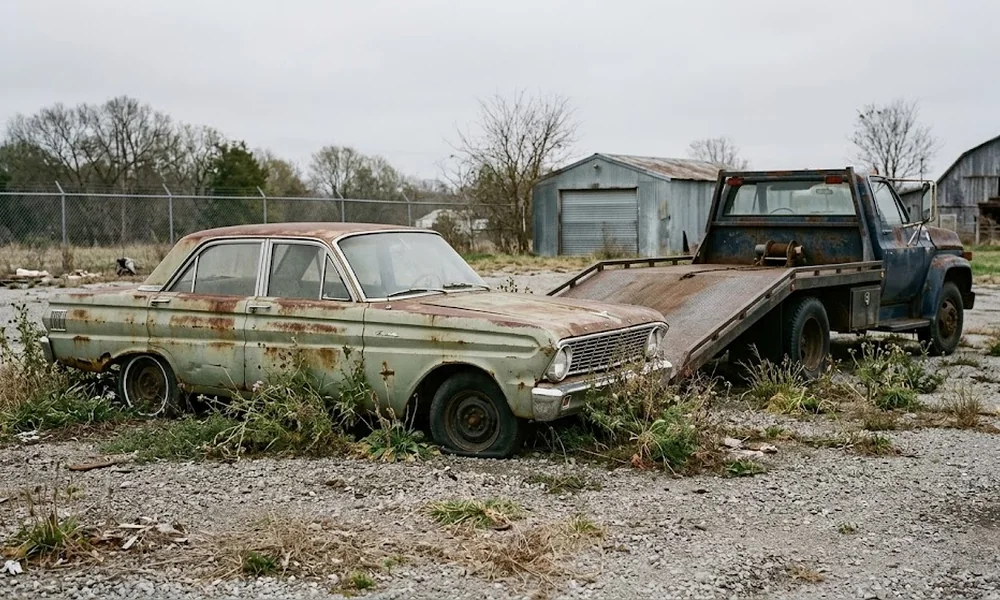
Yes, some buyers purchase vehicles that cannot be driven. These include salvage yards, scrap car businesses, and specialist junk-car services.
The amount offered depends on the vehicle’s weight, usable parts, condition, demand for components, and local scrap prices.
Before accepting an offer, ask whether the buyer includes towing and whether the quoted amount is guaranteed after collection. Confirm that the company is authorized to handle vehicles and dispose of fluids, batteries, and other materials appropriately.
If the vehicle is severely damaged, do not attempt to drive it to the buyer. Arrange suitable transport instead.
How to Avoid Cash-for-Cars Scams
Selling a vehicle involves both money and legal ownership documents, so take precautions.
Be cautious of vague offers. A buyer who promises an unusually high price without asking about the vehicle may later reduce the offer or introduce unexpected fees.
Verify the business. Check its physical presence, contact details, reputation, and licensing where applicable. Do not rely solely on testimonials published on its own website.
Use a secure payment method. Confirm that payment is genuine and cleared before releasing the vehicle. Be wary of overpayments followed by requests to refund part of the money.
Do not sign incomplete paperwork. Read the sales agreement and ensure the price, vehicle details, buyer information, and terms are correct.
Protect your personal information. Share the documents needed for the transaction, but avoid sending unnecessary sensitive information to an unverified buyer.
Complete the ownership transfer. Follow your local motor vehicle authority’s procedures so you have evidence that the vehicle is no longer registered to you, where required.
If the buyer asks you to misrepresent the vehicle’s condition, bypass required paperwork, or accept a suspicious payment arrangement, consider walking away.
What Documents Do You Need to Sell a Car for Cash?
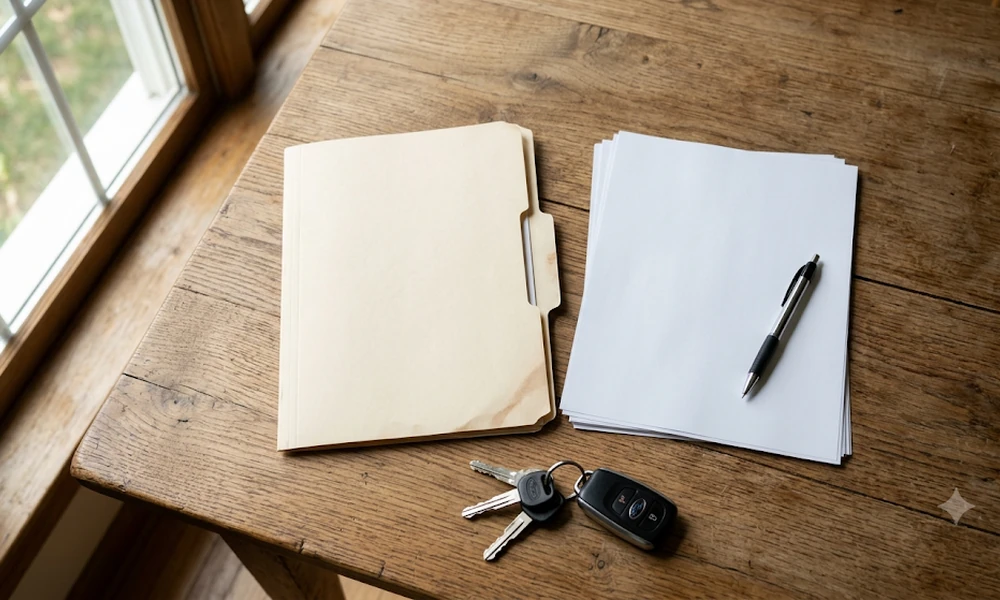
The exact requirements depend on where the vehicle is registered, but sellers may need:
- Vehicle title or registration documents.
- Government-issued identification.
- Vehicle identification number and other vehicle details.
- Loan payoff or lien-release documentation, if applicable.
- A bill of sale or purchase agreement.
- Ownership-transfer and release-of-liability forms, where required.
- Keys, service records, and relevant inspection documents.
If you have lost your title, contact the relevant motor vehicle authority to learn whether a replacement or alternative ownership verification is available. Do not assume a buyer can legally purchase the vehicle without the required documents.
If the car has outstanding finance, contact the lender to understand the payoff process before agreeing to the sale.
Is Cash for Cars Available Near You?
Local availability depends on your location, the type of vehicle, and whether buyers operate in your area. Searching for “cash for cars near me” can reveal nearby dealerships, salvage yards, and vehicle-buying services.
Before choosing a local buyer, check:
- Whether it purchases your particular make and model.
- Whether it accepts damaged or non-running vehicles.
- Whether collection or towing is included.
- How quickly payment is made.
- What documents are required.
- Whether the business is properly registered or licensed where applicable.
For sellers outside the United States, search using local terms and check the rules of the relevant registration authority. Services advertised as cash-for-cars businesses may operate differently across countries.
Frequently Asked Questions
Can I sell my car for cash on the same day?
Some buyers can complete a purchase on the same day if the vehicle, documentation, inspection, and payment requirements are satisfied. Timing varies by company and location.
Do cash-for-cars companies buy damaged cars?
Many do. Some specialize in accident-damaged vehicles, cars with mechanical problems, or vehicles that no longer run. The offer depends on the condition and potential resale or salvage value.
Can I sell a car without a title?
It depends on local law and the vehicle’s ownership records. Some jurisdictions allow a replacement title or alternative documentation process, while others restrict the sale until ownership can be established.
Do cash-for-cars services offer free towing?
Some include towing for non-running vehicles, while others charge a fee or limit collection to certain areas. Confirm the terms before accepting an offer.
Is selling to a dealership better than selling privately?
A dealership or direct-buying service can save time and reduce the effort involved in finding a buyer. A private sale may bring a higher price, but it usually requires more communication, negotiation, and paperwork.
How can I tell if a cash-for-cars offer is fair?
Compare several offers, research similar vehicles, and account for your car’s condition and any collection fees. For a damaged car, compare quotes from both salvage buyers and other potential purchasers.
Can I sell a car that still has a loan?
It may be possible, but the outstanding loan must be handled according to the lender’s requirements and local law. Contact your lender to establish the payoff amount and transfer procedure before completing the transaction.
Final Verdict
Cash-for-cars services can make selling an unwanted vehicle simpler, especially when the car is old, damaged, or no longer economical to repair. They offer convenience, but the first offer is not necessarily the best one.
Research your vehicle’s value, compare multiple buyers, confirm all fees, and verify the payment method before transferring ownership. If your car remains in good condition, compare direct-buying offers with the potential return from a private sale.
The best transaction is one that gives you a fair price, protects your personal information, and leaves you with clear documentation that the sale is complete.
Disclaimer
This article is for general informational purposes only and does not constitute legal or financial advice. Vehicle valuation, ownership-transfer requirements, payment rules, and buyer licensing requirements vary by location. Verify local regulations and transaction details before selling your vehicle.