
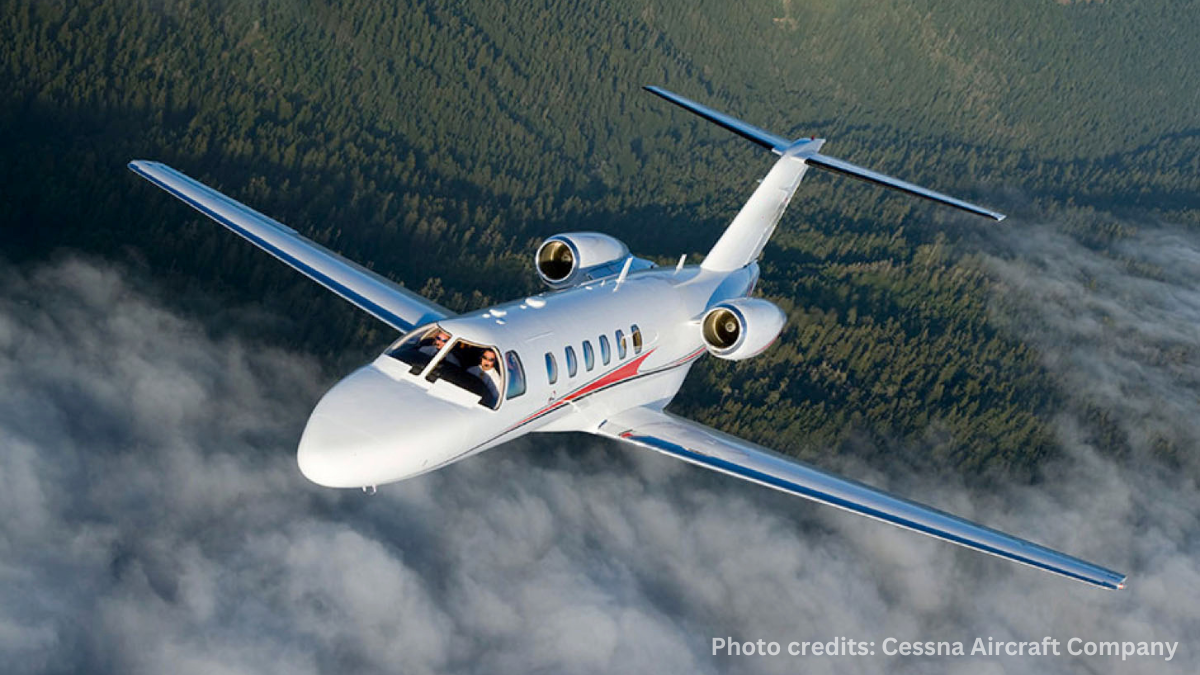
Understanding the real cost of a private airplane requires looking far beyond the sticker price on the window. While buying an aircraft represents a major initial financial commitment, ongoing recurring expenses, routine maintenance, crew salaries, and fuel costs ultimately define the total cost to own a private jet.
Whether you are evaluating a compact single-engine turboprop for regional hops or an ultra-long-range business jet for intercontinental travel, private aviation pricing spans a massive spectrum. In this complete 2026 breakdown, we analyze initial acquisition costs, annual fixed overhead, direct hourly operating expenses, and smart alternatives to full individual ownership.
Initial Purchase Price: New vs. Pre-Owned
The upfront private plane price varies dramatically based on aircraft category, size, total airframe hours, avionics, and manufacturing year. Buyers generally choose between brand-new factory builds or pre-owned markets.
1. Very Light Jets (VLJs) and Light Jets
Designed for short regional trips carrying 4 to 7 passengers, light jets represent the entry point for jet-engine ownership.
Pre-Owned Price: $1.5 million to $4.0 million
New Build Price: $3.5 million to $10.0 million
Popular Models: Cirrus Vision Jet SF50, Embraer Phenom 100/300E, Cessna Citation CJ4.
2. Midsize and Super-Midsize Jets
Offering stand-up cabins, expanded baggage bays, and cross-country transcontinental range for 8 to 10 passengers.
Pre-Owned Price: $5.0 million to $14.0 million
New Build Price: $15.0 million to $28.0 million
Popular Models: Bombardier Challenger 3500, Cessna Citation Latitude, Gulfstream G280.
3. Heavy and Ultra-Long-Range Jets
Top-tier intercontinental business jets capable of flying non-stop across ocean basins while accommodating up to 19 passengers in multiple cabin zones.
Pre-Owned Price: $15.0 million to $35.0 million
New Build Price: $40.0 million to $75.0 million+
Popular Models: Gulfstream G700, Bombardier Global 7500, Dassault Falcon 10X.
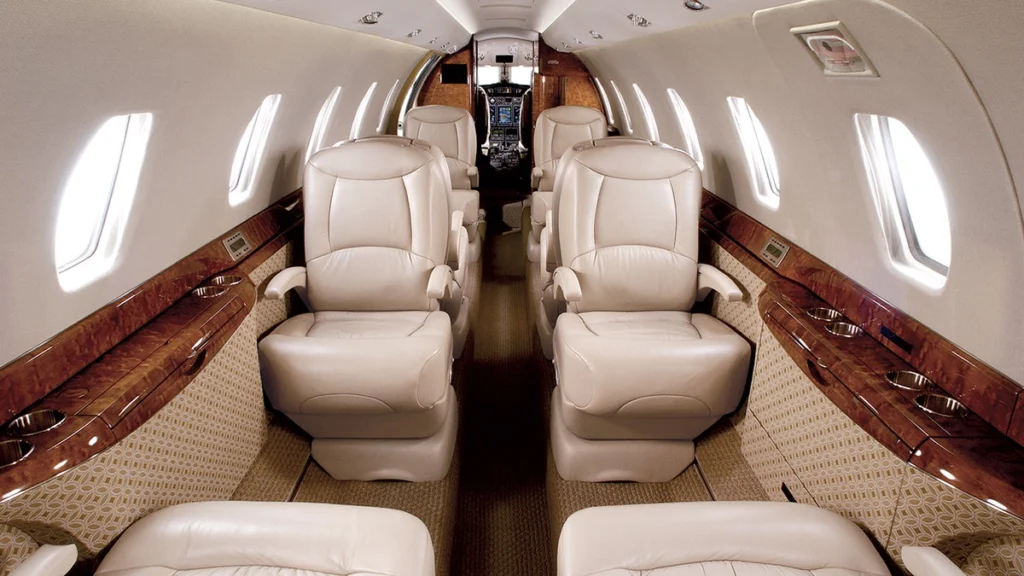
Overview of Aircraft Ownership Cost across Categories
To help you budget accurately, the table below breaks down the estimated acquisition range, annual fixed costs, and hourly operational rates for typical aircraft tiers.
| Aircraft Class | Typical New Price Range (Estimated) | Typical Pre-Owned Range | Estimated Annual Fixed Costs | Average Hourly Direct Cost |
| Turboprop (e.g., Pilatus PC-12) | $5.0M – $7.0M | $2.0M – $4.5M | $150,000 – $300,000 | $1,200 – $2,000 |
| Light Jet (e.g., Phenom 300E) | $10.0M – $12.5M | $3.5M – $8.0M | $350,000 – $600,000 | $2,200 – $3,500 |
| Midsize Jet (e.g., Citation XLS+) | $15.0M – $18.0M | $6.0M – $11.0M | $650,000 – $1,100,000 | $3,500 – $5,000 |
| Super-Midsize (e.g., Challenger 350) | $25.0M – $29.0M | $12.0M – $20.0M | $900,000 – $1,500,000 | $4,800 – $6,500 |
| Ultra-Long-Range (e.g., Global 7500) | $70.0M – $78.0M+ | $35.0M – $55.0M | $2,000,000 – $3,500,000+ | $8,500 – $14,000+ |
Note: All cost metrics are estimated based on industry benchmark averages and subject to fuel market fluctuations, flight crew availability, and individual maintenance programs.
Breakdown of Annual Fixed Costs
Fixed expenses exist regardless of whether the aircraft flies 10 hours or 500 hours in a given year. These recurring ownership fees make up a massive portion of overall aircraft ownership cost.
1. Crew Salaries and Recurrent Training
Modern business jets require two fully qualified pilots, while heavy jets also require trained flight attendants. Crew expenses include base compensation, health benefits, per diem travel expenses, and mandatory annual simulator training.
Light Jet Crew Budget: $200,000 to $350,000 annually
Heavy Jet Crew Budget: $500,000 to $900,000+ annually
2. Hangar Space and Storage
Storing an aircraft securely inside a climate-controlled hangar protects delicate avionics and paintwork from weather damage. Hangar lease rates vary greatly depending on airport location.
Regional Airports: $1,500 to $3,500 per month
Major Metropolitan Hubs (e.g., Teterboro, Van Nuys): $5,000 to $15,000+ per month
3. Aircraft Management Fees
Most private owners partner with professional management companies to handle flight scheduling, maintenance tracking, regulatory compliance, and crew payroll. Professional management fees typically run between $40,000 and $150,000 per year depending on cabin size.
4. Aviation Insurance
Insurance policies cover hull value protection alongside third-party liability. Annual premiums depend on total pilot flight hours, hull valuation, geographic flight zones, and selected coverage limits. Expect premiums ranging from $20,000 to over $150,000 per year.
Direct Variable Operating Costs
Variable expenses accumulate only when the engine is running and the plane is in the air.
1. Jet Fuel Consumption
Fuel burn represents the single largest variable expense in private aviation. A light jet might consume 150 to 200 gallons of Jet A fuel per hour, whereas a heavy jet burns 400 to 500+ gallons per hour.
2. Maintenance and Engine Reserves
Every flying hour moves the aircraft closer to mandatory inspection intervals and engine overhauls. Owners pay into hourly engine maintenance programs (such as TAP Blue or MSP) to guarantee predictable engine overhaul funding. These reserves add $300 to $1,500+ per flight hour depending on engine type.
3. FBO Handling, Ramp, and Landing Fees
When landing at a private terminal (FBO), operators incur ramp handling fees, overnight parking charges, de-icing services, and local airport landing fees. These fees range from $100 per stop at small regional fields to over $2,000 at international hubs.
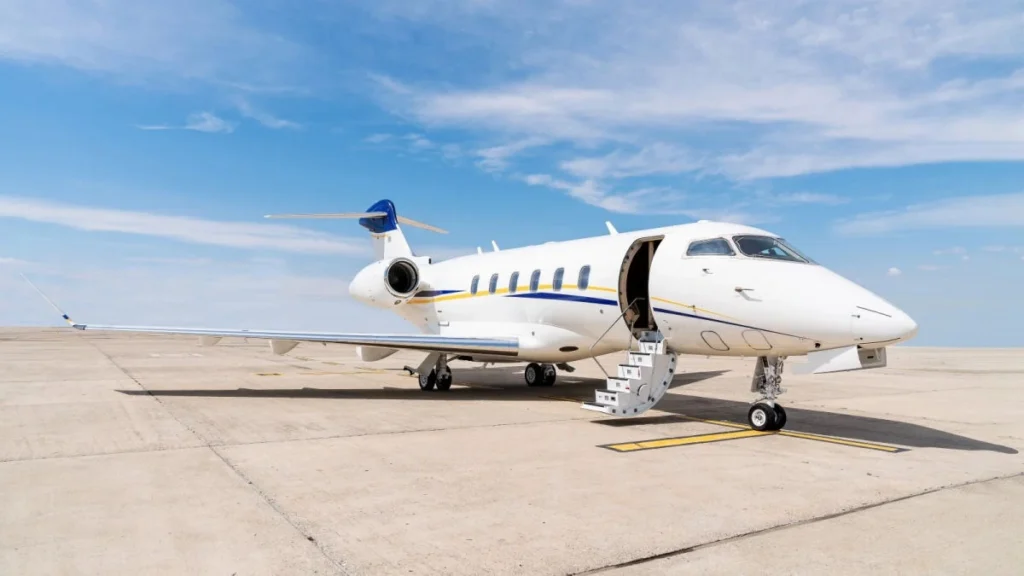
Buy vs. Charter: Finding Your Financial Crossover Point
For many prospective buyers, determining whether to buy, lease, or charter comes down to annual utilization hours.
Under 50 Hours per Year: On-demand chartering or jet cards remain by far the most economical choice. You avoid all fixed hangar, crew, and management commitments.
50 to 150 Hours per Year: Fractional ownership (such as NetJets or Flexjet) allows you to purchase a share (e.g., 1/16th or 1/8th) of a specific aircraft type. This grants guaranteed access without full capital exposure or individual maintenance risks.
150 to 200+ Hours per Year: Individual aircraft ownership becomes financially viable. At this level of flight frequency, the fixed annual overhead balances out against high charter markups, providing maximum schedule control and tax depreciation benefits.
Conclusion
Calculating the true cost of a private airplane requires looking at both initial purchase capital and long-term operating commitments. While acquiring a jet delivers absolute scheduling freedom, zero TSA security lines, and direct access to regional airports, managing fixed overhead and fuel budgets remains key to sustainable ownership. Analyze your annual flight hours carefully to choose between full ownership, fractional shares, or charter solutions. For more detailed aviation guides, vehicle reviews, and high-end mobility insights, explore our latest coverage at turboocruiser.
Frequently Asked Questions
What is the cheapest private airplane you can buy?
In the pre-owned market, older turboprops (like early Beechcraft King Airs) or early light jets (like the Eclipse 500 or Cessna Citation Mustang) can be acquired for $800,000 to $1.5 million. However, older airframes carry significantly higher annual maintenance costs.
How much does it cost to own a private jet per year?
Total cost to own a private jet (combining fixed overhead and operational flight hours) generally ranges from $500,000 per year for a light jet flying light hours to well over $3,000,000 per year for an ultra-long-range business jet.
Does private jet ownership offer tax advantages?
Yes, in many jurisdictions, business aircraft used for qualified commercial or corporate transportation may qualify for accelerated bonus depreciation and expense deductions under specific tax laws. Always consult a specialized aviation tax CPA before purchasing.
What is the difference between fixed costs and variable costs in aviation?
Fixed costs exist whether the plane flies or stays parked in a hangar (e.g., pilot salaries, insurance, hangar rent, management fees). Variable costs accrue only when the plane flies (e.g., fuel, landing fees, engine wear reserves).