

Muscle cars are performance-focused vehicles traditionally associated with American automakers, powerful engines, rear-wheel drive, and strong straight-line acceleration. Their defining appeal is simple: substantial performance in a car that can still be driven on ordinary roads.
The category became especially popular in the 1960s, when manufacturers competed to deliver more horsepower, distinctive styling, and accessible performance. Cars such as the Pontiac GTO, Chevrolet Chevelle SS, Plymouth Road Runner, and Dodge Charger became symbols of an era when engine size and acceleration were central to the American performance-car market.
Muscle cars have since evolved. Classic examples remain popular with collectors, while modern performance vehicles combine the traditional appeal of powerful engines with advanced braking, suspension, electronics, and safety systems.
The term is not always used consistently. Some enthusiasts reserve it for traditional American V8-powered cars, while others include modern performance versions of the Ford Mustang and Dodge Challenger. What connects them is their emphasis on power, acceleration, and a distinctly muscular driving character.
How the Muscle Car Era Began?
The Pontiac GTO and the rise of affordable performance
The 1964 Pontiac GTO is widely credited with helping establish the classic muscle car formula. Rather than building an entirely separate exotic vehicle, Pontiac offered a powerful 389-cubic-inch V8 in its intermediate-size Tempest LeMans platform.
The result appealed to buyers who wanted serious acceleration without the cost or exclusivity associated with high-end sports cars. Other manufacturers quickly recognized the opportunity, and the competition intensified.
Chevrolet, Dodge, Plymouth, Oldsmobile, Buick, and Ford developed performance models of their own. Engine options, factory performance packages, aggressive bodywork, and drag-racing associations became important selling points.
The golden age of American muscle
By the late 1960s and early 1970s, muscle cars had become a major part of American automotive culture. Buyers could choose from a wide range of models, from relatively straightforward performance coupes to expensive, high-output versions with specialized equipment.
The Chevrolet Chevelle SS, Pontiac GTO, Dodge Charger R/T, and Plymouth Road Runner each offered a different interpretation of the formula. Some prioritized raw acceleration, while others combined performance with more comfort, styling, or premium equipment.
This was also an era of intense competition between manufacturers. Horsepower ratings and engine options mattered, but so did gearing, traction, weight, and the ability to deliver repeatable performance.
Why the original era faded
The classic muscle car formula became harder to sustain in the early 1970s. Changing emissions requirements, rising insurance premiums for high-performance vehicles, fuel-price pressures, and evolving consumer expectations all affected the market.
Manufacturers reduced output in many models, changed engine offerings, or discontinued performance versions altogether. The original era gradually ended, but the muscle car name and its cultural appeal survived.
Later generations revived the concept with modern engineering, proving that the desire for powerful, distinctive American performance cars had not disappeared.
The Most Iconic Muscle Cars
The history of muscle cars is best understood through the models that helped define the category. Each has its own character, and the most desirable version is not necessarily the one with the highest published horsepower figure.
Pontiac GTO: The car that helped start the movement
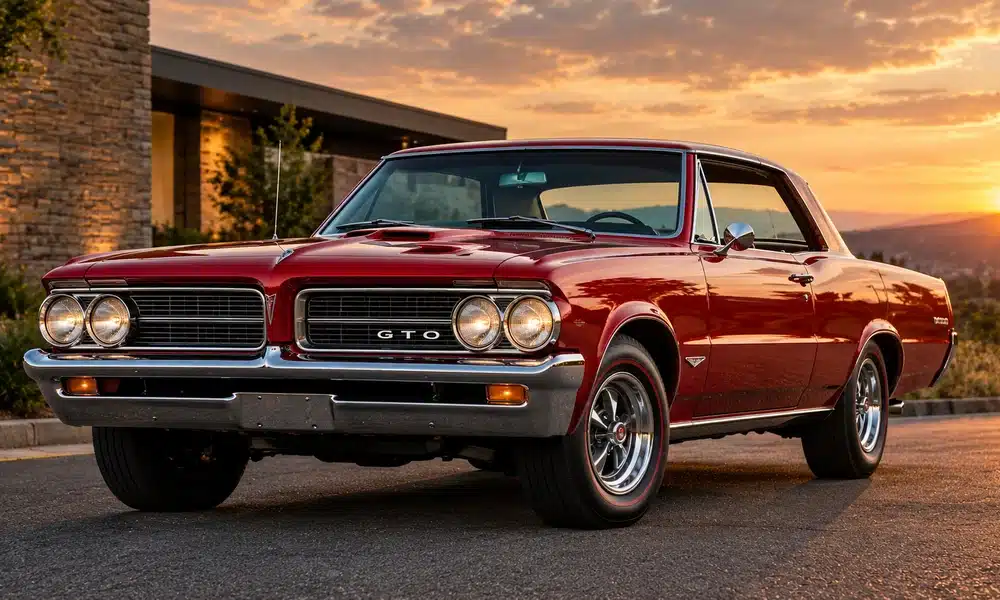
The Pontiac GTO remains one of the most influential names in muscle car history. Early versions helped establish the idea that a relatively practical American car could deliver serious performance through a large-displacement V8.
First-generation cars are especially interesting to collectors because engine configuration, factory options, originality, and documentation can substantially affect their value. A restored example with a verified history may appeal to a different buyer than a modified car built primarily for weekend driving.
Chevrolet Chevelle SS: Classic American muscle in its purest form
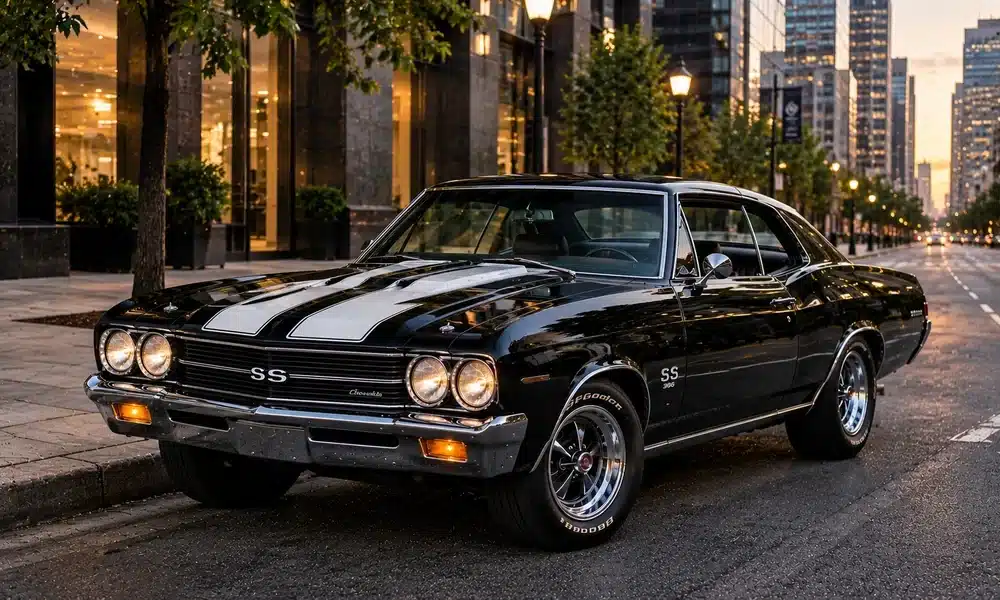
The Chevrolet Chevelle SS became one of the most recognizable performance cars of the late 1960s and early 1970s. Its midsize body and available high-output V8 engines made it a natural fit for the muscle car formula.
The 1970 Chevelle SS 454 is particularly well known. However, buyers should pay attention to the exact engine and factory specification rather than assuming every Chevelle advertised as an SS has the same performance equipment or collector significance.
Ford Mustang: The pony car that crossed into muscle territory
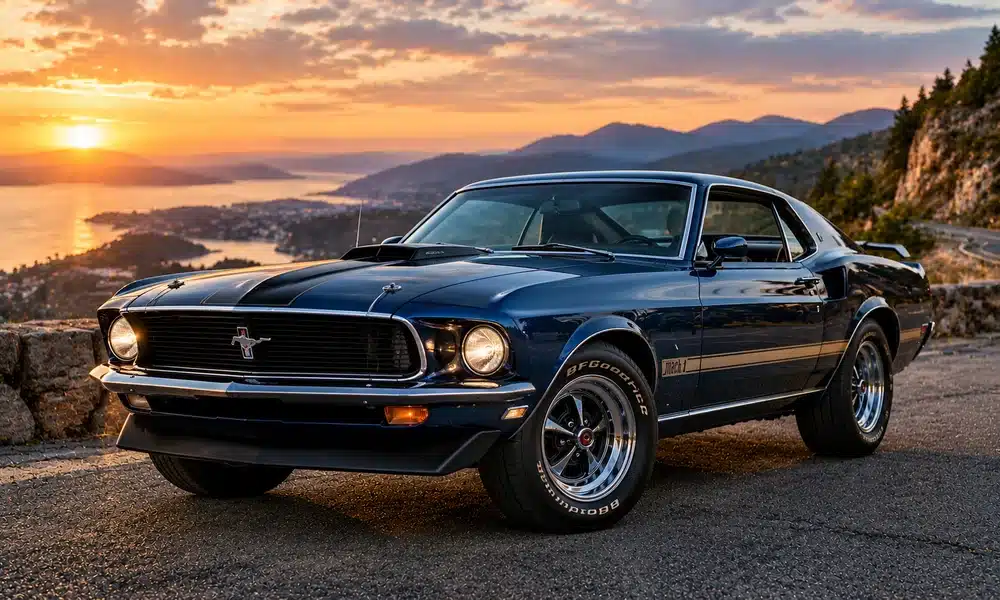
The Ford Mustang helped establish the pony-car category, which overlaps with muscle cars but is not exactly the same thing. Pony cars generally emphasize sporty proportions, broad consumer appeal, and a wide selection of engines.
High-performance Mustang versions have long blurred that distinction. Modern models such as the Ford Mustang Dark Horse continue the tradition with contemporary chassis engineering and track-oriented performance equipment.
The Mustang’s broad range is part of its appeal. Some versions are designed for everyday driving, while others prioritize circuit performance or high-speed capability.
Dodge Charger: Power with unmistakable styling
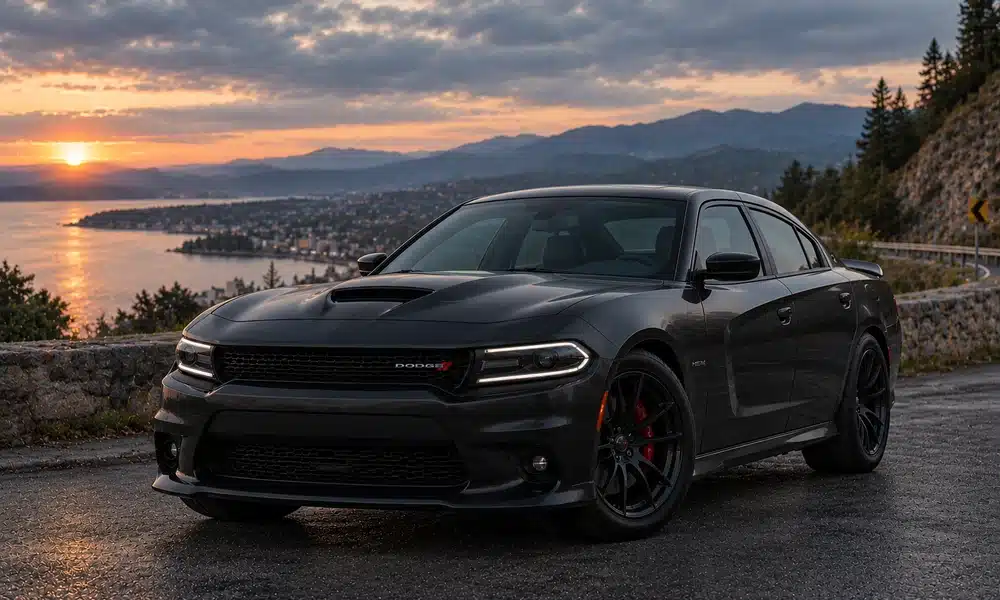
The Dodge Charger earned its place in muscle car history through bold styling and powerful engine options. Certain late-1960s and early-1970s models are particularly sought after, although condition and authenticity can make a significant difference in value.
The Charger R/T name is associated with performance-oriented versions, but buyers should verify the vehicle’s actual specification. Restorations, engine swaps, and aftermarket modifications can make two visually similar cars very different propositions for collectors.
Plymouth Road Runner: Performance without unnecessary luxury
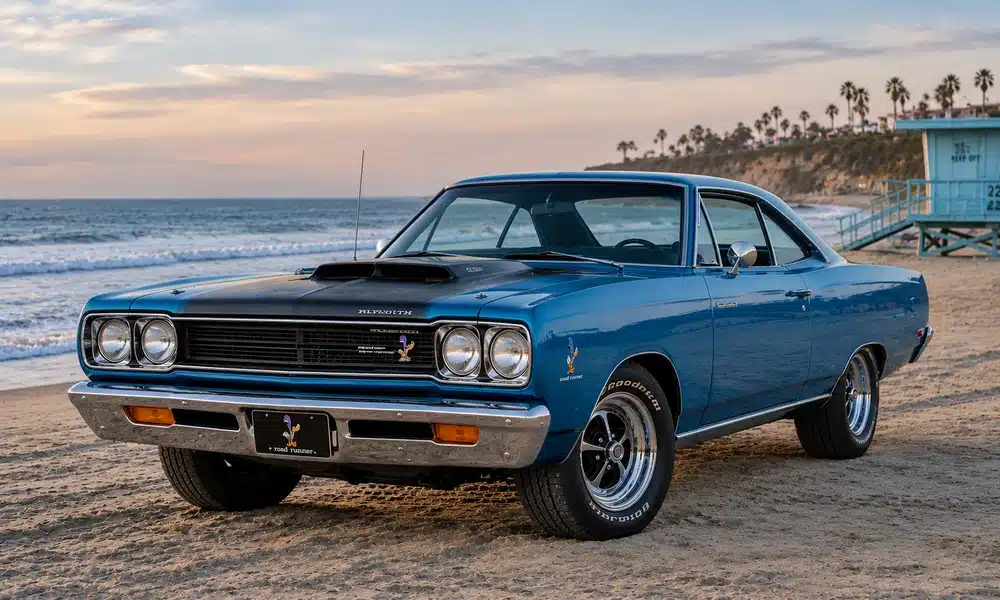
The Plymouth Road Runner appealed to buyers who wanted performance without paying for an elaborate luxury package. Its straightforward approach, powerful engine options, and memorable identity helped make it a classic of the period.
Originality matters when evaluating a Road Runner today. A well-documented car with its correct drivetrain may attract different collector interest from one that has undergone extensive modifications.
Dodge Challenger: A bridge between classic and modern muscle
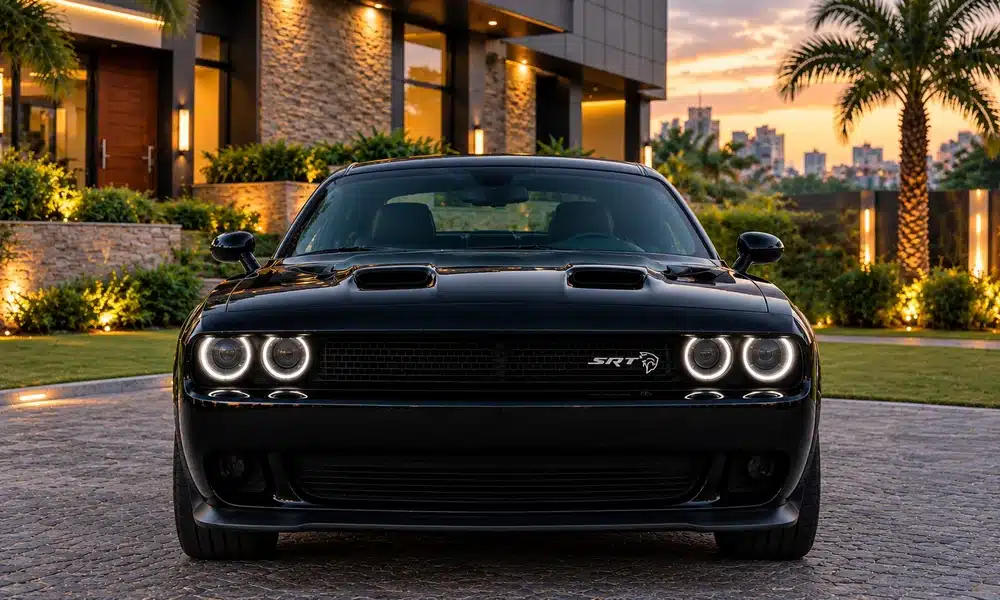
The Challenger name spans classic American performance and a modern generation built around the same broad appeal: dramatic styling and strong acceleration.
Modern high-performance variants took the formula to another level. Turboo Cruiser’s comparison of the Dodge Challenger SRT Demon 170 and Hellcat explores how different versions of the same model family can deliver very different performance experiences.
That distinction is important for buyers. A model name alone does not tell the whole story; engine configuration, drivetrain, factory equipment, and intended use all matter.
Muscle Cars vs. Sports Cars vs. Pony Cars

These categories overlap, which is why there is no universally accepted boundary between them. The most useful approach is to consider the vehicle’s original purpose and engineering priorities.
Traditional muscle cars emphasize powerful engines and straight-line acceleration. Sports cars tend to place greater emphasis on handling, steering response, balance, and driver engagement. Pony cars, popularized by the Mustang, combine sporty styling with a compact body and a broad range of engine options.
A single vehicle can fit more than one description. A high-performance Mustang, for example, can be considered a pony car and a muscle car in common usage. Some modern muscle cars also handle well on a road course, thanks to improved tires, suspension, and braking technology.
For a deeper look at the distinction, see Turboo Cruiser’s guide to sports cars vs. supercars. Although supercars are a separate category, the comparison helps explain why vehicle classification depends on more than acceleration alone.
What Makes a Muscle Car Fast?
Engine displacement, horsepower, and torque
Classic muscle cars often used large-displacement V8 engines. Displacement measures the combined volume swept by the pistons, but it does not determine power by itself. Engine design, airflow, compression, fuel delivery, tuning, and operating speed all influence output.
Horsepower describes the rate at which an engine performs work. Torque measures rotational force. Both are important, but neither tells the full story of how quickly a car accelerates.
Vehicle weight, gear ratios, traction, transmission behavior, and tire condition affect the power that actually reaches the road. This is why two cars with similar horsepower figures can feel quite different when driven.
Rear-wheel drive and traction
Rear-wheel drive is common among traditional muscle cars. In a front-engine, rear-drive layout, the rear tires transmit engine power to the road, and available grip can become a limiting factor when torque is high.
A powerful engine cannot deliver its full potential if the tires spin excessively. Tire compound, suspension setup, differential design, and road conditions all influence acceleration.
This is also why modern performance models can behave differently from classic cars with similar power ratings. Advances in tires, electronic traction control, and chassis design have changed how effectively power can be used.
Transmission and gearing
Manual transmissions are closely associated with classic muscle cars because they give the driver direct control over gear selection. Automatic transmissions are equally important to the category, and modern automatics can shift quickly while keeping the engine in its effective power range.
Gear ratios influence launch performance, acceleration through the gears, and engine speed at highway cruising speeds. Final-drive gearing can make a noticeable difference to how a car feels, even when the engine remains unchanged.
When comparing muscle cars, look beyond horsepower. The relationship between engine output, gearing, vehicle weight, and traction is what makes the complete performance package work.
Classic Muscle Cars vs. Modern Muscle Cars

Classic and modern muscle cars share a broad heritage, but they offer different ownership experiences.
Classic vehicles provide period styling, mechanical character, and a direct connection to automotive history. Depending on the model and condition, they may also require more attention to corrosion, electrical systems, cooling, brakes, and the availability of specialist parts.
Modern performance cars generally offer more advanced crash protection, engine management, braking systems, and chassis controls. Some also provide selectable driving modes and sophisticated electronic assistance, making high power easier to manage in everyday conditions.
The right choice depends on the buyer’s priorities. A collector may value originality and documented provenance above convenience. Someone looking for a car to drive regularly may place greater weight on reliability, comfort, safety equipment, and service access.
For owners considering a high-performance vehicle, Turboo Cruiser’s guide to performance-car maintenance costs provides a useful starting point for budgeting beyond the purchase price.
How Much Do Muscle Cars Cost?
Muscle car prices vary considerably. A project car requiring major structural repairs can cost far less upfront than a restored example, while a rare factory performance model with exceptional documentation can command a substantial premium.
There is no single price range that applies to every muscle car. Model year, engine, factory options, originality, condition, restoration quality, and market demand all influence value.
The smartest approach is to compare recent sales of vehicles with similar specifications and condition. An asking price is not the same as a confirmed sale price, and a rare model should not be valued by comparing it with an ordinary version of the same name.
Ownership costs also extend beyond the purchase itself. Inspection, restoration, maintenance, insurance, storage, parts, and transport can all affect the total budget. A car that appears inexpensive at first may require substantial investment before it becomes reliable or suitable for regular use.
For enthusiasts interested in the broader collector market, Turboo Cruiser’s overview of rare cars in the world offers additional context on rarity and desirability. Rarity can support collector interest, but it does not guarantee appreciation or make every rare vehicle a sound investment.
What to Check Before Buying a Classic Muscle Car
Start with the body and structure
Rust can be one of the most expensive problems in an older vehicle, particularly when it affects frame rails, floor pans, suspension mounting points, or other structural areas. Fresh paint may conceal previous repairs, so an inspection should include the underside and areas where moisture can collect.
A specialist familiar with the exact model can help distinguish normal age-related wear from structural problems that could make a restoration uneconomical.
Verify the engine and drivetrain
Check whether the engine, transmission, and differential match the car’s claimed specification. Where matching-numbers status is relevant, ask for documentation and independent verification rather than relying solely on a seller’s description.
A replacement engine is not automatically a bad thing. It may make a car more practical to drive or maintain. However, modifications can affect originality and collector value, so buyers should understand exactly what they are purchasing.
Review identification and ownership records
Check the vehicle identification number, available factory documentation, ownership history, restoration receipts, and any records that support the claimed model or performance package.
For a rare or expensive vehicle, independent authentication can be worthwhile. Documentation becomes particularly important when a car is advertised as a limited, high-output, or unusually valuable configuration.
Assess mechanical condition
A pre-purchase inspection should examine cold-start behavior, leaks, cooling performance, transmission operation, braking, steering, suspension wear, and unusual noises. A car that looks excellent in photographs may still need substantial mechanical work.
If the vehicle is not roadworthy, do not attempt an ordinary road test. Arrange a professional inspection and appropriate transport instead.
Budget for insurance and ongoing care
Insurance costs for performance and collector vehicles depend on factors such as the car’s value, intended use, storage arrangements, mileage, and the driver’s circumstances. Before buying, obtain quotes for the exact vehicle and intended use.
Turboo Cruiser’s guide to high-performance vehicle insurance is a useful next read for understanding the factors that can affect coverage and cost.
Are Muscle Cars a Good Investment?

Some classic muscle cars have achieved strong collector values, but that does not mean every muscle car is a good investment. Market demand can change, and restoration costs can consume a large portion of any potential gain.
Rare factory configurations, documented provenance, originality, and high-quality restoration may improve desirability. However, the purchase price, insurance, storage, maintenance, transaction fees, and eventual selling costs all need to be considered.
Buyers should distinguish between a car they want to own and one they expect to appreciate. A vehicle purchased for enjoyment should still fit the owner’s budget if its resale value remains flat or declines.
For a significant purchase, compare recent sales of genuinely similar examples and consider obtaining an independent appraisal. No forecast can guarantee a future selling price.
Frequently Asked Questions About Muscle Cars
What was the first muscle car?
The 1964 Pontiac GTO is widely credited with launching the classic muscle car era. Earlier performance cars helped establish the idea of combining a powerful engine with an accessible vehicle, so the exact definition of the first muscle car remains open to debate.
What is the difference between a muscle car and a pony car?
Traditional muscle cars emphasize strong straight-line performance, often through a large V8 engine in a midsize body. Pony cars generally have sporty, compact proportions and offer a wider range of engine choices. Some vehicles, particularly high-performance Mustangs, can fit both descriptions.
Are all muscle cars V8s?
No. V8 engines are strongly associated with classic American muscle cars, but modern performance vehicles can use smaller turbocharged engines, hybrid systems, or other configurations. Whether a particular vehicle is described as a muscle car depends on its broader design and how the term is being used.
Which muscle cars are the most collectible?
The Pontiac GTO, Chevrolet Chevelle SS, selected Ford Mustang performance models, Dodge Charger R/T, and Plymouth Road Runner are among the best-known collector names. The specific year, factory configuration, condition, originality, and documentation determine the appeal of an individual car.
Are classic muscle cars expensive to maintain?
They can be. Costs depend on the car’s condition, parts availability, mechanical complexity, and how often it is driven. A specialist inspection before purchase can reveal likely repairs and help establish a realistic ownership budget.
Can a classic muscle car be driven every day?
Some owners use classic muscle cars regularly, but the experience differs from driving a modern vehicle. Fuel consumption, braking, comfort, weather protection, safety equipment, and maintenance requirements should all be considered before making one a daily driver.
Do muscle cars hold their value?
Some examples retain or increase their value, particularly rare, original, and well-documented models. Others depreciate or require more restoration spending than their eventual resale price can justify. Appreciation is never guaranteed.
Final Thoughts
Muscle cars occupy a distinctive place in automotive history because they combine powerful engines, recognizable styling, and a performance philosophy that has endured across generations.
The Pontiac GTO helped establish the classic formula, while models such as the Chevelle SS, Mustang, Charger, and Road Runner gave the category its lasting identity. Modern performance cars continue that tradition with more advanced engineering and a broader range of capabilities.
For enthusiasts, the best muscle car depends on the experience they want: collecting a historically significant model, enjoying weekend drives, modifying a performance platform, or owning a modern car with unmistakable American character.
For buyers, the fundamentals remain the same. Research the exact specification, verify authenticity, inspect the vehicle carefully, compare realistic market values, and budget for the full cost of ownership before committing.
Explore more automotive guides on Turboo Cruiser: From performance-car maintenance to rare and collectible cars, our related coverage can help you understand the ownership and performance questions that matter beyond the badge.