
Key Takeaways
Standard subscription model costs $99 per month for Tesla drivers.
Discounted rate of $49 monthly for previous Enhanced Autopilot users.
Direct comparison reveals key differences between FSD and Autopilot features.
Recent updates like Tesla FSD v13 showcase smoother street handling.
Flexible monthly cancellation makes testing features completely risk-free for buyers.
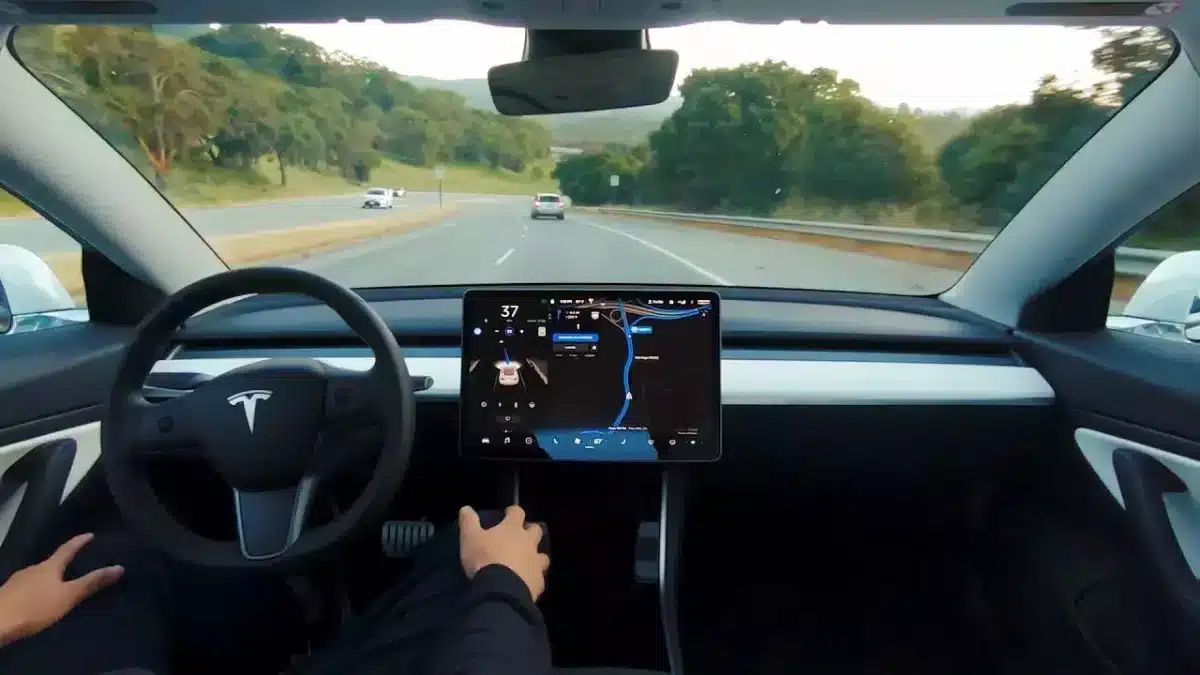
Ever sat in heavy morning traffic and wondered if your car could just handle the stress for you? Tesla promises exactly that with its flagship software stack, but the price tag always makes people pause. Currently, the Tesla self-driving cost is structured as a $99 per month subscription, down from previous high-priced upfront buyouts.
For most drivers, testing it out for a month or two gives quick clarity without breaking the bank. Welcome to turboocruiser.com, where we break down complex EV tech into clear, daily practical decisions! The standard Tesla self-driving cost sits at $99 per month for most drivers, while owners with older packages pay $49. Tesla shifted away from expensive single upfront purchases to make tech access flexible.
You get automatic city steering, lane switching, and stop sign handling under active monitoring. At turboocruiser.com, we recommend trying a short monthly Tesla FSD subscription before committing long-term.
What Is the Tesla Self Driving Cost Today?
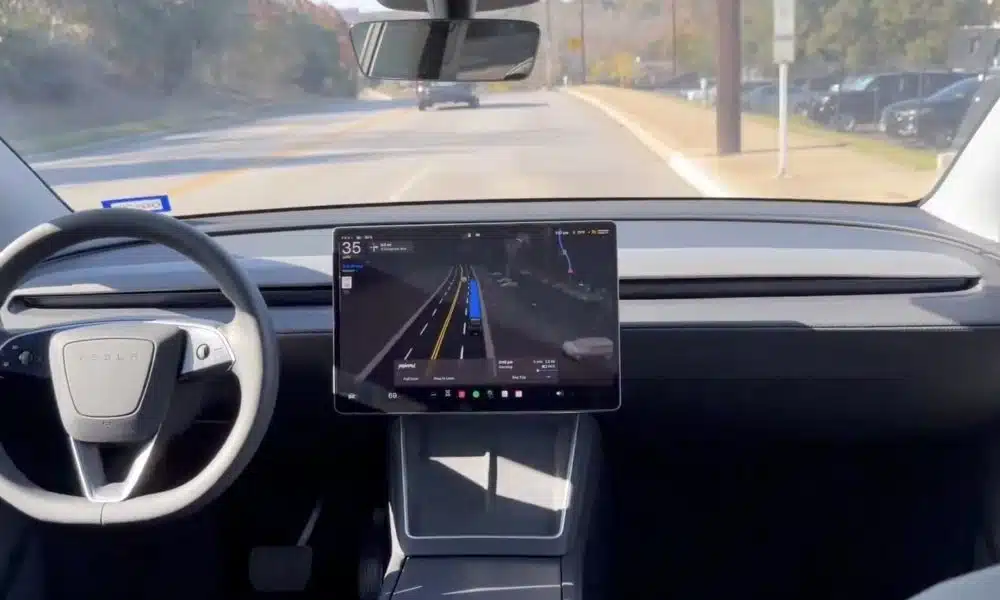
Tesla made a massive shift in how it delivers software updates to everyday electric vehicles. Moving away from an expensive one-time software buyout, the Tesla Full Self-Driving cost now operates on a flexible recurring plan. You no longer need thousands of dollars saved up front just to try automated street navigation on your daily morning commute.
The main pricing path is straightforward for current and prospective EV owners across North America:
Standard Subscription: $99 per month for new and existing Tesla models.
Upgrade Discount: $49 per month for vehicles already containing Tesla Enhanced Autopilot hardware.
Contract Terms: Month-to-month flexibility with zero long-term cancellation penalties.
Because you can pause payments anytime through your mobile app, testing this software on long seasonal road trips is very affordable. The modern subscription approach removes the friction of heavy upfront commitments.
| Plan Type | Monthly Price | Upfront Requirement |
| Standard FSD | $99 / month | $0 |
| Enhanced Autopilot Upgrade | $49 / month | $0 |
| Basic Autopilot | Included with vehicle | $0 |
Tesla Self Driving Cost: Past vs. Current Pricing
Looking back at earlier release cycles shows how dramatically the market entry barrier has dropped. Years ago, drivers had to commit anywhere from $6,000 to $15,000 at vehicle purchase time. That required financing software alongside the car loan, adding interest costs over several years.
With the standard Tesla Full Self-Driving cost anchored at $99 today, drivers get immediate access to top-tier navigation tools without long debt terms. It levels the playing field for short-term vehicle leases as well as pre-owned Tesla buyers.
Detailed Analysis of FSD vs Autopilot
Understanding FSD vs. Autopilot is crucial before spending your hard-earned cash each month. Basic Autopilot comes standard on Tesla vehicles and primarily handles highway speeds. It keeps your vehicle centered in its lane while maintaining safe distances from cars ahead.
Full Self-Driving, technically known as FSD supervised, expands those capabilities straight into complex city streets. It reads stop signs, navigates roundabouts, makes left turns across traffic, and handles tricky parking lots. While basic software keeps you steady on open freeways, FSD aims to manage door-to-door trips.
| Feature Capability | Basic Autopilot | FSD Supervised |
| Traffic-Aware Cruise Control | Yes | Yes |
| Autosteer on Highways | Yes | Yes |
| Auto Lane Change | No | Yes |
| City Street Navigation & Turns | No | Yes |
| Traffic Light & Stop Sign Control | No | Yes |
| Autopark & Smart Summon | No | Yes |
Key Differences in Everyday Highway Driving
When cruising on open interstate highways, standard driver assistance already performs basic steering tasks well. Basic Autopilot matches traffic speeds, handles subtle lane curves, and maintains safe braking intervals. However, whenever you need to change lanes, basic systems require manual disengagement.
In contrast, fsd supervised negotiates active freeway merges, selects optimal driving lanes, and executes pass maneuvers automatically. It tracks route guidance directly from your onboard navigation system. This eliminates constant manual turn signal toggling on high-density highways.
Urban Street Navigation and Intersection Handling
Navigating neighborhood streets requires far higher processing complexity than open highway cruising. City driving involves pedestrians, complex multi-way stop signs, dynamic traffic lights, and tight street parking.
Under FSD supervision, your car identifies lane markings, yields to oncoming traffic, and slows for pedestrian crosswalks. Standard autopilot cannot perform city turns or interpret traffic signals, making FSD the only choice for urban automation.
How Tesla FSD v13 Improves Daily Driving
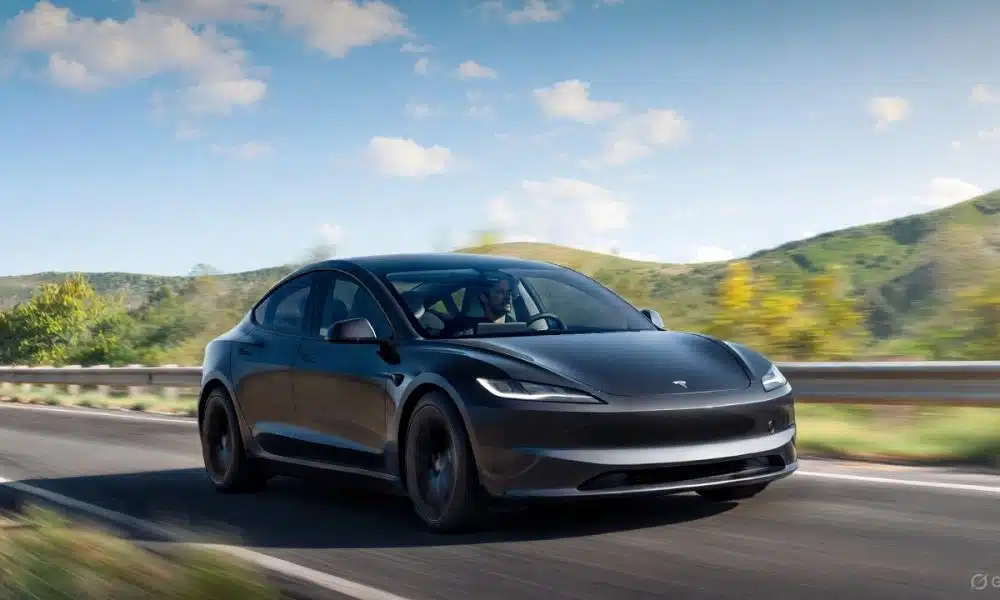
Software rollouts have changed the feel of the car dramatically over time. Recent updates like Tesla FSD v13 focused heavily on smoother neural network processing for natural braking and acceleration. Older iterations sometimes felt hesitant at multi-way stops or sudden merges.
With refined camera vision models, the system handles complex construction zones much more gracefully. Drivers report far fewer awkward steering corrections during heavy urban commutes. It feels less like rigid robotics and much closer to a human driver navigating daily road chaos.
Earlier software versions relied on heavy hand-coded rules to govern driving behavior. That meant when unpredictable scenarios happened, the car occasionally acted overly cautious or jerky. The release of Tesla FSD v13 shifted processing entirely to end-to-end neural networks trained on millions of real-world video clips.
This means your car interprets raw visual data in real time, making human-like decisions at intersections. Creeping forward at blind intersections to check for oncoming traffic feels natural rather than mechanical.
Handling Construction Zones and Complex Weather
Unplanned road work often causes headaches for basic camera systems. The upgraded neural nets in Tesla FSD v13 recognize orange cones, temporary detour signage, and hand gestures from traffic controllers with high precision. Light rain, morning glare, and foggy conditions are managed much better by updated vision models. While extreme downpours still require driver takeover, routine atmospheric interference no longer interrupts your drive as frequently.
Safety First: Is Tesla FSD Safe on Public Roads?
A big question every driver asks is: Is Tesla FSD safe for real-world roads? Based on available data, the technology acts as a powerful co-pilot rather than a hands-off chauffeur. You are legally required to keep your hands on the wheel and your eyes on the road at all times.
The vehicle utilizes internal cabin cameras to track driver attentiveness continuously. If you look down at a phone screen, the system alerts you immediately with audio-visual warnings. In most cases, having eight external cameras monitoring 360 degrees provides exceptional collision prevention backup.
Driver Monitoring Systems and Attention Alerts
To ensure safe operational habits, internal cabin cameras monitor eye movement and head position. If you turn away from the windshield for extended periods, the central display flashes prominent visual prompts.
Ignoring visual warnings triggers audible chimes throughout the interior. If alerts are repeatedly ignored, the system safely disables FSD supervised for the remainder of that drive. This safety mechanism enforces responsible co-driving habits.
Real-World Collision Avoidance Capabilities
External camera suites operate constantly, projecting surround-vision arrays into the central processing computer. The software scans up to 250 meters around the car for unexpected hazards.
If a preceding vehicle brakes suddenly or a pedestrian steps off a curb, the automated safety system reacts within milliseconds. Combined with automatic emergency braking, FSD supervised provides an extra layer of active spatial awareness.
Real Owner Experiences and Tesla FSD Reviews
Looking through recent Tesla FSD reviews reveals two very clear perspectives among daily owners. Commuters who face long highway stretches love how much mental fatigue the system eliminates over multi-hour drives. It manages stop-and-go freeway jams with incredible patience.
On the flip side, drivers in dense metropolitan cities with chaotic double-parked delivery vans sometimes find themselves taking manual control. The consensus on turboocruiser.com is that while it isn’t fully autonomous yet, it serves as an ultra-capable driving assistant that makes long trips feel effortless.
Daily Commuter Perspectives on Highway Stress
For suburban commuters spending hours in stop-and-go freeway traffic, positive Tesla FSD reviews highlight significant reductions in daily physical fatigue. Having the car control acceleration, braking, and lane alignment keeps stress low during peak congestion.
Long-distance highway road trips also benefit immensely. Maintaining consistent cruising speeds, managing distance intervals, and navigating complex interchange ramps allows drivers to arrive at destinations feeling far less drained.
Urban Challenges in Dense Metropolitan Areas
In dense downtown cores, user experiences can vary based on local traffic conditions. Cities filled with double-parked delivery trucks, aggressive cyclists, and narrow alleyways present challenges for automated vision algorithms.
Many tesla fsd reviews note that while the car negotiates standard city grids smoothly, unpredictable downtown scenarios often require swift driver intervention. Knowing when to take over remains an important part of operating the vehicle safely.
Evaluating the Value of a Tesla FSD Subscription
Deciding whether to pay for a monthly Tesla FSD subscription depends on your annual mileage and personal driving routes. Because the tesla full self driving cost is no longer locked into a massive upfront purchase, you can customize software usage to match your lifestyle.
Here are practical factors to consider before activating your monthly plan:
Commute Distance: Drivers with long daily highway routes gain maximum daily value from automated features.
Vacation Schedules: Subscribing exclusively for road trip months saves hundreds of dollars annually compared to year-round billing.
Urban vs Suburban Routes: Suburban highways and structured grids provide a much smoother automated experience than chaotic urban centers.
Fleet Upgrade Discounts: Owners upgrading from Tesla Enhanced Autopilot enjoy a discounted $49 rate, making it an easy recommendation.
By tailoring your subscription months strategically, you maintain complete financial control while enjoying cutting-edge driver assistance.
Tesla Self Driving Cost for Short-Term Road Trips
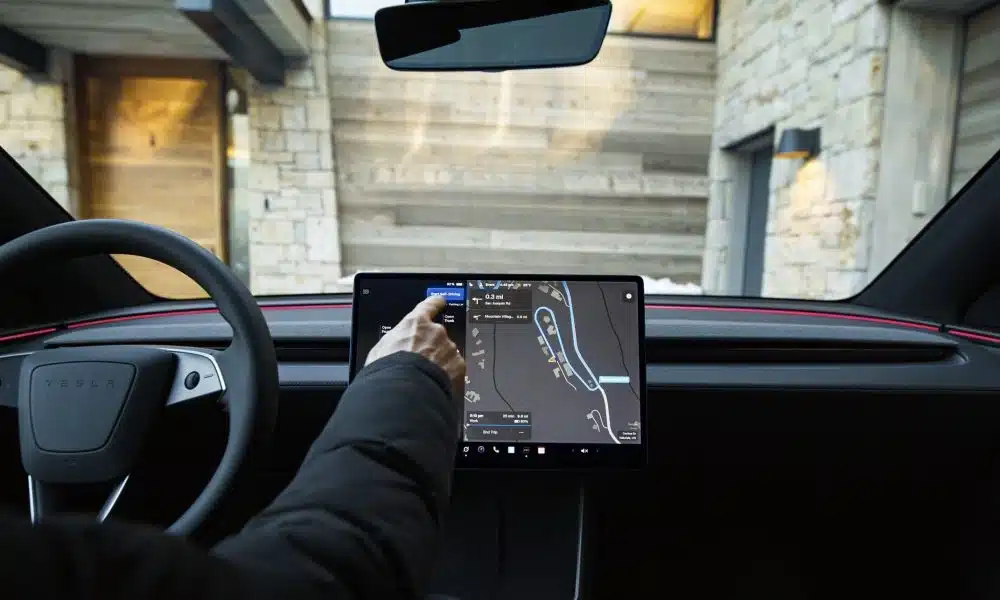
One of the best advantages of the current subscription system is seasonal flexibility. If you only travel long distances during summer vacations or winter holidays, you can activate the software for a single month.
Pay $99 before heading out on a multi-state highway journey, then cancel the auto-renewal through your app when you return home. This keeps your annual expenses low while providing high assistance right when you need it most.
Tesla Self Driving Cost: Monthly vs. Upfront
Under the older $8,000 upfront model, owners had to keep their car for over six years just to reach a break-even point against monthly fees. Since average vehicle ownership cycles run between three and five years, many buyers never recouped their investment.
The modern $99 monthly Tesla FSD subscription eliminates resale depreciation worries. You pay only for active utility, keeping your capital free while ensuring your vehicle always runs the newest available software updates.
Essential Steps to Activate FSD Supervised
Setting up your Tesla FSD subscription takes only a few minutes directly from your smartphone or vehicle display.
Open the official Tesla mobile app on your smartphone.
Navigate directly to the Upgrades section and select Software Upgrades.
Choose the Full Self-Driving Supervised monthly package.
Confirm your payment method to trigger the over-the-air update.
Enable the feature options inside your car’s central touchscreen menu.
Once downloaded, your car configures the software calibration during your next normal drive.
Conclusion: Tesla Self Driving Cost
Evaluating the Tesla full self-driving cost comes down to your personal driving habits. At $99 a month, trying out a Tesla FSD subscription offers tremendous flexibility without any upfront pressure. The technological leap from standard FSD vs. Autopilot is obvious once you experience city navigation firsthand. Recent software upgrades like Tesla FSD v13 continue making the drive noticeably smoother and safer for everyday commuters. If you frequently travel long distances or battle heavy highway traffic, testing FSD Supervised for your next trip is a smart move.
FAQs: Tesla Self Driving Cost
How much does Tesla Full Self-Driving cost per month?
The standard tesla full self driving cost is $99 monthly for most Tesla drivers.
Can I cancel my Tesla FSD subscription anytime?
Yes, you can easily cancel through your Tesla app without paying any penalties.
Does Tesla FSD make the vehicle completely autonomous?
No, fsd supervised requires active driver attention and steering oversight at all times.
Is FSD available for owners of older Tesla models?
Generally yes, provided your car has compatible hardware and updated onboard cameras.