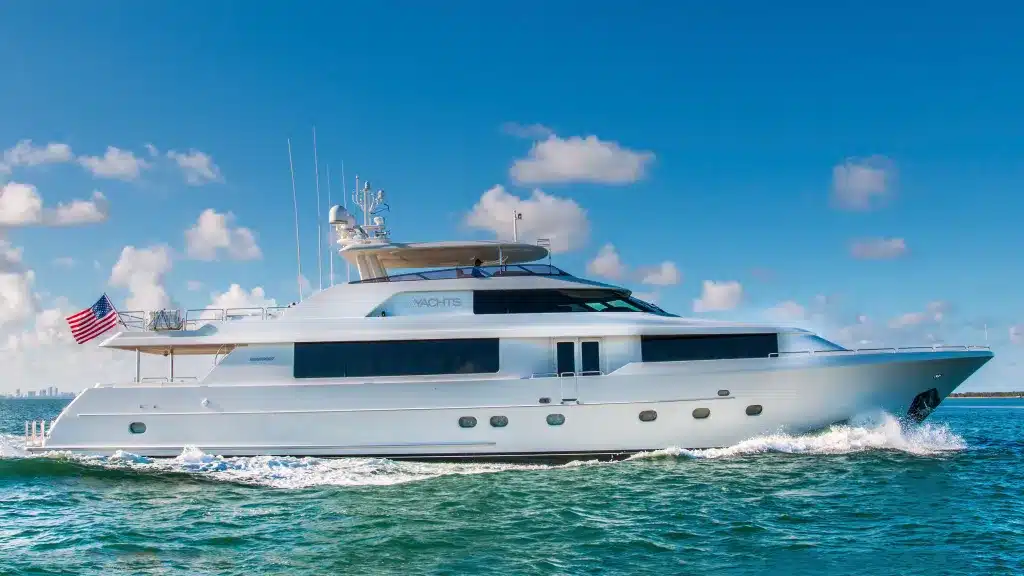
But in 2026, some of the wealthiest Americans are walking away from full yacht ownership and choosing something smarter. Yacht fractional ownership USA 2026 has moved from a niche workaround to a mainstream wealth strategy embraced by high-net-worth individuals who want the lifestyle without the operational headache.
The concept is simple. Instead of one person absorbing the full purchase price, maintenance costs, crew salaries, and depreciation of a multi-million dollar vessel, a small group of owners share the asset, the costs, and the calendar.
The result is more yacht for less money, less stress, and surprisingly, more time actually on the water.
Here is why this model is winning over wealthy Americans in 2026 and what you need to know before you explore it yourself.
The Real Cost of Full Yacht Ownership Nobody Talks About
Before understanding why fractional ownership is growing, you need to understand what full ownership actually costs.
The purchase price of a yacht is just the beginning.
Industry professionals often cite the 10 percent rule: expect to spend approximately 10 percent of a yacht’s purchase price every single year on operating costs. That means a $3 million yacht costs roughly $300,000 per year to run before you ever leave the dock.
What Full Ownership Really Includes
Here is a realistic breakdown of annual costs for a mid-range luxury yacht based on available data:
- Marina berthing and storage: $30,000 to $100,000 per year depending on location
- Crew salaries (captain plus two crew): $150,000 to $300,000 per year
- Fuel costs for active use: $30,000 to $80,000 per year
- Insurance: $15,000 to $50,000 per year
- Routine maintenance and repairs: $50,000 to $150,000 per year
- Registration, licensing, and compliance fees: $5,000 to $20,000 per year
Add those together and a $3 million yacht can comfortably cost $300,000 to $700,000 per year to own and operate.
Now consider that the average full yacht owner uses their vessel an estimated 20 to 30 days per year according to marine industry surveys. That works out to spending thousands of dollars per day simply for a boat sitting at a dock.
That calculation is exactly what is driving wealthy Americans toward yacht ownership alternatives in 2026.
What Is Yacht Fractional Ownership and How Does It Work?
Fractional yacht ownership is a structured co-ownership model where a yacht is purchased and operated by a management company, then divided into a set number of ownership shares, typically between four and twelve shares per vessel.
Each share owner pays a proportional fraction of the purchase price and ongoing costs, and receives a guaranteed number of days or weeks on the vessel per year.
A professional management company handles everything in between including crew, maintenance, scheduling, insurance, and compliance. The owner simply books their time and shows up.
How the Scheduling Works
Most fractional yacht program operators use one of two scheduling systems.
The first is a fixed calendar model where each owner is assigned set weeks per year in advance, similar to a timeshare structure. This works well for owners with predictable schedules who want certainty around peak season availability.
The second is a points or booking system where owners receive a set number of points annually and use them to reserve time on a flexible basis throughout the year. This model suits owners who prefer spontaneity and do not always know their schedule far in advance.
Both systems are designed to prevent conflicts and ensure every owner gets meaningful, high-quality time on the water.
Yacht Fractional Ownership vs Full Ownership: The 2026 Comparison
Let us look at both options side by side using realistic numbers based on available data.
Full Ownership of a $3 Million Yacht
- Purchase price: $3,000,000
- Annual operating costs: $300,000 to $700,000
- Average days used per year: 20 to 30
- Depreciation: Significant, typically 5 to 10 percent per year
- Management responsibility: Entirely on the owner
- Flexibility: Complete but costly
- Crew and maintenance: Owner arranged and funded
One-Eighth Fractional Share in a $3 Million Yacht
- Entry cost: Approximately $375,000 to $500,000 based on available data
- Annual fees covering all operating costs: $30,000 to $60,000
- Guaranteed days per year: 40 to 50 days depending on program
- Depreciation exposure: Limited to your share
- Management responsibility: Handled entirely by the program operator
- Flexibility: Scheduled in advance or via points system
- Crew and maintenance: Fully included
The math is striking. A fractional owner can access the same caliber of vessel, with the same crew and the same amenities, for a fraction of the financial exposure while actually using the yacht more days per year than the average full owner.
Why Wealthy Americans Are Making the Switch in 2026
The shift toward co-owning a yacht in America is not driven by people who cannot afford full ownership. It is driven by people who have done the math and decided fractional ownership is simply the smarter choice.
Several factors have accelerated this trend in 2026 specifically.
Economic Rationality in a High-Rate Environment
Interest rates remain elevated compared to the historic lows of the early 2020s. Financing a multi-million dollar yacht now carries a meaningful cost of capital. High-net-worth buyers who might previously have financed a full purchase are reconsidering whether tying up that capital in a depreciating asset makes financial sense.
Fractional ownership reduces that capital exposure significantly while preserving lifestyle access.
The Management Burden Has Become Real
A generation ago, wealthy yacht owners employed dedicated staff to manage the operational complexity of yacht ownership. In 2026, that model has become harder to sustain. Experienced marine crew are in high demand, marina space in prime locations is increasingly scarce, and the regulatory environment around vessel compliance has grown more complex.
Fractional programs eliminate every one of those concerns in a single transaction.
Lifestyle Priorities Have Shifted
Post-pandemic, wealthy Americans increasingly report that they want access to experiences over the burden of ownership. A yacht sitting at a dock for 335 days a year is not delivering lifestyle value. It is delivering anxiety and invoices.
Fractional ownership aligns the financial commitment directly with actual usage, which is a fundamentally more satisfying arrangement for buyers who think carefully about value.
Yacht Club vs Ownership: Is There a Third Option?
When evaluating yacht club vs ownership, most buyers consider three primary paths in 2026.
The first is full ownership, which we have already covered. Maximum control, maximum cost.
The second is yacht club membership, which provides access to a fleet of vessels managed by the club for an annual membership fee and per-use charges. Costs vary enormously depending on the club and the vessels available, but this option offers no ownership stake and no asset appreciation potential.

The third is fractional ownership, which sits between the two. You hold a genuine ownership share in a specific vessel, with defined rights, a management structure, and a clear exit process when you choose to sell your share.
For buyers who want more than club access but less than the full burden of ownership, fractional programs represent the most rational middle ground in 2026.
Top Fractional Yacht Programs in the USA in 2026
Several operators have built credible, well-reviewed yacht share programs serving the American market. Here is an overview of the leading options based on available data and industry reporting.
Yachtlife Fractional
Yachtlife has expanded its fractional offering significantly in 2025 and 2026, now covering home bases in Miami, Newport, and San Diego. Their program focuses on motor yachts in the 50 to 80 foot range with shares divided among six to eight owners per vessel.
Their points-based booking system gives owners flexibility, and the management team handles all crew, provisioning, and maintenance. This is one of the most positively reviewed programs in the American market for transparent cost structures.
Ancana USA
Originally launched in Mexico, Ancana expanded into the US market and offers fractional shares in high-end sailing and motor yachts across both coasts. Their technology platform makes booking and communication between co-owners seamless, which has been highlighted positively in multiple yacht share program reviews.
SailTime and PowerTime
SailTime and its sister program PowerTime operate one of the largest fractional fleets in the US, with bases in over 80 locations. Their model focuses on making fractional sailing and powerboating accessible at a lower price point than luxury programs, targeting buyers entering the fractional space for the first time.
Numerous Private Syndicate Arrangements
Beyond established operators, a growing number of wealthy buyers in 2026 are forming private syndicates, groups of three to six friends or acquaintances who jointly purchase a specific vessel and hire a management firm to operate it on their behalf. This model offers maximum control over vessel selection and ownership terms, though it requires more coordination upfront.
What Does a Fractional Yacht Program Actually Cost in 2026?
Fractional yacht program cost varies widely depending on the vessel, the number of shares, and the operator. Here is a realistic range based on available data.
Entry-level fractional programs on vessels in the 40 to 50 foot range:
- Share purchase price: $50,000 to $150,000
- Annual management and operating fees: $12,000 to $25,000
- Days of access per year: 30 to 60 days
Mid-range programs on vessels in the 60 to 80 foot range:
- Share purchase price: $200,000 to $500,000
- Annual management and operating fees: $25,000 to $60,000
- Days of access per year: 40 to 60 days
Luxury programs on superyachts above 80 feet:
- Share purchase price: $500,000 to $2,000,000 and above
- Annual management and operating fees: $60,000 to $150,000
- Days of access per year: 40 to 80 days
These are estimated ranges based on publicly available data and will vary by program, location, and vessel specification.
What to Watch Out For Before You Join a Fractional Program
Fractional ownership is not without its considerations. Here is what smart buyers examine before committing.
Exit terms: How do you sell your share when you are ready to exit? Is there a guaranteed buyback, a secondary market, or are you responsible for finding your own buyer? Understand this clearly before signing.
Scheduling conflicts: Peak season availability is the most common frustration in fractional programs. Ask specifically about July and August availability and how disputes between co-owners are resolved.
Vessel replacement policy: What happens when the yacht reaches the end of its useful life or needs significant capital repairs? Who decides when to sell and how proceeds are distributed?
Management company track record: The quality of your experience depends almost entirely on the management operator. Research reviews, speak to existing owners in the program, and ask for audited financial statements if available.
Legal structure: Ensure the fractional arrangement is properly documented with a co-ownership agreement or LLC structure that protects your interest and clearly defines each owner’s rights and responsibilities.
Conclusion
Yacht fractional ownership USA 2026 is not a compromise. For a growing number of wealthy Americans, it is the upgrade.
It delivers access to better vessels than most buyers could justify purchasing outright, eliminates the operational burden that makes full ownership exhausting, and aligns cost directly with actual usage in a way that full ownership structurally cannot.
Whether you are comparing yacht club vs ownership, evaluating a specific fractional yacht program cost, or simply trying to understand your yacht ownership alternatives before making a seven-figure decision, the fractional model deserves serious consideration.
The smartest buyers in 2026 are not necessarily the ones who own the most. They are the ones who access the most, stress the least, and spend their time actually on the water instead of managing what is beneath it.
For expert guides, program comparisons, and everything you need to navigate the world of modern yacht ownership, visit turbocruiser.com, your trusted resource for smart, informed decisions on the water.
Frequently Asked Questions
Q1: What is yacht fractional ownership in the USA?
Yacht fractional ownership is a co-ownership model where multiple buyers each purchase a share of a single yacht, dividing both the cost and the usage time. A professional management company typically handles all operations, crew, and maintenance on behalf of the owners.
Q2: How much does a fractional yacht share cost in 2026?
Based on available data, fractional yacht shares in the US range from approximately $50,000 for entry-level vessels to $2 million or more for superyacht programs. Annual management fees typically range from $12,000 to $150,000 depending on the vessel size and program.
Q3: Is fractional yacht ownership better than joining a yacht club?
It depends on your priorities. A yacht club offers flexible access to a managed fleet with no ownership stake. Fractional ownership gives you a genuine share in a specific vessel with defined usage rights and potential resale value. For buyers who want ownership benefits without full financial exposure, fractional programs generally offer better value.
Q4: How many days per year do fractional owners get on the yacht?
Most fractional programs provide between 30 and 80 days of access per year depending on the number of shares and the program structure. Scheduling is handled through fixed calendars or flexible points systems.
Q5: What are the risks of fractional yacht ownership?
Key risks include limited peak season availability, dependency on the management company’s quality, complex exit processes when selling your share, and potential disagreements between co-owners. Reviewing the co-ownership agreement carefully and researching the management operator thoroughly before committing is strongly recommended.