
Selecting a high-end vehicle involves much more than picking a stylish body style or a powerful engine. In 2026, the automotive market features incredible engineering diversity, ranging from whisper-quiet electric powertrains to bespoke hand-crafted luxury saloons. Understanding how leading luxury car brands position their models allows buyers to choose a vehicle that reflects their lifestyle and driving preferences.
Whether you seek absolute prestige, cutting-edge technology, or high-performance engineering, the top tier of the automotive world offers distinct choices. In this comprehensive 2026 guide, we evaluate the top luxury car brands, break down market segments, analyze key premium car brands, and showcase what makes these luxury automobile brands stand out.
Defining the 2026 Luxury Automotive Tiers
To navigate the market effectively, buyers must recognize that luxury car brands occupy different operational tiers based on pricing, production volume, and customization options.
By categorizing best luxury car brands into specific tiers, shoppers can focus on vehicles that align with their expectations for prestige, comfort, and performance.
Tier 1: Ultra-Luxury and Bespoke Craftsmanship
At the apex of the market, ultra-luxury manufacturers build vehicles tailored specifically to individual owner specifications. These vehicles emphasize effortless power, bespoke materials, and unmatched prestige.
1. Rolls-Royce
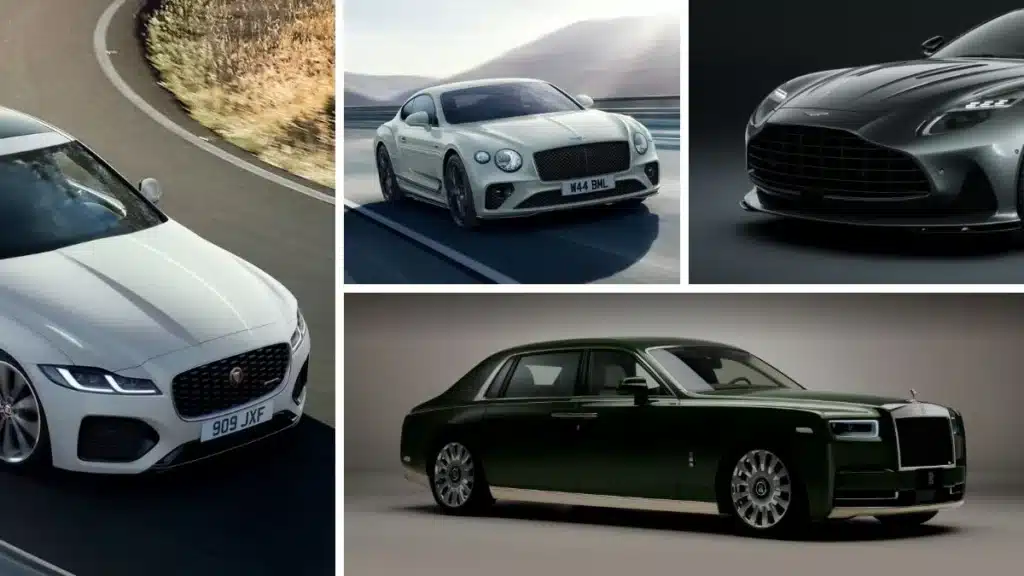
Rolls-Royce remains the quintessential benchmark for ultra-luxury motoring. Known for its iconic Spirit of Ecstasy emblem and whisper-quiet cabins, the brand produces statement models like the Phantom, Ghost, Cullinan SUV, and all-electric Spectre coupe.
Signature Traits: Starlight headliners, hand-stitched leather interiors, air-carpet suspension rides.
Best For: Buyers seeking absolute prestige, custom artisan tailoring, and silent comfort.
2. Bentley Motors
Bentley balances opulent British craftsmanship with effortless grand touring performance. Models like the Continental GT, Flying Spur, and Bentayga SUV combine handcrafted wood veneers with twin-turbocharged engines and plug-in hybrid options.
Signature Traits: Diamond-in-diamond interior quilting, powerful W12 and V8 engines, rich heritage.
Best For: Drivers who want high-speed long-distance capability wrapped in traditional hand-finished luxury.
Tier 2: Performance-Focused Luxury Brands
For enthusiast drivers, performance luxury automobile brands place track-capable acceleration and precise chassis dynamics alongside upscale cabin appointments.
1. Porsche
Porsche continues to lead the sport-luxury segment by offering exceptional build quality combined with world-class handling. The lineup spans from the iconic 911 sportscar to practical performance models like the Taycan EV, Panamera sedan, and Cayenne SUV.
Signature Traits: Driver-focused ergonomics, engineering precision, strong resale value retention.
Best For: Driving enthusiasts who require daily usability alongside sports car handling.
2. Aston Martin
Combining aggressive styling with British racing heritage, Aston Martin manufactures striking grand tourers like the DB12, Vantage, and DBX luxury performance SUV.
Signature Traits: Sculpted exterior proportions, intoxicating exhaust notes, athletic chassis tuning.
Best For: Buyers looking for exclusive, head-turning GT cars with distinct exotic flair.
Tier 3: Core Executive Premium Automakers
The core top luxury car brands represent the foundation of the global market. These manufacturers offer comprehensive vehicle portfolios, ranging from compact executive sedans to full-size luxury SUVs.
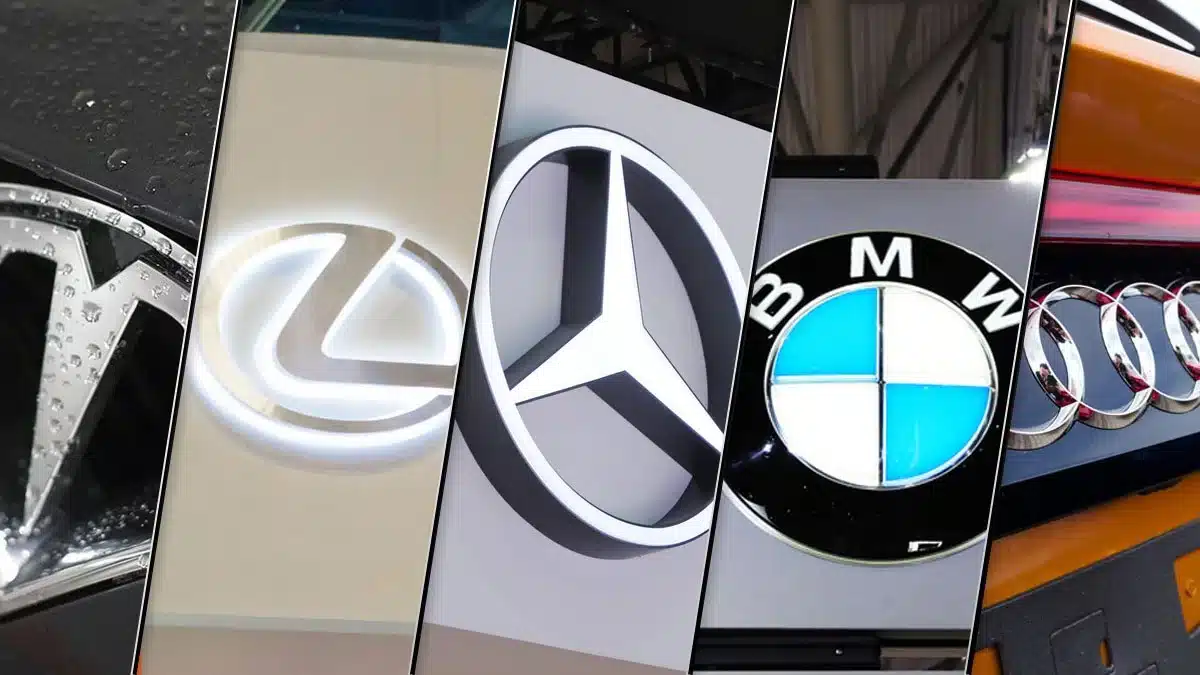
1. Mercedes-Benz & Mercedes-Maybach
Mercedes-Benz remains a global standard for automotive innovation, safety, and luxury comfort. The flagship S-Class sedan and ultra-luxurious Maybach variants showcase advanced autonomous driving tech, active air suspension, and executive seating environments.
Key Strengths: Advanced interior lighting, digital dashboard tech, diverse AMG high-performance trims.
Best For: Buyers who desire traditional automotive prestige paired with state-of-the-art cabin technology.
2. BMW
BMW grounds its product lineup in driving engagement, earning its reputation through responsive steering, balanced chassis design, and strong powertrains. The flagship 7 Series and electric i7 sedans compete directly at the top of the executive class.
Key Strengths: Twin-turbo engine options, intuitive iDrive infotainment systems, agile handling across all model sizes.
Best For: Executives who prefer an engaging driving experience behind the wheel.
3. Audi
Audi defines its luxury approach through minimalist design aesthetics and its signature Quattro all-wheel-drive technology. From the practical A6 and A8 sedans to the high-performance e-tron GT electric sports car, Audi blends digital tech with all-weather confidence.
Key Strengths: Virtual Cockpit displays, clean interior ergonomics, sophisticated LED lighting tech.
Best For: Tech-focused buyers living in climates requiring dependable all-weather capability.
4. Lexus
As the luxury arm of Toyota, Lexus dominates long-term reliability and customer satisfaction rankings. Models like the RX SUV and LS flagship sedan deliver whisper-quiet rides, comfortable seating, and low ongoing ownership costs.
Key Strengths: Industry-leading long-term reliability, low service costs, smooth hybrid powertrains.
Best For: Value-conscious luxury buyers who prioritize long-term peace of mind and resale retention.
Tier 4: Emerging Premium & Electric Innovators
Fresh competition has shifted market expectations, with newer premium car brands introducing elevated value propositions, distinct design philosophies, and advanced electric architectures.
1. Genesis
Hyundai’s luxury division, Genesis, has mounted a rapid rise in prestige rankings. Models like the G90 sedan and GV80 SUV provide elegant interior materials, striking lighting elements, and comprehensive standard equipment at competitive price points.
Key Strengths: Comprehensive standard equipment, industry-leading warranty coverage, bold exterior design.
Best For: Smart shoppers looking for maximum feature content per dollar.
2. Lucid Motors
Lucid Motors has carved out a distinct niche in the luxury electric vehicle space with the Lucid Air sedan and Gravity SUV. The brand emphasizes record-setting electric driving range, ultra-fast charging capability, and airy, modern interior architecture.
Key Strengths: Compact drivetrain packaging, extended EV range, spacious passenger cabins.
Best For: Early adopters looking for cutting-edge electric performance and extended range.
2026 Comparison: Leading Luxury Automobile Brands
Comparing key brand attributes helps narrow down which manufacturer best aligns with your driving requirements, budget, and ownership expectations.
| Luxury Brand | Country of Origin | Primary Focus | Key Standout Model | Reliability Rating |
| Rolls-Royce | United Kingdom | Bespoke Ultra-Luxury | Spectre EV / Phantom | High (Bespoke Build) |
| Porsche | Germany | High-Performance Driving | 911 / Taycan | Excellent |
| Mercedes-Benz | Germany | Innovation & Comfort | S-Class / EQS | Above Average |
| BMW | Germany | Driving Dynamics & Tech | 7 Series / i7 | Above Average |
| Lexus | Japan | Reliability & Serenity | RX / LS | Industry Leading |
| Genesis | South Korea | Feature Density & Value | G90 / GV80 | Excellent |
| Audi | Germany | Tech & All-Weather AWD | A8 / e-tron GT | Above Average |
Key Factors to Consider When Choosing a Luxury Brand
Selecting among the best luxury car brands requires evaluating factors beyond initial aesthetic appeal:
Service Experience & Concierge Care: Top luxury automobile brands provide valet pick-up and drop-off service, premium loaner vehicles, and dedicated owner lounges during routine maintenance visits.
Depreciation Curves: While ultra-luxury and niche performance brands retain strong values, high-tech executive sedans depreciate quickly during their first three years. Leasing remains a popular choice for tech-heavy flagship models.
Electrification Strategy: If long-range EV capability is a priority, evaluate brands like Lucid, Porsche, and BMW, which feature advanced high-voltage architectures and fast-charging capability.
Summary
The landscape of luxury car brands in 2026 offers an option for every driving preference. From the bespoke splendor of Rolls-Royce and Bentley to the driving precision of Porsche, the technological authority of Mercedes-Benz, and the bulletproof reliability of Lexus, today’s buyers have access to unprecedented automotive choice.
By identifying your priorities, whether performance, comfort, tech, or long-term value—you can confidently select the luxury vehicle that best fits your lifestyle. For more authoritative automotive buyer guides, vehicle reviews, and luxury market insights, explore our latest updates at turboocruiser.com.
Frequently Asked Questions
What is considered the top overall luxury car brand?
Rolls-Royce is widely recognized as the pinnacle of ultra-luxury automotive manufacturing due to its bespoke customization options, artisan hand-finishing, and unmatched brand prestige.
Which luxury car brand is the most reliable?
Lexus consistently earns the highest reliability ratings across independent automotive quality studies, benefiting from Toyota’s rigorous engineering and quality-control standards.
Is Genesis considered a true luxury car brand?
Yes. Genesis has successfully established itself as a legitimate competitor to traditional German luxury brands by offering high-end interior materials, striking design language, advanced technology, and competitive pricing.
Are electric luxury cars more expensive to maintain than gas models?
Electric luxury vehicles generally require fewer routine mechanical services (such as oil changes or spark plug replacements). However, they can feature higher tire replacement costs due to instant torque and heavier curb weights.