
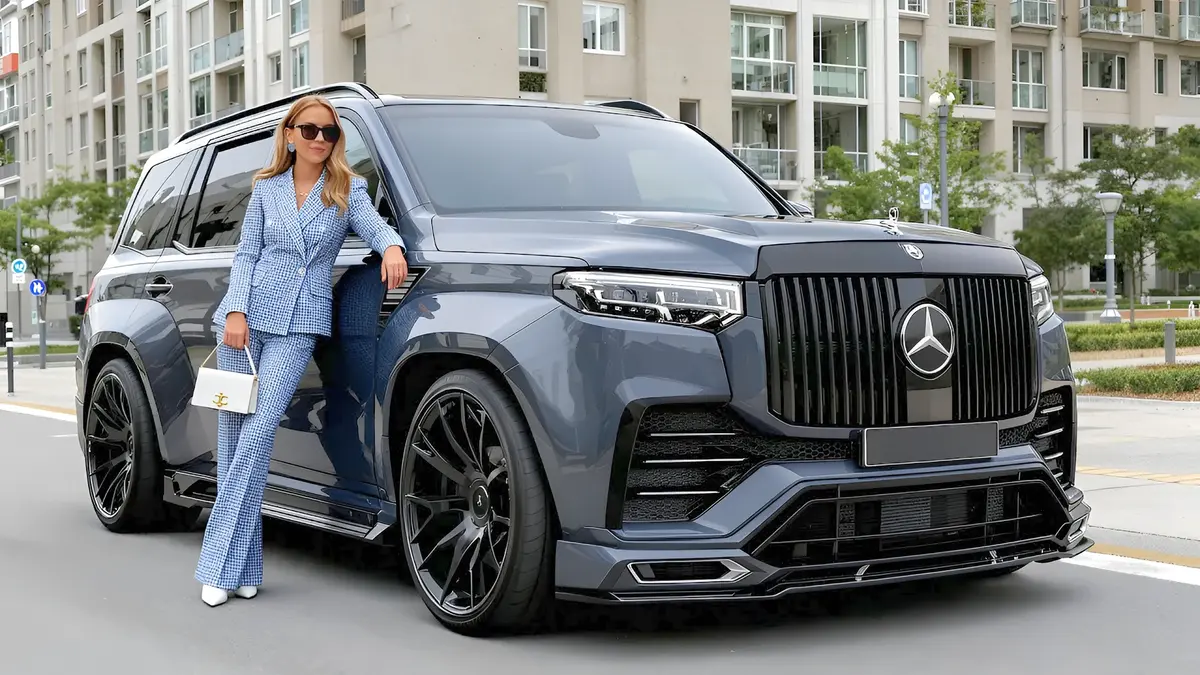
Finding the most reliable luxury suv 2026 has to offer is the top priority for premium buyers who want to avoid frequent trips to the dealership service bay. If you want a vehicle that perfectly blends high-end features with industry-leading durability, the Lexus RX line stands out as the ultimate winner in this competitive market. While alternative European models provide unmatched driving thrills, the legendary engineering behind the Japanese giant ensures it remains the definitive reliable luxury suv that owners trust year after year.
Consequently, investing in a high-end family hauler this year requires examining verified real-world automotive tracking data rather than relying on marketing hype. Smart drivers demand vehicles that protect their family while retaining strong long-term market value. Therefore, this comprehensive guide uses professional luxury suv reliability ratings to break down the most dependable luxury suv options available so you can make a highly informed purchase.
The Champions: Breaking Down the Industry Reliability Leaderboard
Navigating the premium vehicle landscape reveals stark contrasts in mechanical longevity. Different automotive brands take completely opposite paths when prioritizing electronic complexity versus proven engine engineering.
Specifically, the top tier of the reliability market belongs to vehicles that minimize unexpected repair bills while maintaining top-tier cabin comfort. Based on verified quality tracking reports, a select group of premium options stands far above the rest.
Lexus RX & GX: The Gold Standards
A deep dive into the latest luxury suv reliability ratings proves that the Lexus brand continues to dominate the automotive world. The popular Lexus RX scores an impressive 82 out of 100 on the J.D. Power consumer satisfaction metrics, cementing its status as an elite family cruiser.
Furthermore, the rugged Lexus GX 550 achieves an outstanding 8.0 out of 10 longevity rating from independent vehicle durability studies. These excellent scores are driven by the brand’s choice to use highly perfected powertrains and rigorous factory quality control. As a result, owners encounter far fewer unexpected mechanical component failures compared to standard European alternatives.
Genesis GV80: The Rising Contender
The Korean luxury manufacturer continues to shock historic legacy brands by securing elite positions on global quality indexes. The stunning Genesis GV80 earns a remarkable 83 out of 100 reliability score from automotive analysts, matching traditional high-end European standards.
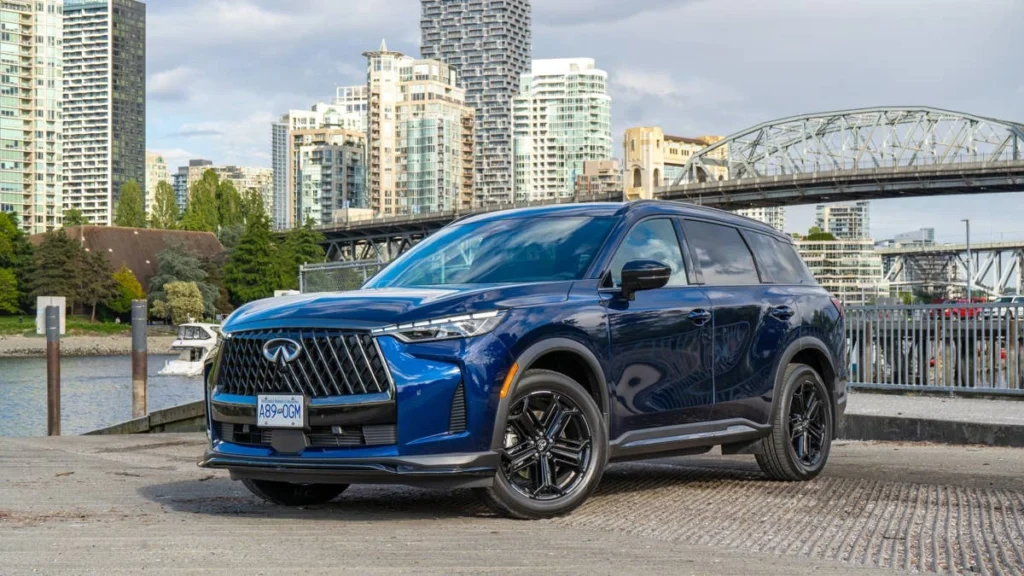
The vehicle pairs a gorgeous, upscale interior with rock-solid mechanical platforms. By simplifying complex electronic architectures and avoiding temperamental suspension components on their main packages, Genesis has successfully built a premium model that keeps its owners highly satisfied over long-term ownership.
Porsche Cayenne: The German Exception
While many high-performance European options suffer from frequent electronic glitches, Porsche proves that sports car dynamics can coexist with genuine build quality. The highly polished Porsche Cayenne secures an 83 out of 100 dependability mark, matching the top tier of its class.
The engineering team utilizes robust electrical systems and exceptionally durable engine blocks that manage extreme stress flawlessly. However, potential shoppers must note that while the Cayenne rarely breaks down, standard maintenance costs remain notably higher than the industry average.
Real Data Comparison: Reliability and Upkeep Metrics
To understand what owning these vehicles actually looks like over time, let us review the real-world maintenance projections and consumer scores based on available industry data.
| Luxury Vehicle Model | J.D. Power Quality Score | Estimated Year 1 Maintenance | 10-Year Estimated Service Cost |
| Lexus RX | 82 / 100 | Estimated $600 | Estimated $8,840 |
| Genesis GV80 | 83 / 100 | Estimated $525 | Estimated $9,836 |
| Porsche Cayenne | 83 / 100 | Estimated $1,230 | Estimated $12,494 |
| BMW X5 | 81 / 100 | Estimated $1,165 | Estimated $19,460 |
What Makes an SUV Dependable?
If you are looking for the absolute best reliable suv 2026 has to offer, you must look past the superficial leather seating and examine how the hidden components are built. True long-term vehicle health relies on specific engineering decisions made during product development.
Powertrain Maturity: Brands that update engines gradually avoid the devastating software bugs and mechanical failures associated with completely unproven designs.
Atmospheric Engine Coolers: High-end models that manage engine temperature efficiently suffer from far fewer blown gaskets and cracked hoses over time.
Streamlined Electronics: Vehicles that retain intuitive physical switches for climate adjustments avoid the constant software reboots that plague all-digital dashboards.
In contrast, brands that rush experimental semi-autonomous driving features or highly complex air suspension setups into every base trim often suffer from disappointing luxury scores. When these intricate components inevitably experience issues down the road, they force owners to deal with massive service invoices.
Long-Term Financial Impact: Depreciation and Upkeep
The true cost of owning a premium vehicle extends far beyond the initial check you sign at the dealership. Depreciation acts as a hidden expense that drains money quietly over time. Fortunately, vehicles that carry elite quality scores hold their value remarkably well on the secondary market.
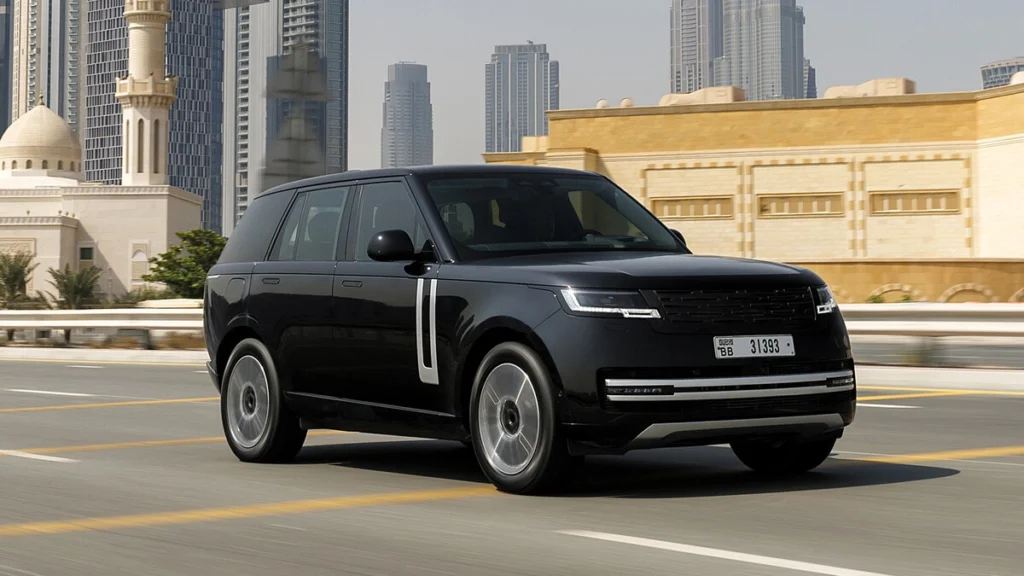
For example, because a used Lexus model is highly coveted by second-hand shoppers, it experiences significantly slower depreciation than its rivals. This strong demand protects your initial investment, allowing you to recover a much higher percentage of your money when it comes time to trade the vehicle in.
Furthermore, look closely at the projected ten-year care costs. A premium German competitor can easily demand nearly double the long-term maintenance investment required by a Japanese or Korean luxury alternative. Choosing a vehicle with a simpler mechanical layout keeps your hard-earned money inside your bank account rather than funding expensive shop labor.
Safety and Technology Integration
A truly most dependable suv must protect your family from road hazards while keeping its advanced safety equipment running flawlessly. The top-ranked vehicles seamlessly integrate active radar and camera arrays into their core infrastructure, avoiding the annoying sensor calibration errors that occur in lower-quality designs. This level of engineering consistency is exactly what separates the safest luxury cars from the rest of the premium market.
The Lexus safety architecture earns widespread praise for its highly consistent blind-spot monitoring and rear cross-traffic prevention systems. Similarly, the Genesis camera system offers crisp, high-definition parking views that remain operational in sub-zero winter temperatures, showing excellent component durability. This means your safety tech stays active exactly when you need it most.
Final Verdict: The Smartest Premium Investment
Ultimately, buying a vehicle from this elite list means you are prioritizing long-term peace of mind over temporary automotive trends. If you want maximum performance thrills alongside solid build quality, investing in a Porsche model delivers an extraordinary experience. If you want cutting-edge style paired with an incredible factory warranty protection plan, the Genesis option makes a highly compelling argument.
However, for the smartest overall financial move, the Lexus RX remains the reigning titleholder in this segment. It combines a smooth ride, highly predictable maintenance requirements, and unmatched resale value into a single family package. It is officially the safest, most logical option for your garage this year.
For more deep-dive automotive longevity analysis, real-world ownership data reports, and premium vehicle tracking updates, make sure to visit our primary automotive portal over at turboocruiser.com to stay ahead of the curve.
Frequently Asked Questions (FAQs)
Which luxury SUV brand has the lowest overall repair costs?
Lexus regularly claims the lowest long-term maintenance and repair costs in the premium sector. Their standard parts share mechanical similarities with global parent-brand platforms, making them significantly cheaper to source and install than specialized European components.
Does an electric premium SUV require less maintenance?
Yes, electric premium models generally require less routine mechanical maintenance because they eliminate standard engine oil changes, spark plugs, and complex multi-gear transmissions. However, their complex software systems and specialized battery cooling loops can still require specialized dealer attention.
How long does a standard Genesis factory warranty last?
Genesis protects its new vehicle buyers with an industry-best 10-year or 100,000-mile powertrain warranty plan. This lengthy coverage easily beats the traditional 4-year or 50,000-mile limits offered by the vast majority of legacy German brands.
Why do European luxury SUVs depreciate so quickly?
Many high-end European SUVs depreciate rapidly due to the high cost of out-of-warranty mechanical repairs. Secondary market buyers are often hesitant to take on the risk of expensive electronic or air suspension issues, driving used values down.
Are hybrid premium SUVs as reliable as gas-only models?
Yes, modern hybrid systems from experienced manufacturers like Lexus have proven to be exceptionally reliable over long-term use. The electric motor actually reduces wear on the gas engine by taking over during heavy acceleration, helping extend the overall life of the vehicle.