
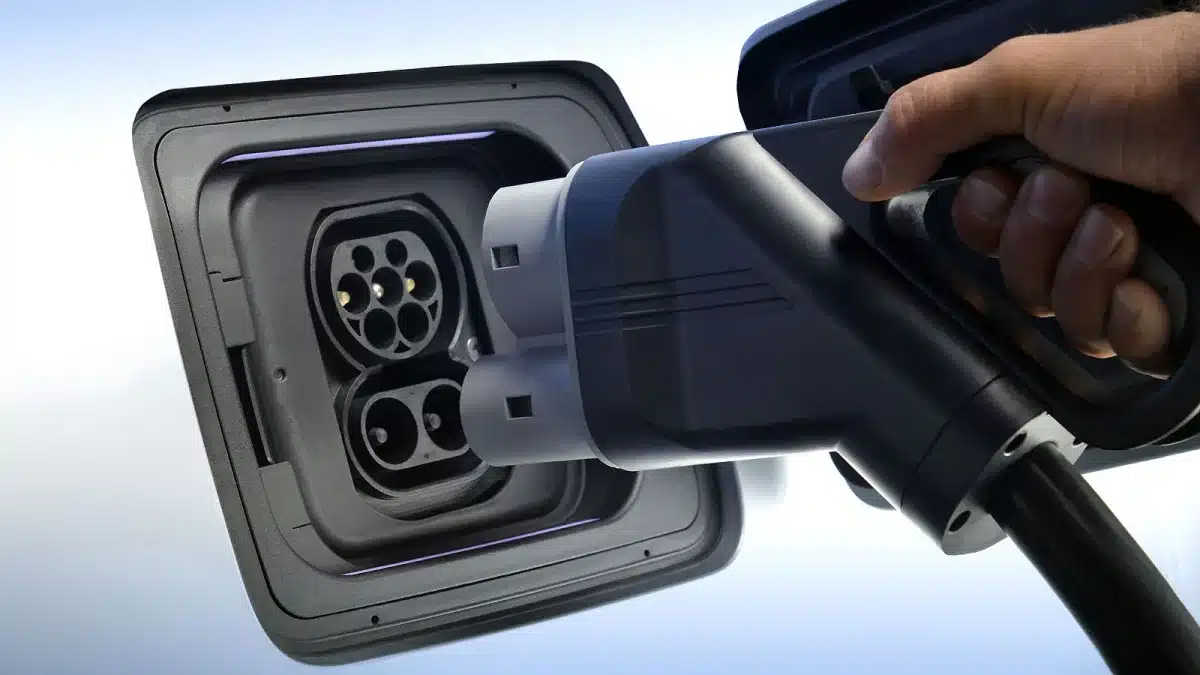
The global electric vehicle infrastructure is expanding rapidly, driving an intense technical debate over how to efficiently replenish vehicle energy. For this reason, automotive engineers, fleet operators, and daily drivers are closely evaluating the core mechanics of battery swapping vs charging. The global electric vehicle infrastructure is expanding rapidly, driving an intense technical debate over how to efficiently replenish vehicle energy.While plug-in ultra-fast chargers are becoming common along highways, modular automated energy exchange systems offer a totally different approach to eliminating range anxiety.
By analyzing the latest breakthroughs in battery swapping 2026 technology, it is clear that the transition away from fossil fuels will not rely on a single solution. In fact, different regions and vehicle classes are adopting completely distinct refueling models. Consequently, if you want to understand the future landscape of green transportation, analyzing the ongoing operational standoff between automated swapping portals and mega-watt plug infrastructure is essential.
Succeeding with either approach requires a massive investment in electrical grid capacity, software automation, and physical real estate. Therefore, this comprehensive industry guide covers the technical differences, structural costs, and market drivers dictating how you will power your next vehicle.
Swap vs Charge EV: The Core Technical Divide
To evaluate the operational efficiency of a swap vs charge ev model, you must analyze how energy enters the vehicle storage cell. Ultra-fast charging infrastructure pushes massive electrical currents directly into a fixed battery pack housed inside the car chassis. On the other hand, an automated swapping setup bypasses the chemical limitations of rapid grid-to-cell transfer by physically replacing the depleted battery with a pre-charged unit.
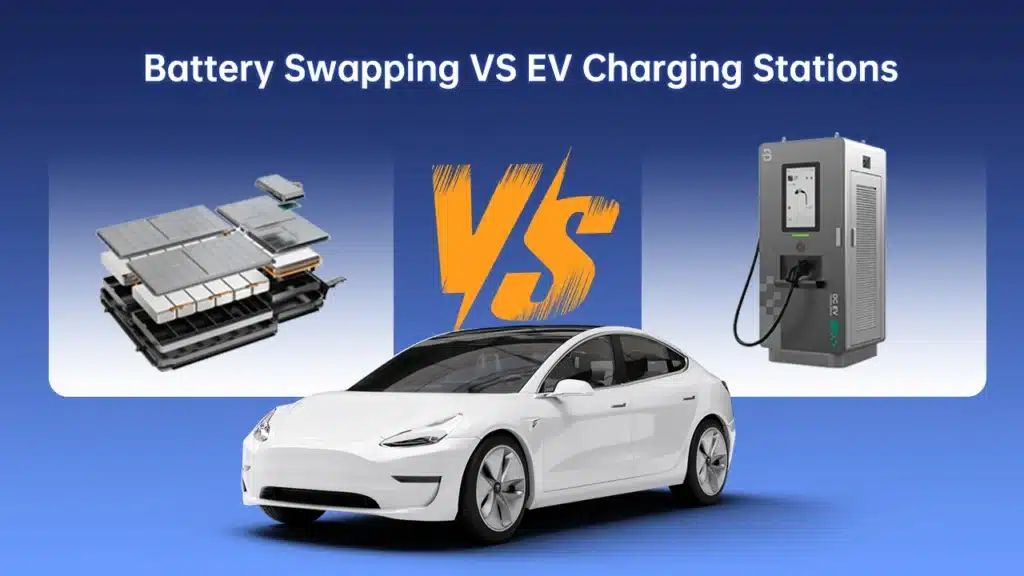
During a typical robotic replacement cycle, a vehicle pulls into a dedicated bay where automated machinery lifts the chassis, unbolts the empty pack, and secures a fully charged replacement. Next, the depleted pack enters an on-site, climate-controlled storage vault to undergo slow, optimized recharging. Ultimately, this decoupled process reduces localized grid strain and takes less than three minutes to complete.
The Thermal Management Challenge
Meanwhile, standard ultra-fast chargers place immense thermal stress on fixed internal battery architectures. Pushing 350 kilowatts or more into a lithium-ion pack generates extreme internal heat signatures. To prevent rapid cell degradation and catastrophic thermal runaway events, complex liquid-cooling systems must work constantly during the plug-in cycle. Thus, standard fast-plugging lines require costly, highly sophisticated vehicle-side cooling tech that robotic swapping bypasses.
Infrastructure and Performance Comparison Matrix
Deploying an energy network requires completely different capital choices depending on whether you focus on plug infrastructure or automated robotic replacement loops. For this purpose, this technical matrix outlines the key performance metrics of modern ev battery swap stations compared to ultra-fast charging plazas.
| Operational Metric | Automated Swapping Station | Ultra-Fast DC Charger (350+ kW) |
| Average Energy Replenishment Time | 2.5 to 5 minutes flat | 15 to 40 minutes to achieve 80% |
| Average Grid Interconnection Draw | Low to Medium (Slow, continuous charging) | High to Extreme (Spike demands during plugs) |
| On-Site Battery Degradation Rates | Minimal (Slow charging protects cell lifespan) | Accelerated (High heat degrades anode material) |
| Initial Facility Capital Cost | High (Requires robotic machinery) | Medium (Requires grid transformers) |
5 Steps to Implementing Next-Generation Infrastructure
Transitioning a regional transportation corridor to support high-speed electric refueling requires a carefully sequenced deployment of hardware and software layers.

Analyzing Industry Standouts: Swapping vs. Fast Plugs
Operating a global energy network means companies must solve complex scalability hurdles. Therefore, analyzing current global infrastructure deployments reveals two entirely different views on future ev charging layouts.

The NIO Battery Swap Blueprint
Chinese premium manufacturer NIO has proven that automated physical pack exchange is highly scalable, executing millions of successful swaps across its vast network. A core element of the nio battery swap ecosystem is separating the cost of the vehicle from the cost of the battery via a model called Battery-as-a-Service (BaaS). Consequently, consumers buy the car at a deep discount and pay a monthly subscription to access the network. This approach removes degradation concerns and keeps vehicles up-to-date with the latest cell chemistries.
The Global Fast Charging Push
Conversely, the majority of Western automakers are pouring billions into high-power plug infrastructure. Platforms operating on advanced 800-volt electrical setups can now recapture 200 miles of range in roughly ten to fifteen minutes. Furthermore, by avoiding the extreme costs of building robotic replacement bays, these companies can deploy charging plugs much faster. This approach bypasses the difficult task of convincing competing automotive brands to agree on a single, standardized battery shape. The rapid scaling of robotic swap networks and 800-volt plug platforms are both products of the same broader wave of automotive technology trends reshaping how manufacturers design vehicles for the electric era.
The Direct Impact on Commercial Fleet Operations
While retail drivers continue to debate both models, commercial logistics networks are moving rapidly toward swapping systems. For instance, heavy-duty shipping trucks, urban taxi fleets, and local delivery vans cannot afford to sit idle next to a plug for 45 minutes. Because a stationary commercial vehicle represents lost revenue, automated exchange portals provide the lightning-fast turnaround times needed to keep industrial delivery fleets moving constantly.
Conclusion
To summarize, the competitive race between battery swapping vs charging is evolving into a split market where both technologies serve distinct needs. By evaluating how these systems manage energy transfer, we can see that automated swapping excels at providing ultra-fast turnaround times for urban fleets and subscription buyers. Meanwhile, ultra-fast plug networks provide the broad, cross-brand flexibility required for general highway travel. As a result, both infrastructures will continue to expand in parallel to support the global electric mobility market.
For automotive industry analysts, cleantech investors, and EV drivers looking to track the evolving mechanics of modern transport, keeping pace with these infrastructure changes is essential. If you are ready to explore next-generation battery technologies, read deep-dives into electric hypercar performance, or analyze the latest luxury automotive software updates, visit Turboocruiser to discover practical guides built to track the future of driving from the ground up.
Frequently Asked Questions
Does the robotic battery swapping process damage the vehicle’s undercarriage over time?
Automotive platforms built for automated exchange use high-strength locking mechanisms designed to handle thousands of unbolting cycles without experiencing structural wear. Furthermore, the laser-guided positioning systems inside the bay ensure that the robotic tools apply exact torque specifications every time.
Why haven’t Western EV manufacturers adopted the nio battery swap model?
Western brands have struggled to implement swapping primarily due to a lack of structural battery standardization across the industry. Because competing manufacturers utilize completely unique chassis dimensions, module shapes, and cooling setups, building a single station that fits every brand is incredibly difficult.
Is ultra-fast DC charging harmful to long-term battery health?
Repeatedly using ultra-fast high-power chargers increases internal cell temperatures and accelerates the growth of performance-robbing crystalline structures inside the pack. Therefore, to preserve total battery life, engineers recommend utilizing slower alternating-current charging for daily use and saving ultra-fast plugs for long road trips.
How do ev battery swap stations handle a defective or damaged pack?
When an empty battery enters the station’s internal storage vault, automated testing systems immediately check its chemical health and electrical resistance. If the software flags a defective module, that specific pack is pulled from circulation and locked in a fire-isolated zone for manual inspection.