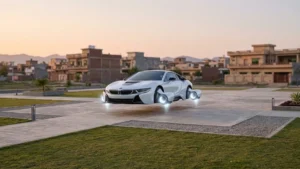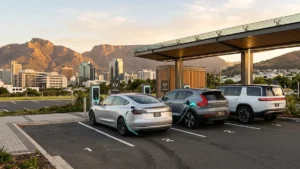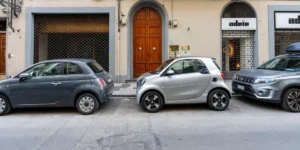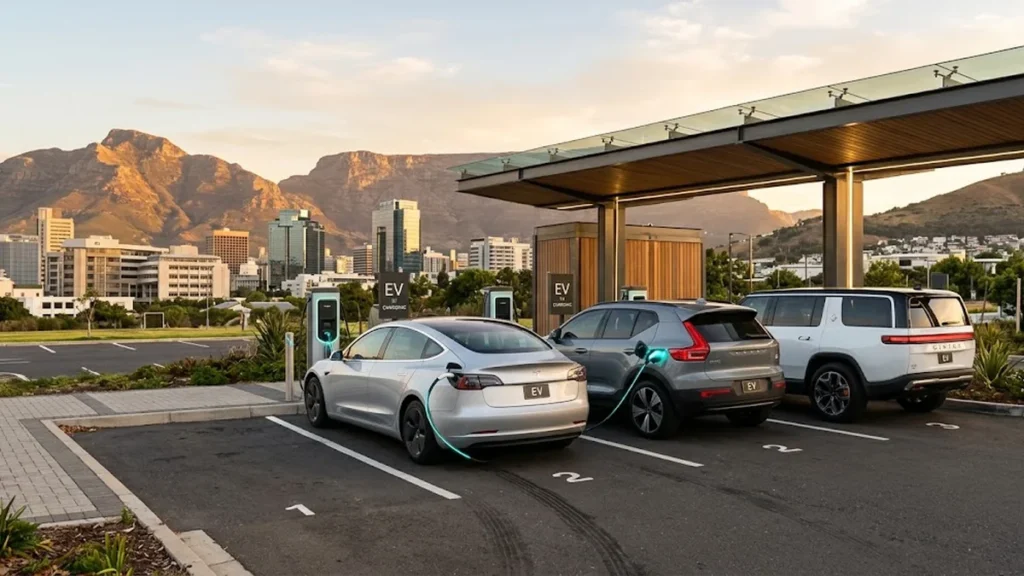
Electric cars in 2026 offer buyers more variety than ever, with compact city cars, family SUVs, performance sedans, and premium electric vehicles competing for attention. Better battery technology, improved charging capabilities, and expanding model lineups are making electric driving a more realistic option for many households.
But choosing an electric car involves more than comparing advertised range figures. Charging access, local service support, purchase price, battery warranty, and the journeys you regularly make can have a greater impact on everyday satisfaction than a headline specification.
The best electric car for 2026 is the one that fits your driving needs, charging arrangements, and budget—not necessarily the model with the longest claimed range.
What Is New About Electric Cars in 2026?
The electric vehicle market continues to evolve across several areas. The precise selection of models, features, prices, and incentives varies by country, so buyers should check the specifications of the exact version sold in their market.
More choice across vehicle types
Electric vehicles are no longer limited to a small group of compact cars and expensive luxury models. Buyers can explore hatchbacks, sedans, crossovers, larger SUVs, and performance-focused vehicles.
This wider selection makes it easier to match an EV to a specific lifestyle, whether the priority is commuting, family space, comfort, or acceleration.
Greater attention to charging speed
Battery capacity is only one part of the charging experience. A vehicle’s maximum charging rate, battery temperature, charging curve, and compatibility with local stations all affect how quickly it can recharge.
Some newer models support higher-power DC fast charging, but the advertised maximum is not maintained throughout an entire charging session.
Improving battery options
Lithium iron phosphate (LFP) batteries are used in many EVs because of their durability characteristics and suitability for frequent charging. Nickel-based battery chemistries are also used, particularly where energy density and vehicle performance are important.
Neither battery type is automatically best for every buyer. Vehicle design, thermal management, warranty terms, and real-world performance matter just as much.
More software and driver-assistance features
Many 2026 electric cars include connected navigation, remote climate controls, smartphone integration, over-the-air software updates, and driver-assistance systems.
Feature availability differs by model and region. Buyers should also distinguish between driver assistance and autonomous driving: most vehicles sold today still require an attentive human driver.
Electric Cars to Consider in 2026
The following models represent different approaches to electric driving. Availability and specifications vary by country and trim level, and the list is not a universal ranking.
Tesla Model 3
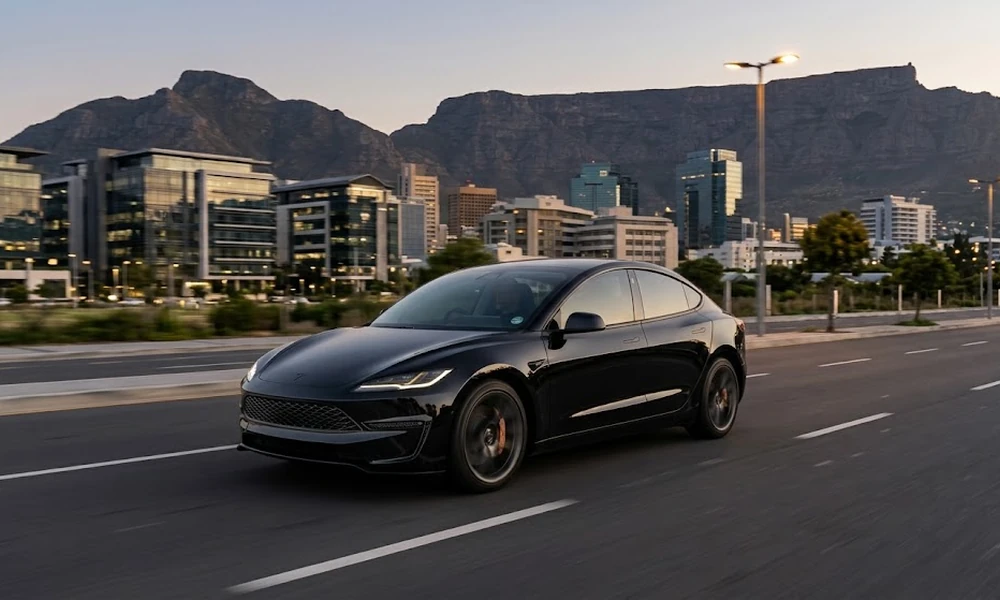
The Tesla Model 3 is an electric sedan aimed at drivers who want efficient daily transportation with responsive acceleration and access to a connected vehicle ecosystem.
Its appeal includes a minimalist cabin, software-based features, and a design focused on aerodynamic efficiency. Before buying, check local charging access, service availability, and the equipment included in the particular version.
Best suited to: Commuters and drivers who prefer an electric sedan.
Tesla Model Y
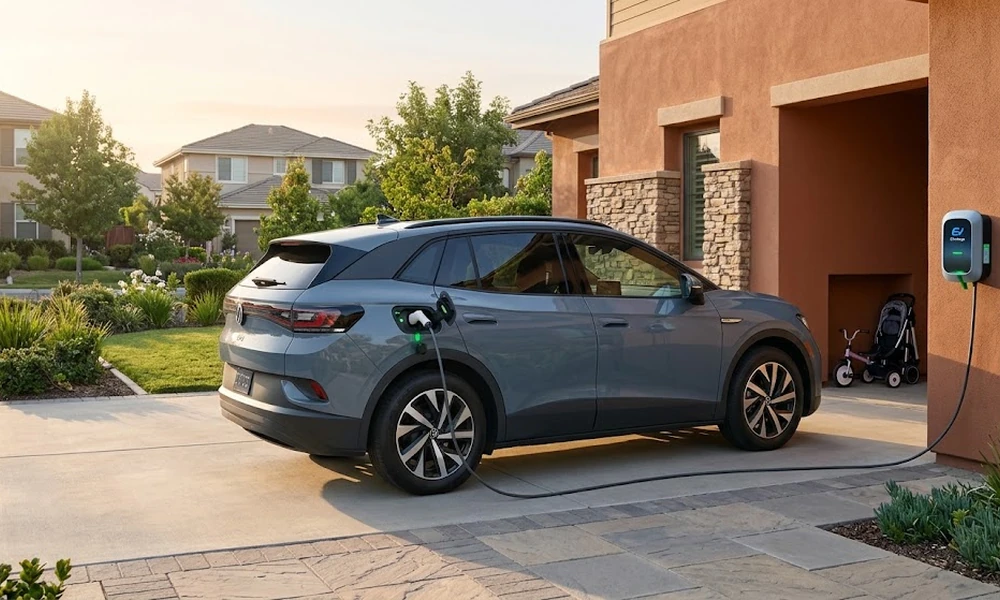
The Tesla Model Y combines an electric powertrain with a higher-riding body and practical cargo space. It is often considered by households looking for one vehicle to handle commuting, shopping, and family trips.
Its suitability depends on the space available in your parking area, local pricing, ride comfort, and charging options.
Best suited to: Families and drivers who want an electric crossover.
Hyundai IONIQ 5
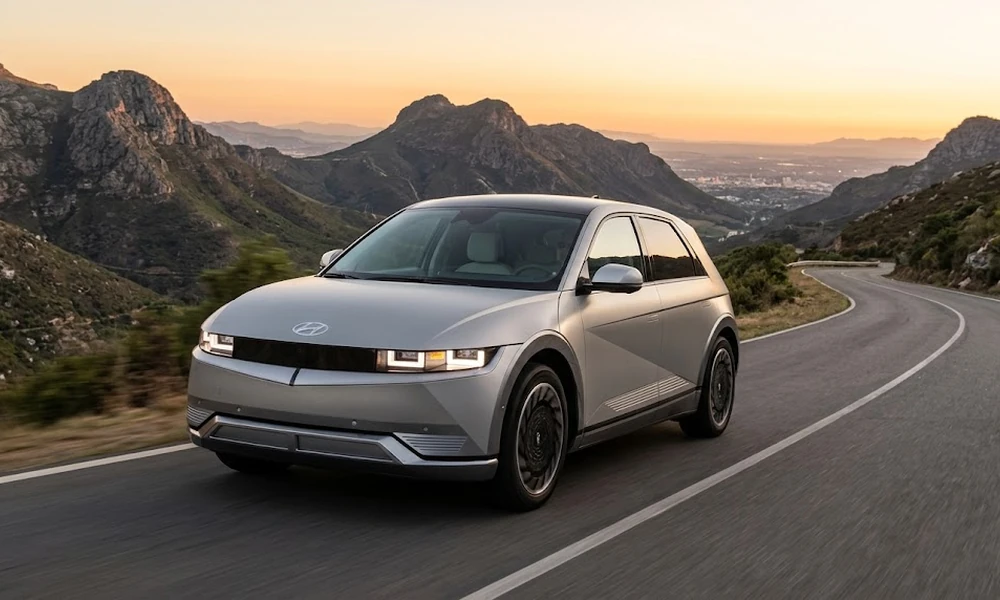
The Hyundai IONIQ 5 is a distinctive electric crossover with a spacious cabin and a design built around a dedicated electric platform.
Depending on the version, it offers different battery capacities, performance levels, and charging capabilities. Buyers should confirm the charging connector and compatible fast-charging infrastructure in their country.
Best suited to: Buyers who value interior space, distinctive styling, and road-trip flexibility.
Kia EV6
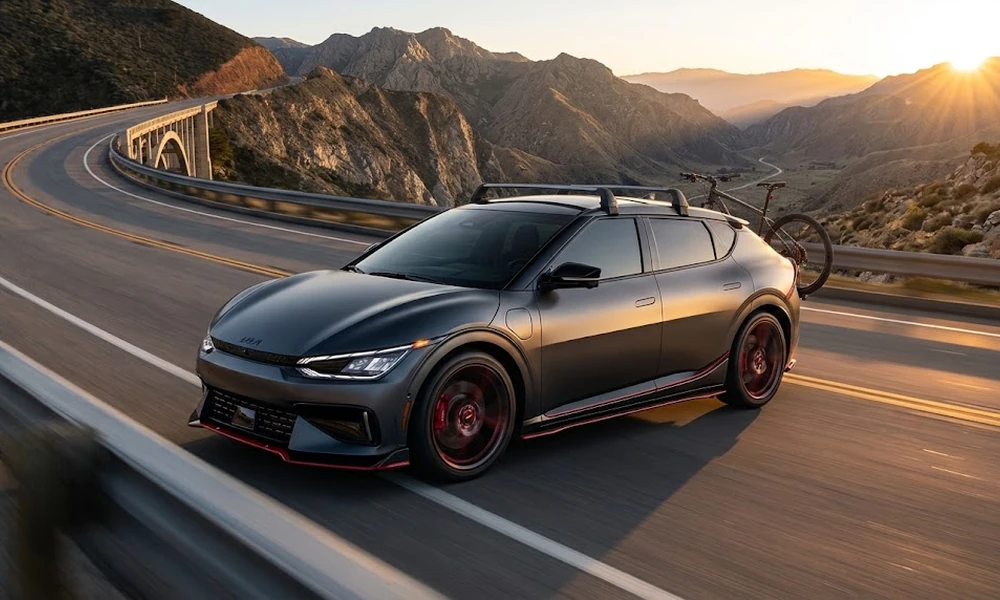
The Kia EV6 combines sporty styling with the practicality of a five-door electric vehicle. Depending on its configuration, it can prioritize efficiency, everyday usability, or higher performance.
Its rapid-charging capability on compatible infrastructure can be useful for longer journeys, although actual charging times depend on conditions and the charging station.
Best suited to: Drivers who want a sportier electric vehicle without giving up everyday practicality.
BYD Atto 3
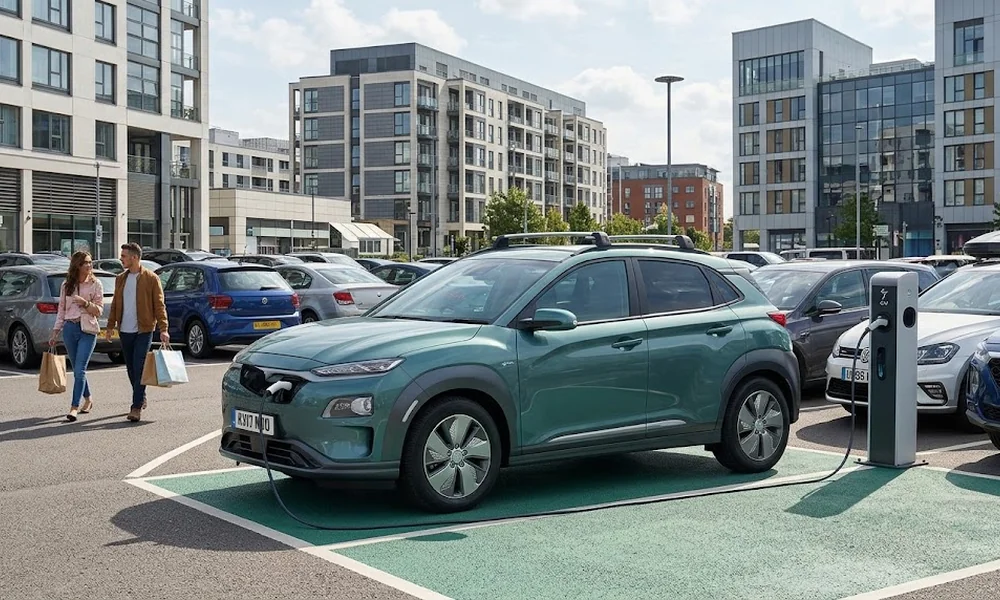
The BYD Atto 3 is a compact electric SUV that has attracted attention in several international markets. Its appeal includes a crossover body, a technology-focused cabin, and a battery system designed for everyday use.
The exact battery, range, warranty, and included equipment should be checked against the local model specification.
Best suited to: Buyers considering a compact family EV, particularly in markets where BYD has established sales and service support.
BYD Seal
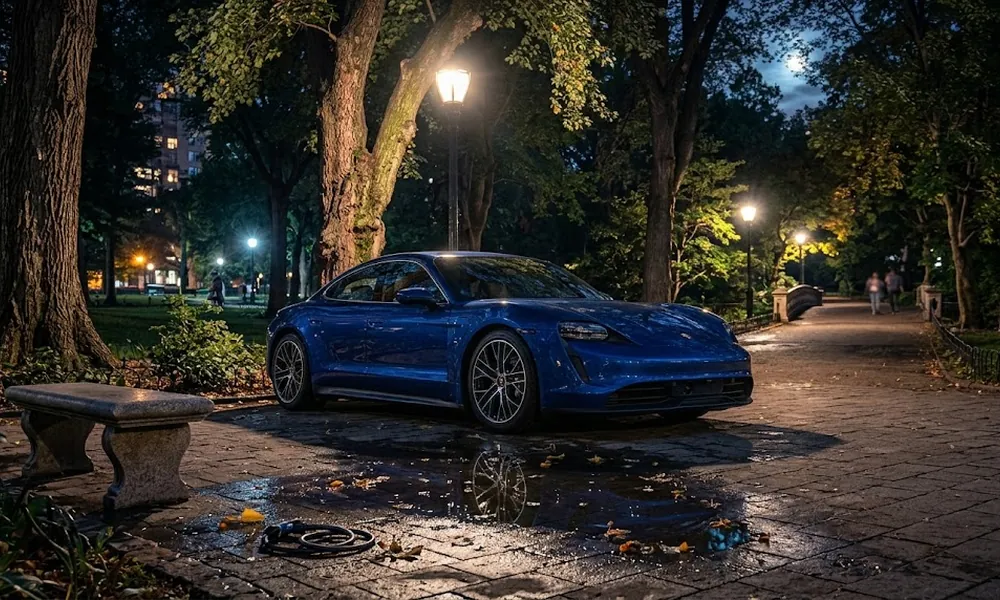
The BYD Seal is an electric sedan designed to compete in the more premium part of the mainstream EV market. It offers a sleek profile and versions focused on different combinations of range and performance.
For buyers comparing electric sedans, the most useful factors include rear-seat space, comfort, charging speed, warranty coverage, and the cost of servicing.
Best suited to: Drivers who prefer a modern electric sedan with a more performance-oriented design.
BMW i4
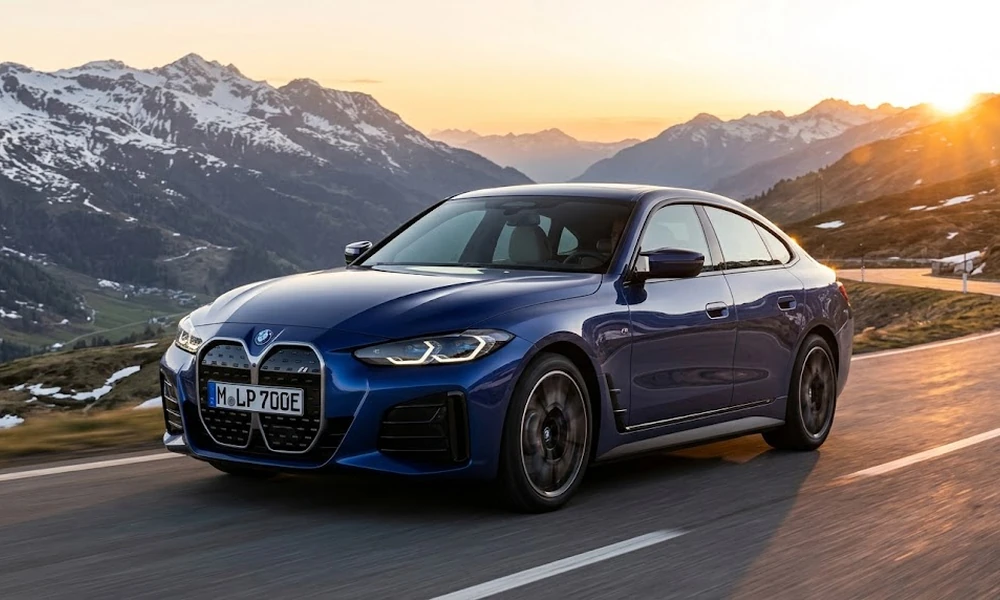
The BMW i4 brings the familiar proportions and driving-focused character of a premium sedan to an electric powertrain.
It may appeal to drivers who want a more traditional luxury-car experience rather than a cabin that looks radically different from a conventional vehicle. Trim levels and equipment can significantly affect its price and performance.
Best suited to: Buyers who prioritize premium materials, driving dynamics, and established luxury-car styling.
Kia EV9
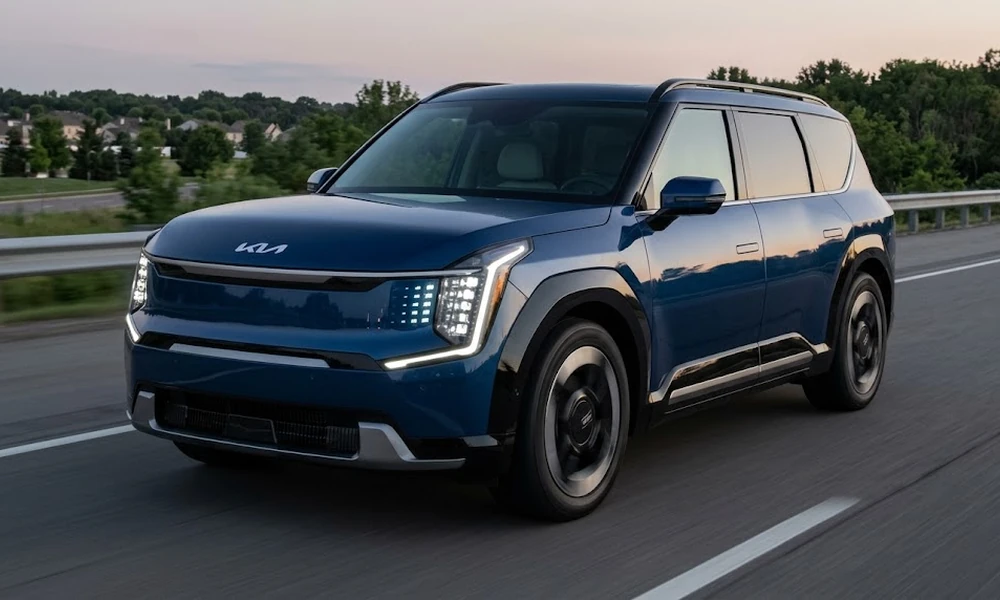
The Kia EV9 is a larger electric SUV designed for buyers who need more passenger room than a typical compact crossover provides.
Its size, available seating configurations, and substantial battery make it worth considering for larger households. However, its purchase price, parking footprint, and energy use may be less suitable for drivers who mainly travel alone in crowded urban areas.
Best suited to: Families who need a larger electric SUV and have reliable charging access.
How Much Do Electric Cars Cost in 2026?
Electric-car prices vary significantly according to the country, vehicle size, battery capacity, import duties, taxes, and manufacturer positioning.
A small electric city car may cost substantially less than a premium SUV with a larger battery and more powerful motors. In some markets, government incentives can also affect the final purchase price.
When comparing options, account for more than the advertised vehicle price:
- Purchase and financing: Include taxes, registration, insurance, and financing charges.
- Home charging: Consider the cost of installing a suitable charger and any electrical upgrades.
- Public charging: Compare local charging rates and membership fees.
- Maintenance: EVs do not need engine oil changes, but tires, brakes, suspension components, and cabin filters still require attention.
- Battery warranty: Check both the time limit and mileage limit, along with the specific coverage conditions.
- Resale value: Local demand, battery condition, software support, and the availability of replacement parts can influence future value.
A cheaper EV may be the better purchase for short urban journeys, while a more expensive vehicle could be justified for frequent long-distance travel or greater passenger and cargo needs.
How Far Can Electric Cars Travel on One Charge?
Range depends on the battery, vehicle efficiency, weather, speed, terrain, and driving style. Two cars with similar battery capacities can deliver different distances because their motors, aerodynamics, weight, and tires differ.
Manufacturer range figures are measured under defined test procedures. Results from different test cycles are not always directly comparable, and real-world driving can produce lower figures.
For example, frequent motorway driving at high speeds can use more energy than slower urban driving. Cold weather may also reduce range because the battery and cabin need energy to reach suitable temperatures. Very hot conditions can increase energy use for cooling.
When comparing models, consider these questions:
- What range does the exact trim claim, and under which test cycle?
- How far do you normally drive in a day?
- Can you charge overnight?
- Where will you recharge on longer routes?
- Is there enough range remaining after accounting for weather and detours?
A car with a moderate range and dependable home charging can be more convenient than a longer-range model that is difficult to charge where you live.
Charging an Electric Car in 2026
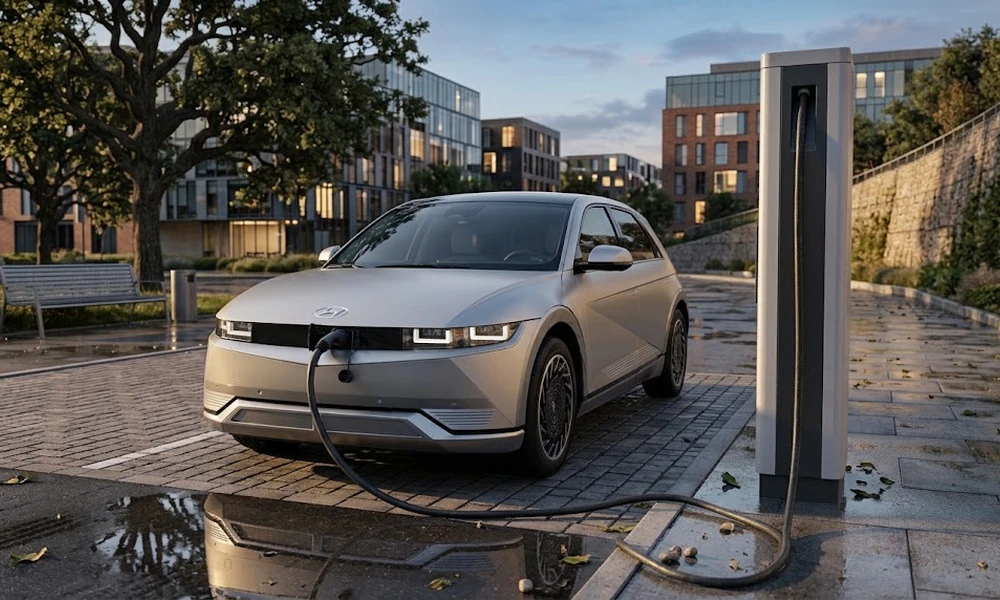
Charging is one of the biggest differences between owning an electric vehicle and a petrol or diesel car.
Home charging
Home charging is often the most convenient arrangement for drivers who have a private parking space and suitable electrical supply.
A dedicated AC charger can replenish the battery while the vehicle is parked overnight. Charging speed depends on the charger’s output, the vehicle’s onboard charger, the electrical installation, and the remaining battery capacity.
Apartment residents may need approval from building management or access to shared charging facilities.
Public AC charging
Public AC chargers are useful when a vehicle remains parked for several hours, such as at workplaces, shopping centres, and hotels.
Their usefulness depends on location, charging availability, pricing, and how long the vehicle will be parked.
DC fast charging
DC fast chargers are designed to add energy more quickly, making them valuable for highway journeys and situations where home charging is unavailable.
Charging speed usually slows as the battery approaches a high state of charge. A manufacturer’s peak charging figure should therefore not be interpreted as the speed maintained from empty to full.
Are Electric Cars Worth Buying in 2026?
An electric car can be a sensible choice when its strengths match your routine.
An EV may suit you if:
- You can charge at home or have reliable charging nearby.
- Most journeys fall comfortably within the vehicle’s practical range.
- Electricity costs compare favourably with your current fuel expenses.
- The brand has accessible service support and a clear warranty.
- You plan to keep the vehicle long enough to benefit from its operating characteristics.
A conventional or hybrid vehicle may be more practical if:
- You regularly travel long distances through areas with limited charging.
- You cannot reliably charge where the car is parked.
- The EV’s purchase price is too high for your budget.
- Repairs, replacement parts, or battery support are difficult to obtain locally.
The decision should reflect your actual driving pattern rather than assumptions that every EV is automatically cheaper or more convenient.
Buying an Electric Car in Pakistan
For buyers in Pakistan, the local ownership experience deserves particular attention. Import costs, model availability, charging infrastructure, electricity tariffs, and after-sales support can differ from those in Europe or North America.
Before booking an electric car, verify the current price with the authorized seller and confirm which model year and trim are being offered.
It is also worth checking:
- Whether an authorized service centre is accessible from your city.
- Whether the battery warranty is valid locally and what it covers.
- Whether a compatible home charger is included or sold separately.
- Which charging stations are available along your regular routes.
- Whether the advertised range is based on a test cycle or real-world estimates.
- What the total on-road price will be after taxes, registration, and other charges.
If you frequently travel between cities, map out charging stops before relying on an EV for those journeys. A vehicle with an impressive claimed range is less useful if reliable charging is unavailable along your route.
Frequently Asked Questions
What are the best electric cars in 2026?
The best choice depends on your budget and needs. Models such as the Tesla Model 3, Tesla Model Y, Hyundai IONIQ 5, Kia EV6, BYD Atto 3, and BMW i4 serve different priorities. Local availability, pricing, warranty, and charging access should determine the final shortlist.
Are electric cars cheaper to maintain?
They can have lower routine maintenance costs because they do not require engine oil changes and typically have fewer moving powertrain parts. However, tires, suspension components, insurance, repairs, and battery-related costs still matter.
How long does an electric car battery last?
Battery life varies with chemistry, temperature, charging habits, mileage, and thermal management. Many manufacturers provide multi-year battery warranties with mileage limits, but buyers should check the terms for the exact model.
Can electric cars be driven on long trips?
Yes, provided the route has suitable charging facilities and the vehicle has enough practical range. Planning stops and allowing for weather, speed, and charging time can make longer journeys more predictable.
Are all electric cars fully electric?
No. A battery-electric vehicle runs on electricity without a petrol engine. Hybrid and plug-in hybrid vehicles also use electric motors but have different powertrain arrangements. They should not be treated as equivalent when comparing range or charging needs.
Should I buy an electric car or a hybrid in 2026?
A fully electric car may suit drivers with convenient charging and predictable daily journeys. A hybrid or plug-in hybrid may be more practical for people who frequently travel long distances or lack dependable charging access. Compare the total ownership cost and your regular routes before deciding.
Final Verdict
Electric cars in 2026 offer more options for different budgets and lifestyles, from compact commuters to premium family SUVs. Yet the most important buying factors remain practical: usable range, charging access, local service support, warranty coverage, and total ownership cost.
Start by understanding how far you drive, where the car will be charged, and which features you genuinely need. Then compare the exact models available in your market rather than relying on international specifications alone.
The right electric car should make everyday travel easier and fit your finances—not simply promise the biggest battery or the longest advertised range.
Disclaimer: This article is provided for general informational and educational purposes only and does not promote or endorse any product, service, brand, or individual. Details may change, and no guarantee is made regarding completeness or accuracy.