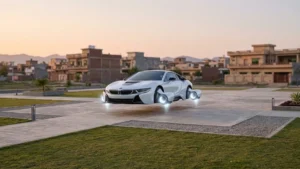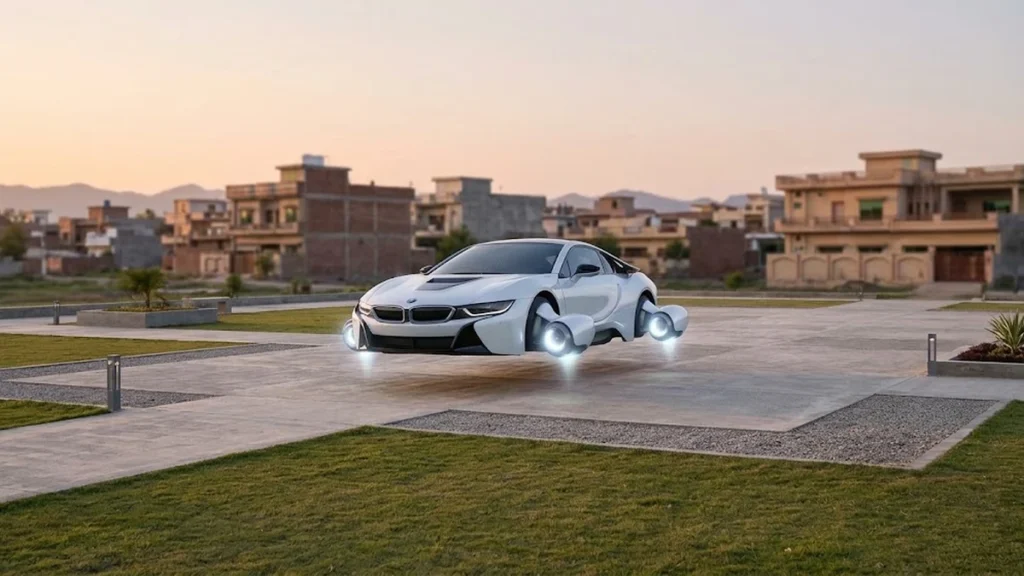
For generations, flying cars have represented a future where traffic jams no longer control how people travel. Instead of spending hours on crowded roads, imagine taking off from a designated landing area and reaching your destination through the air.
That vision is moving beyond science fiction. Engineers and aviation companies are developing vehicles that can fly, electric aircraft designed for short urban journeys, and systems that combine road transportation with flight. However, these technologies are not all the same, and most are still limited by testing, certification, infrastructure, and cost.
Flying cars are becoming a real engineering possibility, but they are not yet a practical, widely available replacement for ordinary cars. Understanding the different designs helps explain what the future of personal transportation may actually look like.
What Are Flying Cars?
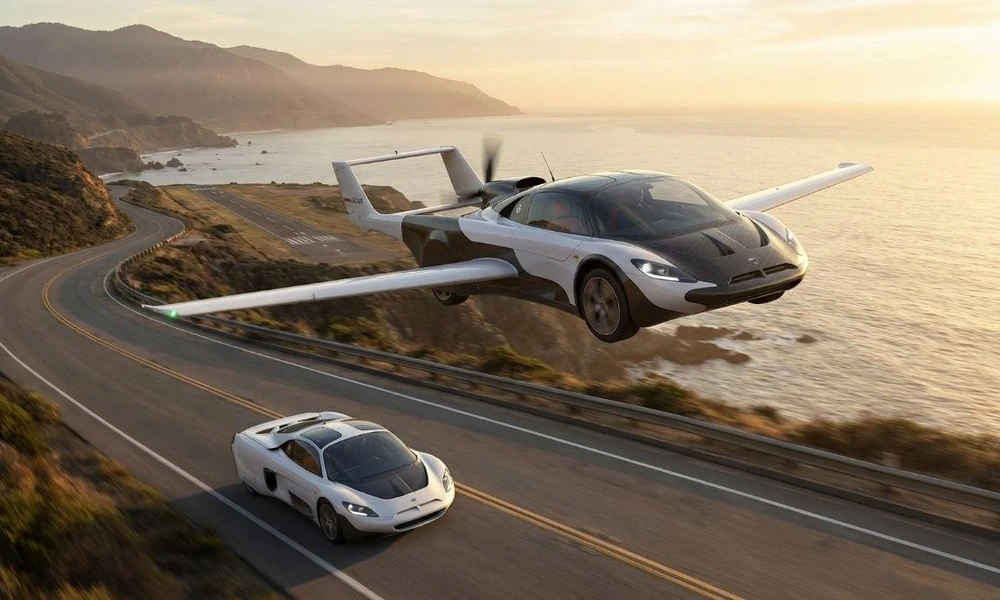
A flying car is generally a vehicle designed to combine some of the convenience of road transportation with the ability to travel through the air. The term covers several technologies, from cars that transform into aircraft to electric aircraft intended to carry passengers between urban locations.
There are two important categories.
Roadable flying cars
A roadable flying car is designed to operate both on roads and in the air. Depending on its design, it may use folding wings, a detachable flight system, or another mechanism that allows it to transition between driving and flying.
The main attraction is flexibility. A driver could theoretically travel on ordinary roads before reaching an appropriate takeoff location.
The challenge is engineering a vehicle that meets road-safety requirements while also satisfying aviation standards. The weight, dimensions, aerodynamics, and mechanical systems needed for flight can make this difficult.
Electric vertical takeoff and landing aircraft
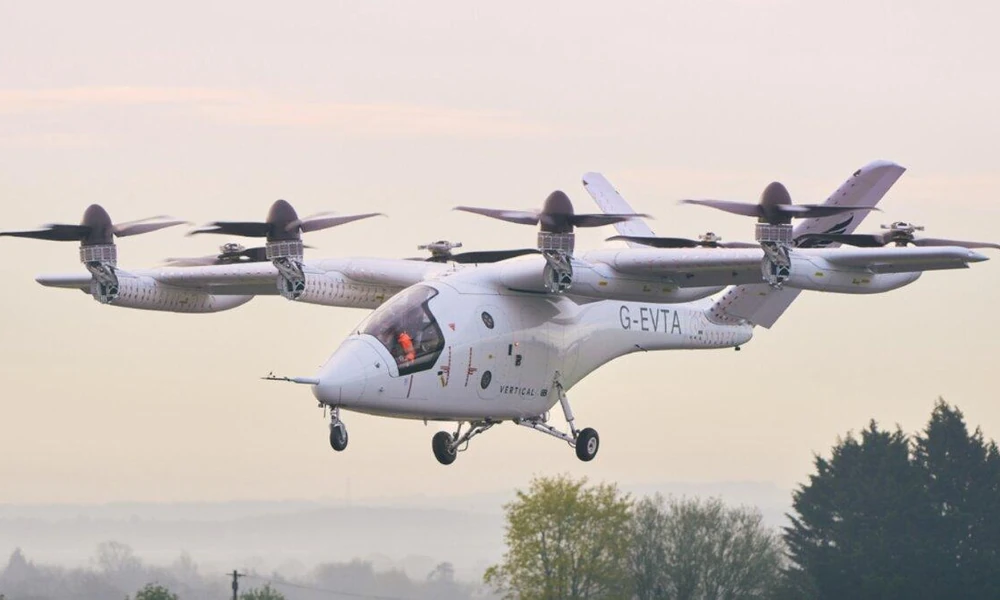
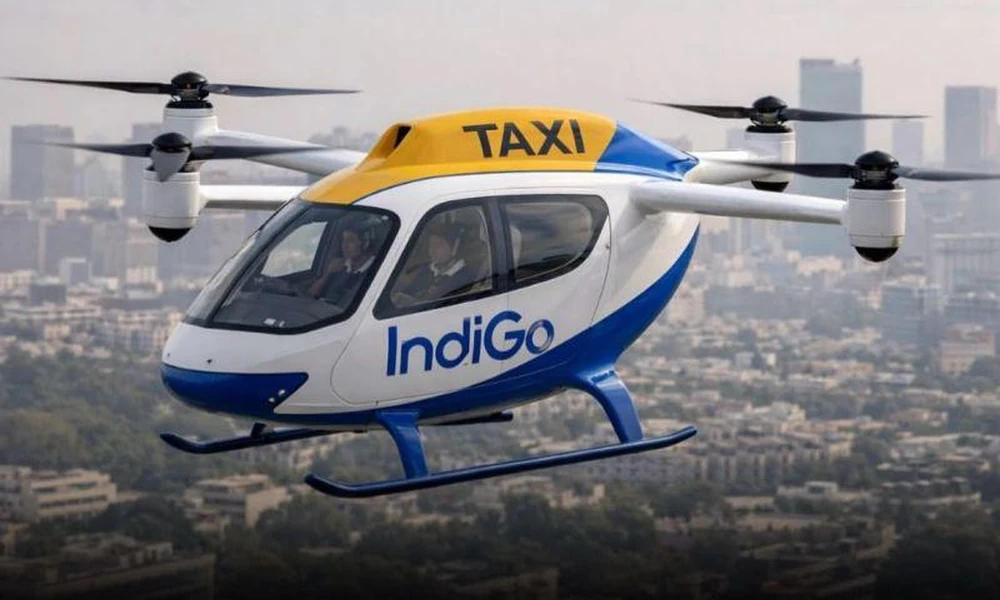
Electric vertical takeoff and landing aircraft, commonly called eVTOLs, use electric propulsion to take off and land vertically.
Many designs resemble compact aircraft with multiple rotors rather than traditional automobiles. They are being developed for potential air-taxi services, airport transfers, and short-distance passenger transportation.
Unlike a roadable flying car, an eVTOL air taxi generally cannot be driven on public roads. It would operate through designated aviation routes and landing facilities.
How Do Flying Cars Work?
The technology depends on the vehicle’s design, but most flying-car concepts rely on a combination of propulsion, flight control, navigation, and safety systems.
1. Propulsion systems
A flying vehicle needs enough thrust or lift to become airborne and remain stable during flight.
Some designs use conventional aircraft engines or rotor systems. Others use electric motors that power multiple propellers. Hybrid-electric concepts combine electric propulsion with another energy source.
Each approach involves trade-offs involving range, payload, noise, efficiency, and maintenance.
2. Wings and rotors
Traditional roadable aircraft may use wings to generate lift during forward flight. These wings can create a practical problem when the vehicle is being driven, so some designs incorporate folding or detachable components.
eVTOL aircraft use rotors or other lift-producing systems to rise vertically. Certain designs transition to wing-supported flight once they reach forward speed, potentially improving efficiency over longer distances.
3. Flight controls and navigation
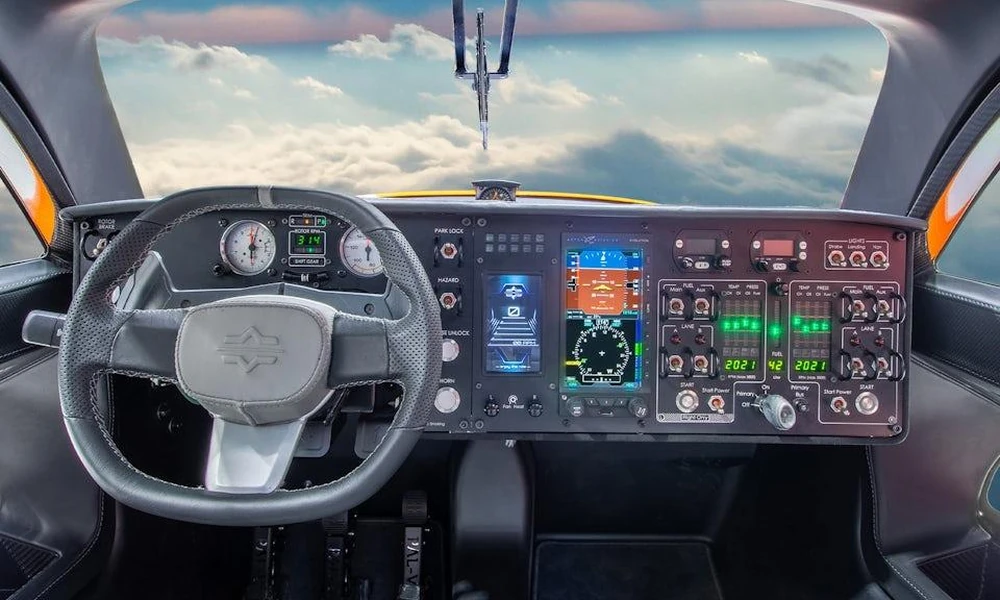
Flying vehicles need systems that monitor their orientation, speed, altitude, and position. Sensors and computerized flight controls can help maintain stability and respond to changing conditions.
Navigation systems also help pilots follow approved routes and avoid hazards. Automation may simplify some operations, but it does not automatically eliminate the need for pilots, regulatory approval, or human oversight.
4. Energy storage
Electric flying vehicles depend heavily on batteries and electric motors. Batteries must provide sufficient power without making the aircraft too heavy.
This creates a major engineering trade-off: increasing battery capacity can improve range, but additional weight also affects performance. Charging time, battery life, weather, and passenger load can influence how practical a vehicle becomes.
Examples of Flying Cars and Air-Taxi Projects
Several companies are working on vehicles that illustrate different approaches to aerial transportation. Their designs and development stages vary, so a prototype, certification milestone, and commercial passenger service should not be treated as equivalent achievements.
| Project | Type | Main idea |
| Alef Model A | Roadable flying-car concept | Designed to combine road driving with vertical flight |
| PAL-V Liberty | Roadable aircraft | Combines road travel with a gyroplane-style flight system |
| XPENG AEROHT Land Aircraft Carrier | Modular road-and-air system | Uses a ground vehicle to transport a separate compact aircraft |
| Joby S4 | Electric air taxi | Designed for short passenger trips with vertical takeoff and landing |
| Archer Midnight | Electric air taxi | Developed for passenger transportation on relatively short routes |
| EHang EH216-S | Autonomous eVTOL aircraft | Designed for short flights without an onboard pilot |
These projects represent different interpretations of the flying-car idea. Some aim to provide personal mobility, while others focus on professionally operated air-taxi services.
Their commercial availability depends on factors such as certification, production capacity, operating permissions, infrastructure, and local regulations. A demonstration flight or limited authorization does not necessarily mean a vehicle is approved for unrestricted passenger use.
How Much Do Flying Cars Cost?
The price of a flying car depends on its design, performance, production volume, and certification requirements.
A specialized roadable aircraft is likely to cost considerably more than an ordinary family car because it combines automotive engineering with aviation systems. Electric air taxis also require expensive aircraft components, maintenance arrangements, and operational infrastructure.
There is no single reliable price for all flying cars.
When evaluating a specific model, buyers should distinguish between an advertised starting price, a refundable or nonrefundable reservation deposit, the expected final purchase price, and the total cost of operating the vehicle.
Additional expenses may include:
- Pilot training and licensing
- Aviation insurance
- Aircraft inspections and maintenance
- Hangar or secure storage
- Charging or fuel
- Landing and airport fees
- Road registration, where applicable
Even if production costs decline, the full ownership expense could remain much higher than that of a conventional car.
Are Flying Cars Safe?
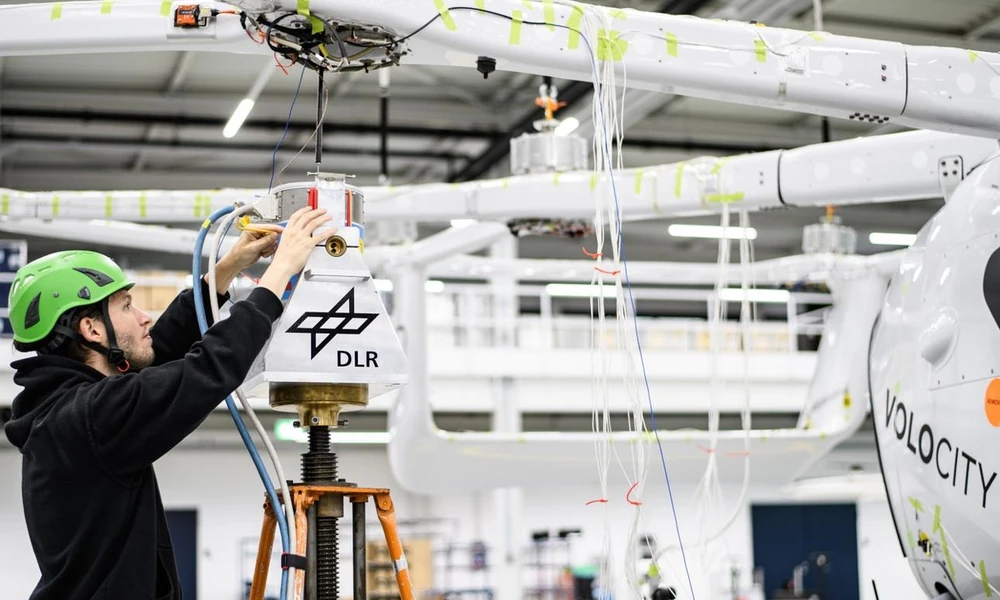
Safety is one of the most important questions surrounding flying cars. A vehicle that operates in the air faces risks that do not exist in the same way for ordinary road vehicles.
An aircraft failure can have serious consequences, particularly over populated areas. Developers therefore need to address propulsion reliability, flight stability, structural strength, emergency procedures, and protection against system failures.
Electric designs may use multiple motors or rotors, allowing certain systems to retain some functionality if another component fails. However, redundancy alone does not guarantee safety.
Flying vehicles must also operate in changing weather conditions and share airspace with other aircraft. Their pilots or automated control systems need to manage routes, landing approaches, obstacles, and emergencies.
Before a vehicle can carry passengers commercially, the relevant aviation authorities must assess the applicable design, operating procedures, and safety evidence. Approval in one country does not automatically authorize operations everywhere.
The Biggest Challenges Facing Flying Cars
The concept is exciting, but several obstacles must be addressed before flying cars become an ordinary part of transportation.
Battery limitations and flight range
Electric aircraft need high power output while keeping their weight low. Current battery technology makes range, payload, and reserve energy important design considerations.
Longer trips may require more energy than short urban flights, making some applications easier to develop than others.
Infrastructure
Flying cars cannot simply take off from any road or land in any parking space.
Roadable aircraft generally need suitable takeoff and landing areas. Air taxis will require approved landing sites, charging facilities, passenger access, maintenance support, and connections to existing transportation networks.
Building this infrastructure will require investment, planning, and coordination with aviation authorities and local communities.
Noise and public acceptance
Multiple rotors and aircraft propulsion systems can produce significant noise. Even electric aircraft, which avoid conventional combustion engines, are not silent.
Frequent flights over residential areas could raise concerns about noise, privacy, and visual disruption. Manufacturers and operators will need to demonstrate that their services can function without creating unacceptable local impacts.
Regulation and pilot requirements
A flying vehicle may fall under aviation regulations even if it can also travel on public roads.
Depending on the design and jurisdiction, owners may need an appropriate driving license, a pilot qualification, aircraft registration, and additional operating approvals. Air-taxi operators face their own requirements.
These rules are essential because flying introduces risks that cannot be managed using ordinary road regulations alone.
Affordability
Early flying vehicles are likely to appeal to a relatively small group of customers or specialized operators. High manufacturing costs, limited production, insurance, training, and maintenance could keep ownership beyond the reach of most households.
For many people, an air-taxi service may prove more practical than owning a personal flying car.
When Will Flying Cars Be Available to the Public?
There is no single launch date for flying cars because different technologies are progressing at different speeds.
Some roadable aircraft have advanced beyond the concept stage, while several eVTOL developers are working through aircraft certification and preparations for limited operations. These milestones do not mean a mass-market flying car is ready for everyday use.
A more realistic progression is likely to involve several stages:
- Testing and certification: Developers demonstrate that individual designs meet applicable safety requirements.
- Limited operations: Approved vehicles begin operating in controlled environments or specific markets.
- Specialized transportation services: Air taxis may serve selected routes where infrastructure and demand support them.
- Broader adoption: Lower costs, reliable operations, better infrastructure, and clearer regulations could eventually expand access.
The timing will vary by country and vehicle type. Claims that flying cars will be common by a particular year should be treated as forecasts rather than guarantees.
Will Flying Cars Replace Ordinary Cars?
Flying cars are unlikely to replace conventional cars completely in the foreseeable future.
Road vehicles remain more practical for most everyday journeys because they can use established roads, park in familiar places, and operate without aviation training. Flying vehicles face additional restrictions involving weather, airspace, landing locations, and operating costs.
Instead, flying cars and air taxis may complement existing transportation. They could eventually help with selected airport transfers, intercity connections, emergency services, or journeys where road travel is particularly slow.
The most successful applications will probably be those where the benefits of flying justify the added expense and complexity.
Frequently Asked Questions
Do flying cars exist today?
Yes. Roadable aircraft and electric vertical takeoff and landing aircraft have been developed and tested. However, their capabilities, certification status, and availability vary. There is not yet a universally available flying car that anyone can simply buy and use without additional requirements.
Can flying cars drive on roads?
Some designs are intended to operate both on roads and in the air. Others are aircraft only and cannot be driven like conventional cars. Road legality depends on the specific vehicle and the regulations in the relevant location.
Are flying cars electric?
Some are electric, particularly many eVTOL air-taxi designs. Other flying-car concepts use conventional or hybrid propulsion systems.
Do you need a pilot’s license to operate a flying car?
That depends on the aircraft, its certification, the type of operation, and local law. Many designs require aviation training and appropriate licensing. Buyers should verify the rules for the exact model and jurisdiction.
Can flying cars avoid traffic jams?
They could bypass road congestion for certain trips, but they would still need approved routes, takeoff and landing locations, and air-traffic coordination. They would not eliminate every transportation bottleneck.
Are flying cars environmentally friendly?
Electric propulsion can eliminate direct exhaust emissions during flight, but overall environmental impact also depends on electricity generation, battery manufacturing, vehicle production, maintenance, and how the aircraft is used.
Will flying cars become affordable?
Prices could fall if production expands and technology improves, but affordability remains uncertain. Ownership costs will include more than the vehicle itself, and air-taxi services may offer a more accessible option for many travelers.
Final Verdict
Flying cars are no longer just an idea from science fiction. Roadable aircraft and electric air taxis demonstrate that engineers are developing several ways to bring aerial transportation closer to everyday life.
Still, technical progress is only one part of the challenge. Safety certification, infrastructure, affordability, environmental impact, and public acceptance will determine how widely these vehicles are used.
The near-term future is more likely to involve carefully regulated air-taxi services and specialized aircraft than a world where every household owns a vehicle that flies. Flying cars may eventually change how people travel, but their success will depend on solving practical problems as well as making flight possible.
Disclaimer: This article is provided for general informational and educational purposes only and does not promote or endorse any product, service, brand, or individual. Details may change, and no guarantee is made regarding completeness or accuracy.