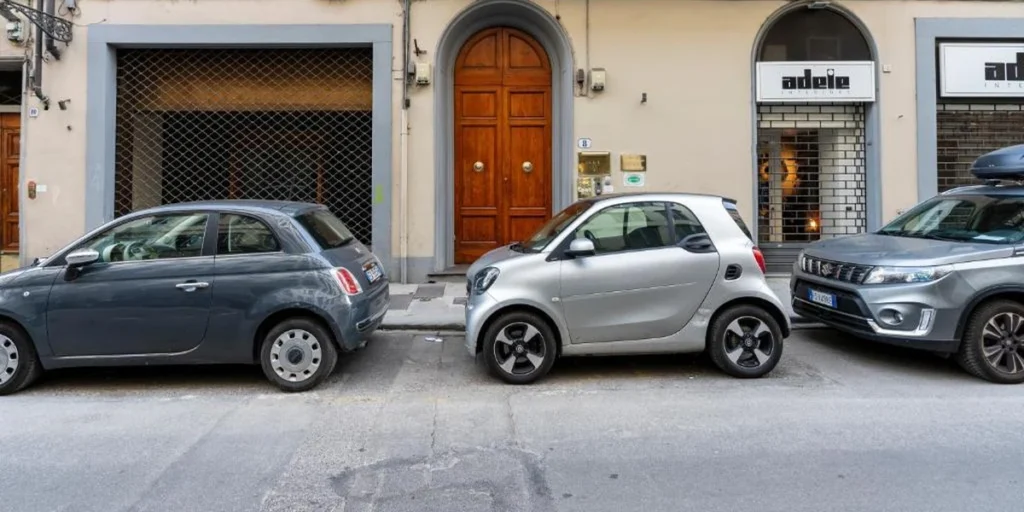
Small cars are ideal for drivers who want a vehicle that is easy to park, simple to maneuver, and practical for everyday journeys. Their compact dimensions make them especially useful in crowded cities, where narrow streets, limited parking spaces, and stop-and-go traffic can turn driving into a challenge.
Modern small cars offer more than basic transportation. Depending on the model, buyers can find advanced safety features, smartphone connectivity, automatic transmissions, hybrid powertrains, and surprisingly spacious interiors.
The best small car depends on your budget, driving environment, passenger needs, and local vehicle availability. Some models prioritize low running costs, while others emphasize comfort, sporty handling, or premium features.
What Is a Small Car?
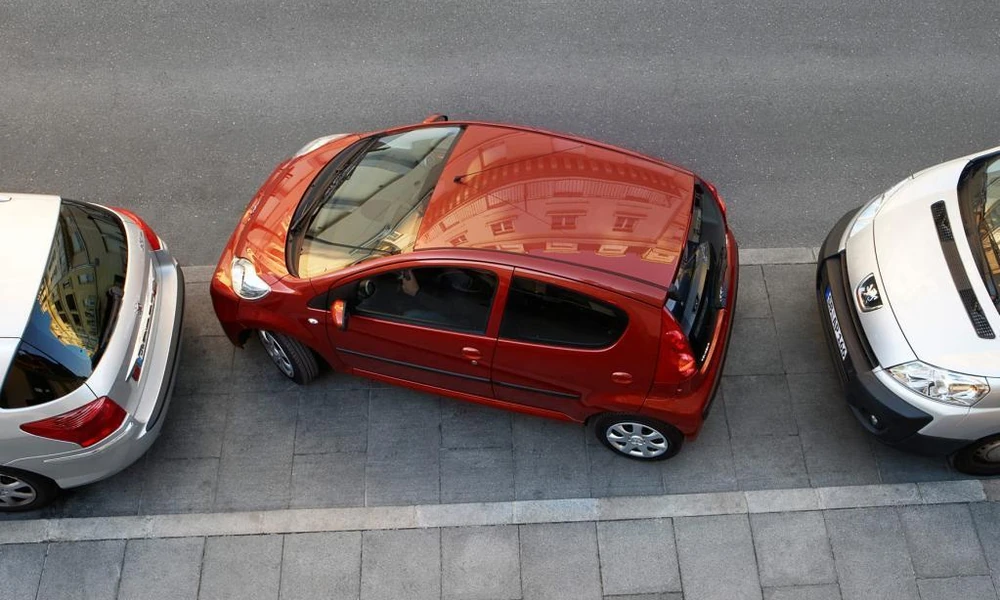
A small car is a vehicle designed with relatively compact exterior dimensions, making it easier to maneuver and park than larger sedans and SUVs.
The category includes hatchbacks, compact sedans, city cars, and some small crossovers. There is no single worldwide size definition, and classifications vary between manufacturers and markets.
Hatchbacks are particularly popular because their rear doors open upward, creating a large cargo opening. Small sedans offer a separate trunk, while city cars focus on compact dimensions for urban travel.
Although small cars often cost less to operate than larger vehicles, fuel consumption, reliability, safety equipment, and maintenance costs depend on the specific model.
15 Popular Small Cars to Consider
1. Toyota Yaris
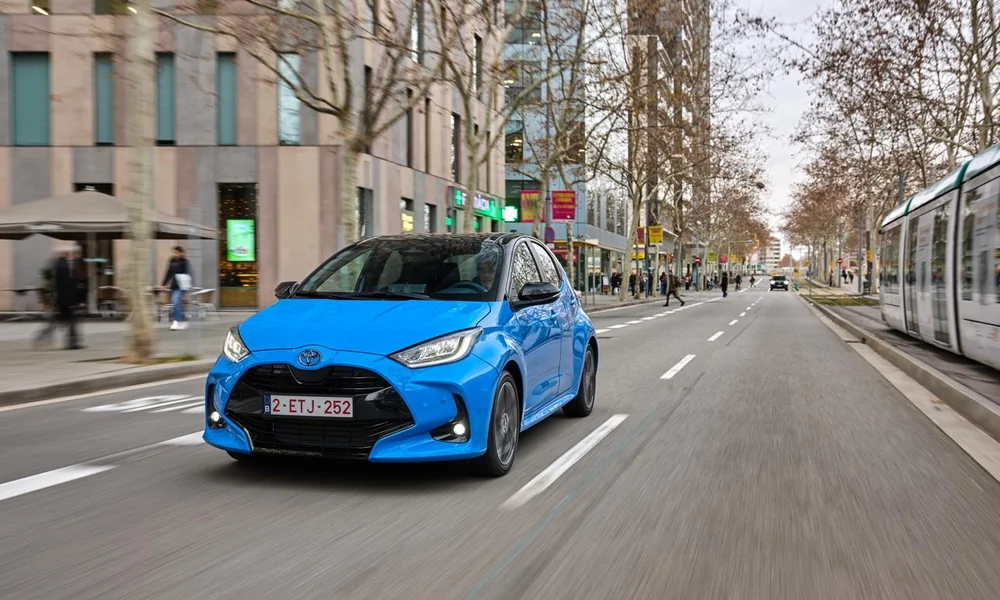
The Toyota Yaris is known for its compact dimensions, practical design, and efficient powertrain options. Depending on the market, it is available as a hatchback or sedan, with hybrid versions offered in selected regions.
Its manageable size makes it convenient for city streets and tight parking spaces. The interior is designed around everyday usability rather than excessive luxury.
The Yaris is particularly worth considering in markets where Toyota has an established service network and spare parts are readily available.
Best for: City driving, daily commuting, and buyers who prioritize practicality.
2. Honda Fit
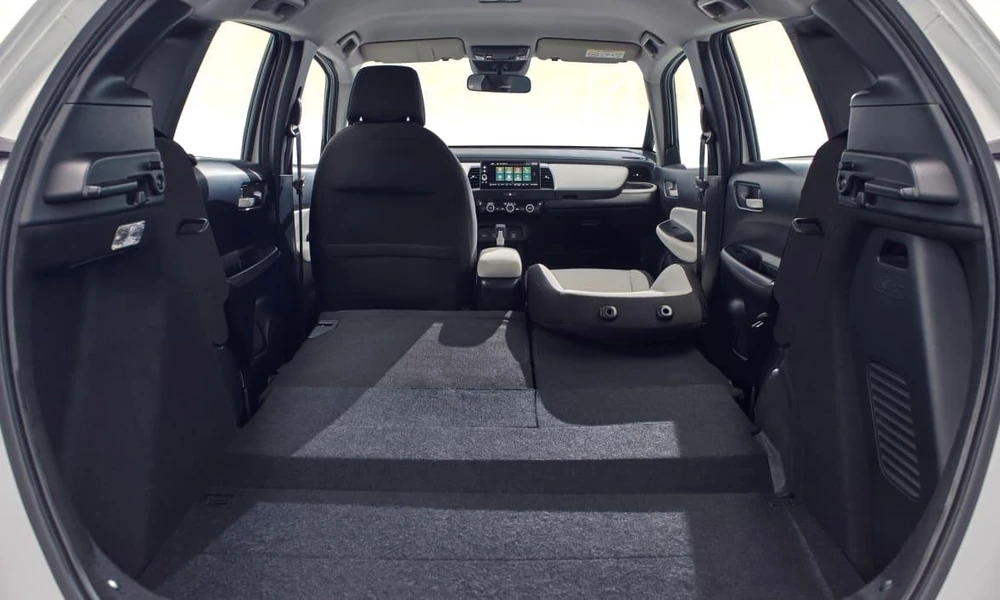
The Honda Fit, also known as the Honda Jazz in some markets, is a small hatchback with a reputation for clever interior packaging.
Its flexible rear seating arrangements help it accommodate passengers and larger items despite its compact exterior. This makes it useful for drivers who need a small car without giving up cargo versatility.
Availability depends on the country and model year, as the Fit is no longer sold new in some markets.
Best for: Drivers who need flexible interior space in a small vehicle.
3. Suzuki Swift
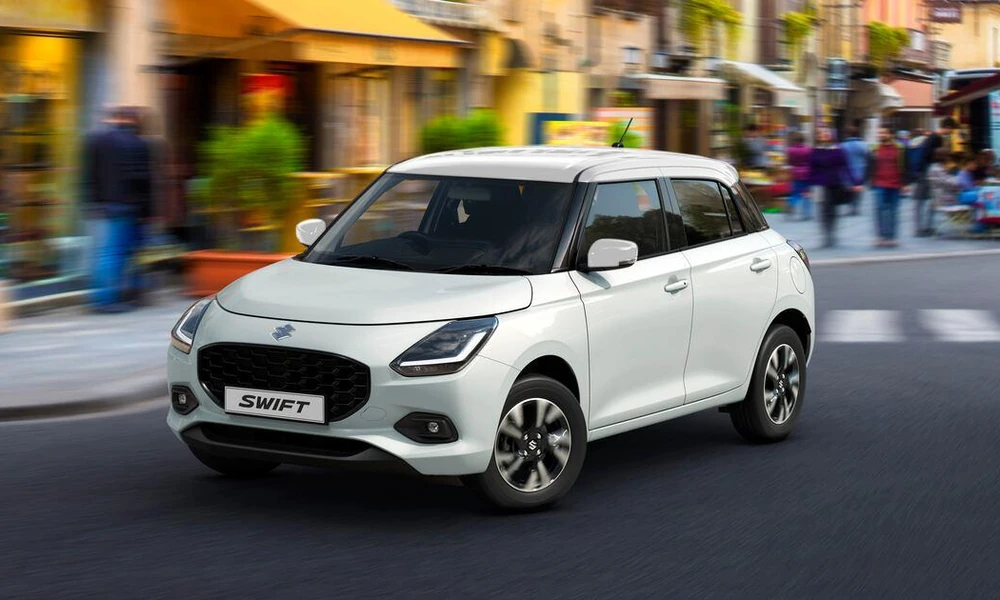
The Suzuki Swift is a lightweight hatchback designed for urban mobility and everyday commuting. Its small footprint makes parking easier, while its compact body can feel more agile than larger vehicles in congested traffic.
Engine choices and equipment vary by generation and market. Some versions emphasize affordability and efficiency, while others offer more technology and comfort features.
The Swift is especially relevant in markets where Suzuki has strong dealer coverage and accessible maintenance services.
Best for: Urban drivers looking for a practical, compact hatchback.
4. Hyundai i10
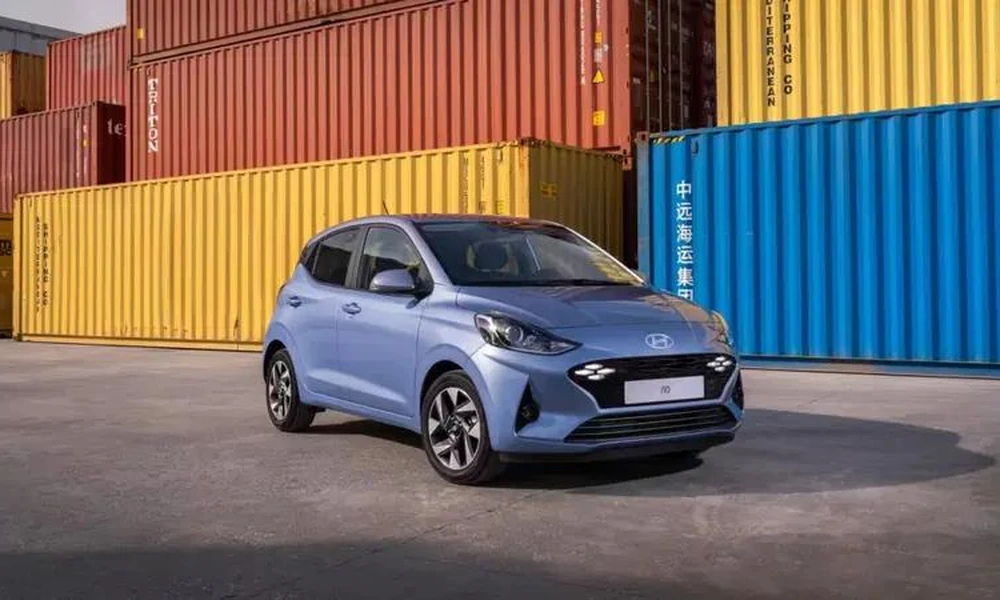
The Hyundai i10 is a city car designed around small dimensions and easy everyday use.
Its compact exterior helps with parking, while the cabin provides space for daily commuting and short trips. Depending on the version, features may include a touchscreen infotainment system, smartphone connectivity, and driver-assistance technology.
Because it is a small city car, rear-seat space and luggage capacity are more limited than in larger hatchbacks.
Best for: City commuters and drivers who rarely need to carry large loads.
5. Kia Picanto
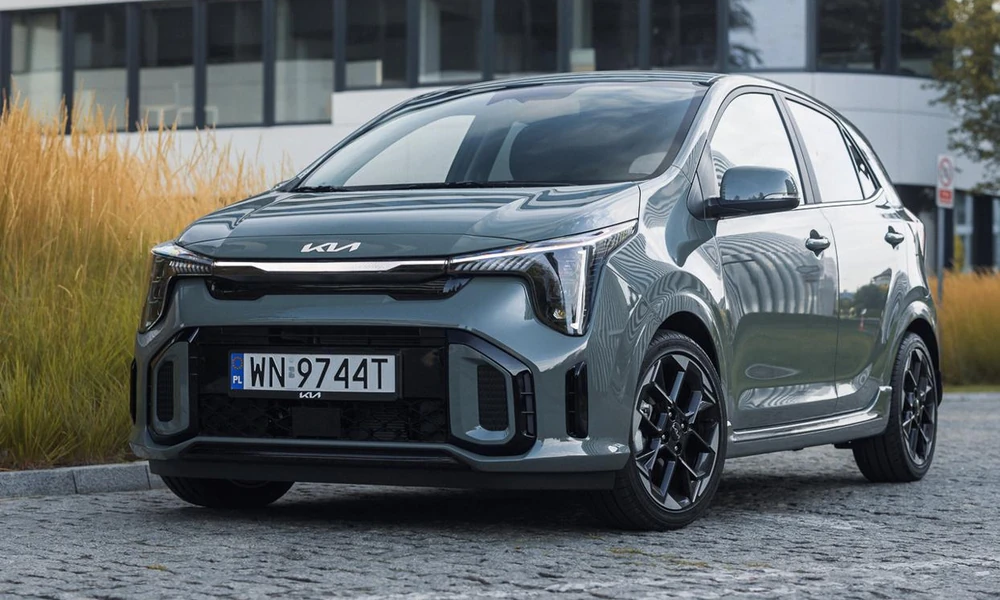
The Kia Picanto is another city-focused hatchback that prioritizes compact dimensions and practical operation.
Its small size makes it suitable for crowded streets and parking areas. Equipment levels vary, so buyers should compare safety features, air conditioning, infotainment, and transmission options across trims.
For people who primarily drive short distances, a small car such as the Picanto can be easier to live with than a larger vehicle.
Best for: First-time buyers and drivers seeking a compact urban car.
6. Honda Civic
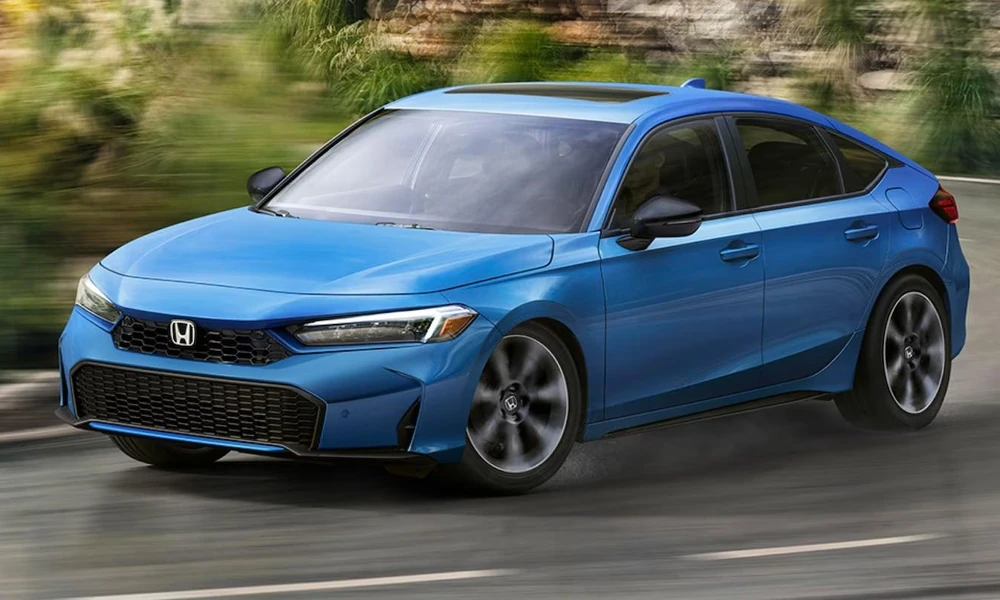
The Honda Civic is larger than a traditional city car, but it remains a strong option for buyers seeking a compact sedan or hatchback with a balance of comfort and practicality.
Depending on the generation and market, the Civic offers gasoline and hybrid powertrains, modern safety systems, and a well-designed interior.
Its additional cabin and luggage space make it more suitable for regular highway journeys than some of the smallest city cars.
Best for: Drivers who want compact-car practicality with extra comfort and space.
7. Toyota Corolla
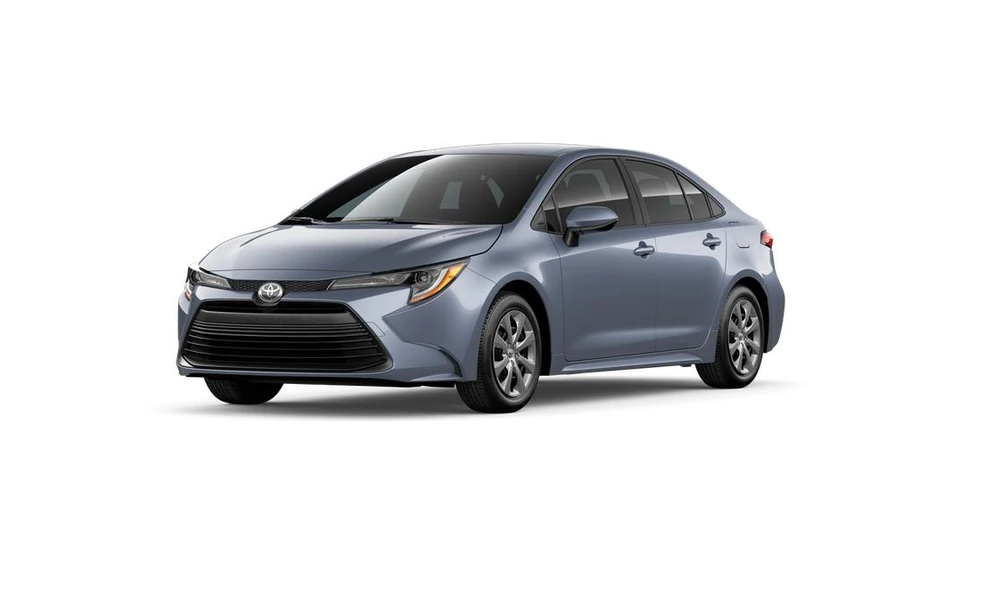
The Toyota Corolla is a popular compact car offered in different body styles and powertrain configurations around the world.
It provides a useful balance of passenger space, everyday comfort, and operating efficiency. Hybrid versions are available in selected markets, while gasoline models remain common in others.
Although it is not as small as a city car, the Corolla is a practical choice for commuters and small families who need more room.
Best for: Everyday driving, commuting, and small-family transportation.
8. Mazda3
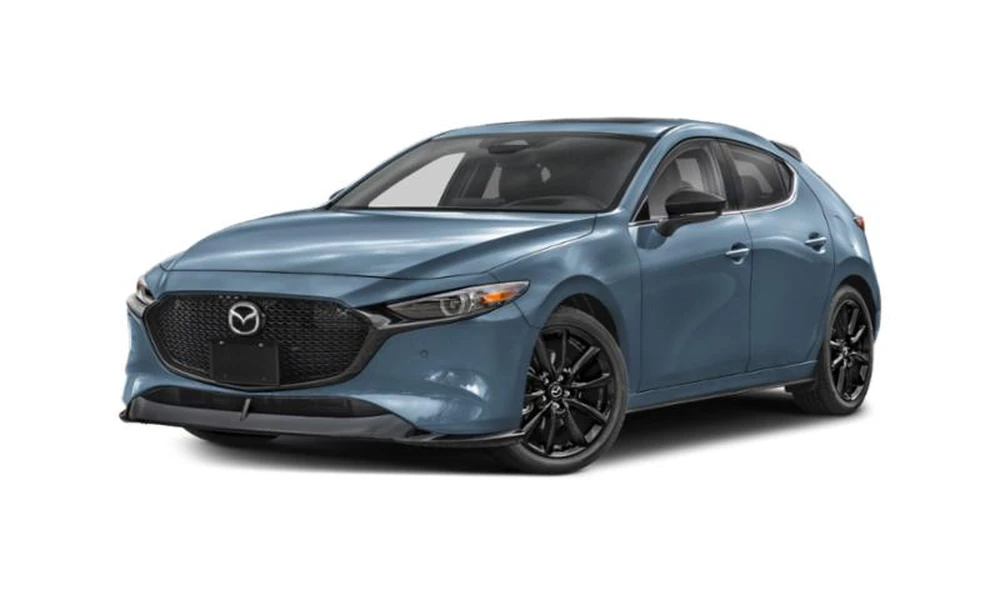
The Mazda3 stands out among compact cars for its refined cabin and engaging driving experience.
Available in sedan and hatchback forms in selected markets, it combines relatively compact dimensions with a more premium interior feel than many basic economy cars.
Some versions offer stronger engines and additional equipment, which can increase the purchase price and running costs.
Best for: Drivers who want a compact car with a more sophisticated feel.
9. Volkswagen Polo
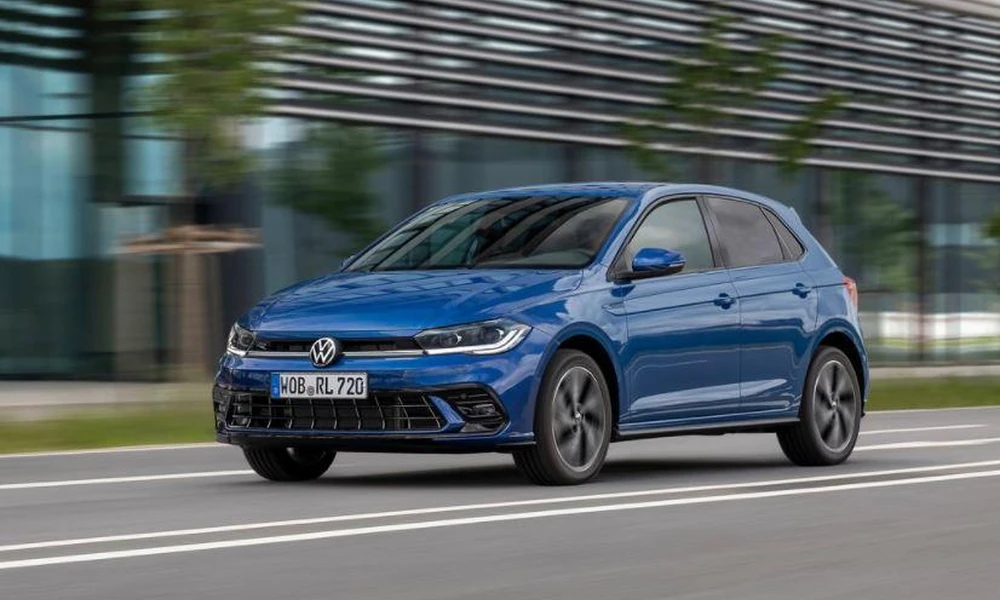
The Volkswagen Polo is a small hatchback designed for practical everyday driving.
Its interior layout, manageable size, and range of available powertrains make it a useful option for urban commuters and smaller households. Equipment and engine availability differ by market.
Buyers should compare service costs and parts availability locally, especially when considering a used vehicle.
Best for: Drivers who want a compact hatchback with a well-finished cabin.
10. Mini Cooper
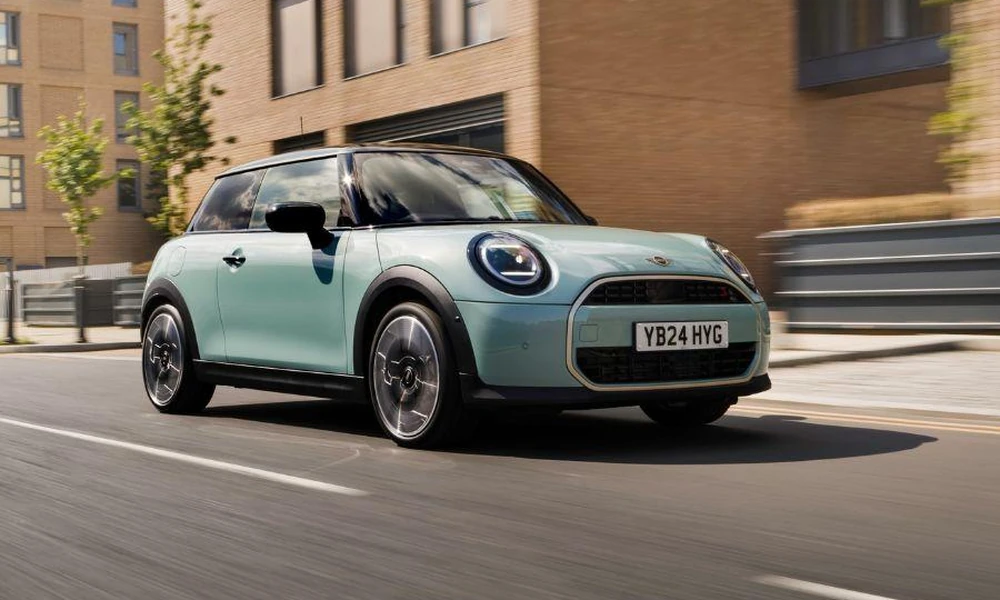
The Mini Cooper combines small dimensions with distinctive styling and a sporty driving character.
Its compact body makes it convenient in cities, while its responsive handling appeals to drivers who enjoy winding roads. Depending on the generation, buyers can find gasoline-powered and fully electric versions.
The Mini can cost more to purchase and maintain than simpler economy cars, particularly in premium trims.
Best for: Drivers who value character, style, and engaging handling.
11. Chevrolet Spark
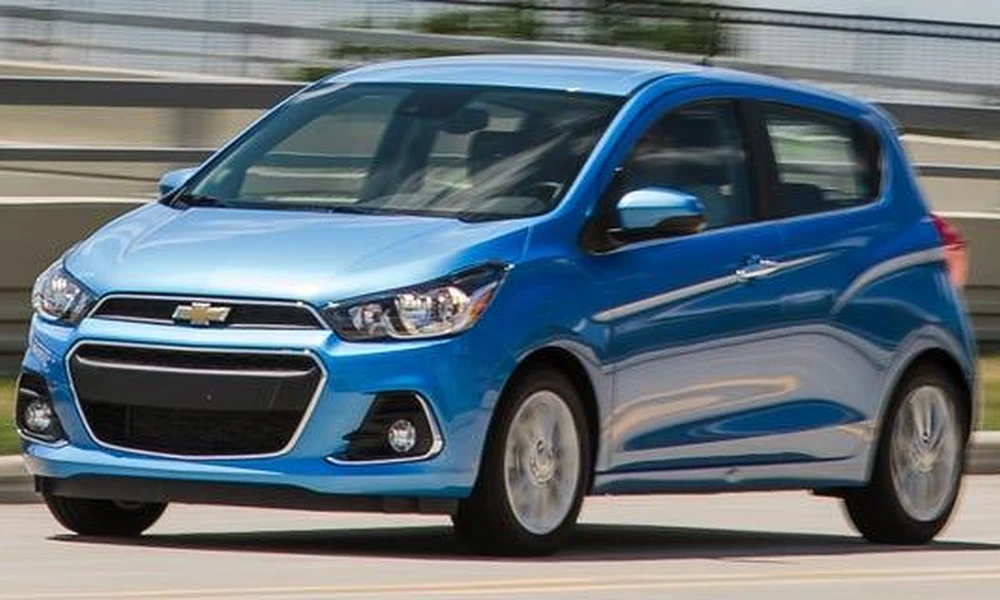
The Chevrolet Spark was a small hatchback designed for affordable urban transportation.
Its compact dimensions made it easy to maneuver, and its straightforward design suited drivers who needed a basic commuter vehicle.
Chevrolet discontinued the Spark after the 2022 model year in the United States, so it is primarily a used-car option there. Availability and parts support vary in other markets.
Best for: Used-car shoppers seeking a compact city vehicle.
12. Mitsubishi Mirage
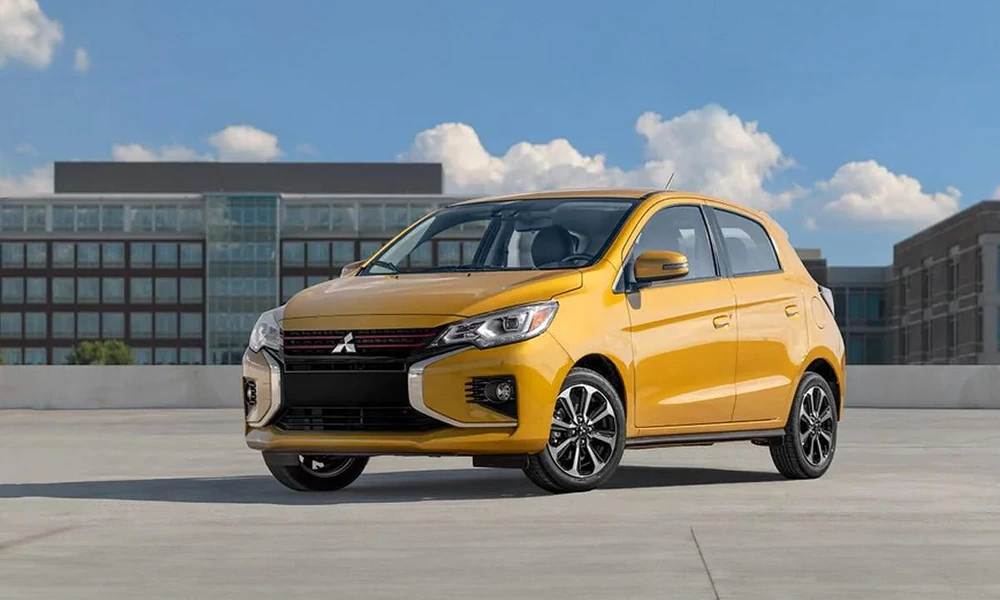
The Mitsubishi Mirage is a small hatchback known for its modest dimensions and efficiency-focused design.
Its lightweight construction and compact engine make it suitable for everyday commuting, although acceleration, cabin refinement, and highway performance may not match those of larger compact cars.
New-car availability is limited in some markets following the end of production in several regions. Used buyers should verify the local model history and parts supply.
Best for: Budget-conscious drivers prioritizing simple transportation.
13. Fiat 500
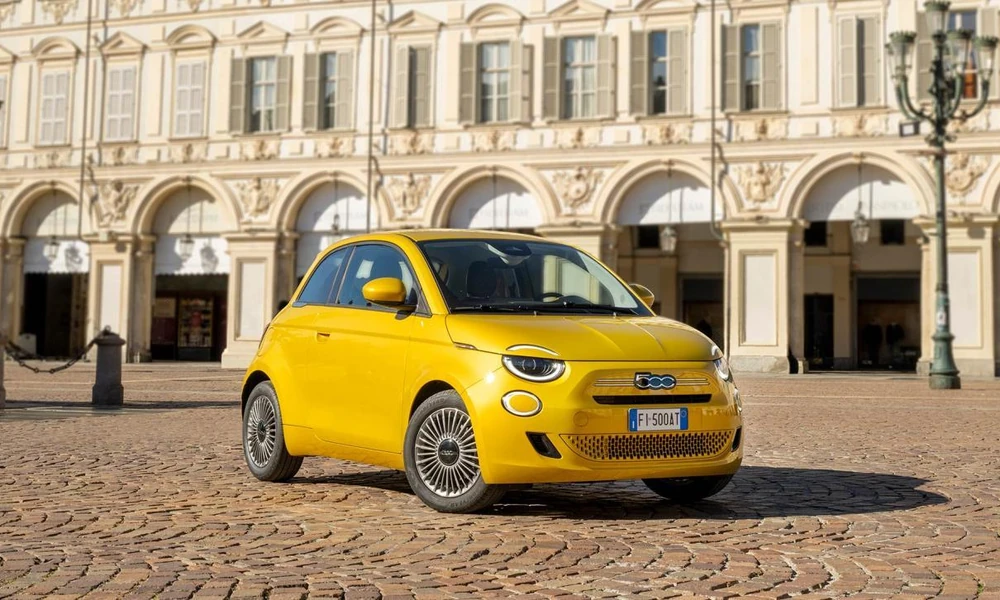
The Fiat 500 is a compact city car recognized for its distinctive styling and short overall length.
Depending on the market and generation, it is available with different powertrains, including fully electric versions. Its small dimensions are particularly useful on narrow streets and in tight parking areas.
Rear-seat and luggage space are limited, so it may not be the best choice for larger families.
Best for: Urban drivers who value compact dimensions and distinctive design.
14. Nissan Versa
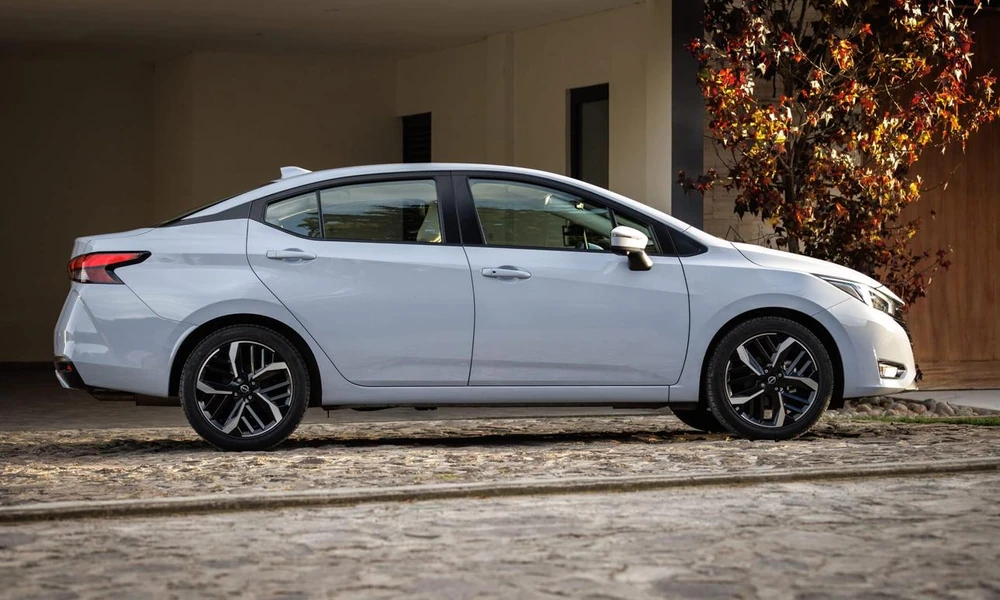
The Nissan Versa is a small sedan that focuses on affordability and everyday practicality.
Its separate trunk and usable cabin space make it an option for commuters who prefer a traditional sedan over a hatchback. Features and powertrain availability depend on the model year and market.
Before buying, compare the available safety equipment and transmission configuration, particularly when shopping for an older used model.
Best for: Buyers looking for an affordable compact sedan.
15. Renault Clio
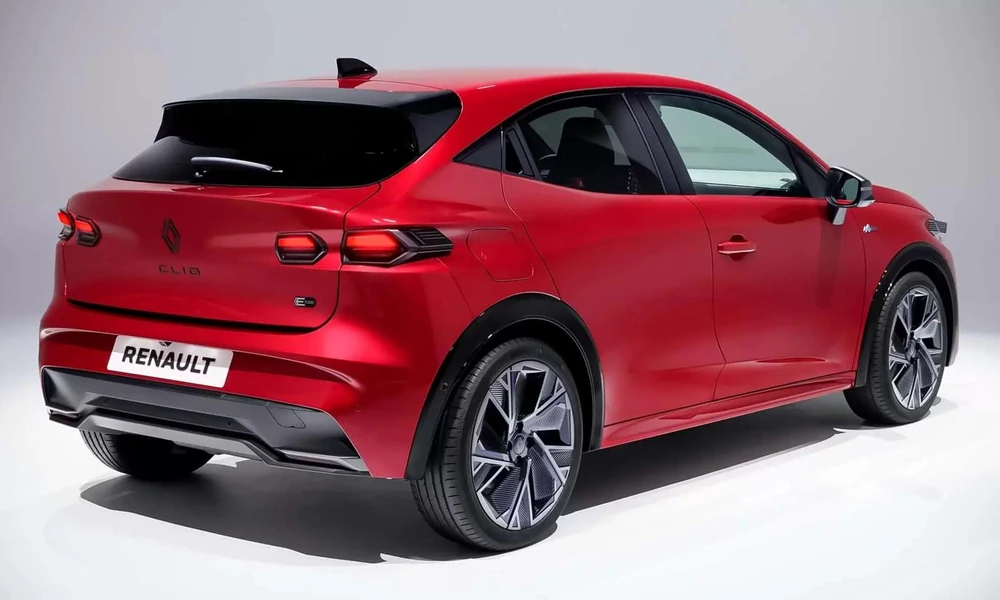
The Renault Clio is a small hatchback offered in several European markets and other regions.
It combines compact exterior dimensions with a practical interior and a selection of gasoline and hybrid powertrains, depending on the version. Its size makes it suitable for urban use, while its cabin can accommodate everyday commuting and short trips.
Local servicing, parts prices, and the availability of particular engines should be considered before purchasing.
Best for: Drivers who want a compact European hatchback.
Small Cars Compared
| Model | Body style | Main advantage |
| Toyota Yaris | Hatchback or sedan, depending on market | Everyday practicality |
| Honda Fit | Hatchback | Flexible interior space |
| Suzuki Swift | Hatchback | Compact urban driving |
| Hyundai i10 | City hatchback | Easy maneuverability |
| Kia Picanto | City hatchback | Urban convenience |
| Honda Civic | Sedan or hatchback | Comfort and versatility |
| Toyota Corolla | Sedan or hatchback, depending on market | Balanced everyday use |
| Mazda3 | Sedan or hatchback | Refined driving experience |
| Volkswagen Polo | Hatchback | Practical cabin design |
| Mini Cooper | Hatchback | Distinctive styling |
| Chevrolet Spark | Hatchback | Compact used-car option |
| Mitsubishi Mirage | Hatchback or sedan, depending on market | Efficiency-focused design |
| Fiat 500 | City car | Very compact dimensions |
| Nissan Versa | Sedan | Practical trunk space |
| Renault Clio | Hatchback | Compact European design |
Specifications, body styles, and availability differ by country and model year.
Benefits of Owning a Small Car
Easier Parking
Smaller dimensions make it easier to fit into tight parking spaces and navigate crowded streets. This can be especially valuable in busy urban areas.
Potentially Lower Running Costs
Small cars often use less fuel than larger vehicles, although actual efficiency depends on the engine, transmission, traffic, and driving style.
Tires and some routine maintenance items may also cost less, but this is not guaranteed for every model.
Practical for Daily Commuting
A compact car can be convenient for shopping, school runs, work commutes, and short trips. Its manageable size can reduce the stress of driving in congested areas.
More Affordable Options
Many small cars are positioned below larger vehicles in their manufacturers’ lineups. Used models can provide even more affordable entry points, although condition and repair needs are crucial.
Are Small Cars Safe?
Small cars can offer strong safety protection, but size alone does not determine how safe a vehicle is.
Safety depends on crash structure, airbags, electronic stability control, braking performance, driver-assistance systems, and crash-test results for the specific model and year.
When comparing small cars, check independent crash-test ratings where available and confirm that the vehicle has the safety equipment you need. Do not assume a newer model automatically has every modern safety feature.
Smaller vehicles also provide less physical mass than many larger vehicles in a collision between vehicles of substantially different sizes. Responsible driving, appropriate tires, and functioning safety systems remain essential regardless of vehicle size.
How to Choose the Best Small Car
Match the Car to Your Driving
If you mainly drive through crowded city streets, a city hatchback may be sufficient. If you regularly travel on highways or carry passengers, a larger compact car may provide greater comfort and stability.
Compare Fuel Economy
Look at official fuel-consumption figures for the exact model and engine. Consider whether a hybrid version makes sense for your daily mileage and local fuel prices.
Check Reliability and Maintenance
Research common problems associated with the specific generation and engine. For used cars, inspect the service history and arrange an independent mechanical inspection.
Also check whether replacement parts and qualified mechanics are readily available where you live.
Evaluate Interior Space
Sit in the front and rear seats, adjust the driving position, and check the luggage area. A car can be small on the outside while still offering a surprisingly practical interior, but not every model achieves that balance.
Consider Resale Value
Popular models with strong local demand may be easier to resell, but resale value depends on the country, vehicle condition, mileage, service history, and market conditions.
Frequently Asked Questions
What is the best small car?
The Toyota Yaris and Suzuki Swift are worth considering for city driving, while the Honda Civic, Toyota Corolla, and Mazda3 offer more space and comfort. The best choice depends on local availability, budget, and priorities.
Which small car is best for beginners?
A compact hatchback with good visibility, predictable handling, effective safety systems, and affordable maintenance can be a sensible first car. The Toyota Yaris, Suzuki Swift, and Hyundai i10 are examples worth comparing where available.
Are small cars fuel-efficient?
Many small cars are fuel-efficient because they weigh less and use smaller engines than larger vehicles. However, real-world consumption varies by engine, transmission, traffic, and driving conditions.
Are small cars suitable for families?
Some small cars work well for small families, especially compact sedans and hatchbacks with useful rear-seat space. Families with several children or bulky equipment may need a larger vehicle.
Is a hatchback better than a small sedan?
A hatchback generally offers a larger cargo opening and flexible storage, while a sedan provides a separate trunk. The better choice depends on how you transport luggage and passengers.
Should I buy a new or used small car?
A new car generally offers a fresh warranty and known ownership history, while a used car may cost less upfront. Compare the purchase price, maintenance needs, warranty coverage, and expected depreciation before deciding.
Final Verdict
Small cars offer a practical combination of compact dimensions, manageable running costs, and everyday usability. Models such as the Toyota Yaris, Suzuki Swift, Honda Fit, Hyundai i10, and Kia Picanto are worth considering for city driving, while the Honda Civic, Toyota Corolla, and Mazda3 provide additional space and comfort.
The smartest choice is the car that fits your daily routine, passenger needs, local road conditions, and budget. Compare the exact model and year, check safety equipment, and arrange an inspection before buying a used vehicle.
Disclaimer: This article is for general informational and educational purposes only and is not professional automotive or financial advice. Vehicle specifications, prices, and availability may change, so verify important details with the manufacturer or an authorized dealer before purchasing.