
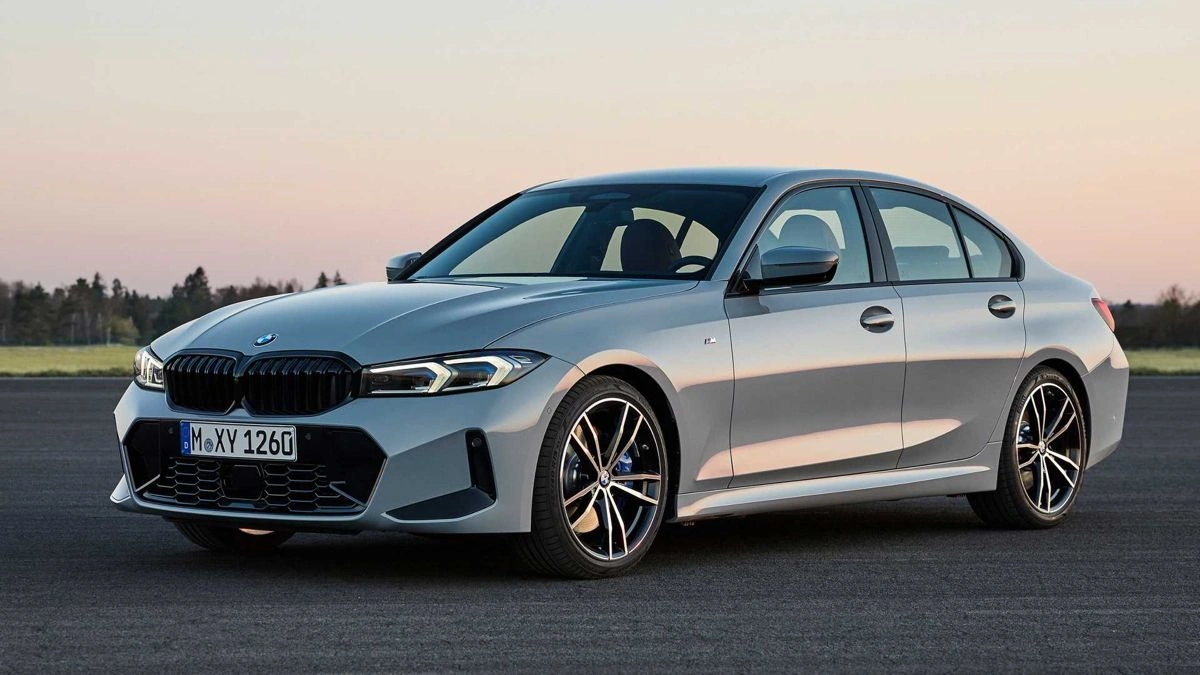
The BMW 3 Series has been one of the defining names in the premium sport-sedan world for decades. It sits between BMW’s compact 2 Series and larger 5 Series, but its importance goes beyond its position in the lineup. The 3 Series has become closely associated with the idea of combining everyday practicality with responsive handling, strong engines and a driver-focused character.
Today, the 3 Series family also extends into electrification and high-performance BMW M models, giving buyers several very different ways to experience the nameplate. Here are 10 things worth knowing about the BMW 3 Series.
1. The BMW 3 Series Is the Classic BMW Sport Sedan
The 3 Series is arguably the model that best represents BMW’s traditional sport-sedan formula. It is designed to provide enough space for everyday life while maintaining a strong emphasis on driving dynamics. That balance is central to the 3 Series identity.
It isn’t as compact as the 2 Series, nor as large and executive-focused as the 5 Series. Instead, it occupies a middle ground that has made the nameplate relevant to commuters, enthusiasts and luxury-car buyers alike.
2. The 3 Series Has a Long History
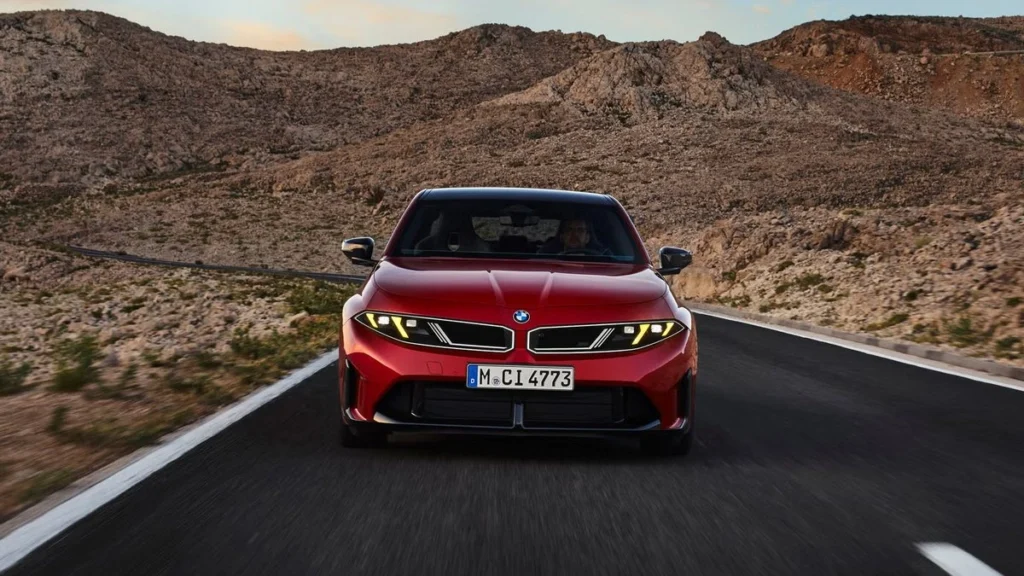
The modern 3 Series traces its roots back to the BMW 3 Series launched in 1975. Over multiple generations, BMW has continuously developed the formula rather than abandoning it. The result is a nameplate that has evolved from relatively simple compact sedans into highly equipped modern cars with advanced driver-assistance systems, sophisticated infotainment and multiple powertrain choices. The basic idea, however, remains recognizable: a premium sedan that puts driving near the center of its personality.
3. The Current 3 Series Offers Different Powertrains
One of the biggest changes in the modern 3 Series is the range of available powertrains. Depending on market and specification, buyers can find gasoline-powered models, electrified versions and performance-focused variants. In the U.S., BMW’s current lineup includes models such as the 330i, 330i xDrive and M340i xDrive. BMW also offers the 330e xDrive plug-in hybrid in its current 3 Series range. That means the 3 Series can be configured for different priorities, from everyday efficiency to stronger straight-line performance.
4. The BMW 330i Is Built Around Everyday Balance
The BMW 330i is one of the more accessible ways into the modern 3 Series. It combines the familiar 3 Series sedan format with a turbocharged four-cylinder engine and BMW’s current technology package.
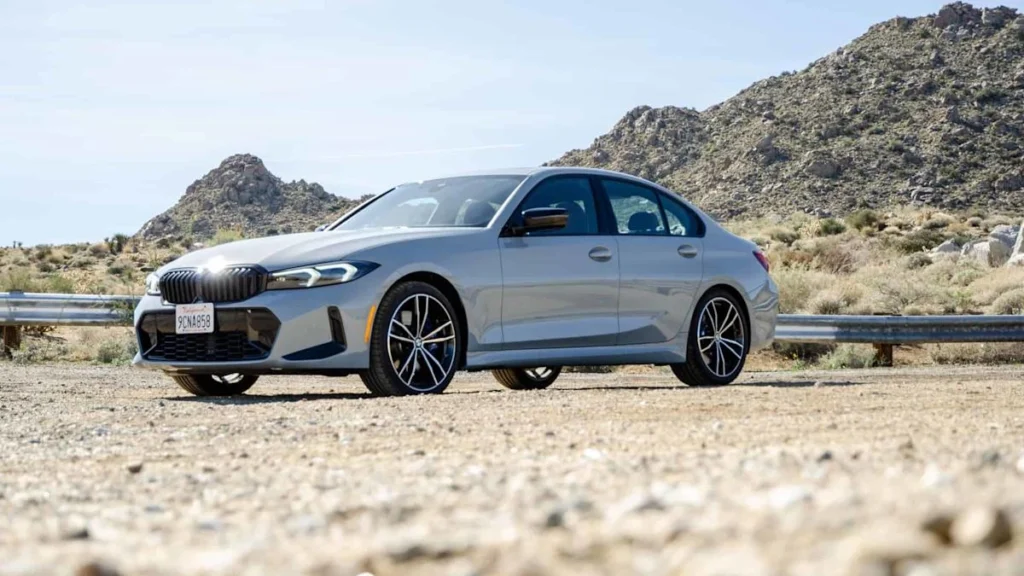
For many drivers, this version represents the basic 3 Series idea particularly well. It offers enough performance for everyday driving without turning the car into a dedicated performance machine. That balance is important because the 3 Series has never been solely about maximum horsepower.
5. The M340i Moves the 3 Series Toward Performance
The BMW M340i occupies an interesting position. It isn’t a full BMW M3, but it sits considerably closer to the performance end of the lineup than the regular 3 Series models. BMW lists the current M340i xDrive with a turbocharged 3.0-liter inline-six engine and 386 horsepower in the U.S. market.
That gives the M340i enough performance to appeal to enthusiasts while retaining the comfort and everyday usability expected from a 3 Series sedan. For some buyers, that combination can be more important than having the most aggressive version available.
6. The 330e Brings Plug-In Hybrid Power to the 3 Series
The BMW 330e takes a different approach. Instead of focusing purely on conventional gasoline performance, it combines a gasoline engine with an electric motor and battery system. BMW’s current U.S. lineup includes the 330e xDrive plug-in hybrid.
That gives buyers another route into the 3 Series particularly for drivers who want electric driving capability without moving completely away from a gasoline-powered vehicle. The actual electric range and fuel-economy figures depend on model year, market and testing methodology, so those specifications should always be checked for the exact vehicle being considered.
7. The BMW M3 Is the Performance Flagship of the Family
Then there is the BMW M3. The M3 takes the basic 3 Series formula and applies BMW M’s more serious performance engineering. That can include changes to the engine, suspension, braking system, cooling, steering, bodywork and drivetrain.
The result is a car that can serve as an everyday sedan while also being engineered for much more demanding driving. The M3 is therefore more than a high-output 3 Series. It represents a different level of performance development within the same family.
8. xDrive Gives the 3 Series Another Personality
BMW’s xDrive all-wheel-drive system is available on selected 3 Series models. That can be useful for drivers who regularly deal with rain, snow or other conditions where additional traction is valuable. But the drivetrain choice also changes the character of the car.
A rear-wheel-drive 3 Series and an xDrive model can feel different behind the wheel, even when their engines and equipment are otherwise similar. That’s why drivetrain should be considered alongside horsepower when comparing different versions.
9. Technology Has Become a Major Part of the 3 Series
Today’s 3 Series is very different from the relatively simple BMW sedans of previous decades. Modern versions can feature large digital displays, advanced infotainment, smartphone integration, driver-assistance technology and extensive connected services. BMW’s current 3 Series also incorporates the company’s modern interface and digital cockpit technologies.
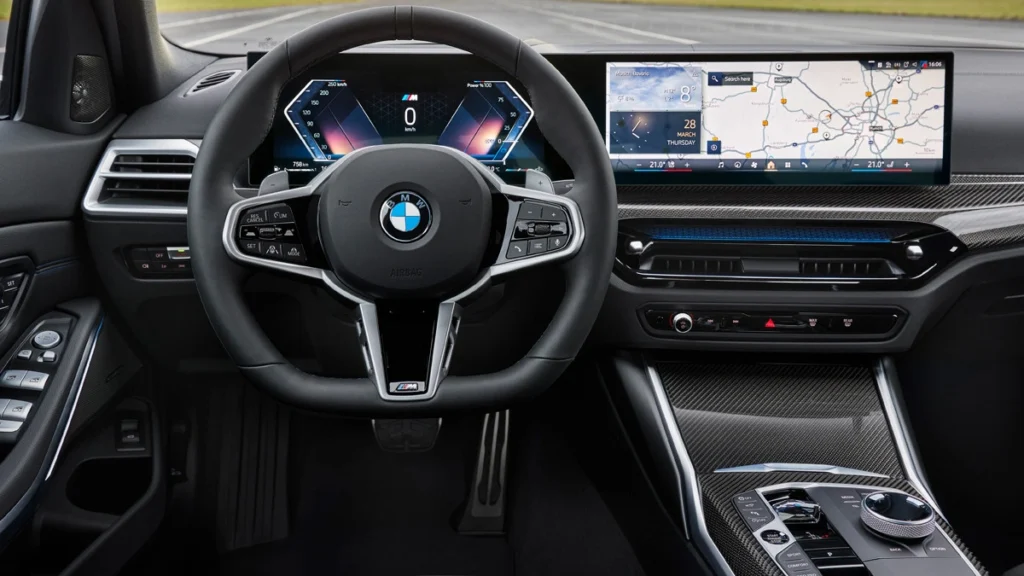
That means buyers are no longer choosing only between engines and transmissions. Interior technology, driver-assistance features and available equipment can significantly change the ownership experience.
10. The 3 Series Still Has a Clear Place in BMW’s Lineup
Despite BMW’s growing SUV and electric ranges, the 3 Series still fills an important role. It sits between the compact 2 Series and larger 5 Series. That makes it a natural choice for someone who wants more space and traditional sedan practicality than a 2 Series can provide without moving into the larger footprint and executive positioning of the 5 Series. The range also provides several levels of performance, from the everyday 330i to the M340i and ultimately the M3. That flexibility is one of the reasons the 3 Series has remained such an important BMW nameplate.
BMW 3 Series vs. BMW 2 Series
The 2 Series is smaller and offers a stronger emphasis on compact dimensions, particularly in Coupe form. The 3 Series provides more traditional sedan practicality and occupies a larger part of BMW’s lineup. If you want a compact two-door BMW, the 2 Series Coupe is the more natural starting point. If you want a sport sedan that can comfortably handle daily family and commuting duties, the 3 Series makes more sense.
BMW 3 Series vs. BMW 5 Series
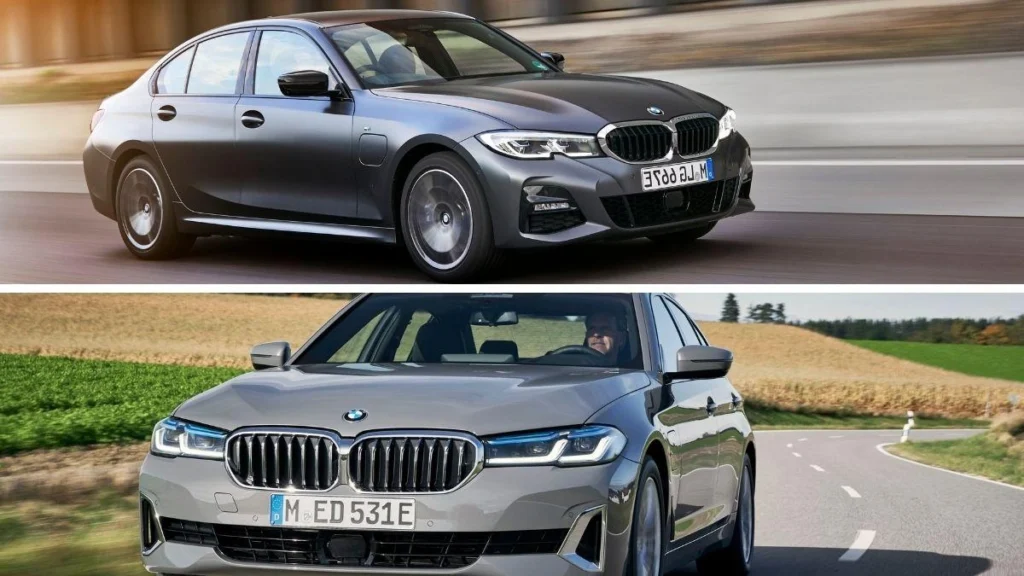
The 5 Series moves into a larger executive-car category. It provides more space and places greater emphasis on long-distance comfort, technology and luxury. The 3 Series remains more compact and maintains a stronger connection to BMW’s traditional sport-sedan formula. The right choice therefore depends less on the badge and more on whether you need the additional size and luxury-oriented character of the 5 Series.
BMW 3 Series Model Guide
| Model | General character |
| 330i | Everyday gasoline-powered 3 Series |
| 330i xDrive | 3 Series with all-wheel drive |
| 330e xDrive | Plug-in hybrid 3 Series |
| M340i xDrive | High-performance six-cylinder 3 Series |
| M3 | Full BMW M performance sedan |
Exact models, equipment and powertrain availability vary by market and model year.
Final Thoughts
The BMW 3 Series has survived decades of automotive change because its basic formula remains easy to understand. It is compact enough to remain engaging, practical enough for everyday use and flexible enough to support several different powertrain and performance levels.
The 330i represents the everyday side of the range. The 330e brings plug-in hybrid technology. The M340i adds serious six-cylinder performance, while the M3 takes the formula into BMW M territory. That gives the 3 Series a broad identity without losing the character that made the nameplate famous.
Frequently Asked Questions
Is the BMW 3 Series a luxury car?
Yes. The 3 Series is part of BMW’s premium sedan lineup and combines luxury equipment with a strong emphasis on driving dynamics.
Is the BMW 3 Series good for daily driving?
The 3 Series is designed to balance performance with everyday usability, making it suitable for commuting, longer journeys and normal family use.
What is the difference between the 3 Series and 5 Series?
The 3 Series is smaller and more focused on the compact sport-sedan segment, while the 5 Series is larger and positioned as an executive sedan.
What is the BMW M340i?
The M340i is a high-performance version of the 3 Series that sits below the full M3 in BMW’s performance hierarchy.
Is the BMW 330e electric?
The 330e is a plug-in hybrid rather than a fully electric car. It combines a gasoline engine with an electric motor and battery system.
What is the BMW M3?
The M3 is BMW M’s high-performance interpretation of the 3 Series sedan.
Does the BMW 3 Series have all-wheel drive?
Selected versions are available with BMW xDrive all-wheel drive. Availability varies by market and model year.