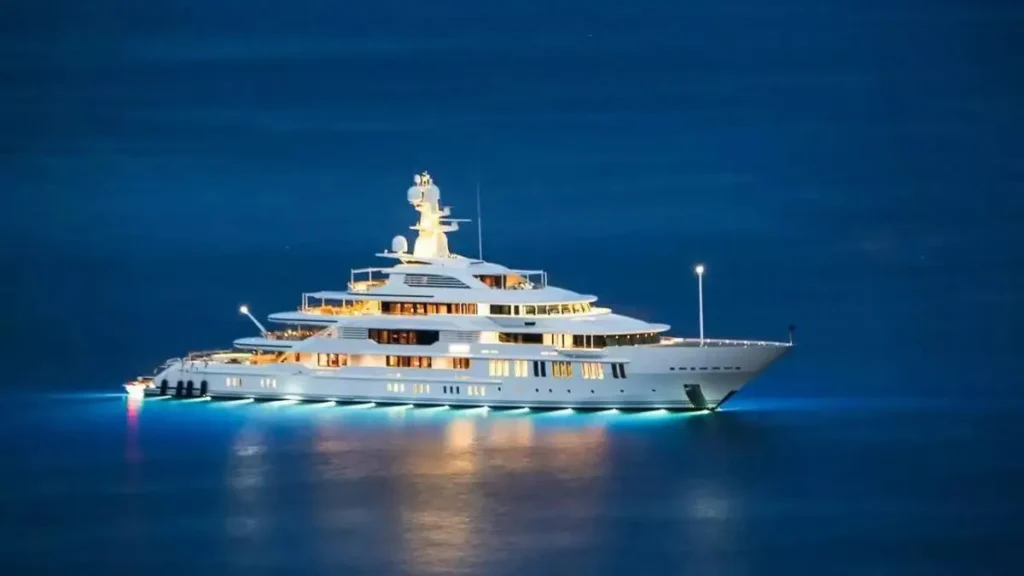
Navigating the luxury yacht market requires a clear understanding of pricing. Scale, naval architecture, interior design, and advanced technology all shape final costs. A million dollar yacht represents the true entry point into luxury boating. However, ultra-exclusive custom vessels can reach into tens or hundreds of millions of dollars. Therefore, evaluating luxury yacht prices across distinct investment tiers helps prospective buyers align their budget with realistic vessel sizes, amenities, and ongoing expenses.
Whether you want a nimble weekend cruiser or a transatlantic megayacht, understanding the market ensures a smart decision. This guide breaks down what buyers receive at every major price point, detailing vessel features, layout choices, and long-term ownership costs.
Overview of Luxury Yacht Tiers
Vessels differ dramatically based on length, hull materials, propulsion systems, and interior details. Below is an overview comparing common market tiers, expected vessel lengths, guest capacities, and primary usages.
| Investment Tier | Typical Vessel Length | Guest Capacity | Typical Hull Type | Primary Usage |
| $1 Million Tier | 40 feet – 65 feet | 4 – 8 Guests | Fiberglass Monohull / Catamaran | Coastal Cruising & Weekending |
| $10 Million Tier | 90 feet – 130 feet | 8 – 12 Guests | Composite or Aluminum | Island Hopping & Transatlantic Trips |
| $50 Million Tier | 160 feet – 220 feet | 12 – 16 Guests | Steel Hull & Aluminum Superstructure | Charter Fleets & Global Expeditions |
| $100 Million+ Tier | 250+ feet | 18+ Guests | Heavy Steel Displacement | Custom Flagship Exploration |
What $1 Million Buys in Today’s Market
Entering the market with a one million dollar budget opens doors to high-end express cruisers. It also includes flybridge motor yachts and well-appointed catamarans. At this price level, buyers generally choose between brand-new production models and larger pre-owned vessels.
New Production Cruisers ($1M)
Purchasing a new vessel for one million dollars typically places a buyer in the 40-to-50-foot range. Modern production builders use efficient fiberglass molds to maximize strength and speed up build times. As a result, these boats offer twin diesel engines, modern joystick docking systems, and synthetic teak decking.
Layout and Cabins: Most models offer two private cabins, two bathrooms with enclosed showers, and an open main salon connected to a kitchen.
Onboard Technology: Navigation setups feature simple touchscreen displays, automatic stabilizers to reduce rocking, and electric sunshades.
Owner-Operator Design: Vessels in this size class are specifically designed to be run by the owner without hiring a full-time captain or crew.
Pre-Owned Motor Yachts ($1M)
Looking at the pre-owned market stretches a one million dollar budget toward 60-to-75-foot motor yachts built within the last ten to fifteen years.
Space and Comfort: Pre-owned vessels offer three to four cabins, large upper deck lounging spaces, and small quarters for one or two crew members.
Key Considerations: Older models may need updates to navigation electronics. Additionally, they often have higher engine hours and upcoming maintenance for generators and air conditioning units.
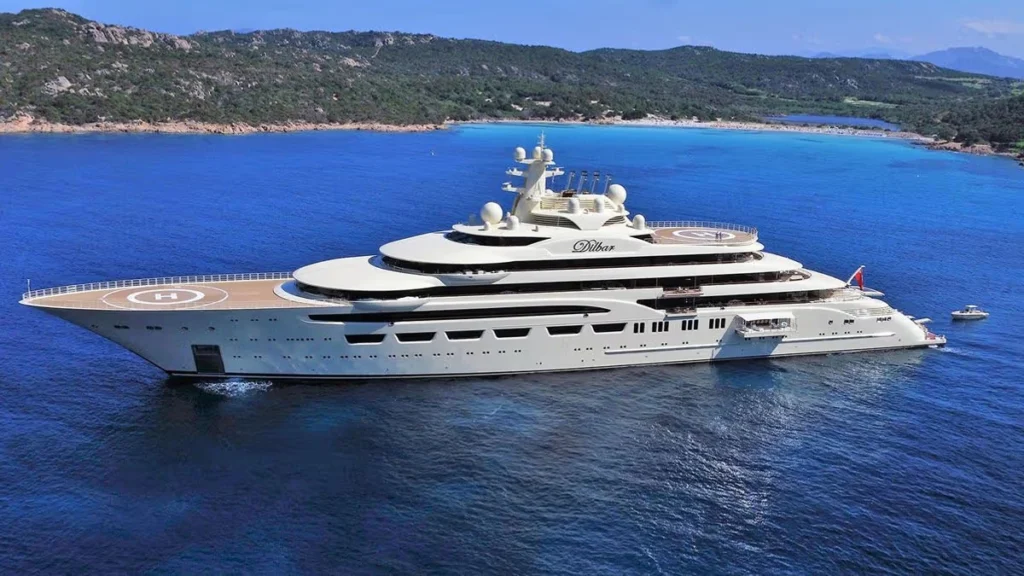
The $10 Million Tier: True Superyacht Territory
Stepping up to a ten million dollar budget fundamentally alters the overall yacht cost structure and ownership experience. This price range moves buyers into custom and semi-custom motor yachts spanning 90 to 130 feet. Consequently, ownership shifts into true superyacht territory.
Features and Onboard Amenities
A ten million dollar vessel provides extensive multi-deck outdoor space, custom interior finishes, and high-performance propulsion setups.
Custom Woodwork and Finishes: Interiors showcase rare wood trims, custom leather panels, and marble surfaces throughout the main salon and primary suite.
Stabilization Systems: Advanced fin stabilizers keep the vessel level both while traveling at sea and while anchored in rough bays.
Tenders and Water Toys: Integrated swim platforms and garage bays hold inflatable tenders, personal watercraft, and electric sea bobs.
Layout and Deck Allocation
Superyachts in this price tier divide space efficiently across multiple levels. Thus, they easily separate guest areas from working crew spaces.
Lower Deck: Includes four private guest cabins with attached bathrooms, alongside dedicated quarters for four to six staff members.
Main Deck: Features a full-width owner suite forward, a formal dining room, and a large rear lounge.
Upper and Sun Decks: Houses an outdoor hot tub, sunbathing pads, a dining table, a wet bar, and crane lifts for water toys.
Operational Requirements
At the ten million dollar mark, running the boat yourself is no longer practical. Instead, a dedicated professional crew—including a captain, engineer, chef, and deckhands—is required to navigate, maintain, and service the vessel safely.
The $50 Million Tier: Custom Mega Yachts
Moving to a fifty million dollar budget places a buyer into an elite category of custom ship design. Vessels in this realm are built to order by leading European shipyards. Therefore, they take three to five years from initial design to final delivery.
Structural Engineering and Scope
Vessels priced around fifty million dollars typically range from 160 feet to over 220 feet in length. These ships feature heavy steel hulls and lightweight aluminum upper structures. As a result, they provide ocean-crossing range and exceptional stability.
Aviation Support: Includes simple or fully certified helipads for private guest arrivals and departures.
Wellness Facilities: Multi-level beach clubs with fold-out side balconies, glass-bottom pools, movie theaters, full gyms, and massage spas.
Expedition Equipment: Storage bays easily support small submarines, long-range tender boats, and deep-sea diving gear.
Beyond $100 Million: World-Class Flagships
When budgets cross one hundred million dollars, vessels become global icons of engineering. These megayachts function as floating private resorts. Furthermore, they are capable of traveling to the most remote corners of the earth without refueling for weeks.
World-Famous Expensive Yachts
To understand the upper limits of expensive yachts, consider these famous custom megayachts:
Kismet (~$200 Million+): A 400-foot multi-deck superyacht featuring a majestic bow sculpture, multiple pools, a dedicated spa, and bold exterior styling.
A+ (Formerly Topaz, ~$500 Million+): A 482-foot mega yacht equipped with two helipads, a massive main deck pool, and custom interior styling.
Eclipse (~$700 Million – $1.5 Billion): A 533-foot flagship featuring two helipads, a mini-submarine, an armored master suite, and advanced privacy systems.
Understanding Hidden Costs: The 10% Annual Rule
When evaluating any superyacht price, the initial purchase cost represents only part of the financial picture. Industry standards recommend setting aside roughly 10% of the vessel’s purchase price annually to cover running expenses.
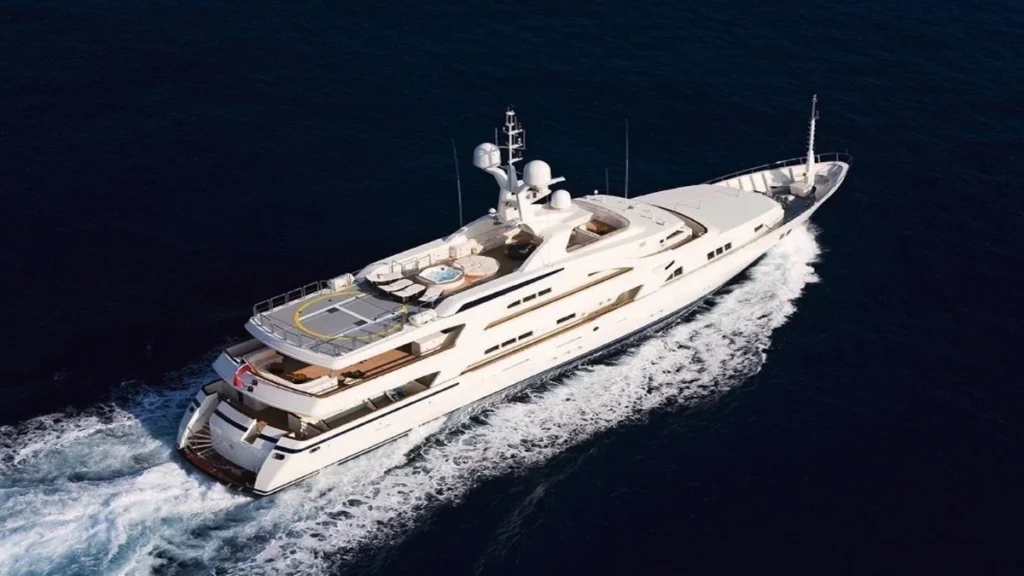
For example, owning a ten million dollar yacht requires an annual operating budget of about one million dollars.
1. Crew Salaries and Support
Professional crew members ensure safety, navigation, and five-star service. Therefore, salary, insurance, and uniform costs for a full-time crew account for 30% to 40% of the annual running budget.
2. Marina Dockage Fees
Prime marina spots in popular locations like Monaco or Miami charge premium rates based on vessel size. Thus, annual parking contracts for large superyachts can easily reach six figures.
3. Fuel Consumption
Large twin-engine motor yachts consume hundreds of gallons of diesel fuel per hour while moving. Consequently, long trips or frequent coastal runs add significant fuel costs to seasonal budgets.
4. Maintenance and Insurance
Regular haul-outs, hull painting, engine service, and insurance policies require dedicated funding every year.
Step-by-Step Purchasing Process
Acquiring a high-value motor yacht requires careful planning, technical checks, and legal oversight to protect your money.
Retain an Independent Buyer’s Broker: First, partner with an experienced broker who specializes in your target size class and budget.
Conduct Sea Trials and Marine Surveys: Next, hire independent surveyors and technicians to inspect the hull, electrical grids, generators, and engines.
Establish Vessel Registration: Then, choose a favorable country for registration to manage marine taxes, crew laws, and charter rules.
Select a Professional Management Company: Finally, partner with a management firm to handle crew payroll, safety audits, maintenance, and logistics.
Conclusion
Navigating the world of high-end boating reveals that every price tier delivers a distinct balance of space, engineering, comfort, and range. Whether your goal is acquiring a nimble million dollar yacht for local weekend getaways or commissioning a custom superyacht built for global voyages, matching your budget with long-term running costs ensures a rewarding experience. At Turboocruiser, we help buyers make informed decisions by breaking down technical specs, market trends, and true ownership costs. Evaluating shipyard options, conducting thorough marine surveys, and partnering with experienced management teams allows you to enter the luxury marine market with total confidence.
Frequently Asked Questions
What is the average yacht cost for a first-time buyer?
First-time buyers typically start with a luxury cruiser between 35 and 45 feet. This size costs between $500,000 and $1.5 million, depending on whether the vessel is new or pre-owned.
Why do luxury yacht prices vary so much for boats of the same size?
Price differences stem from hull materials, custom interior work, engine power, electronics, and builder reputation. For instance, a custom European build costs significantly more than a mass-production model of identical length.
Can chartering out a million dollar yacht offset ownership costs?
Yes, placing a vessel into a charter fleet generates income that helps cover dockage, insurance, and routine maintenance fees. However, charter income rarely yields a net profit after factoring in depreciation.
How quickly do luxury yachts depreciate over time?
New production boats generally depreciate by 10% to 15% in their first year and 5% to 8% annually after that. However, high-end custom superyachts maintain their value more effectively due to high demand and limited build availability.