
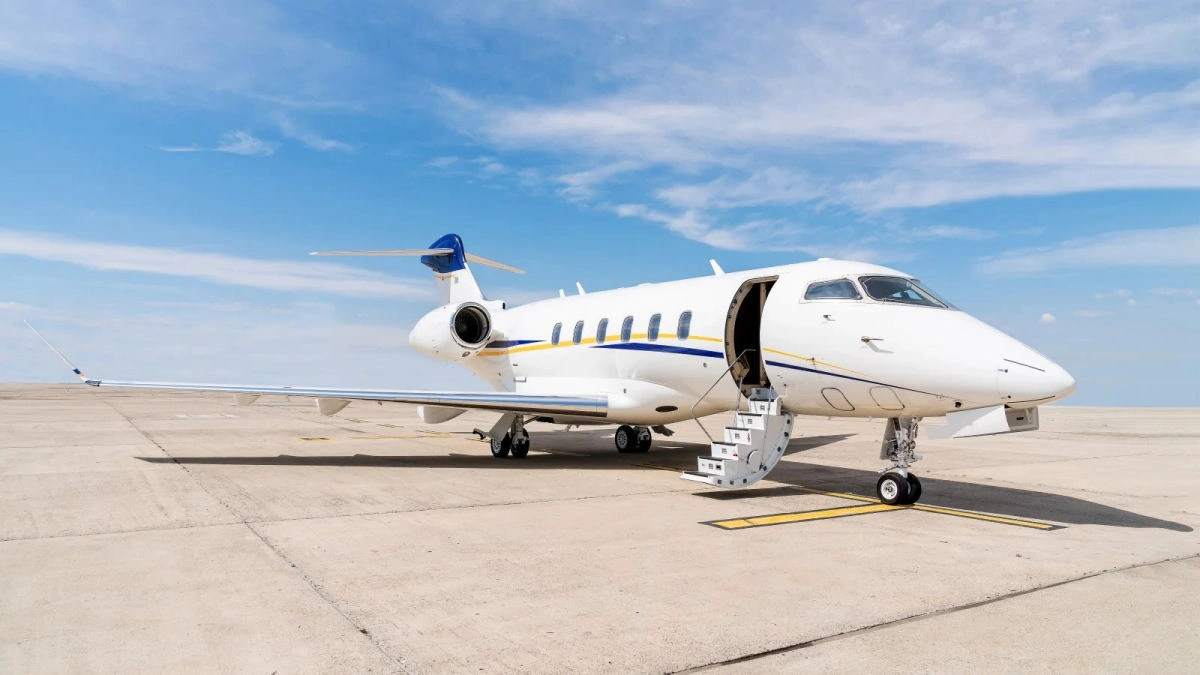
Navigating the landscape of private aviation requires understanding that calculating the cost to charter a private jet involves far more than simply multiplying a published hourly rate by flight time. Whether you are arranging an urgent regional business trip, a family holiday getaway, or an intercontinental voyage, grasping the complex pricing dynamics behind every private jet charter cost enables travelers to optimize their flight budgets while maintaining uncompromised comfort, privacy, and safety.
In 2026, private aviation pricing reflects evolving fleet economics, fluctuating Jet-A fuel surcharges, localized airport tariff updates, and shifting global travel demand. Below is an exhaustive guide covering current private jet hourly rate structures, comprehensive route cost estimates, line-item fee breakdowns, and actionable cost-saving strategies prepared exclusively for readers of turboocruiser.
Understanding the Private Jet Hourly Rate
The primary building block of any private aviation quote is the private jet hourly rate. This billable rate represents the baseline operational expense of operating an aircraft per flight hour. It factors in direct variable costs such as routine fuel consumption, scheduled maintenance reserve funds, engine overhaul funds, flight crew compensation, and hull insurance coverage.
As a general rule, larger airframes featuring widebody cabins, extended seating capacities, and transoceanic ranges command significantly higher base hourly fees than light regional jets or turboprops.
Aircraft Category Overview
Turboprops & Very Light Jets: $2,000 to $4,000 per hour
Light Jets: $3,500 to $5,500 per hour
Midsize Jets: $4,500 to $7,500 per hour
Super-Midsize Jets: $6,500 to $9,500 per hour
Heavy & Large Cabin Jets: $8,500 to $15,000 per hour
Ultra-Long-Range Jets: $14,000 to $20,000+ per hour
Detailed Category & Aircraft Breakdown
1. Turboprops and Very Light Jets (VLJs)
Average Hourly Rate: $2,000 to $4,000 / hour
Popular Aircraft Models: Pilatus PC-12, Beechcraft King Air 350i, Cirrus Vision Jet, Cessna Citation Mustang, HondaJet Elite
Seating Capacity: 4 to 8 passengers
Maximum Non-Stop Range: 1,000 to 1,500 nautical miles
Operational Characteristics: Turboprops and Very Light Jets serve as the primary entry point into non-commercial private aviation. They excel on short regional flights and are capable of utilizing short runways at smaller municipal airfields that commercial airliners cannot access. While cabin space is compact, they offer superior efficiency for regional trips under two hours.

2. Light Jets
Average Hourly Rate: $3,500 to $5,500 / hour
Popular Aircraft Models: Embraer Phenom 300E, Cessna Citation CJ3+, Learjet 75 Liberty, Beechcraft Premier IA
Seating Capacity: 6 to 8 passengers
Maximum Non-Stop Range: 1,500 to 2,100 nautical miles
Operational Characteristics: Light jets represent the workhorse segment of on-demand private aviation. Combining swift cruising speeds with comfortable leather interiors, enclosed lavatories, and modest baggage compartments, light jets comfortably manage two-to-three-hour non-stop flights for executive teams and small groups.
3. Midsize Jets
Average Hourly Rate: $4,500 to $7,500 / hour
Popular Aircraft Models: Hawker 900XP, Cessna Citation XLS+, Learjet 60XR, Gulfstream G150
Seating Capacity: 7 to 9 passengers
Maximum Non-Stop Range: 2,000 to 2,800 nautical miles
Operational Characteristics: Midsize jets deliver full stand-up cabin headroom, expanded legroom, enhanced baggage capacity, and an integrated private lavatory. They bridge the gap between regional hopping and transcontinental travel, serving medium-haul domestic routes with ease.
4. Super-Midsize Jets
Average Hourly Rate: $6,500 to $9,500 / hour
Popular Aircraft Models: Bombardier Challenger 350, Cessna Citation Latitude, Gulfstream G280, Dassault Falcon 2000S
Seating Capacity: 8 to 10 passengers
Maximum Non-Stop Range: 3,200 to 3,800 nautical miles
Operational Characteristics: Delivering true coast-to-coast capabilities without requiring fuel stops, super-midsize jets offer widebody cabin comfort, flight attendant service accommodations, generous luggage capacity, and high-speed satellite Wi-Fi connections.
5. Heavy / Large Cabin Jets
Average Hourly Rate: $8,500 to $15,000 / hour
Popular Aircraft Models: Gulfstream G450, Dassault Falcon 900EX, Bombardier Challenger 605, Embraer Legacy 650
Seating Capacity: 10 to 16 passengers
Maximum Non-Stop Range: 4,000 to 4,800 nautical miles
Operational Characteristics: Designed for transoceanic missions and large parties, heavy jets feature multiple distinct cabin zones, fully reclining berthable seats for sleeping, comprehensive hot galley facilities, and a dedicated flight attendant on every flight.
6. Ultra-Long-Range Jets
Average Hourly Rate: $14,000 to $20,000+ / hour
Popular Aircraft Models: Gulfstream G650ER, Bombardier Global 7500, Dassault Falcon 8X, Gulfstream G700
Seating Capacity: 12 to 19 passengers
Maximum Non-Stop Range: 6,000 to 7,700+ nautical miles
Operational Characteristics: Occupying the top tier of executive transportation, ultra-long-range jets fly non-stop halfway across the globe at speeds exceeding Mach 0.90. Cabin amenities frequently include master bedroom suites, stand-up showers, private conference rooms, advanced cabin air filtration systems, and custom interior finishes.
2026 Route Pricing & Sample Flight Estimates
Calculating an accurate private jet rental price requires combining flight time with routing logistics, ground handling, air traffic management delays, and taxiing time. Below is a detailed summary of typical all-inclusive pricing for key domestic and international flight itineraries.
| Departure Airport | Arrival Airport | Aircraft Category | Est. Duration | Total Trip Cost (Est.) |
| Los Angeles (VNY) | Las Vegas (LAS) | Light Jet | 1.0 Hour | $9,500 – $15,000 |
| New York (TEB) | Miami (OPF) | Midsize Jet | 2.8 Hours | $22,000 – $38,000 |
| Chicago (PWK) | Aspen (ASE) | Super-Midsize Jet | 2.5 Hours | $28,000 – $42,000 |
| New York (TEB) | Los Angeles (VNY) | Super-Midsize Jet | 5.5 Hours | $45,000 – $68,000 |
| London (LTN) | Nice (NCE) | Light Jet | 2.0 Hours | $14,000 – $22,000 |
| New York (TEB) | London (FAB) | Heavy Jet | 6.8 Hours | $85,000 – $130,000 |
| Los Angeles (LAX) | Tokyo (HND) | Ultra-Long-Range | 11.5 Hours | $160,000 – $220,000 |
Route Profile Deep Dives
Los Angeles (Van Nuys) to Las Vegas (McCarran/Harry Reid): This popular 230-mile corridor takes roughly one hour of flight time. Because operators impose daily minimum flight time charges (typically 1.5 to 2.0 hours per day), a short one-hour flight is billed based on the operator’s daily baseline minimum rather than pure air time alone.
New York (Teterboro) to Miami (Opa-Locka): As one of the most heavily traveled private routes in North America, this 1,100-mile flight takes under three hours. Booking a midsize jet provides ample baggage capacity for luggage, golf clubs, and sports equipment while maintaining high flight speeds.
New York (Teterboro) to London (Farnborough): Transatlantic missions require large cabin aircraft equipped with crew rest areas, dual flight crews, and transoceanic communications equipment. Total estimates account for international flight handling fees, customs clearance surcharges, and oceanic navigation taxes.
Beyond the Hourly Rate: Itemized Trip Expenses
When reviewing a formal charter invoice, the base hourly rate usually comprises roughly 65% of the total charge. The remaining balance covers operational logistics, governmental taxes, airport charges, and crew accommodations.
1. Fuel Surcharges
While published base hourly rates incorporate baseline Jet-A fuel costs, global oil market volatility requires operators to adjust prices using variable fuel surcharges. Surcharges are calculated based on real-time fuel prices at departure and destination fuel stations.
2. Daily Flight Minimums
Most charter management contracts enforce a daily minimum billable flight time threshold, typically 1.5 to 2.0 hours per calendar day. If you charter a light jet ($4,000 per hour) for a 45-minute trip, you will still be charged the minimum daily billable threshold ($6,000 base).
3. Federal Excise Tax (FET) & Segment Taxes
For domestic flights within the United States (or within 225 miles of the US border), the Internal Revenue Service levies a mandatory 7.5% Federal Excise Tax (FET) on the gross charter price, along with individual domestic segment fees per passenger leg. Travelers can review the official current rates directly through the IRS’s Air Transportation Excise Tax guidance. International itineraries incur separate arrival/departure head taxes, customs processing fees, and foreign airspace navigation tariffs.
4. FBO & Airport Handling Fees
Private aircraft utilize specialized executive terminals known as Fixed-Base Operators (FBOs). Landing fees, ramp handling, overnight parking, and GPU (Ground Power Unit) charges vary widely depending on the airport:
Small Municipal Airport: $150 to $400 landing fee
Major Metropolitan Hub (e.g., JFK, LAX, ORD): $1,000 to $3,500+ handling fee
5. Crew Per Diem & Overnight Accommodations
If your itinerary requires an aircraft and crew to remain on the ground overnight, you are responsible for covering the flight crew’s lodging, local ground transportation, and daily meal allowances (typically ranging from $400 to $1,500 per night per crew member).
6. Positioning Fees (Ferry Flight Hours)
If your chosen charter aircraft is not permanently based at your requested departure airport, the operator must fly the plane empty to pick you up. You are billed for these non-revenue repositioning legs, commonly referred to as ferry hours.
7. Aircraft De-Icing Charges
During cold weather operations, ice and frost must be removed from the wings and fuselage prior to departure using specialized heating chemicals. De-icing fees can range from $1,500 for a Light Jet to over $12,000 for a Heavy Jet per application depending on weather conditions and fluid volume required.
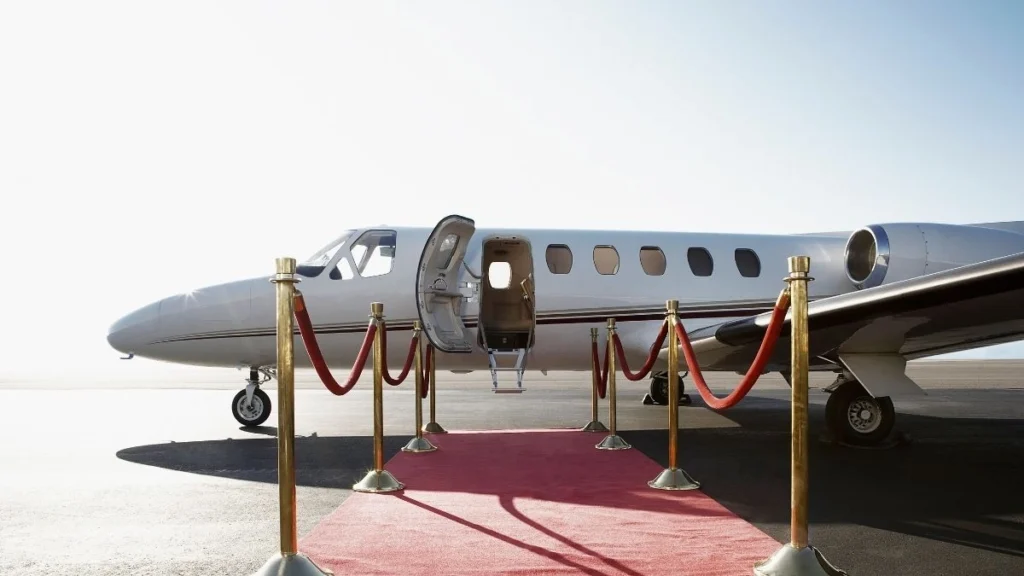
Private Aviation Models: On-Demand vs. Jet Cards vs. Fractional Ownership
Selecting the right private aviation structure impacts your total charter jet cost. Travelers typically choose between three core access models based on annual flight volume.
On-Demand Private Jet Charter
Best Suited For: Individuals flying fewer than 25 hours per year.
Payment Structure: Pay-as-you-go per individual trip with zero long-term capital commitments or upfront membership fees.
Advantages: Unmatched trip-by-trip flexibility; complete freedom to choose the exact aircraft make, model, age, and cabin configuration for every specific journey.
Disadvantages: Pricing varies based on real-time market demand; availability during peak holiday periods is not guaranteed.
Jet Card Membership Programs
Best Suited For: Individuals flying between 25 and 50 hours per year.
Payment Structure: Pre-purchasing hours in 25 to 50-hour increments or funding a prepaid deposit account ($100,000 to $250,000) that locks in contracted hourly rates. For those weighing this against outright ownership, comparison of fractional jet ownership: NetJets vs Wheels Up vs VistaJet breaks down how these programs stack up against jet cards.
Advantages: Guaranteed aircraft availability with fixed notice periods, simplified point-to-point billing, waived repositioning fees, and capped peak-day surcharges.
Disadvantages: Requires locking up significant capital upfront; hourly baseline rates are higher than off-peak on-demand charter quotes.
Fractional Jet Ownership
Best Suited For: Executives and corporations flying 50 to 100+ hours per year.
Payment Structure: Purchasing a fractional asset share of a specific aircraft (e.g., a 1/16th share yielding 50 flight hours per year) paired with monthly management fees and direct operational hourly costs.
Advantages: Guaranteed access to a uniform fleet, valuable tax depreciation benefits (including bonus depreciation structures), and full control over flight standards.
Disadvantages: Significant multi-million dollar initial capital outlay, long-term contractual obligations, and exposure to residual asset market depreciation upon exit.
5 Proven Strategies to Lower Your Private Jet Charter Cost
If you want to reduce your total private jet charter cost without compromising safety or service quality, consider these effective industry strategies:
1. Leverage Empty Leg Flights
An empty leg occurs when an aircraft flies without passengers to reposition for its next charter assignment or return to its home hangar. Operators frequently offer these non-revenue repositioning legs at steep discounts, often 40% to 75% off standard charter prices. If your schedule is flexible and you are flying one-way, empty leg deals provide exceptional value.
2. Utilize Secondary & Regional Airports
Major international hubs suffer from heavy air traffic congestion, long taxi times, and high FBO handling tariffs. Choosing nearby regional executive airports reduces landing fees and keeps billable engine time to a minimum.
Miami Region: Choose Opa-Locka Executive (OPF) instead of Miami International (MIA)
New York Region: Choose Teterboro Airport (TEB) instead of JFK International (JFK)
Los Angeles Region: Choose Van Nuys Airport (VNY) instead of Los Angeles International (LAX)
Chicago Region: Choose Chicago Executive (PWK) instead of O’Hare International (ORD)
3. Book Same-Aircraft Round Trips
If you are returning to your origin within 24 to 48 hours, booking a single aircraft that remains on the ground with you eliminates secondary repositioning (ferry) fees. This allows the operator to pass operational efficiency savings directly on to you.
4. Right-Size Your Aircraft Choice
Reserving a Super-Midsize jet when a Light Jet can comfortably carry your passengers and luggage leads to unnecessary expenses. Provide precise passenger counts and baggage dimensions to your charter broker so they can match your group with the most economical airframe size for the route.
5. Shift Travel Schedules Away from Peak Windows
Private aviation demand surges around major holidays, high-profile sporting events, and international trade summits. Shifting your flight dates by just 24 to 48 hours unlocks broader fleet availability, waives peak-day surcharges, and secures lower baseline hourly rates.
Final Takeaway: Maximizing Your Private Aviation Value
Calculating the total cost to charter a private jet requires examining your flight distance, passenger group size, baggage requirements, and airport logistics. While baseline private jet hourly rate figures offer a helpful starting point, evaluating extra costs, including taxes, fuel adjustments, FBO fees, and repositioning time, ensures a transparent budget for your journey.
By choosing the ideal aircraft category, considering secondary executive airfields, and exploring flexible travel dates, you can enjoy the privacy, convenience, and luxury of private aviation at the best possible price.
For more automotive reviews, luxury transport guides, and high-end aviation insights, explore our latest articles and updates on turboocruiser.
Frequently Asked Questions
What is the most affordable private jet to charter?
Turboprops (such as the Pilatus PC-12) and Very Light Jets (such as the Citation Mustang or Phenom 100) are the most economical private aircraft to charter, with hourly rates starting between $2,000 and $3,500 per flight hour.
Is catering included in standard private jet charter prices?
Standard charter quotes include basic inflight amenities such as non-alcoholic beverages, premium snacks, fresh fruit platters, and light cold options. Customized hot dining, fine wines, spirits, or restaurant delivery orders are billed separately as add-on concierge expenses.
How far in advance should I reserve a private jet charter?
While on-demand flights can often be dispatched in as little as 2 to 4 hours, booking 2 to 4 weeks in advance guarantees the widest selection of aircraft, competitive market pricing, and reduced positioning fees, especially during peak travel seasons.