
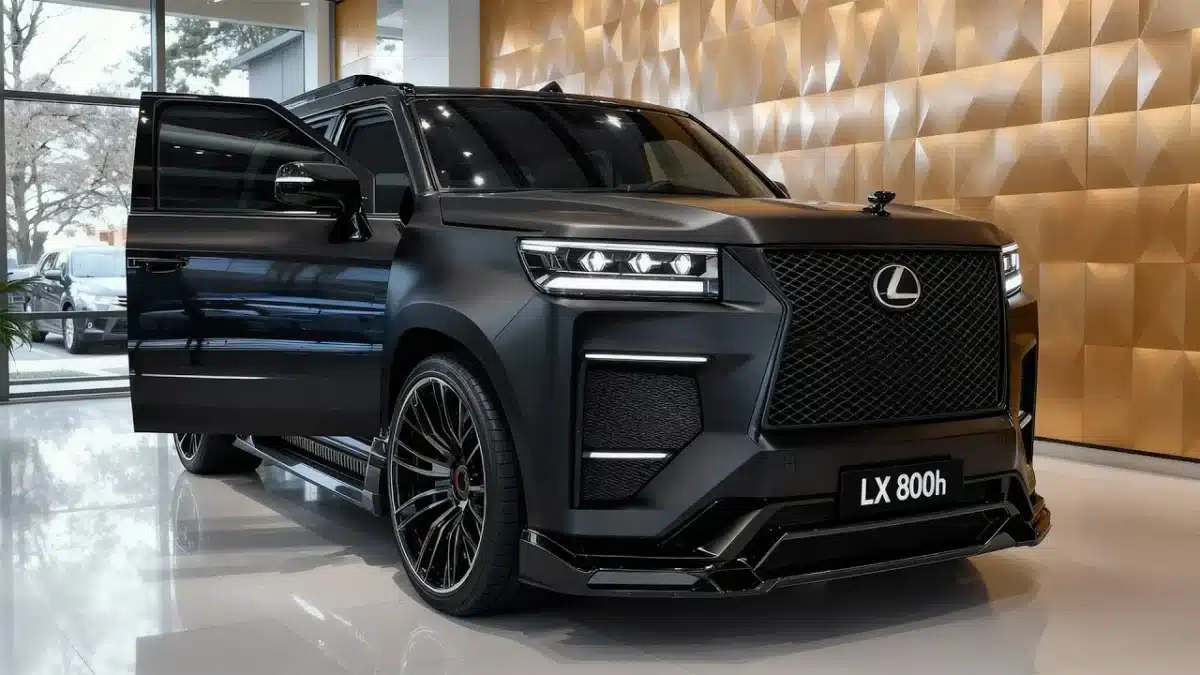
The flagship automotive sector has entered a transformative era in 2026. Buyers seeking pinnacle executive transport now evaluate silky twin-turbo internal combustion engines, plug-in hybrids, and whisper-quiet all-electric sedans. In this detailed edition of our luxury motor cars reviews, we analyze the standout vehicles redefining modern comfort, interior craftsmanship, and road performance.
Selecting among the top luxury cars requires looking past traditional brand heritage. Smart buyers must evaluate real-world infotainment ergonomics, active suspension mechanics, long-term depreciation rates, and total cost of ownership. Whether you prefer riding in a chauffeur-driven sanctuary or driving an agile sport-luxury cruiser, our luxury car reviews 2026 guide breaks down the flagship models that deliver a genuine return on your investment.
Defining the 2026 Executive Luxury Standard
What elevates standard premium transportation to the rank of the best luxury motor cars? Today’s luxury definition combines acoustic cabin isolation, predictive chassis control, intuitive software integration, and sustainable materials.
Automakers no longer force buyers to choose between high-horsepower acceleration and environmental responsibility. Modern high-voltage architectures allow high-output electric powertrains to deliver instant torque in near-total silence, setting a new bar for cabin serenity.
In-Depth Luxury Motor Cars Reviews
1. 2026 Mercedes-Benz S-Class: The Standard Bearer
The Mercedes-Benz S-Class continues to serve as the global yardstick for executive saloons. For 2026, the S-Class carries over its foundational engineering while expanding its interior personalization program with 25 new Nappa leather combinations and over 40 custom paint finishes.
Interior Ergonomics & Comfort
Step inside the S-Class, and the cabin acts as an acoustic fortress. Multi-contour seats equipped with ten distinct massage modes, heated armrests, and active air purification isolate occupants from exterior traffic noise. The optional MBUX Hyperscreen seamlessly stretches across the dashboard, providing intuitive augmented-reality navigation cues directly over live road views.
Driving Dynamics & Ride
On the road, the standard AIRMATIC air suspension scans chassis movement to cancel surface imperfections before they reach the cabin. Meanwhile, optional 10-degree rear-axle steering allows this long-wheelbase sedan to turn with the agility of a compact executive car in tight urban parking structures.
Pros: Peerless ride comfort, iconic prestige, smooth powertrains.
Cons: Expensive options list, touchscreen-heavy climate controls.
2. 2026 BMW 7 Series & i7: Tech-Forward Luxury
BMW takes a bold, tech-centric approach with the 7 Series platform. By engineering a flexible chassis that accommodates traditional twin-turbo gasoline engines alongside the fully electric i7, BMW allows buyers to select their preferred powertrain without sacrificing interior volume or cabin amenities.
Interior Ergonomics & Entertainment
The interior of the 7 Series emphasizes digital entertainment. The headline feature is the available 31.3-inch 8K Amazon Fire-powered Theater Screen that lowers from the ceiling, turning the back seat into a mobile cinema. Automatic power doors swing open at the tap of a button, while crystal controls and interaction lighting strips add modern ambient elegance.
Performance & Electric Capability
The all-electric i7 xDrive60 delivers seamless power with zero mechanical lag. With an estimated EPA driving range of up to 318 miles and fast DC charging capability, the i7 makes long-distance travel effortless while maintaining near-dead silence at 75 mph highway speeds.
Pros: Unmatched rear seat entertainment, silent electric powertrains, standard air suspension.
Cons: Polarizing exterior styling, complex software menus.
3. 2026 Genesis G90: The Smart Luxury Alternative
The Genesis G90 has mounted an aggressive challenge to traditional European automotive dominance. Combining standard all-wheel drive, elegant design, and generous standard equipment, the G90 delivers flagship sophistication at a price point that undercuts rivals by tens of thousands of dollars.
Executive Rear-Seat Isolation
The G90 focuses heavily on rear-passenger comfort. Models equipped with the 409-horsepower e-Supercharged engine feature reclining “Chaise Lounge” rear seats with extendable footrests, cooling, heating, and multiple massage routines. Touchpads built into the center armrest allow back-seat passengers to adjust window shades, climate zones, and mood themes effortlessly.
Predictive Suspension Engineering
Genesis equips the G90 with a camera-based predictive air suspension system. The front camera actively scans the road surface ahead for potholes or speed bumps and adjusts damper firmness milliseconds before the wheels hit the obstruction.
Pros: Extraordinary value proposition, comprehensive standard features, 10-year warranty.
Cons: Smaller trunk volume, lacks the high-status emblem prestige of European rivals.
4. 2026 Porsche Panamera: The Driver’s Flagship
For enthusiasts who refuse to surrender sports car handling in exchange for four-door utility, the Porsche Panamera remains unmatched. Blending athletic chassis dynamics with premium cabin materials, the Panamera transitions from comfortable highway cruising to aggressive track driving.
Chassis Innovation
The standout technology in the Panamera is the optional Porsche Active Ride suspension system. Utilizing electro-hydraulic pumps connected directly to each damper, the system actively counters body roll, pitch, and dive during aggressive acceleration or hard braking, keeping the car level through high-speed turns.
Cabin Ergonomics
The driver-focused cockpit features Porsche’s updated digital dashboard layout, combining an curved instrument display with clean physical controls for critical driving functions. Front and rear sport seats keep passengers securely in place during spirited drives.
Pros: Class-leading sports car handling, ultra-fast dual-clutch transmission, powerful hybrid options.
Cons: Firm ride quality relative to the S-Class, expensive optional equipment list.
5. 2026 Range Rover: The Apex Luxury SUV
The full-size Range Rover provides a commanding alternative to classic executive three-box sedans. Occupying the top of the luxury SUV space, it pairs smooth on-road refinement with all-weather, cross-country capability.
Unrivaled Interior Serenity
Inside the Range Rover, noise-canceling speakers built directly into the headrests emit anti-noise frequencies to cancel tire and wind hum. Beautiful open-pore wood, tailored non-leather textiles, or soft semi-aniline leather trims line the interior space.
Versatile All-Terrain Engineering
Standard all-wheel steering reduces the turning circle dramatically, making park maneuvers effortless. When winter weather or unpaved tracks present a challenge, Land Rover’s Terrain Response 2 system adjusts locking differentials and ride height automatically.
Pros: Elevated driving position, supreme cabin comfort, winter capability.
Cons: High long-term depreciation, large exterior footprint.
2026 Luxury Car Comparison Matrix
Evaluating specs side-by-side provides critical clarity during your purchase research. This comprehensive luxury car comparison directly contrasts the key specifications of these flagship models:
| Vehicle Model | Starting MSRP | Engine Options | Est. 0–60 MPH | Standard Drivetrain | Standout Luxury Feature |
| Mercedes-Benz S-Class | $119,500 | 3.0L Turbo I6 / 4.0L V8 / PHEV | 4.4 – 4.8 sec | 4MATIC AWD | MBUX Augmented HUD & Massaging Seats |
| BMW 7 Series / i7 | $99,300 | 3.0L Turbo I6 / 4.4L V8 / Dual EV | 3.5 – 5.1 sec | RWD or xDrive AWD | 31.3-inch 8K Rear Theater Screen |
| Genesis G90 | $92,700 | 3.5L Twin-Turbo V6 (Std / e-SC) | 5.1 – 5.3 sec | Standard AWD | Power Auto-Closing Doors & Chaise Lounge |
| Porsche Panamera | $103,000 | 2.9L Turbo V6 / 4.0L V8 PHEV | 2.9 – 5.0 sec | RWD or AWD | Active Ride Electro-Hydraulic Suspension |
| Range Rover | $109,000 | MHEV I6 / 4.4L V8 / PHEV | 4.4 – 5.5 sec | AWD w/ All-Wheel Steering | Headrest Noise-Canceling Audio |
Understanding Total Cost of Ownership
When reviewing luxury car reviews 2026 data, purchase price represents only one component of your overall financial commitment. Flagship automobiles demand higher ongoing maintenance, insurance, and fuel outlays.
Scheduled Maintenance & Warranty Terms
German luxury brands require strict adherence to scheduled maintenance intervals. Air suspension bellows, active sway bars, and complex turbocharger cooling systems require routine inspections to ensure multi-year reliability.
In contrast, Genesis includes three years or 36,000 miles of complimentary scheduled maintenance alongside a concierge pickup and delivery service, reducing out-of-pocket ownership stress during early years.
Depreciation Trends
Flagship executive sedans experience steep initial depreciation curves during their first 36 months of ownership. Consequently, leasing remains a very popular strategy for tech-heavy sedans like the S-Class or BMW 7 Series, shielding drivers from residual value drops while allowing them to upgrade to fresh hardware every three years.
Essential Buying Advice for Pre-Owned Luxury Buyers
If you prefer to acquire best luxury motor cars on the pre-owned market, timing your purchase around off-lease turn-ins (ages 3 to 4) offers substantial savings.
Always mandate an independent Pre-Purchase Inspection (PPI) from a factory-trained specialist before committing funds to a pre-owned executive vehicle. A minor electronics repair or suspension component replacement can easily reach four figures if undiscovered prior to sale.
Conclusion
Selecting the ideal vehicle from modern luxury motor cars reviews comes down to matching your personal lifestyle with the right balance of powertrain capability, digital technology, and cabin refinement. Whether you prioritize the iconic prestige of the Mercedes-Benz S-Class, the digital theater of the BMW i7, the value-packed serenity of the Genesis G90, or the all-terrain presence of the Range Rover, 2026 offers exceptional options.
For further automotive reviews, comparative buyer guides, and luxury car insights, explore our latest updates at turboocruiser.
Frequently Asked Questions
What is the best luxury motor car to buy in 2026?
The Mercedes-Benz S-Class and BMW 7 Series / i7 share top honors for traditional executive sedans. The Genesis G90 represents the value-packed alternative, while the Range Rover leads the luxury SUV segment.
Are electric luxury cars quieter than gasoline luxury cars?
Yes. Without internal combustion engine noise, vibration, and harshness (NVH), electric luxury sedans like the BMW i7 offer near-silent acceleration that elevates cabin isolation.
Which luxury motor car holds its value best?
Porsche models (such as the Panamera) and the full-size Range Rover consistently demonstrate lower multi-year depreciation rates compared to high-volume European executive sedans.