

Booking a private jet charter minneapolis flight offers business leaders, sports organizations, and luxury travelers direct access to the Twin Cities without commercial airport delays. Whether traveling for executive meetings, attending events, or flying to regional resorts, private aviation delivers complete schedule control and privacy.
A private jet charter minneapolis itinerary costs between $2,000 and $15,000+ per billable flight hour. Total costs vary based on aircraft class, flight distance, passenger capacity, and airport handling fees. For instance, a one-way trip from Minneapolis to Chicago on a light jet averages $10,000 to $14,000 based on estimated market data.
In this detailed 2026 guide, we analyze pricing factors, review top Twin Cities executive airports, compare popular fleet categories, and provide a clear booking guide for your next minneapolis private jet trip.
Why Choose a Private Jet Charter in Minneapolis?
The Minneapolis-St. Paul metropolitan area serves as a major commercial center in the Upper Midwest. It hosts headquarters for numerous Fortune 500 companies, including Target, 3M, General Mills, and Best Buy.
For business executives, flying commercially through major hubs can cause lost working hours, unexpected flight cancellations, and long security lines. Arranging an executive jet charter allows passengers to arrive at private terminals minutes before takeoff, access remote regional airports, and conduct confidential meetings mid-flight.
Additionally, private flights provide direct access to destinations across Minnesota and neighboring states that lack commercial airline service. Travelers can easily reach regional centers like Duluth, Brainerd, Rochester, and Bemidji without tedious road trips or layovers.
What Determines Jet Charter Cost in 2026?
When evaluating quotes for a private jet rental minnesota travel plan, understanding how charter pricing works helps you select the best flight option. Private air charters charge for the entire aircraft rather than individual seats.
1. Hourly Flight Rates
Base hourly rates cover the operational cost of utilizing the aircraft. This includes engine maintenance reserves, insurance, owner costs, and pilot salaries. Rates scale up significantly as you move from turboprops to heavy long-range jets.
2. Fuel Surcharges and Market Rates
Fuel prices represent a major variable in air travel. Fixed Base Operators (FBOs) set local aviation fuel prices, and fuel surcharges fluctuate according to global oil market conditions.
3. Airport Landing and Ramp Fees
Every airport charges landing and parking fees based on maximum takeoff weight. Larger aircraft landing at busy international facilities incur higher ramp fees than light jets landing at regional airfields.
4. Crew Accommodation and Per Diem
For multi-day or round-trip itineraries, clients cover crew expenses. These include overnight hotel accommodations, ground transportation, and daily per diem allowances for pilots and cabin attendants.
5. Federal Excise Tax and Segment Fees
Domestic private flights within the United States are subject to a mandatory 7.5% Federal Excise Tax (FET). Additionally, a domestic segment fee of $5.30 per passenger per flight segment applies. International trips incur arrival and departure customs taxes instead of FET.
2026 Estimated Pricing Guide by Aircraft Class
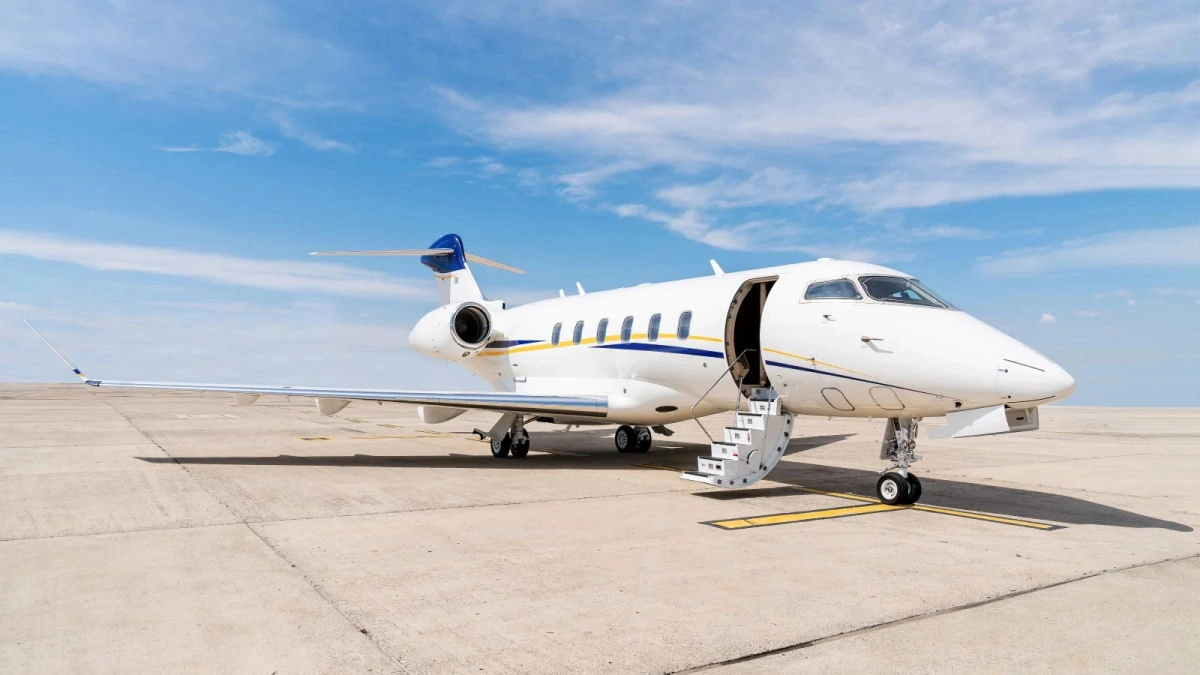
Selecting the right aircraft category depends on group size, non-stop flight range, and cargo needs. Below is an estimated baseline pricing overview for charter flights originating in the Minneapolis area.
| Aircraft Category | Passenger Capacity | Typical Range | Estimated Hourly Rate | Common Flight Missions |
| Turboprop Aircraft | 4 to 8 passengers | ~1,000 nautical miles | $2,000 to $3,200 / hr | Regional hops (Minneapolis to Chicago, Duluth, Fargo) |
| Light Jets | 6 to 8 passengers | ~1,500 nautical miles | $2,800 to $4,500 / hr | Midwest & East Coast (Minneapolis to Denver, Nashville) |
| Midsize Jets | 7 to 9 passengers | ~2,200 nautical miles | $4,200 to $6,800 / hr | Mid-range travel (Minneapolis to Dallas, Atlanta, Phoenix) |
| Super Midsize Jets | 8 to 10 passengers | ~3,500 nautical miles | $6,200 to $9,200 / hr | Coast-to-coast flights (Minneapolis to Los Angeles, Miami) |
| Heavy / Long-Range Jets | 10 to 16 passengers | 4,500+ nautical miles | $8,500 to $16,000+ / hr | Transatlantic routes (Minneapolis to London, Paris, Tokyo) |
Popular Route Cost Estimates Out of Minneapolis
Based on recent charter market data, here are estimated price ranges for popular flights connecting to the Twin Cities:
Minneapolis (STP) to Chicago (PWK): $10,000 to $14,000 on a Light Jet
Minneapolis (MSP) to New York (TEB): $18,000 to $24,000 on a Midsize Jet
Minneapolis (FCM) to Scottsdale (SDL): $22,000 to $28,000 on a Super Midsize Jet
Minneapolis (MSP) to Miami (OPF): $24,000 to $32,000 on a Super Midsize Jet
Minneapolis (STP) to Los Angeles (VNY): $30,000 to $38,000 on a Super Midsize Jet
Best Executive Airports for Private Aviation in Minneapolis
The Minneapolis-St. Paul metropolitan area features several dedicated general aviation facilities. Selecting the right airport helps minimize highway travel time and lowers overall landing fees.
1. St. Paul Downtown Airport (STP / Holman Field)
Located three miles southeast of Downtown St. Paul, STP serves as a primary hub for corporate and government travel in the East Metro.
Facilities: Features multiple full-service FBOs, long paved runways capable of supporting midsize and heavy jets, and dedicated customs clearing.
Key Advantages: Bypasses commercial airline traffic, offering quick road access to the Minnesota State Capitol and St. Paul commercial districts.
Best For: Corporate executives, state government officials, and high-profile visitors seeking fast arrival processing.
2. Flying Cloud Airport (FCM)
Situated in Eden Prairie, approximately 14 miles southwest of Downtown Minneapolis, FCM is one of the region’s premier corporate aviation airfields.
Facilities: Highly developed infrastructure featuring modern private terminal facilities, aircraft maintenance hangars, and flight planning centers.
Key Advantages: Located near major corporate parks and high-end residential communities in the West Metro.
Best For: Travelers based in Eden Prairie, Wayzata, Minnetonka, Edina, and Bloomington.
3. Minneapolis: Saint Paul International Airport (MSP / Wold-Chamberlain Field)
While MSP handles major commercial airlines, it also accommodates MSP private charter operations through dedicated private FBO facilities located away from commercial terminals.
Facilities: Operated by Signature Aviation, offering private passenger lounges, conference rooms, executive car service, and 24/7 customs processing.
Key Advantages: Features long international runways suitable for ultra long-range heavy jets carrying high passenger volumes.
Considerations: Higher landing fees and occasional air traffic control holds during commercial rush hours.
4. Anoka County: Blaine Airport (KANE / Janes Field)
Located 20 miles north of Minneapolis, Blaine Airport provides an efficient alternative for northern metro access.
Facilities: Features modern general aviation hangars, full-service fuel stations, and quiet traffic patterns.
Key Advantages: Offers low handling fees and swift departure clearance compared to larger international facilities.
Best For: Travelers visiting northern Twin Cities suburbs or heading toward Northern Minnesota lake country.
Popular Aircraft Options for Minnesota Charters
Choosing the best aircraft model ensures a comfortable flight tailored to your route requirements. Here are common aircraft utilized for a private jet charter minneapolis itinerary:
Turboprop Aircraft: Beechcraft King Air 200 / 350
The King Air family remains a classic choice for regional hops throughout Minnesota and neighboring states.
Cabin Capacity: 6 to 8 passengers
Cruising Speed: 310 knots
Key Feature: Excellent short-runway performance, enabling access to small municipal airfields across the Midwest.
Light Jet: Embraer Phenom 300
The Phenom 300 ranks among the most requested light jets in private aviation due to its speed, modern cabin design, and efficiency.
Cabin Capacity: 6 to 7 passengers
Cruising Speed: 453 knots
Key Feature: Generous luggage space and smooth flight capability for routes connecting Minneapolis to East Coast cities.
Midsize Jet: Cessna Citation XLS+
The Citation XLS+ provides generous stand-up cabin head space and comfortable seating configurations for medium-range flights.
Cabin Capacity: 8 to 9 passengers
Cruising Speed: 441 knots
Key Feature: Fully enclosed aft lavatory, refreshment center, and large external baggage compartment for golf clubs or skis.
Super Midsize Jet: Bombardier Challenger 300
For coast-to-coast flights from Minnesota to California or Florida, the Challenger 300 offers impressive transcontinental performance.
Cabin Capacity: 8 to 10 passengers
Cruising Speed: 470 knots
Key Feature: Non-stop coast-to-coast flight range, flat-floor cabin interior, and high cruising altitudes for smooth travel.
Heavy Jet: Gulfstream G450
The Gulfstream G450 delivers luxury cabin space, intercontinental range, and advanced entertainment systems for long-distance international trips.
Cabin Capacity: 12 to 16 passengers
Cruising Speed: 476 knots
Key Feature: Multiple living zones, full galley service, and transoceanic flight capability connecting Minneapolis directly to Europe.
Step-by-Step Guide to Booking an Executive Jet Charter
Planning a private flight out of the Twin Cities is simple when following a structured booking process:
Step 1: Establish Flight Requirements
Determine your exact passenger count, total luggage weight, destination airfield, and schedule preferences. If traveling with pets, golf equipment, or skis, notify your charter advisor early to ensure proper cargo capacity.
Step 2: Select the Ideal Executive Airport
Choose between local airfields like St. Paul Downtown Airport (STP) or Flying Cloud Airport (FCM) based on your departure location. Selecting a smaller executive airfield often reduces ground drive times and avoids commercial air traffic holds.
Step 3: Request and Compare Itemized Quotes
Request quotes from reputable charter brokers or operators. Verify that estimates detail all baseline hourly costs, fuel surcharges, landing fees, crew expenses, and applicable Federal Excise Tax.
Step 4: Verify Safety Certifications
Ensure your flight provider utilizes Part 135 air carriers audited by independent aviation safety organizations like ARGUS or Wyvern. These audits confirm pilot flight experience, airframe maintenance compliance, and operational safety records.
Step 5: Finalize Passenger Manifest and Catering
Submit full legal names and dates of birth for all passengers to complete security checks. You can also request ground transportation transfers and custom cabin catering prior to flight day.
How to Reduce Your Jet Charter Cost
While private aviation represents a premium investment, strategic planning can help optimize your travel budget.
1. Book Empty Leg Opportunities
An empty leg occurs when a private aircraft flies without passengers to reposition for another charter or return to its home hangar. Operators frequently sell empty leg segments at discounts ranging from 25% to 75% off standard charter prices.
2. Match Aircraft Size to Mission
Avoid booking oversized aircraft for short regional routes. A turboprop or light jet handles flights to Chicago or Des Moines efficiently, saving thousands compared to hiring a midsize jet.
3. Plan Ahead During Peak Demand
South Florida and Arizona travel spikes during winter months, while Midwest lake travel increases in summer. Booking three to four weeks in advance helps secure optimal aircraft availability and prevents last-minute positioning charges.
4. Utilize Regional Secondary Airports
Choosing secondary airports like Flying Cloud (FCM) over major hubs like Minneapolis-St. Paul International (MSP) often reduces landing fees, handling costs, and fuel surcharges.
Conclusion
Arranging a private jet charter minneapolis itinerary provides unmatched time savings, privacy, and flexibility across the Upper Midwest. By understanding jet charter cost structures, selecting convenience-focused airports like STP or FCM, and partnering with verified charter providers, you ensure a smooth travel experience from takeoff to landing.
Whether you need an executive jet charter for corporate travel or a spacious aircraft for family vacations, private aviation keeps you in complete control of your journey. For more authoritative transportation guides, luxury travel reviews, and vehicle analysis, visit us at turboocruiser.com.
Frequently Asked Questions
What is the average price for a private jet charter in Minneapolis?
A private jet charter minneapolis flight generally ranges from $2,000 to $15,000+ per hour depending on aircraft class. A typical one-way flight from Minneapolis to Chicago on a light jet costs between $10,000 and $14,000 based on current market estimates.
Which airport is best for private jet flights in Minneapolis?
For fast access to Minneapolis, Flying Cloud Airport (FCM) in Eden Prairie is a top choice. For Downtown St. Paul access, St. Paul Downtown Airport (STP) offers exceptional convenience and dedicated general aviation facilities.
How far in advance should I book a miami or minneapolis private jet?
For standard domestic routes, booking one to two weeks in advance provides good aircraft selection. During holiday travel periods or major sporting events, booking three to four weeks ahead is recommended.
Are pets allowed on private jet flights out of Minnesota?
Yes, private charters are pet-friendly. Pets can travel comfortably inside the main cabin alongside passengers without requiring crates, provided valid health and vaccination records are submitted before departure.