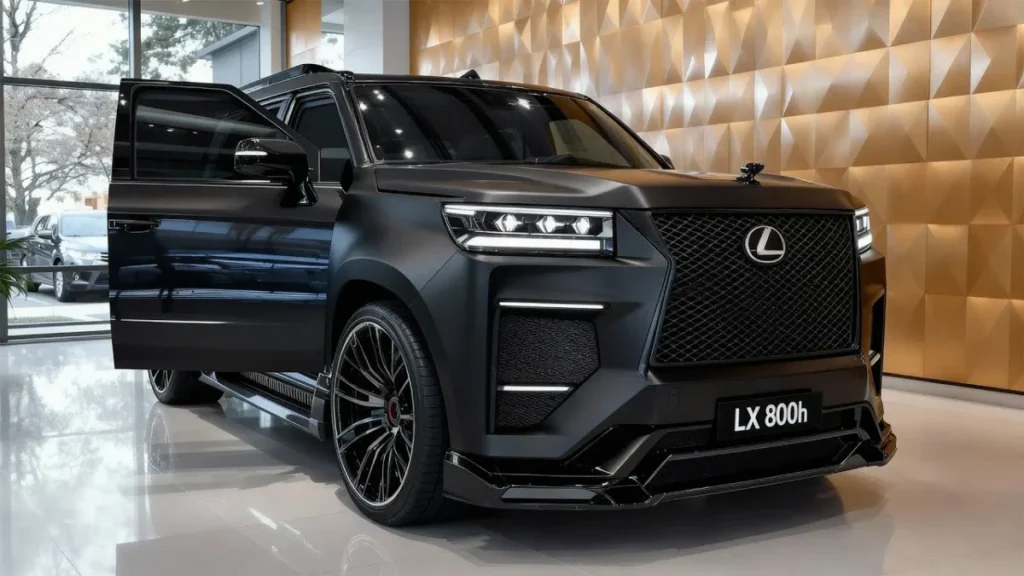
When you want to trade smooth pavement for rugged, unpaved terrain, you no longer have to sacrifice high-end comfort. The best off road luxury suv 2026 market has evolved dramatically, offering heavy-duty mechanical capability paired with first-class cabin spaces.
If you are looking for the absolute best luxury 4×4, three distinct icons dominate the global conversation. The selection breaks down into a fierce three-way battle: the high-tech defender vs g wagon, and the highly anticipated return of the land cruiser 2026.
While all three options promise exceptional engineering, they cater to completely different styles of luxury adventure. Let’s pit these legendary off-road titans against one another to see which machine deserves a spot in your garage.
The Contenders: Heritage Meets Modern Trail Engineering
Every vehicle in this comparison carries a legendary nameplate with decades of off-road history. However, their modern engineering paths have diverged completely.
The luxury off road suv segment requires vehicles to handle two completely opposite environments perfectly. They must glide silently down high-speed highways, yet conquer jagged rock gardens at the touch of a button.
Choosing the winner of the g wagon vs defender debate depends heavily on whether you prefer mechanical brute force or advanced digital adaptation. Meanwhile, the Toyota offering targets buyers who value bulletproof isolation above flashy showmanship.
Powertrain Dynamics and Mechanical Specs
True off-road mastery begins with raw, low-end torque. To move these heavy-duty machines over loose sand, thick mud, and steep mountain passes, manufacturers rely on highly advanced hybrid and internal combustion setups.
The engineering teams at Mercedes replaced the old V8 in the standard G 550 with an exceptionally smooth, electrified inline-six engine. Consequently, the G-Wagon sprints from 0 to 60 mph in a sports-car-like 5.3 seconds.
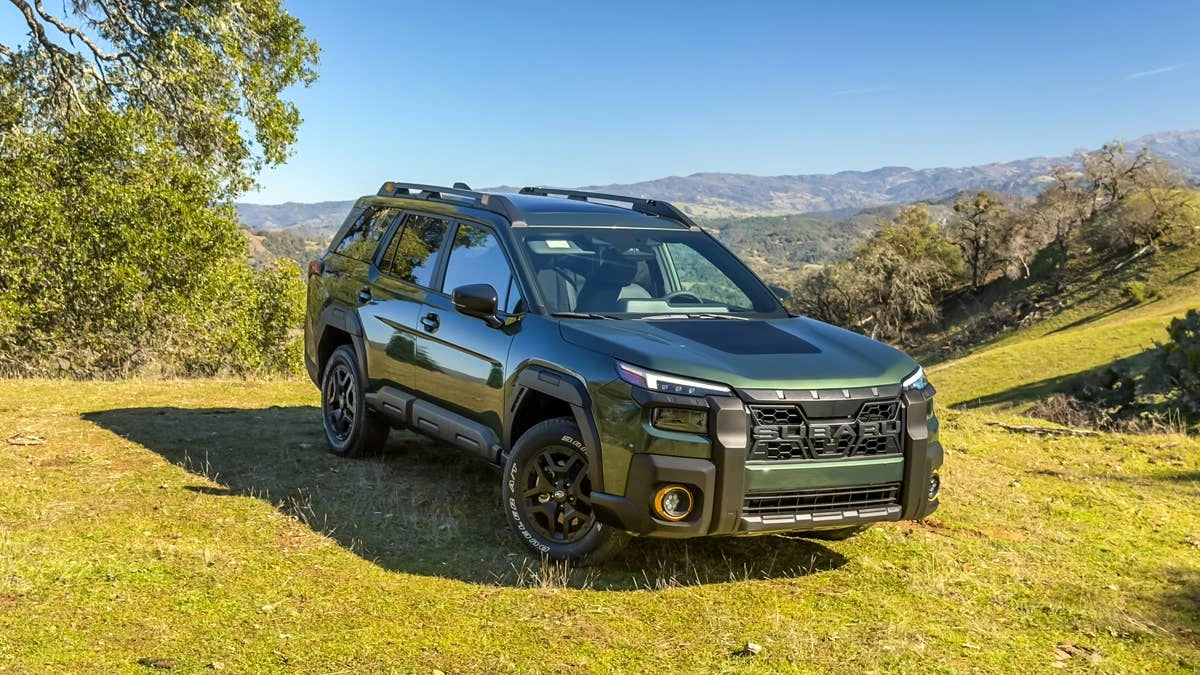
In contrast, the Land Rover platform offers everything from efficient mild-hybrids up to a monstrous 626-horsepower twin-turbo V8 in its flagship OCTA trim. Buyers cross-shopping this segment often also weigh electrified rivals from Porsche and Lamborghini, where turbocharged and hybrid setups deliver a completely different on-road character.
Finally, the Toyota powertrain prioritizes instant low-end electric torque. The integrated electric motor helps it deliver an impressive 465 lb-ft of torque down low. This setup makes it an incredible tool for low-speed technical rock crawling.
Off-Road Hardware: Locking Differentials vs. Terrain Software
When the trail gets treacherous, the specific mechanical and electronic hardware under the floorboards determines your progress.
The Mercedes G-Class remains the traditional mechanical purist of the group. It features three independent, sequentially lockable differentials (Center, Rear, and Front) controlled by physical buttons on the center dashboard.
When all three locks are engaged, the axles lock together completely to distribute power equally to all four tires, regardless of traction. This design allows it to claw through deep mud and steep ruts with absolute ease.
The Toyota strategy balances these two approaches beautifully. The modern edition features a standard full-time four-wheel-drive system, an electronic locking rear differential, and a mechanical front stabilizer bar disconnect system.
Pressing the stabilizer button increases front wheel articulation dramatically. As a result, the tires stay firmly planted on the ground over uneven terrain, ensuring consistent forward momentum.
Interior Opulence and Digital Cabin Technology
The concept of a modern luxury off road suv means the cabin space must feel like a high-end lounge, even when the outside environment is completely hostile.
Inside the G-Wagon, you are surrounded by elite luxury finishes. Almost every surface features soft Nappa leather, open-pore wood, or genuine carbon fiber accents. The doors close with an iconic, reassuring sound reminiscent of a classic bank vault.
The Defender takes a completely different approach to interior style. It artfully blends premium textures with rugged utility. It features exposed structural powder-coated magnesium dashboard beams and durable rubber floor mats that are incredibly easy to clean after a muddy weekend trail excursion.
Meanwhile, the Toyota cabin skips flashy digital showmanship in favor of supreme tactical longevity. It boasts large, clear physical buttons for the climate control and 4×4 systems. These controls are exceptionally easy to operate, even if you are wearing heavy off-road driving gloves.
Ultimate 4×4 Off-Road Metrics Comparison
| Trail Performance Capability | 2026 Mercedes-Benz G 550 | 2026 Land Rover Defender 110 | 2026 Toyota Land Cruiser |
| Chassis Construction | Body-on-Frame (Steel) | Unibody (Aluminum) | Body-on-Frame (TNGA-F) |
| Suspension Type | Independent Front / Rigid Rear Axle | Fully Independent Air Suspension | Independent Front / Multi-link Rear |
| Max Ground Clearance | 9.5 Inches | 11.5 Inches | 8.7 Inches |
| Maximum Wading Depth | 27.5 Inches | 35.4 Inches | 27.5 Inches |
| Standard Differential Locks | 3 (Center, Rear, Front) | 2 (Center, Rear Electronic) | 2 (Center, Rear Electronic) |
| EPA Estimated Fuel Economy | 17 City / 19 Highway | 18 City / 23 Highway (Est) | 22 City / 25 Highway |
Beyond off-road hardware, fuel efficiency remains a growing concern for luxury SUV buyers in 2026. Fuel economy figures referenced in this comparison align with official government testing standards.
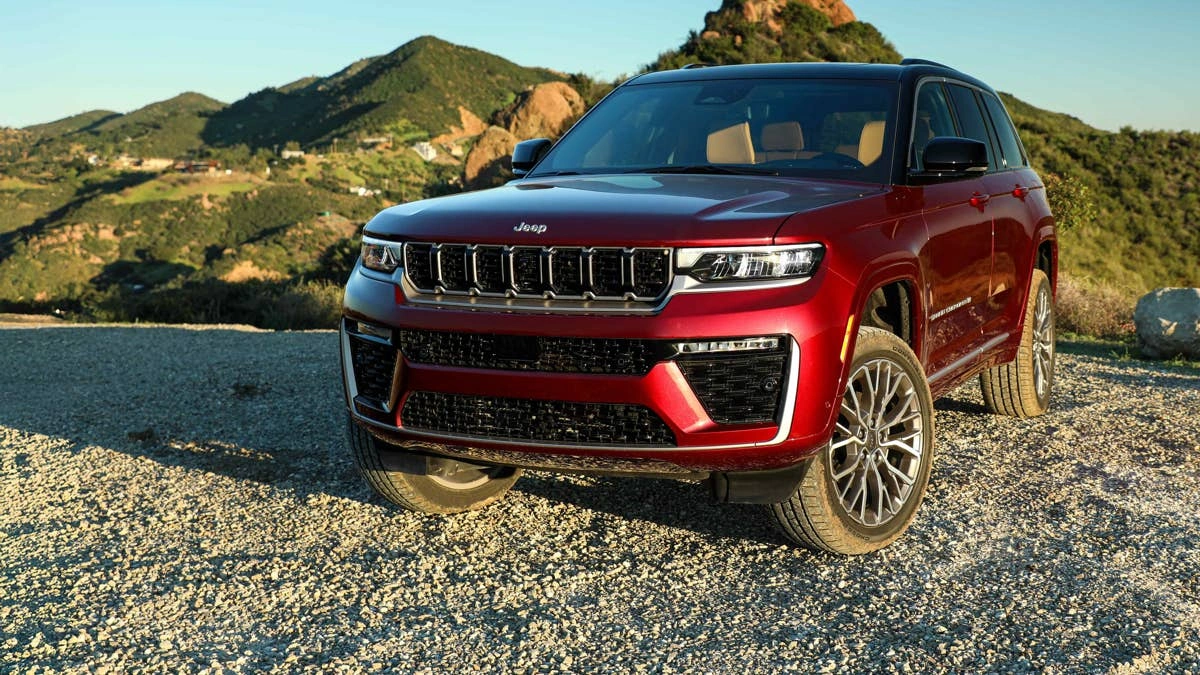
Long-Term Reliability and Real-World Ownership Reality
Investing in a premium four-wheel-drive machine requires understanding the long-term ownership costs. These vehicles are packed with high-end mechanical components and complex electrical systems that endure real physical strain on the trail.
The clear advantage for long-term overlanding and remote trail driving belongs to Toyota. Because the brand utilizes its shared global truck architecture, finding routine maintenance items or replacement components anywhere in the world is remarkably easy.
The Mercedes platform features incredibly robust mechanical differentials and a durable frame. However, routine annual services at authorized dealerships command high specialty asset pricing.
The Defender offers unparalleled electronic sophistication on the trail. This trade-off between digital sophistication and mechanical simplicity mirrors a similar debate seen in other flagship luxury SUV comparisons. Because it relies heavily on complex software networks and height-adjustable air springs, staying on top of scheduled service windows is critical to ensuring long-term reliability.
The Verdict: Matching the Vehicle to Your Adventure Style
The title of the definitive best off road luxury suv 2026 ultimately depends on how you plan to spend your time behind the wheel.
If your goal is to make an undeniable visual statement on city streets while retaining the mechanical hardware to conquer any terrain on earth, the Mercedes-Benz G-Class stands completely alone. It is a hand-assembled masterpiece of automotive heritage.
If you love cutting-edge digital assistance, exceptional high-speed highway manners, and a spacious, modern British interior layout, choose the Land Rover Defender. Its intelligent air suspension and advanced camera systems make off-roading completely effortless for beginners and experts alike.
However, if you want an absolute tool of pure overlanding functionality, elite long-term reliability, and understated luxury, the Toyota Land Cruiser remains the smartest choice for true explorers. To read detailed long-term trail tests, check out upcoming vehicle reveals, or view deep-dive vehicle specs, visit turboocruiser.com to stay completely informed.
Frequently Asked Questions
Which vehicle is best for long-term overlanding and remote travel?
The Toyota Land Cruiser wins this category easily. While the Defender and G-Wagon are incredibly capable, their complex electronics and highly specialized parts networks make remote field repairs difficult. The Land Cruiser’s TNGA-F truck platform shares components globally, and its simplified, robust mechanical setup is designed for years of isolation without software hiccups.
Can the Land Rover Defender really handle water as deep as a G-Wagon?
Actually, it can handle more. The Defender 110 boasts a maximum wading depth of 35.4 inches when the air suspension is fully raised, and features a dedicated “Wade Mode” that automatically locks the driveline and drags the brakes slightly to clean the rotors after exiting water. The Mercedes G-Wagon is rated for 27.5 inches of water depth, which is identical to the Toyota Land Cruiser.
Do I actually have to manually lock the differentials on the G-Wagon?
Yes, and that is a major part of its mechanical appeal. While the Defender and Land Cruiser rely on computer software to sense wheel slip and engage locks automatically, the G-Wagon places three prominent physical buttons directly on the center console. You manually lock them in order (1: Center, 2: Rear, 3: Front) before tackling massive obstacles, giving you complete, predictable control over the drivetrain.
Is the Defender’s unibody structure worse than a traditional frame?
Not anymore. Purists used to argue that body-on-frame (used by G-Wagon and Land Cruiser) was mandatory for real off-roading. However, Land Rover’s D7x all-aluminum unibody architecture is the stiffest body structure the brand has ever produced. It handles harsh trail impacts perfectly without flexing, while offering vastly superior, car-like handling and stability on high-speed highways.