Automotive enthusiasts are currently asking a definitive question regarding the ultimate gr supra vs nissan z battle.
Choosing a high-performance sports car requires analyzing performance, design, and long-term value. Specifically, you want to know which vehicle dominates on both the open highway and the weekend racetrack. This decision has become even more urgent because industry reports indicate that this model year represents the absolute final production run for the iconic Toyota coupe. Consequently, making the right choice between these two legendary machines is highly critical.
The direct answer based on the latest 2026 automotive testing data is clear. The Toyota GR Supra remains the superior track day weapon due to its sharper handling, while the Nissan Z serves as a more comfortable daily cruiser with retro styling.
Therefore, to see which option fits your driving habits, let us dive into an extensive supra vs z 2026 evaluation. We will analyze the engineering, ownership costs, and real-world performance metrics of these two automotive titans. If neither of these fits your exact budget, our roundup of sports cars under $80,000 in 2026 covers more options in this exact price bracket.
Under the Hood: Engine and Performance Comparison
When you examine the powertrain engineering, both manufacturers have utilized forced induction to achieve high speed. However, the execution of their engine architecture is entirely different.
The Supra Turbocharged Inline-Six
The toyota supra vs nissan z discussion must start with the power plants. Under the hood of the Toyota sits a highly praised 3.0-liter twin-scroll turbocharged inline-six engine. This powerhouse is sourced from BMW, but it features distinct software calibration completed by Toyota engineers.
Consequently, the power plant delivers 382 horsepower and 368 pound-feet of torque. Because this engine delivers power linearly, the vehicle accelerates with immense urgency. For instance, the automatic variant reaches 60 miles per hour from a dead stop in just 3.7 seconds.
The Z Twin-Turbo V6
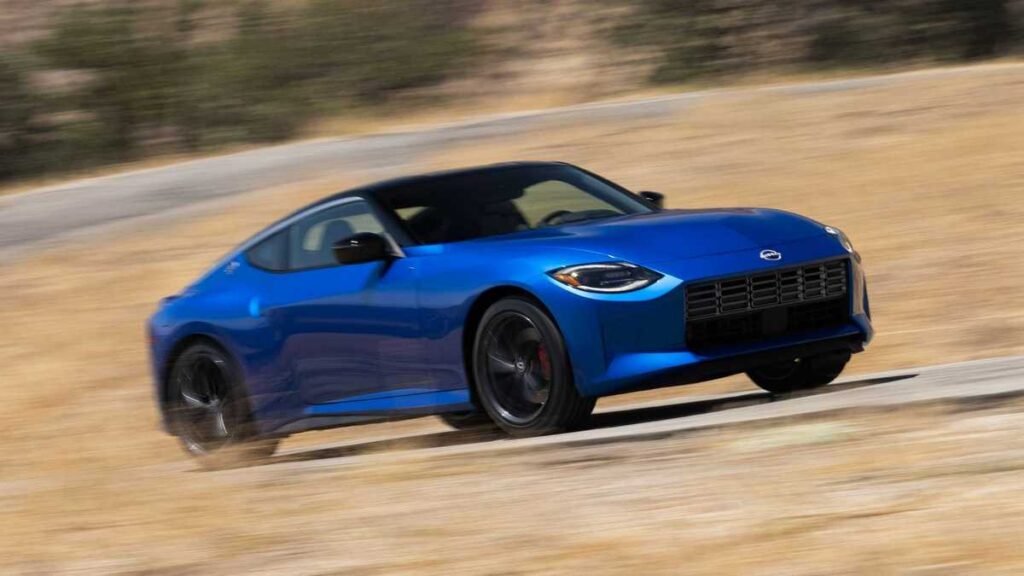
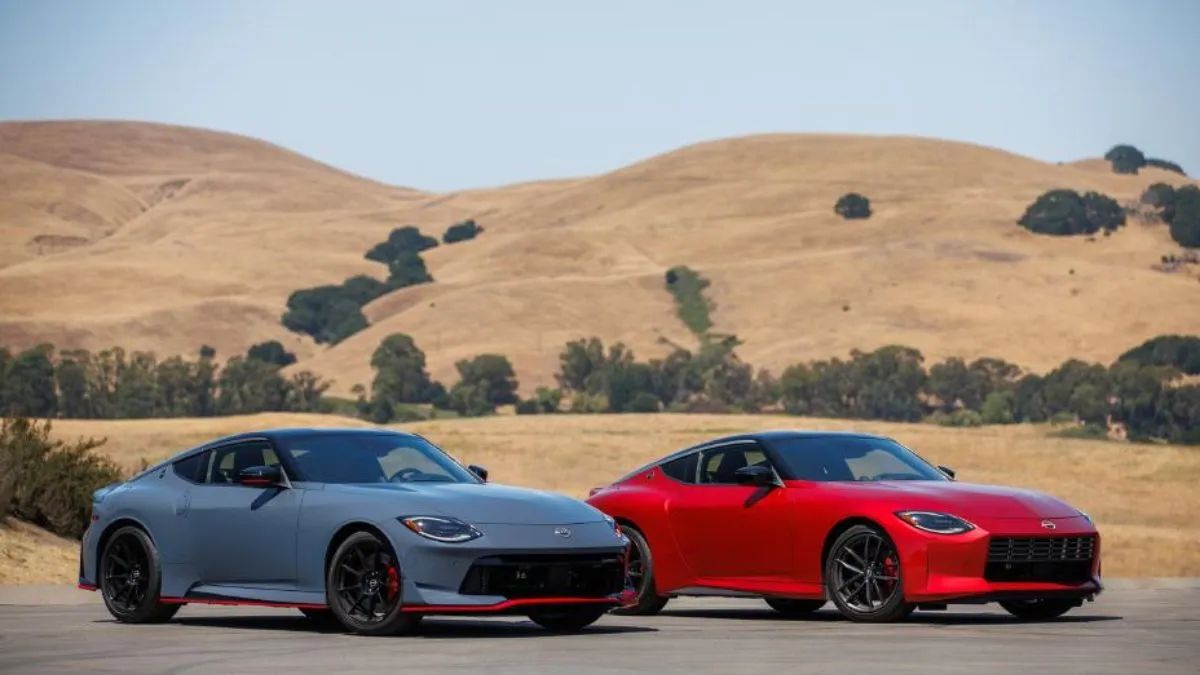
In contrast, Nissan utilizes a twin-turbocharged 3.0-liter V6 engine for its platform. This engine produces a standard 400 horsepower and 350 pound-feet of torque. Furthermore, if you step up to the high-performance NISMO trim level, output increases to a stout 420 horsepower.
Therefore, on paper, the Nissan holds a slight horsepower advantage over the base Toyota. However, real-world testing tells a slightly different story. The Nissan Z requires roughly 3.9 to 4.3 seconds to finish the sprint to 60 miles per hour depending on configuration. This difference occurs because the vehicle carries a heavier curb weight than its competitor.
Track Dynamics vs. Street Comfort
The core driving dynamics highlight the main differences in this supra z comparison. Both cars send power exclusively to the rear wheels, but they treat the driver to completely unique chassis behaviors. For a sense of how it might perform against the clock, check our breakdown of the current Nürburgring lap record leaders in 2026.
How the Supra Handles the Limit
If you plan to attend local track days, the Toyota is arguably the best japanese sports car available in this price bracket. It offers a near-perfect 50:50 front-to-rear weight distribution. Additionally, it features an active rear sport differential that manages traction out of tight corners perfectly.
The steering feel is incredibly direct and heavily weighted. Consequently, the driver feels intimately connected to the front tires at all times. For the final model year, the new MkV Final Edition trim raises the bar even higher by adding stiffer suspension bushings and upgraded anti-roll bars.
How the Nissan Z Behaves on the Road
However, the standard Nissan Z takes a noticeably softer approach to suspension tuning. While it feels highly coordinated through gentle bends, the standard suspension begins to lean significantly when pushed to absolute extremes.
On the bright side, this soft setup results in an exceptionally comfortable daily commute. The vehicle glides over highway pavement imperfections with ease. Therefore, it functions beautifully as a grand touring vehicle for long journeys. Ultimately, the choice between them depends entirely on your performance expectations.
Technical Specification Breakdown
To fully understand the z vs supra dynamics, we need to compare their physical numbers side by side. Consequently, below is an official engineering breakdown based on available data for the standard 2026 models.
Japanese Coupe Comparison Metrics
| Metric Category | Toyota GR Supra (3.0 Base) | Nissan Z (Performance Trim) |
| Engine Architecture | 3.0L Turbocharged Inline-6 | 3.0L Twin-Turbo V6 |
| Peak Horsepower | 382 hp @ 6,500 RPM | 400 hp @ 6,400 RPM |
| Peak Torque | 368 lb-ft @ 1,800 RPM | 350 lb-ft @ 1,600 RPM |
| Available Transmissions | 6-Speed Manual / 8-Speed Auto | 6-Speed Manual / 9-Speed Auto |
| Curb Weight (Manual) | 3,384 lbs | 3,536 lbs |
| 0-60 MPH Acceleration | 3.9 Seconds | 4.3 Seconds |
| Starting MSRP (Est.) | $57,500 | $52,970 |
Detailed Driving Dynamics and Highway Behavior
To get a complete picture of these sports cars, we must evaluate how they perform outside the racetrack. Daily driving scenarios reveal subtle details that might influence your buying decision.
The Supra in Real-World Traffic
The modern Toyota sports coupe behaves like a precision instrument even during mundane commutes. The engine delivers peak torque at a very low 1,800 RPM. This low threshold means you can pass slow-moving semi-trucks on the highway without needing to drop multiple gears.
Additionally, the rigid chassis ensures that body roll is nonexistent during sudden lane changes. However, the aggressive styling presents visibility challenges. The thick rear roof pillars create significant blind spots, making tight parallel parking tasks slightly stressful.
The Nissan Z as a Highway Companion
In comparison, the twin-turbocharged V6 in the Nissan delivers a smooth wave of power across the entire rev range. It does not have the instant bite of the Toyota inline-six, but it builds momentum gracefully.
Furthermore, the steering feels lighter at highway speeds, reducing driver fatigue during long cross-country road trips. The cabin isolation blocks out a considerable amount of tire hum, which is a common complaint among owners of the track-tuned Toyota.
Interior Technology and Practicality
Step inside either cabin, and you will notice a stark contrast in design philosophy. Because both vehicles are strict two-seat configurations, cabin space remains relatively cozy.
The Toyota cockpit feels deeply driver-focused and very snug. It utilizes an 8.8-inch central display running a modified version of the BMW iDrive interface. Unfortunately, the cabin suffers from severe blind spots due to the aggressive exterior roof line. Furthermore, Android Auto is completely unavailable for this model year, which frustrates many tech-savvy buyers.
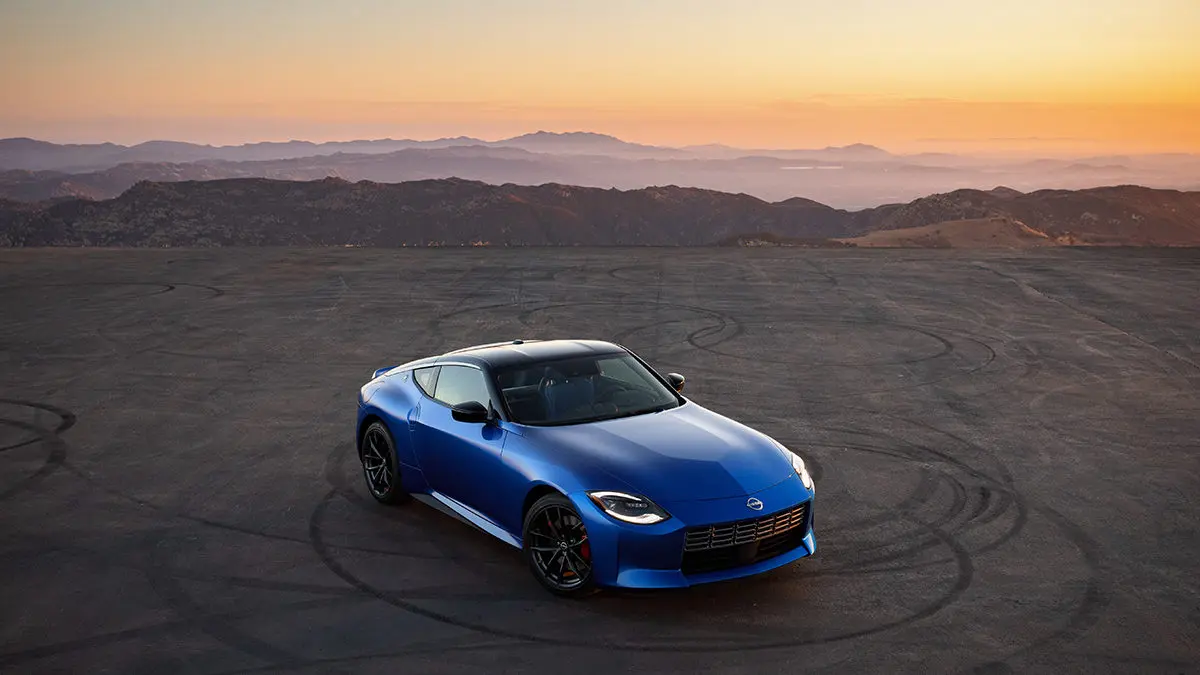
Conversely, the Nissan Z cabin feels noticeably less claustrophobic for taller drivers. It proudly displays three analog gauges on top of the dashboard, paying homage to classic sports cars of the past. Additionally, it features a highly readable 12.3-inch digital gauge cluster along with standard Apple CarPlay and Android Auto integration. As a result, the Nissan wins the convenience category easily.
The Tuning Potential: Modifying Your Coupe
For many sports car buyers, factory specifications are merely a starting point. The tuner community plays a massive role in the long-term legacy of Japanese sports coupes.
The B58 engine in the Supra is legendary for its robust internal components. With simple aftermarket software tuning and minor exhaust upgrades, owners regularly extract over 500 horsepower without sacrificing everyday reliability.
Similarly, the VR30DDTT engine in the Nissan Z is no slouch. Because it is a twin-turbo configuration, simple boost controller adjustments yield major horsepower gains. However, the factory cooling system on the Nissan Z tends to reach its thermal limits faster than the cooling system on the Toyota. Consequently, serious track enthusiasts will need to budget for upgraded heat exchangers.
The Financial Verdict: Pricing and Long-Term Value
When evaluating the overall cost of ownership, pricing trends reveal a clear gap. The Nissan Z starts at a much lower base price point compared to the Toyota option. Therefore, if you are shopping strictly on a budget, the Nissan represents an incredibly strong performance proposition.
However, the long-term value equation changes drastically due to production lifespans. Because 2026 marks the absolute end of the line for the modern GR Supra, availability is plummeting nationwide. Dealerships are experiencing high demand for the limited remaining units. Consequently, the Toyota will likely retain its resale value exceptionally well in the enthusiast collector market over the next decade.
Maintenance and Everyday Ownership Costs
Owning a sports car involves regular checkups and consumable expenses that can surprise unexpected buyers. Insurance premiums for these two models reflect their performance capabilities.
Tire Replacement Costs: Both vehicles utilize staggered high-performance summer tires. Expect to replace the rear tires every 12,000 to 15,000 miles if you drive enthusiastically.
Brake Wear: The Supra features massive Brembo fixed calipers that provide immense stopping power but carry premium replacement costs. The Nissan Z Performance trim uses Akebono calipers, which are slightly more affordable to service at local shops. If you’re considering an upgrade down the line, our guide on whether carbon-ceramic brakes are worth it explains when the extra cost actually pays off.
In terms of routine oil changes, the Nissan Z is simpler to service at independent repair facilities. The Toyota, given its German engineering roots, requires specialized diagnostic tools and premium fluids that can elevate standard dealership service bills.
The Verdict: Which Key Fits Your Pocket?
Ultimately, finding the perfect match within the gr supra vs nissan z landscape comes down to identifying what kind of driving thrill makes you smile.
You should opt for the Toyota GR Supra if:
You prioritize razor-sharp handling, track day performance, and ultimate cornering precision.
You want a vehicle that will likely achieve modern classic status due to its final production run.
You prefer an engine that delivers immediate torque low in the powerband.
You should buy the Nissan Z if:
You want a comfortable daily driver that easily handles long interstate highway cruises.
You love retro styling cues and want modern infotainment software like Android Auto.
You are shopping on a strict budget but still want 400 horsepower out of the box.
Conclusion
The battle between these two iconic sports cars highlights two distinct engineering philosophies. By focusing on uncompromising track capability and aggressive styling, Toyota created a pure sports machine that will be deeply missed after this year. On the other hand, Nissan focused on everyday comfort, accessible pricing, and nostalgic charm, ensuring the Z remains a beloved choice for street driving.
If you want to read more vehicle comparisons, deep technical overviews, and comprehensive buying guides, make sure to visit our homepage at turboocruiser to stay fully informed.
Frequently Asked Questions
Why is the Toyota GR Supra being discontinued after 2026?
The production contract between Toyota and Magna Steyr, the manufacturing facility in Austria, is officially winding down after a highly successful seven-year lifecycle. As a result, Toyota is delivering the exclusive MkV Final Edition to celebrate the conclusion of this generation.
Can you get a manual transmission on both models?
Yes, absolutely. Both manufacturers recognize the demands of traditional driving purists. Therefore, you can choose a six-speed manual gearbox as a no-cost option across their main performance trim levels.
Which coupe gets better fuel economy?
Based on official EPA estimated data, both cars perform similarly on the highway. The automatic Toyota GR Supra achieves up to 29 miles per gallon on the highway, while the automatic Nissan Z matches that exact number under similar driving conditions.
Is the Nissan Z NISMO version worth the extra money?
The NISMO version adds 20 extra horsepower, a stiffer suspension, and track-focused aerodynamics. However, it removes the manual transmission option and pushes the price tag close to $67,000, making the base Performance trim a better overall value for standard street use.