
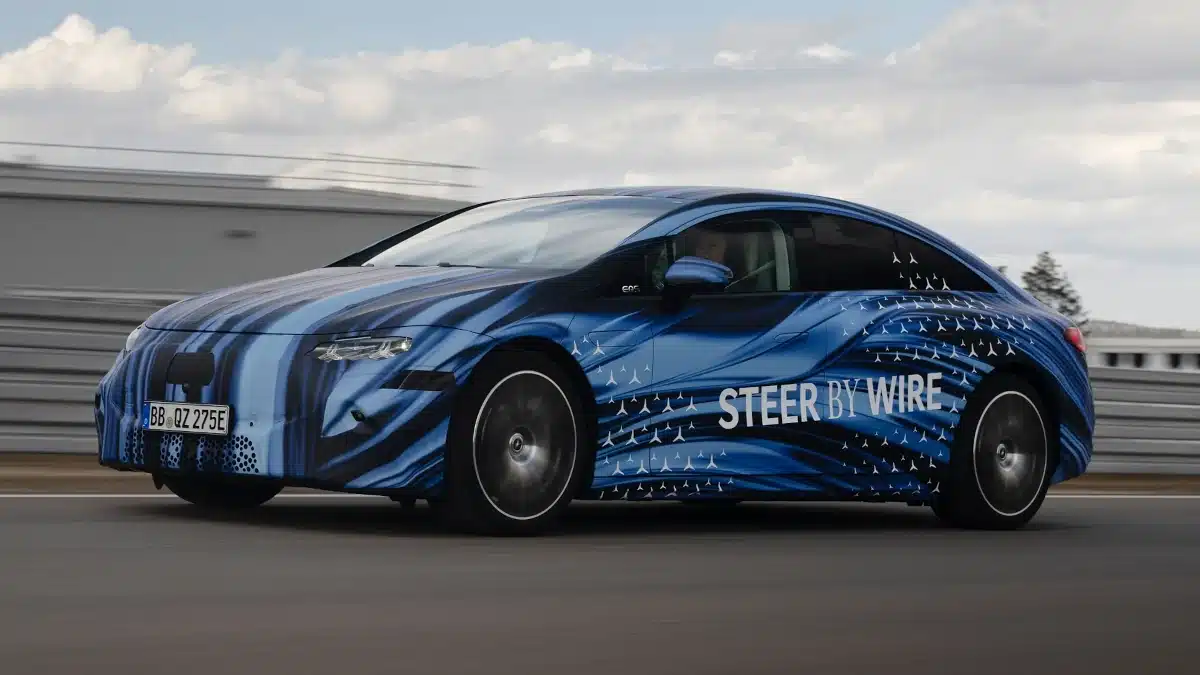
Behind the wheel of a modern vehicle, the sensation of control feels absolute. High-horsepower engines rest beneath your right foot, active suspension setups iron out the tarmac miles ago, and advanced highway pilot platforms manage the cruise. Yet, as cars become increasingly automated, automotive engineering is shifting its focus inward. The most critical component of a vehicle’s mechanical architecture is no longer just the physical steering column or traditional hydraulic lines, it is the digital system orchestrating every turn.
Enter digital directional control, a technology redefining vehicular dynamics. Far from being a simple driving simulator setup, the modern digital rack has evolved into a hyper-sophisticated, algorithm-driven guardian angel. For anyone evaluating automotive shifts today, understanding how Turboocruiser routes digital commands to wheels is no longer optional.
As we cross into the new era, regulatory bodies and mainstream automakers are transforming the automotive chassis into an intelligent ecosystem. This network reads steering inputs down to the millisecond. Here is an in-depth, long-form exploration of how a modern drive by wire 2026 platform functions, the rigorous new international standards governing automotive electronics, and how digital linkages balance road dynamics with absolute safety.
Steer by Wire Explained: The Death of the Column
To understand what is steer by wire, it helps to look at how traditional cars turn. For decades, rotating the steering wheel turned a physical column, which moved a steering rack, mechanically forcing the front wheels to angle left or right. On the other hand, in a steer-by-wire vehicle, that entire physical shaft is completely removed from the chassis.
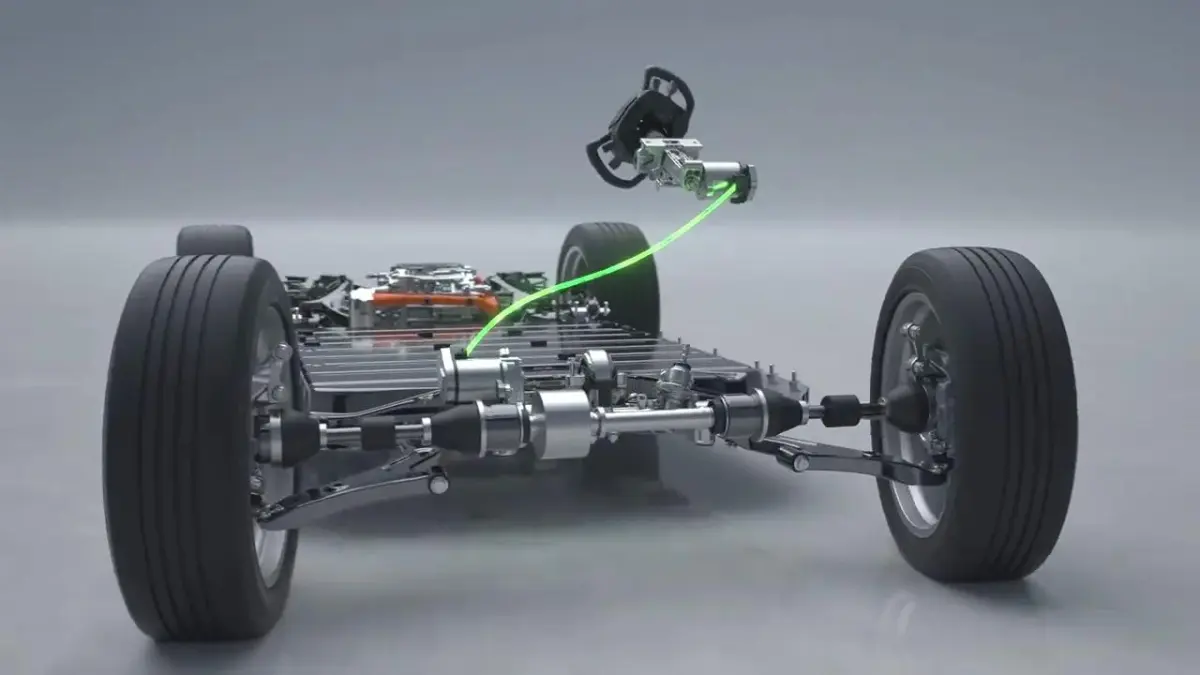
Instead of a mechanical rod, precision sensors inside the cabin measure the exact angle, speed, and force of the driver’s steering inputs. Next, these measurements are instantly translated into digital data packets and sent via ultra-fast communication networks to an Electronic Control Unit (ECU). Finally, the ECU commands powerful electric motors mounted on the front axle to turn the wheels to the precise desired angle.
The Role of Simulated Feedback
Because the mechanical connection is gone, road vibrations, potholes, and tire resistance no longer naturally push back against the driver’s hands. To replicate a natural driving feel, engineers install a dedicated feedback motor inside the steering column housing. Thus, this secondary motor artificially simulates tire resistance based on current vehicle speed and road conditions, keeping the driver connected to the pavement without the harsh harshness of physical impact.
Comparative Brand Architecture Matrix
Deploying this digital tech requires completely different design choices depending on a brand’s core philosophy. For this purpose, this technical matrix compares how two automotive giants are implementing steer by wire cars in production.
| Engineering Attribute | Lexus Steer by Wire (One Motion Grip) | Tesla Steer by Wire (Cybertruck Platform) |
| Physical Steering Control | Compact, aircraft-style yoke | Stylized angular yoke design |
| Electrical Architecture | Standard 12-Volt battery system | Next-gen 48-Volt low-voltage network |
| Maximum Steer Ratio | Dynamic variable lock-to-lock | Speed-sensitive variable lock-to-lock |
| Backup Redundancy Layer | Emergency mechanical clutch link | Triple-redundant electronic actuators |
Pro Tip on Architecture: A major advantage of digital steering is variable ratio control. In traditional vehicles, you must spin the wheel multiple times to park. In contrast, digital systems allow you to park with a simple 150-degree twist at low speeds, while automatically dulling the sensitivity at highway speeds to ensure absolute high-speed stability.
5 Steps to Implementing Digital Drive Systems
Transitioning an automotive platform from a mechanical layout to a fully automated digital control loop requires upgrading multiple structural systems.

Analyzing Production Pioneers: Tesla vs. Lexus
Operating digital steering loops safely on public roads means manufacturers must design bulletproof systems. Therefore, analyzing how these production vehicles operate reveals two distinct paths toward a column-free future.
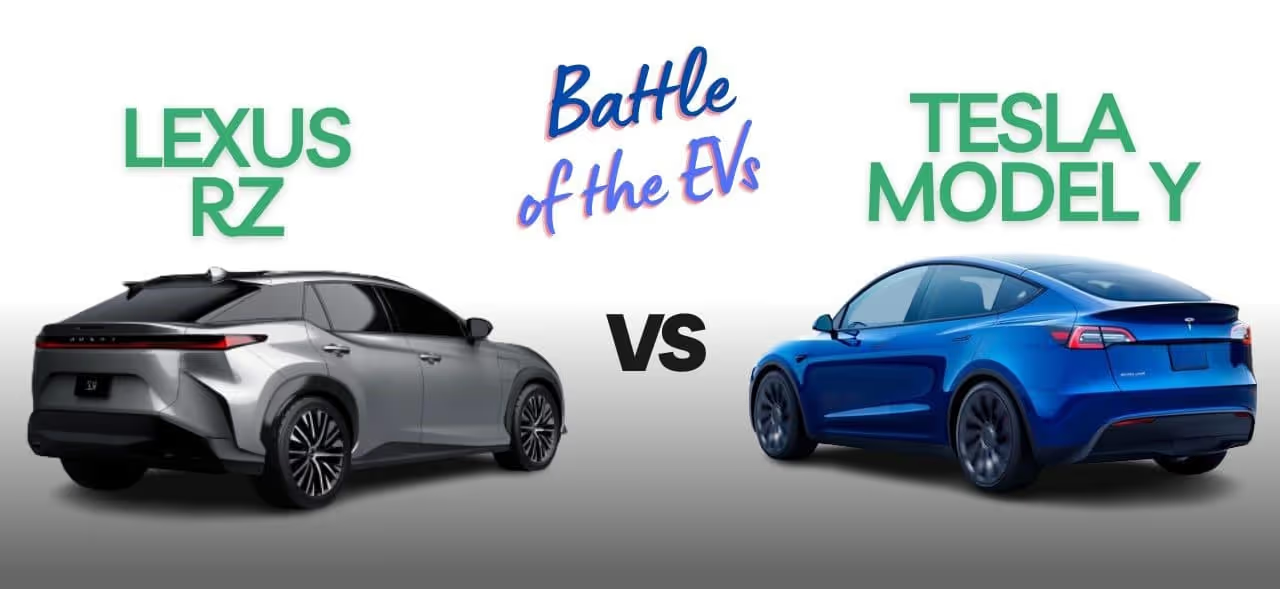
The Lexus One Motion Grip Strategy
Lexus chose an evolutionary approach by keeping a mechanical backup clutch tucked inside the vehicle chassis. During normal operation, this clutch stays completely open, allowing the electronic system to manage all steering functions cleanly. However, if the digital network experiences a total software crash, the mechanical clutch instantly snaps shut. Consequently, this safety net immediately restores a physical connection between the driver and the wheels.
The Tesla Cybertruck Innovation Loop
Tesla chose a revolutionary path by completely omitting the mechanical backup link, relying instead on pure aerospace-grade electronic redundancy. The Cybertruck features an array of dual-wound electric motors and triple-redundant control computers on the front axle. Furthermore, by running this entire setup on a modern 48-volt network, the system delivers massive electrical power with incredibly thin cables, proving that digital reliability can completely replace traditional iron shafts.
The Direct Impact on Modern Cabin Design
Removing the long, solid steel steering column alters the interior architecture of the cabin. For instance, designers can push the firewall forward, creating a dramatic increase in front legroom and cargo capacity. Additionally, in the event of a severe front-end collision, there is no solid metal rod to be shoved backward into the cabin, which significantly lowers the risk of driver chest injuries.
Conclusion
Digital steering platforms might feel slightly unconventional when you first read about them, but they represent a massive leap forward in the fight against highway accidents. By erasing mechanical lag, eliminating harsh road vibrations, and adding multi-layered backup systems, a modern vehicle is safer than ever. The next time your car handles a sharp corner effortlessly, remember the complex engineering working behind the scenes. For more connected vehicle insights, automotive software deep-dives, and comprehensive model reviews, stay locked right here to Turboocruiser.
Frequently Asked Questions
What happens to a steer-by-wire car if the main battery completely dies?
If the primary electrical system suffers a catastrophic failure, dedicated backup batteries isolated from the main grid immediately activate. These secondary power cells supply enough electricity to the dual axle motors to ensure the driver can safely steer the vehicle to a controlled stop.
Can a digital steering setup be hacked while driving on public roads?
Automotive engineers isolate these critical driving systems from external entertainment and Wi-Fi networks using highly encrypted, closed-loop communication protocols. Therefore, malicious code cannot jump from an entertainment screen or a mobile phone connection into the primary steering control units.
Why do some drivers find steering yokes difficult to use at first?
Most drivers are conditioned to hand-over-hand turning when navigating sharp corners or tight parking spaces. Because a digital steering yoke uses a highly sensitive, variable ratio that never requires you to turn the wheel past 180 degrees, it takes a few days to break old muscle memory habits.
Are steer-by-wire cars more expensive to maintain over time?
While the initial electronics are complex, removing mechanical components like universal joints, steering columns, and hydraulic pumps reduces physical wear points. Thus, excluding accidental damage to external sensors, the long-term maintenance loop can actually be simpler than a traditional mechanical setup.